Benchtop Electrochemical Hydrogen Generator Suppliers and Manufacturers
Compare 26 verified suppliers offering benchtop electrochemical hydrogen generators with customizable production rates and purity up to 99.99%. Review response times, lead times, and certifications before requesting quotes for your lab research needs; review the available evidence before requesting comparable quotations from suitable candidates.
Updated
Suppliers List

Zhejiang Top Cloud-Agri Technology Co., Ltd.
- China Zhejiang
- Lead time0 days
- Avg. response≤ 8h
Main productsSoil Nutrient Analyzer, Seed Tester Meter, Chlorophyll Meter, Leaf Area Meter, Fat Analyzer, Fruit Hardness Tester, Incubator, Grain Testing Meter Tester, Plant Physical Tester, Flour and Oil Testing Instrument
- Manufacturer, Trading Company
- Shanghai, China
- Lead time30 days
- Avg. response≤ 2h
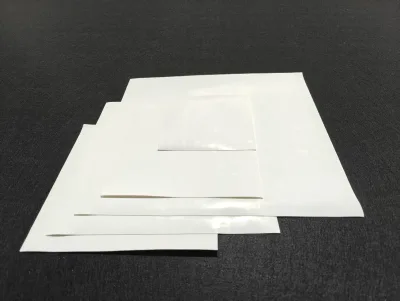
Main productsHydrogen production membrane,Anion exchange membrane,carbon paper,electrolytic cell,water electrolysis system
Main marketsEastern Asia(56.00%), Mid East(20.00%), Domestic Market(2.00%), South Asia(2.00%), Southern Europe(2.00%), Northern Europe(2.00%), Central America(2.00%), Western Europe(2.00%), North America(2.00%), South America(2.00%), Oceania(2.00%), Africa(2.00%), Southeast Asia(2.00%), Eastern Europe(2.00%)

- Manufacturer
- China Shandong
- Lead time30 days
- Avg. response≤ 13h
Main productsBattery Charger, Battery Making Machine, Mould, Laser Machine
Main marketsSoutheast Asia/ Mideast
Guangdong Cawolo Hydrogen Technology Co., Ltd.
- Manufacturer, Trading Company
- Lead time旺季: "1 - 5":7,"6 - 50":14,"> 50":"To be negotiated", 淡季: "1 - 5":7,"6 - 50":14,"> 50":"To be negotiated"
- Avg. response≤ 4h
Main productsHydrogen Generator, Hydrogen Electrolyzer, Hydrogen Production System, Industrial Hydrogen Electrolyzer, Industrial Hydrogen Water Machine
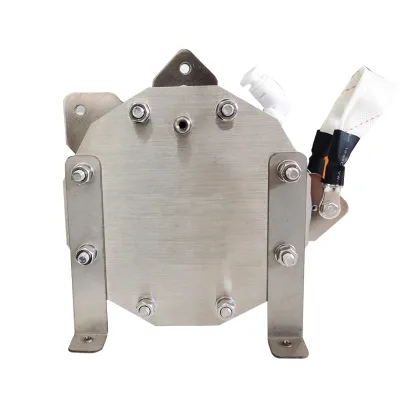
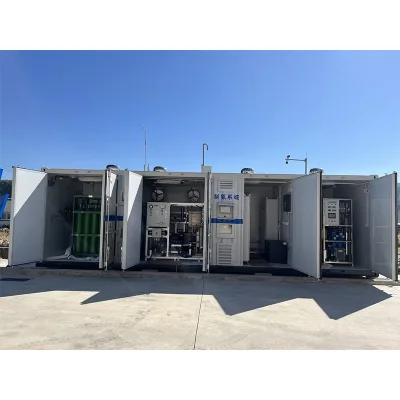
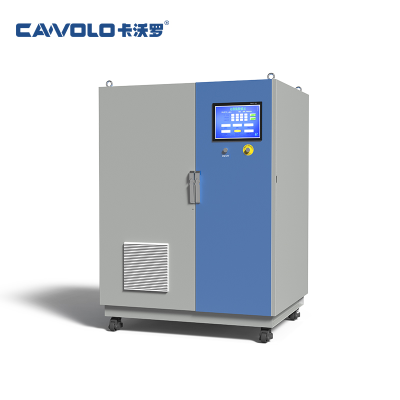
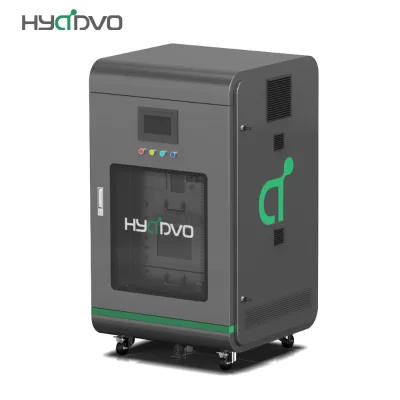
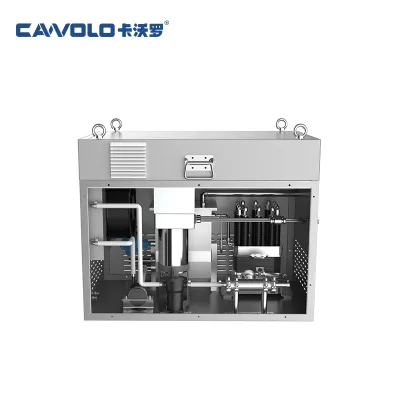
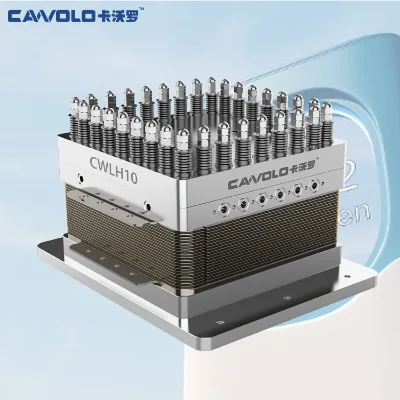
Professional Customized 55kw Individual Hydrogen Fuel Electrolyzer
$7700.00 - $140000.00
MOQ: 1 Minimum
Suzhou Junda International Trade Co., Ltd.
- Manufacturer, Trading Company
- Jiangsu, China
- Lead time40 days
- Avg. response≤ 2h
Main productsOxygen generator,Nitrogen generator,Air compressor,Refrigerated Air Dryer,Gas Equipment Accessories
Main marketsAfrica(20.00%), Northern Europe(15.00%), Domestic Market(14.00%), Southern Europe(12.00%), Eastern Europe(6.00%), South America(6.00%), Western Europe(5.00%), South Asia(5.00%), Southeast Asia(5.00%), Central America(3.00%), Eastern Asia(3.00%), Oceania(2.00%), North America(2.00%), Mid East(2.00%)

Xi'an Heb Biotechnology Co., Ltd.
- Trading Company,Manufacturer/Factory
- China Shaanxi
- Lead time15 days
- Avg. response≤ 6h
Main productsRotary Evaporator, Jacketed Glass Reactor, Chiller, Heating Circulation Bath, Diaphragm Vacuum Pump, Water Aspirator, Drying Oven, Magnetic Stirrer, Mechanical Stirrer, Vacuum Controller
Main marketsSouth America,Eastern Europe,Mid East,North America,Southeast Asia,Western Europe,Africa
Guangzhou Kainuo Gas Equipment Co., Ltd.
- Verified by Intertek
- Trading Company
- Lead time0 days
- Avg. response≤ 3h
Main productsHyperbaric Oxygen Chamber, Cryotherapy Chamber, Spa Hydrotherapy Cabin, Hydrogen Oxygen Machine, Hydrogen Water Bottle
Main marketsNorth America(22%), Northern Europe(16%), Western Europe(11%)
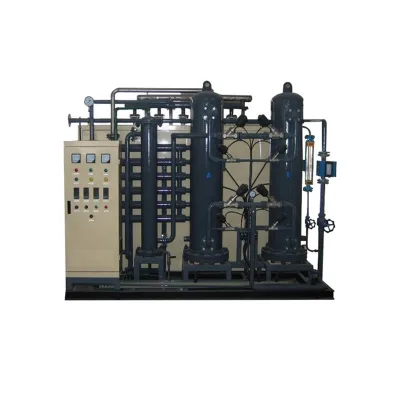
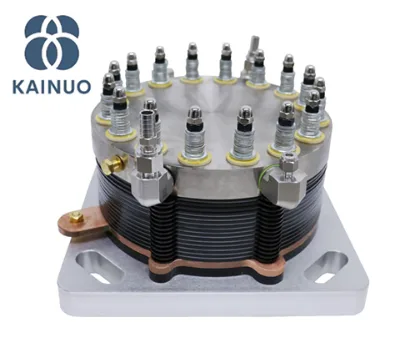
Laboratory Ammonia Decomposition Hydrogen Gas Generator Hydrogen Powered Electricity Generator
$200.00 - $500.00
MOQ: 1 Minimum
$5000.00 - $100000.00
MOQ: 1 Minimum
$800.00 - $2800.00
MOQ: 1 Minimum

Hangzhou Wellcare Technology Co., Ltd.
- Verified by CTI
- Trading Company,Manufacturer/Factory
- China Zhejiang
- Lead time23 days
- Avg. response≤ 2h
Main productsPsa Gas Plant, Gas Cylinders, EPC Project of Alcohol Plant, Gas Generators, Cryogenic Air Separation Unit, Gas Regulators, Medical Gas Installation Projects, Hydrogen Generator, EPC Project of Hydrogen Peroxide, Furfural Manufacturing Equipment
Main marketsSouth America,Eastern Europe,Mid East,North America,Southeast Asia,Eastern Asia,Oceania,Western Europe,Africa


Hydrogen Oxygen Generator, Fuel Cell Hydrogen Generator, Hydrogen Generator Car
$200000.00
MOQ: 1 Sets


Shanghai H-Rise New Energy Technology Co., Ltd.
- Verified by CTI
- Combined
- China Shanghai
- Lead time45 days
- Avg. response≤ 13h
Main productshydrogen generator
Main marketsDomestic

Pem Electrolyzer Hydrogen Generator for Fast Dynamic Hydrogen Production
$1166000.00 - $1283000.00
MOQ: 1 Sets

Hydrogen Electrolyzer, Hydrogen Generator, Water Ele Hydrogen Production at 1 Nm³/H Capacity
$7000.00 - $10000.00
MOQ: 1 Sets

Hydrogen Electrolyzer, Hydrogen Generator, Water Ele Hydrogen Production Rated at 1 Nm³/H
$7000.00 - $10000.00
MOQ: 1 Sets

Compact Pem Electrolyzer Hydrogen Generator for Fast Dynamic Applications
$1166000.00 - $1283000.00
MOQ: 1 Sets

High-Performance Pem Electrolyzer Hydrogen Generator for Rapid Hydrogen Production
$1166000.00 - $1283000.00
MOQ: 1 Sets

Hydrogen Electrolyzer, Hydrogen Generator, Water Ele Hydrogen Generator with 25000 a/M² Density
$7000.00 - $10000.00
MOQ: 1 Sets

Chint Hydrogen Energy Technology Co., Ltd.
- Verified by SGS
- Manufacturer/Factory
- China Shanghai
- Lead time90 days
- Avg. response≤ 1h
Main productsHydrogen Generator, Hydrogen Production System, Alkaline Electrolyzer, Hydrogen Rectifier, Hydrogen Purification, Hydrogen Separation, Hydrogen Fuel Cell, Hydrogen Compressor, Hydrogen Storage Tank, Hydrogen Power Plant
Main marketsSouth America,Eastern Europe,Mid East,North America,Western Europe

$35000.00 - $50000.00
MOQ: 1 Pieces

Advanced Electrolysis Hydrogen Generator and Hydrogen Production for Sustainable Energy Solutions
$8000.00 - $10000.00
MOQ: 1 Pieces

$35000.00 - $50000.00
MOQ: 1 Pieces

Advanced Cold Start Hydrogen Electrolyzer for Pure Hydrogen Generation for Hydrogen Generator
$170000.00 - $200000.00
MOQ: 1 Pieces

Premium Custom Hydrogen Generator and Production for Alkaline Water Solutions
$35000.00 - $50000.00
MOQ: 1 Pieces

Henan Yexin Technology Co., Ltd.
- Verified by SGS
- Trading Company
- China Henan
- Lead time30 days
- Avg. response≤ 1h
Main productsLaboratory Industry Muffle Furnace, Laboratory Industry Dental Furnace, Laboratory Industry Tube Furnace, Laboratory Industry Hydrogen Generator, Laboratory Thermal Gravimetric Analyzer, Industry Freeze Dryer, Laboratory Chemical Reaction Instruments, Heat-Insulating Ceramic Fibers Refractory Matter, Laboratory Industry Box-Type Furnace, Industry Laboratory Kiln Oven Furnace
Main marketsDomestic

$3000.00 - $5000.00
MOQ: 1 Sets


Wuxi Daze New Energy Development Co., Ltd.
- Trading Company
- Jiangsu, China
- Lead time30 days
- Avg. response≤ 1h
Main productsMobile Solar Generator Container,Hydrogen / SOFC Fuel Cell System,Battery Energy Storage BESS Container,Diesel/HFO/Gas Generators,Gas storage and transportation
Main marketsWestern Europe(20.00%), South America(10.00%), North America(10.00%), Northern Europe(10.00%), Domestic Market(10.00%), Eastern Asia(5.00%), Southeast Asia(5.00%), Mid East(5.00%), Eastern Europe(5.00%), Africa(5.00%), Southern Europe(5.00%), South Asia(5.00%), Oceania(3.00%), Central America(2.00%)
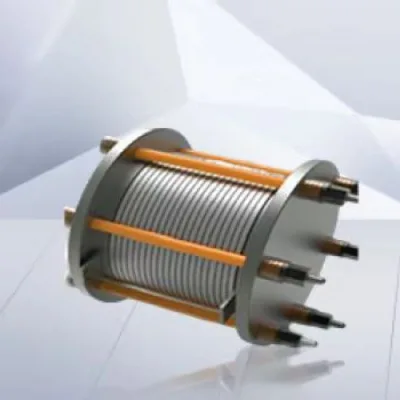
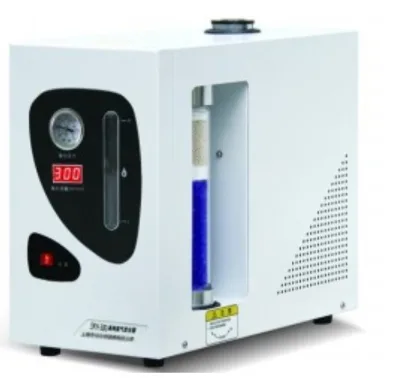
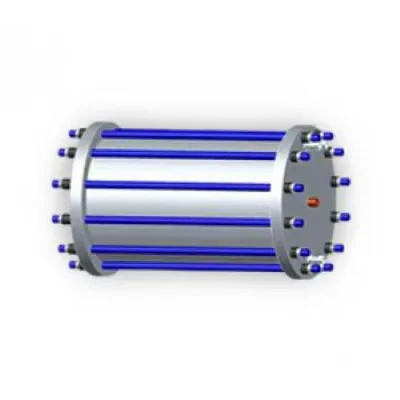
Hydrogen Electrolyzer Membrane test Plate Hydrogen Generator With CE Certification
$30000.00 - $1650000.00
MOQ: 1 Minimum

Suzhou VMA New Energy Co., Ltd.
- Verified by TUVRHEINLAND
- Trading Company
- China Jiangsu
- Lead time60 days
- Avg. response≤ 4h
Main productsHydrogen Generator, Hydrogen Fuel Cell, Hydrogen Storage, Water Electrolyzer, Electrolyzer, Hydrogen Plant, Hydrogen Production Equipment
Main marketsEurope,Australia

Electrolyzer Hydrogen Generator for High Purity Hydrogen Production for Hydrogen Fuel Cell
$300.00 - $50000.00
MOQ: 1 Pieces

Benchtop Pem Electrolyzer 0.5nm3/H 1nm3/H Reliable Hydrogen Generator for Science Testing
$300.00 - $50000.00
MOQ: 1 Pieces


Hefei Sinopower Technologies Co., Ltd
- Verified by BV
- Manufacturer/Factory
- China Anhui
- Lead time120 days
- Avg. response≤ 6h
Main productsHydrogen Fuel Cell, Hydrogen Generator, Related Spare Parts, Air Compressor, Alkaline Electrolyzer, Pem Electrolyzer, Hydrogen Production Equipment, AEM Electrolyzer
Main marketsSouth America,Eastern Europe,Mid East,North America,Southeast Asia,Eastern Asia,Oceania,Western Europe,Africa


Hydrogen Generator Alkaline Hydrogen Production Equipment Alkaline Electrolyzer 99.999%
$19000.00 - $20000.00
MOQ: 1 Pieces


High-Performance Alk Hydrogen Generator for Home and Industrial Use
$12000.00 - $130000.00
MOQ: 1 Pieces
Biobase Meihua Trading Co., Ltd.
- Verified by SGS Group
- Manufacturer, Trading Company
- Lead time20 days
- Avg. response≤ 2h
Main productsChemistry Analyzer, Autoclave, Centrifuge, Laboratory Equipment, Biological Safety Cabinet
Main marketsSoutheast Asia(20%), Africa(17%), South America(15%)
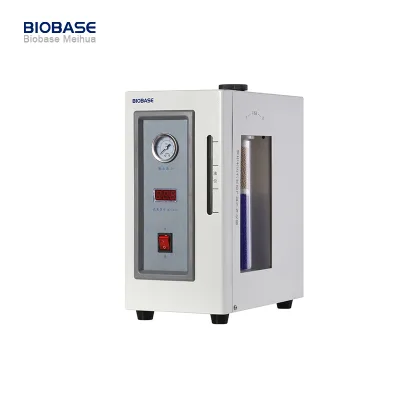
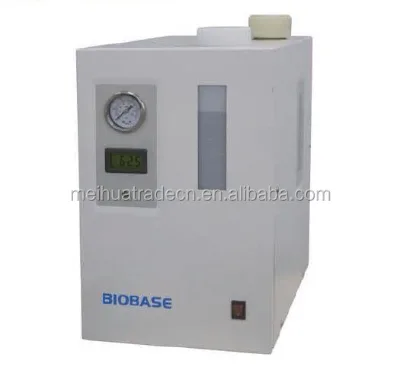
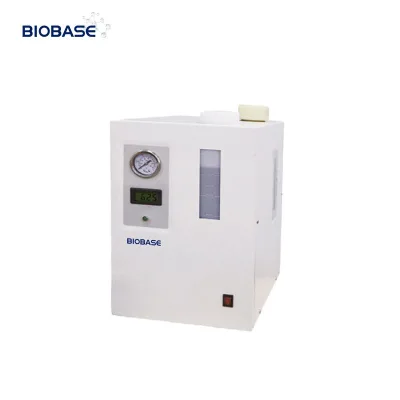
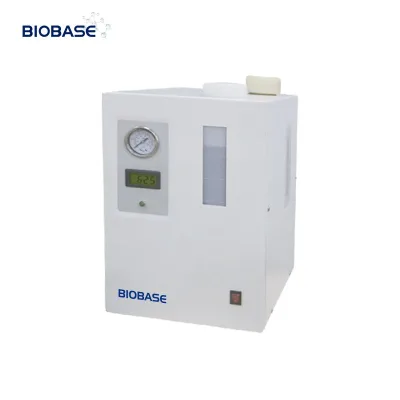
BIOBASE Latest Hydrogen Generator High Purity Hydrogen Gas Generator Hydrogen Generator for GC Lab
$450.00 - $540.00
MOQ: 1 Minimum
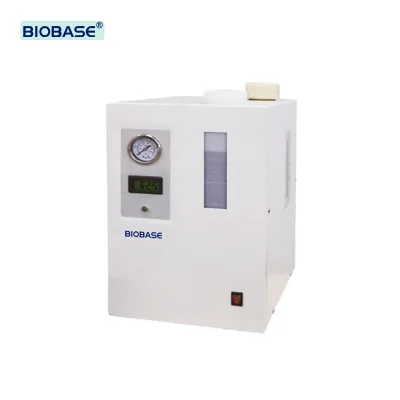
$522.2966 - $731.2152
MOQ: 1 Minimum

- Verified by TUVRHEINLAND
- Manufacturer/Factory
- China Guangdong
- Lead time60 days
- Avg. response≤ 12h
Main productsProton Exchange Membrane, Membrane Electrode Assembly, Pem Electrolytic Stack, Multi-Channel Test Bench for Pem Electrolyzer, Electrolyzer
Main marketsSouth America,Eastern Europe,Mid East,North America,Southeast Asia,Eastern Asia,Oceania,Western Europe,Africa

Premium Brihynergy Hydrogen Generator with Advanced Electrode Technology
$1599999.00 - $1629999.00
MOQ: 1 Pieces

Premium 250nm3/H Hydrogen Generator by Brihynergy Electrode Experts
$1099999.00 - $1199999.00
MOQ: 1 Pieces


High-Efficiency Hydrogen Generator with 500 Nm3 Electrolyzer Technology
$2099999.00 - $2199999.00
MOQ: 1 Pieces
Shijiazhuang Bondi Technology Co., .
- Manufacturer, Trading Company
- Hebei, China
- Lead time0 days
- Avg. response≤ 2h
Main productsWater Leak Detector
Main marketsDomestic Market(35.00%), North America(20.00%), Southeast Asia(13.00%), South America(13.00%), Mid East(10.00%), Eastern Europe(5.00%)
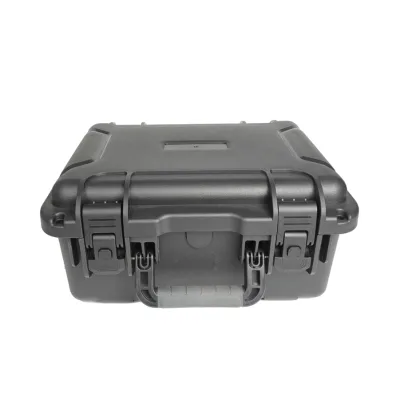
Purity Hydrogen Generator and Hydrogen Electrolyzer for Water Machine
$1020.00 - $1359.00
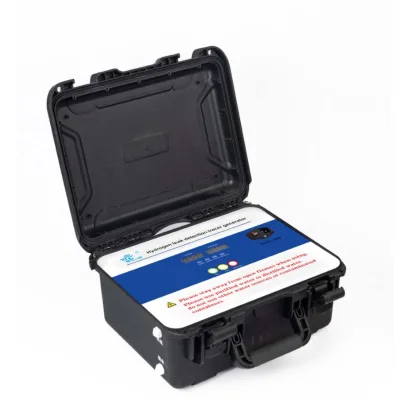
Factory Price Electric Hydrogen and Oxygen Generator
$1020.00 - $1359.00
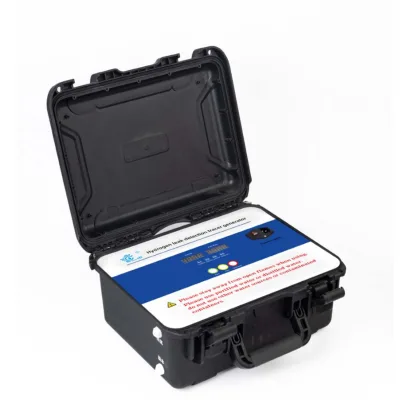
Mini Hydrogen Electrolyzed Plant Hydrogen Generator Water Generator Platinum
$1020.00 - $1359.00

Hunan Echwater Technology Co., Ltd.
- Verified by BV
- Trading Company
- China Hunan
- Lead time23 days
- Avg. response≤ 6h
Main productsHypochlorous Acid Generator, Atmosphere Water Machine, Variable Power Supplier, Pure Water System, Hydrogen Bath Generator, Hydrogen-Rich Water Generators, Sodium Hypochlorite Generator, Electrolytic Cell, Alkaline Water Generator
Main marketsSoutheast Asia/ Mideast

Reliable Electrolyzer Fuel Cell Generators H2 Hydrogen Generator Nitrogen Generator Air Generator
$888.00 - $1555.00
MOQ: 1 set


Okay Energy Equipment Co., Ltd.
- Verified by TüVRheinland
- Manufacturer, Trading Company
- Lead time15 days
- Avg. response≤ 2h
Main productsOxyhydrogen Generator, HHO Generator, Engine Carbon Cleaning Machine, Oxyhydrogen Welding Machine, Ultrapure Water System
Main marketsDomestic Market(53%), North America(20%), Eastern Europe(5%)
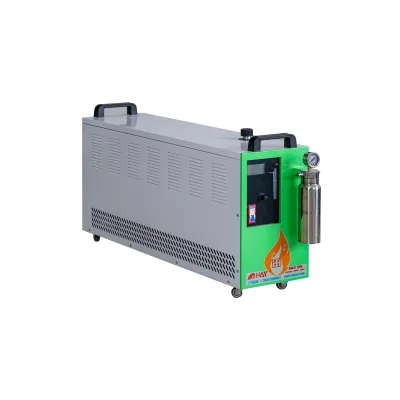
High Frequency HHO Dry Cell Hydrogen Generator Manufacturer
$1650.00 - $1950.00
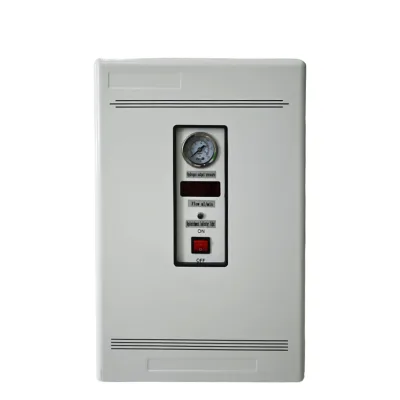

Jinan Green Lab Instrument Co., Ltd.
- Manufacturer, Trading Company
- Shandong, China
- Lead time0 days
- Avg. response≤ 6h
Main productsHydrogen Generator,Oxyhydrogen Generator,Engine Carbon Cleaning Machine,Hydrogen Workstation,Hydrogen Brazing Machine
Main marketsNorth America(60.00%), Eastern Europe(6.00%), South America(6.00%), Western Europe(5.00%), Mid East(5.00%), Oceania(5.00%), Africa(5.00%), Domestic Market(4.00%), Northern Europe(4.00%)
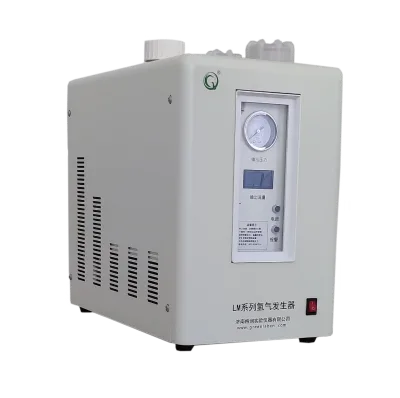
$1950.00 - $2200.00
MOQ: 1 sets
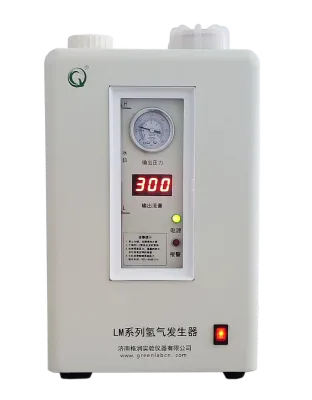
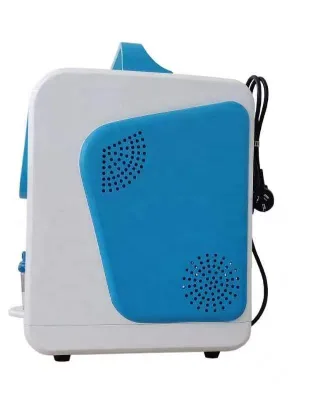
$1028.8237 - $1080.2648
MOQ: 1 sets
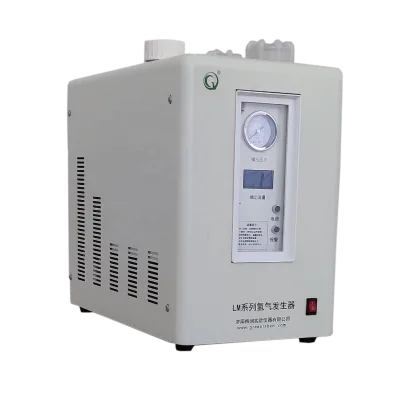

Okay Energy Equipment Co., Ltd.
- Verified by BV
- Combined
- China Hunan
- Lead time23 days
- Avg. response≤ 5h
Main productsOxy-Hydrogen Generetor, Water Welding Machine, Oxyhydrogen Flame Generetor, Oxyhydrogen Cutting Machine, Acrylic Polishing Machine, Hho Generetor, Brown Gas Generetor, Engine Carbon Cleaning Machine, Car Engine Decarbonizing Machine, Hho for Boiler
Main marketsSoutheast Asia/ Mideast,Europe,North America

Hydrogen Production Supplier Portable Laboratory Hydrogen Generator Electrolyzer
$500.00 - $780.00
MOQ: 1 Pieces

High Efficiency Hydrogen Oxygen Water Electrolysis Oxy Hydrogen Generator for Sale
$500.00 - $5500.00
MOQ: 1 Sets

Laboratory Industrial Hydrogen Electrolyzer 99.999% Alkaline Hydrogen Generator for Gc
$500.00 - $780.00
MOQ: 1 Pieces

- Trading Company
- Shanghai, China
- Lead time14 days
- Avg. response≤ 9h
Main productsSolar Panel Chargers and Portable Power Stations,All-in-one Solar Kits and Home Packages,Hydrogen Electrolyzers and Generator Sets,Smart Solar Home Energy Systems,Hydrogen Storage and Applications
Main marketsNorth America(30.00%), Southeast Asia(20.00%), Western Europe(20.00%), Southern Europe(10.00%), South America(10.00%), Africa(10.00%)
$3342.00 - $11140.00
MOQ: 1 Minimum
- Verified by SGS Group
- Manufacturer, Trading Company
- Lead time7 days
- Avg. response≤ 2h
Main productsBiochemistry Analyzer, Autoclave, Electrolyte Analyzer, PCR, Lab Refrigerator
Main marketsMid East(15%), Africa(14%), Western Europe(14%)

Xuzhou Huayan Energy Technology Co., Ltd.
- Verified by CTI
- Trading Company
- China Jiangsu
- Lead time90 days
- Avg. response≤ 1h
Main productsNitrogen Generator, Oxygen Generator, Hydrogen Generator, Diesel Generator, CNG Generator, Gas Purification, N2 Generator, O2 Generator, H2 Generator
Main marketsSouth America,Africa,Southeast Asia/ Mideast,Domestic,Europe,Australia,North America

High Quality Hydrogen Gas Generator Oxygen Generator Hydrogen Air Generator
$10000.00 - $50000.00
MOQ: 1 Sets

Factory Price Industrial Hydrogen Generator Hydrogen Air Oxygen Generator
$10000.00 - $588000.00
MOQ: 1 Sets

High -Performance Stack Hydrogen Generator Alkaline Green Hydrogen Production
$10000.00 - $50000.00
MOQ: 1 Sets

Shanghai Sunshine Industry Technology Co., Ltd.
- Verified by BV
- Trading Company,Manufacturer/Factory
- China Shanghai
- Lead time90 days
- Avg. response≤ 6h
Main productsShip Loader, Ship Unloader, Stacker & Reclaimer, Bucket Wheel Excavator, Wagon Unloading System, Mobile Conveyor Stacker, Deck Machinery, Eco Hopper, Wireless Remote Controlled Clamshell Grab, Compressor
Main marketsSouth America,Eastern Europe,Mid East,North America,Southeast Asia,Eastern Asia,Oceania,Western Europe,Africa
Jinan Mao An Instrument Co., Ltd.
- Manufacturer, Trading Company
- Shandong, China
- Lead time3 days
- Avg. response≤ 2h
Main productsHydrogen Generator,Hydrogen Inhalation Machine,Gas Generator,PEM Electrolysis Cell,Ultrapure water machine
Main marketsNorth America(27.00%), Western Europe(13.00%), Southeast Asia(12.00%), Eastern Asia(11.00%), Southern Europe(8.00%), Mid East(5.00%), Northern Europe(5.00%), Domestic Market(4.00%), Eastern Europe(3.00%), Oceania(3.00%), South Asia(3.00%), Central America(2.00%), South America(2.00%), Africa(2.00%)
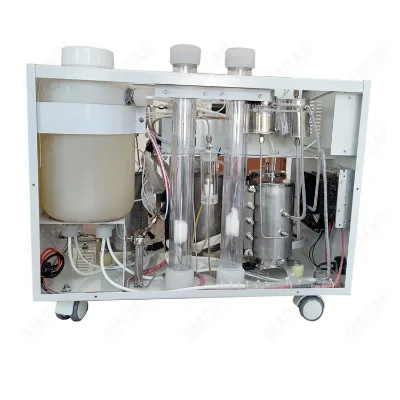
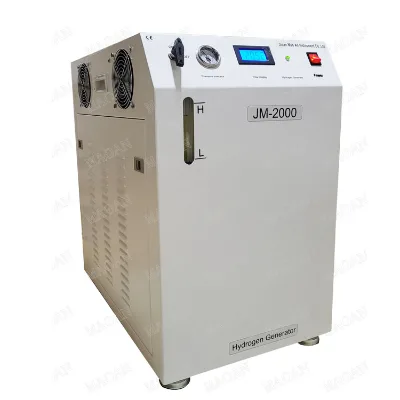
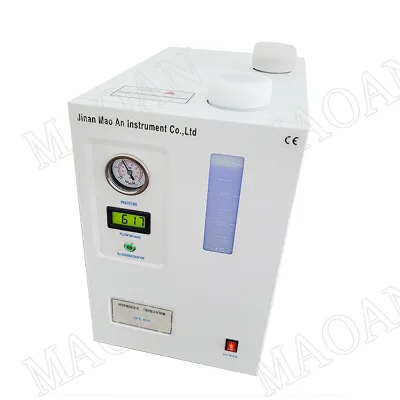
99.999% High Purity Large Lab Hydrogen Generator with Stable Pressure
$1540.0651 - $2566.7752
MOQ: 1 Minimum
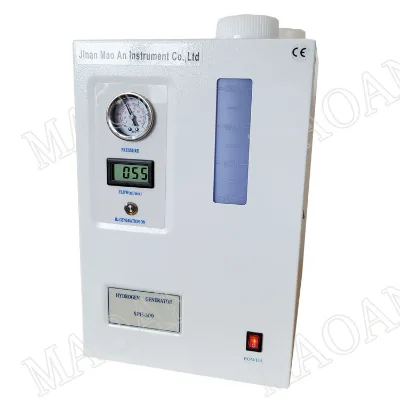
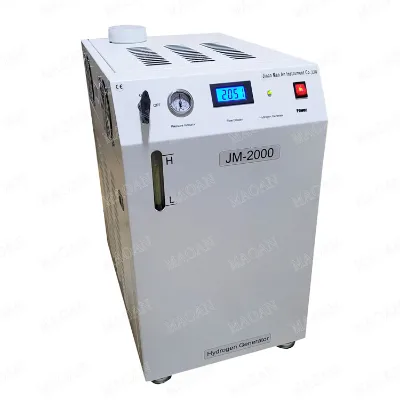
Hydrogen Water Hydrogen Gas Generator Cheap Price for GC 0--600ml/min High Quality Factory Supply
$570.5524 - $1141.1048
MOQ: 1 Minimum








Comprehensive Sourcing Guide
Benchtop Electrochemical Hydrogen Generator Supplier Concentration and Factory Types
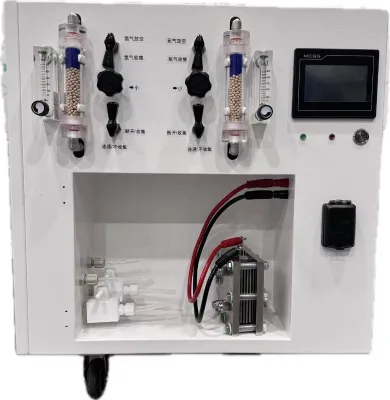
The current supplier landscape for benchtop electrochemical hydrogen generators reveals a distinct geographic and operational stratification that buyers must navigate carefully. Evidence indicates that manufacturing capabilities are concentrated in specific industrial hubs, with Zhejiang and Shanghai emerging as primary locations for these specialized instruments. Suppliers in Zhejiang, China, often focus on laboratory-grade testing instruments, including soil nutrient analyzers and chlorophyll meters, suggesting a strong foundation in precision measurement technology that extends to hydrogen generation systems. These entities frequently offer products like the Superior Quality Lab Hydrogen Gas Generator, which is customized for hydrogen usage and operates within specific voltage parameters. In contrast, Shanghai-based suppliers demonstrate a more advanced industrial profile, with companies identifying as both manufacturers and trading companies. These Shanghai entities specialize in complex electrochemical systems, such as the Benchtop Electrochemical Hydrogen Generator System with CO2/N2 Reduction capabilities, indicating a higher tier of engineering sophistication. The presence of brands like CarbonXtech and Hydrergy in Shanghai highlights a cluster of firms capable of producing large-scale, customizable electrolyzer systems. This geographic split suggests that buyers seeking basic lab equipment may find suitable options in Zhejiang, while those requiring complex, research-grade electrochemical platforms should look toward Shanghai. Understanding this concentration helps buyers target their search efforts more effectively, ensuring they engage with suppliers who possess the relevant technical infrastructure for their specific application needs.
Factory types vary significantly across these regions, influencing the nature of the partnership and the flexibility of the supply chain. In Zhejiang, the focus appears to be on standardized or semi-customized lab equipment, with products like the Hydrogen Oxygen Generator available in various models. These suppliers often provide customization options but operate within a framework of established product lines. Meanwhile, Shanghai suppliers exhibit a broader range of company types, including dedicated manufacturers and trading companies. This duality allows for greater flexibility in sourcing, as trading companies can aggregate products from multiple factories, while manufacturers offer direct control over production quality. The Shanghai-based suppliers also demonstrate capabilities in producing large, heavy-duty units, such as the Hydrergy system weighing up to 100 kg, which requires robust manufacturing processes. This distinction is crucial for buyers, as it affects not only the product specifications but also the communication dynamics and supply chain resilience. Buyers must assess whether they require the direct manufacturing oversight of a factory or the logistical flexibility of a trading company. The variation in factory types underscores the importance of verifying the actual production capabilities of the supplier, rather than relying solely on their listed company type. This verification ensures that the buyer aligns with a partner who can meet their specific volume and quality requirements.
How to Verify Benchtop Electrochemical Hydrogen Generator Suppliers
Verifying the authenticity and capability of Benchtop Electrochemical Hydrogen Generator suppliers requires a rigorous approach to due diligence, focusing on tangible evidence rather than marketing claims. Buyers should prioritize suppliers who provide detailed product attributes, such as production rates, purity levels, and dimensional specifications. For instance, suppliers offering hydrogen generators with production rates of 99.999% to 99.9999% demonstrate a high level of technical precision. Buyers must cross-reference these claims with independent test reports or third-party certifications to ensure accuracy. Additionally, the presence of specific model numbers, such as QL-150/300/500/1000 or Hydrergy, allows buyers to trace the product lineage and verify its existence in the market. It is essential to confirm that the supplier’s stated location matches their operational base, as discrepancies can indicate a lack of direct manufacturing control. For example, a supplier claiming to be in Shanghai should have verifiable facilities or partnerships in that region. Buyers should also examine the supplier’s response time, as a rapid response often correlates with a more active and engaged sales team. A response time of two days, for instance, suggests a streamlined communication process, whereas longer delays may indicate bureaucratic hurdles. This metric is particularly important for complex technical inquiries, where quick clarification can prevent costly misunderstandings.
Beyond technical specifications, buyers must verify the supplier’s business credentials and operational history. This includes checking for relevant certifications, such as ISO9001:2008, which indicates a commitment to quality management systems. Suppliers in Shandong, for example, have been observed holding ISO9001:2008 certificates, providing a baseline assurance of their manufacturing standards. Buyers should also assess the supplier’s main products to ensure they align with their specific needs. A supplier whose main products include battery chargers and laser machines may have less expertise in hydrogen generation compared to a supplier specializing in electrolyzers and hydrogen production systems. Furthermore, buyers should inquire about the supplier’s establishment year and track record, although this information may not always be readily available. In such cases, buyers should request references or case studies from previous clients to gauge the supplier’s reliability. It is also crucial to verify the supplier’s ability to provide after-sales support, including maintenance and technical assistance. This can be done by asking about their warranty policies and service networks. By combining these verification steps, buyers can build a comprehensive profile of each supplier, reducing the risk of engaging with unreliable partners. This thorough approach ensures that the buyer selects a supplier who can deliver on their promises and support their long-term operational goals.
What to Compare Across Benchtop Electrochemical Hydrogen Generator Suppliers
When evaluating multiple suppliers for benchtop electrochemical hydrogen generators, buyers must systematically compare key operational and commercial metrics to identify the most suitable partner. One critical dimension is the lead time, which varies significantly based on order volume and seasonal demand. For example, some suppliers indicate lead times of thirty days for standard orders, while others provide detailed breakdowns based on quantity, such as seven days for orders of one to five units and fourteen days for orders of six to fifty units. Buyers should align these lead times with their project timelines to avoid delays. Another important factor is the minimum order quantity (MOQ), which can range from one unit for small-scale lab equipment to higher thresholds for industrial systems. Suppliers offering an MOQ of one provide greater flexibility for testing and small-batch procurement, whereas those with higher MOQs may offer better economies of scale. Buyers should also compare the price ranges, which can span from a few hundred dollars for basic generators to over seventy thousand dollars for advanced electrochemical systems. This wide variance reflects differences in complexity, capacity, and customization options. By mapping these metrics against their specific requirements, buyers can narrow down their options to a manageable shortlist of suppliers who offer the best value proposition.
In addition to operational metrics, buyers should compare the technical specifications and customization capabilities of the suppliers’ products. Parameters such as voltage, power consumption, and dimensions are crucial for ensuring compatibility with existing laboratory infrastructure. For instance, some generators operate on 220V/110V, while others require AC380V, which may necessitate additional electrical modifications. Buyers should also assess the purity levels of the hydrogen produced, with some suppliers offering up to 99.9999% purity. Customization availability is another key differentiator, as some suppliers offer tailored solutions for specific research applications, such as seawater electrolysis or CO2 reduction. Buyers should inquire about the extent of customization allowed, including changes to dimensions, power ratings, and control modes. Furthermore, the response time of the supplier’s technical support team is vital for resolving any issues that may arise during installation or operation. A supplier with a response time of four days may be more reliable than one with a response time of twelve days. By comparing these technical and support-related factors, buyers can ensure that they select a supplier who not only meets their immediate needs but also provides the necessary support for long-term success. This comprehensive comparison process helps mitigate risks and enhances the overall sourcing experience.
Common Benchtop Electrochemical Hydrogen Generator Sourcing Risks
Sourcing benchtop electrochemical hydrogen generators involves several inherent risks that buyers must proactively manage to ensure a successful procurement outcome. One significant risk is the discrepancy between advertised specifications and actual product performance. Suppliers may claim high purity levels or production rates that are not consistently achievable in real-world conditions. Buyers should mitigate this risk by requesting detailed technical documentation and, if possible, conducting independent testing of sample units. Another risk is the variability in lead times, which can be affected by supply chain disruptions or production bottlenecks. Suppliers may provide optimistic lead time estimates that do not account for potential delays, leading to project setbacks. Buyers should establish clear communication channels and request regular updates on production status to stay informed. Additionally, the complexity of electrochemical systems increases the risk of installation and operational errors. Buyers should ensure that their technical team is adequately trained or that the supplier provides comprehensive installation and training services. This is particularly important for systems with customizable features, such as those used for seawater electrolysis or CO2 reduction, which require specialized knowledge to operate effectively.
Another common risk is the lack of after-sales support and spare parts availability. Electrochemical generators are complex machines that may require regular maintenance and component replacements. Buyers should verify the supplier’s warranty policies and service network before finalizing a purchase. Suppliers who do not offer robust after-sales support can lead to prolonged downtime and increased operational costs. Furthermore, the risk of intellectual property infringement is a concern, especially when dealing with customized products. Buyers should ensure that their designs and specifications are protected through appropriate legal agreements. This is particularly relevant for buyers who require unique configurations for specific research applications. Additionally, the risk of currency fluctuation and payment security should be considered, especially for international transactions. Buyers should use secure payment methods and consider using escrow services to protect their funds. By identifying and addressing these risks early in the sourcing process, buyers can minimize potential disruptions and ensure a smoother procurement experience. This proactive approach helps build a resilient supply chain and fosters a more collaborative relationship with suppliers.
Benchtop Electrochemical Hydrogen Generator Regional Sourcing and Logistics
Regional sourcing plays a pivotal role in determining the logistics and cost structure of benchtop electrochemical hydrogen generators. Suppliers located in Zhejiang, China, often benefit from established manufacturing clusters that provide efficient access to raw materials and skilled labor. This concentration can lead to competitive pricing and faster production cycles for standard laboratory equipment. However, buyers must consider the logistical implications of sourcing from this region, including shipping costs and transit times. Products from Zhejiang, such as the Superior Quality Lab Hydrogen Gas Generator, are typically packaged in cartons and weigh around 23 kg, which influences shipping volume and handling requirements. In contrast, suppliers in Shanghai offer access to a major port and advanced logistics infrastructure, facilitating the export of larger and heavier systems. For example, the Hydrergy system, which weighs up to 100 kg and has dimensions of approximately 1000 mm x 1500 mm x 1000 mm, requires specialized shipping arrangements. Buyers should evaluate the total landed cost, including freight, insurance, and customs duties, when comparing suppliers from different regions. The choice of region can also impact the speed of delivery, with Shanghai-based suppliers potentially offering faster shipping options due to their proximity to international shipping routes.
Logistics planning must also account for the specific handling requirements of electrochemical generators, which may contain sensitive components or hazardous materials. Buyers should ensure that their logistics partners are experienced in handling such equipment to prevent damage during transit. Additionally, the packaging standards of suppliers can vary, with some using standard packing while others may require custom crating for larger units. Buyers should verify the packaging details with the supplier to ensure that the products are adequately protected. Furthermore, the regional location of the supplier can affect the availability of local support and maintenance services. Buyers in regions far from the supplier’s location may face challenges in obtaining timely
FAQs
What is the price range for benchtop hydrogen generators?
Prices for benchtop hydrogen generators typically range from $385 to $72,065 depending on specifications. Basic electrolyzer units start near $385, while advanced electrochemical systems with CO2 reduction capabilities can exceed $72,000. Buyers should verify exact pricing based on their required production rate and purity levels before ordering.
What purity levels do these generators provide?
Most benchtop hydrogen generators offer high purity levels ranging from 99.99% to 99.9999%. Specific models are designed for laboratory research, ensuring consistent output for sensitive experiments. Buyers should check the production rate specifications to confirm the exact purity grade suitable for their specific application requirements.
What are the typical lead times for these units?
Lead times vary significantly by supplier and order volume. Some manufacturers report zero lead time for immediate stock, while others require thirty days for production. Larger orders exceeding fifty units may require negotiation for delivery schedules. Buyers should confirm current availability and production capacity directly with suppliers.
What is the minimum order quantity for these products?
The minimum order quantity for benchtop hydrogen generators is generally one unit. This allows buyers to test performance before committing to larger purchases. Most suppliers accept single-item orders, making it accessible for laboratories and small research facilities to acquire necessary equipment without significant initial inventory investment.
Where are these generators typically manufactured?
These generators are primarily manufactured in China, with key production hubs in Zhejiang, Shanghai, and Shandong provinces. Suppliers in these regions offer various models, from small lab units to larger electrochemical systems. Buyers should verify the specific place of origin to ensure compliance with regional standards and logistics preferences.
What certifications are available for these generators?
Available certifications often include ISO, CE, and CCC marks, ensuring compliance with international safety and quality standards. Some manufacturers also hold ISO9001:2008 certificates for their production systems. Buyers should request valid certification documents to verify that the equipment meets the regulatory requirements for their intended market or laboratory environment.