Bolt-on car front bumper Suppliers and Manufacturers
Compare 18 verified suppliers offering bolt-on car front bumper options with varying lead times, certifications, and prices. Review response times and customization capabilities to select the right partner for your truck or car needs; review the available evidence before requesting comparable quotations from suitable candidates.
Updated
Suppliers List

Lechang Xin dongsui Auto Accessories Co., Ltd.
- Verified by TUVRHEINLAND
- Combined
- China Guangdong
- Lead time23 days
- Avg. response≤ 4h
Main productsCar Bumpers, Roll Bar, Bull Bar, Grille Guard, Grille Guard Bumper, Side Step, Rear Skid Bar, Roof Rack, Semi Truck Front Bumper, 4X4 Roll Bar Pickup Roll Bar
Main marketsAustralia,North America

SHANXI BRILLIANT MOULD PLASTIC TECHNOLOGY CO., LTD
- Verified by TUVRHEINLAND
- Manufacturer/Factory
- China Shanxi
- Lead time60 days
- Avg. response≤ 9h
Main productsPlastuc Injection Mold, Plastic Ap Mold, Lotion Pump Mold, Trigger Sprayer Mold, Mist Sprayer Mold, Flip Cap Mold
Main marketsSouth America,Eastern Europe,Mid East,North America,Southeast Asia,Eastern Asia,Oceania,Western Europe,Africa

TAIYUAN BRILLIANT AUTOMOBILE CO., LTD
- Trading Company
- China Shanxi
- Lead time0 days
- Avg. response≤ 3h
Main productsRight-Hand Drive Vehicles, Electric Car, Rhd Van, Rhd Pickup, Electric SUV, National Agency, Kd Cooperation, After-Sale Service

Taizhou Tuocai Moulding Co., Ltd.
- Verified by TUVRHEINLAND
- Combined
- China Zhejiang
- Lead time60 days
- Avg. response≤ 1h
Main productsMould, Plastic Mould
Main marketsOthers(foreignTradeCapacity.exportBusinessCapacityMarketOther)
Jinan Junchen Trading Co., Ltd.
- Trading Company
- Shandong, China
- Lead time15 days
- Avg. response≤ 3h
Main productsAuto Parts,Car Spoilers,Car modification kit,Car protection bumper,Car grille
Main marketsAfrica(15.00%), North America(10.00%), Southeast Asia(10.00%), Mid East(10.00%), South America(10.00%), Domestic Market(5.00%), South Asia(5.00%), Southern Europe(5.00%), Northern Europe(5.00%), Central America(5.00%), Western Europe(5.00%), Eastern Asia(5.00%), Eastern Europe(5.00%), Oceania(5.00%)
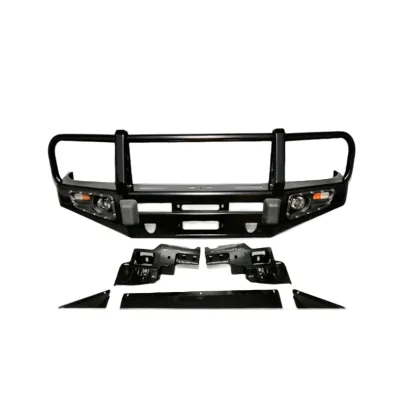
Factory Wholesales Auto Car Front Bumper Car Bumper With Led Front Bar for LC100
$324.0808 - $375.522
MOQ: 1 sets

Dongguan Feiyue FRP Products Co., Ltd.
- Verified by CTI
- Combined
- China Guangdong
- Lead time38 days
- Avg. response≤ 3h
Main productsFiberglass Sculpture, Fiberglass Chair, Fiberglass Shell, Bumper Car, Fiberglass Planter, FRP Medical Shell, Telephone Booth, Portable Toilet, Table and Chairs, Fiberglass Auto Parts
Main marketsDomestic


Wholesale Factory Price High Quality Fiberglass Body Kit Car Accessories Collision Bumper
$29.00 - $50.00
MOQ: 10 Pieces


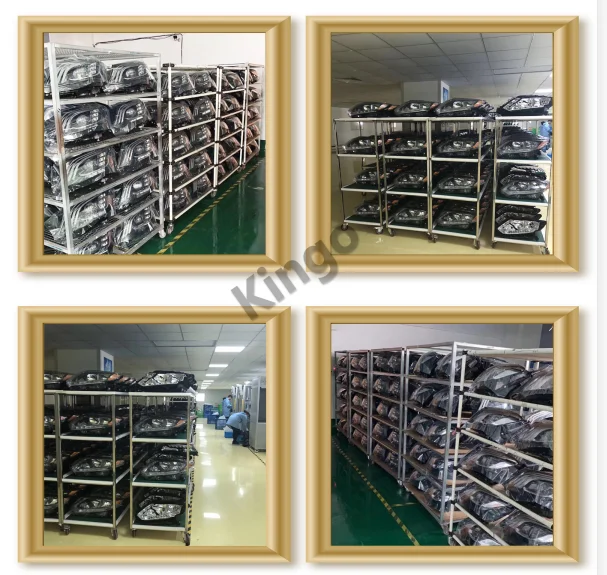
Guangzhou Kingo Auto Parts Co., Ltd.
- Manufacturer, Trading Company, Distributor/Wholesaler, Business Service (Transportation, finance, travel, Ads, etc)
- Guangdong, China
- Lead time10 days
- Avg. response≤ 14h
Main productsAutomotive spare parts,Car Accessory,Automotive electronics,Chassis parts,Engine Parts
Main marketsAfrica(40.00%), South America(30.00%), Mid East(10.00%), Domestic Market(5.00%), Northern Europe(5.00%), Eastern Europe(5.00%), North America(5.00%)

- Verified by SGS
- Trading Company
- China Beijing
- Lead time0 days
- Avg. response≤ 7h
Main productsOil Filter, Air Filter

- Verified by SGS
- Trading Company
- China Liaoning
- Lead time0 days
- Avg. response≤ 3h
Main productsRing Pull Cap, Glass Bottle, Pet Preform, Beverage Production Line, Trigger Sprayer, Bottle Cap, Crown Cap, I-Beam Crossmember, Blow Molding Machine, PVC Pet Rigid Film
Main marketsAfrica,Europe

- Verified by SGS
- Trading Company
- China Liaoning
- Lead time23 days
- Avg. response≤ 5h
Main productsStand up Pouch, Filter Cloth, Dust Filter Bag, Car Seat Cover, Control Room Console, Meeting Table, Food Packaging Bag, Zipper Bag, Modern Smart Console, Coffee Desk
Main marketsSouth America,Africa,Southeast Asia/ Mideast,North America


Truck Bumper- Heavy Duty Steel Front Bumper with Hoop and D-Ring Mount
$205.00 - $425.00
MOQ: 1 Pieces

Zhengzhou Cooper Industry Co., Ltd.
- Trading Company
- Henan, China
- Lead time30 days
- Avg. response≤ 2h
Main productsVehicle Parts & Accessories,Construction Machinery Attachments,Bus Spare Parts,Truck Spare Parts,Engine Parts
Main marketsAfrica(43.00%), Western Europe(14.00%), North America(14.00%), Mid East(10.00%), Southeast Asia(7.00%), Oceania(6.00%), South America(6.00%)
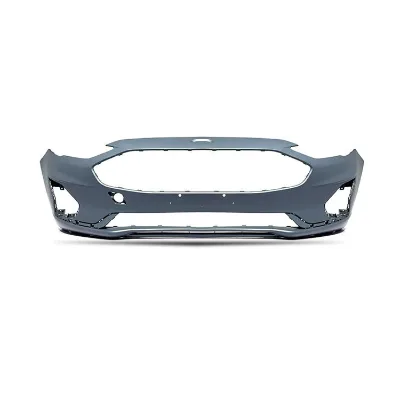
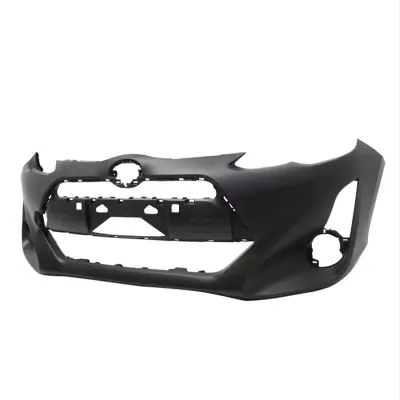
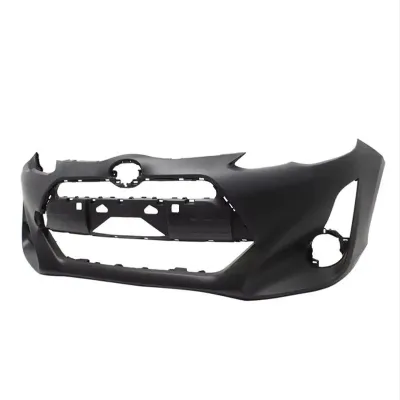
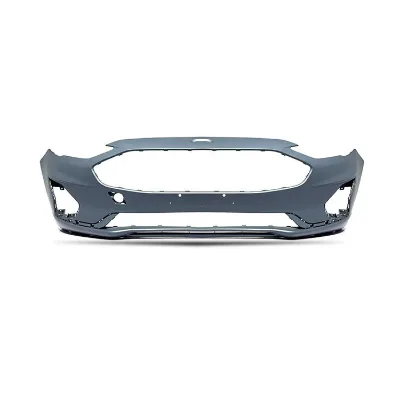
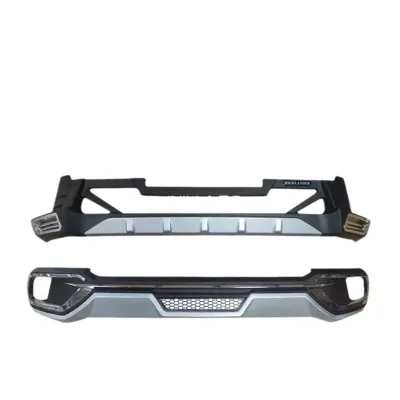
High Quality Car Bumper Suitable for Universal Cars Carbon Fiber Front Diffuser
$40.7773 - $46.0193
MOQ: 5 pieces
Danyang Saivis International Trade Co., Ltd.
- Verified by Intertek
- Trading Company
- Lead time15 days
- Avg. response≤ 2h
Main productsAuto Parts
Main marketsNorth America(21%), South America(19%), Southeast Asia(18%)

Zhongshan Zhongxin Precision Hardware Co., Ltd.
- Verified by SGS
- Combined
- China Guangdong
- Lead time15 days
- Avg. response≤ 12h
Main marketsSouth America,Europe,Australia,North America

Changzhou Feituo Moulded Plastic Co., Ltd.
- Manufacturer
- Jiangsu, China
- Lead time35 days
- Avg. response≤ 7h
Main productsAuto Parts,headlamp,taillamp,side mirrow,bumper
Main marketsDomestic Market(40.00%), Southern Europe(5.00%), Northern Europe(5.00%), Central America(5.00%), Western Europe(5.00%), Eastern Asia(5.00%), Mid East(5.00%), South Asia(5.00%), North America(5.00%), Southeast Asia(5.00%), Eastern Europe(5.00%), South America(5.00%), Oceania(3.00%), Africa(2.00%)
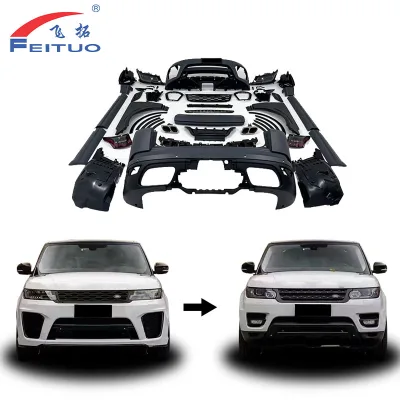
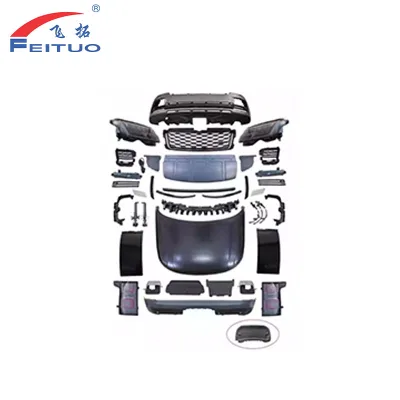
New Bumper for Sport 14-17 Upgrade to SVR 2022 Bolt-On
$700.00 - $740.00
Guangzhou Jiaye Auto Parts Co., Ltd.
- Trading Company, Distributor/Wholesaler
- Guangdong, China
- Lead time15 days
- Avg. response≤ 3h
Main productsFront bumper,hub,Fender,the front axle,headlight
Main marketsNorth America(35.00%), South America(30.00%), Central America(13.00%), Eastern Europe(10.00%), Southeast Asia(5.00%), Africa(5.00%), Oceania(1.00%), Western Europe(1.00%)

Changzhou Junmao Auto Parts Co., Ltd.
- Verified by CTI
- Combined
- China Jiangsu
- Lead time15 days
- Avg. response≤ 6h
Main productsAuto Parts, Headlight, Grille, Front Bumper, Fog Light, Car Headlight, Side Mirror, Tail Light
Main marketsDomestic


Custom Front Bumper Assembly for Easy Application Car PP ABS Replacement
$12.00 - $13.50
MOQ: 3 Pieces


Ningbo Mecoo Trading Co., Ltd.
- Verified by TUVRHEINLAND
- Manufacturer
- China Zhejiang
- Lead time23 days
- Avg. response≤ 9h
Jinan Zhonglang Auto Parts Co., Ltd.
- Trading Company
- Shan'dong, China
- Lead time0 days
- Avg. response≤ 4h
Main productsShanghai Automotive Industry Corporation,Shanghai Volkswagen,FAW-Volkswagen,Whole vehicle accessories
Main marketsSoutheast Asia(30.00%), Mid East(25.00%), Eastern Asia(20.00%), South America(10.00%), North America(10.00%), South Asia(5.00%)
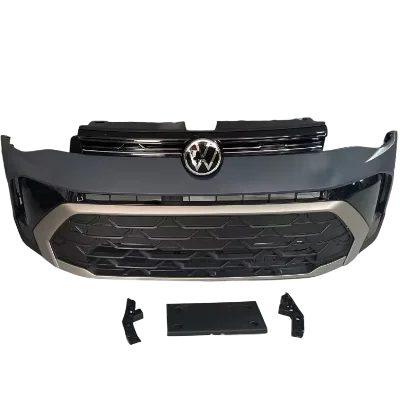
$77.00 - $79.90

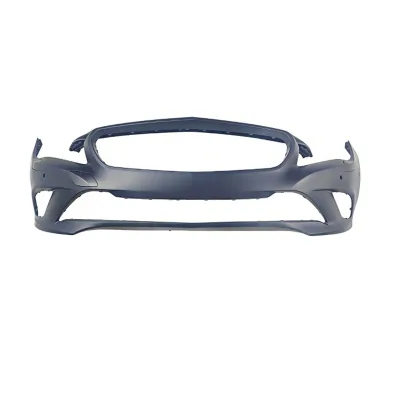
$20.00 - $21.90








Comprehensive Sourcing Guide
Bolt-On Car Front Bumper Supplier Concentration and Factory Types
The current supplier landscape for bolt-on car front bumpers reveals a diverse mix of manufacturing capabilities concentrated in specific Chinese industrial hubs. Evidence indicates that suppliers are located in regions such as Guangdong and Shanxi, with some operations also present in Zhejiang. These geographic clusters suggest distinct specializations within the broader automotive parts industry. For instance, suppliers in Guangdong appear to focus heavily on rugged off-road accessories, including bull bars, roll bars, and heavy-duty front bumpers designed for trucks and 4x4 vehicles. This concentration often correlates with established supply chains for steel fabrication and powder coating, which are critical for durable bumper production. Buyers evaluating these suppliers should note that the Guangdong cluster seems to prioritize products like power-coated black front bumpers and stainless steel options, catering to the aftermarket demand for aesthetic and protective upgrades.
In contrast, suppliers in Shanxi and Zhejiang demonstrate different operational models and product focuses. Some entities in these regions are identified as manufacturers or factories specializing in plastic injection molds, which are essential for producing complex bumper geometries. Others operate as trading companies or combined entities, offering a broader range of vehicle parts including electric car components and right-hand drive vehicle accessories. This variety in company types—from pure manufacturers to trading companies—means that buyers must carefully assess whether they are dealing with the actual production source or an intermediary. The presence of suppliers offering OEM and ODM capabilities, particularly those with mold-making expertise, indicates that custom design services are available. However, the distinction between a factory that produces the final bumper and one that produces the mold for it is crucial for understanding lead times and minimum order quantities.
How to Verify Bolt-On Car Front Bumper Suppliers
Verifying the legitimacy and capability of bolt-on car front bumper suppliers requires a multi-layered approach that goes beyond basic profile reviews. One critical step is to check for third-party verification badges, such as those from TÜV Rheinland, which can provide an additional layer of trust regarding the supplier’s business operations. Additionally, buyers should scrutinize the system certifications listed, such as ISO9001:2015, which indicates a standardized quality management system. While these certifications are strong indicators, they do not guarantee the quality of every individual product batch. Therefore, it is essential to request specific product certifications, such as CE marks, which may be required for certain markets. Buyers should also verify the supplier’s response time, as a quick response often correlates with better customer service and operational efficiency. A response time of under four hours, for example, suggests a responsive team that can address technical queries promptly.
Beyond digital verification, buyers must assess the supplier’s actual production capacity and product evidence. Reviewing the main products listed can help determine if the supplier specializes in the specific type of bumper needed, whether it is a steel off-road bumper or a plastic OEM replacement. Suppliers listing ODM or OEM capabilities should be asked for detailed information on their design and prototyping processes. It is also important to verify the origin of the products, as some listings may claim a different origin than the supplier’s registered location. Buyers should look for detailed product attributes, such as material composition (e.g., steel vs. plastic), condition (new vs. used), and specific application models. For instance, a supplier claiming to produce universal pickup bumpers should provide clear compatibility charts. If evidence is unavailable for specific claims, buyers should directly ask for documentation or samples to verify the supplier’s assertions before committing to an order.
What to Compare Across Bolt-On Car Front Bumper Suppliers
When comparing suppliers, lead time and minimum order quantity (MOQ) are two of the most significant operational factors. Current data shows a wide range in lead times, with some suppliers offering as little as 23 days, while others may take up to 60 days or more. This variance can impact inventory planning and market launch strategies. Similarly, MOQs vary considerably, with some suppliers requiring as few as one unit, which is ideal for testing or small-scale projects, while others may require 30 or 50 units. Buyers should align these requirements with their sales volume and storage capabilities. Response time is another critical metric; suppliers with faster response times, such as those under three hours, may offer better support during the negotiation and customization phases. Comparing these metrics across multiple suppliers helps identify those that best fit the buyer’s logistical and financial constraints.
Price and customization options are also key differentiators. The price range for bolt-on car front bumpers can vary significantly, from as low as $9.50 to over $170,000, depending on the product type and complexity. It is important to distinguish between the price of a finished bumper and the price of a mold, as the latter is a one-time cost for custom production. Buyers should also evaluate the customization availability, as many suppliers offer options for color, material, and branding. For example, some suppliers provide power-coated black finishes or stainless steel options, while others may offer silver or custom paint jobs. Additionally, the warranty terms, such as a 12-month warranty, can provide assurance regarding product durability. Buyers should compare these commercial terms alongside the technical specifications to ensure they are getting the best value for their specific needs.
Common Bolt-On Car Front Bumper Sourcing Risks
One of the primary risks in sourcing bolt-on car front bumpers is the discrepancy between advertised specifications and actual product quality. Suppliers may list generic attributes such as "universal fit" or "steel material," but the actual thickness, grade of steel, or coating quality may vary. This is particularly relevant for off-road bumpers, where structural integrity is crucial. Buyers should be cautious of suppliers who do not provide detailed technical drawings or material certificates. Another risk is the inconsistency in packaging and shipping standards. Some suppliers use EPE and bubble bags, while others may use simple cartons or naked packing. Inadequate packaging can lead to damage during transit, resulting in additional costs and delays. Buyers should verify the packing standards and ensure that the supplier has experience in exporting similar products to their target market.
Intellectual property and customization risks are also significant, especially when working with suppliers offering OEM services. If a buyer provides custom designs, there is a risk that the supplier may share these designs with competitors or produce unauthorized copies. To mitigate this, buyers should use non-disclosure agreements and work with suppliers who have a strong reputation for confidentiality. Additionally, there is a risk of miscommunication regarding product standards and certifications. For instance, a supplier may claim CE certification, but the buyer needs to verify if this certification applies to the specific product model and batch. Buyers should also be aware of potential delays in production due to raw material shortages or other operational issues. Regular communication and clear contract terms can help manage these risks, but proactive verification is essential.
Bolt-On Car Front Bumper Regional Sourcing and Logistics
Sourcing from different regions in China can impact logistics costs and delivery times. Suppliers in Guangdong, for example, are often located near major ports like Guangzhou, which can facilitate faster and more cost-effective shipping for international buyers. This proximity to logistics hubs is a significant advantage for exporters, as it reduces inland transportation costs and simplifies customs clearance processes. Buyers should consider the supplier’s port of loading when calculating total landed costs. Additionally, the type of product being sourced can influence logistics. Heavy steel bumpers require robust packaging and may incur higher freight costs compared to lighter plastic components. Buyers should work with suppliers who have experience in handling heavy or oversized items to ensure safe and efficient shipping.
For suppliers located in other regions, such as Shanxi or Zhejiang, logistics may involve additional inland transportation steps. While these regions may offer competitive pricing or specialized manufacturing capabilities, buyers should factor in the potential for longer transit times and higher logistics complexity. It is also important to consider the supplier’s experience with international shipping. Suppliers who regularly export to specific markets, such as South America, North America, or Europe, will likely have established relationships with freight forwarders and a better understanding of regional import regulations. Buyers should ask suppliers for references or case studies of previous shipments to similar destinations. This information can help assess the reliability of the supplier’s logistics network and ensure that products arrive in good condition and on time.
Bolt-On Car Front Bumper Commercial Terms and Order Planning
Commercial terms, including payment methods and warranty policies, play a crucial role in order planning and risk management. Many suppliers offer standard payment terms such as T/T (Telegraphic Transfer), which is common in international trade. Buyers should negotiate clear payment schedules, such as a deposit followed by balance payment before shipment, to protect their interests. Additionally, the availability of escrow services can provide an extra layer of security by holding funds until the buyer confirms receipt and quality of the goods. Warranty terms, such as a 12-month warranty, should be clearly defined in the contract, including the process for claiming replacements or repairs. Buyers should also consider the supplier’s return policy for defective items, as this can impact the total cost of ownership.
Order planning should also account for the supplier’s production capacity and lead times. For large orders, buyers should discuss production schedules and milestone updates to ensure timely delivery. Suppliers with ODM capabilities may require additional time for design approval and prototyping, which should be factored into the overall timeline. Buyers should also consider the impact of seasonal demand and holidays on production schedules. Clear communication and detailed purchase orders can help prevent misunderstandings and ensure that both parties are aligned on expectations. By carefully evaluating commercial terms and planning orders strategically, buyers can build a reliable supply chain for bolt-on car front bumpers and minimize operational disruptions.
FAQs
What is the price range for bolt-on car front bumpers?
Prices for bolt-on car front bumpers typically range from $9.50 to $200,000.00 depending on the product type. Standard steel bumpers for pickup trucks are priced between $40.00 and $55.00. Mold manufacturing costs are significantly higher, reaching up to $200,000.00. Buyers should verify specific unit costs based on their required customization and order volume.
What is the minimum order quantity for these bumpers?
The minimum order quantity varies by supplier and product. Some manufacturers require a minimum of 30 units for coated steel bumpers, while others accept orders as low as 1 piece for specific models. Steel bumpers may require 50 units. Buyers must check the specific MOQ for their chosen model to ensure it aligns with their procurement needs.
How long does production take for these bumpers?
Lead times for bolt-on car front bumpers range from 0 to 60 days. Some suppliers offer immediate availability with zero lead time, while others require up to 60 days for production. Standard delivery times are often cited as one week. Buyers should confirm the exact production schedule with the supplier before placing an order to avoid delays.
Are these bumpers customizable for different vehicle models?
Yes, customization is available for many bolt-on car front bumpers. Suppliers offer OEM and ODM services to tailor products to specific vehicle models. Customization options include color, material, and design adjustments. Buyers can request specific modifications to fit their unique requirements, ensuring a precise fit for their intended application.
What certifications do these bumpers hold?
Many suppliers hold ISO9001:2015 certification for their quality management systems. Products may also carry CE certification for compliance with European standards. Buyers should verify specific certifications for their chosen supplier to ensure they meet local regulatory requirements. These certifications indicate adherence to established quality and safety standards in manufacturing.
Where are these bumpers manufactured?
Bolt-on car front bumpers are primarily manufactured in China. Key production locations include Guangdong, Shanxi, and Zhejiang provinces. Suppliers in these regions offer various materials and customization options. Buyers can source products directly from these manufacturing hubs to benefit from established supply chains and competitive pricing structures.