Source bolt-on car front bumper for Trucks, Cars, and Pickups
Find 30 verified listings for the bolt-on car front bumper suitable for trucks, cars, and pickup models. Buyers can compare specifications, certifications, and prices from suppliers in Taiwan and China to find the right fit; compare the available evidence and request quotations based on your requirements.
Updated
Key considerations
Products List
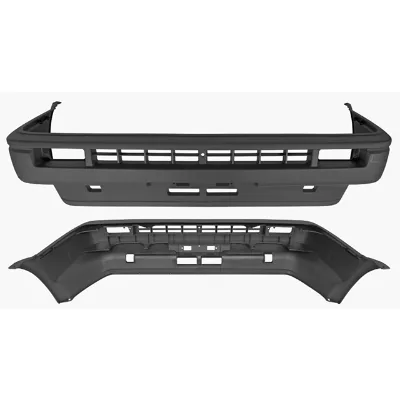


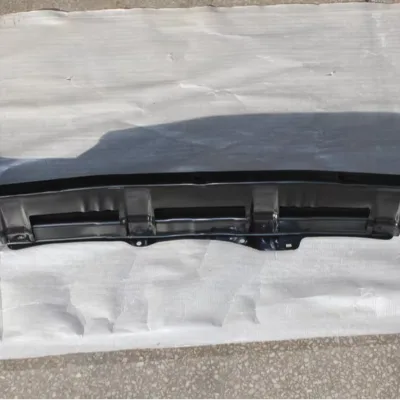
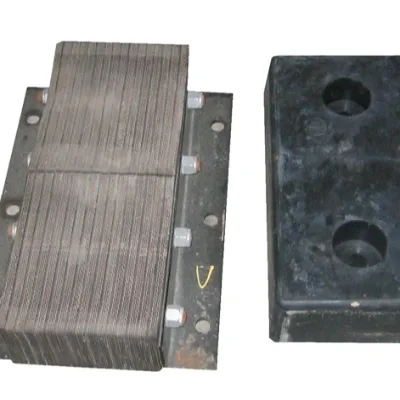
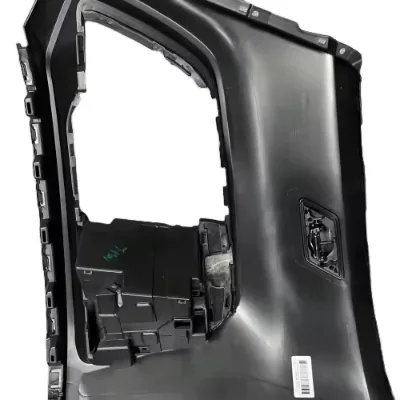
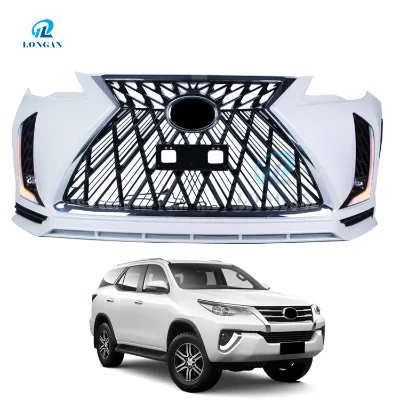
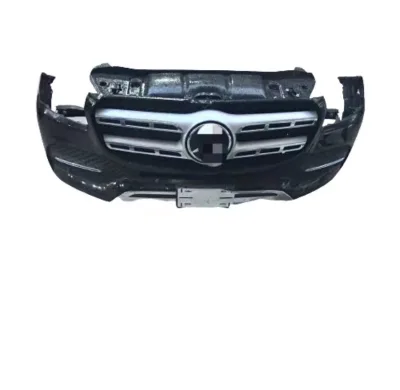
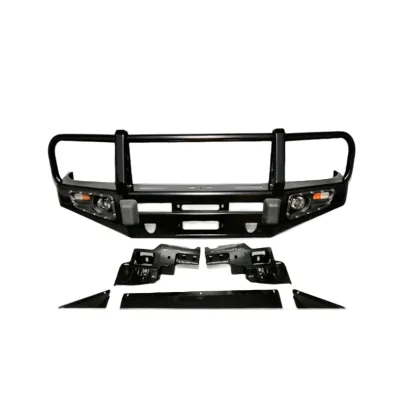
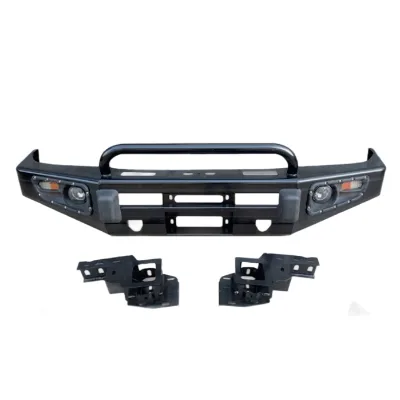
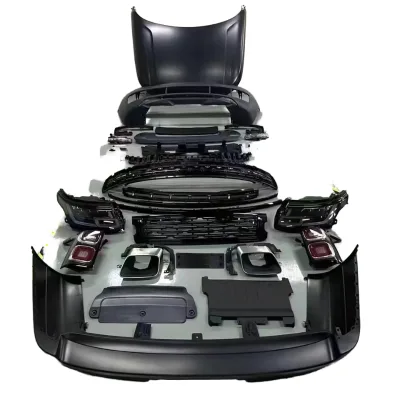
Factory Wholesales Auto Car Front Bumper Car Bumper With Led Front Bar for LC100
$324.0808 - $375.522
MOQ: 1 sets



Comprehensive Sourcing Guide
Bolt-On Car Front Bumper Sourcing Guide
Sourcing bolt-on car front bumpers requires a disciplined approach to aligning vehicle compatibility with supplier capabilities. Buyers must first distinguish between universal fitment options and model-specific designs, as the supplied data indicates a mix of "Universal Pickup Car" and specific "Pickup" model applications. This distinction is critical because bolt-on components often rely on precise mounting points that vary significantly across different chassis generations. Procurement teams should verify whether the listed "Car Make: Other" implies a broad compatibility range or a generic placeholder for multiple brands. Understanding this nuance prevents costly returns and installation delays, ensuring that the selected bumper integrates seamlessly with the existing vehicle frame without requiring extensive modification or welding.
The commercial landscape for these components reveals a wide variance in pricing and supply capacity, ranging from low-cost items to premium units exceeding significant thresholds. Suppliers offer varying monthly supply abilities, such as 300 pieces per month, which may constrain large-scale fleet procurement or rapid replacement cycles. Buyers need to assess whether the supplier’s production volume aligns with their anticipated order frequency and volume requirements. Additionally, the presence of customization options suggests that off-the-shelf solutions may not always meet specific aesthetic or functional needs, necessitating a clear definition of requirements before engaging with manufacturers. This evaluation helps in selecting partners who can reliably meet both quality standards and delivery schedules.
Product Scope and Observed Listing Signals
The observed product listings highlight a diverse range of materials and finishes, primarily focusing on steel construction with options for black or silver coloration. These material choices directly impact durability, weight, and corrosion resistance, which are key considerations for both passenger cars and trucks. The listings also indicate various surface finish processes, such as polishing, which enhances aesthetic appeal but may require additional maintenance. Buyers should note that while some products are described as "New" and "100% Tested," the specific testing protocols are not detailed in the available data. This ambiguity necessitates further inquiry into the quality assurance processes employed by suppliers to ensure that the bumpers meet expected performance standards under real-world driving conditions.
Packaging and logistics details provide insight into the supplier’s operational maturity and attention to product protection. Common packaging methods include EPE and bubble bags, single cartons, and wooden cases for shipping, indicating a tiered approach to handling based on product value or fragility. The standard cubic meter measurements, such as 0.07CBM or larger dimensions like 843950CM, help buyers calculate freight costs and warehouse storage requirements accurately. Furthermore, the mention of specific ports of dispatch, including Taiwan and Guangzhou, allows for precise logistics planning. Understanding these logistical parameters is essential for total cost of ownership calculations, as shipping and handling can significantly influence the final landed cost of the bumper components.
Technical Specifications to Verify
Verifying technical specifications is paramount to ensuring that the bolt-on car front bumper fits the intended vehicle model without modification. Buyers must cross-reference the listed model numbers, such as CB, DO-VG-F10, C-4, or generic "Bumper" identifiers, with their vehicle’s chassis and body style. The data indicates that some products are designed for "Most Car Models," which requires careful validation to avoid fitment issues. Additionally, the "Mould Cavity: Single Cavity" and "Shaping Mode: Injection Mould" details suggest specific manufacturing techniques that may affect the structural integrity and consistency of the product. Procurement teams should request detailed dimensional drawings and mounting hole patterns to confirm compatibility before placing large orders, minimizing the risk of receiving incompatible parts.
Surface finish and material composition are critical technical factors that influence the longevity and appearance of the bumper. The listed materials, primarily steel, offer robust protection but may be susceptible to rust if not properly treated. Buyers should inquire about the specific type of steel used and the quality of the paint or coating process, especially for products marketed with a polished finish. The "Technolog: Polishing" attribute suggests a focus on aesthetics, but it is unclear if this applies to the entire surface or specific areas. Understanding these technical details helps buyers assess the product’s resistance to environmental factors such as UV exposure, road salt, and minor impacts, ensuring that the bumper maintains its appearance and structural integrity over its warranty period.
Compliance and Safety Documentation
Compliance with regional safety and environmental standards is a non-negotiable aspect of sourcing automotive components. The supplied data mentions certifications such as CE and ISO, which indicate adherence to certain quality and safety management systems. However, buyers must verify the specific scope of these certifications to ensure they cover the manufacturing process and the final product’s safety performance. For instance, CE marking may relate to general product safety, while ISO certification likely pertains to quality management systems rather than specific crashworthiness standards. Procurement teams should request copies of these certificates and confirm their validity with the issuing bodies, ensuring that the supplier maintains up-to-date compliance with relevant regulations in the target market.
Safety documentation also includes information on product testing and quality control procedures. The claim of "100% Tested" is a strong indicator of quality assurance, but buyers should seek details on the types of tests performed, such as impact resistance, material strength, or paint adhesion tests. Without specific test results or references to industry standards like FMVSS or ECE regulations, it is difficult to assess the bumper’s safety performance. Buyers should ask suppliers to provide test reports or third-party verification of safety claims, especially for products intended for use in markets with strict automotive safety regulations. This due diligence helps mitigate liability risks and ensures that the purchased bumpers meet the necessary safety benchmarks for their intended application.
Cost Drivers and Commercial Terms
Understanding the cost drivers behind bolt-on car front bumpers is essential for effective budgeting and negotiation. The observed price range of 1.6 to 200,000 USD suggests a vast disparity in product value, likely driven by factors such as material quality, brand reputation, and level of customization. Buyers should analyze the cost breakdown to identify where value is added, such as in the polishing process or the use of specific steel grades. Additionally, the minimum order quantity (MOQ) ranges from 1 to 50 pieces, offering flexibility for small-scale buyers but potentially limiting economies of scale for larger orders. Negotiating volume discounts and clarifying any additional costs for customization or expedited shipping can help optimize the total procurement cost.
Commercial terms, including payment methods and delivery times, significantly impact cash flow and operational planning. The listed payment terms of T/T (Telegraphic Transfer) are standard in international trade but require careful consideration of payment schedules to manage financial risk. Delivery times, such as "One Week," indicate efficient production capabilities, but buyers should confirm whether this refers to production time or total lead time including shipping. The port of dispatch, whether in Taiwan or Guangzhou, also influences shipping duration and costs. Clear communication regarding these terms ensures that both parties have aligned expectations, reducing the likelihood of disputes and ensuring timely delivery of the bumper components to meet project deadlines.
Supplier Qualification and Quality Control
Supplier qualification is a critical step in ensuring the reliability and consistency of bolt-on car front bumper supplies. Buyers should evaluate suppliers based on their production capacity, quality management systems, and track record in the automotive parts industry. The data indicates that suppliers are located in regions like Taiwan and Guangdong, China, which are known for their manufacturing expertise. However, buyers must verify the supplier’s ability to maintain consistent quality across batches, especially when dealing with customized orders. Requesting samples and conducting on-site audits or third-party inspections can provide valuable insights into the supplier’s manufacturing processes and quality control measures, helping to identify potential risks before committing to large orders.
Quality control procedures should be clearly defined and agreed upon before production begins. Buyers should specify the acceptance criteria for product dimensions, surface finish, and material properties, ensuring that these align with their internal standards. The mention of "Customization: Available" suggests that suppliers can accommodate specific requirements, but this also increases the complexity of quality verification. Establishing a robust quality assurance protocol, including pre-shipment inspections and clear rejection criteria for non-conforming products, helps mitigate the risk of receiving defective bumpers. Regular communication with the supplier regarding quality issues and continuous improvement initiatives fosters a collaborative relationship that enhances product quality and supplier performance over time.
Long-Term Procurement Checks
Long-term procurement checks involve monitoring supplier performance and product quality over time to ensure sustained value and reliability. Buyers should establish key performance indicators (KPIs) such as on-time delivery rates, defect rates, and responsiveness to issues, tracking these metrics regularly to identify trends and areas for improvement. The warranty period of 12 months, as mentioned in the data, provides a baseline for assessing product durability, but buyers should also consider the supplier’s support for warranty claims and after-sales service. Building a strong relationship with the supplier through regular reviews and feedback sessions can lead to better collaboration and continuous improvement in product quality and service levels.
Market dynamics and technological advancements in the automotive industry may also impact the relevance and performance of bolt-on car front bumpers. Buyers should stay informed about emerging trends, such as new materials or manufacturing techniques, that could offer improved performance or cost savings. Regularly reviewing the supplier’s product portfolio and innovation capabilities ensures that the procurement strategy remains aligned with evolving market needs. Additionally, diversifying the supplier base to include multiple qualified vendors can reduce dependency on a single source and enhance supply chain resilience. By proactively managing these long-term factors, buyers can secure a stable and competitive supply of high-quality bolt-on car front bumpers for their operations.
FAQs
What certifications do the car front bumpers have?
The car front bumpers carry CE and ISO certifications to ensure compliance with international safety standards. These certifications verify that the products meet specific quality and safety requirements for automotive parts used in various vehicle applications.
How long is the warranty period for these bumpers?
These new condition bumpers come with a 12-month warranty to protect buyers against defects. This coverage applies to the steel and plastic components, ensuring reliability for truck and car applications during the specified period.
Can I request customization for the bumper design?
Yes, customization is available for the car front bumpers to meet specific buyer requirements. Buyers can request changes to the product model or finish, allowing for tailored solutions that fit unique vehicle specifications and aesthetic preferences.
What is the lead time for delivery of these parts?
The delivery time for these auto parts is typically one week after order confirmation. This fast turnaround ensures that buyers receive their new condition bumpers quickly, supporting urgent replacement needs for trucks and cars.
Which materials are used to manufacture these bumpers?
The bumpers are manufactured using steel and other durable materials to ensure strength and longevity. This material selection supports the polishing process and ensures the parts withstand daily use in various automotive applications without compromising structural integrity.
How are the products packaged for shipping?
Products are packaged using EPE, bubble bags, and cartons to prevent damage during transit. Some larger orders may use wooden cases by ship, ensuring that the black or silver bumpers arrive in perfect condition regardless of the destination.
What is the minimum order quantity for these parts?
The minimum order quantity ranges from 1 to 50 pieces depending on the specific product model. This flexible MOQ allows buyers to test the market or place larger orders for their fleet needs without excessive initial investment.
Where are these car bumpers originally manufactured?
These bumpers originate from Taiwan and Guangzhou, China, ensuring high-quality manufacturing standards. The products are dispatched from various ports in Taiwan or Guangzhou, facilitating efficient logistics for buyers in South America, North America, and other global regions.