Source Facelift Front Bumper for Cars, Trucks, and Crossovers
Compare 30 listings for Facelift Front Bumper options suitable for cars, trucks, and crossovers. Buyers can review specifications, materials, and delivery times to find the right replacement part for their vehicle needs; compare the available evidence and request quotations based on your requirements.
Updated
Key considerations
Products List

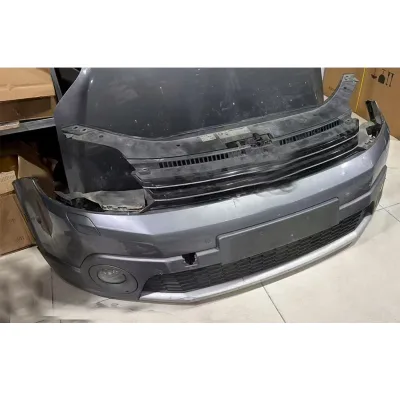

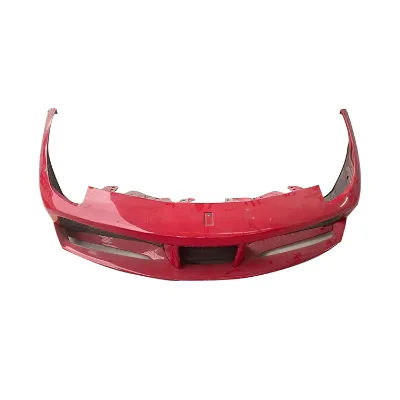


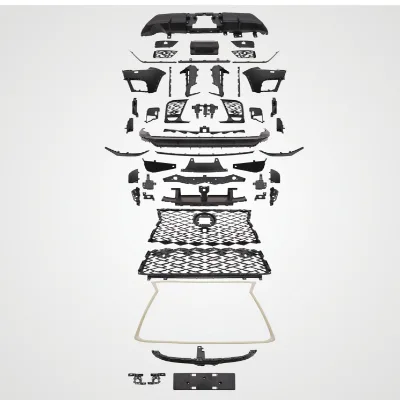
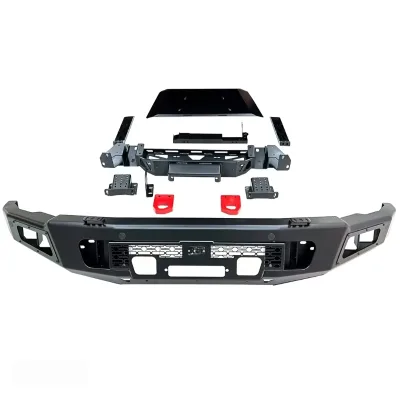
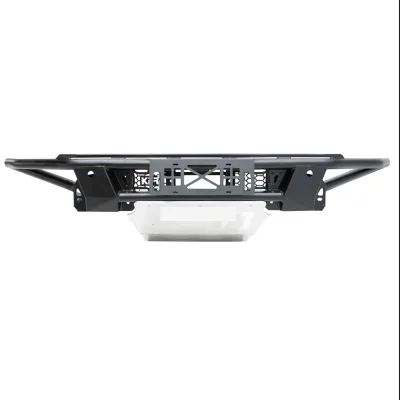
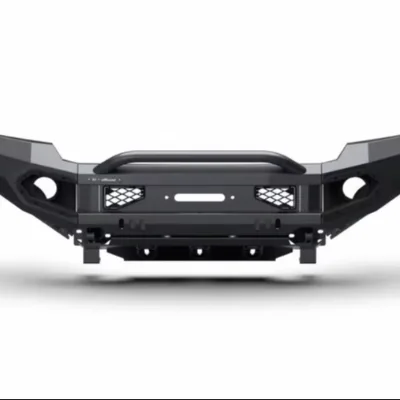
New for Facelift LC200 Cross Country Bumper for 16-20 Condition Excellent
$1930.00 - $2100.00
MOQ: 1 Minimum


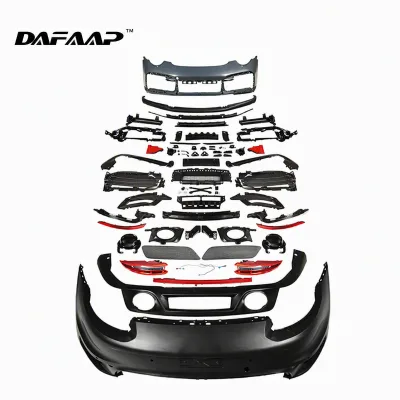
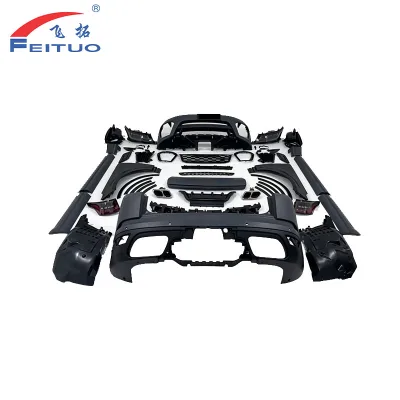
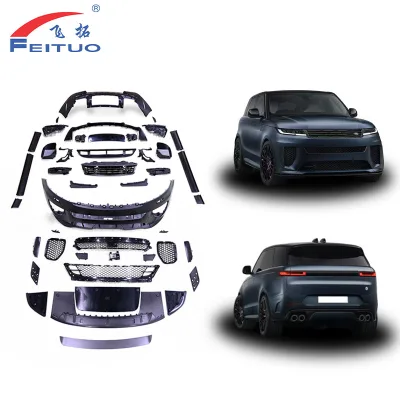


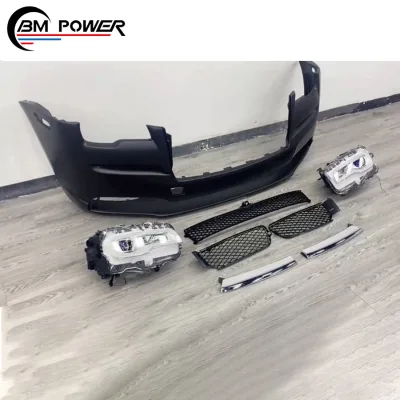
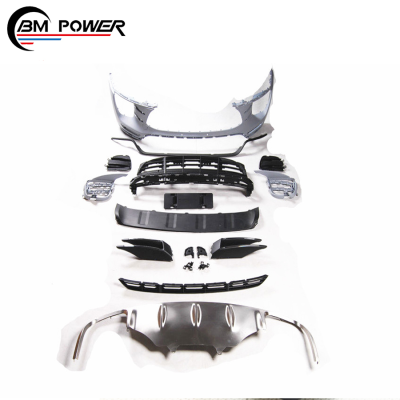
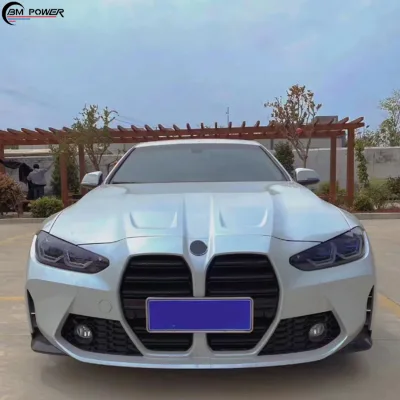
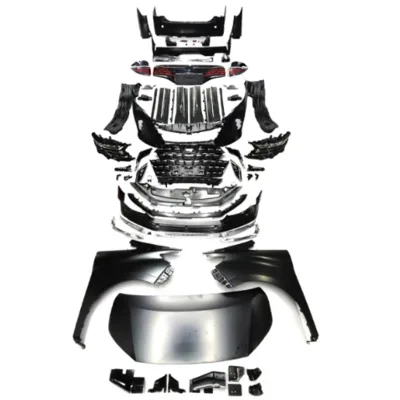
Comprehensive Sourcing Guide
Facelift Front Bumper Sourcing Guide
Sourcing facelift front bumpers requires careful attention to vehicle-specific compatibility and material integrity. Buyers must verify that the replacement part matches the original equipment manufacturer (OEM) specifications precisely, as even minor deviations can affect aerodynamics and safety. The market offers various options, including plastic and carbon fiber constructions, each with distinct advantages regarding weight, durability, and cost. Understanding these material differences is crucial for selecting the right component for your specific fleet or retail needs.
Procurement teams should also consider the customization options available from suppliers. Many manufacturers offer tailored solutions, including color matching and specific design adjustments to fit unique vehicle models. This flexibility allows businesses to maintain brand consistency or address specific aesthetic requirements. However, customization often impacts lead times and minimum order quantities, so early planning is essential to align production schedules with inventory demands.
Product Scope and Observed Listing Signals
The current market for facelift front bumpers includes a wide range of products designed for various vehicle makes and models. Listings indicate compatibility with specific series such as the Golf Crossover and other front and rear bumper applications. Buyers should note that products are often categorized by their intended use, such as for car or truck applications, and may be specified for particular years ranging from 2016 to 2025. This broad scope requires diligent filtering to ensure the selected part matches the exact vehicle configuration.
Observed listing signals reveal that many suppliers provide new condition parts with stock availability, which can expedite procurement processes. Products are typically packaged in carton boxes, wooden frames, or with EPE and bubble bag protection to prevent damage during transit. The single package size and gross weight vary significantly, with some items weighing up to 85.0 kg, indicating the need for appropriate logistics planning. These physical attributes directly influence shipping costs and handling requirements, making them critical factors in the total cost of ownership.
Technical Specifications to Verify
Verifying technical specifications is paramount to ensuring the Facelift Front Bumper fits correctly and performs as expected. Buyers should confirm that the product model matches the vehicle’s VIN or original equipment number, as mismatches can lead to installation failures. Specifications such as the single cavity mold and injection molding process suggest a standardized production method, but variations in surface finish, such as polishing, can affect the final appearance. It is essential to request detailed dimensional data to ensure compatibility with existing vehicle structures.
Material composition is another critical specification to validate. Listings show options in plastic and carbon fiber, each offering different benefits in terms of strength and weight. Carbon fiber parts, for instance, are lighter but may come at a higher price point. Buyers must also check the standard size and any custom dimensions provided by the supplier. Ensuring that the part’s specifications align with the original car’s standards helps maintain vehicle integrity and prevents issues with sensors or lighting systems integrated into the bumper area.
Compliance and Safety Documentation
Compliance with safety and quality standards is non-negotiable when sourcing automotive components. Buyers should request certification documents such as CE or ISO marks to verify that the supplier adheres to recognized quality management systems. These certifications indicate that the manufacturing process meets specific regulatory requirements, reducing the risk of receiving substandard parts. It is crucial to ensure that the documentation is current and applicable to the specific product being purchased, as standards can vary by region and product type.
In addition to certifications, buyers should inquire about any additional testing or quality control measures implemented by the supplier. While specific test results may not be publicly listed, understanding the supplier’s internal quality protocols can provide insight into the reliability of the product. Documentation should also include information on the warranty period, which is often listed as one year or twelve months. A clear warranty policy offers protection against defects and demonstrates the supplier’s confidence in their product’s durability and performance.
Cost Drivers and Commercial Terms
Several factors influence the cost of facelift front bumpers, including material choice, customization level, and order volume. Plastic components are generally more affordable than carbon fiber alternatives, but the latter may offer long-term savings due to reduced weight and improved fuel efficiency. Minimum order quantities (MOQ) can also impact pricing, with larger orders often qualifying for discounts. Buyers should negotiate terms that align with their inventory needs, balancing cost savings with storage capacity and cash flow considerations.
Lead times and shipping methods are additional commercial terms that affect the total procurement cost. Suppliers may offer delivery within three to seven days, but this can vary based on stock availability and production schedules. Shipping options include sea, air, and express services, each with different cost and speed implications. Buyers should evaluate these options in the context of their urgency and budget, ensuring that the chosen logistics solution supports their operational requirements without incurring excessive expenses.
Supplier Qualification and Quality Control
Evaluating supplier qualification is essential to mitigate risks associated with sourcing facelift front bumpers. Buyers should assess the supplier’s production capacity, which may be listed as 200 sets per month, to ensure they can meet demand without compromising quality. It is also important to verify the supplier’s location, as proximity to manufacturing hubs like Guangzhou, China, can influence lead times and logistics efficiency. A qualified supplier should have a robust quality control system in place to ensure consistent product standards.
Quality control measures should include regular inspections and testing throughout the production process. Buyers should request information on the supplier’s defect rate and how they handle non-conforming products. A reliable supplier will have clear procedures for addressing quality issues, including returns or replacements. Additionally, buyers should consider the supplier’s after-sales service capabilities, as responsive support can resolve issues quickly and minimize downtime. Establishing a strong relationship with a qualified supplier ensures a steady supply of high-quality components.
Long-Term Procurement Checks
Long-term procurement success depends on continuous monitoring of supplier performance and market trends. Buyers should regularly review supplier delivery times, product quality, and customer service responsiveness to identify any potential issues early. Establishing key performance indicators (KPIs) can help track these metrics and ensure that suppliers meet agreed-upon standards. Regular audits or site visits, if feasible, can provide deeper insights into the supplier’s operations and quality control practices, fostering a more transparent and collaborative relationship.
Market dynamics and technological advancements in automotive parts should also be monitored to stay competitive. Buyers should keep abreast of new materials, designs, and compliance requirements that may impact future sourcing decisions. Engaging with industry networks and attending trade shows can provide valuable insights into emerging trends and best practices. By maintaining a proactive approach to procurement, businesses can adapt to changes in the market and ensure a reliable supply of facelift front bumpers that meet their evolving needs.
FAQs
What materials are used for facelift front bumpers?
Facelift front bumpers are primarily manufactured from plastic or carbon fiber to ensure durability and lightweight performance. Plastic options are common for standard replacements, while carbon fiber variants offer high-quality aesthetics. Buyers can select materials based on their specific vehicle requirements and budget constraints for optimal fitment.
Can I get customized facelift front bumpers?
Yes, customization is available for facelift front bumpers to meet specific design or functional needs. Suppliers offer tailored solutions including color options like black, red, or silver, and specific model matching. This ensures the bumper aligns perfectly with the vehicle's original design while allowing for personalization in finish and specification.
What certifications do facelift front bumpers have?
Facelift front bumpers typically hold CE and ISO certifications to ensure compliance with international quality and safety standards. These certifications verify that the products meet rigorous manufacturing criteria. Buyers can rely on these documented standards to ensure the bumpers are suitable for global distribution and meet regulatory requirements in various markets.
How long is the delivery time for orders?
The standard delivery time for Facelift Front Bumper orders is typically 3 to 7 days. This rapid turnaround ensures quick replenishment for inventory needs. Suppliers offer shipping via sea, air, or express methods to accommodate different urgency levels, ensuring timely arrival of new condition parts for repair or replacement purposes.
What is the warranty period for these bumpers?
Most facelift front bumpers come with a warranty of 1 year or 12 months. This coverage protects buyers against manufacturing defects and ensures product reliability. The warranty applies to new condition parts, providing peace of mind for purchasers investing in replacement components for vehicles such as Golf Crossover or Ferrari 488 models.
Which car models are compatible with these bumpers?
These bumpers are compatible with various models including Golf Crossover and Ferrari 488, with specifications matched according to VIN. They are designed for front and rear bumper applications on cars and trucks. Buyers should verify the specific year range, such as 2018 to 2025, to ensure proper fitment for their vehicle make.