Source Red Carbon Fiber Hood Badge for Jaguar, Universal, and Custom Cars
Find 23 listings for Red Carbon Fiber Hood Badge options including aluminum and ABS materials. Buyers can compare prices, MOQs, and customization features for Jaguar, universal, and custom car applications; compare the available evidence and request quotations based on your requirements.
Updated
Key considerations
Products List


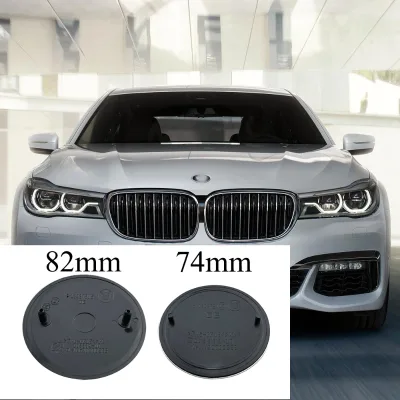
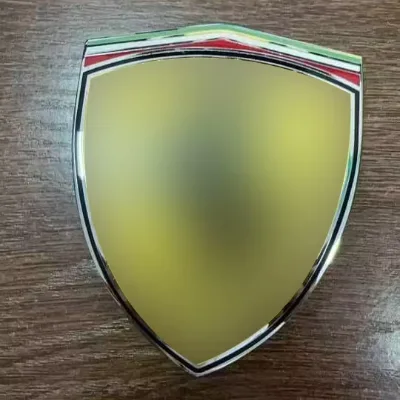
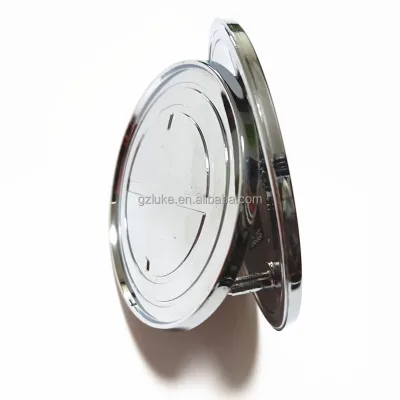
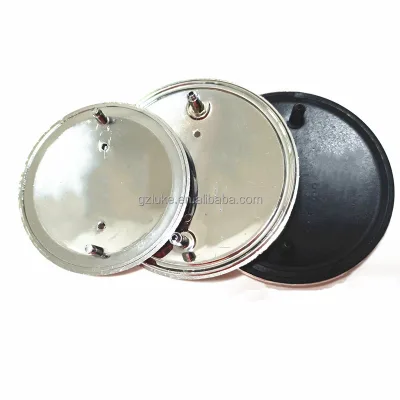
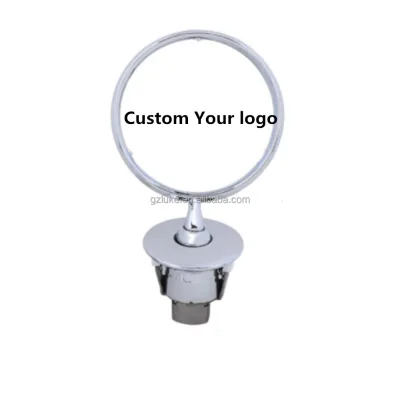
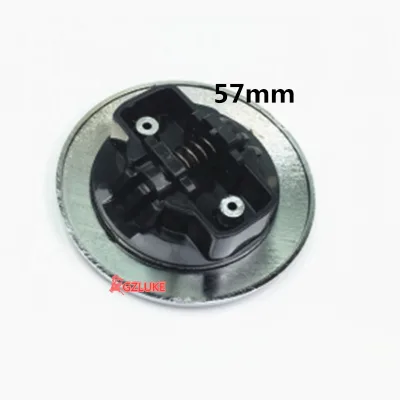
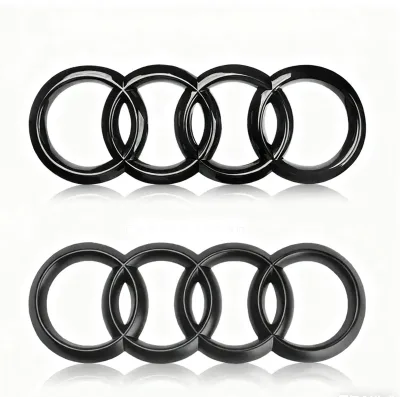
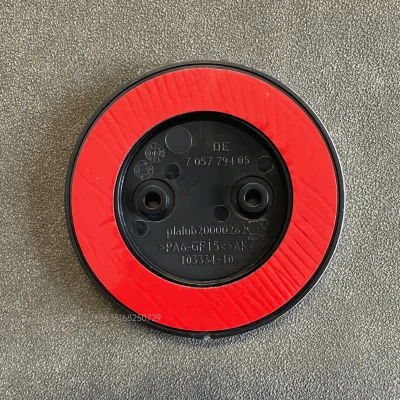
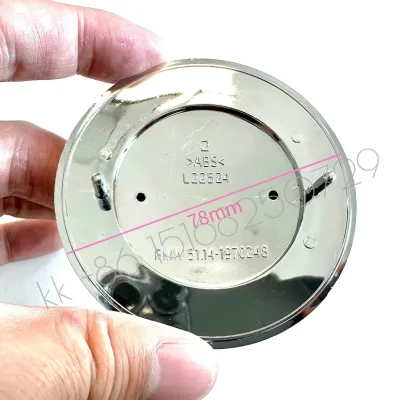

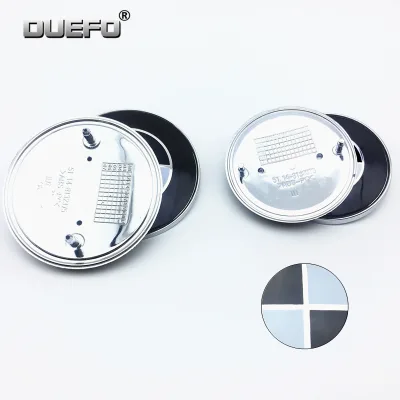
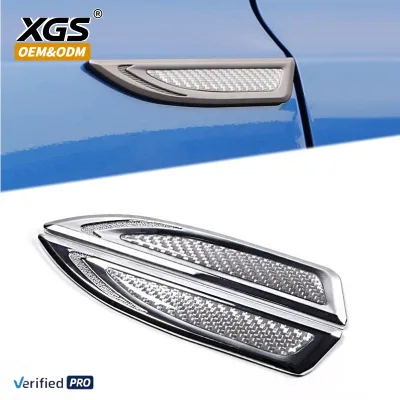
Comprehensive Sourcing Guide
Red Carbon Fiber Hood Badge Sourcing Guide
Sourcing red carbon fiber hood badges requires careful attention to material authenticity and aesthetic consistency, as these components serve as high-visibility branding elements on vehicle hoods. Buyers must distinguish between genuine carbon fiber weaves and printed alternatives that mimic the look without offering the associated durability or weight benefits. The visual appeal of a red accent against a carbon base is a popular customization choice, but it demands precise color matching to ensure the badge integrates seamlessly with the vehicle’s existing design language. Procurement teams should prioritize suppliers who provide clear material specifications rather than relying solely on product images, which can be heavily edited to enhance perceived quality.
The procurement process for these badges often involves balancing aesthetic desires with functional requirements, such as heat resistance and adhesion strength. Since hood badges are exposed to direct sunlight and varying temperatures, the substrate must withstand environmental stress without fading or delaminating. Buyers should verify whether the red component is a painted layer, a dyed material, or an integrated film, as each method has different longevity profiles. Understanding the construction of the badge is critical for ensuring that the final product meets both the visual standards of the brand and the practical demands of automotive exterior applications.
Product Scope and Observed Listing Signals
Market listings for red carbon fiber hood badges reveal a diverse range of product types, including standalone emblems, decorative stickers, and stand-up accessories. Observed data indicates that materials frequently cited include high-temperature ABS, chrome, and aluminum, with carbon fiber often appearing as a specific color or finish option rather than the sole structural material. For instance, some listings specify "Newest High Temperature ABS" with color options including red and carbon fiber, while others describe chrome logos or aluminum bumpers. This variation suggests that buyers must carefully scrutinize product descriptions to confirm whether the badge is constructed from actual carbon fiber composite or if it is a plastic or metal component with a carbon-fiber-style finish.
The observed price range spans from $0.04 to $600, reflecting significant differences in material quality, manufacturing complexity, and brand positioning. Minimum order quantities (MOQ) vary widely, with some suppliers accepting orders as low as 10 pieces, while others require 100 or more units. This disparity allows for flexibility in sourcing, whether for small-scale customization projects or large-volume fleet branding. Buyers should note that lower prices often correlate with simpler materials like ABS plastic, whereas higher price points may indicate premium materials such as genuine carbon fiber or chrome plating. Understanding these market signals helps in setting realistic budget expectations and identifying suppliers who align with specific volume and quality requirements.
Technical Specifications to Verify
When evaluating red carbon fiber hood badges, buyers must verify key technical specifications such as material composition, weight, and dimensional accuracy. The supplied context highlights materials like ABS, chrome, and aluminum, with weights ranging from 0.5kg for certain accessories. It is essential to confirm whether the badge is made from genuine carbon fiber or a composite material, as this affects both the aesthetic and structural integrity. Additionally, buyers should check the installation requirements, noting that some badges are designed for easy installation without drilling or cutting, while others may require adhesive backing or mechanical fastening. Verifying these details ensures that the badge fits the specific vehicle model and meets the desired installation standards.
Color consistency and finish quality are also critical technical aspects that require verification. Listings mention color options such as red, black, blue, green, white, and orange, with some products offering customization. Buyers should request samples to assess the accuracy of the red hue against the carbon fiber pattern, ensuring that the finish is uniform and free from defects like bubbles or uneven coating. Furthermore, the durability of the finish under UV exposure and temperature fluctuations should be confirmed, as badges on hoods are subject to harsh environmental conditions. Specifications such as a 5-8 year or 10-20 year usable life, as mentioned in some listings, provide a benchmark for expected longevity, but buyers should seek independent verification of these claims.
Compliance and Safety Documentation
Compliance with automotive safety and environmental standards is paramount when sourcing hood badges, even for decorative components. Buyers should verify that suppliers adhere to relevant regulations regarding material safety, such as restrictions on hazardous substances in plastics and coatings. While specific certifications like CE are mentioned in some listings, buyers must confirm that these apply to the specific product and are issued by recognized bodies. Documentation should include material safety data sheets (MSDS) and declarations of conformity, which provide evidence that the materials used are safe for automotive applications and do not emit harmful volatile organic compounds (VOCs).
Additionally, buyers should ensure that the badges meet any local or international standards for vehicle exterior accessories, including flammability and impact resistance. Although hood badges are primarily decorative, they must not pose a safety risk in the event of a collision or in extreme weather conditions. Suppliers should provide test reports or certifications that demonstrate compliance with these standards. Buyers should also inquire about the supplier’s quality management systems, such as ISO 9001, which indicate a structured approach to maintaining consistent product quality and safety. Proper documentation not only ensures regulatory compliance but also protects the buyer from potential liabilities associated with product failures.
Cost Drivers and Commercial Terms
The cost of red carbon fiber hood badges is influenced by several factors, including material selection, manufacturing complexity, and order volume. Genuine carbon fiber materials are significantly more expensive than ABS or plastic alternatives, leading to higher unit costs. Customization options, such as specific color matches or logo designs, can also increase prices due to the additional setup and production time required. Buyers should analyze the price breakdown to understand how much of the cost is attributed to materials versus labor and overhead. Understanding these cost drivers helps in negotiating better terms and identifying opportunities for cost savings without compromising quality.
Commercial terms, including payment methods, shipping options, and lead times, also impact the overall procurement cost. Listings indicate payment options such as PayPal, Western Union, and bank transfers, with shipping times ranging from within 3 days to longer periods depending on the method. Buyers should consider the total landed cost, including shipping and customs duties, when comparing suppliers. Fast delivery options like DHL or UPS may come at a premium, while slower methods like China Post are more cost-effective but less predictable. Establishing clear commercial terms and understanding the supplier’s policies on returns and warranties is essential for managing risks and ensuring a smooth procurement process.
Supplier Qualification and Quality Control
Qualifying suppliers for red carbon fiber hood badges involves assessing their manufacturing capabilities, quality control processes, and track record. Buyers should verify the supplier’s production facilities, ensuring they have the necessary equipment for precision cutting, molding, and finishing. Quality control measures, such as in-process inspections and final product testing, are critical for maintaining consistency and minimizing defects. Suppliers who offer sample orders, as mentioned in some listings, provide an opportunity to evaluate product quality before committing to larger orders. Buyers should request detailed information on the supplier’s quality management systems and any relevant certifications to ensure they meet industry standards.
Additionally, buyers should assess the supplier’s ability to handle customization and OEM requests, as these are common requirements for hood badges. Suppliers who welcome OEM orders and offer customization options demonstrate flexibility and a customer-centric approach. It is also important to evaluate the supplier’s communication and responsiveness, as these factors can impact the efficiency of the procurement process. Buyers should seek references or case studies from previous clients to gauge the supplier’s reliability and performance. A thorough qualification process helps in selecting suppliers who can deliver high-quality products consistently and meet the buyer’s specific requirements.
Long-Term Procurement Checks
Long-term procurement of red carbon fiber hood badges requires ongoing monitoring of supplier performance and product quality. Buyers should establish key performance indicators (KPIs) to track metrics such as on-time delivery, defect rates, and customer satisfaction. Regular audits of the supplier’s quality control processes and production facilities can help identify potential issues early and ensure continuous improvement. Buyers should also maintain open communication with suppliers to address any concerns promptly and foster a collaborative relationship. Periodic reviews of the supplier’s capabilities and market position can help in identifying alternative sources if needed, ensuring supply chain resilience.
Furthermore, buyers should stay informed about industry trends and technological advancements in badge manufacturing, such as new materials or finishing techniques. This knowledge can help in making informed decisions about product upgrades or changes in sourcing strategies. Buyers should also consider the environmental impact of their procurement choices, seeking suppliers who adopt sustainable practices and use eco-friendly materials. By implementing a structured long-term procurement strategy, buyers can ensure a steady supply of high-quality red carbon fiber hood badges while managing costs and risks effectively. Continuous evaluation and adaptation are key to maintaining a competitive edge in the automotive aftermarket.
FAQs
What material is used for the Red Carbon Fiber Hood Badge?
The badge is constructed from Newest High Temperature ABS or Chrome depending on the specific model selected. Some variants also utilize Aluminium for enhanced durability. Buyers can choose between Carbon Fiber, Red, Black, or other custom colors to match their vehicle aesthetic requirements.
How is the Red Carbon Fiber Hood Badge installed on the car?
Installation is very easy and requires no drilling or cutting on the vehicle body. The product is designed as a sticker or emblem that adheres directly to the grille or hood. This ensures a secure fit without damaging the original paintwork of the car during the mounting process.
Which customization options are available for the Red Carbon Fiber Hood Badge?
Customization is available for color, material, and specific car mold requirements like Jaguar. Buyers can request specific packaging such as PP bags or boxes. OEM services are welcome, allowing for tailored designs that meet unique branding or aesthetic preferences for the automotive accessory.
Can I order a sample of the Red Carbon Fiber Hood Badge?
Yes, sample orders are accepted for the Red Carbon Fiber Hood Badge to verify quality before bulk purchase. The minimum order quantity for samples is typically 10 pieces, while bulk orders may require 100 pieces. Payment methods include PayPal, West Union, or bank transfer for secure transactions.
What is the expected lifespan of the Red Carbon Fiber Hood Badge?
The product offers a longer working life and is not easy to scratch, with an estimated lifespan of 5 to 8 years. Some specific models claim a durability of 10 to 20 years depending on the material used. This ensures the decoration remains intact under normal driving conditions.
How long does it take to receive the Red Carbon Fiber Hood Badge?
Shipping time is within 3 days after payment is received for most orders. Delivery is handled via EMS, DHL, UPS, FEDEX, or China Post for fast and safe transit. The origin of the product is Guangdong, China, ensuring efficient logistics for international buyers.
What certifications does the Red Carbon Fiber Hood Badge meet?
Certain models of the badge meet the CE standard for safety and quality compliance. The product is manufactured in Guangdong, China, adhering to specific production standards. Buyers should verify the specific certification details for their chosen model to ensure it meets local regulatory requirements.