Source Universal Fit Car Bumper for Repair, Upgrade, and Replacement
Find 30 listings for Universal Fit Car Bumper options suitable for repair, upgrade, and replacement needs. Buyers can compare specifications, materials, and prices from verified suppliers to select the best match for their vehicle requirements; compare the available evidence and request quotations based on your requirements.
Updated
Key considerations
Products List

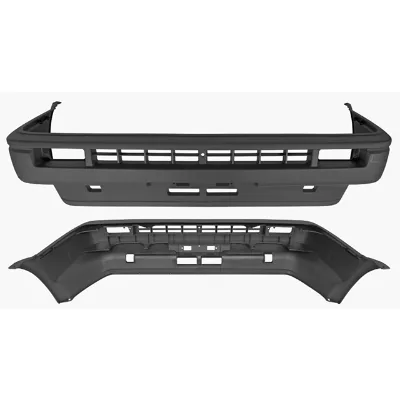
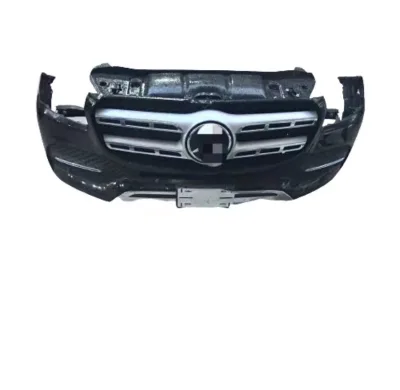
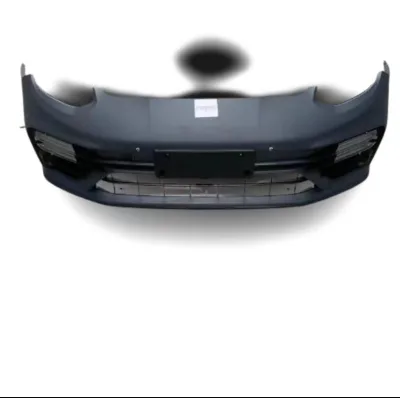
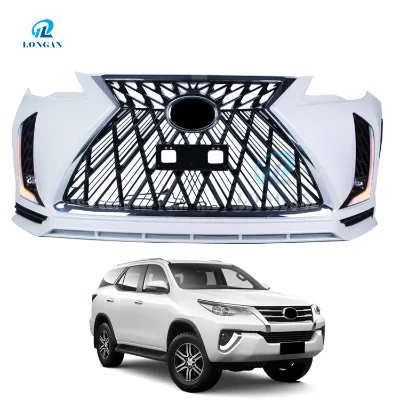
High Quality 971.1 Front Bumper Grille Kit for Cars Front Car Bumper Accessories
$619.4258 - $645.2356
MOQ: 1 pieces


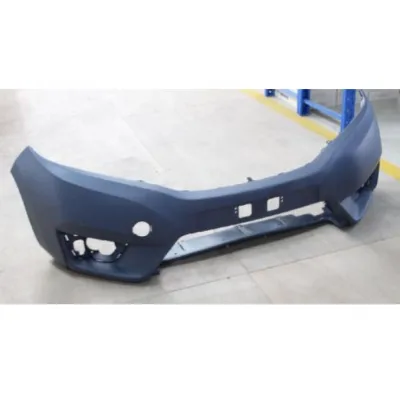




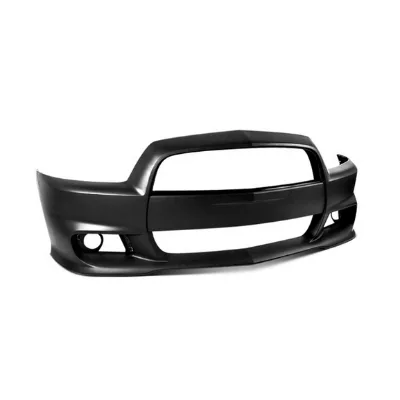
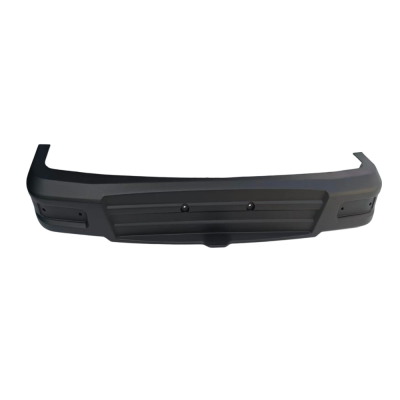


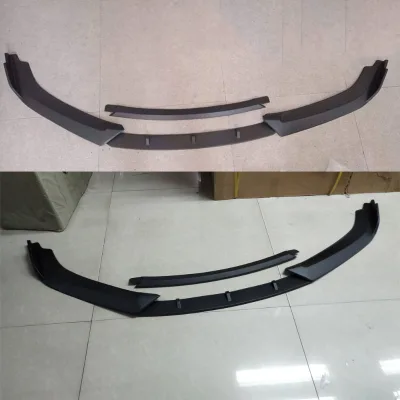
Comprehensive Sourcing Guide
Universal Fit Car Bumper Sourcing Guide
Procuring universal fit car bumpers requires careful navigation of diverse product attributes, as listings often mix specific vehicle applications with general compatibility claims. Buyers must distinguish between parts designed for specific models, such as the JX-9008 or 971.1, and those marketed as universal solutions for various car makes. The observed market includes options ranging from plastic to steel construction, with origins spanning China and Taiwan, necessitating a rigorous verification of material suitability for the intended vehicle type.
Commercial terms vary significantly across suppliers, with minimum order quantities observed between one set and one hundred units. Lead times can be as short as one week for certain items, while supply abilities might be capped at 300 pieces per month for specialized components. Buyers should prioritize suppliers who clearly define their packaging details, such as bubble wrap or standard carton boxes, to ensure the integrity of the bumper during transit from ports like Taiwan or mainland China.
Product Scope and Observed Listing Signals
The product landscape for universal bumpers includes distinct categories such as front and rear bumper assemblies, often labeled with specific model numbers like CB or car parts 4.1. Listings frequently highlight attributes like "New Energy Car Bumper" or "Bodykits" for facelift upgrades, indicating a broad scope that covers both replacement and aesthetic enhancement purposes. Buyers must verify if the item is an original part or a reproduction, as the condition ranges from new to used, directly impacting the expected lifespan and fitment quality.
Visual and descriptive signals in listings often include color options like silver, red, white, blue, or black, alongside installation ease claims. However, the term "universal" can be misleading when specific fitment data is absent, as some products are tailored for SUVs or specific car models like the 971.1. It is critical to cross-reference the stated position, such as front or rear, with the actual vehicle requirements, ensuring the product is not merely a generic shell but a functional component designed for the specific application.
Technical Specifications to Verify
Technical verification begins with confirming the material composition, as observed listings specify materials ranging from plastic to steel, each offering different durability and weight characteristics. Buyers must check the stated dimensions, such as the 60x70x70CM size for certain bodykits, against their vehicle's mounting points to ensure physical compatibility. The standard designation, often listed as "Universal" or specific packaging dimensions like 30x30x30cm, serves as a baseline but requires validation against the actual vehicle's bumper geometry.
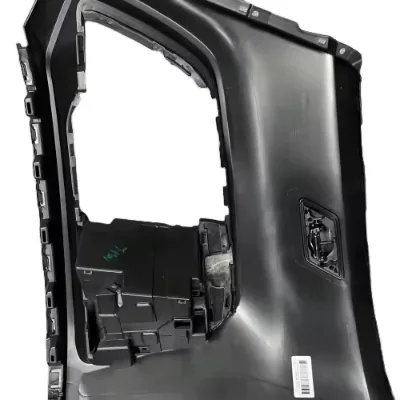
Further scrutiny is needed for the model number and fitment claims, which may reference specific car makes or general categories like "Famous Cars." The installation process is frequently advertised as easy, yet the actual compatibility depends on the precise alignment of mounting holes and structural supports. Buyers should request detailed diagrams or photos showing the rear structure and attachment points to confirm that the "100% Fitment" claim holds true for their specific vehicle make and model.
Compliance and Safety Documentation
While some listings mention ISO certifications, buyers must explicitly request valid documentation to confirm that the bumper meets regional safety and environmental standards. The presence of a certification label does not guarantee compliance with local regulations, particularly regarding impact absorption and pedestrian safety laws. It is essential to verify if the product has undergone specific testing for structural integrity, especially for steel or plastic components intended for high-impact areas.
Documentation should also cover the origin of the parts, as products originate from locations like Shanxi, Guangdong, or Taiwan, each with different manufacturing oversight levels. Buyers need to ensure that the supplier provides proof of origin and any relevant export compliance certificates to avoid customs delays or legal issues. Without clear evidence of safety testing and regulatory adherence, the risk of liability in the event of an accident increases significantly for the end-user.
Cost Drivers and Commercial Terms
Pricing for universal bumpers varies widely, with observed ranges spanning from $1.6 to $200,000, reflecting differences in material quality, brand reputation, and customization options. The cost is heavily influenced by the supply ability, which may be limited to 300 pieces per month for specialized items, creating potential bottlenecks for large orders. Buyers should analyze whether the price includes packaging details like naked shipping or standard carton boxes, as these factors affect the final landed cost and potential damage during transit.
Commercial terms such as the minimum order quantity (MOQ) and delivery time are critical for inventory planning, with MOQs observed from one set up to 100 units. Lead times can be as short as one week, but this may vary based on the supplier's location and current production capacity. Buyers must negotiate clear terms regarding the port of dispatch, such as any port in Taiwan, and confirm who bears the risk of loss during shipping to ensure a predictable total cost of ownership.
Supplier Qualification and Quality Control
Supplier qualification requires a thorough review of their production capabilities and quality control processes, particularly for items claiming high-quality standards. Buyers should assess the supplier's ability to handle customization requests, as some listings indicate that customization is available for specific bumper models. It is vital to verify the supplier's track record in delivering consistent products, especially when dealing with materials like steel or plastic that require precise molding or fabrication.
Quality control measures should include pre-shipment inspections to verify the condition of the product, whether new or used, and to ensure it matches the described specifications. Buyers must confirm that the supplier adheres to the stated packaging details, such as using bubble wrap or plastic bags, to prevent damage during shipping. Establishing a clear communication channel for resolving quality issues is essential, ensuring that any discrepancies in fitment or material quality are addressed promptly before the goods are dispatched.
Long-Term Procurement Checks
Long-term procurement success depends on establishing a reliable supply chain that can consistently meet demand without compromising on quality or delivery timelines. Buyers should monitor the supplier's ability to maintain the stated supply ability of 300 pieces per month and ensure that lead times remain stable over time. Regular audits of the supplier's production facilities and quality control processes can help identify potential risks before they impact the supply chain.
Continuous evaluation of the product's performance in the field is necessary to validate the initial fitment and durability claims. Buyers should gather feedback from end-users regarding the installation process and the bumper's longevity under various driving conditions. This data should be used to refine future procurement strategies, ensuring that the selected universal fit car bumpers continue to meet the evolving needs of the market and the specific requirements of the vehicle fleet.
FAQs
What materials are used for universal fit car bumpers?
Universal fit car bumpers are primarily manufactured from plastic or steel. Plastic options offer lightweight durability and corrosion resistance, while steel variants provide enhanced structural strength. Buyers can select materials based on specific vehicle requirements and aesthetic preferences for their automotive projects.
Can I find universal fit car bumpers with ISO certification?
Yes, some Universal Fit Car Bumper suppliers offer products with ISO certification. This certification indicates adherence to international quality management standards. Buyers seeking verified quality assurance should specifically request ISO-certified items during the sourcing process to ensure consistent manufacturing standards and product reliability.
What is the typical MOQ for universal fit car bumpers?
The typical minimum order quantity for universal fit car bumpers ranges from 1 to 100 sets. Many suppliers allow small initial orders to test quality. Buyers should verify specific MOQ requirements with each vendor, as policies vary based on customization needs and production capacity constraints.
How long is the delivery time for universal fit car bumpers?
Delivery time for universal fit car bumpers is typically one week. This standard lead time applies to many standard stock items. Buyers requiring expedited shipping or custom modifications should confirm specific timelines with suppliers, as production schedules and logistics can affect final delivery dates.
Which locations supply universal fit car bumpers?
Universal fit car bumpers are supplied from various locations including China and Taiwan. Specific origins like Guangdong and Shanxi are noted for production. Buyers should check the place of origin for each product to understand logistics, shipping costs, and potential import regulations for their target markets.
Are universal fit car bumpers available in multiple colors?
Yes, universal fit car bumpers are available in multiple colors including silver, red, white, blue, and black. Buyers can choose colors that match their vehicle aesthetics. Some suppliers also offer customization options for specific color requirements, allowing for tailored appearances for different automotive models.