Built-in Speaker Business LCD Screen Suppliers and Manufacturers
Explore 24 verified suppliers offering built-in speaker business lcd screen options with ISO and CE certifications. Compare response times, lead times, and warranty terms to select the right partner for your needs; review the available evidence before requesting comparable quotations from suitable candidates.
Updated
Suppliers List
Shenzhen Iboard Technology Co., Ltd.
- Verified by SGS Group
- Manufacturer, Trading Company
- Lead time25 days
- Avg. response≤ 3h
Main productsInteractive Whiteboard, Interactive Flat Panel, Touch Frame and Screen, Touch Kiosk, Digital Signage
Main marketsDomestic Market(40%), Eastern Europe(12%), North America(11%)
Shenzhen GBZK Electronics Co., Ltd.
- Verified by SGS Group
- Manufacturer, Trading Company
- Guangdong, China
- Lead time15 days
- Avg. response≤ 4h
Main productsAcrylic Digital Photo Frame, Wifi Cloud Frame, Acrylic Video Player, Advertising Player, Video Brochure
Main marketsNorth America(38%), Western Europe(10%), Southern Europe(10%)

Shenzhen Optim Technology Co., Ltd.
- Manufacturer/Factory
- China Guangdong
- Lead time23 days
- Avg. response≤ 6h
Main productsDigital Signage, Interactive Flat Panel, Kiosk, Monitor, Touch Screen, All in One PC, Industrial PC, LED Screen, 3D Holographic Display, Android Tablet
Main marketsSouth America,Eastern Europe,Mid East,North America,Southeast Asia,Eastern Asia,Oceania,Western Europe,Africa
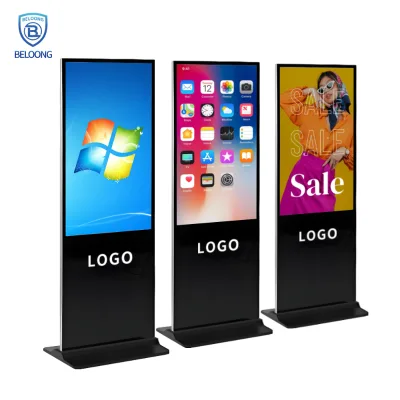
Dongguan Beloong Technology Co., Ltd.
- Verified by TüVRheinland
- Manufacturer, Trading Company
- Guangdong, China
- Lead time5 days
- Avg. response≤ 1h
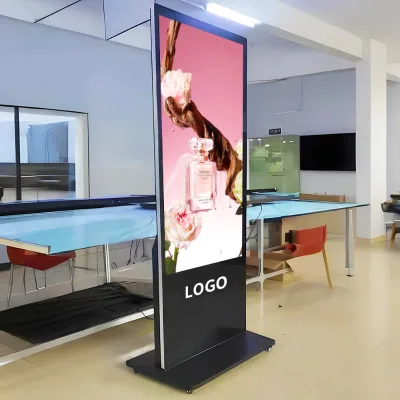
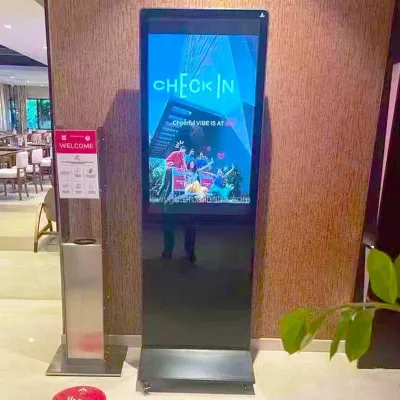
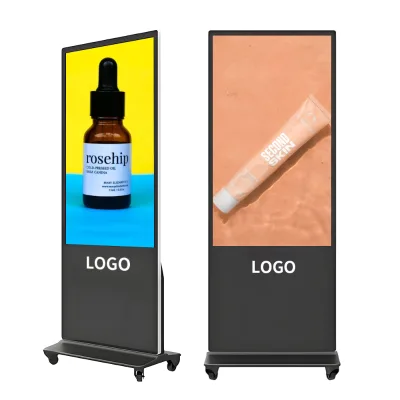
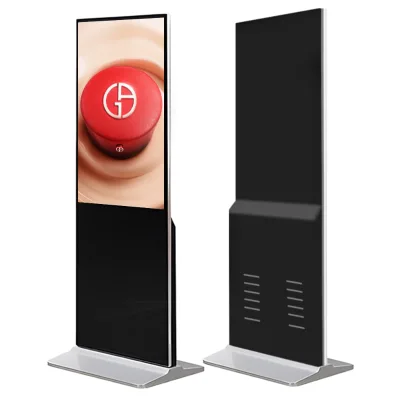
Main productsFloor Standing Digital Display, Interactive Whiteboard, Touch Screen Kiosk, Payment Kiosk, Wall-Mounted Digital Display
Main marketsMid East(62%), Eastern Europe(13%), South America(12%)

$468.00 - $592.00
MOQ: 1 sets

Shenzhen Yaxunda LCD Display Equipment Co., Ltd.
- Verified by TUVRHEINLAND
- Combined
- China Guangdong
- Lead time15 days
- Avg. response≤ 5h
Main productsOutdoor Digital Signage, Digital Window Display, Drive Thru Menu Display, Touch Screen Kiosk, LCD Video Wall, LED Display, Stretched Bar Display
Main marketsSouth America,Southeast Asia/ Mideast,East Asia(Japan/ South Korea),Europe,Australia,North America
Shenzhen Hopestar Sci-Tech Co., Ltd.
- Manufacturer, Trading Company
- Lead time旺季: "1 - 10":5,"11 - 100":7,"101 - 500":10,"> 500":"To be negotiated", 淡季: "1 - 10":5,"11 - 100":7,"101 - 500":10,"> 500":"To be negotiated"
- Avg. response≤ 2h
Main productsLCD/LED Monitor, Gaming Monitor, Touch Screen Monitor, Android AD Play, LED Display

Guangzhou Aevision Electronics Technology Co., Ltd.
- Verified by CTI
- Manufacturer/Factory
- China Guangdong
- Lead time0 days
- Avg. response≤ 4h
Main productsCCTV Monitor, PC Monitor, LCD Video Wall, LED Monitor, LCD Monitor, Gaming Monitor, Splicing Screen, Interactive Touch Panel, Digital Signage, LED Display
Main marketsSouth America,Eastern Europe,Mid East,North America,Southeast Asia,Eastern Asia,Oceania,Western Europe,Africa

55'' Affordable All-in-One Meeting Screen HD Touch Display with Built-in Speaker
$350.00 - $360.00
MOQ: 1 Pieces

Chongqing Chuangjie Electronic Technology Co., Ltd.
- Trading Company
- Chongqing, China
- Lead time0 days
- Avg. response≤ 4h
Main productsComputer,Motherboards,Touch Screen Monitors,CPUs,Hard Drives
Main marketsDomestic Market(100.00%), South Asia(100.00%), Southern Europe(100.00%), Northern Europe(100.00%), Central America(100.00%), Western Europe(100.00%), Eastern Asia(100.00%), Mid East(100.00%), Oceania(100.00%), Africa(100.00%), Southeast Asia(100.00%), North America(100.00%), Eastern Europe(100.00%), South America(100.00%)
Shenzhen HCWY AIO & Monitor Technology Co., Ltd.
- Manufacturer, Trading Company
- Guangdong, China
- Lead time3 days
- Avg. response≤ 2h
Main productsTablet PC,Advertising Player,LED Monitor,Touch Monitor,Open Frame Monitor
Main marketsWestern Europe(25.00%), North America(25.00%), Northern Europe(15.00%), Southeast Asia(10.00%), Eastern Asia(10.00%), South America(5.00%), Mid East(5.00%), Oceania(5.00%)
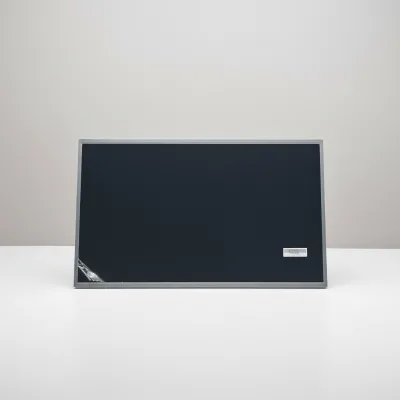
21.5inch LCD Screen for Android Advertising Player
$65.00 - $80.00
Shenzhen Hongxuan Health Intelligence Co., Ltd.
- Manufacturer, Trading Company
- Guangdong, China
- Lead time15 days
- Avg. response≤ 5h
Main productsPortable Display,Portable Monitor,Digital photo frame,Dual-screen portable monitor,Triple Portable Monitor
Main marketsNorth America(30.00%), Northern Europe(20.00%), Mid East(10.00%), Eastern Europe(10.00%), South America(10.00%), Western Europe(10.00%), Southern Europe(10.00%)
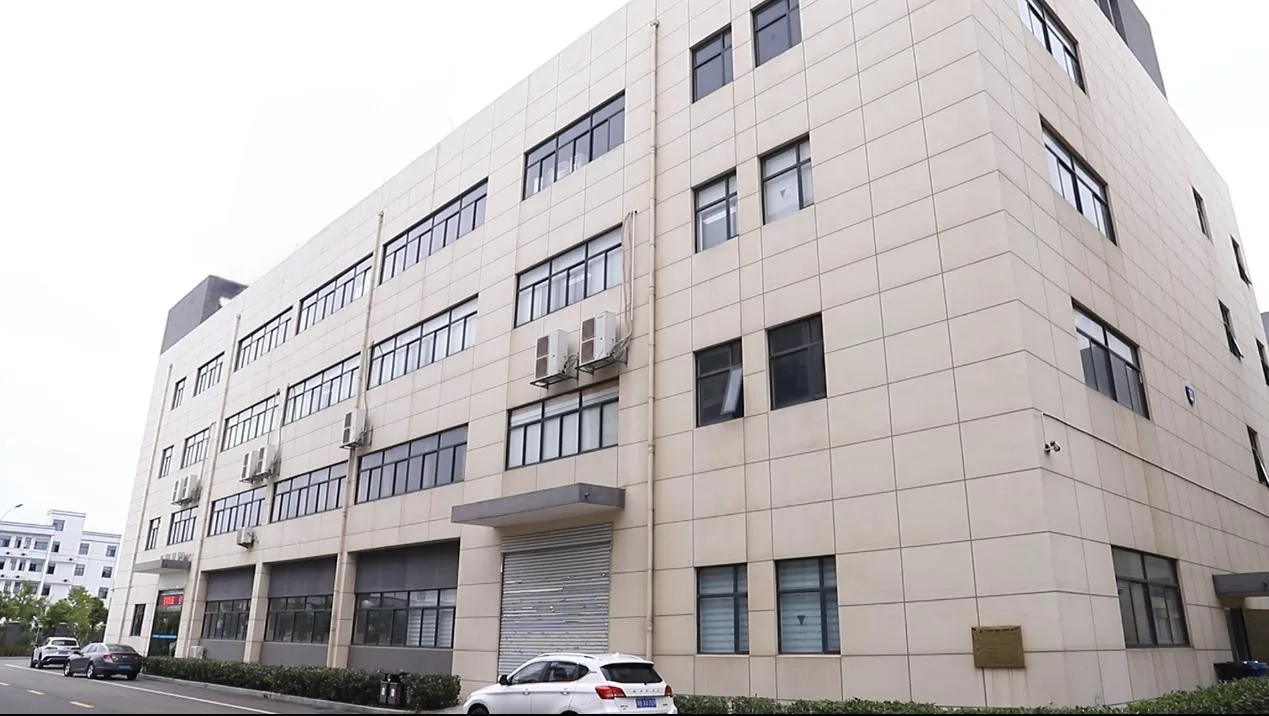
Shenzhen Aoshi Intelligent Display Technology Co., Ltd.
- Manufacturer, Trading Company
- Guangdong, China
- Lead time0 days
- Avg. response≤ 1h
Main productsportable monitor,Smart TV,Portable TV,LCD monitor,LCD module
Main marketsNorth America(23.00%), South America(21.00%), Eastern Asia(14.00%), Eastern Europe(11.00%), Mid East(8.00%), Central America(7.00%), Western Europe(6.00%), Southern Europe(4.00%), Northern Europe(3.00%), Domestic Market(2.00%), Africa(1.00%)
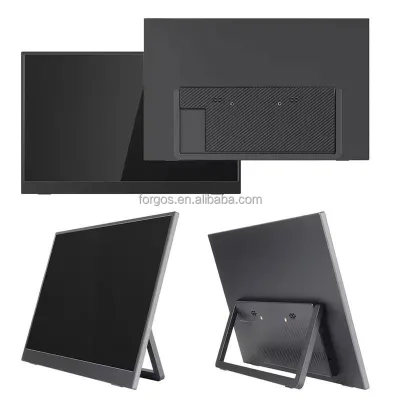
$75.3173 - $77.4099
MOQ: 100 pieces
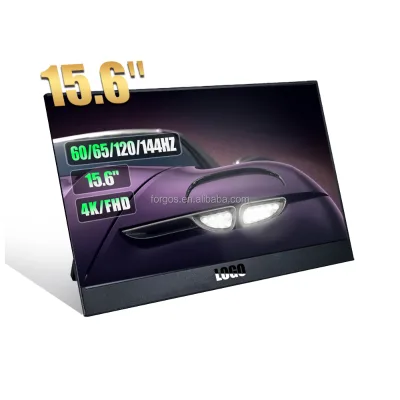
Shenzhen ITD Display Equipment Co., Ltd.
- Manufacturer, Trading Company
- Guangdong, China
- Lead time10 days
- Avg. response≤ 8h
Main productsPanel PCs,Industrial Touchscreen Monitors,High Brightness Sunlight Readable LCD Display,Industrial BOX PCs,Rugged Tablets
Main marketsWestern Europe(15.00%), North America(15.00%), Mid East(10.00%), Oceania(10.00%), Domestic Market(10.00%), Northern Europe(10.00%), South Asia(8.00%), Southern Europe(5.00%), Eastern Europe(5.00%), Central America(5.00%), South America(5.00%), Africa(1.00%), Eastern Asia(1.00%)
Shenzhen T.d.s Electronic Technology Co., Limited
- Verified by TüVRheinland
- Manufacturer, Trading Company
- Lead time0 days
- Avg. response≤ 3h
Main productsMotherboard, Notebook, All In One PC, Mini PC, Monitor
Main marketsNorth America(23%), Western Europe(22%), Eastern Europe(20%)

Shenzhen Letine Technology Co., Ltd.
- Verified by CTI
- Combined
- China Guangdong
- Lead time15 days
- Avg. response≤ 5h
Main productsPC Monitor, Advertising Player, Demo Server, Gaming Monitor, Rugged Tablet, Ai Solution, Graphics Card, Motherboard
Main marketsSouth America,Africa,Southeast Asia/ Mideast,Europe,Australia,North America


Ultra Thin Digital Panels for High-Definition Advertising Business Solutions
$256.00 - $469.00
MOQ: 1 Pieces

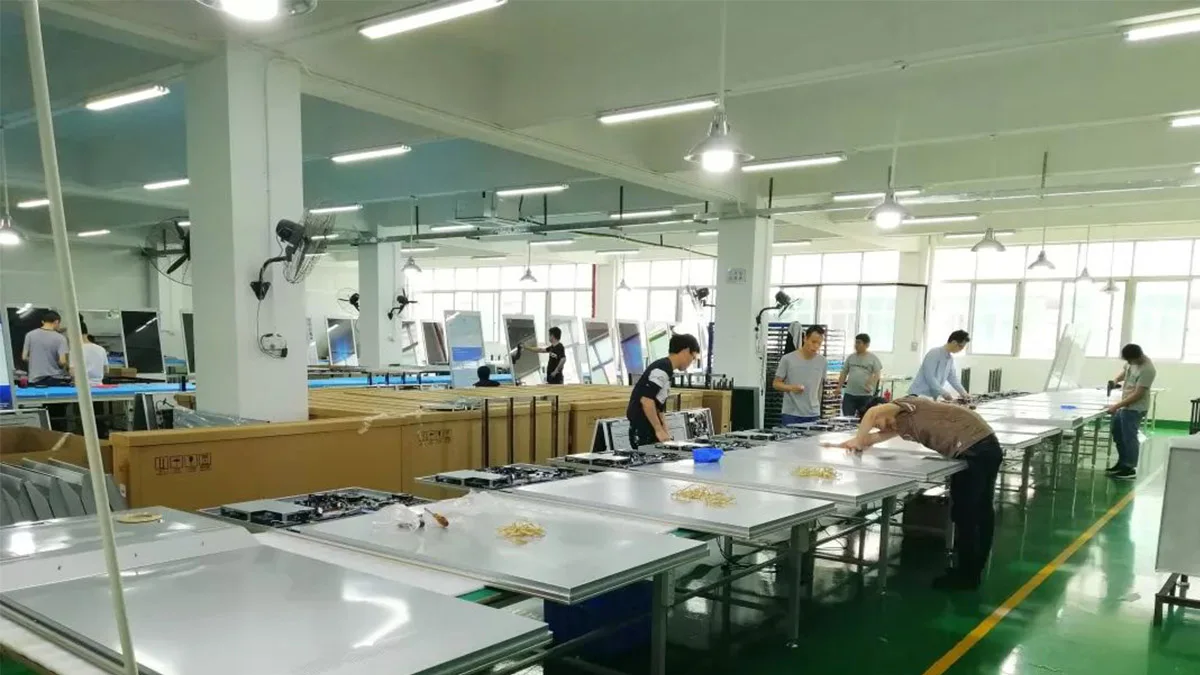
Shenzhen Abrui Display Technology Co., Ltd.
- Manufacturer, Trading Company
- Guangdong, China
- Lead time0 days
- Avg. response≤ 4h
Main productsAdvertiser, Digital Signage, Interactive Intelligent Whiteboard, Industrial All-in-One Machine, Monitor
Main marketsDomestic Market(25.00%), Eastern Europe(10.00%), Southeast Asia(9.00%), Northern Europe(8.00%), South America(7.00%), South Asia(6.00%), Western Europe(6.00%), North America(5.00%), Oceania(5.00%), Southern Europe(5.00%), Central America(5.00%), Eastern Asia(4.00%), Mid East(3.00%), Africa(2.00%)

Shenzhen Montronics Technology Co., Limited
- Verified by BV
- Combined
- China Guangdong
- Lead time15 days
- Avg. response≤ 15h
Main productsTouch Screen Monitor, LCD LED Monitor, All in One PC, Advertising Display, Digital Photo Frame, Touch All in One PC, Android Tablet, Tablet PC, Open Frame Kiosk Monitor, All in One Computer
Main marketsSouth America,Africa,Southeast Asia/ Mideast,East Asia(Japan/ South Korea),Domestic,Europe,Australia,North America
Shenzhen Hopestar Sci-Tech Co., Ltd.
- Manufacturer, Distributor/Wholesaler
- Lead time旺季: "1 - 10":5,"11 - 1000":10,"1001 - 20000":15,"> 20000":"To be negotiated", 淡季: "1 - 10":5,"11 - 1000":10,"1001 - 20000":15,"> 20000":"To be negotiated"
- Avg. response≤ 3h
Main productsAll In One PC,Mini PC,Lcd/Led Gaming Monitor,Pos All In One,Laptop
Guangzhou Hushida Electronic Co., Ltd.
- Verified by SGS Group
- Trading Company
- Lead time20 days
- Avg. response≤ 4h
Main productsIndoor LCD Digital Signage, Outdoor Advertising Kiosk, Interactive Whiteboards, Live Streaming Machine, Digital Photo Frame
Main marketsEastern Asia(13%), North America(12%), Western Europe(11%)
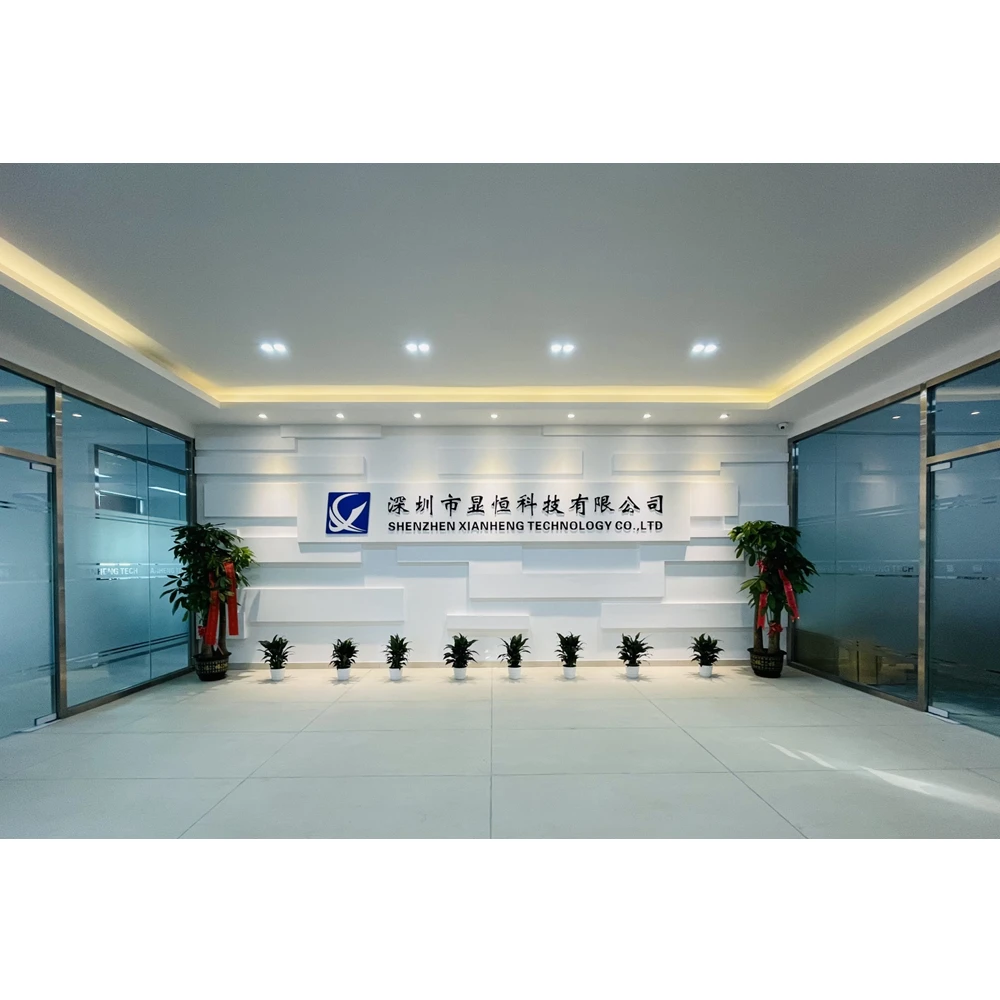
Guangzhou Xianheng Technology Co., Ltd.
- Manufacturer, Trading Company, Distributor/Wholesaler
- Guangdong, China
- Lead time10 days
- Avg. response≤ 11h
Main productslcd display,lcd module,TFT lcd,LCD panel,LCD screen
Main marketsMid East(39.00%), South America(25.00%), Western Europe(12.00%), Northern Europe(5.00%), North America(5.00%), Eastern Asia(5.00%), Southern Europe(3.00%)
ABELOE (HK) TECHNOLOGY CO., LIMITED
- Trading Company
- Lead time旺季: "1 - 10":15,"> 10":"To be negotiated", 淡季: "1 - 10":15,"> 10":"To be negotiated"
- Avg. response≤ 3h
Main productsgaming monitor,LCD/LED Monitor,Touch Screen Monitor,led display,Android AD Play
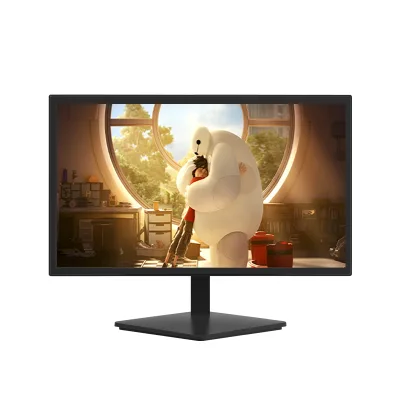
New Arrival High Value 4k Monitor Wide Screen Monitor for Pc Anti-blue Light Lcd Monitor
$50.7621 - $53.8696
MOQ: 1 pieces

Lcd Advertisement Board Advertising Touch Screen Totem Indoor Android Digital Signage Display Panel
$268.20 - $291.80
MOQ: 10 pieces
Shenzhen Abeloe Technology Co., Ltd.
- Manufacturer, Trading Company
- Lead time旺季: "1 - 100":33,"> 100":"To be negotiated", 淡季: "1 - 100":33,"> 100":"To be negotiated"
- Avg. response≤ 3h
Main productsLCD Monitor, Gaming Monitor, Tablet PC, Touch Screen Moitor, All In One PC

- Verified by SGS
- Trading Company
- China Beijing
- Lead time15 days
- Avg. response≤ 9h
Main productsIt Equipments, Electronic Components, Servers and Parts, CPU, Memories, Enterprise HDD, Workstations, Switches
Main marketsAustralia
Shenzhen Surpass Electronics Technology Co., Ltd.
- Manufacturer, Trading Company
- Guangdong, China
- Lead time30 days
- Avg. response≤ 3h
Main productsMonitor/Industrial Tablet/Industrial PC/LCD/Touch Panel
Main marketsEastern Asia(75.00%), South Asia(10.00%), Western Europe(10.00%), North America(5.00%)
Zhangzhou Lilliput Electronic Technology Co., Ltd.
- Verified by SGS Group
- Manufacturer, Trading Company
- Lead time3 days
- Avg. response≤ 5h
Main productsEmbedded PC, Broadcast Monitor, Camera Monitor, USB Monitor, Touch Monitor
Main marketsNorth America(39%), Western Europe(21%), Eastern Asia(15%)






Comprehensive Sourcing Guide
Built-In Speaker Business Lcd Screen Supplier Concentration and Factory Types
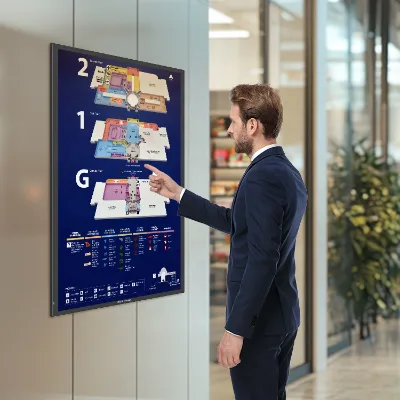
The current supplier landscape for built-in speaker business LCD screens is characterized by a mix of manufacturing entities and trading companies, offering buyers a diverse range of sourcing options. Factories in this sector typically possess specific research and development capacities that allow for customized on-demand solutions, sample processing, and graphic processing capabilities. This technical flexibility is crucial for businesses seeking tailored interactive displays that integrate seamlessly into their existing operational workflows. The presence of both manufacturers and trading companies indicates a mature supply chain where direct factory engagement is possible, yet intermediary services remain available for those who prefer consolidated procurement. Buyers should recognize that the company type directly influences the level of technical support and customization flexibility available during the sourcing process.
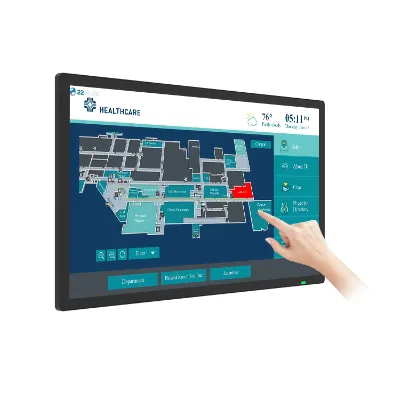
Manufacturers often highlight their ability to handle complex product attributes, such as integrating specific touch technologies, high-resolution displays, and robust audio systems like built-in speakers. The observed product evidence shows a strong focus on business applications, with many units designed for educational and corporate environments. These suppliers frequently offer main products that include interactive whiteboards, flat panels, and touch kiosks, all of which can be equipped with the requested audio features. The distinction between a pure manufacturer and a trading company is vital for buyers assessing long-term partnership potential. Manufacturers may provide deeper insight into component sourcing and production timelines, while trading companies might offer broader product portfolios and simplified logistics. Understanding this dynamic helps buyers align their procurement strategy with their specific needs for customization versus variety.
How to Verify Built-In Speaker Business Lcd Screen Suppliers
Verification is a critical step in ensuring the reliability and quality of suppliers offering built-in speaker business LCD screens. Buyers should prioritize suppliers who have undergone third-party verification processes, such as those conducted by SGS Group, which adds a layer of credibility to the supplier’s operational claims. This verification status serves as a foundational indicator of the supplier’s legitimacy and adherence to certain business standards. Beyond basic verification, buyers must scrutinize the system certifications held by the supplier, including ISO14001, ISO45001, and ISO 9001, which demonstrate a commitment to quality management, environmental responsibility, and occupational health and safety. These certifications are particularly important for business clients who have strict corporate social responsibility and compliance requirements for their procurement activities.
In addition to certifications, buyers should evaluate the product-specific evidence provided by suppliers, such as detailed product attributes and specifications. For instance, checking for certifications like CE, RoHS, FCC, and EDLA Google certification ensures that the interactive screens meet international safety and regulatory standards. The presence of these marks on product listings indicates that the devices have undergone necessary testing for electromagnetic compatibility and environmental safety. Buyers should also look for clear after-sales service provisions, such as call center support, online technical assistance, and onsite training, which are essential for maintaining business continuity. By cross-referencing these verification markers with the supplier’s claimed capabilities, buyers can construct a more accurate profile of the supplier’s reliability and technical competence before initiating any commercial negotiations.
What to Compare Across Built-In Speaker Business Lcd Screen Suppliers
When evaluating multiple suppliers for built-in speaker business LCD screens, buyers must compare key operational metrics to determine the best fit for their procurement needs. One of the most significant factors is the response time, which indicates how quickly a supplier can address inquiries and provide quotations. In the current market, response times can vary, with some suppliers demonstrating rapid engagement while others may take longer. Comparing these response speeds helps buyers gauge the supplier’s customer service efficiency and potential for smooth communication throughout the order process. Additionally, the lead time for production and delivery is a critical comparison point, as it directly impacts project timelines. Suppliers may offer different lead times, ranging from standard production cycles to expedited options, and understanding these variations is essential for effective supply chain planning.
Beyond operational speed, buyers should compare the technical specifications and pricing structures offered by different suppliers. Product attributes such as screen size, resolution, touch technology, and audio capabilities must be aligned with the specific business requirements. For example, some suppliers may offer 86-inch or 98-inch panels with 4K resolution and built-in speakers, while others might provide different configurations. Price ranges also vary significantly based on these specifications, with costs reflecting the quality of components and the complexity of the integration. Buyers should also consider the warranty terms and after-sales service packages, as these provide long-term value and risk mitigation. By systematically comparing these dimensions, buyers can identify suppliers that offer the best balance of cost, quality, and service reliability for their specific business LCD screen needs.
Common Built-In Speaker Business Lcd Screen Sourcing Risks
Sourcing built-in speaker business LCD screens involves several potential risks that buyers must actively manage to ensure a successful procurement outcome. One significant risk is the variability in product quality and performance, particularly regarding the integration of audio components with display technologies. Buyers may encounter discrepancies between the advertised specifications and the actual product delivered, such as issues with speaker clarity, touch responsiveness, or software compatibility. This risk is heightened when dealing with suppliers who lack robust quality control processes or comprehensive certifications. To mitigate this, buyers should insist on detailed product evidence and, if possible, request samples or third-party test results before committing to large orders. Ensuring that the product meets the required technical standards is crucial for maintaining professional standards in business and educational environments.
Another common risk is the uncertainty surrounding logistics and delivery timelines, especially for large and fragile items like interactive flat panels. The single gross weight and package dimensions of these products can complicate shipping and handling, leading to potential damage or delays. Buyers must carefully review the supplier’s shipping methods and insurance policies to protect their investment. Additionally, there is a risk associated with after-sales support, as the complexity of interactive systems often requires specialized technical assistance. If a supplier’s support structure is inadequate, businesses may face prolonged downtime and operational disruptions. Therefore, buyers should verify the availability of comprehensive after-sales services, including repair, return, and replacement options, to ensure that any post-purchase issues can be resolved efficiently and without significant business impact.
Built-In Speaker Business Lcd Screen Regional Sourcing and Logistics
The regional concentration of suppliers plays a significant role in the sourcing and logistics of built-in speaker business LCD screens. Many suppliers are located in Guangdong, China, a major manufacturing hub known for its advanced electronics industry and efficient supply chain infrastructure. This geographic clustering offers buyers access to a wide variety of products and competitive pricing, but it also necessitates careful consideration of international logistics. Shipping large interactive displays from this region requires specialized handling due to the size and fragility of the products. Buyers should be aware of the single package dimensions and gross weight, which can impact shipping costs and require specific freight arrangements. Understanding the logistical challenges associated with this region helps buyers plan for accurate delivery timelines and budget for transportation expenses.
Logistics planning must also account for the various shipping methods available, such as sea freight and air freight, each with its own trade-offs in terms of cost and speed. Sea shipping is often more cost-effective for large orders, while air freight may be necessary for urgent deliveries or smaller quantities. Buyers should work closely with their suppliers to determine the most suitable shipping method based on their project requirements and budget constraints. Additionally, buyers should consider the impact of regional trade policies and customs regulations on the import process. Ensuring that all necessary documentation is in place and that the supplier is experienced in international shipping can help minimize delays and complications. By proactively addressing these logistical factors, buyers can streamline the procurement process and ensure the timely delivery of their built-in speaker business LCD screens.
Built-In Speaker Business Lcd Screen Commercial Terms and Order Planning
Effective order planning for built-in speaker business LCD screens requires a thorough understanding of the commercial terms offered by suppliers. Pricing is a primary consideration, with costs varying based on screen size, resolution, and additional features like built-in speakers and touch technology. Buyers should compare price ranges across different suppliers to identify competitive offers while ensuring that the quality meets their business standards. It is also important to clarify the payment terms and any potential additional costs, such as shipping, insurance, and customs duties. Understanding the total cost of ownership helps buyers make informed decisions and avoid unexpected expenses during the procurement process. Suppliers may offer different pricing structures for single items versus bulk orders, so buyers should leverage their volume to negotiate favorable terms.
Warranty and after-sales service terms are equally critical components of the commercial agreement. Most suppliers offer a one-year warranty, but the scope of coverage and the availability of spare parts can vary. Buyers should ensure that the warranty includes comprehensive support, such as onsite training, repair services, and return and replacement options. This level of support is essential for maintaining the functionality of interactive screens in business and educational settings. Additionally, buyers should verify the supplier’s capacity for customized orders, as many businesses require specific configurations to meet their unique needs. By carefully reviewing and negotiating these commercial terms, buyers can secure a reliable partnership that supports their long-term operational goals and minimizes risk.
FAQs
What is the price range for built-in speaker business LCD screens?
Prices for these screens typically range from $898 to $2,800 depending on size and features. Smaller 85-inch models start around $898, while larger 98-inch units cost approximately $2,650. Buyers should verify specific pricing for their required quantity and configuration.
What certifications do these screens usually have?
Manufacturers typically provide ISO9001, ISO14001, ISO45001, CE, FCC, and RoHS certifications. Some products also hold EDLA Google certification. These standards ensure compliance with international safety and environmental regulations for business and educational environments.
How long does production take for these screens?
Lead times generally range from 15 to 25 days. Suppliers with faster turnaround times often have established production lines for standard models. Buyers should confirm exact delivery schedules with the supplier before placing orders to ensure timely project completion.
What after-sales services are included?
Standard services include call center support, online technical assistance, free spare parts, and onsite training. Many suppliers also offer repair, return, and replacement options. These comprehensive packages help minimize downtime for business users relying on interactive displays.
Are these screens suitable for business applications?
Yes, they are explicitly designed for business and educational use. Features like Android operating systems, wireless projection, and touch capabilities support collaborative meetings. The durable construction and professional interfaces make them ideal for corporate boardrooms and training centers.
What warranty is provided for these displays?
Most suppliers offer a one-year warranty for their interactive screens. This coverage typically includes defects in materials and workmanship. Buyers should review the specific warranty terms provided by the manufacturer to understand the scope of protection for their investment.