CE ISO Surgical Blade Suppliers and Manufacturers - 27 Factories
Compare 27 verified suppliers of CE ISO Surgical Blade based on certifications like ISO13485, response times, and lead times. Review product specifications and MOQs to select the right source for your medical needs; review the available evidence before requesting comparable quotations from suitable candidates.
Updated
Suppliers List
Ningbo Justop Medical Instruments Co., Ltd.
- Verified by SGS Group
- Trading Company
- Lead time30 days
- Avg. response≤ 6h
Main productsMedical Equipments
Main marketsAfrica(30%), Southeast Asia(20%), Mid East(10%)

Hangzhou Wehere Medical Technology Co., Ltd.
- Verified by BV
- Trading Company
- China Zhejiang
- Lead time30 days
- Avg. response≤ 3h
Main productsProtective Gown, Face Mask, Thermometer, Dust Mask, Respirator, Pulse Oximeter, Forehead Thermometer, Cadaver Bag, Isolation Gown, Surgical Drape
Main marketsSouth America,Africa,East Asia(Japan/ South Korea),Europe


Medical Carbon Stainless Steel Surgical Blade Scalpel Knife Blades with Plastic Handle
$0.05 - $0.12
MOQ: 10000 Pieces

Changzhou Health Import and Export Company Ltd.
- Verified by TUVRHEINLAND
- Trading Company
- China Jiangsu
- Lead time30 days
- Avg. response≤ 15h
Main productsDisposable Syringe, Hypodermic Needle, Scale Vein Needle, Infusion Set, Transfusion Set, Insulin Syringe, Auto Destruct Syringe, Enfit Syringe, Oral Syringe, Irrigation Syringe
Main marketsSouth America,Africa,Southeast Asia/ Mideast,Europe,Australia,North America

Shanghai Even Medical Instruments Co., Ltd.
- Trading Company
- Shanghai, China
- Lead time20 days
- Avg. response≤ 3h
Main productsSurgical Blades,Urine Bag,alginate impression,dental stone,surgical suture
Main marketsNorth America(20.00%), Africa(10.00%), Southeast Asia(10.00%), Eastern Europe(10.00%), Mid East(10.00%), Domestic Market(5.00%), South Asia(5.00%), Southern Europe(5.00%), Northern Europe(5.00%), Central America(5.00%), Western Europe(5.00%), Eastern Asia(5.00%), South America(5.00%)
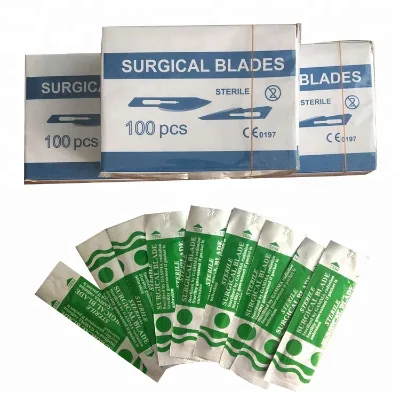
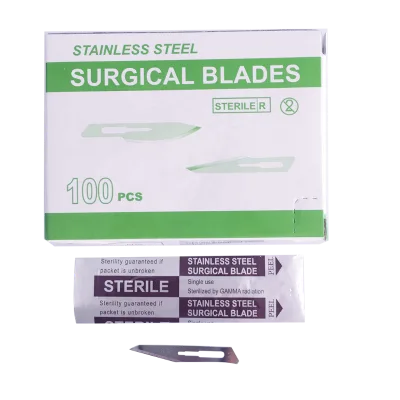
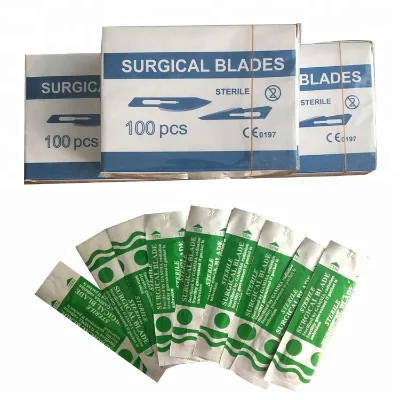
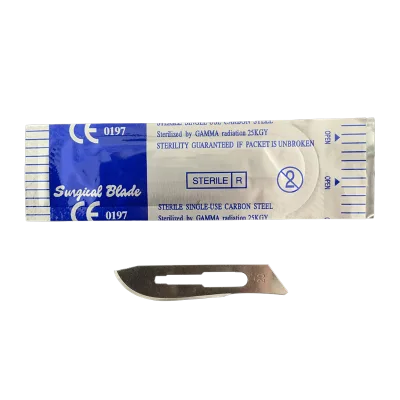
Latest Wholesale High Quality Carbon Stainless Steel Surgical Blades - Safe Surgical Blade Remover
$1.9667 - $3.9843
MOQ: 1000 Minimum
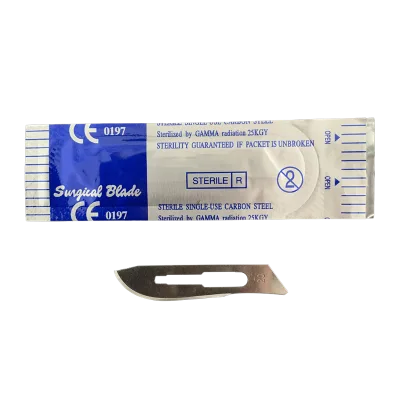
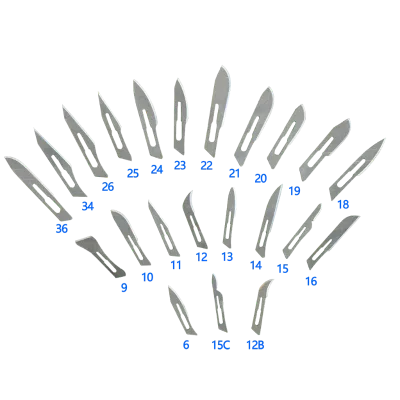
Medical-Grade Surgical Blades No.10/No.15/No.20 - Sterile Pack of 100pcs for Hospital Use
$2.00 - $4.30
MOQ: 500 Minimum

- Verified by BV
- Manufacturer/Factory
- China Jiangsu
- Lead time38 days
- Avg. response≤ 12h
Main productsGauze Swab, Surgical Towel, Shoe Cover, Face Mask, Gauze Bandage, Urine Bag, Feeding Bag, Vinyl Gloves, Hot Water Bag, Spinal Needle
Main marketsSouth America,Eastern Europe,Mid East,North America,Southeast Asia,Eastern Asia,Oceania,Western Europe,Africa

Sainty International Group Jiangsu Yangzhou Sumex Imp. & Exp. Co., Ltd.
- Trading Company
- China Jiangsu
- Lead time30 days
- Avg. response≤ 12h
Main productsSyringe, Suction Catheter, Endotracheal Tube, Drainage Bag, Bandage, Dental Instrument, Surgical Gown, Vaginal Speculum, Vacutainer, Suture
Main marketsSouth America,Africa,Southeast Asia/ Mideast,East Asia(Japan/ South Korea),Europe,Australia,North America

Zibo Eastmed Healthcare Products Co., Ltd.
- Verified by SGS
- Trading Company,Manufacturer/Factory
- China Shandong
- Lead time38 days
- Avg. response≤ 15h
Main productsSyringe, Infusion Set, Disposable Syringe, Burette Set, Hypodermic Needle, Surgical Gloves, Surgical Blade, Blood Transfusion Set, Uringe Bag, Scalp Vein Set
Main marketsSouth America,Eastern Europe,Mid East,Southeast Asia,Eastern Asia,Western Europe,Africa
Ningbo Joycare Medical Instruments Co., Ltd.
- Verified by Intertek
- Trading Company
- Lead time30 days
- Avg. response≤ 5h
Main productsGauze, Vacuum Blood Collection Tube, Reinfocred Universal Set, Medical Tape, Urine Drainage Bag
Main marketsAfrica(50%), Mid East(20%), North America(15%)
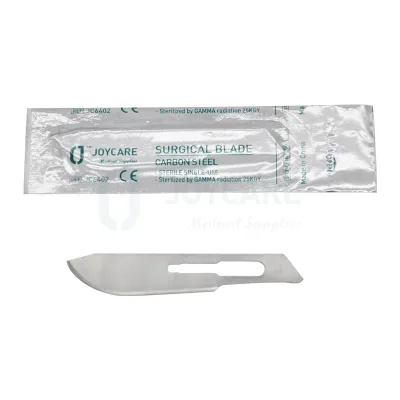
CE Approved Medical Disposable Sterile Stainless/ Carbon Steel Surgery Surgical Blade
$0.0244 - $0.027
MOQ: 30000 Minimum

Ningbo Yingmed Medical Instruments Co., Ltd.
- Verified by TUVRHEINLAND
- Trading Company,Manufacturer/Factory
- China Zhejiang
- Lead time23 days
- Avg. response≤ 16h
Main productsSurgical Gloves, Alcohol Pads, Surgical Mask, Syringe, IV Set, Bandage, Urine Bag, Oxygen Mask, Nebulizer Mask, Surgical Suture
Main marketsMid East,Southeast Asia,Western Europe,Africa


Surgical Blade Sterile Surgical Instruments China Disposable Medical Surgical Blades /Scalpel
$0.08 - $0.13
MOQ: 3000 Pieces

- Verified by SGS Group
- Trading Company
- Zhejiang, China
- Lead time旺季: "1 - 50":20,"> 50":"To be negotiated", 淡季: "1 - 50":20,"> 50":"To be negotiated"
- Avg. response≤ 3h
Main productsDigital Thermometer, Blood Pressure Monitor, Blood Glucose Meter, Wheelchair/ Walking Aids
Main marketsSouth America(30%), Africa(20%), Mid East(20%)

Changzhou Operson Medical Devices Co.,Ltd.
- Verified by SGS
- Combined
- China Jiangsu
- Lead time30 days
- Avg. response≤ 18h
Main productsWounder Plaster, Catheter, Surgical Suture, Medical Consumables, Wounder Dressing, Surgical Disposables, Surgical Equipment, Bandage, First Aid Kit, Syringe
Main marketsDomestic

- Trading Company
- China Shandong
- Lead time23 days
- Avg. response≤ 25h
Main productsMedical equipment, Laboratory Products, Light Industry &Lamp; Daily Use, Medical Disposables, Medical Masks, Sanitinary Mask, Non-Woven Products, Plastic Products, Cosmestics Products, Latex Products
Main marketsAfrica,Europe,North America

Yangzhou Goldenwell Import & Export Co., Ltd.
- Trading Company
- Jiangsu, China
- Lead time25 days
- Avg. response≤ 7h
Main productsSyringes
Main marketsSoutheast Asia(15.00%), North America(13.00%), South America(13.00%), Africa(10.00%), Mid East(9.00%), Central America(7.00%), Eastern Asia(6.00%), Southern Europe(5.00%), Northern Europe(5.00%), South Asia(5.00%), Western Europe(5.00%), Eastern Europe(5.00%), Oceania(2.00%)
Hebei Dianya Medical Technology Co., Ltd.
- Verified by SGS Group
- Trading Company
- Hebei, China
- Lead time30 days
- Avg. response≤ 2h
Main productsHousehold Medical Devices, Medical Consumables, Professional Medical Devices
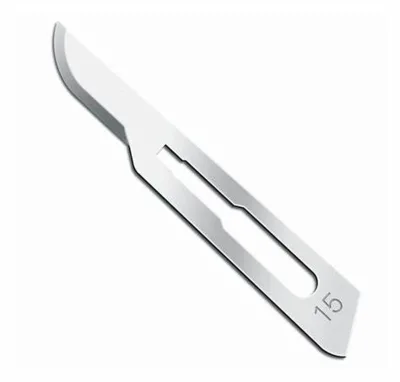
Sterile Surgery, Disposable Surgical Knife Blade, Surgical Blade, Carbon Steel Blade, Surgery
$0.0616 - $0.5142
MOQ: 1 pieces
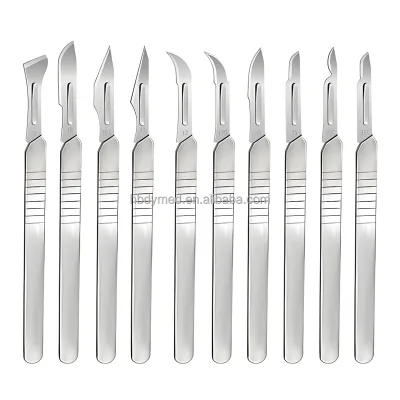
High Quality Surgical Blade Stainless Steel Professional Manufactured Hospital Surgical Blade
$0.05 - $0.09
MOQ: 500 pieces
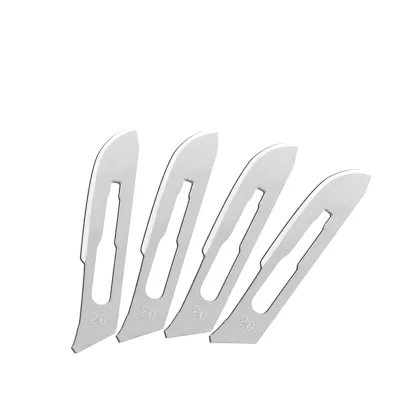
Hospital Medical Use Manual Surgical Blades with Stainless Steel Knife for Professional Use
$0.0525 - $0.0944
MOQ: 50000 pieces
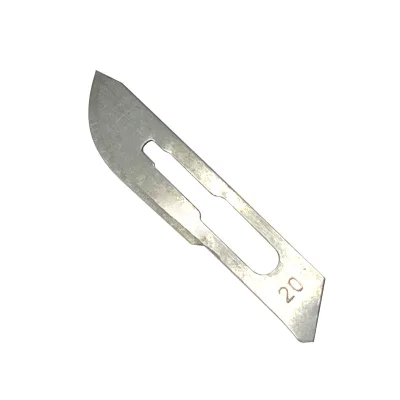
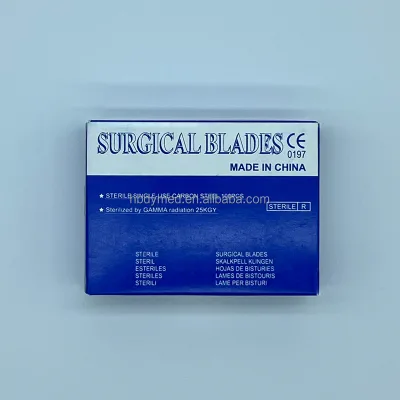
Surgical Blade Pet/ Human Surgical Knife Set Includes Handle + 100 Blades Made of Medical Grade TC4
$0.8215 - $1.1302
MOQ: 10 packs
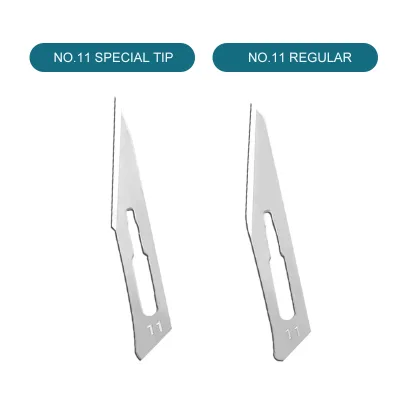
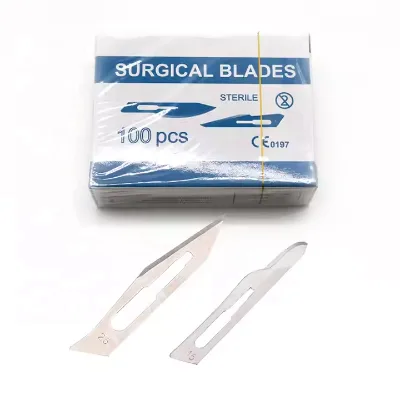
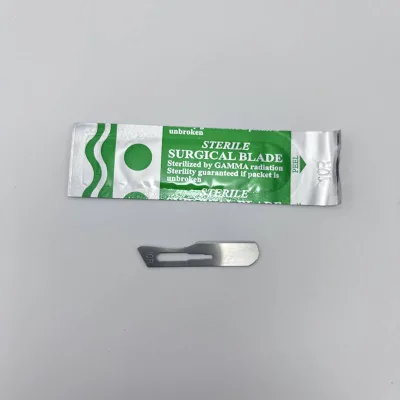
Wholesale 10#/15#/20# Surgical Blades - One-time Use Sterile Skin Cutting Blades - 100 Blades/Box
$0.0205 - $0.0308
MOQ: 10 packs
Hebei Orient Imp. And Exp. Co., Ltd.
- Verified by TüVRheinland
- Trading Company
- Lead time45 days
- Avg. response≤ 1h
Main productsOstomy Bag And Accessories, Prefilled Syringe, Walking Aids, Blood Lancet, Sphygmomanometer
Main marketsMid East(25%), North America(18%), Oceania(10%)
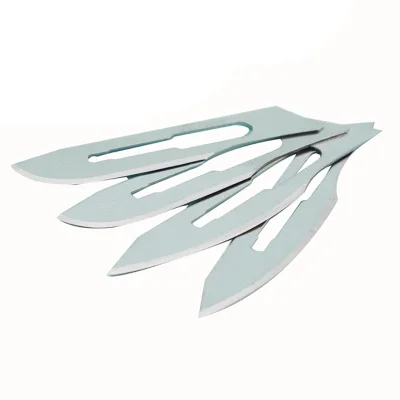
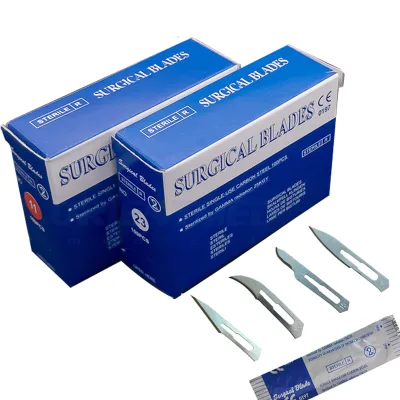
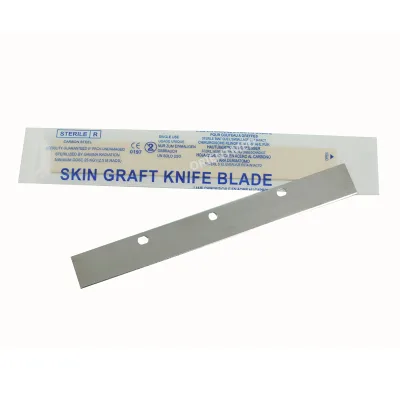
ORIENTMED Surgical Blade Manufacturer Custom Surgical Skin Graft Knife Blade
$0.22 - $0.36
MOQ: 500000 pieces
Qingdao Careluck Medical Technology Co., Ltd.
- Trading Company
- Shandong, China
- Lead time7 days
- Avg. response≤ 6h
Main productsmedical consumables,medical equipments,surgical products,lab consumables,lab equipments
Main marketsEastern Asia(20.00%), Africa(20.00%), South Asia(20.00%), Western Europe(20.00%), South America(10.00%), North America(10.00%)

Henan Yuenai Trading Co., Ltd.
- Trading Company
- Henan, China
- Lead time5 days
- Avg. response≤ 2h
Main productsMedical consumables,safety butterfly needle,Vacuum blood collection,wheelchair,Medical equipment
Main marketsEastern Asia(30.00%), Southeast Asia(20.00%), Western Europe(20.00%), Africa(20.00%), Mid East(10.00%)
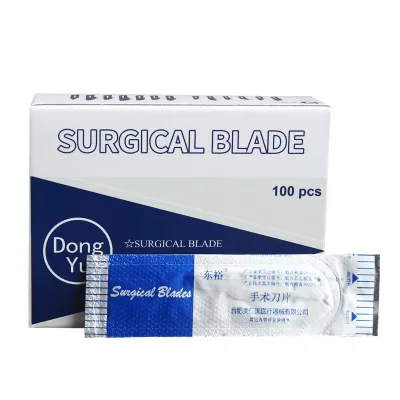
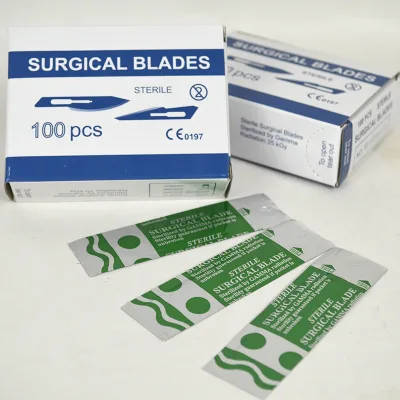
Disposable Medical Carbon Stainless Steel Sterile Surgical Blades 100pcs/box
$6.00 - $6.20
MOQ: 10 boxes

Ningbo Greetmed Medical Instruments Co., Ltd.
- Verified by SGS
- Trading Company,Manufacturer/Factory
- China Zhejiang
- Lead time45 days
- Avg. response≤ 10h
Main productsDiagnostics, Nebulizer, Hospital Equipment, Laboratory Instrument, Medical Tubes, Monitor, Medical Products, Non Woven Face Mask, Infusion Set, Syringe
Main marketsSouth America,Eastern Europe,Mid East,North America,Eastern Asia,Oceania,Western Europe,Africa


Top Quality Stainless Steel Carbon Steel Disposable Surgical Blade
$0.0346 - $0.0357
MOQ: 80000 Pieces


Huaian Suyuan Medical Instrument Co., Ltd.
- Manufacturer, Trading Company
- Jiangsu, China
- Lead time20 days
- Avg. response≤ 7h
Main productsSurgical Blade,Surgical Scalpel,Blood Lancet,Urine Bag,Nasal Oxygen Cannula
Main marketsDomestic Market(10.00%), South Asia(10.00%), Northern Europe(10.00%), Central America(10.00%), Eastern Asia(10.00%), Mid East(10.00%), Africa(10.00%), Southeast Asia(10.00%), South America(10.00%), North America(10.00%)

Nanjing Superfit I&E Co., Ltd.
- Trading Company
- China Jiangsu
- Lead time23 days
- Avg. response≤ 10h
Main productsDisposable Medical, Disposable Laboratory Item, Disposable Medical Item, Hospital Equipment, Hot Water Bottle, Ice Bag, Pipette Tips Centrifuges Test Tube Embedding, Urine Container Microscope Slide Cover Glass, Urine Container Microscope Slide Cover Glass an, Hot Water Bottle Ice Bag Disposible Mask
Main marketsSouth America,Africa,Southeast Asia/ Mideast,East Asia(Japan/ South Korea),Europe,North America


Disposable Surgical Blade with Handles Stainless Steel Scalpel Surgical Blades
$0.03 - $0.15
MOQ: 5000 Pieces


- Trading Company
- Anhui, China
- Lead time20 days
- Avg. response≤ 4h
Main productsINFUSION SETal,DISPOSABLE SYRINGE,SCALP VEIN SET,HCG PREGNANCY TESTS,GAUZE ROLL
Main marketsAfrica(50.00%), Southeast Asia(25.00%), Mid East(10.00%), Eastern Europe(5.00%), Northern Europe(1.00%), Western Europe(1.00%), Eastern Asia(1.00%), Southern Europe(1.00%), North America(1.00%), South America(0.05%)
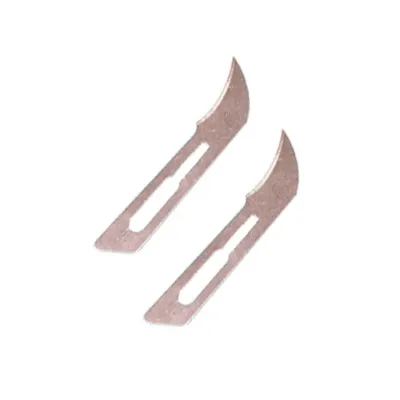
Sterile, Disposable, Precision Sharpness Professional Surgical Blades
$0.0216 - $0.0309
MOQ: 100000 Minimum
$0.09 - $0.11
MOQ: 10000 pieces
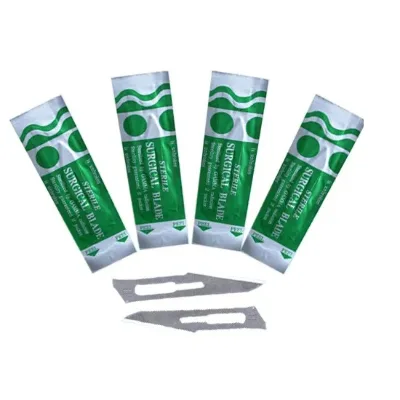
$0.0927 - $0.1133
MOQ: 10 pieces
Shanghai Lions Industrial Co., Ltd.
- Trading Company
- Shanghai, China
- Lead time15 days
- Avg. response≤ 3h
Main productsDental Products,Medical Products,Personal care,Pet Medical
Main marketsNorth America(30.00%), Western Europe(20.00%), South America(20.00%), South Asia(10.00%), Southern Europe(10.00%), Mid East(10.00%)

Ningbo Pinmed Instruments Co., Ltd.
- Trading Company,Manufacturer/Factory
- China Zhejiang
- Lead time30 days
- Avg. response≤ 3h
Main productsDigital Thermometer, Oxygen Mask, Gauze Swab, Foley Catheter, Wheel Chair, Isolation Gown, Face Mask, Syringe, Infusion Set, Nelaton Catheter
Main marketsSouth America,Eastern Europe,Mid East,Africa
- Verified by Intertek
- Manufacturer, Trading Company
- Lead time0 days
- Avg. response≤ 16h
Main productsProfile Twist Drills, Milling Cutters for Bank Cards & SIM Card, Inserts and Holders for Seal Rings, High Precision Torque Wrenches, Carbide Ball-Fluted & Ball-Diamond
Main marketsDomestic Market(33%), Eastern Europe(26%), Eastern Asia(11%)
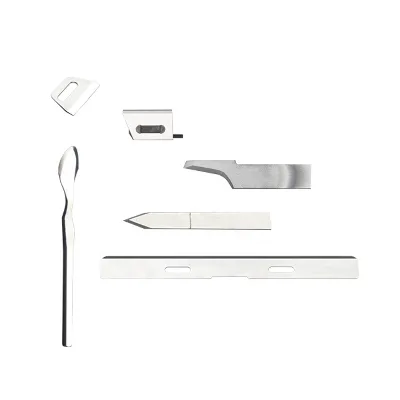
scalpel blade 14 electro scalpel disposable surgical scalpel blade For Sale
$1.0313 - $5.1521
MOQ: 1 Minimum
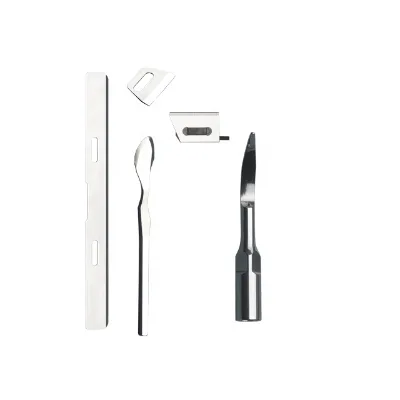
$1.0313 - $5.1521
MOQ: 1 Minimum

Shanghai Goldenwell Medical Technology Co., Ltd.
- Verified by CTI
- Trading Company
- China Shanghai
- Lead time15 days
- Avg. response≤ 6h
Main productsMedical Devices, Sports Support, Medical Dressings
Main marketsSoutheast Asia/ Mideast,Europe

Nanchang Yili Medical Instrument Co., Ltd.
- Verified by BV
- Trading Company,Manufacturer/Factory
- China Jiangxi
- Lead time45 days
- Avg. response≤ 6h
Main productsFoley Catheter, Laryngeal Mask, Suction Catheter, Closed Suction Catheter, Endotracheal Tube, Insulin Pen Needle, Medical Teaching Model, Male External Catheter, Oxygen Mask, Suture Practice Kit
Main marketsSouth America,Eastern Europe,Mid East,North America,Southeast Asia,Eastern Asia,Oceania,Western Europe,Africa

Surgical Instrument Disposable Sterile Surgical Blade Stainless Steel Surgical Blade Scalpel Blades
$0.01 - $0.30
MOQ: 10000 Pieces

$0.01 - $0.30
MOQ: 10000 Pieces

Ningbo Sintrue Medical Instruments Co., Ltd.
- Trading Company
- China Zhejiang
- Lead time30 days
- Avg. response≤ 11h
Main productsMedical Device, Diagnostic Products, Medical Tubes, Wound Dressing, Surgical Instruments, Hospital Uniform, Laboratory Instruments
Main marketsSouth America,Africa,Southeast Asia/ Mideast,East Asia(Japan/ South Korea),Europe,Australia,North America






Comprehensive Sourcing Guide
CE ISO Surgical Blade Supplier Concentration and Factory Types
The current supplier landscape for CE ISO surgical blades is dominated by trading companies rather than direct manufacturers, a structural detail that significantly impacts sourcing strategy and cost structures. Data indicates that the primary company type listed for these entities is a Trading Company, which suggests that buyers are often interfacing with intermediaries who aggregate products from various factories rather than engaging directly with production lines. This distinction is critical because trading companies may offer broader product ranges and flexible order sizes, but they might also introduce additional layers of communication and potential markup. Buyers must recognize that while the final product may bear the CE and ISO marks, the entity facilitating the transaction is primarily focused on sales and logistics rather than raw material processing or blade manufacturing. This setup can be advantageous for small to medium-sized orders where flexibility is prioritized over direct factory access, but it requires careful vetting to ensure that the trading company has robust quality control mechanisms in place. The presence of trading companies also implies that the actual manufacturing might be dispersed across multiple facilities, making it harder to trace the exact origin of specific batches without explicit verification. Consequently, sourcing guides must emphasize the need to understand the supply chain hierarchy, ensuring that the trading company acts as a competent partner rather than just a middleman with limited oversight. Understanding this dynamic helps buyers set realistic expectations regarding communication speed, customization capabilities, and the ability to conduct on-site audits, which are often more challenging when dealing with trading entities compared to direct factory engagements.
In addition to the trading company model, some suppliers may operate with different internal structures, but the prevailing trend in the current results points toward a service-oriented approach rather than a manufacturing-heavy one. The main products listed often include a wide array of medical supplies such as protective gowns, face masks, and thermometers, indicating that these suppliers are likely generalist medical distributors rather than specialized surgical instrument manufacturers. This diversification can be beneficial for buyers seeking a one-stop-shop for various medical consumables, but it may also signal a lack of deep specialization in surgical blades specifically. Buyers should be aware that a supplier offering a vast catalog of unrelated medical devices might not have the same level of expertise or dedicated production lines for surgical blades as a specialized manufacturer would. This generalist approach can lead to variations in product quality and consistency, as the focus may be on volume and variety rather than niche excellence. Therefore, when evaluating suppliers, it is essential to look for evidence of specialized knowledge and dedicated resources for surgical blades, even within a trading company framework. This might include specific certifications, detailed product attributes, and a clear focus on surgical instruments in their marketing and operational descriptions. By understanding the factory type and its implications, buyers can better assess the reliability and expertise of the supplier, ensuring that their sourcing decisions align with their quality and operational requirements.
How to Verify CE ISO Surgical Blade Suppliers
Verification is a critical step in ensuring that the CE and ISO certifications claimed by suppliers are legitimate and applicable to the specific products being sourced. The current data shows that suppliers have obtained various system certifications, including ISO13485, CE, MDD, MDR, and EEC, which are essential for medical device compliance in international markets. However, buyers must not take these certifications at face value; instead, they should request valid certificates and verify them with the issuing bodies or through recognized third-party verification services. The presence of verification badges such as SGS Group, BV, and TÜV Rheinland in the supplier results indicates that some suppliers have undergone external audits, which adds a layer of credibility to their claims. Buyers should prioritize suppliers who have these third-party verifications, as they provide independent confirmation of the supplier’s compliance with international standards. Additionally, it is important to check the scope of the certifications to ensure that they cover the specific products being purchased, such as disposable surgical blades or sterile suture removal blades. Certifications can be broad, covering a range of products, so buyers must ensure that the specific item they are sourcing is included in the certified scope. This due diligence helps mitigate the risk of sourcing non-compliant products that could lead to regulatory issues or safety concerns in the buyer’s market.
Beyond certifications, buyers should also assess the supplier’s response time and verification status to gauge their reliability and professionalism. The response times listed in the data vary significantly, ranging from as low as 2.79 hours to over 14 hours, which can indicate the supplier’s operational efficiency and customer service quality. A faster response time often suggests a more responsive and organized team, which is crucial for addressing any issues or queries that may arise during the sourcing process. Buyers should also look for suppliers who are verified by reputable agencies, as this indicates a higher level of trust and transparency. Furthermore, it is advisable to request samples and conduct quality checks before placing large orders, as this allows buyers to verify the product’s quality and compliance firsthand. Buyers should also inquire about the supplier’s quality control processes, including how they handle sterilization and packaging, to ensure that the products meet the required standards. By combining certification verification with an assessment of response times and verification status, buyers can build a more comprehensive picture of the supplier’s reliability and capability. This holistic approach to verification helps ensure that the sourcing process is smooth and that the products received meet the necessary quality and regulatory requirements.
What to Compare Across CE ISO Surgical Blade Suppliers
When comparing suppliers, buyers should focus on key operational metrics such as lead time, minimum order quantity (MOQ), and response speed to determine which supplier best fits their operational needs. The data indicates that lead times can vary, with some suppliers offering a lead time of 30 days, which is a common benchmark for medical device manufacturing. Buyers should consider how this lead time aligns with their inventory management strategies and delivery schedules, as longer lead times may require earlier planning and larger safety stocks. Similarly, MOQs can differ significantly, with some suppliers requiring as few as 50 units while others may demand 10,000 units or more for OEM orders. This variation is crucial for buyers to assess, as it impacts their ability to test the market or fulfill small-scale orders without incurring excessive inventory costs. Buyers with smaller order volumes should look for suppliers with lower MOQs, while those with larger, consistent demand may benefit from suppliers offering bulk discounts and higher capacity. Response speed is another important factor, as it reflects the supplier’s ability to communicate and resolve issues promptly. Suppliers with faster response times, such as those under 3 hours, may be more suitable for buyers who require quick turnaround times and frequent communication. By comparing these metrics, buyers can identify suppliers that offer the best balance of cost, flexibility, and reliability for their specific sourcing requirements.
In addition to operational metrics, buyers should also compare product attributes such as certification details, material specifications, and sterilization methods to ensure product quality and compliance. The data shows that products are often certified with CE and ISO standards, with some specifying ISO13485 for safety standards. Buyers should verify that the certifications match their regulatory requirements and that the products are sterilized using appropriate methods, such as Ethylene Oxide Sterilization or Radiation Sterile, depending on their needs. Material specifications, such as carbon steel or stainless steel, should also be compared to ensure that the blades meet the desired performance and durability standards. Additionally, buyers should look for suppliers who offer customization options, such as logo printing or specific packaging, if these features are important for their brand or distribution channels. The availability of after-sale services, such as online technical support, can also be a differentiating factor, as it indicates the supplier’s commitment to customer satisfaction and long-term partnership. By thoroughly comparing these product attributes and service offerings, buyers can make informed decisions that align with their quality, compliance, and branding requirements. This detailed comparison helps ensure that the selected supplier not only meets the basic operational needs but also provides the specific product features and support necessary for successful market entry and ongoing operations.
Common CE ISO Surgical Blade Sourcing Risks
One of the primary risks in sourcing CE ISO surgical blades is the potential for certification fraud or misrepresentation, where suppliers may claim certifications that are either invalid or not applicable to the specific products being sold. Buyers must be vigilant in verifying the authenticity of CE and ISO certificates, as these are critical for market access and regulatory compliance. The risk is heightened when dealing with trading companies that may not have direct control over the manufacturing process, making it easier for non-compliant products to enter the supply chain. Buyers should request detailed documentation and cross-check the certificate numbers with the issuing authorities to ensure validity. Another significant risk is the inconsistency in product quality, which can arise from variations in manufacturing processes or materials. Since surgical blades are medical devices, even minor defects can have serious consequences for patient safety and clinical outcomes. Buyers should conduct rigorous quality checks, including visual inspections and functional tests, to ensure that the blades meet the specified standards for sharpness, durability, and sterility. The risk of quality inconsistency is further compounded by the lack of direct oversight when dealing with intermediaries, making it essential for buyers to establish clear quality control protocols and regular audit schedules.
Another common risk is the potential for supply chain disruptions, which can lead to delays in delivery and increased costs. The data indicates that lead times can vary, and external factors such as raw material shortages or production bottlenecks can further extend these timelines. Buyers should have contingency plans in place, such as maintaining relationships with multiple suppliers or keeping safety stock, to mitigate the impact of such disruptions. Additionally, there is a risk of intellectual property infringement, particularly when dealing with OEM orders or customized products. Buyers should ensure that their designs and branding are protected through appropriate legal agreements and that the supplier has the necessary rights to produce and distribute the products. The risk of IP infringement can lead to legal disputes and financial losses, so it is crucial to conduct thorough due diligence on the supplier’s legal standing and compliance with intellectual property laws. Furthermore, buyers should be aware of the risks associated with sterilization methods, as improper sterilization can lead to contamination and product recalls. Buyers should verify that the supplier uses approved sterilization techniques and maintains strict hygiene standards throughout the production process. By identifying and addressing these common risks, buyers can protect their interests and ensure a smoother sourcing experience.
CE ISO Surgical Blade Regional Sourcing and Logistics
The geographical location of suppliers plays a significant role in determining logistics costs, delivery times, and overall supply chain efficiency. The current data indicates that many suppliers are located in China, specifically in regions such as Zhejiang and Jiangsu, which are known for their manufacturing capabilities and industrial clusters. Sourcing from these regions can offer cost advantages due to the concentration of suppliers and established infrastructure, but buyers must also consider the implications of international shipping and customs regulations. The distance between the supplier’s location and the buyer’s market can impact transit times and freight costs, so buyers should factor these elements into their total cost of ownership calculations. Additionally, buyers should be aware of any regional trade agreements or tariffs that may affect the cost of importing medical devices from China. Understanding the logistical landscape helps buyers make informed decisions about where to source their products and how to optimize their supply chain for efficiency and cost-effectiveness. Buyers should also consider the reliability of local logistics providers and the availability of alternative shipping routes to mitigate potential disruptions.
Logistics planning should also include considerations for packaging and handling, as surgical blades are delicate medical devices that require careful protection during transit. The data shows that products are often packed in boxes and cartons with specific dimensions and weights, which can impact shipping costs and storage requirements. Buyers should ensure that the packaging meets international standards for safety and durability, particularly if the products are being shipped over long distances or through multiple handling points. Additionally, buyers should verify that the packaging includes all necessary labeling
FAQs
What certifications do CE ISO surgical blades carry?
These blades typically hold CE and ISO approvals, with many suppliers also maintaining ISO13485 safety standards. Some products are classified as Class I or Class II medical devices. Buyers should verify specific system certifications like MDD or MDR to ensure compliance with regional regulations and quality requirements.
What is the minimum order quantity for these blades?
MOQs vary significantly by supplier and product type. Some listings require a minimum of 50 units, while others demand 1000 boxes for OEM orders or 10000 pieces for standard disposable blades. Buyers must check individual product pages to confirm the exact MOQ applicable to their specific order volume.
How long does production take for these blades?
Standard lead times are approximately 30 days for manufacturing and delivery. Response times for supplier inquiries can range from under 3 hours to over 14 hours depending on the vendor. Buyers should confirm specific production schedules directly with suppliers to align with their project timelines and delivery expectations.
Are these surgical blades sterile and disposable?
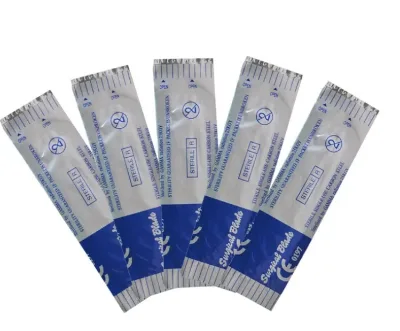
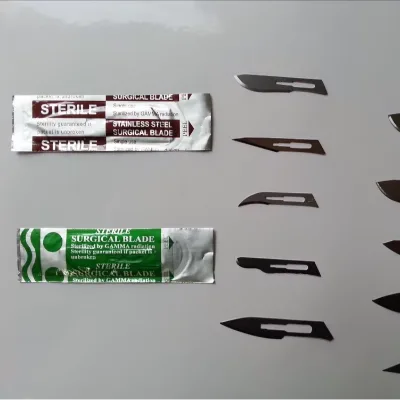
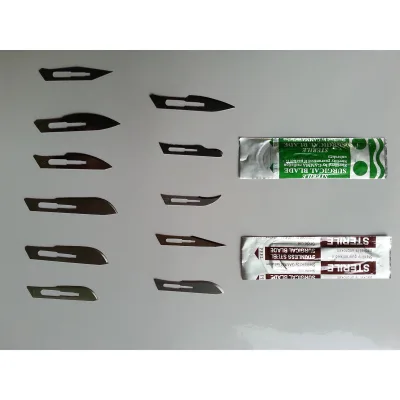
Yes, most CE ISO surgical blades are designed as disposable items. They are often sterilized using radiation or ethylene oxide methods. Products are typically packaged in sterile aluminum foil bags or boxes to maintain hygiene until use, ensuring safety for hospital, clinic, and surgical operation applications.
What materials are used to make these blades?
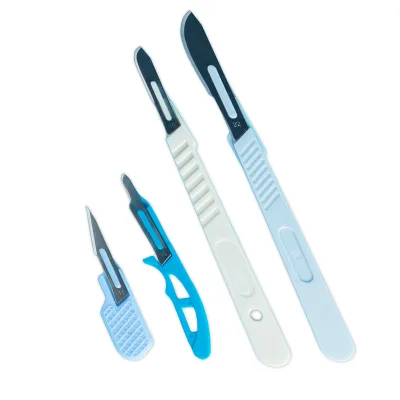
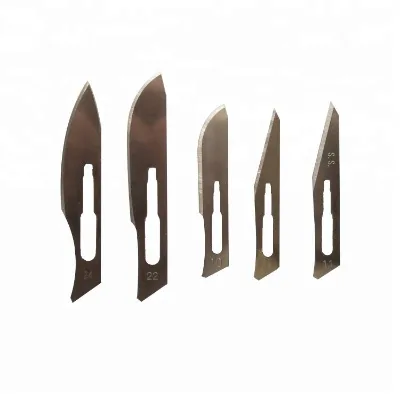
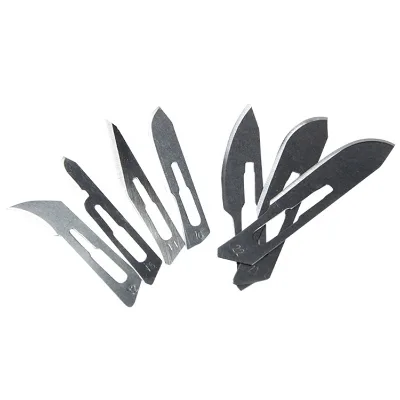
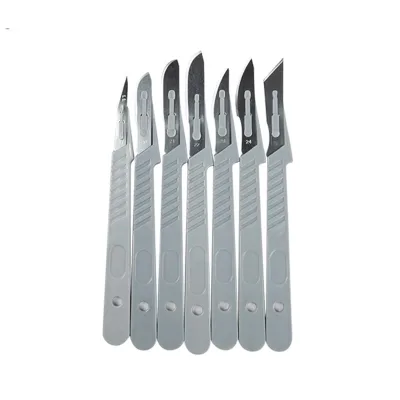
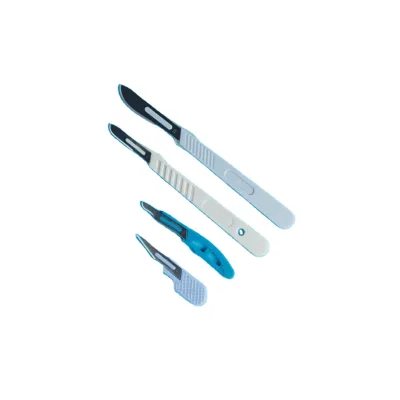
Blades are commonly manufactured from carbon steel or stainless steel. Some products feature plastic handles for better grip and control. The blade material ensures sharpness and durability for various surgical procedures, including suturing, wound care, and specialized operations like neurosurgery or orthopedics.
Where are these surgical blades manufactured?
Manufacturing locations are primarily in China, specifically in provinces like Zhejiang and Jiangsu. Buyers can verify the place of origin on product details to ensure alignment with their sourcing preferences. These regions are known for producing medical consumables and professional surgical instruments for global distribution.