Source neonate y-piece drager flow sensor for NICU, Delivery, and Transport
Compare 30 listings for the neonate y-piece drager flow sensor suitable for Drager Babylog 8000 ventilators. Buyers can review specifications, certifications, and pricing for medical consumables used in neonatal care; compare the available evidence and request quotations based on your requirements.
Updated
Key considerations
Products List
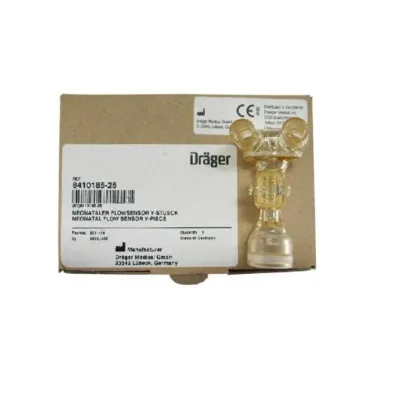
Drager Flow Sensor 8410185 Babylog 8000 Neonate Flow Sensor Y-piece for Drager Breathing Apparatus
$210.2377 - $315.3566
MOQ: 5 Minimum
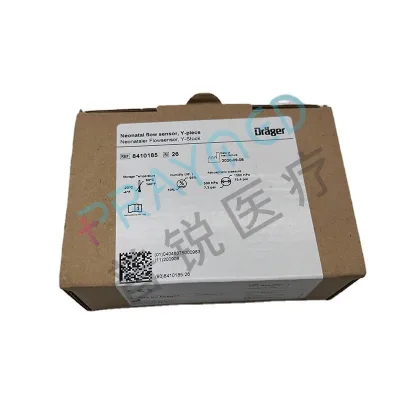
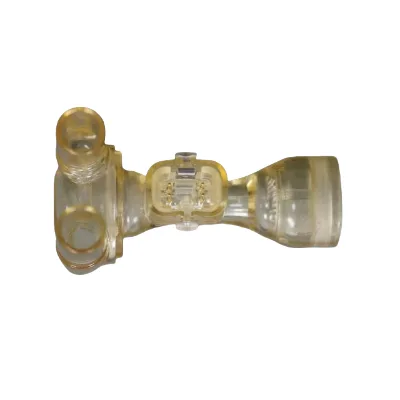
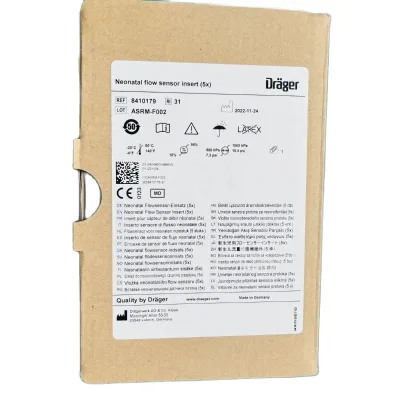
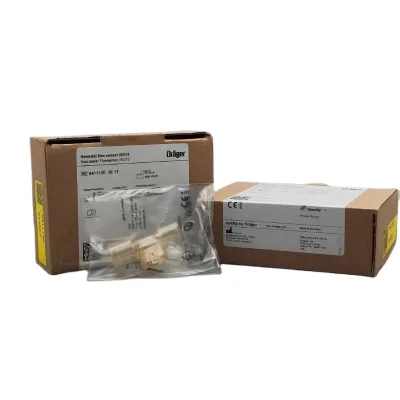
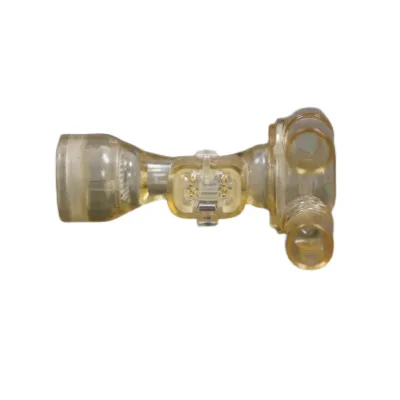
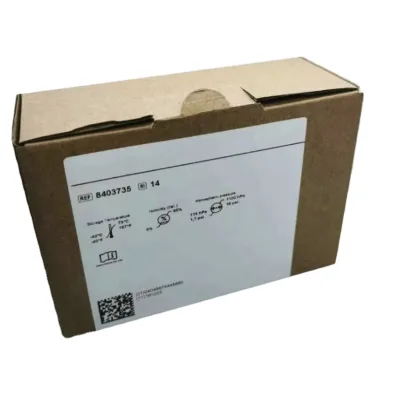
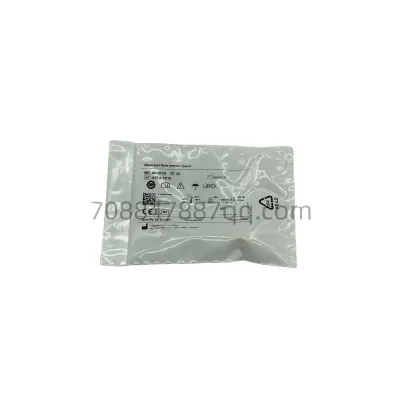
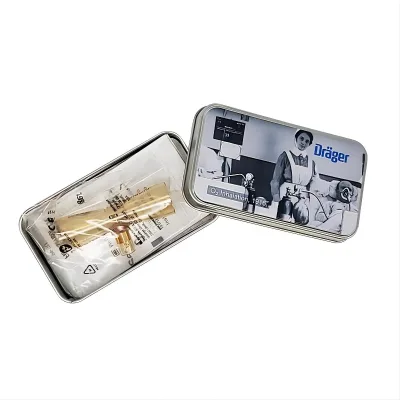
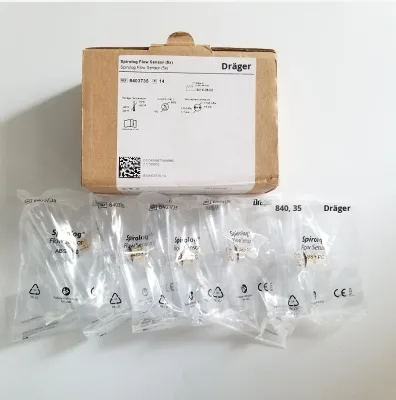


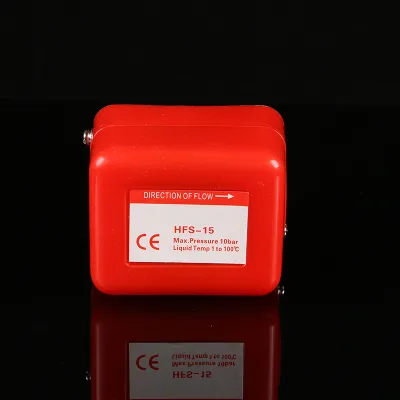

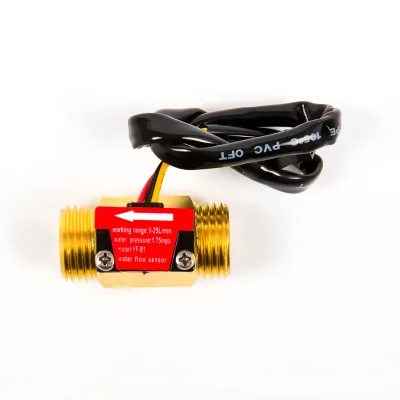


Anesthesia Flow Sensor 2089610-001-S New Replace 1503-3856-000, 1503-3858-000
$100.00 - $1000.00
MOQ: 1 Pieces



Comprehensive Sourcing Guide
Neonate Y-Piece Drager Flow Sensor Sourcing Guide
Procuring replacement components for critical care ventilators requires strict adherence to manufacturer specifications to ensure patient safety and device integrity. The neonate Y-piece and associated flow sensors are vital interfaces in the Drager Babylog 8000 system, directly influencing the accuracy of tidal volume measurements and breath delivery. Buyers must recognize that these are not generic consumables but precision-engineered medical accessories designed for specific instrument classifications. The primary objective is to source parts that maintain the original equipment manufacturer’s performance standards, ensuring that the ventilator continues to operate within its calibrated parameters without introducing air leaks or measurement drift.
This guide focuses on the specific attributes observed in current market listings for Drager-compatible flow sensors and Y-pieces. It addresses the technical distinctions between different model numbers, such as the 8410185 and 8411130, and highlights the material compositions that affect durability and sterilization compatibility. By understanding the observed listing signals, procurement specialists can better evaluate supplier claims against verified product data. The following sections provide a structured approach to verifying technical specifications, ensuring regulatory compliance, and managing commercial terms for these essential neonatal respiratory components.
Product Scope and Observed Listing Signals
Market listings for neonate Y-pieces and flow sensors typically identify these items as medical materials and accessories compatible with the Drager Babylog 8000 ventilator. The observed product range includes specific model numbers like 8410185, which is explicitly designated as a gas flow sensor, and 8411130, which appears in listings with original sizing attributes. These components are often categorized under medical consumables, indicating their single-use or limited-reuse nature in clinical settings. Buyers should note that while the core function remains consistent, the physical dimensions and material compositions can vary between suppliers, necessitating careful verification of the exact part number required for their specific ventilator units.
The observed inventory signals suggest a diverse supply chain with varying packaging and stock availability. Many suppliers list these items as single units per package, with some offering carton box packaging for bulk orders. The presence of stock indicators and short delivery times, such as four to seven days, suggests that these components are frequently traded as replacement parts rather than long-lead-time capital equipment. However, buyers must be cautious of generic descriptions that may not accurately reflect the specific compatibility with the Drager Babylog 8000. It is essential to cross-reference the model number and physical dimensions, such as the 15x10x5 size observed for certain sensors, to ensure the part fits the intended ventilator interface without modification.
Technical Specifications to Verify
Verifying the physical and material specifications of the flow sensor is the first critical step in the procurement process. The observed data indicates that materials can range from polyethylene (PE) to polycarbonate and ABS blends, each offering different levels of durability and chemical resistance. For instance, the model 8410185 is listed with a weight of 0.5kg and specific dimensions, while other listings mention polycarbonate construction for enhanced structural integrity. Buyers must confirm that the material composition matches the original equipment requirements to prevent degradation during sterilization cycles or exposure to cleaning agents. The type of component, whether identified as a Y-piece or a gas flow sensor, must align with the specific port and connection requirements of the Drager Babylog 8000.
Electrical and functional specifications are equally important for ensuring seamless integration with the ventilator’s control system. Although some listings describe the power source as electric, the flow sensor itself is a passive measurement device that interfaces with the ventilator’s electronic circuitry. Buyers should verify the electrical compatibility and signal output characteristics to ensure accurate data transmission. Additionally, the disinfecting type, whether far infrared, ultraviolet light, or general disinfectable properties, must be compatible with the hospital’s sterilization protocols. Mismatched sterilization requirements can lead to component damage or failure, compromising the ventilator’s performance and patient safety during neonatal care procedures.
Compliance and Safety Documentation
Regulatory compliance is non-negotiable when sourcing medical devices for neonatal intensive care units. The observed listings frequently cite CE certification as a baseline requirement, indicating conformity with European health, safety, and environmental protection standards. Some suppliers also mention ISO certifications, such as ISO13485, which specifies requirements for a quality management system where an organization designs and develops medical devices. Buyers must request and verify these certificates directly from the supplier or the manufacturer to ensure they are current and applicable to the specific product model. Relying on unverified claims can expose healthcare facilities to significant regulatory and liability risks.
In addition to regulatory certifications, buyers should inquire about the safety standards and quality assurance processes employed by the supplier. The observed data mentions a shelf life of one to three years, which is a critical factor for inventory management and waste reduction. Buyers must ensure that the supplied components are within their valid shelf life and have been stored under appropriate conditions to maintain material integrity. Furthermore, the warranty terms, often listed as one year, provide a layer of protection against manufacturing defects. Understanding the scope of the warranty and the process for claims is essential for managing long-term procurement costs and ensuring continuous availability of critical spare parts.
Cost Drivers and Commercial Terms
The cost of neonate Y-pieces and flow sensors is influenced by several factors, including the model number, material composition, and certification status. Observed price ranges vary significantly, reflecting differences in quality, origin, and supplier margins. Buyers should analyze the total cost of ownership, which includes not only the unit price but also shipping, handling, and potential customs duties. The observed port of dispatch locations, such as Shenzhen, Guangzhou, and Hong Kong, can impact logistics costs and delivery times. Understanding these variables allows procurement teams to negotiate more effectively and select suppliers that offer the best balance of cost and reliability.
Commercial terms and payment methods also play a crucial role in the procurement process. The observed listings indicate a variety of payment options, including PayPal, Western Union, MoneyGram, and Telegraphic Transfer (T.T). While these methods offer flexibility, buyers should prioritize secure payment channels that provide buyer protection, such as Trade Assurance. The minimum order quantity (MOQ) is typically low, often starting at one piece, which facilitates small-scale testing and immediate replacement needs. However, buyers should be aware of any volume discounts or bulk pricing structures that could reduce costs for larger orders. Clear communication of payment terms and delivery expectations is essential to avoid misunderstandings and ensure smooth transaction processing.
Supplier Qualification and Quality Control
Evaluating supplier qualification is essential to ensure the reliability and authenticity of the sourced components. Buyers should verify the supplier’s business license, manufacturing capabilities, and history of supplying medical devices. The observed data mentions after-sale services such as online technical support and return and replacement policies, which are indicators of a supplier’s commitment to customer satisfaction. Buyers should assess the responsiveness and expertise of the technical support team to ensure they can provide timely assistance in case of compatibility issues or product defects. A supplier with a robust quality control system is more likely to deliver products that meet the required specifications and standards.
Quality control measures should extend beyond the initial purchase to include incoming inspection and testing procedures. Buyers should establish clear acceptance criteria for the received components, including visual inspection for damage, verification of model numbers, and confirmation of packaging integrity. The observed single gross weight and package dimensions can be used to verify that the correct quantity and type of product have been delivered. Additionally, buyers should consider implementing a supplier audit process to assess their quality management systems and production facilities. Regular audits help ensure that suppliers maintain consistent quality standards and comply with regulatory requirements over time.
Long-Term Procurement Checks
Establishing a long-term procurement strategy for neonate Y-pieces and flow sensors requires ongoing monitoring and evaluation of supplier performance. Buyers should track key performance indicators such as delivery times, product quality, and customer service responsiveness. The observed delivery time of four to seven days is a useful benchmark for evaluating supplier reliability. Consistent delays or quality issues should trigger a review of the supplier relationship and potentially lead to the qualification of alternative suppliers. Maintaining a diversified supplier base can mitigate the risk of supply chain disruptions and ensure continuous availability of critical components.
Regular reviews of product specifications and regulatory requirements are also essential for long-term procurement success. As medical technology evolves, the specifications for ventilator components may change, requiring updates to procurement standards. Buyers should stay informed about any updates to CE or ISO certifications and ensure that their suppliers are compliant with the latest regulations. Additionally, buyers should periodically reassess the cost-effectiveness of their procurement strategy, considering factors such as volume discounts, shipping costs, and inventory holding costs. By maintaining a proactive approach to supplier management and product verification, healthcare facilities can ensure the reliable and cost-effective supply of essential neonatal respiratory components.
FAQs
What is the model number for the Drager Babylog 8000 neonate flow sensor?
The primary model number for this Drager Babylog 8000 neonate flow sensor is 8410185. This specific Y-piece gas flow sensor is designed for compatibility with the Drager Babylog 8000 ventilator. It is constructed from PE material and weighs approximately 0.5kg. The product carries CE certification and is classified as a Class II medical instrument. It is available in stock with a shelf life of one year.
Can the Drager flow sensor be disinfected for reuse?
Yes, the Drager flow sensor is designed to be disinfectable. The product specifications indicate it supports various disinfecting types, including far infrared and ultraviolet light methods. This feature allows for effective sterilization between patient uses, ensuring hygiene standards are met. The sensor is packaged as a single item per package, facilitating easy handling and storage in clinical environments while maintaining its structural integrity after cleaning.
What is the minimum order quantity for this medical sensor?
The minimum order quantity for this Drager neonate flow sensor is one piece. This low MOQ allows buyers to purchase single units for immediate clinical needs or testing purposes. The product is listed as a single item with a selling unit of one piece per package. This flexibility supports hospitals and clinics that require small batches of Class II medical accessories without committing to large bulk orders.
Which certifications does this Drager flow sensor hold?
This Drager flow sensor holds CE certification, confirming compliance with European health, safety, and environmental protection standards. It is also associated with ISO13485 safety standards for medical devices. The product is classified as a Class II medical instrument, indicating a moderate to high risk level requiring special controls. These certifications ensure the sensor meets rigorous quality requirements for use in neonatal ventilation systems.
What is the delivery time for this neonate flow sensor?
The standard delivery time for this Drager flow sensor is four to seven days. This lead time applies to orders placed through the available payment terms, including PayPal, Western Union, MoneyGram, and T.T. The product is currently in stock, which facilitates faster processing. Buyers can expect prompt dispatch from ports such as Shenzhen, Guangzhou, or Hongkong, ensuring timely arrival for urgent medical supply needs.
What material is used to construct this Y-piece flow sensor?
The Drager Y-piece flow sensor is primarily constructed from PE material. Some related product listings also mention polycarbonate and ABS materials for similar medical consumables. The sensor is designed as a gas flow sensor for the Drager Babylog 8000 ventilator. Its lightweight design, weighing 0.5kg, ensures ease of handling. The material choice supports durability and compatibility with standard disinfection protocols used in neonatal care settings.