Source Sterilizable Disposable Medical Cotton Swabs for clinics, labs, and home care
Compare 30 listings of Sterilizable Disposable Medical Cotton Swabs from verified Chinese manufacturers. Buyers can evaluate certifications like CE and ISO, packaging options, and customization features for medical and laboratory applications; compare the available evidence and request quotations based on your requirements.
Updated
Key considerations
Products List


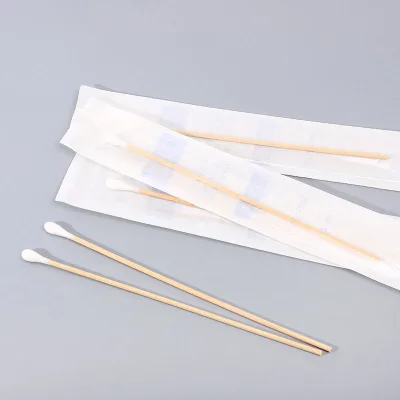
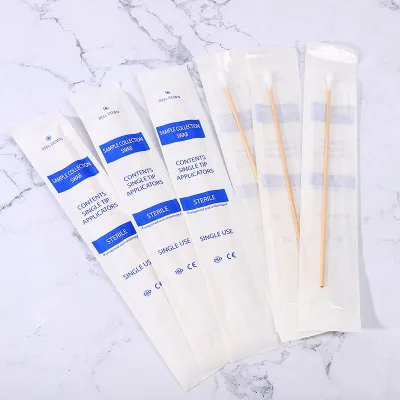
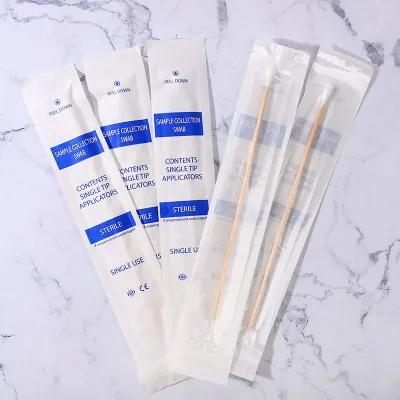
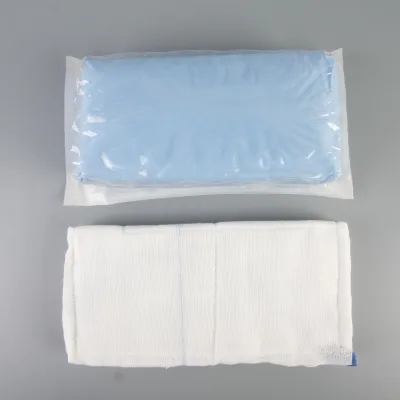


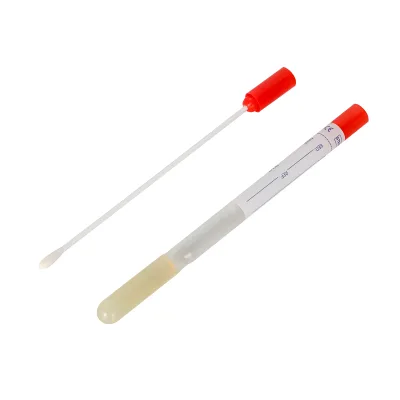
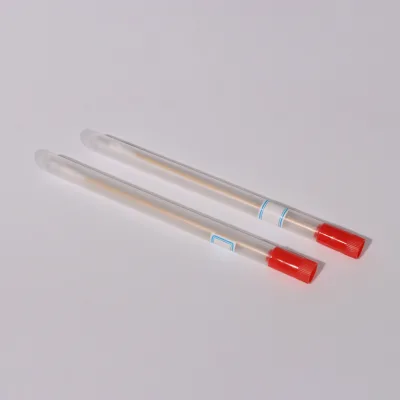


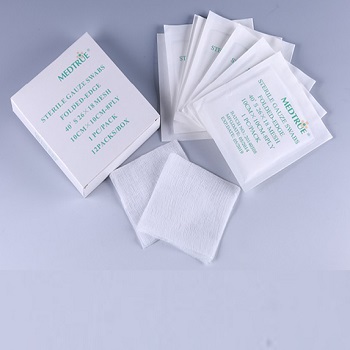
Medical Use Eco-friendly Disposable White Sterile Cotton Gauze Swabs
$0.0138 - $0.0369
MOQ: 375940 Minimum
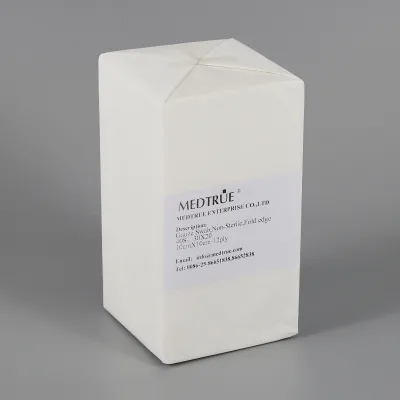
Disposable Non-sterile Types of Gauze Swabs Wound Haemostatic Gauze Swabs
$0.2878 - $1.0268
MOQ: 17 Minimum
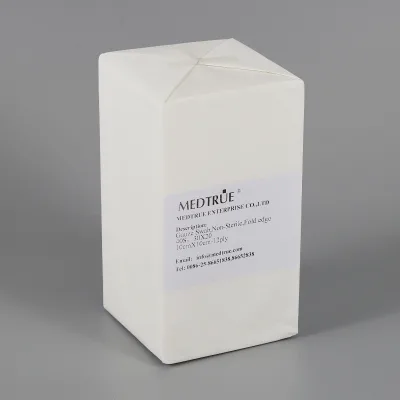
Disposable Non-sterile Types of Gauze Swabs Wound Haemostatic Gauze Swabs
$0.28 - $1.00
MOQ: 17858 Minimum
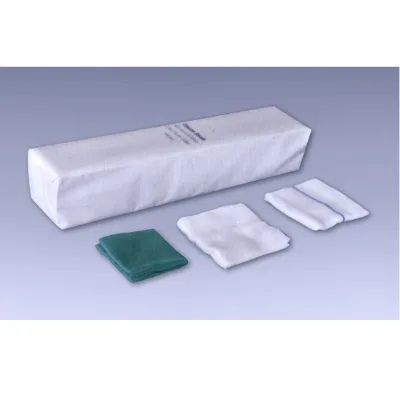
Wholesale Bulk Gauze Swabs 100% Cotton Disposable Non Strerile Gauze Swab
$0.28 - $1.00
MOQ: 17858 Minimum
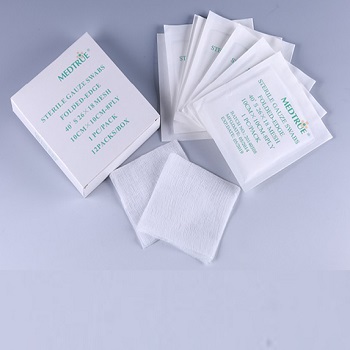
CE Certified 10cmx10cm Sterile Absorbent Gauze Swab for Medical Use
$0.0138 - $0.0369
MOQ: 375940 Minimum


Comprehensive Sourcing Guide
Sterilizable Disposable Medical Cotton Swabs Sourcing Guide
Procuring Sterilizable Disposable Medical Cotton Swabs requires a disciplined approach to verifying material integrity and sterilization efficacy. Buyers must prioritize suppliers who explicitly state their sterilization method, such as Ethylene Oxide, to ensure the product meets clinical safety standards. The observed market data indicates a strong presence of manufacturers from Zhejiang, China, offering customizable options that range from standard natural cotton tips to specialized configurations. Understanding these baseline attributes is the first step in defining a precise technical specification sheet that aligns with your facility’s operational needs.
The commercial landscape for these supplies is characterized by significant variability in minimum order quantities and packaging formats. Listings reveal MOQs ranging from small batches of fifty boxes to large-scale orders of hundreds of thousands of pieces, reflecting the diverse needs of both small clinics and large hospital networks. Packaging is typically described as box or carton formats, with some suppliers offering automatic machine packing for efficiency. Buyers should carefully evaluate these logistical details to ensure the supply chain can support their inventory turnover rates without excessive storage costs or stockouts.
Product Scope and Observed Listing Signals
The product scope encompasses a wide array of medical cotton swabs, primarily constructed from cotton tips and wooden sticks. Observed listings highlight specific model numbers such as 6480, 6594, and YYK23101604, indicating a standardized yet customizable product line. The color palette is predominantly white or natural, aligning with clinical hygiene expectations. Some suppliers offer different tip sizes for selection, allowing procurement teams to tailor the product to specific procedural requirements. This variability suggests that buyers should not assume uniformity across all suppliers and must verify the exact physical dimensions and material composition for each potential vendor.
Brand presence is notable, with entities like KANMINE appearing in the market data, though the focus remains on the functional attributes of the swabs rather than brand loyalty. The products are classified as Class I instruments, which generally implies a lower risk profile but still demands rigorous quality control. Features such as eco-friendly materials and disposable nature are frequently cited, appealing to institutions with sustainability goals. Buyers should treat these feature claims as observations to be verified through sample testing, ensuring that the "eco-friendly" designation does not compromise the sterility or durability required for medical applications.
Technical Specifications to Verify
Technical verification begins with the physical dimensions and structural integrity of the swabs. Listings indicate total lengths of 150mm or customizable options, with specific sizes like 7.5cm also available. The single package size varies, with some entries noting dimensions of 52x42x47 cm for bulk cartons and smaller sizes like 15x15x10 cm for individual units. Buyers must confirm that the wooden stick material is smooth and splinter-free, and that the cotton tips are securely attached to prevent shedding during use. These physical attributes directly impact user comfort and procedural efficiency, making precise measurement verification a critical step in the sourcing process.
Sterilization and shelf-life parameters are equally critical for technical compliance. Ethylene Oxide sterilization is a confirmed method in the observed data, ensuring the products are free from viable microorganisms. The shelf life is typically listed as one year, requiring buyers to manage inventory rotation carefully to avoid using expired stock. Additionally, the disinfecting type mentioned as Far Infrared in some contexts should be cross-referenced with the primary sterilization claim to avoid confusion. Buyers should request batch-specific test reports to validate that the sterilization process has not compromised the material integrity of the cotton or wood.
Compliance and Safety Documentation
Compliance documentation is the cornerstone of safe medical procurement. The observed market data highlights certifications such as CE, RoHS, and ISO, with some suppliers specifically mentioning ISO9001. These certifications indicate that the manufacturer adheres to recognized quality management and environmental standards. Buyers must verify the validity of these certificates, ensuring they are current and issued by accredited bodies. The presence of CE marking is particularly important for products intended for the European market, as it signifies conformity with health, safety, and environmental protection standards.
Instrument classification as Class I suggests a lower regulatory burden, but this does not negate the need for thorough due diligence. Buyers should request detailed quality certification documents, including test reports for sterility assurance and biocompatibility. The keyword "Medical Cotton Swab" implies a specific regulatory pathway that must be followed. It is essential to confirm that the supplier’s quality management system covers the entire production process, from raw material sourcing to final packaging. Any gaps in documentation should be addressed before placing orders to mitigate regulatory risks.
Cost Drivers and Commercial Terms
Cost drivers for medical cotton swabs are influenced by material quality, sterilization method, and order volume. The observed price range is notably low, spanning from zero to six USD, which may reflect per-unit pricing for bulk orders or specific promotional listings. Minimum order quantities vary widely, from 50 boxes to 500,000 pieces, creating economies of scale that significantly impact the unit cost. Buyers should analyze the total cost of ownership, including shipping and handling, rather than focusing solely on the unit price. Larger orders typically yield better per-unit costs but require robust storage and inventory management capabilities.
Commercial terms also include packaging and labeling requirements. Suppliers offer customization, including logo printing, which can be a value-add for branded medical kits. The packing format, whether box or carton, affects shipping efficiency and storage space. Buyers should negotiate clear terms regarding payment methods, lead times, and return policies for defective goods. The single gross weight of products, ranging from 0.080 kg to 8.000 kg depending on the package, is crucial for calculating freight costs. Transparent communication about these commercial details helps prevent unexpected expenses and ensures smooth transaction processing.
Supplier Qualification and Quality Control
Supplier qualification involves assessing the manufacturing capabilities and quality control processes of potential vendors. The data indicates that many suppliers are located in Zhejiang, China, a hub for medical supply manufacturing. Buyers should verify the supplier’s production capacity and history, ensuring they have the infrastructure to maintain consistent quality. Factory audits, whether virtual or on-site, are recommended to inspect the cleanroom environments and sterilization facilities. The mention of automatic machine packing suggests a level of automation that can enhance consistency, but human oversight remains critical for quality assurance.
Quality control protocols should be explicitly defined in the purchase agreement. Buyers must establish clear acceptance criteria for defects, such as broken sticks or loose cotton tips. Regular sampling and testing of incoming goods are essential to maintain product integrity. The supplier’s ability to provide traceability for each batch is also important for recall management. By prioritizing suppliers with robust quality management systems, buyers can reduce the risk of receiving substandard products. Continuous monitoring of supplier performance through key performance indicators helps ensure long-term reliability and compliance.
Long-Term Procurement Checks
Long-term procurement success depends on establishing a sustainable supply chain relationship. Buyers should conduct periodic reviews of supplier performance, focusing on delivery reliability, product quality, and responsiveness to issues. The customizable nature of the products allows for ongoing adaptation to changing clinical needs, but this requires close collaboration with the supplier. Maintaining open communication channels facilitates quick resolution of any emerging problems. Regular feedback loops help both parties improve processes and align expectations, fostering a partnership rather than a transactional relationship.
Market trends and regulatory changes also necessitate ongoing vigilance. Buyers should stay informed about updates to medical device regulations and industry standards that may impact product requirements. The shelf life of one year means that inventory management strategies must be agile to prevent waste. Evaluating alternative suppliers periodically ensures competitive pricing and reduces dependency on a single source. By integrating these long-term checks into the procurement strategy, buyers can secure a stable supply of high-quality Sterilizable Disposable Medical Cotton Swabs that meet their evolving operational demands.
FAQs
Can Sterilizable Disposable Medical Cotton Swabs be customized with a logo?
Yes, customization is available for these products, including logo printing options. Buyers can request specific branding to meet their corporate or institutional needs. The manufacturer supports tailored solutions, allowing for personalized packaging and product identification. This service ensures that the final goods align with the buyer's brand identity while maintaining the required medical standards and quality.
What certifications do these medical cotton swabs hold?
These medical cotton swabs typically hold CE, ISO, and RoHS certifications. Some listings also specify ISO9001 compliance. These certifications indicate adherence to international quality and safety standards for medical supplies. Buyers can verify specific documentation from suppliers to ensure the products meet regulatory requirements for their target markets, ensuring safety and reliability in medical applications.
What is the minimum order quantity for these swabs?
The minimum order quantity varies by supplier, ranging from 50 boxes to 100,000 pieces. Some manufacturers set an MOQ of 50 boxes, while others require larger volumes like 100,000 pieces. Buyers should check specific supplier listings for exact MOQ requirements. This flexibility allows both small clinics and large distributors to source appropriate quantities based on their inventory needs and budget constraints.
How are these cotton swabs sterilized?
These medical cotton swabs are sterilized using Ethylene Oxide Sterilization. This method ensures the products are safe for medical use by eliminating microorganisms. The sterilization process is critical for maintaining the hygiene and safety standards required in medical environments. Buyers can rely on this sterilization type for applications requiring sterile instruments, ensuring patient safety and compliance with medical hygiene protocols.
What materials are used to make these medical cotton swabs?
These swabs are made from cotton tips and wooden sticks. The wood material provides a sturdy handle, while the cotton tips offer softness and absorbency. This combination ensures effective cleaning and application in medical settings. The natural color of the cotton and wood is standard, and the products are designed to be eco-friendly and disposable, meeting the functional requirements of medical professionals.
Where are these medical cotton swabs manufactured?
These medical cotton swabs are manufactured in China, specifically in Zhejiang province. The region is known for its robust manufacturing capabilities for medical supplies. Buyers can source directly from factories in this area, benefiting from established supply chains and production expertise. The origin ensures consistent quality and availability, making it a reliable source for global procurement of medical cotton swabs.