Source Disposable Surgical Bouffant Cap for Food, Health, and Drug Use
Compare 30 Disposable Surgical Bouffant Cap options from Hubei suppliers with features like antistatic, dust-proof, and customizable designs. Buyers can evaluate sizes ranging from 17 to 24 inches, certifications including ISO13485 and CE, and packaging details for food working, health care, and sanitation applications.
Updated
Key considerations
Products List


Nonwoven Disposable Bouffant Cap, Disposable Round Cap, Surgical Cap
$0.005 - $0.015
MOQ: 50000 Pieces


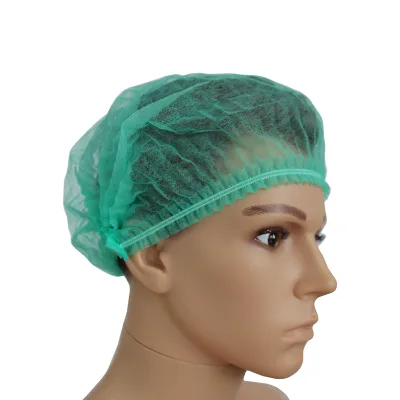
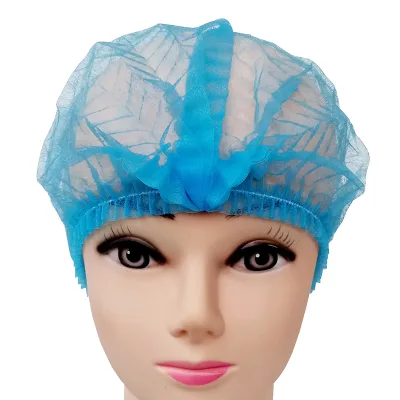
Disposable PP Nonwoven Hospital Medical Surgical Bouffant Mob Cap/Clip Cap
$0.0061 - $0.0092
MOQ: 100 Minimum


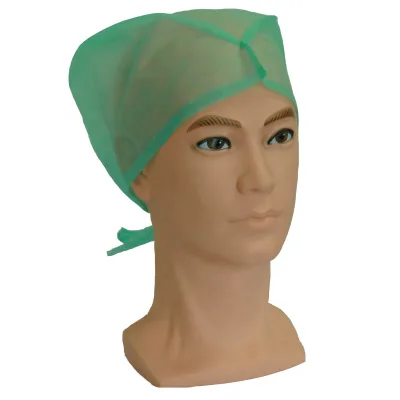
Medical Disposable Surgical Non Woven Bouffant Cap Doctor Nurse Bouffant Cap
$0.01 - $0.015
MOQ: 100000 Minimum


Nonwoven Disposable Bouffant Cap, Disposable Round Cap, Surgical Cap
$0.0108 - $0.012
MOQ: 200000 Pieces


Comprehensive Sourcing Guide
Disposable Surgical Bouffant Cap Sourcing Guide
Procuring disposable surgical bouffant caps requires a clear understanding of the specific operational environment, whether it involves sterile medical procedures, food processing, or general sanitation. These caps are designed to contain hair and prevent contamination, serving as a critical barrier in hygiene-sensitive industries. Buyers must distinguish between standard non-woven bouffants and those intended for higher-risk clinical settings, as the material composition and sterilization methods vary significantly. The primary goal is to ensure that the selected product meets the regulatory and safety standards of the target market while providing adequate comfort and fit for extended wear.
The market offers a wide variety of options, ranging from basic elasticated designs to more specialized clip-on or tie-on styles. Key attributes such as GSM weight, color coding, and antistatic properties play a crucial role in selection. For instance, lighter weights like 10-20 GSM are common for general use, while specific applications may require higher durability or specific certifications. Understanding these nuances helps procurement teams avoid over-specifying products where they are not needed or under-specifying where safety is paramount, ensuring cost-efficiency without compromising on essential hygiene requirements.
Product Scope and Observed Listing Signals
Current market listings indicate a diverse range of product types, including food working caps, health care caps, and detective clip caps. These variations suggest that buyers should not assume a one-size-fits-all approach, as the intended use case dictates the necessary features. For example, food industry requirements may prioritize dust-proof and antistatic qualities, while healthcare settings might focus on sterilization status and logo printing for brand identification. The observed presence of both disposable and reusable-style designs highlights the need for careful verification of material properties and intended single-use nature.
Listing signals also reveal significant variability in packaging and sizing standards. Common packing configurations include 100 pieces per bag with 1000 pieces per carton, or variations like 20 bags per carton. Sizes are frequently listed in inches, such as 18", 19", 20", and 21", with some products extending to 24" for larger head circumferences. Buyers must verify these dimensions against their workforce's needs to ensure proper fit and coverage. Additionally, the availability of customization options, including logo printing and color choices like white, blue, green, and yellow, allows for better inventory management and visual identification of different hygiene zones.
Technical Specifications to Verify
When evaluating technical specifications, the GSM weight is a primary indicator of material density and durability. Observed products range from 10-12 GSM to 10-20 GSM, with lighter options being more breathable but potentially less robust. Buyers should verify the exact material composition, typically non-woven polypropylene, and confirm whether the product is antistatic, which is crucial for electronics or cleanroom environments. The presence or absence of a brim is another critical differentiator, as brimless designs offer better compatibility with face shields and goggles, while brimmed versions may provide additional protection against overhead drips.
Sterilization status and packaging integrity are equally important technical factors. Products are often labeled as non-sterilized or without ethylene oxide sterilization, which limits their use to non-invasive applications. Buyers must confirm the sterilization method if the cap is intended for surgical or invasive procedures. Additionally, the style of closure, whether elastic or tie-on, affects fit security and comfort. Elastic bands must maintain tension without causing discomfort, while tie-on styles offer adjustable fit but may be less secure during vigorous activity. Verifying these details ensures the product performs as expected in real-world conditions.
Compliance and Safety Documentation
Compliance documentation is non-negotiable for medical and food-grade applications. Buyers should request certificates such as CE and ISO 13485, which indicate adherence to quality management systems for medical devices. Some listings mention ISOCE or other certifications, but verification is essential to ensure they are current and applicable to the specific product model. The presence of these certifications provides assurance that the manufacturer follows rigorous quality control processes, reducing the risk of non-compliant products entering the supply chain.
In addition to quality certifications, buyers must verify the legal status of the product in their target market. For instance, products intended for the European market require CE marking, while those for the US may need FDA registration. The documentation should clearly state the product's classification, such as Class I medical device, and confirm that it meets local regulatory requirements. Buyers should also check for any specific material safety data sheets (MSDS) to ensure the non-woven fabric does not contain harmful substances, particularly for products used in food processing or direct skin contact.
Cost Drivers and Commercial Terms
Cost drivers for disposable bouffant caps include material quality, GSM weight, and customization requirements. Higher GSM weights and specialized features like antistatic properties or specific colors can increase the unit price. Observed price ranges vary widely, from as low as $0.01 to over $12.35, reflecting differences in quality, certification, and order volume. Buyers should analyze the total cost of ownership, considering not just the unit price but also shipping costs, tariffs, and potential waste due to poor fit or durability issues.
Commercial terms such as MOQ and lead times significantly impact procurement strategy. MOQs can range from 1 to 200,000 pieces, allowing flexibility for both small-scale and large-volume buyers. Lead times and loading ports, such as Wuhan or Shanghai, should be factored into the supply chain planning. Buyers should negotiate clear terms regarding payment methods, warranty periods, and quality guarantees, such as the two-year guarantee mentioned in some listings. Understanding these commercial dynamics helps in building a resilient and cost-effective supply chain.
Supplier Qualification and Quality Control
Supplier qualification begins with verifying the manufacturer's location and production capabilities. Many suppliers are based in Hubei, China, a region known for its manufacturing infrastructure. Buyers should conduct on-site audits or request third-party inspection reports to assess the factory's cleanliness, equipment, and quality control processes. The presence of a quality guarantee period, such as two years, suggests confidence in product durability, but buyers should still implement incoming quality checks to verify consistency.
Quality control measures should include random sampling and testing for key attributes like tensile strength, colorfastness, and sterility assurance levels. Buyers should establish clear acceptance criteria for defects, such as tears, misprints, or improper packaging. Regular communication with the supplier regarding quality feedback and continuous improvement initiatives is essential. Additionally, verifying the supplier's ability to handle custom orders, including logo printing and specific packaging requirements, ensures that the product meets brand and operational needs.
Long-Term Procurement Checks
Long-term procurement success depends on continuous monitoring of supplier performance and market trends. Buyers should track key performance indicators such as on-time delivery rates, defect rates, and responsiveness to issues. Regular reviews of supplier certifications and compliance status are necessary to ensure ongoing adherence to regulatory requirements. Building a strong relationship with the supplier can lead to better pricing, priority production, and early access to new product innovations.
Market trends, such as the increasing demand for eco-friendly materials or advanced antistatic technologies, should be monitored to stay competitive. Buyers should periodically reassess their product specifications to ensure they align with evolving industry standards and customer expectations. Diversifying the supplier base can mitigate risks associated with single-source dependencies. By maintaining a proactive approach to procurement, buyers can ensure a steady supply of high-quality disposable surgical bouffant caps that meet their operational and safety needs.
FAQs
What certifications do the disposable surgical bouffant caps have?
The caps hold CE and ISO13485 certifications for medical use. Some products also meet ISOCE standards. These certifications ensure the caps meet international safety and quality requirements for healthcare applications and sanitation needs.
Which sizes are available for the disposable bouffant caps?
Available sizes range from 17 inches to 24 inches. Specific models offer 18, 19, 20, 21, and 24 inch options. This variety ensures a proper fit for different head circumferences in adult healthcare and food working environments.
Can these caps be customized with a logo?
Yes, logo printing is available on the disposable caps. Customization options allow buyers to add branding to the product. This feature supports corporate identity needs while maintaining the required hygiene standards for medical and food safety applications.
What is the typical packaging quantity for these caps?
Standard packaging includes 100 pieces per bag and 1000 pieces per carton. Some variations use 20 bags per carton. This bulk packaging facilitates efficient storage and distribution for large-scale medical facilities and industrial food processing plants.
Where are these disposable caps manufactured?
The caps are manufactured in Hubei, China. The loading ports are located in Wuhan or Shanghai. This location allows for efficient logistics and shipping to international markets while maintaining consistent production quality for the disposable headwear.
Are the caps sterilized before shipment?
The caps are generally non-sterilized and do not use ethylene oxide sterilization. They are designed for general hygiene and sanitation purposes. Buyers requiring specific sterilization should verify individual product specifications before placing an order for medical procedures.
What materials are used for the disposable bouffant caps?
The caps are made from nonwoven materials with weights between 10 and 12 grams per square meter. Some products feature antistatic properties. These materials provide dust-proof protection and comfort for adults in various healthcare and food service settings.