Source Eco-Friendly Bpa Free Salad Spinner for Home Use
Source eco-friendly bpa free salad spinner options from 30 verified suppliers. Compare models like SY511406-3 and GP 4001, featuring FDA and LFGB certifications, PP plastic construction, and customizable branding for household applications; compare the available evidence and request quotations based on your requirements.
Updated
Key considerations
Products List


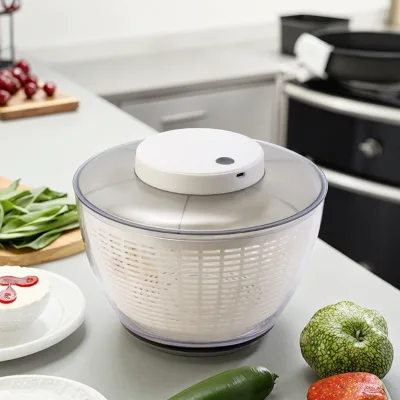
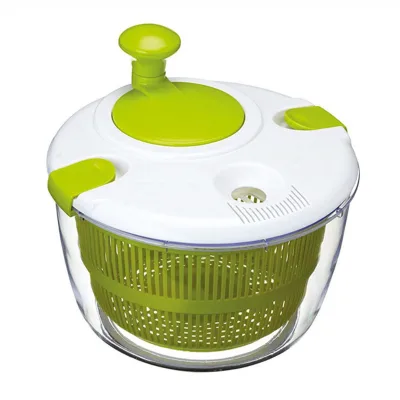
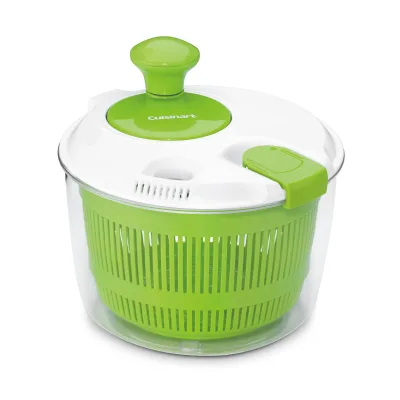
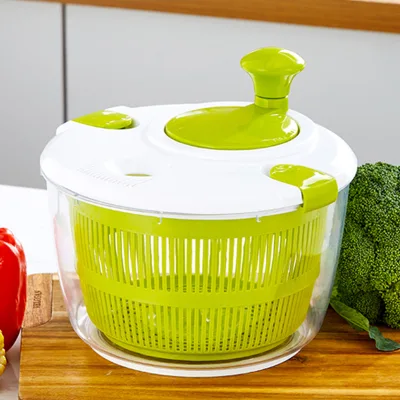
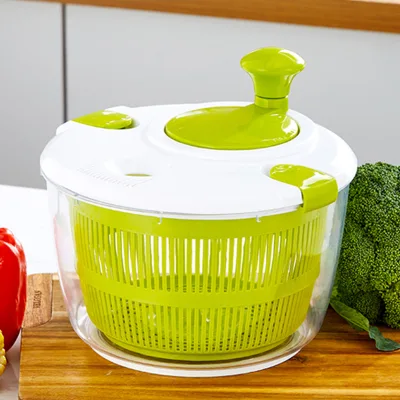
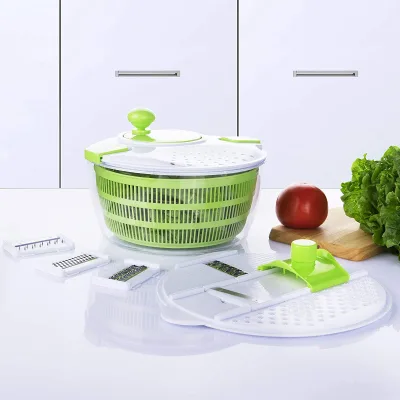
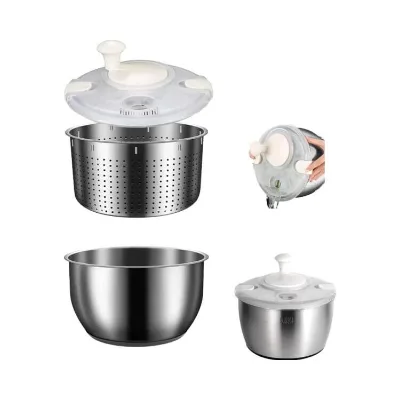


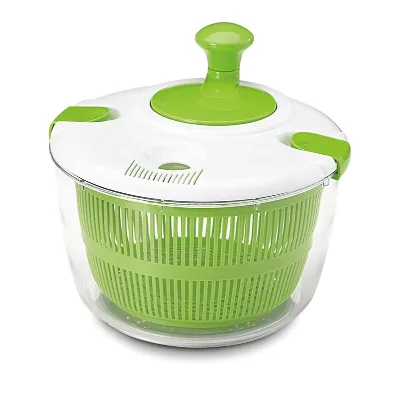
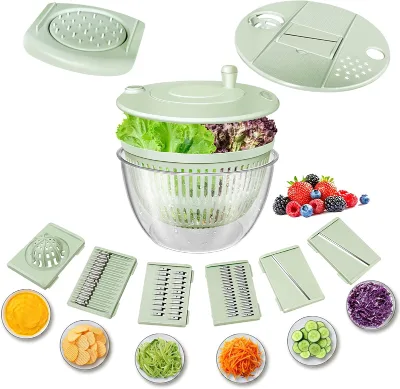
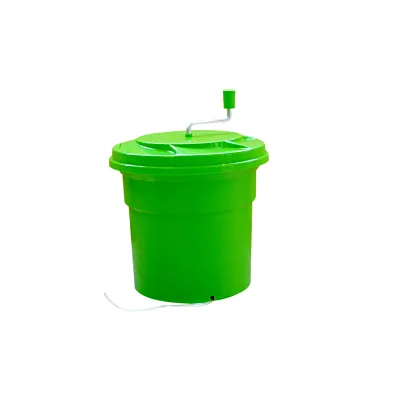
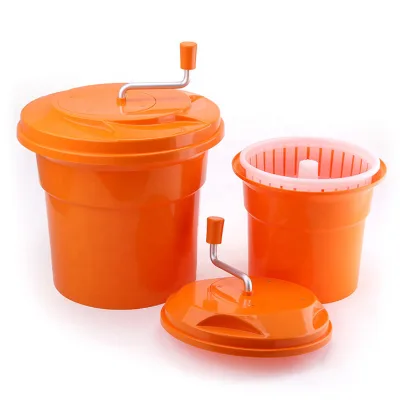
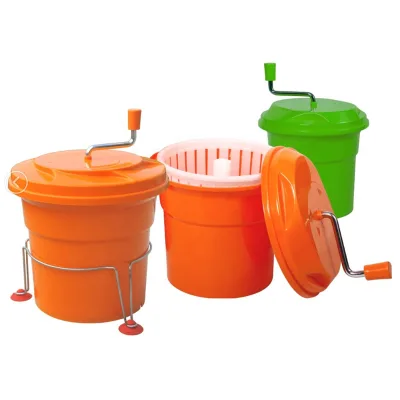

Vegetable Spinner Dryer Unique Salad Mixing Bowl Plastic Tools Salad Spinner
$8.00 - $9.00
MOQ: 1000 Pieces

Green Salad Spinner, 5000ml Large Capacity Rotating Vegetable & Lettuce Dryer
$2.45 - $2.54
MOQ: 1000 Pieces


Comprehensive Sourcing Guide
Eco-Friendly Bpa Free Salad Spinner Sourcing Guide
Sourcing eco-friendly, BPA-free salad spinners requires a disciplined approach to material verification and supply chain transparency. Buyers must prioritize suppliers who explicitly confirm the absence of Bisphenol A in their polypropylene components, ensuring the product meets modern health and safety expectations for household kitchenware. The observed market data indicates a strong emphasis on eco-friendly features, with many listings highlighting sustainable manufacturing practices and recyclable packaging solutions. This trend aligns with global consumer demand for environmentally responsible kitchen tools that do not compromise on durability or functionality.
Procurement teams should focus on verifying the specific plastic types used, particularly polypropylene, which is widely recognized for its safety and resistance to heat and chemicals. The available product range includes various models with different weights and dimensions, suggesting a diverse market segment that caters to both individual consumers and bulk institutional buyers. Understanding these variations is crucial for selecting the right product mix that balances cost-efficiency with quality standards. Buyers must also consider the customization options available, such as logo printing and color variations, which can enhance brand visibility in competitive retail environments.
Product Scope and Observed Listing Signals
The current market landscape for salad spinners reveals a wide array of product configurations, ranging from manual, non-automatic units to more complex multifunctional designs. Observed listings indicate that these tools are primarily intended for household applications, with a focus on ease of use and efficient water removal from leafy greens. The presence of both unitary and multifunctional types suggests that buyers can choose between simple, dedicated tools or versatile kitchen aids that offer additional features. This diversity allows procurement teams to tailor their inventory to specific customer preferences, whether they prioritize simplicity or advanced functionality.
Material composition is a critical differentiator, with plastic and metal being the most common materials observed in the product listings. Polypropylene is frequently cited as the primary plastic type, offering a lightweight yet durable solution for everyday kitchen tasks. The weight of individual units varies significantly, from lighter models around 216 grams to heavier, more robust versions weighing up to 685 grams. These variations in weight often correlate with the size and capacity of the spinner, providing buyers with options to match their target market's expectations for performance and portability.
Technical Specifications to Verify
When evaluating technical specifications, buyers must pay close attention to the physical dimensions and packaging details provided by suppliers. The observed data shows a range of carton sizes, such as 53.552.546.5cm and 555535cm, which directly impact logistics costs and storage efficiency. Understanding the quantity per carton, which varies from 8 pieces to 48 pieces, is essential for calculating shipping volumes and optimizing warehouse space. These logistical parameters are not merely administrative details but critical factors that influence the overall cost structure and supply chain efficiency for imported goods.
Model numbers and standard dimensions, such as 24.625.323cm or 12.812.815.3cm, serve as unique identifiers for product differentiation and quality control. Buyers should verify that the single package size and gross weight align with the supplier's claims to avoid discrepancies during customs clearance or retail distribution. Additionally, the power supply requirement for certain models, such as battery-operated units, introduces another layer of complexity that must be addressed in terms of regulatory compliance and user convenience. Ensuring that all technical specifications are accurately documented and verified is a fundamental step in mitigating procurement risks.
Compliance and Safety Documentation
Compliance with international food safety standards is non-negotiable for salad spinner procurement, with FDA and LFGB certifications being the most frequently observed credentials in the market. These certifications indicate that the materials used in the product, particularly the plastic components, have undergone rigorous testing to ensure they are free from harmful substances like BPA. Buyers must request valid certification documents from suppliers and verify their authenticity through official channels to ensure that the products meet the regulatory requirements of their target markets. This due diligence is essential for maintaining brand reputation and avoiding legal liabilities associated with non-compliant goods.
In addition to material safety, buyers should also consider the dishwasher safety status of the products, as this affects user convenience and product longevity. The observed data indicates that some models are not dishwasher safe, which may limit their appeal to certain consumer segments. Understanding these limitations allows procurement teams to make informed decisions about product selection and marketing strategies. Furthermore, the availability of customized logos and eco-friendly features can enhance the product's marketability, provided that these claims are supported by verifiable evidence and do not mislead consumers.
Cost Drivers and Commercial Terms
Cost structures for eco-friendly salad spinners are influenced by several key factors, including material costs, manufacturing complexity, and customization requirements. The observed price range of 1.16 to 42.99 USD reflects the diversity in product quality, features, and order volumes. Buyers must analyze these prices in the context of the minimum order quantity (MOQ), which ranges from 1 piece to 3000 pieces, to determine the most cost-effective procurement strategy. Lower MOQs may offer flexibility for testing new markets, while higher volumes can leverage economies of scale to reduce unit costs.
Lead times and delivery terms are also critical commercial considerations, with observed delivery times of around 30 days indicating the typical production cycle for these goods. Buyers should negotiate clear terms regarding payment schedules, shipping responsibilities, and penalty clauses for delays to protect their interests. Additionally, the customization options available, such as logo printing and color variations, may incur additional costs that must be factored into the total procurement budget. Understanding these commercial dynamics enables buyers to develop realistic budgets and timelines that align with their business objectives.
Supplier Qualification and Quality Control
Supplier qualification is a pivotal step in ensuring the reliability and consistency of the salad spinner supply chain. Buyers should prioritize suppliers located in established manufacturing hubs, such as Guangdong, China, where a robust ecosystem of materials and labor supports efficient production. Verifying the supplier's production capabilities, including their automation levels and quality control processes, is essential for maintaining product standards. Non-automatic production methods may require closer supervision to ensure consistency, while customized production lines offer greater flexibility but may introduce variability if not properly managed.
Quality control measures should be integrated into the procurement process from the outset, with clear specifications for materials, dimensions, and packaging. Buyers should conduct regular audits or request third-party inspection reports to verify that the products meet the agreed-upon standards. The observed data highlights the importance of verifying gross and net weights, as well as carton quantities, to ensure that the delivered goods match the purchase order. Establishing a strong relationship with suppliers based on transparency and mutual trust can lead to long-term partnerships that benefit both parties.
Long-Term Procurement Checks
Long-term procurement success depends on continuous monitoring of market trends, supplier performance, and regulatory changes. Buyers should regularly review the product portfolio to ensure that it remains aligned with consumer preferences for eco-friendly and BPA-free kitchenware. Tracking the performance of different models, such as those with model numbers SY511406-3 or GP 4001, can provide insights into which features are most valued by customers. This data-driven approach allows procurement teams to optimize their inventory and respond quickly to shifts in demand.
Additionally, buyers should stay informed about evolving certification requirements and sustainability standards that may impact the salad spinner market. Engaging with industry associations and participating in trade shows can provide valuable networking opportunities and access to new suppliers. By maintaining a proactive stance on compliance and innovation, buyers can mitigate risks and capitalize on emerging opportunities in the global kitchenware market. This strategic approach ensures that the procurement function remains a competitive advantage rather than a cost center.
FAQs
What certifications do these salad spinners hold?
These salad spinners hold FDA and LFGB certifications, ensuring they meet strict food safety standards for direct contact with food. This compliance is essential for household use and international trade, providing assurance of material safety and regulatory adherence for buyers sourcing kitchen tools.
Can the logo be customized on these units?
Yes, the logo can be customized to meet specific branding requirements. This customization service allows buyers to imprint their corporate identity on the product, enhancing brand visibility. It is a key feature for businesses looking to create private-label kitchenware solutions for their customers.
What is the typical delivery lead time?
The typical delivery lead time is 30 days from order confirmation. This timeframe allows for production and quality checks before shipment. Buyers should plan their inventory accordingly to ensure timely receipt of goods, considering this standard duration for manufacturing and logistics processing.
Are these salad spinners dishwasher safe?
No, these salad spinners are not dishwasher safe. Buyers should hand wash them to preserve the integrity of the plastic and metal components. This maintenance requirement helps extend the product lifespan and ensures optimal performance for household salad preparation tasks without damaging the mechanism.
What is the minimum order quantity for these items?
The minimum order quantity varies, with some listings starting at just one piece, while others require sixteen pieces. This flexibility accommodates both sample testing and bulk procurement needs. Buyers can choose options that best fit their initial testing phase or larger distribution requirements.
What materials are used in construction?
These units are constructed from plastic and metal materials. The plastic component is typically PP type, ensuring durability and eco-friendly properties. The metal parts provide structural support for the spinning mechanism, combining lightweight convenience with robust performance for effective salad drying in household settings.