Plate And Frame Oil Filtration Machine Suppliers and Manufacturers
Explore 27 verified options for the Plate And Frame Oil Filtration Machine, comparing certifications like CE and ISO, response times, and lead times. Review product specifications such as voltage and capacity to select the right supplier for your needs; review the available evidence before requesting comparable quotations from suitable candidates.
Updated
Suppliers List
Luohe Xingdian Electromechanical Equipment Co., Ltd.
- Verified by SGS Group
- Trading Company
- Lead time7 days
- Avg. response≤ 1h
Main productsFood making machine, Powder milling machine, Farm machine, Water well drilling machine
Main marketsNorth America(35%), Africa(30%), Southeast Asia(14%)

Xinxiang Dongfeng Filter Technology Co., Ltd
- Verified by SGS
- Combined
- China Henan
- Lead time23 days
- Avg. response≤ 2h
Main productsOil Flter
Main marketsEurope,North America

High Quality Plate Frame Oil Filter Oil Plant Special Use Oil Filtration Machine
$1930.00 - $2000.00
MOQ: 1 Pieces

Low Cost Waste Oil Impurity Removal Plate and Frame Filtration Machine
$1930.00 - $2000.00
MOQ: 1 Pieces

Plate Frame Type Portable Pressure Filter Paper Filtration Oil Filter Machine
$1930.00 - $2000.00
MOQ: 1 Pieces

Remove Impurities Oil Treatment Plate and Frame Oil Filtration Machine with Filter Paper
$1930.00 - $2000.00
MOQ: 1 Pieces

Carbon Steel Material Industrial Oil Filtration Plate and Frame Filter Press Machine
$1930.00 - $2000.00
MOQ: 1 Pieces

Oil Filtration Plate and Frame Filter Press Machine, Carbon Steel Industrial
$1930.00 - $2000.00
MOQ: 1 Pieces

Henan Lewin Industrial Development Co., Ltd.
- Verified by TUVRHEINLAND
- Manufacturer/Factory
- China Henan
- Lead time23 days
- Avg. response≤ 2h
Main productsOil Presser, Filling Machine, Roasting Machine, Peeling Machine, Oil Refinery System
Main marketsSouth America,Eastern Europe,Mid East,North America,Southeast Asia,Eastern Asia,Western Europe,Africa

Food Grade Plate and Frame Filter Press High-Precision Oil Filtration Machine
$999.00 - $1580.00
MOQ: 1 Pieces

Vegetable Oil Filtering Machine Stainless Steel Plate and Frame Oil Filter
$999.00 - $1580.00
MOQ: 1 Pieces

Automatic Vegetable Oil Filtering Machine Efficient Fruit Plate and Frame Oil Filter
$999.00 - $1580.00
MOQ: 1 Pieces

Automatic Plate and Frame Oil Filter Machine for Edible Oil Purification
$999.00 - $2190.00
MOQ: 1 Pieces

Xinxiang Dongfeng Filter Technology Co., Ltd.
- Verified by TüVRheinland
- Manufacturer, Trading Company
- Lead time15 days
- Avg. response≤ 2h
Main productsOil Filters, Filter Elements, Filtration Machines, Air Filter, Hydraulic Accessories
Main marketsDomestic Market(60%), North America(8%), Southeast Asia(6%)
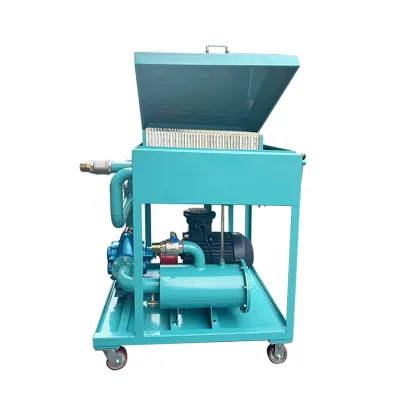
$1930.00 - $2000.00
MOQ: 1 pieces
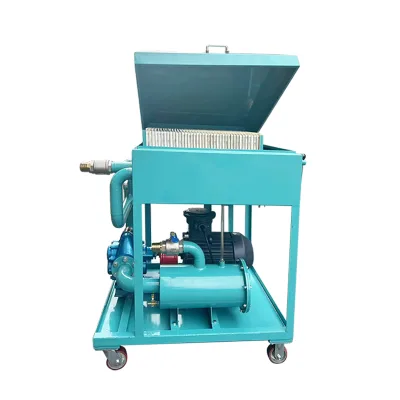
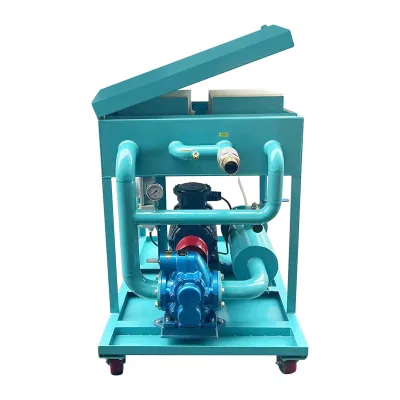
Use Oil Mill Processing Machine Plate Frame Oil Filter for Edible Oil Cleaning Filtration
$1930.00 - $2000.00
MOQ: 1 pieces
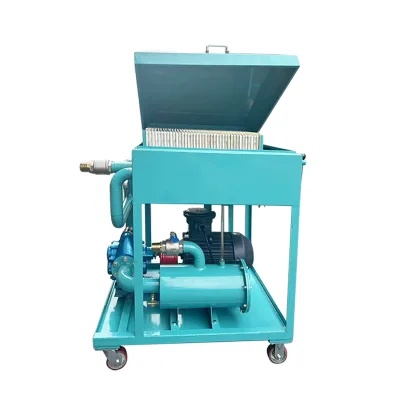
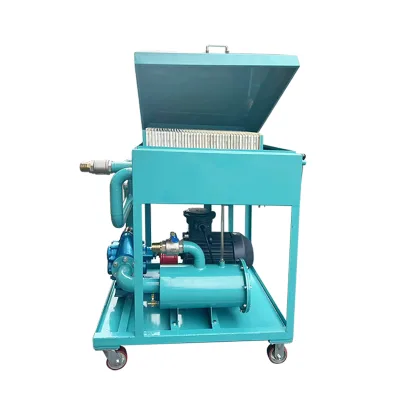
Portable Pressure Filter Paper Filtration Oil Filter Plate Frame Type
$1930.00 - $2000.00
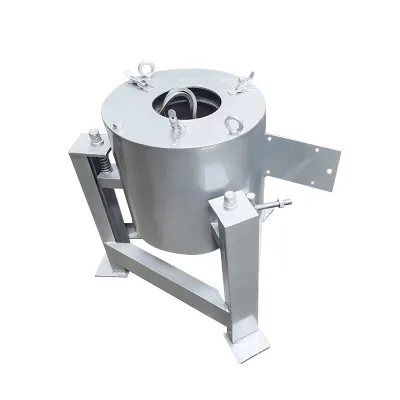
High Accuracy Olive Filter Machine Used Cooking Oil Filter Machine Plate and Frame Oil Filter
$700.00 - $1200.00
MOQ: 1 pieces
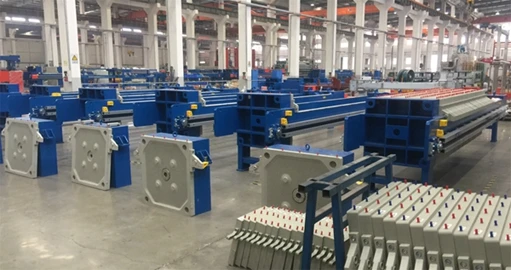
Hangzhou Chayo Environmental & Technology Co., Ltd.
- Trading Company
- Zhejiang, China
- Lead time30 days
- Avg. response≤ 4h
Main productsfilter press,filter plate,pipe fitting,pumps,valves
Main marketsDomestic Market(15.00%), North America(10.00%), Western Europe(10.00%), Mid East(10.00%), South Asia(10.00%), Southern Europe(10.00%), Eastern Europe(10.00%), South America(10.00%), Central America(5.00%), Africa(5.00%), Southeast Asia(5.00%)
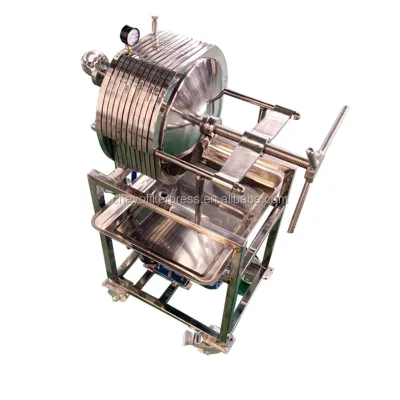
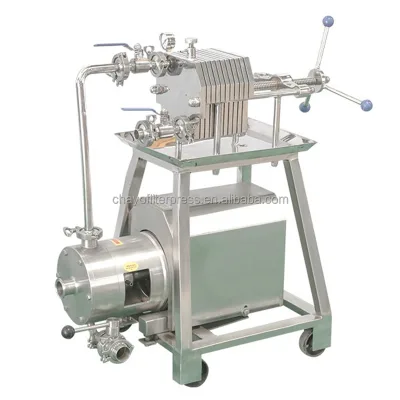
Food Industry Plate and Frame Filter Press for Oil Filtration
$650.00 - $835.00
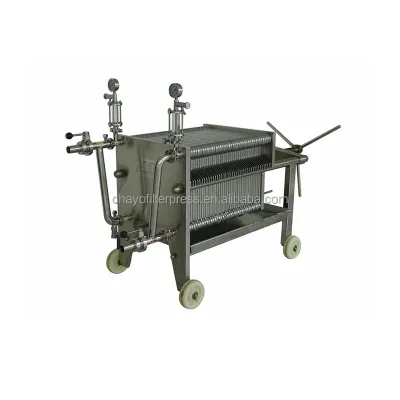
Highly Effective Coconut Oil Plate and Frame Filter Press Machine
$518.00 - $619.00
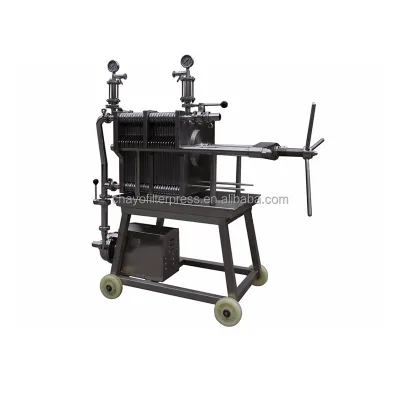
High Quality Mustard Oil Filter Machine with Stainless Steel Plate and Frame Filter Plates
$630.6698 - $1201.6674
MOQ: 1 pieces
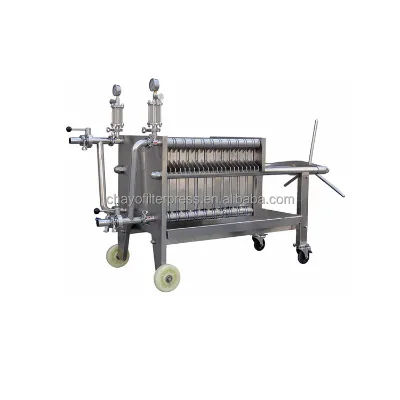
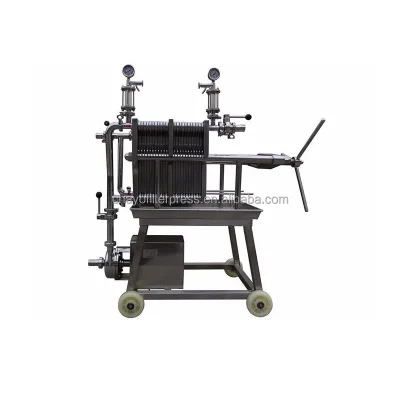
Hot Sale Stainless Steel Small Coconut Oil Filter Machine with 1 to 10m3/h
$669.00 - $880.00
MOQ: 1 pieces

YuZhou YuWei Filter Equipment Co., Ltd.
- Verified by BV
- Combined
- China Henan
- Lead time15 days
- Avg. response≤ 4h
Main productsStainless Steel Filter Press
Main marketsSouth America,Africa,Southeast Asia/ Mideast,Europe,North America

PLC Controlled Hydraulic Stainless Steel Plate and Frame Filter Press Machine for Oil Filtration
$8000.00 - $28000.00
MOQ: 1 Pieces


Chongqing Meiheng Electric & Machinery Co., Ltd.
- Manufacturer, Trading Company
- Chongqing, China
- Lead time30 days
- Avg. response≤ 2h
Main productsOil Purifier, High Efficiency Vacuum Transformer Oil Purifier, Fire Resistant Oil Appropriative Purifier, Pyrolysis Oil Distillation Plant, Coalescence and Separation Oil Equipment
Main marketsDomestic Market(75.00%), Southeast Asia(10.00%), Mid East(8.00%), Eastern Europe(5.00%), South America(2.00%)
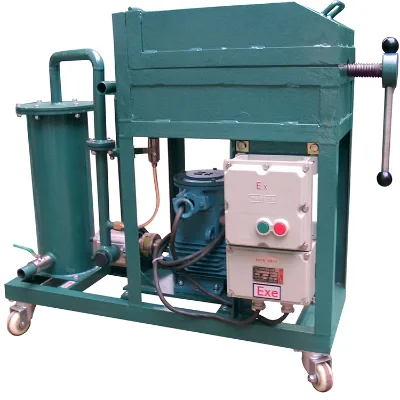
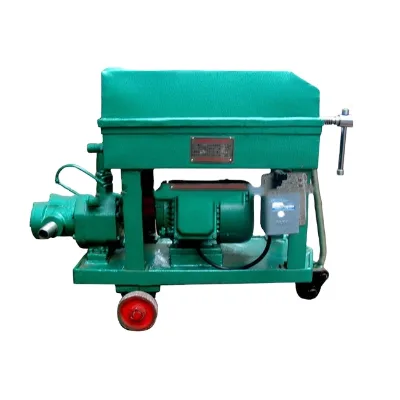
Customizable LY Pressure Plate and Frame Oil Filter Machine Oil Purifier
$1725.00 - $1811.00
MOQ: 1 sets
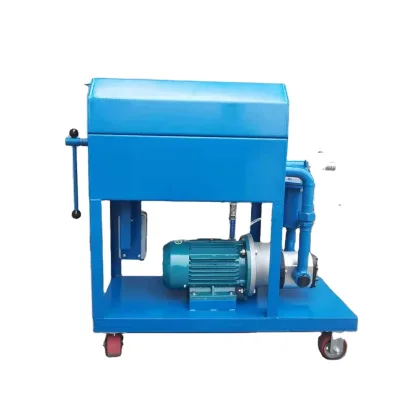
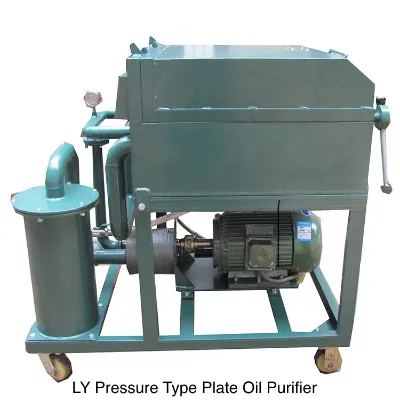
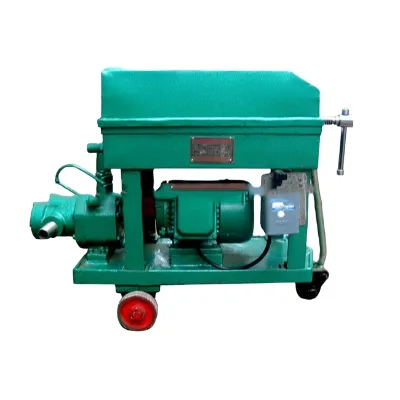
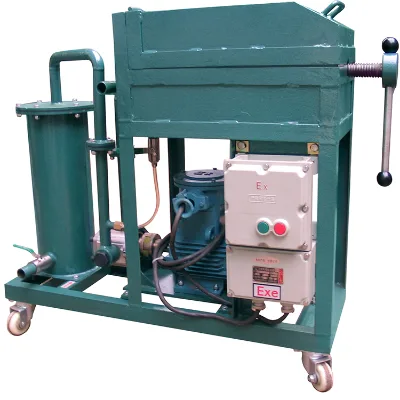
MEIHENG LY Series Hot Selling Pressure Type Plate and Frame Waste Oil Filter Machine
$1035.9439 - $5179.7196
MOQ: 1 Minimum

HENAN WIN-GLOBAL MACHINERY AND EQUIPMENT CO., LTD.
- Verified by SGS
- Trading Company,Manufacturer/Factory
- China Henan
- Lead time30 days
- Avg. response≤ 5h
Main productsScrew Oil Press, Oil Expeller Machine, Small Oil Refinery, Palm Oil Press, Sunflower Oil Extraction Machine, Coconut Oil Expeller, Spiral Oil Press, Oil Extractor, Oil Extruder
Main marketsSoutheast Asia,Africa

Stainless Steel Core Components Automatic Plate and Frame Oil Filter Press Machine
$720.00 - $1500.00
MOQ: 1 Pieces


Plate Frame Cooking Oil Filter Machine to Filter Crude Palm Coconut Soya Peanut Oil Clearly
$700.00 - $1500.00
MOQ: 1 Pieces
Luohe Langrui Electromechanical Equipment Co., Ltd.
- Verified by TüVRheinland
- Trading Company
- Lead time15 days
- Avg. response≤ 2h
Main productsFruit And Vegetable Processing Equipment, Meat Processing Machinery, Nut Processing Machinery, Snack Processing Machinery, Packaging Machinery
Main marketsAfrica(25%), North America(20%), Southeast Asia(18%)
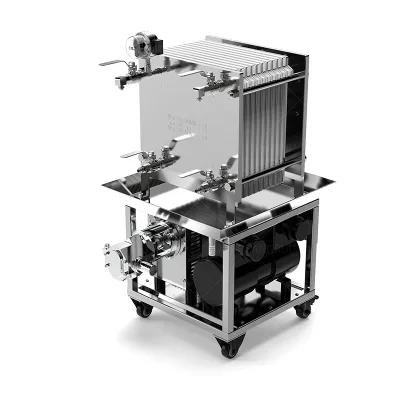
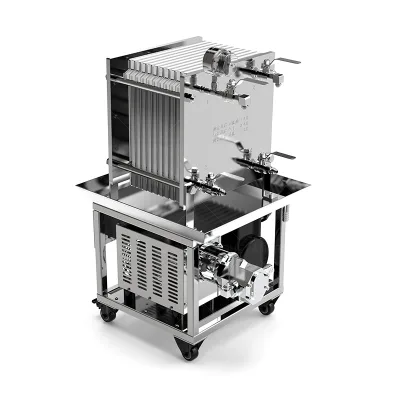
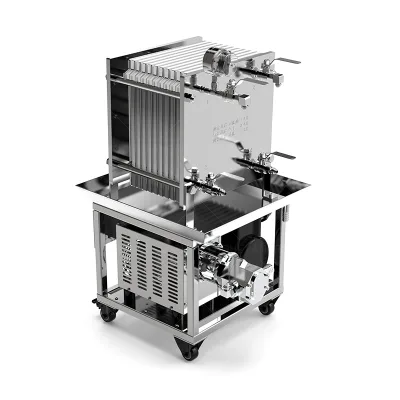
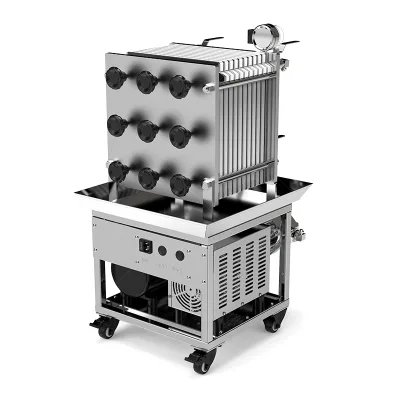
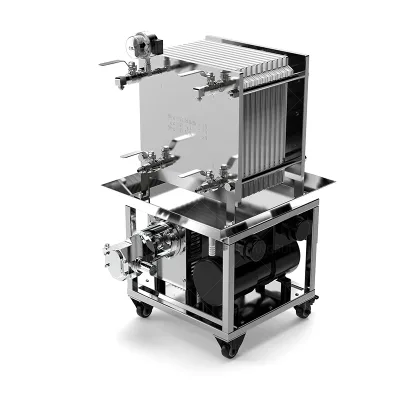
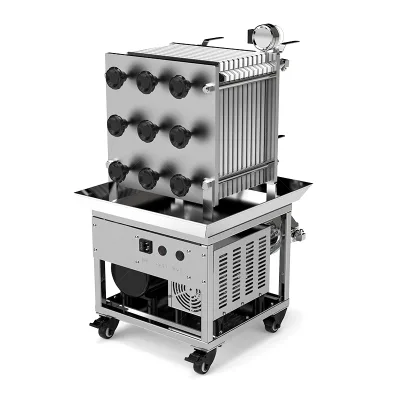
Multi-layer Stainless Steel Frame Filter Press, Vegetable Oil Oil Filtering Machine
$693.4434
MOQ: 1 Minimum
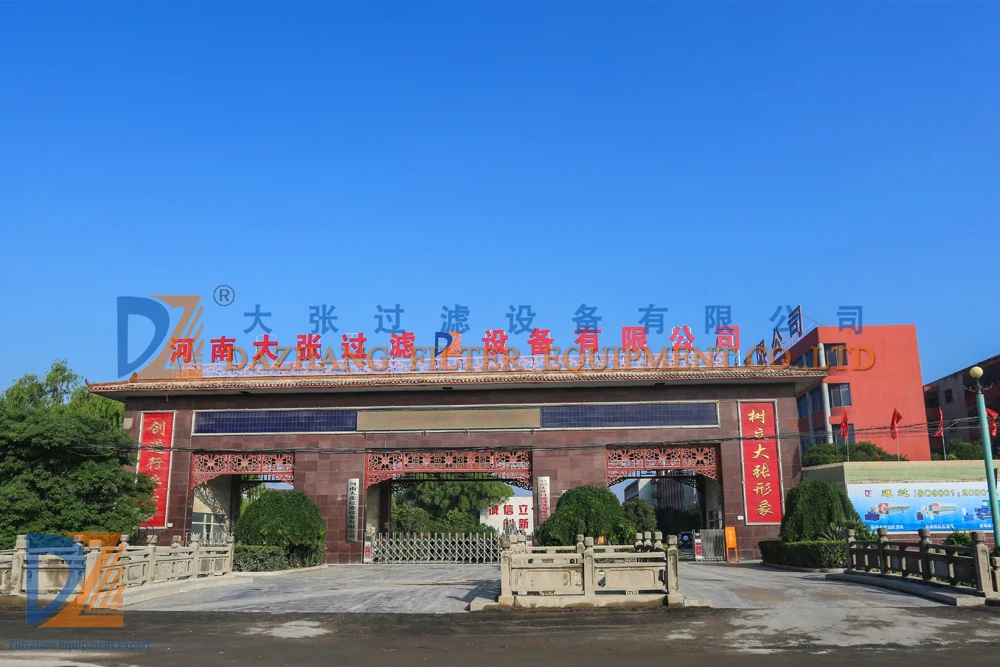
Yuzhou Dazhang Filtration Equipment Co., Ltd.
- Trading Company
- Henan, China
- Lead time10 days
- Avg. response≤ 2h
Main productsFilter Press Equipment
Main marketsDomestic Market(70.00%), Southeast Asia(10.00%), North America(9.00%), Eastern Europe(1.00%), South Asia(1.00%), Southern Europe(1.00%), Northern Europe(1.00%), Central America(1.00%), Western Europe(1.00%), Eastern Asia(1.00%), Mid East(1.00%), Oceania(1.00%), Africa(1.00%), South America(1.00%)

Chongqing TOP Oil Purifier Co., Ltd.
- Verified by TUVRHEINLAND
- Combined
- China Chongqing
- Lead time15 days
- Avg. response≤ 8h
Main productsOil Purifier, Oil Purification, Oil Filtration, Oil Recycling, Oil Treatment, Oil Regeneration, Oil Restoration, Oil Filtering, Waste Oil Disposal, Reclaimation
Main marketsSouth America,Africa,Southeast Asia/ Mideast,East Asia(Japan/ South Korea),Domestic,Europe,Australia,North America


Marine Hydraulic Oil Filter Machine, High Quality Plate and Frame Filter
$5000.00 - $20000.00
MOQ: 1 Sets


Henan Jincheng Filter Equipment Co., Ltd.
- Verified by TUVRHEINLAND
- Combined
- China Henan
- Lead time23 days
- Avg. response≤ 4h
Main productsFilter Press, Belt Filter Press, Belt Press Filter, Membrane Filter Press, Sludge Dewatering Equipment, Sewage Dewatering Machine, Oil Process Machine, Press Filter, Vacuum Belt Filter Press
Main marketsAfrica,Europe

Henan Morethan Machinery Equipment Co., Ltd
- Verified by TUVRHEINLAND
- Trading Company,Manufacturer/Factory
- China Henan
- Lead time15 days
- Avg. response≤ 2h
Main productsWood Pellet Machine, Biomass Pellet Machine, Pelletizer, Hay Cutter, Feed Pellet Machine, Oil Press Machine, Chaff Cutter Machine, Feed Crusher, Fish/Pet Extruder Machine, Feed Pellet Line
Main marketsSouth America,Eastern Europe,Mid East,North America,Southeast Asia,Eastern Asia,Oceania,Western Europe,Africa

$550.00 - $599.00
MOQ: 1 Pieces

Huixian Yingda Machinery Co., Ltd.
- Manufacturer, Trading Company
- Henan, China
- Lead time0 days
- Avg. response≤ 5h
Main productsOil Press / Vegetable Oil Refining Equipment / Vegetable Oil Plant / Vegetable Oil Production Line
Main marketsDomestic Market(100.00%)

Hangzhou Leo Filter Press Co., Ltd.
- Manufacturer/Factory
- China Zhejiang
- Lead time23 days
- Avg. response≤ 1h
Main productsFilter Press, Chamber Filter Press, Membrane Filter Press, Plate and Frame Filter Press, Automatic Filter Press, Plate Filter Press, Hydraulic Filter Press, Industrial Filter Press, Filter Press Filter Plates, Membrane Filter Plate
Main marketsSouth America,Eastern Europe,Mid East,North America,Southeast Asia,Eastern Asia,Oceania,Western Europe,Africa

Plate and Frame Filter Press, Plate and Frame Filtration Filter Press
$15000.00 - $16000.00
MOQ: 1 Pieces

Zhengzhou Jieyuan Machinery Manufacturing Co., Ltd.
- Trading Company
- Henan, China
- Lead time7 days
- Avg. response≤ 2h
Main productsCurtain machine,quilt machine,cotton fiber machine,Aluminum cutting machine,Pipe bending machine
Main marketsSouthern Europe(20.00%), Western Europe(20.00%), South Asia(10.00%), Africa(10.00%), Central America(10.00%), Mid East(5.00%), South America(5.00%), Northern Europe(5.00%), Southeast Asia(5.00%), North America(5.00%), Eastern Asia(5.00%)
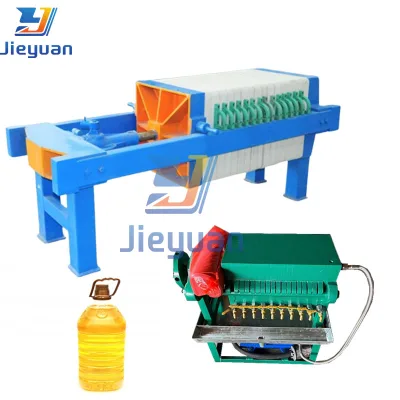
$887.9042 - $939.0905
MOQ: 1 sets
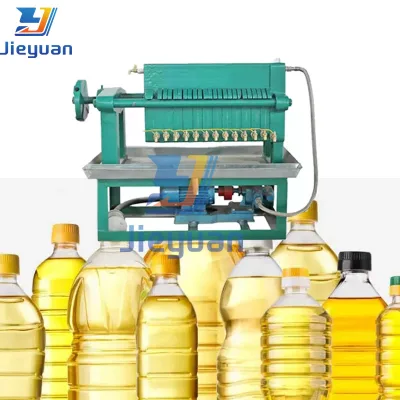
$850.00 - $899.00
MOQ: 1 sets

Yuzhou Sino Filtration Equipment Co., Ltd.
- Verified by TUVRHEINLAND
- Trading Company
- China Henan
- Lead time30 days
- Avg. response≤ 9h
Main productsPlate Frame Filter Press, Filter Press, Plate Filter Press, Filter Press Plate, Filter Plate, Filter Press Cloth, Filter Cloth, Plate Filter, Belt Filter Press, Vacuum Belt Filter
Main marketsSoutheast Asia/ Mideast,North America

Chongqing Rexon Oil Purification Co., Ltd.
- Verified by BV
- Trading Company,Manufacturer/Factory
- China Chongqing
- Lead time15 days
- Avg. response≤ 1h
Main productsOil Purifier Machine, Oil Purification Machine, Oil Filtration System, Oil Filter, Vacuum Oil Purifier, Vacuum Oil Dehydation Plant, Transformer Oil Purifier, Transformer Oil Filter, Lube Oil Purifier, Hydraulic Oil Filtration Unit
Main marketsSouth America,Eastern Europe,Mid East,North America,Southeast Asia,Eastern Asia,Oceania,Western Europe,Africa

Small Plate Pressure Oil Filtration Machine for Turbine Oil Cleaning and Purification
$3000.00 - $10000.00
MOQ: 1 Pieces

Hydraulic Oil Filtration Machine, Plate Frame Oil Filter, Industrial Oil Cleaner 3000lph
$4000.00 - $30000.00
MOQ: 1 Pieces

Plate Frame Oil Filter Oil Purifier System for High Accuracy Filtration
$3000.00 - $9000.00
MOQ: 1 Pieces

$800.00 - $2000.00
MOQ: 1 Pieces

Frame Pressure Oil Filter Machine for Industrial Oil Contaminates Removal Cleaning
$4000.00 - $10000.00
MOQ: 1 Pieces
ZHE CHENG HONGXIN MACHINRERY FACTORY
- Verified by TüVRheinland
- Manufacturer, Trading Company
- Lead time15 days
- Avg. response≤ 3h
Main productsIntestine Case Cleaning Machine, Sesame Peeling Machine, Cardboard Expanding Shredder Machine, Flax Brake, Grain Thresher Machine
Main marketsNorth America(20%), Southeast Asia(20%), Africa(20%)
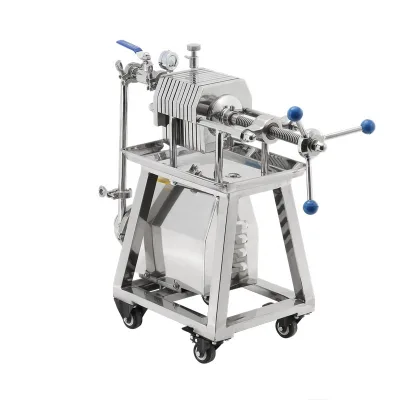
Plate and Frame Filter Water Filter Cooking Oil Press Refine Machine
$1131.706 - $1399.2011
MOQ: 1 sets

Mianyang Guangxin Import & Export Co., Ltd
- Verified by TUVRHEINLAND
- Manufacturer
- China Sichuan
- Lead time30 days
- Avg. response≤ 7h
Main productsOil Press, Oil Filter, Rolling Fryer, Oil Extractor, Oil Expeller, Oil Machinery, Oil Expeller Machine, Oil Mill Machine, Oil Presser, Oil Extraction Machine

Vegetable Oil Filtration Machine with Plate Frame Ybll320*14 Oil Filter
$1200.00 - $1300.00
MOQ: 1 Sets

High Efficiency Ybll320*14 Plate Frame Crude Oil Filter Filtration Machine
$1200.00 - $1300.00
MOQ: 1 Sets


Ybll320*14 Cooking Plate Frame Oil Filtration Machine Peanut Groundnut Oil Filter
$1200.00 - $1300.00
MOQ: 1 Sets

180L Per Hour Ybll320X14 Plate Frame Oil Filter Soybean Sunflower Oil Machine
$1200.00 - $1300.00
MOQ: 1 Sets
Chongqing Kaiqian Oil Purifier Manufacture Co., Ltd.
- Manufacturer, Trading Company
- Chongqing, China
- Lead time20 days
- Avg. response≤ 2h
Main productsOil Purifier Machine,Transformer Oil Purifier,Vacuum Oil Purifier,Waste Oil Distillation Plant,Diesel Oil Distillation Machine
Main marketsDomestic Market(40.00%), Africa(10.00%), South Asia(10.00%), Mid East(10.00%), Oceania(5.00%), Southeast Asia(5.00%), Northern Europe(3.00%), Eastern Europe(3.00%), Southern Europe(3.00%), Eastern Asia(3.00%), South America(3.00%), North America(2.00%), Western Europe(2.00%), Central America(1.00%)
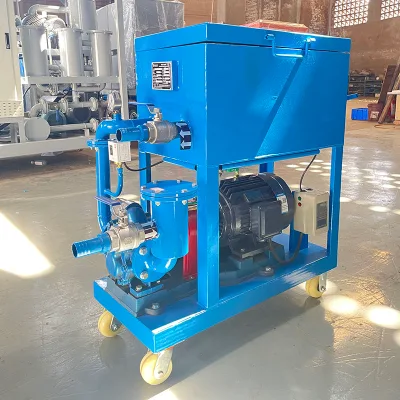
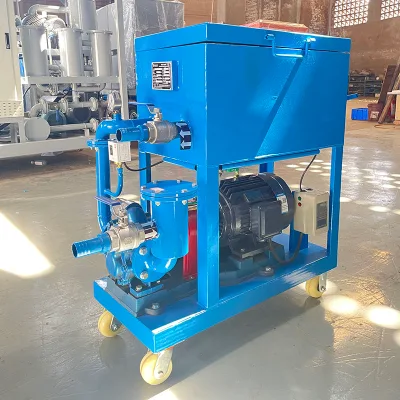
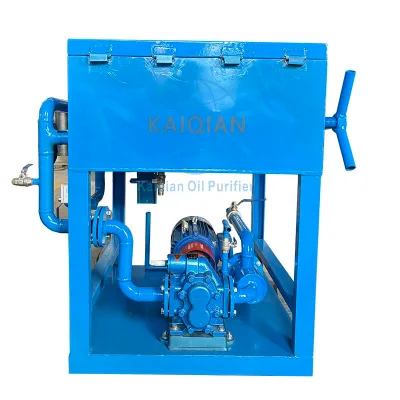
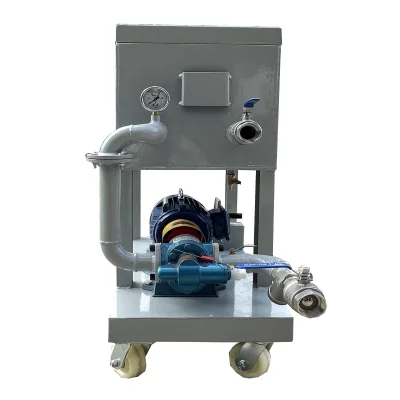
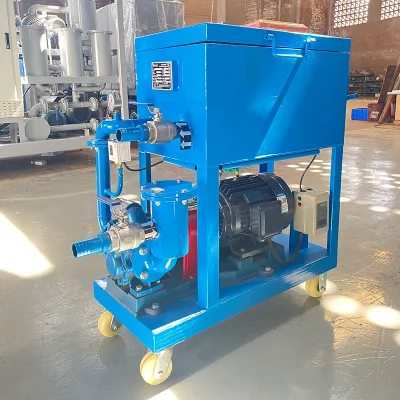
ISO 9001 Plate Frame Oil Filter Machine for API Group I-IV Base Oil Refining Clay Removing
$1000.00 - $3000.00
MOQ: 1 sets
Guangzhou Lvye Environmental Protection Equipment Co., Ltd.
- Manufacturer, Trading Company, Distributor/Wholesaler
- Guangdong, China
- Lead time30 days
- Avg. response≤ 1h
Main productsgrating machine,filter press,aerator,Inclined tube packing,Suspension filler
Main marketsSoutheast Asia(30.00%), Eastern Asia(3.00%), South America(3.00%)
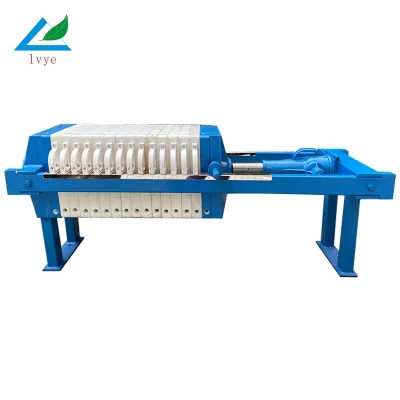
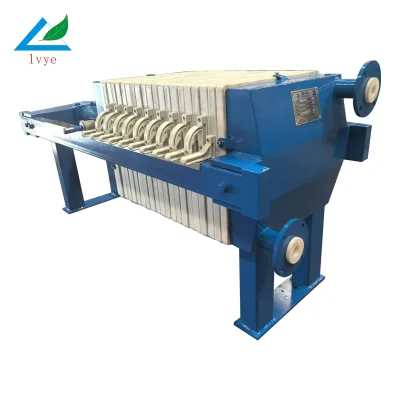
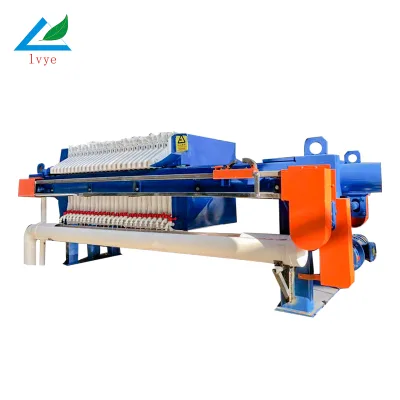
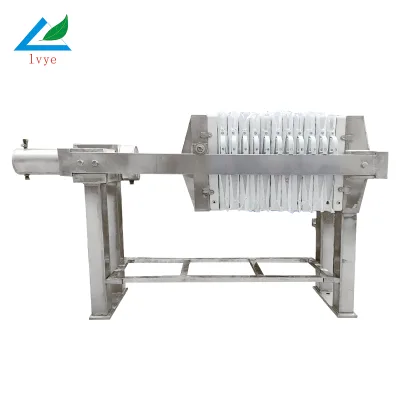
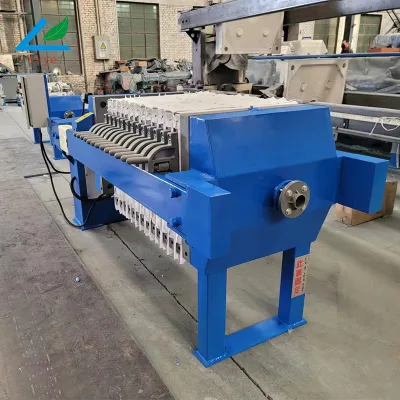
Industrial Filterpress Plate and Frame Filter Press Machine Palm Oil Sludge Dewatering
$7639.5845 - $7742.8222
MOQ: 1 pieces
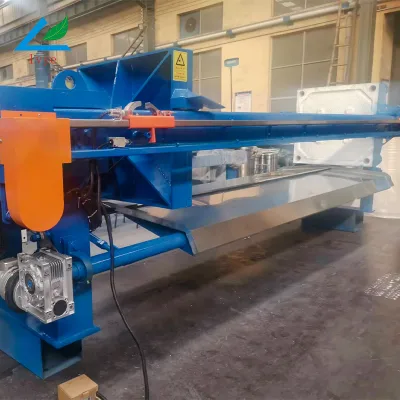
$4315.3332 - $4418.5708
MOQ: 1 pieces

HANGZHOU SAIZHOU TECHNOLOGY CO., LTD.
- Manufacturer/Factory
- China Zhejiang
- Lead time23 days
- Avg. response≤ 6h
Main productsVegetable and Fruit Processing Equipment, Meat Processing Equipment, Packaging and Filling Equipment, Nut and Grain Equipment, Bakery Equipment
Main marketsSouth America,Eastern Europe,North America,Southeast Asia,Eastern Asia,Oceania,Africa

- Verified by BV
- Trading Company,Manufacturer/Factory
- China Henan
- Lead time15 days
- Avg. response≤ 4h
Main productsOil Expeller, Oil Press Machine, Oil Refinery, Pellet Machine, Food Processing Machine, Animal Feed Machine, Packing Machine, Filling Machine, Briquette Machine, Brick Machine
Main marketsSouth America,Eastern Europe,Mid East,North America,Southeast Asia,Eastern Asia,Oceania,Western Europe,Africa
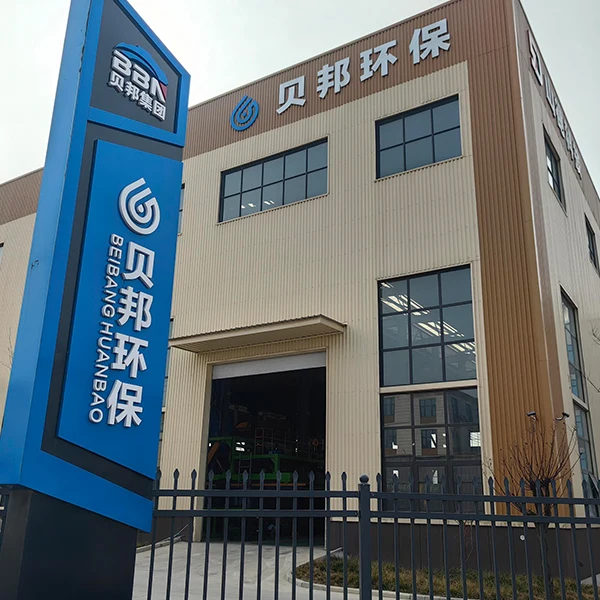
Henan Bebon Intelligent Environmental Protection Engineering Technology Co., Ltd.
- Manufacturer
- Henan, China
- Lead time0 days
- Avg. response≤ 1h
Main productsFilter Press Equipment,plate and frame filter,sludge press,Wastewater Treatment Equipment,Sludge Dewatering Machine
Main marketsDomestic Market(34.00%), North America(10.00%), Southeast Asia(10.00%), Mid East(10.00%), Northern Europe(8.00%), Africa(7.00%), Eastern Asia(6.00%), Central America(5.00%), South Asia(5.00%), South America(5.00%)
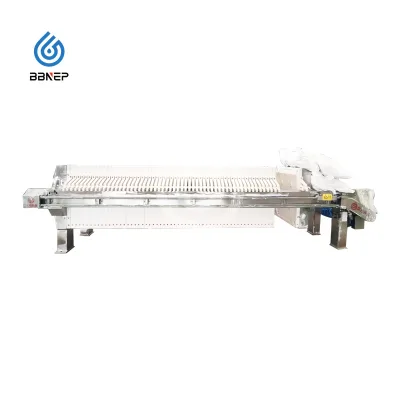
$5960.00 - $6500.00
MOQ: 1 sets
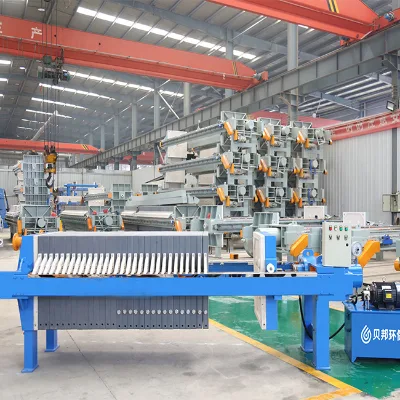
$1789.3983 - $1840.5232
MOQ: 1 sets
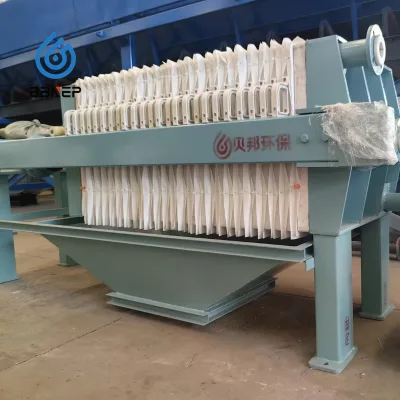
$6293.9113 - $7552.6935
MOQ: 1 sets
Jingdezhen Huiju Technologies Co., Ltd.
- Verified by TüVRheinland
- Manufacturer, Trading Company
- Lead time5 days
- Avg. response≤ 3h
Main productsOil Press Machine, Egg Incubator, Poultry Feed Pellet Machine
Main marketsAfrica(30%), North America(25%), Southeast Asia(10%)
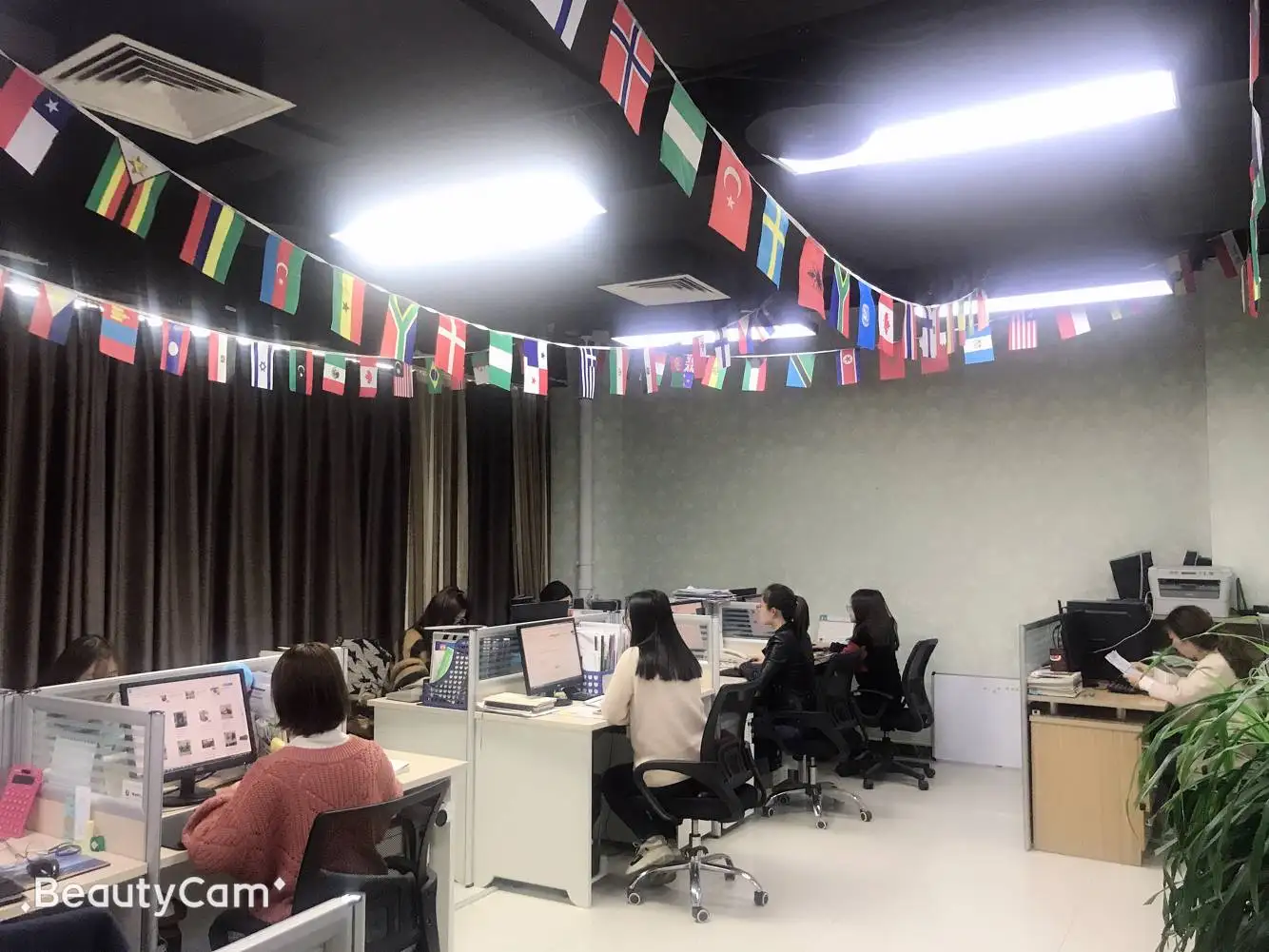
Zhengzhou Leabon Machinery Equipment Co., Ltd.
- Manufacturer, Trading Company
- Henan, China
- Lead time20 days
- Avg. response≤ 4h
Main productsPellet Making Line/ Baler Machine/ Dryer/ Packing Machine/ Crusher/ Mixer,packing machine,palletizer,TMR feed mixer,dryer machine
Main marketsEastern Europe(30.00%), Africa(12.00%), Mid East(10.00%), Southern Europe(9.00%), Southeast Asia(8.00%), South America(8.00%), Western Europe(7.00%), Eastern Asia(5.00%), Northern Europe(4.00%), North America(4.00%), South Asia(1.00%), Oceania(1.00%), Central America(1.00%)
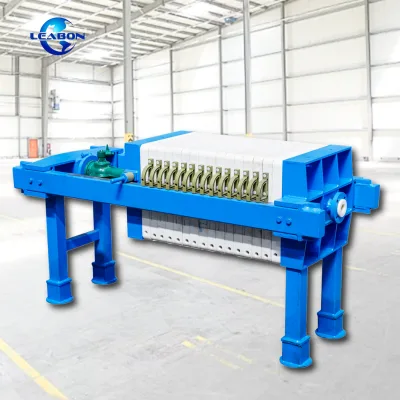
Automatic Plate and Frame Filter Oil Filter Press Chamber Filter Press for Sale
$2163.9699
MOQ: 1 Minimum
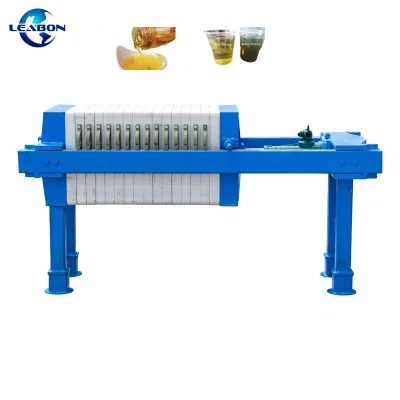
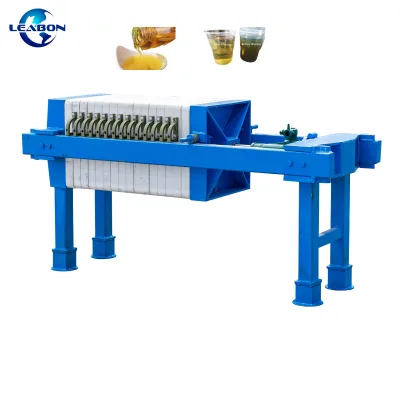
Oil Filter Press Machine Plate and Frame Filter Press Sesame Oil Filter Press
$2155.0658
MOQ: 1 Minimum




Comprehensive Sourcing Guide
Plate And Frame Oil Filtration Machine Supplier Concentration and Factory Types
The supplier landscape for plate and frame oil filtration machines features a diverse mix of company types, primarily including trading companies, combined entities, and direct manufacturers. Trading companies often serve as intermediaries, offering a broader range of related equipment such as food making machines, powder milling machines, and farm machinery alongside filtration units. These entities may not possess direct manufacturing capabilities but can facilitate access to various suppliers and provide consolidated logistics solutions. In contrast, manufacturer factories typically focus on specific production lines, such as oil pressers, filling machines, roasting machines, and complete oil refinery systems. This specialization allows them to offer deeper technical expertise and customization options for their core products, including plate and frame filter presses. Combined company types bridge the gap, potentially offering both manufacturing and trading services, which can provide buyers with flexibility in sourcing. Understanding these distinctions is crucial for aligning your procurement strategy with your specific needs for quality control, customization, and supply chain stability.
Geographic concentration plays a significant role in the availability and pricing of these machines. Evidence indicates that a notable portion of suppliers originates from Henan, China, a region known for its industrial manufacturing base. This concentration suggests that buyers may find competitive pricing and a high density of suppliers in this area, potentially reducing shipping costs and lead times for regional orders. However, it is essential to verify the specific location of each supplier, as some may list a general regional origin while operating facilities elsewhere. Buyers should also consider the implications of sourcing from specific industrial clusters, such as the availability of skilled labor, raw material access, and local infrastructure. By identifying these clusters, buyers can better assess the reliability and capacity of potential suppliers. It is advisable to cross-reference supplier locations with their stated capabilities to ensure that the claimed manufacturing expertise aligns with the actual production environment.
How to Verify Plate And Frame Oil Filtration Machine Suppliers
Verification is a critical step in ensuring the reliability and legitimacy of suppliers offering plate and frame oil filtration machines. Buyers should prioritize suppliers who have undergone third-party verification processes, such as those conducted by SGS Group or TÜV Rheinland. These verifications provide an additional layer of confidence regarding the supplier's business operations, manufacturing capabilities, and compliance with international standards. For instance, some suppliers display SGS verification, indicating that their business licenses and operational details have been checked by a reputable inspection agency. Similarly, TÜV Rheinland verification suggests a focus on quality management and product safety. Buyers should look for these verification badges on supplier profiles and request copies of the verification reports if necessary. This due diligence helps mitigate the risk of engaging with fraudulent or unreliable entities, ensuring that the supplier is a legitimate business entity capable of fulfilling orders.
Certifications are another vital aspect of supplier verification, particularly for machinery that must meet specific safety and performance standards. Suppliers may hold various system certifications, such as CE, ISO 9001, ISO 14001, or specific directives like 2006/42/EC and DOT. These certifications indicate that the supplier's quality management systems and environmental practices adhere to recognized international standards. For example, CE certification is essential for selling machinery in the European market, ensuring compliance with health, safety, and environmental protection standards. ISO 9001 certification demonstrates a commitment to quality management, while ISO 14001 focuses on environmental management. Buyers should verify the validity of these certifications by checking the certification numbers and issuing bodies. Additionally, it is important to ensure that the certifications are current and cover the specific products being purchased. By thoroughly verifying certifications, buyers can ensure that the machinery meets the necessary regulatory requirements for their target markets.
What to Compare Across Plate And Frame Oil Filtration Machine Suppliers
When evaluating suppliers, buyers should compare key operational metrics such as response time, lead time, and minimum order quantity (MOQ). Response time indicates how quickly a supplier communicates with potential buyers, which is crucial for resolving queries and negotiating terms. Some suppliers may have a response time of one day or less, ensuring prompt communication. Lead time, on the other hand, refers to the duration required to produce and deliver the machinery after order confirmation. This can vary significantly, with some suppliers offering lead times as short as seven days, while others may require up to twenty-three days. Buyers should align these timelines with their production schedules and project deadlines. MOQ is another critical factor, as it determines the minimum quantity of units that must be purchased. Some suppliers offer an MOQ of just one set, which is ideal for small-scale operations or testing purposes, while others may have higher MOQs. Comparing these metrics helps buyers identify suppliers that best fit their operational needs and budget constraints.
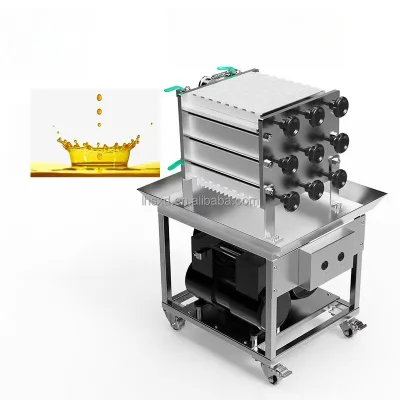
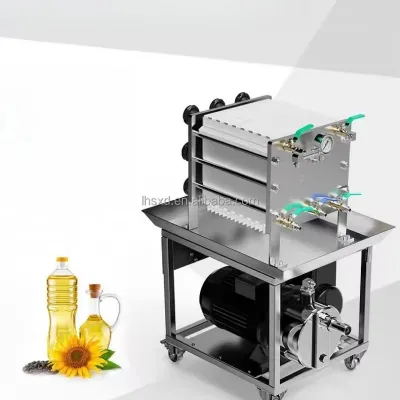
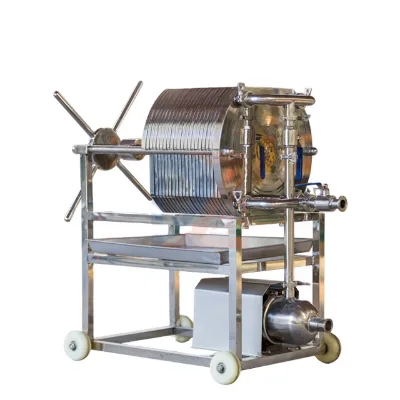
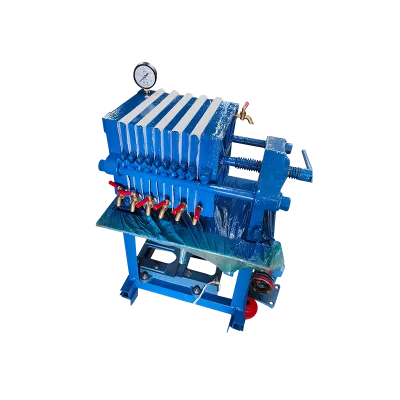
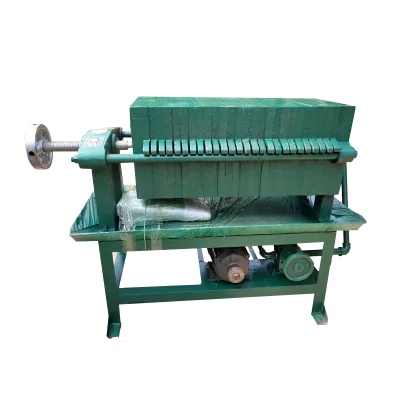
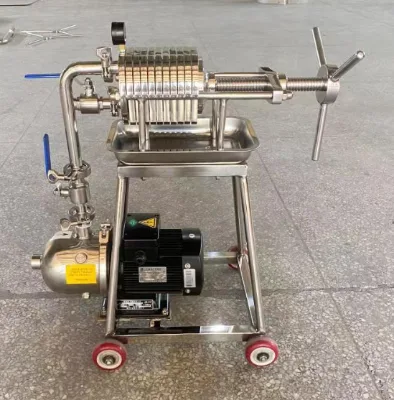
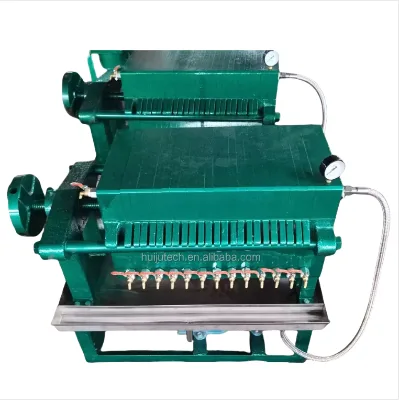
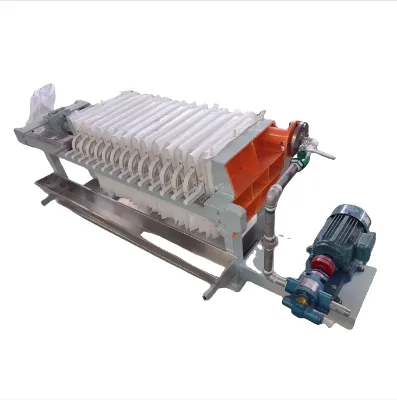
Product specifications and customization capabilities are also essential comparison points. Buyers should examine the technical details of the plate and frame oil filtration machines, including power consumption, voltage requirements, filtration capacity, and material construction. For example, some machines may have a power consumption of 750 watts or 1500 watts, with voltage options of 220V or 380V. Filtration capacity can range from 30-35 kg/h to higher volumes, depending on the model. Material construction, such as stainless steel or carbon steel, affects durability and suitability for different oil types. Additionally, buyers should assess the supplier's ability to provide customization services, such as OEM or ODM options. Some suppliers offer customized solutions, including specific dimensions, colors, and features, to meet unique client requirements. By comparing these technical and customization aspects, buyers can select suppliers that offer the most suitable machinery for their specific applications and operational environments.
Common Plate And Frame Oil Filtration Machine Sourcing Risks
One significant risk in sourcing plate and frame oil filtration machines is the potential mismatch between advertised specifications and actual product performance. Buyers may encounter suppliers who provide incomplete or misleading product details, such as inaccurate power ratings, filtration capacities, or material compositions. This discrepancy can lead to operational inefficiencies and increased maintenance costs. For instance, a machine advertised with a high filtration capacity may perform significantly lower in real-world conditions. To mitigate this risk, buyers should request detailed technical datasheets and performance test reports from suppliers. Additionally, conducting factory audits or requesting samples for testing can provide valuable insights into the actual quality and performance of the machinery. It is also advisable to verify the supplier's claims about customization capabilities, as some may not have the necessary infrastructure to deliver customized solutions effectively. By thoroughly validating product specifications, buyers can avoid costly surprises and ensure that the machinery meets their operational requirements.
Another risk is the variability in after-sales support and warranty coverage. Suppliers may offer different warranty periods, ranging from one year to longer durations, but the extent of support can vary significantly. Some suppliers may provide comprehensive warranty services, including spare parts replacement and technical assistance, while others may offer limited support. Buyers should carefully review the warranty terms and conditions, including what is covered, the duration of coverage, and the process for claiming warranty services. Additionally, it is important to assess the supplier's responsiveness to post-sale inquiries and issues. A supplier with a slow response time may delay critical repairs, leading to extended downtime and production losses. Buyers should also consider the availability of local service partners or technicians in their region. By evaluating after-sales support and warranty coverage, buyers can ensure that they receive adequate assistance throughout the lifecycle of the machinery, minimizing operational disruptions and maximizing return on investment.
Plate And Frame Oil Filtration Machine Regional Sourcing and Logistics
Sourcing plate and frame oil filtration machines from specific regions, such as Henan, China, can offer logistical advantages due to the concentration of manufacturing facilities. This concentration often results in streamlined supply chains, reduced transportation costs, and faster delivery times. Buyers should consider the proximity of suppliers to major shipping ports or logistics hubs, as this can impact shipping costs and transit times. For example, suppliers located near major industrial cities may have better access to international shipping routes, facilitating efficient export processes. Additionally, buyers should evaluate the supplier's experience in handling international logistics, including documentation, customs clearance, and freight forwarding. Suppliers with extensive export experience are more likely to navigate complex regulatory requirements and ensure smooth delivery to the buyer's location. By leveraging regional sourcing advantages, buyers can optimize their supply chain and reduce overall procurement costs. It is also advisable to establish clear communication channels with suppliers to monitor shipment progress and address any logistical issues promptly.
Logistics planning should also account for the packaging and handling requirements of the machinery. Plate and frame oil filtration machines are often bulky and require careful packaging to prevent damage during transit. Suppliers may use wooden boxes or wooden cases for packaging, which provide robust protection but also impact shipping volume and weight. Buyers should verify the packaging standards and ensure that they meet the requirements for safe transportation. Additionally, buyers should consider the impact of packaging on storage and handling at their facility. Proper planning for receiving and installing the machinery can prevent delays and damage. It is also important to factor in insurance coverage for the shipment, especially for high-value equipment. By carefully planning logistics and packaging, buyers can ensure that the machinery arrives in optimal condition and is ready for immediate installation and operation. This proactive approach minimizes risks and ensures a smooth transition from procurement to production.
Plate And Frame Oil Filtration Machine Commercial Terms and Order Planning
Commercial terms, including pricing and payment conditions, are critical components of order planning for plate and frame oil filtration machines. Prices can vary significantly based on factors such as machine specifications, customization options, and order volume. For example, some suppliers may offer prices ranging from $858 to $2000 per unit, depending on the model and features. Buyers should request detailed quotations that break down costs, including machinery price, shipping, taxes, and any additional fees. Understanding the total cost of ownership is essential for budgeting and financial planning. Additionally, buyers should negotiate payment terms that align with their cash flow needs, such as partial payments upfront and the balance upon delivery or installation. Suppliers may offer various payment methods, including letters of credit, telegraphic transfers, or escrow services, which provide security for both parties. By carefully reviewing commercial terms, buyers can ensure transparent pricing and favorable payment conditions, reducing financial risks and ensuring a smooth transaction process.
Order planning should also consider the scalability and future expansion needs of the buyer's operations. Buyers should assess whether the supplier can accommodate larger orders or provide additional units as their business grows. Some suppliers may have the capacity to handle bulk orders, while others may have limitations on production volume. It is advisable to discuss long-term partnership opportunities with suppliers, including volume discounts, priority production scheduling, and dedicated account management. Additionally, buyers should plan for the installation and commissioning of the machinery, ensuring that they have the necessary technical expertise and resources in place. Some suppliers may offer installation services or technical training, which can facilitate a smoother start-up process. By integrating commercial terms and order planning with long-term business goals, buyers can establish a sustainable and efficient supply chain for their plate and frame oil filtration machines. This strategic approach ensures that the procurement process supports the buyer's operational growth and success.
FAQs
What is the typical lead time for delivery?
Lead times vary by supplier, with observed ranges from 7 to 23 days. Some manufacturers offer faster processing for sample requests, while others require longer production cycles for customized orders. Buyers should confirm specific timelines before placing an order.
What is the minimum order quantity required?
The minimum order quantity is typically 1 unit or 1 set for most listed models. This allows buyers to test the Plate And Frame Oil Filtration Machine without committing to large bulk purchases. Verify specific MOQs with the supplier for custom configurations.
Which certifications do these machines hold?
Common certifications include CE, ISO 9001, ISO 14001, and DOT compliance. Some suppliers also hold SGS verification or TÜV Rheinland certification. These standards ensure the machinery meets international safety and quality requirements for industrial oil filtration applications.
What is the price range for these machines?
Prices observed range from approximately 858 to 2000 USD depending on specifications. Factors influencing cost include material type, power rating, and customization options. Buyers should request detailed quotes to compare pricing against specific operational needs and capacity requirements.
Where are these machines manufactured?
Most listed plate and frame oil filtration machines originate from Henan, China. This region is a known hub for food processing and oil refining equipment. Buyers should verify the specific place of origin to ensure alignment with their sourcing preferences and logistics planning.
What power supply is required for operation?
Operating voltages vary between 220V single-phase and 380V three-phase systems. Specific models require 50Hz frequency and power ratings ranging from 750W to 1500W. Ensure your facility has the correct electrical infrastructure before purchasing to avoid installation issues.
What is the response time for supplier inquiries?
Supplier response times are generally fast, with some reporting an average of 1 day. Others may take slightly longer, around 1.38 days, depending on workload. Quick communication is essential for clarifying technical details and confirming order status efficiently.
What materials are used in construction?
Machines are constructed from materials like carbon steel and stainless steel. Stainless steel options are often preferred for food-grade applications to ensure hygiene. The choice of material impacts durability and suitability for filtering crude oil or edible vegetable oils.