Crude Oil Precision Filter Oiler Suppliers and Manufacturers
Compare 27 Crude Oil Precision Filter Oiler suppliers in Henan, Hubei, and Hebei, China. Review response times, lead times, certifications, and product specs like filtration accuracy and pressure ratings. Contact verified manufacturers directly to request quotes; review the available evidence before requesting comparable quotations from suitable candidates.
Updated
Suppliers List
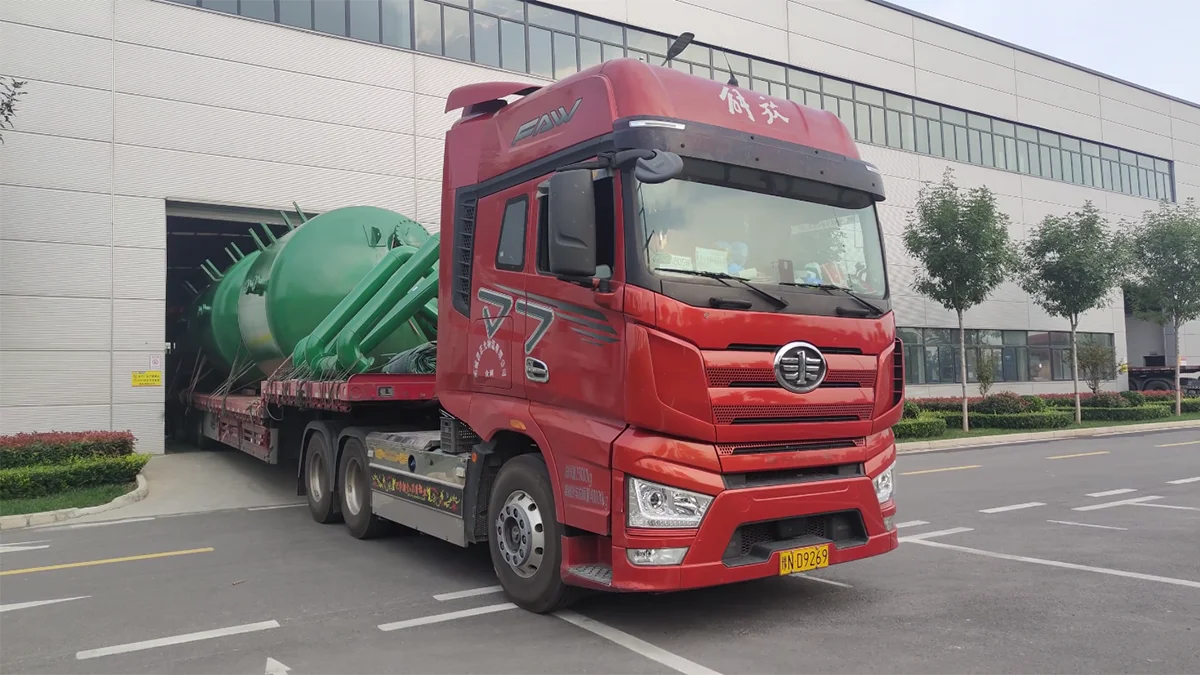
XINXIANG LIFEIERTE FILTER CORP., LTD.
- Manufacturer, Trading Company
- Henan, China
- Lead time7 days
- Avg. response≤ 2h
Main productsWater Treatment Equipment,Oil Filtration Equipment,Air Purification Equipment,Water Purification Equipment,Oil Purification Equipment
Main marketsDomestic Market(40.00%), Southeast Asia(15.00%), North America(8.00%), Oceania(6.00%), Mid East(6.00%), South America(6.00%), Eastern Europe(5.00%), Africa(4.00%), Eastern Asia(4.00%), South Asia(2.00%), Western Europe(1.00%), Central America(1.00%), Southern Europe(1.00%), Northern Europe(1.00%)

GOLDSOL(WUHAN)HIPOT TEST EQUIPMENT FACTORY
- Verified by SGS
- Trading Company,Manufacturer/Factory
- China Hubei
- Lead time15 days
- Avg. response≤ 1h
Main productsVlf Hipot Testers, AC Hipot Tester, DC Hipot Tester, Resonant Test Set, Micro Ohmmeter, Tan Delta Tester, Primary Current Injection, Secondary Current Injection, CT PT Analyzer, Circuit Breaker Analyzer
Main marketsSouth America,Eastern Europe,Mid East,North America,Southeast Asia,Eastern Asia,Oceania,Western Europe,Africa

Hebei Yongkun Metal Products Co., Ltd.
- Combined
- China Hebei
- Lead time15 days
- Avg. response≤ 5h
Main productsWedge Wire Screen, Gabion, Sintered Mesh, Knitted Mesh, Metal Conveyor Belt, Stainless Steel Wire Mesh, Filter Element, Mining Screen, Filter Disc, Perforated Sheet
Main marketsSouth America,Africa,Southeast Asia/ Mideast,East Asia(Japan/ South Korea),Europe,North America

Chongqing TOP Oil Purifier Co., Ltd.
- Verified by TUVRHEINLAND
- Combined
- China Chongqing
- Lead time15 days
- Avg. response≤ 8h
Main productsOil Purifier, Oil Purification, Oil Filtration, Oil Recycling, Oil Treatment, Oil Regeneration, Oil Restoration, Oil Filtering, Waste Oil Disposal, Reclaimation
Main marketsSouth America,Africa,Southeast Asia/ Mideast,East Asia(Japan/ South Korea),Domestic,Europe,Australia,North America


Engine Oil Filter Recycling Machine/Crude Oil Recycling to Diesel Fuel Oil Machine
$5000.00 - $35000.00
MOQ: 1 Sets


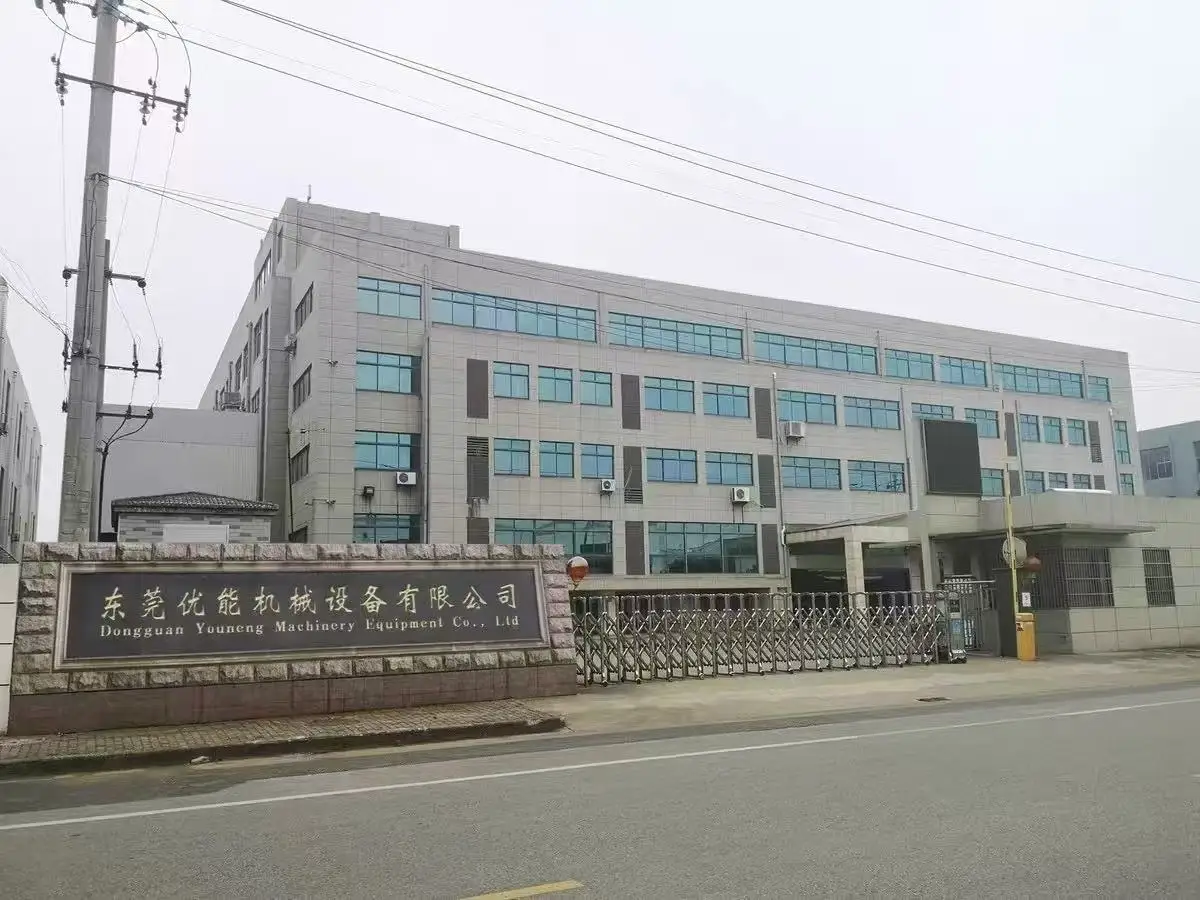
Dongguan Youneng Machinery Equipment Co., Ltd.
- Trading Company
- Guangdong, China
- Lead time7 days
- Avg. response≤ 2h
Main productsoil filter,waste oil filter,filters,Kitchen waste treatment equipment
Main marketsCentral America(10.00%), Mid East(10.00%), Southeast Asia(10.00%), South America(10.00%), North America(10.00%)
Chongqing Meiheng Electric & Machinery Co., Ltd.
- Manufacturer, Trading Company
- Chongqing, China
- Lead time30 days
- Avg. response≤ 2h
Main productsOil Purifier, High Efficiency Vacuum Transformer Oil Purifier, Fire Resistant Oil Appropriative Purifier, Pyrolysis Oil Distillation Plant, Coalescence and Separation Oil Equipment
Main marketsDomestic Market(75.00%), Southeast Asia(10.00%), Mid East(8.00%), Eastern Europe(5.00%), South America(2.00%)
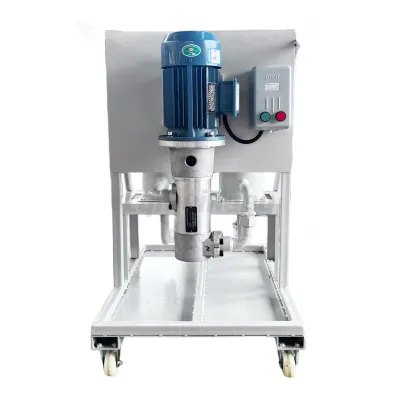
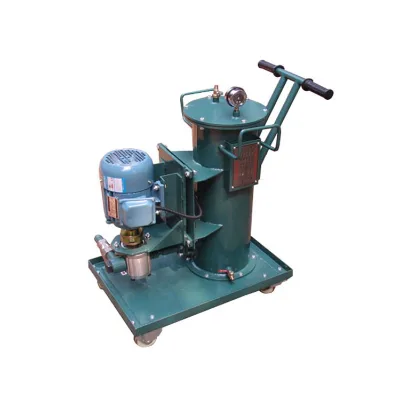
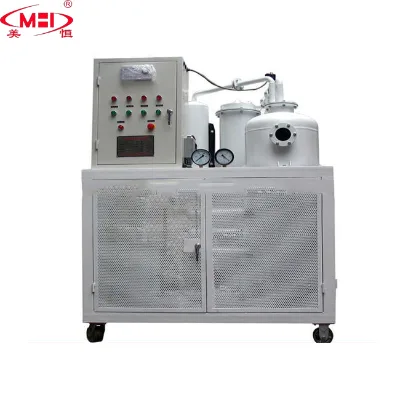
$1377.00 - $1446.00
MOQ: 1 sets
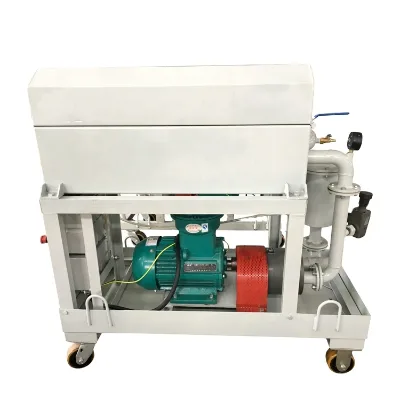
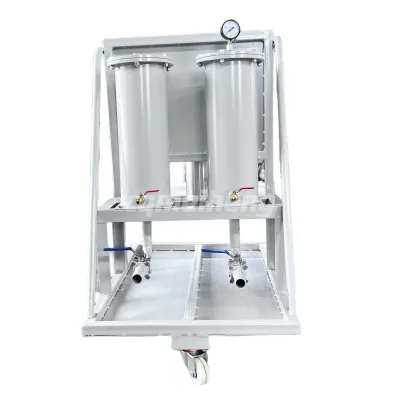
Professional Oil Filter Machine Remove Impurities for Longer Oil Use
$820.00 - $888.00
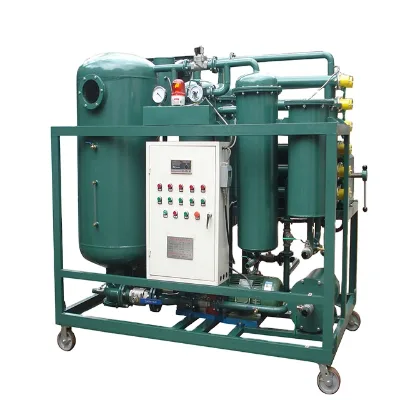
Professional Turbine Oil Filtration Equipment - Enhance Oil Quality
$4732.00 - $5038.00
Xinxiang Dongfeng Filter Technology Co., Ltd.
- Verified by TüVRheinland
- Manufacturer, Trading Company
- Lead time15 days
- Avg. response≤ 2h
Main productsOil Filters, Filter Elements, Filtration Machines, Air Filter, Hydraulic Accessories
Main marketsDomestic Market(60%), North America(8%), Southeast Asia(6%)
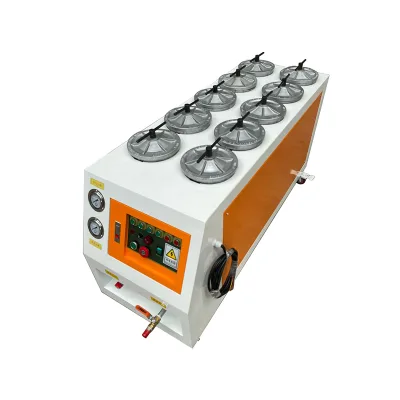
High Precision Oil Filter Stainless Steel Fully Automatic Hydraulic Oil Filter Manufacturer
$3900.00 - $4000.00
MOQ: 1 pieces
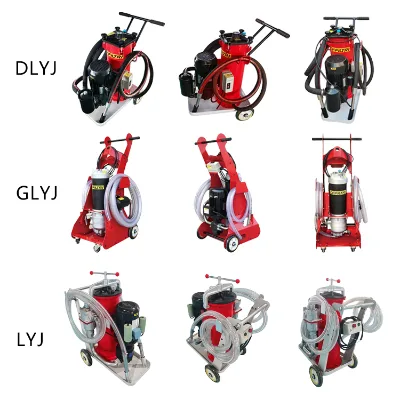
High Precision Hand Push Hydraulic System Oil Filter Oil Filter Car
$1400.00 - $1480.00
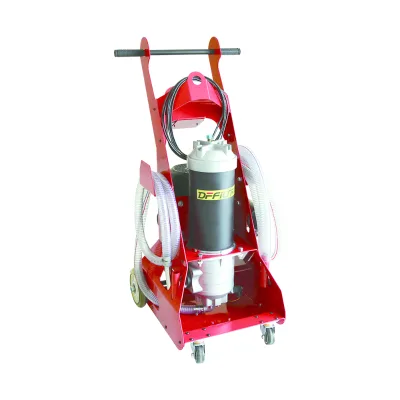
DFFILTRI centrifuge oil filter system oil purifier oil filter manufacturer
$1400.00 - $1480.00
MOQ: 1 pieces
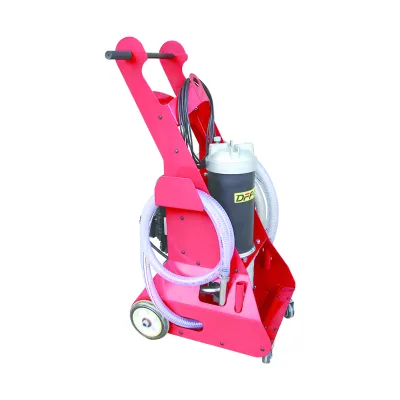
$1442.3468 - $1524.7678
MOQ: 1 pieces
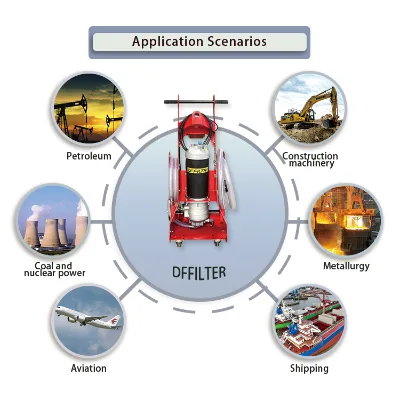
Mine Machinery Machine Lubricating Oil Treatment Oil Filter Price
$1200.00 - $1400.00

Henan Lewin Industrial Development Co., Ltd.
- Verified by TUVRHEINLAND
- Manufacturer/Factory
- China Henan
- Lead time23 days
- Avg. response≤ 2h
Main productsOil Presser, Filling Machine, Roasting Machine, Peeling Machine, Oil Refinery System
Main marketsSouth America,Eastern Europe,Mid East,North America,Southeast Asia,Eastern Asia,Western Europe,Africa

Commercial Crude Oil Filter Automatic Centrifugal Oil Filtering Machine
$800.00 - $980.00
MOQ: 1 Pieces

Commercial Centrifugal Oil Filter Crude Oil Cleaning Machine Filtering Machine
$520.00 - $850.00
MOQ: 1 Pieces

Automatic Centrifugal Oil Filter Machine Stainless Steel Crude Oil Filtration Machinery
$490.00 - $980.00
MOQ: 1 Pieces


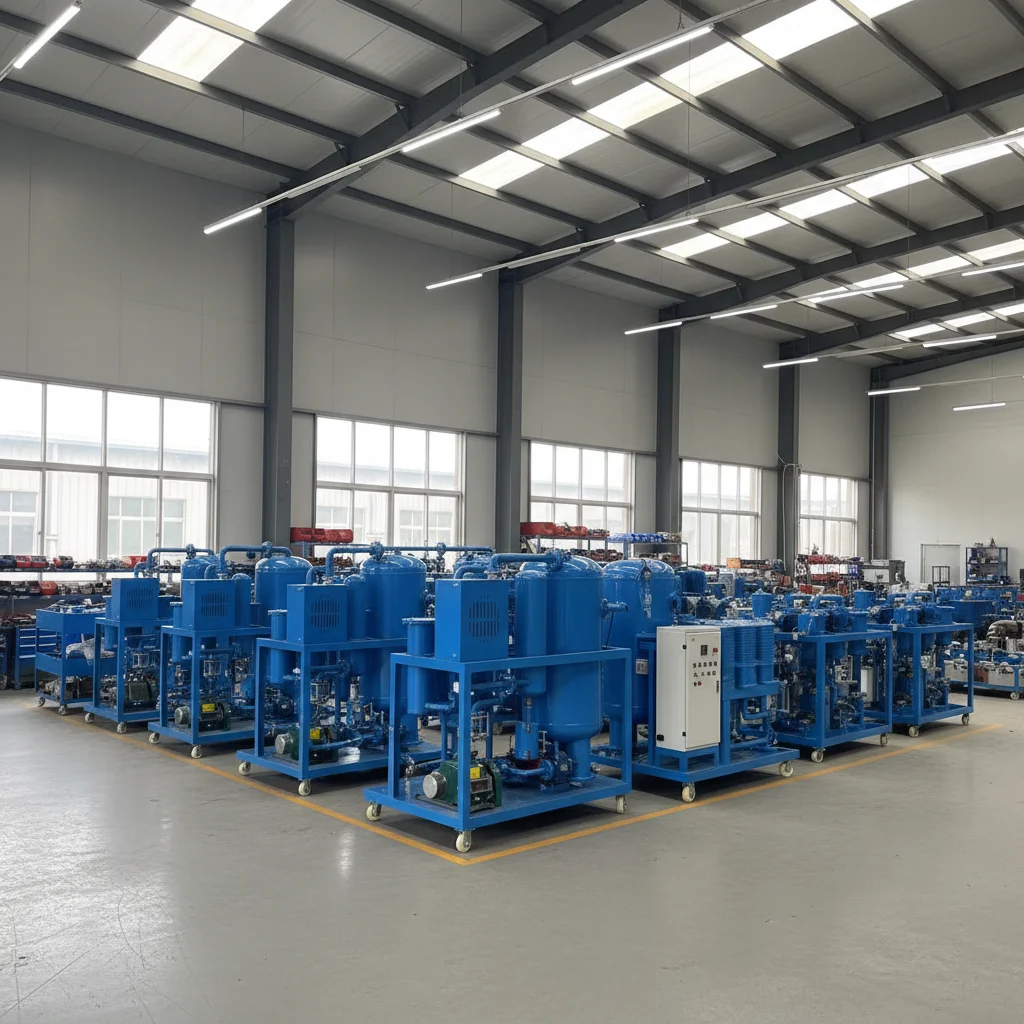
Chongqing Kaiqian Oil Purifier Manufacture Co., Ltd.
- Manufacturer, Trading Company
- Chongqing, China
- Lead time20 days
- Avg. response≤ 2h
Main productsOil Purifier Machine,Transformer Oil Purifier,Vacuum Oil Purifier,Waste Oil Distillation Plant,Diesel Oil Distillation Machine
Main marketsDomestic Market(40.00%), Africa(10.00%), South Asia(10.00%), Mid East(10.00%), Oceania(5.00%), Southeast Asia(5.00%), Northern Europe(3.00%), Eastern Europe(3.00%), Southern Europe(3.00%), Eastern Asia(3.00%), South America(3.00%), North America(2.00%), Western Europe(2.00%), Central America(1.00%)
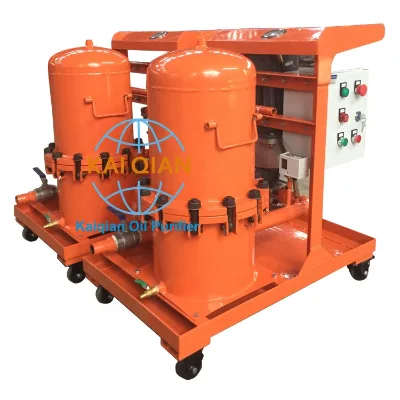
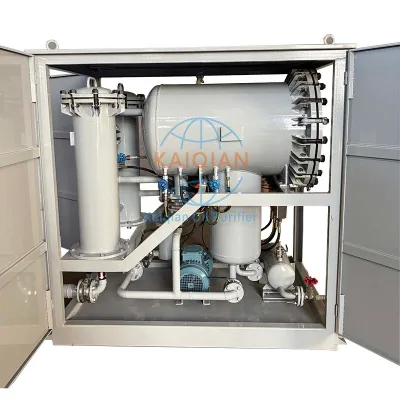
$4000.00 - $5000.00
MOQ: 1 sets
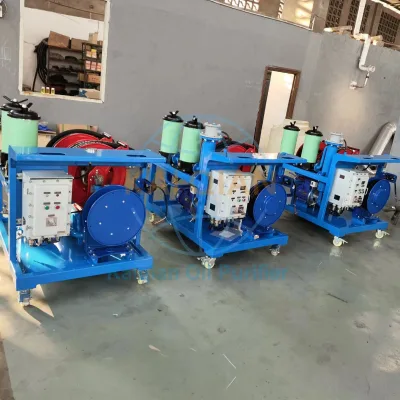
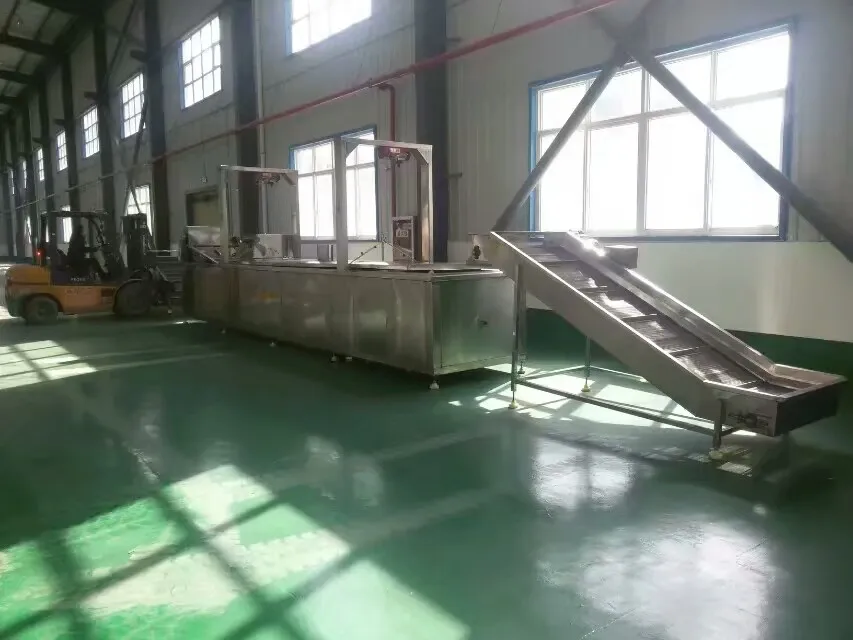
Zhengzhou Heze Machinery Co., Ltd.
- Trading Company
- Henan, China
- Lead time25 days
- Avg. response≤ 6h
Main productsFood Making Machine,Fabric cutting machine,Western Kitchen Equipments,Fruit and Vegetable Processing Machine,Cutting machine
Main marketsNorth America(20.00%), Eastern Europe(15.00%), Central America(10.00%), Western Europe(10.00%), Africa(10.00%), Southeast Asia(10.00%), South America(10.00%), Northern Europe(5.00%), Mid East(5.00%), South Asia(2.00%), Eastern Asia(2.00%), Domestic Market(1.00%)
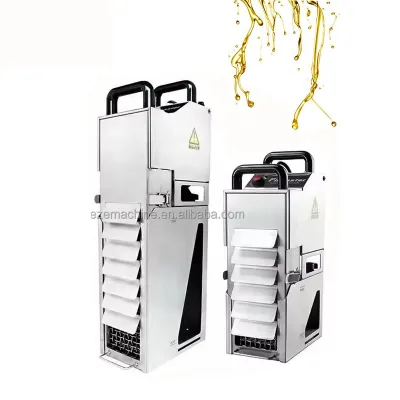
$493.4978 - $508.9195
MOQ: 1 sets
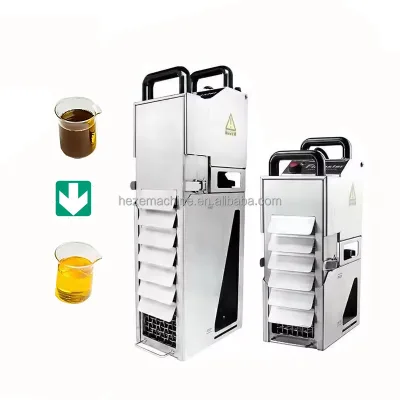
Environmentally Used Car Oil Recycling Machine Filter Making Machine
$493.4978 - $508.9195
MOQ: 1 sets
Langfang Hangjian Heavy Industry Machinery Co., Ltd.
- Manufacturer, Trading Company
- Hebei, China
- Lead time15 days
- Avg. response≤ 2h
Main productsMethane Separator,Petroleum associated gas filter,Liquid Ammonia Filter,biogas purifier,Aviation Kerosene Aggregator
Main marketsDomestic Market(9.00%), Africa(8.00%), South Asia(8.00%), South America(8.00%), Northern Europe(7.00%), Central America(7.00%), Eastern Asia(7.00%), Mid East(7.00%), Southeast Asia(6.00%), North America(5.00%)
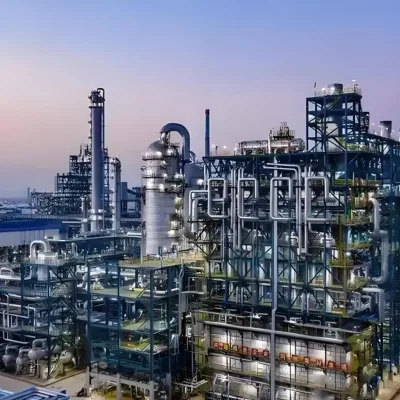
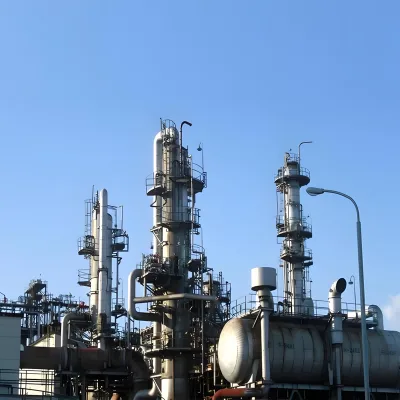
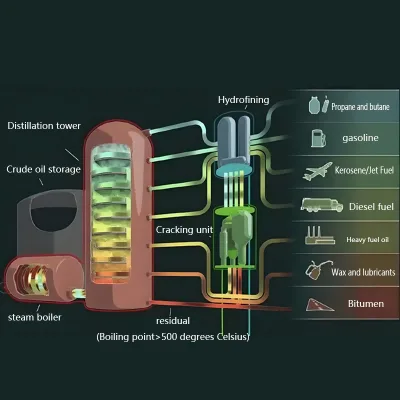
OEM Petroleum Filters, Filtration Equipment Petroleum Sand Removal Equipment
$9760.4387 - $10068.6631
MOQ: 1 pieces

Xinxiang Lvda Purification Equipment Corporation
- Verified by BV
- Combined
- China Henan
- Lead time15 days
- Avg. response≤ 4h
Main productsHydraulic Filter, Air Compressor Filter, Compressed Air Filter, Air Filter, Coalescence Separator Filter, Oil Filter, Metal Filter, Compressor Parts, Oil Purifier Machine, Water Treatment Equipment
Main marketsSoutheast Asia/ Mideast

HENAN WIN-GLOBAL MACHINERY AND EQUIPMENT CO., LTD.
- Verified by SGS
- Trading Company,Manufacturer/Factory
- China Henan
- Lead time30 days
- Avg. response≤ 5h
Main productsScrew Oil Press, Oil Expeller Machine, Small Oil Refinery, Palm Oil Press, Sunflower Oil Extraction Machine, Coconut Oil Expeller, Spiral Oil Press, Oil Extractor, Oil Extruder
Main marketsSoutheast Asia,Africa

Crude Oil Refine Filters Vacuum Separator Machine Durable Gross Vacuum Oil Filter
$720.00 - $1500.00
MOQ: 1 Pieces


JIANGSU VIKING HYDRAULIC & PURIFICATION TECHNOLOGY CO., LTD.
- Verified by SGS
- Combined
- China Jiangsu
- Lead time15 days
- Avg. response≤ 5h
Main productsOil Filtration Machine, Oil Mist Demister., Oil Filter, Oil Filter Elements., Oil Puriifier, High Pressure Filter, Hydraulic Filter, Low Pressure Filters, Air Filter, Heat Exchanger
Main marketsSoutheast Asia/ Mideast,East Asia(Japan/ South Korea),Europe,Australia

Chongqing Rexon Oil Purification Co., Ltd.
- Verified by BV
- Trading Company,Manufacturer/Factory
- China Chongqing
- Lead time15 days
- Avg. response≤ 1h
Main productsOil Purifier Machine, Oil Purification Machine, Oil Filtration System, Oil Filter, Vacuum Oil Purifier, Vacuum Oil Dehydation Plant, Transformer Oil Purifier, Transformer Oil Filter, Lube Oil Purifier, Hydraulic Oil Filtration Unit
Main marketsSouth America,Eastern Europe,Mid East,North America,Southeast Asia,Eastern Asia,Oceania,Western Europe,Africa

Hydraulic Oil Purifier, Oil Filter, Oil Dehydrator for Used Dirt Oil Recycling
$5000.00 - $50000.00
MOQ: 1 Pieces

Advanced Diesel Oil Filtration System, Diesel Oil Processing Machine, Diesel Oil Filtering Unit
$2000.00 - $5000.00
MOQ: 1 Pieces

Shenzhen Hengrong Water Treatment Equipment Co., Ltd
- Verified by CTI
- Trading Company
- China Guangdong
- Lead time15 days
- Avg. response≤ 5h
Main productsWater Treatment Equipment Filter Water Puri, Water Purification Equipment, Reverse Osmosis Equipment, Integrated Sewage Equipment, Filter, Sanitary Storage Tanks, UV Sterilizer, Stirring The Can, Radiator, Mixing and Dosing Equipment
Main marketsAfrica,Domestic


Durable Precision Filter for Weak Corrosive Water and Oil Separation High Throughput
$1000.00
MOQ: 1 Pieces
- Trading Company
- Henan, China
- Lead time7 days
- Avg. response≤ 2h
Main productshydraulic filter,fuel filter,water filter,gas filter,dust filter
Main marketsEastern Europe(60.00%), Africa(10.00%), Mid East(10.00%), Oceania(8.00%), North America(6.00%), Eastern Asia(3.00%), South America(3.00%)

HENAN SHULIY MACHINERY CO., LTD.
- Verified by TUVRHEINLAND
- Trading Company
- China Henan
- Lead time30 days
- Avg. response≤ 6h
Main productsPacking Machinery, Food Processing Machinery, Agriculture Processing Machinery, Wood Processing Machinery, Charcoal Processing Machinery, Plastic Processing Machinery, Waste Recycling Machinery, Metal Processing Machinery, Paper Processing Machinery
Main marketsAfrica,Southeast Asia/ Mideast,Europe,North America

ANPING HUANSI WIRE MESH PRODUCTS CO., LTD.
- Verified by SGS
- Combined
- China Hebei
- Lead time15 days
- Avg. response≤ 3h
Main productsStainless Steel Wire Mesh, Decorative Metal Mesh, Conveyor Belt, Chain Conveyor, Wire Mesh Fence, Perforated Metal, Water Ripple Sheet, Steel Grating, Copper Wire Mesh, Stainless Steel Wire Rope Mesh
Main marketsNorth America


High Quality Hydraulic Return Oil Filter for Machine Oil Filter Element
$1.50 - $2.00
MOQ: 10000 Pieces

Chongqing Acore Filtration Co., Ltd.
- Manufacturer, Trading Company
- Chongqing, China
- Lead time15 days
- Avg. response≤ 3h
Main productstransformer oil purifier,lube oil purifier,turbine oil purifier,hydraulic oil filtration machine,vacuum pump machine
Main marketsDomestic Market(20.00%), Southeast Asia(10.00%), Africa(10.00%), South America(10.00%), North America(5.00%), South Asia(5.00%), Southern Europe(5.00%), Northern Europe(5.00%), Central America(5.00%), Western Europe(5.00%), Eastern Asia(5.00%), Mid East(5.00%), Oceania(5.00%), Eastern Europe(5.00%)
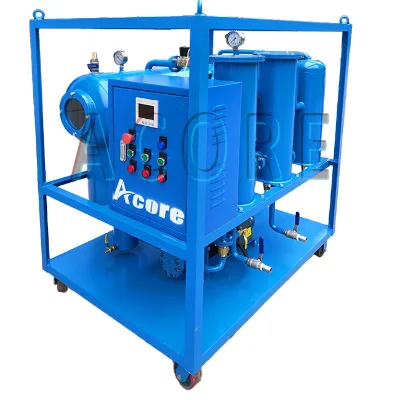
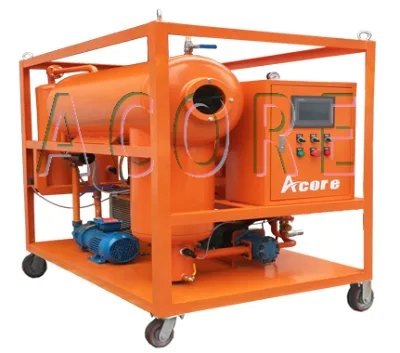
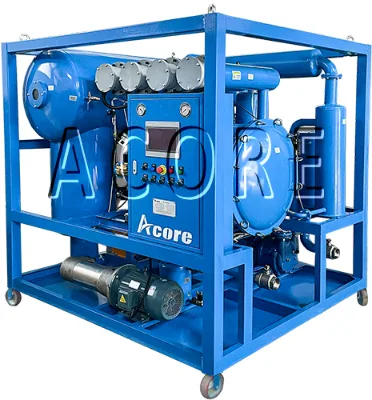
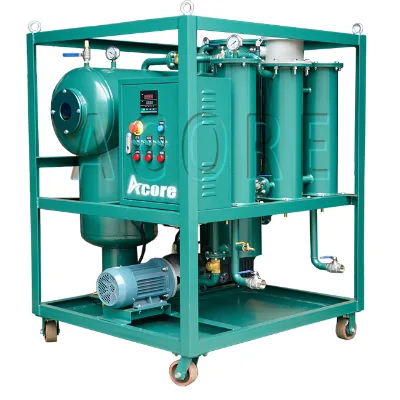
Mobile Hydraulic Oil Filtration Equipment Oil Double Stage Processing Systems
$5144.1183
MOQ: 1 Minimum

- Verified by TUVRHEINLAND
- Manufacturer/Factory
- China Anhui
- Lead time23 days
- Avg. response≤ 6h
Main productsFilter, Car Filter, Construction Machinery, Air Filter, Oil Filter, Color Sorter and Parts, Separator Flter, Hydraulic Filter, Air Compressor, Air Compressor Kits
Main marketsEastern Europe,Mid East,Southeast Asia,Eastern Asia,Oceania,Africa


Hydraulic Filter Element Oil Filter Machine Hydraulic Oil Filter 1300r100W/Hc
$11.80 - $16.00
MOQ: 5 Pieces

Dongguan Youneng Environmental Protection Technology Co., Ltd.
- Manufacturer, Trading Company
- Guangdong, China
- Lead time7 days
- Avg. response≤ 10h
Main productswaste oil filter machine,filter machine,filters
Main marketsSoutheast Asia(20.00%), Mid East(20.00%), Africa(15.00%), South Asia(10.00%), Eastern Asia(10.00%), Domestic Market(5.00%), Oceania(5.00%), Western Europe(5.00%), South America(5.00%), North America(5.00%)

Hebei Fuxin Purification Equipment Co., Ltd.
- Verified by CTI
- Combined
- China Hebei
- Lead time30 days
- Avg. response≤ 25h
Main productsAir Filter Element, Industrial Series, Compressed Air Filter Cartridge, Dust Filter, Liquid Filter Cartridge, Hydraulic Oil Filter Element, Lubricating Oil Filter Element, Oil Water Separation Filter Element, Fuel/Gas Filter Cartridge
Main marketsSoutheast Asia/ Mideast,Domestic,Europe,Australia


Customizable Hydraulic Oil Filter for Special Hydraulic System Requirements
$10.90 - $26.70
MOQ: 100 Pieces
Anping Beilang Wire Mesh Products Co., Ltd.
- Manufacturer, Trading Company
- Hebei, China
- Lead time0 days
- Avg. response≤ 6h
Main productsstainless steel wire mesh filter,Perforated panel,stainless steel woven wire mesh,Stainless Steel wire mesh filter cylinder,Wire mesh product
Main marketsNorth America(20.00%), Western Europe(10.00%), Northern Europe(10.00%), Domestic Market(10.00%), Africa(10.00%), Southern Europe(10.00%), Eastern Europe(10.00%), Central America(10.00%), South America(5.00%), South Asia(2.00%), Eastern Asia(1.00%), Mid East(1.00%), Southeast Asia(1.00%)

Kwlid (Jiangsu) Intelligent Equipment Manufacturing Co., Ltd.
- Verified by SGS
- Manufacturer
- China Jiangsu
- Lead time15 days
- Avg. response≤ 4h
Main productsCable Drag Chain, Bellows Cover, Chip Conveyor, Oil Mist Collector, Cantilever Control Box
Main marketsSouth America,Africa,Southeast Asia/ Mideast,Europe,Australia,North America


Automatic Filter for Customized Size Cutting Oil Filtration Solutions
$800.00 - $1200.00
MOQ: 1 Pieces

High-Performance Cutting Oil Filter for CNC Used Liquid Filtration Applications
$800.00 - $1200.00
MOQ: 1 Pieces

High-Efficiency Automatic Filter for Industrial Cutting Oil Recovery System
$800.00 - $1200.00
MOQ: 1 Pieces

Customized High-Performance Eco-Friendly Separator Filter for Oil Applications
$500.00 - $700.00
MOQ: 1 Pieces

Xinxiang Jun Filters and Chemical Co.,Ltd
- Verified by BV
- Trading Company
- China Henan
- Lead time15 days
- Avg. response≤ 2h
Main productsRO Membrane, Hydraulic Oil Filter, Stainless Steel Sintered Filter Element, High Flow Filter Element, PP Pleated Filter Cartridge, Filter Housing, Wire Wound Filter Element, Wedge Wire Filter Panel, Air Filter Element, Coalescing Filter Element
Main marketsSouth America,Africa,Southeast Asia/ Mideast,East Asia(Japan/ South Korea),Europe,Australia,North America

Replace Hydraulic Oil Filter Element Cartridge Filter Rolling Mill Oil Filter
$10.00 - $30.00
MOQ: 1 Pieces

Hot Selling Manufacturers Supply Stainless Steel Hydraulic Oil Filter Element
$10.00 - $30.00
MOQ: 1 Pieces

Return Oil Filter Stainless Steel Sintered Factory Direct Hydraulic Filter
$10.00 - $30.00
MOQ: 1 Pieces

High Quality Filter Element Made of Stainless Steel Hydraulic Oil Filter
$10.00 - $30.00
MOQ: 1 Pieces

Langfang Qiangshi Filtration Equipment Co., Ltd.
- Verified by CTI
- Combined
- China Hebei
- Lead time15 days
- Avg. response≤ 1h
Main productsFilter, Hydraulic Filter, Air Filter, Dust Filter, Steel Mill Filter Element, HEPA Filter, Oil Mist Filter Element for Oil Purifier, Cjc Filter, Hydac Filter, Parker Filter Element
Main marketsDomestic








Comprehensive Sourcing Guide
Crude Oil Precision Filter Oiler Supplier Concentration and Factory Types
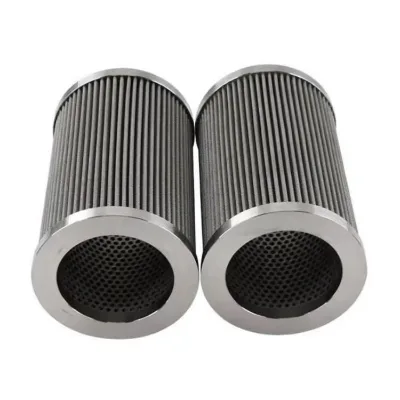
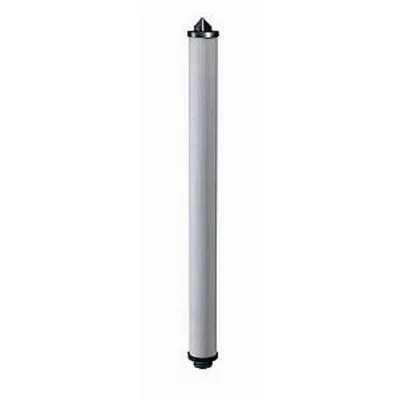
The current supplier landscape for Crude Oil Precision Filter Oiler components reveals a distinct geographic concentration in Henan, China, where manufacturers and trading companies operate side-by-side. This region hosts entities that produce specialized filtration elements, such as hydraulic oil filters with fiberglass media, indicating a robust local supply chain for industrial filtration materials. Buyers evaluating these suppliers should note that the primary product offerings often include water treatment, oil purification, and air purification equipment, suggesting that many factories possess versatile manufacturing capabilities rather than specializing exclusively in crude oil applications. The presence of both manufacturer and trading company types in this cluster allows buyers to choose between direct factory pricing and the logistical flexibility of trading partners. Understanding this mix is crucial for assessing whether a supplier can handle custom OEM orders or if they are limited to standard catalog items. The concentration in Henan suggests that logistics infrastructure and raw material access for fiberglass and metal components are well-established, which can influence production stability and cost structures for international buyers seeking reliable filtration solutions.
In contrast, other significant sourcing hubs include Hubei and Hebei provinces, each offering different supplier profiles and product specializations. Suppliers in Hubei often focus on broader electrical testing equipment and oil purification machines, such as transformer oil purifiers, which may overlap with crude oil filtration needs but serve different industrial sectors. These entities frequently hold ISO 9001 certification and undergo SGS verification, providing a layer of quality assurance that buyers can leverage when evaluating potential partners. Meanwhile, suppliers in Hebei tend to specialize in metal-based filtration products like wedge wire screens and sintered mesh, which are critical for heavy-duty industrial filtration applications. The company types in these regions vary from combined entities to pure manufacturers, each offering distinct advantages in terms of customization and production capacity. Buyers must carefully distinguish between suppliers who primarily sell generic filtration elements and those who offer specialized crude oil processing equipment, as the technical requirements and performance standards differ significantly. This diversity in supplier types and locations provides a wide range of options for sourcing, but it also requires diligent verification to ensure that the selected supplier’s expertise aligns with the specific demands of crude oil precision filtration.
How to Verify Crude Oil Precision Filter Oiler Suppliers
Verifying the legitimacy and capability of Crude Oil Precision Filter Oiler suppliers requires a multi-layered approach that goes beyond basic company profiles. Buyers should prioritize suppliers who display clear verification badges, such as SGS verification, which indicates that an independent third party has assessed the company’s business credentials and operational capabilities. Additionally, checking for system certifications like ISO 9001 is essential, as it demonstrates a commitment to standardized quality management processes that are critical for producing consistent filtration products. For manufacturers, it is important to confirm whether they possess their own brand or offer OEM/ODM services, as this distinction often correlates with their ability to customize products to meet specific crude oil filtration requirements. Buyers should also examine the supplier’s response time, as a rapid response often indicates a well-organized sales and technical support team that can address complex queries about filtration accuracy and material compatibility. By cross-referencing these verification markers with the supplier’s stated main products, buyers can build a more accurate picture of the supplier’s actual capabilities and reliability in the market.
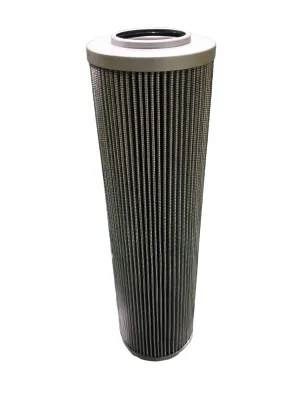
Beyond digital verification, buyers must scrutinize the technical details provided in product listings to ensure they align with crude oil filtration standards. Key attributes to verify include the filter material, such as fiberglass or metal sintered mesh, and the filtration accuracy, which may be specified in microns or as a filtration grade like ULPA. For instance, some suppliers offer elements with a filtration accuracy of 5 microns or 10 microns, while others may provide ULPA grade filters for ultra-fine particulate removal. Buyers should also check the maximum pressure ratings, such as 210 bar or 150 psi, to ensure the equipment can withstand the operational conditions of crude oil processing. Additionally, verifying the warranty terms, typically one year for many industrial filters, and the condition of the product, which should be new, helps mitigate post-purchase risks. Buyers should request detailed product specifications and test reports for any custom or high-precision filters, ensuring that the supplier can provide evidence of performance under real-world conditions. This thorough verification process helps buyers avoid suppliers who may lack the technical expertise or quality control measures necessary for reliable crude oil filtration solutions.
What to Compare Across Crude Oil Precision Filter Oiler Suppliers
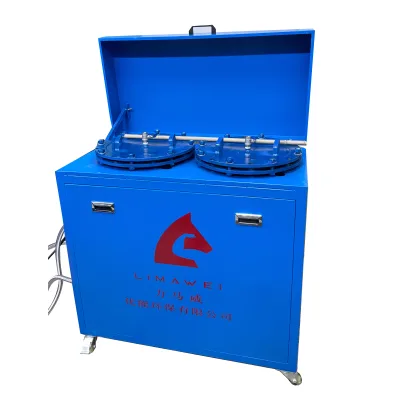
When comparing suppliers, buyers should focus on key operational metrics such as lead time, minimum order quantity (MOQ), and response speed to assess supply chain reliability. Suppliers in the current results show varying lead times, with some offering as little as 7 days for standard elements, while others may require up to 15 days for more complex purification machines. This variation can significantly impact production planning, especially for buyers with tight delivery schedules. Similarly, MOQs can range from single items for certain filter elements to higher quantities for larger oil purification units, influencing the initial investment and inventory management strategies. Response times also vary, with some suppliers responding within less than a day, while others may take several days, affecting the efficiency of the negotiation and specification process. By comparing these metrics, buyers can identify suppliers who offer the best balance of speed, flexibility, and cost-effectiveness for their specific procurement needs. It is also important to consider the supplier’s capacity for OEM and ODM services, as this can determine their ability to provide customized solutions for unique crude oil filtration challenges.
Product specifications and pricing structures are another critical area for comparison across different suppliers. Buyers should evaluate the range of main products offered, such as hydraulic oil filters, oil purification machines, and metal mesh screens, to ensure the supplier can meet diverse filtration needs. Pricing can vary widely, with some filter elements costing between $15 and $16 per unit, while larger oil purification machines may range from $2,300 to $19,000 depending on capacity and features. Buyers should also compare the technical attributes of the products, such as dimensions, weight, and bypass valve pressure, to ensure compatibility with their existing systems. Additionally, checking for customization options, such as available digital displays or specific packing requirements, can help buyers select suppliers who offer greater flexibility. By systematically comparing these factors, buyers can make informed decisions that align with their technical requirements and budget constraints, ensuring they select a supplier who can deliver high-quality Crude Oil Precision Filter Oiler solutions.
Common Crude Oil Precision Filter Oiler Sourcing Risks
One of the primary risks in sourcing Crude Oil Precision Filter Oiler components is the potential mismatch between supplier capabilities and specific technical requirements. Many suppliers offer a broad range of filtration products, including hydraulic oil filters and water purification equipment, which may not be optimized for the unique challenges of crude oil filtration, such as high viscosity or specific chemical compatibility. Buyers must carefully verify that the filter material, such as fiberglass or metal sintered mesh, is suitable for crude oil applications and can withstand the operational pressures and temperatures involved. Additionally, the filtration accuracy, whether specified in microns or as a grade like ULPA, must be confirmed to ensure it meets the purity standards required for crude oil processing. Failure to verify these technical details can result in equipment failure, reduced efficiency, or contamination of the crude oil, leading to significant operational disruptions and financial losses. Buyers should request detailed technical documentation and performance data from suppliers to mitigate this risk and ensure that the selected products are fit for purpose.
Another significant risk is the variability in supplier reliability and after-sales support, which can impact long-term procurement stability. Suppliers with longer lead times or slower response times may struggle to meet urgent delivery requirements or address technical issues promptly. Additionally, the lack of clear warranty terms or quality certifications, such as ISO 9001, can leave buyers vulnerable to defective products or inconsistent quality. Buyers should also be cautious of suppliers who do not offer customization options, as this may limit their ability to adapt to changing filtration needs or specific operational conditions. Furthermore, the geographic location of suppliers, such as those in Henan, Hubei, or Hebei, can influence logistics costs and delivery times, adding another layer of complexity to the sourcing process. To mitigate these risks, buyers should conduct thorough due diligence, including site visits or third-party audits, and establish clear communication channels with suppliers to ensure ongoing support and quality assurance. By proactively addressing these potential pitfalls, buyers can build a more resilient and reliable supply chain for their crude oil filtration needs.
Crude Oil Precision Filter Oiler Regional Sourcing and Logistics
Sourcing Crude Oil Precision Filter Oiler components from China offers access to diverse manufacturing clusters, each with distinct logistical advantages and challenges. Suppliers in Henan, for example, benefit from established industrial infrastructure and proximity to raw material sources, which can facilitate faster production and lower costs for standard filtration elements. However, buyers must consider the logistics of transporting these products internationally, including customs clearance and freight costs, which can vary depending on the destination and shipping method. Similarly, suppliers in Hubei and Hebei offer different logistical profiles, with Hubei’s focus on electrical testing equipment and Hebei’s specialization in metal mesh products potentially influencing the packaging and handling requirements. Buyers should work closely with suppliers to determine the most efficient shipping routes and packaging solutions, such as plywood cases or wooden crates, to ensure the safe delivery of fragile or heavy filtration equipment. Additionally, understanding the local regulations and export procedures in each province can help buyers avoid delays and ensure compliance with international trade standards.
The regional concentration of suppliers also impacts the availability of specialized services and support. Buyers sourcing from Henan may find a wider range of OEM and ODM options, as many manufacturers in this region are equipped to handle custom orders. In contrast, suppliers in other regions may focus more on standard products, limiting customization options but potentially offering more competitive pricing for bulk orders. Buyers should also consider the time zone differences and language barriers when coordinating with suppliers in different provinces, as these factors can affect communication efficiency and project management. By leveraging the strengths of each regional cluster, buyers can optimize their sourcing strategy to balance cost, quality, and delivery speed. It is also advisable to establish long-term relationships with suppliers in key regions to secure preferential treatment and better support for future orders. This strategic approach to regional sourcing can help buyers navigate the complexities of international procurement and ensure a steady supply of high-quality Crude Oil Precision Filter Oiler components.
Crude Oil Precision Filter Oiler Commercial Terms and Order Planning
Effective order planning for Crude Oil Precision Filter Oiler components requires careful attention to commercial terms, including pricing, payment conditions, and delivery schedules. Buyers should negotiate clear pricing structures that account for volume discounts, especially when ordering larger quantities of filter elements or oil purification machines. It is also important to clarify the payment terms, such as the use of escrow services or letters of credit, to protect against financial risks and ensure secure transactions. Additionally, buyers should establish realistic delivery timelines based on the supplier’s lead time and production capacity, allowing for buffer periods to handle potential delays or quality issues. By aligning commercial terms with operational needs, buyers can minimize disruptions and maintain a steady supply of critical filtration components. It is also advisable to include clauses for quality assurance and returns in the contract, providing recourse in case of defective products or non-compliance with specifications.
Long-term order planning should also consider the supplier’s capacity for customization and scalability. Buyers who require specialized filtration solutions should prioritize suppliers with strong OEM and ODM capabilities, ensuring that the supplier can adapt to changing technical requirements or production volumes. Additionally, buyers should monitor the supplier’s response time and communication efficiency, as these factors can impact the speed of order processing and issue resolution. By maintaining open lines of communication
FAQs
What filtration accuracy is available for hydraulic oil filters?
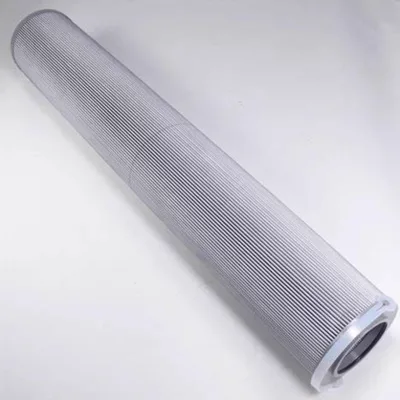
Suppliers offer hydraulic oil filter elements with filtration accuracy of 5 Micron or 10.0 µm. These high-precision fiberglass filter elements are designed for industrial equipment. The efficiency reaches 99%, ensuring effective removal of contaminants. Buyers can select from single items or bulk orders based on their specific machinery requirements.
What is the typical lead time for oil purification machines?
The typical lead time for oil purification machines is 7 to 15 days. Manufacturers in Henan and Hubei, China, provide these timelines for standard orders. Some suppliers offer faster response times, such as 0.87 hours, to facilitate quick communication. Buyers should confirm specific delivery schedules with the supplier before placing an order.
What certifications do oil purification machines have?
Oil purification machines typically hold CE standards for product compliance. Suppliers also maintain ISO 9001 system certifications to ensure quality management. These certifications verify that the equipment meets international safety and performance requirements. Buyers can rely on these standards when sourcing industrial oil filtration and purification equipment from verified manufacturers.
What is the price range for hydraulic oil filter elements?
The price range for hydraulic oil filter elements is between $15.00 and $16.00 per unit. These costs apply to self-produced substitute elements made of fiberglass. The filters are new condition with a one-year warranty. Buyers can purchase single items, making it suitable for various maintenance and replacement needs.
What is the minimum order quantity for oil purifiers?
The minimum order quantity for oil purifiers is one unit. Suppliers accept single-item purchases for models like the DYG-50. This low MOQ allows buyers to test equipment before larger commitments. Prices for these machines range from $2,300 to $19,000 depending on capacity and specifications.
What is the maximum pressure rating for oil filters?
The maximum pressure rating for oil filters is up to 210 bar. Some models have a bypass valve pressure of 50 psi and a max pressure of 150 psi. These ratings ensure the filters can handle high-pressure hydraulic systems. Buyers should match the filter pressure rating to their specific industrial equipment requirements.