Explosion Proof IR Camera Case Suppliers and Manufacturers
Compare 24 verified suppliers offering Explosion Proof IR Camera Case products from Shandong and Guangdong. Review response times, lead times, and material specifications to source metal or EVA housing options. Contact suppliers directly to verify MOQ and pricing details; review the available evidence before requesting comparable quotations from suitable candidates.
Updated
Suppliers List
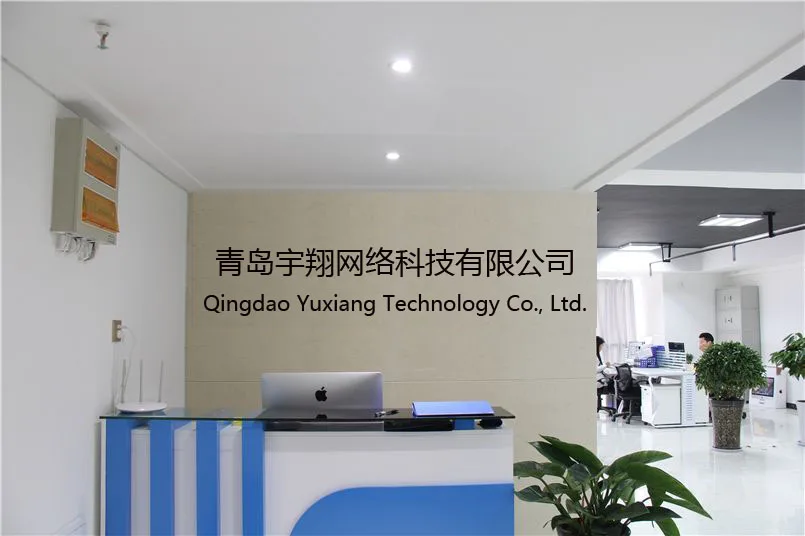
Qingdao Yuxiang Network Technology Co., Ltd.
- Trading Company
- Shandong, China
- Lead time5 days
- Avg. response≤ 5h
Main productsSecurity Camera,HDMI matrix switcher,Alarm system,Door access control,Explosion-proof case
Main marketsSoutheast Asia(15.00%), Eastern Asia(14.00%), South America(13.00%), North America(12.00%), Northern Europe(10.00%), Eastern Europe(9.00%), Western Europe(8.00%), South Asia(8.00%), Africa(5.00%), Mid East(4.00%), Central America(2.00%)
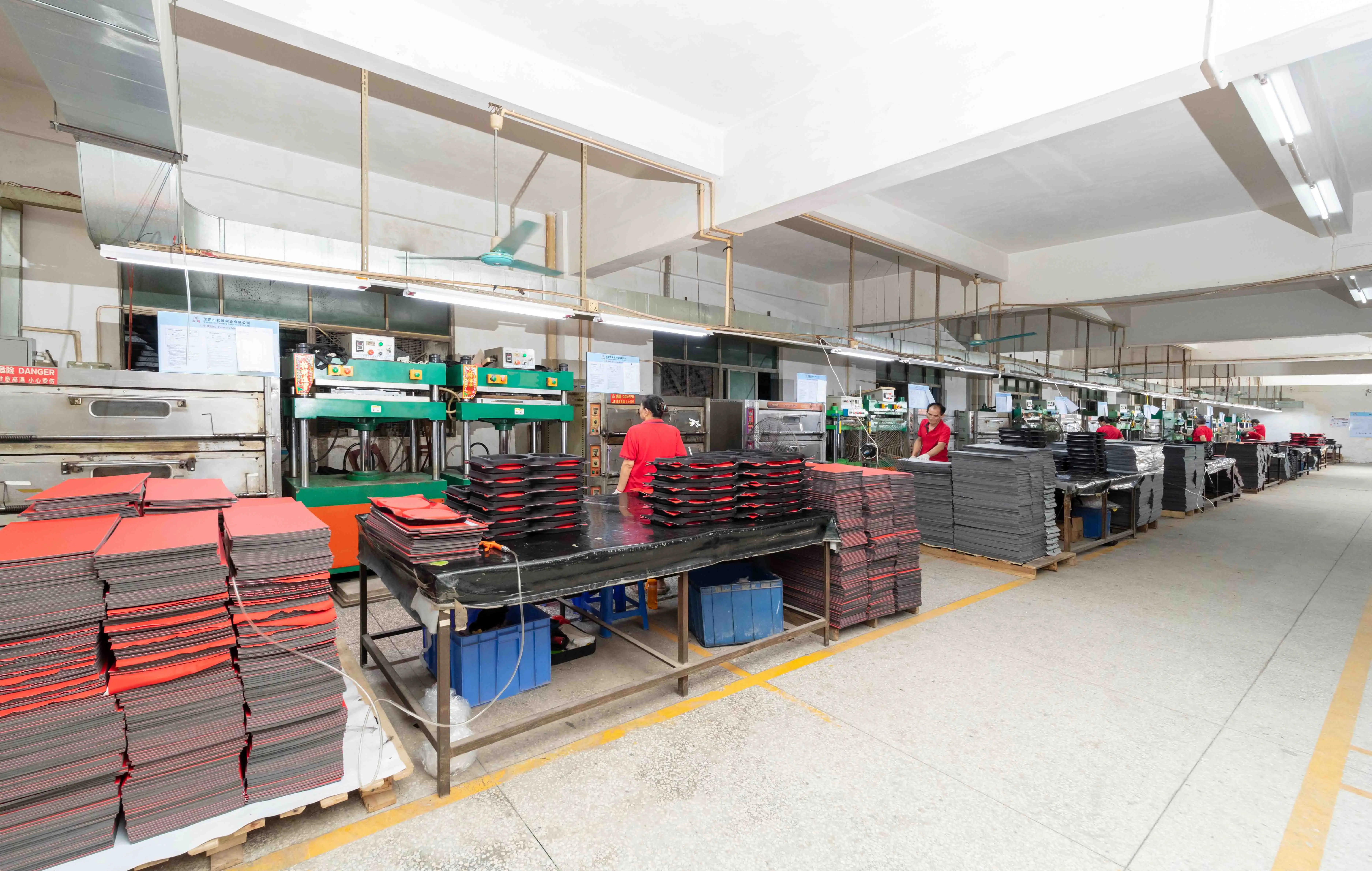
Dongguan Gufeng Industrial Co., Ltd.
- Manufacturer
- Guangdong, China
- Lead time0 days
- Avg. response≤ 1h
Main productseva case,carry case,medical case,abs case,motorcycle bag
Main marketsNorth America(30.00%), Domestic Market(15.00%), Northern Europe(10.00%), Western Europe(10.00%), Southeast Asia(10.00%), Eastern Europe(10.00%), South America(5.00%), South Asia(5.00%), Southern Europe(5.00%)
- Verified by Intertek
- Manufacturer, Trading Company
- Lead time30 days
- Avg. response≤ 2h
Main productsEVA Packaging Cases, EVA Mats
Main marketsEastern Europe(25%), North America(20%), Central America(15%)

Ningbo Uworthy Electronic Technology Co., Ltd.
- Manufacturer
- China Zhejiang
- Lead time15 days
- Avg. response≤ 5h
Main productsTool Case, Plastic Case, Plastic Box, Aluminum Case, Tool Box, Aluminum Box, Aluminum Enclosure, Storage Box, Equipment Case
Main marketsSoutheast Asia/ Mideast,Europe,North America

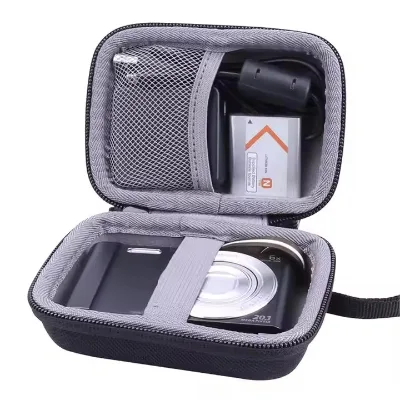
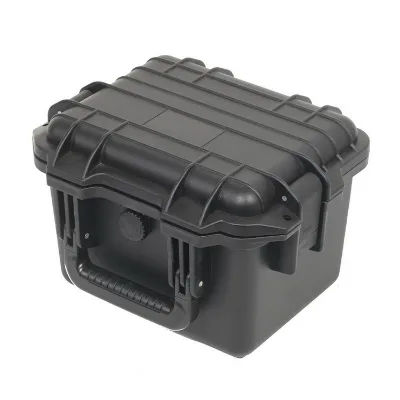
Shockproof Camera Safety Box ABS Sealed Waterproof Hard Boxes Equipment Case
$56.93 - $65.00
MOQ: 1 Pieces

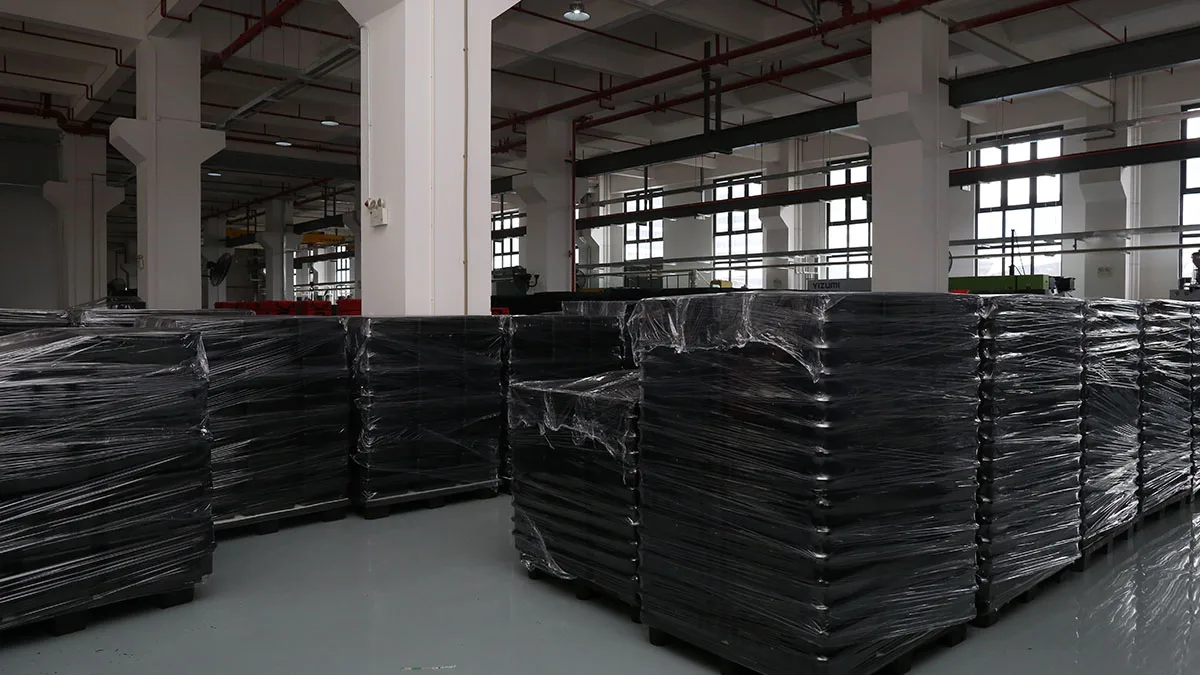
Tkc Technology (huizhou) Co., Ltd.
- Manufacturer, Trading Company
- Guangdong, China
- Lead time40 days
- Avg. response≤ 9h
Main productsHARD CASE,PP CASE,WATERPROOF CASE,PLASTIC CASE,TOOL CASE
Main marketsNorth America(30.00%), Northern Europe(20.00%), Eastern Europe(10.00%), Oceania(10.00%), Southern Europe(10.00%), South America(5.00%), Western Europe(5.00%), Central America(5.00%), South Asia(5.00%)
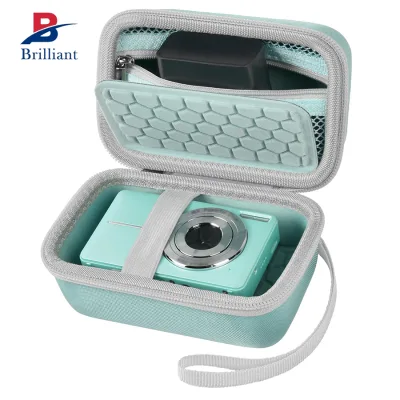
Jiangxi Brilliant Technology Co., Ltd.
- Verified by TüVRheinland
- Manufacturer, Trading Company
- Lead time20 days
- Avg. response≤ 2h
Main productsEVA Bags & Cases
Main marketsNorth America(50%), Eastern Asia(20%), Domestic Market(11%)
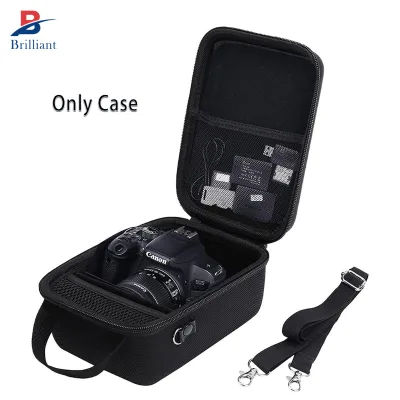
Custom Waterproof Eva Hard Travel Case for DSLR Camera Protective Eva Camera Case
$4.68 - $5.68
MOQ: 500
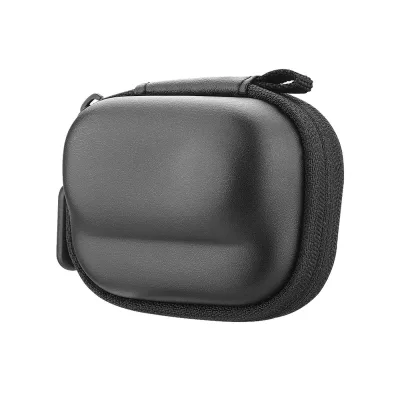
$4.28 - $5.16
MOQ: 500 pieces
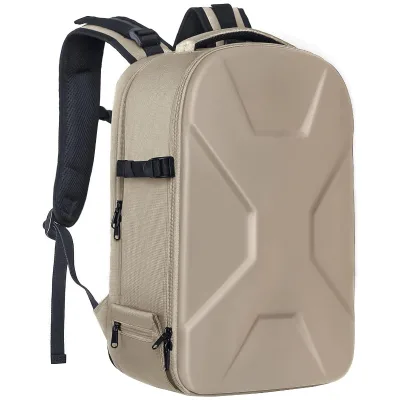
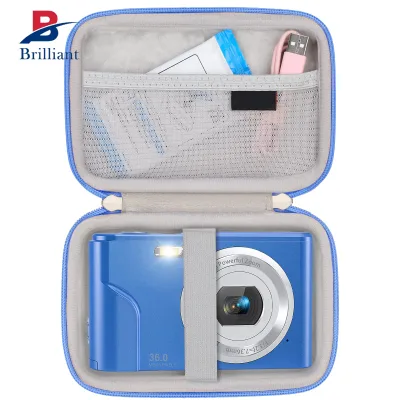
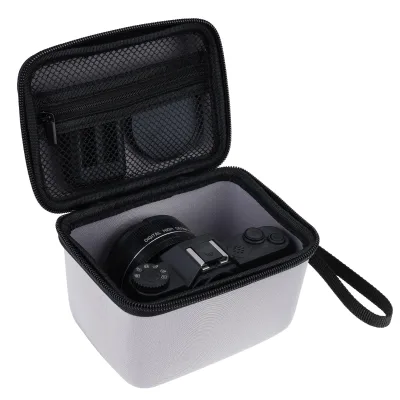
$2.0491 - $3.2903
MOQ: 500 pieces

Quanzhou Song Hu Bags Co., Ltd.
- Verified by BV
- Combined
- China Fujian
- Lead time30 days
- Avg. response≤ 2h
Main productsTravel Bag, Backpacks, School Bag, Cooler Bag, Bike Bags, Laptop Documents Briefcase, Documents Bag, Sports Bag, Hydration Bag, Mountain Backpacks
Main marketsDomestic

Jiangyin Chengran Cases And Bags Co., Ltd.
- Manufacturer, Trading Company
- Jiangsu, China
- Lead time25 days
- Avg. response≤ 10h
Main productsEva Case,Eva Box,Eva Bag,Eva Pouch,Non Woven Cloth Bag
Main marketsNorth America(55.00%), Western Europe(20.00%), Domestic Market(10.00%), Mid East(5.00%), Oceania(5.00%), Eastern Asia(5.00%)

Ningbo Sunyoung Enclosure Co., Ltd.
- Verified by TUVRHEINLAND
- Manufacturer/Factory
- China Zhejiang
- Lead time15 days
- Avg. response≤ 5h
Main productsPlastic Case, Aluminum Case, Rotomolded Case, Tool Storage Case, Aluminum Enclosure, Plastic Enclosure, Tool Box, Organizer Box, Cooler Box, EVA Case
Main marketsSouth America,Eastern Europe,Mid East,North America,Southeast Asia,Eastern Asia,Oceania,Western Europe,Africa


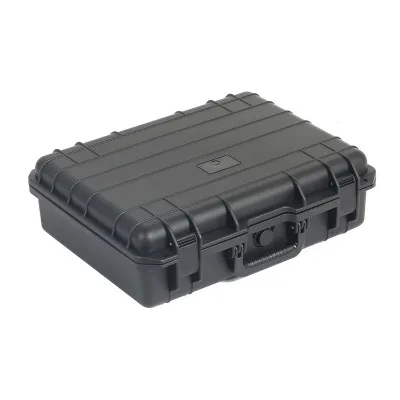
Factory Directly Sale Durable Protective Equipment Case for Camera Equipment
$92.50 - $96.50
MOQ: 1 Pieces


Dongguan North Stars Technology Co., LTD
- Verified by Intertek
- Manufacturer, Trading Company
- Lead time0 days
- Avg. response≤ 2h
Main productsEVA Case, ABS Case
Main marketsEastern Asia(40%), North America(35%), Western Europe(15%)
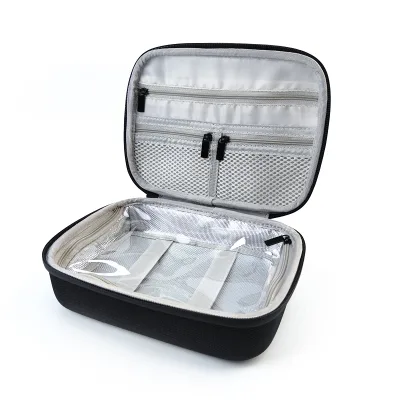
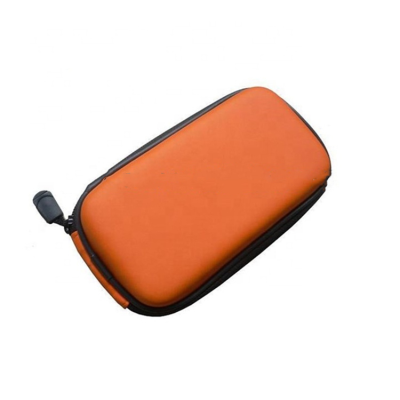
Factory Portable Custom EVA Digital Cameras Case Security Cameras Bag
$2.4044 - $2.6083
MOQ: 500 pieces
Guangzhou G-Cover Leather Trading Co., Ltd.
- Manufacturer, Distributor/Wholesaler, Other
- Guangdong, China
- Lead time20 days
- Avg. response≤ 3h
Main productsRangefinder Case,laptop bag,6 darts case,Diving material 3C digital bag,Golf Glove Case storage bag
Main marketsNorthern Europe(90.00%), Central America(90.00%), Western Europe(90.00%), South Asia(90.00%), Southern Europe(90.00%), Oceania(90.00%), Southeast Asia(90.00%), Eastern Europe(90.00%), South America(90.00%), North America(90.00%), Mid East(5.00%), Eastern Asia(3.00%), Domestic Market(1.00%)
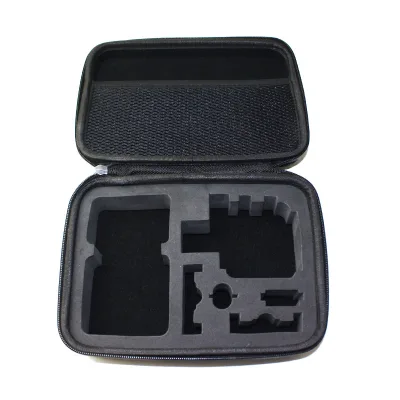
$3.14 - $3.28
MOQ: 500 pieces
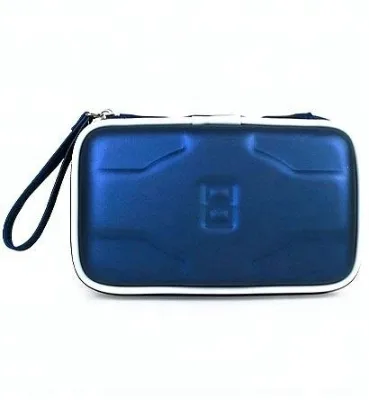
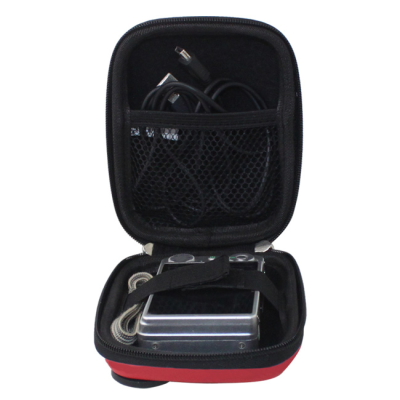
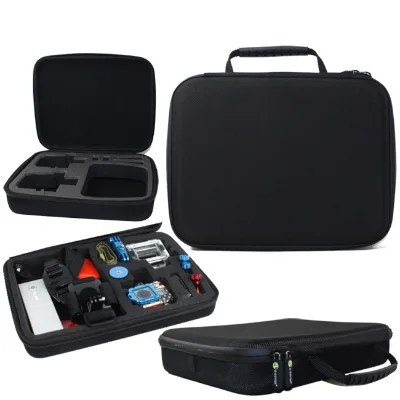

Dongguan Prosperity Sports Goods Co., Ltd.
- Verified by SGS
- Trading Company,Manufacturer/Factory
- China Guangdong
- Lead time23 days
- Avg. response≤ 4h
Main productsEVA Case, EVA Tool Bag, EVA Pouch, Neoprene Can Cooler, Knee Support, Laptop Bag, Neoprene Lunch Bag, Neoprene Beer Cooler, Ankle Support, Waterproof Dry Bag
Main marketsSouth America,Eastern Europe,Mid East,North America,Southeast Asia,Eastern Asia,Oceania,Western Europe,Africa
Hongteng Bag (dongguan) Co., Ltd.
- Manufacturer
- Guangdong Province, China
- Lead time30 days
- Avg. response≤ 2h
Main productsEVA Case,EVA Bag,EVA Box,Bsgs,3C Electronics Cases and Bags
Main marketsNorth America(90.00%), Eastern Asia(10.00%)
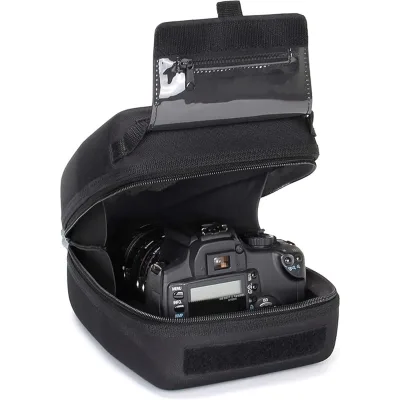
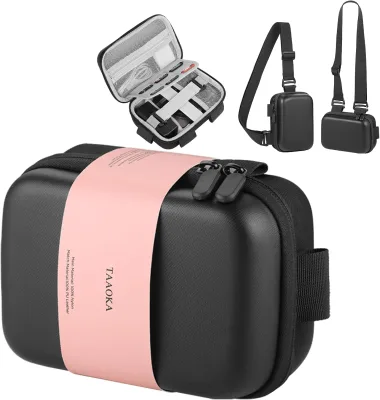
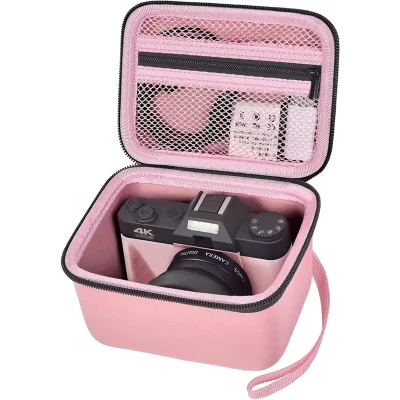
$4.4235 - $4.506
MOQ: 500 bags
Zhongshan Beidou Wonderful Electronic Technology Co., Ltd.
- Manufacturer, Trading Company
- Guangdong, China
- Lead time20 days
- Avg. response≤ 3h
Main productsPlastic cases,Tool case,Hard cases,OEM cases,Aluminum cases
Main marketsDomestic Market(65.00%), Northern Europe(8.00%), North America(8.00%), Southeast Asia(5.00%), Western Europe(5.00%), Eastern Europe(5.00%), Eastern Asia(2.00%), South Asia(2.00%)

- Verified by TUVRHEINLAND
- Combined
- China Jiangsu
- Lead time30 days
- Avg. response≤ 2h
Main productsAluminum Case, Tool Bag, Tool Case, Flight Case, Cosmetic Case, Briefcase, Poker Chip Case, Road Case, Tool Kit, Equipment Case
Main marketsSoutheast Asia/ Mideast,Europe,North America
Dongguan Chengyi Handbag Co., Ltd.
- Verified by TüVRheinland
- Manufacturer, Trading Company
- Lead time15 days
- Avg. response≤ 4h
Main productsLuggage, Children's Luggage, 3C Electronic Luggage, Tool Kit, Diving Storage Bag
Main marketsNorth America(30%), Domestic Market(28%), South America(10%)
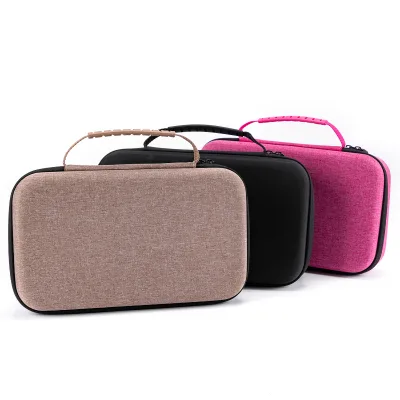
$3.2948 - $3.6036
MOQ: 500 pieces
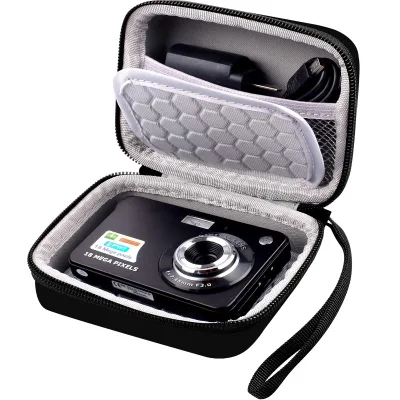
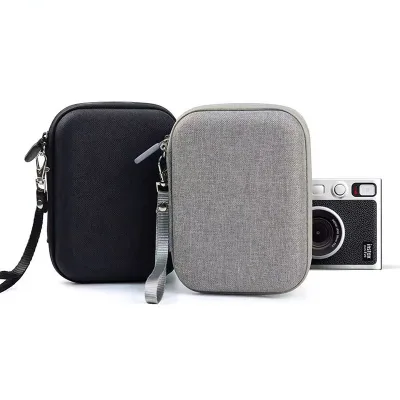
Ningbo Hongnian Packaging Co., Ltd.
- Trading Company
- Zhejiang, China
- Lead time0 days
- Avg. response≤ 3h
Main productsTool Case,Storage Case,Medical Case,Custom EVA Case,Carry Case
Main marketsCentral America(30.00%), South America(23.00%), North America(19.00%), Eastern Europe(10.00%), Northern Europe(9.00%), Southern Europe(6.00%), Western Europe(3.00%)
CHANGZHOU MFT METAL PRODUCTS CO.,LTD
- Manufacturer, Trading Company
- Jiangsu, China
- Lead time15 days
- Avg. response≤ 3h
Main productsAluminum Case,rotomolding box,Metal Enclosure,Plastic Enclosure,Hardware tools
Main marketsDomestic Market(50.00%), Southeast Asia(20.00%), Northern Europe(15.00%), North America(10.00%), Southern Europe(5.00%)

Dongguan Lianping Luggage Products Co., Ltd.
- Verified by BV
- Combined
- China Guangdong
- Lead time23 days
- Avg. response≤ 10h
Main productsEVA Case, EVA Pencil Case, EVA Earphone Case, EVA Headphone Case, EVA Power Bank Case, EVA Tool Storage Case, EVA Camera Case, EVA Electronic Storage Case, EVA Tablet Storage Case, EVA Bra Storage Case
Main marketsSouth America,Africa,Southeast Asia/ Mideast,East Asia(Japan/ South Korea),Europe,Australia,North America


Wholesale OEM Customized Specialized Protective Shockproof Hard EVA Case for Camera
$1.99 - $2.25
MOQ: 500 Pieces

Wholesale OEM Customized Specialized Waterproof Shockproof Hard EVA Case for Camera
$1.45 - $1.69
MOQ: 500 Pieces

DB Imps&exps Co.(Guangzhou) Ltd.
- Manufacturer, Trading Company, Buying Office
- Guangdong, China
- Lead time10 days
- Avg. response≤ 22h
Main productswaterproof hard case,gun case,camera case,pistol case,hard plastic case
Main marketsNorthern Europe(10.00%), South America(10.00%), North America(10.00%), Oceania(8.00%), Southeast Asia(6.00%), Mid East(5.00%), Southern Europe(5.00%), Western Europe(4.00%), Eastern Europe(4.00%), South Asia(3.00%), Central America(3.00%), Eastern Asia(2.00%), Africa(2.00%), Domestic Market(1.00%)
Tengdafei Digital Technology (Dongguan) Co., Ltd.
- Verified by TüVRheinland
- Manufacturer, Trading Company
- Lead time7 days
- Avg. response≤ 1h
Main productsPhotographic Equipment, Digital Accessories, Precision Hardware, Outdoor Equipment
Main marketsDomestic Market(90%), North America(10%)
Shenzhen JXY Technology Co., Ltd.
- Manufacturer
- Guangdong, China
- Lead time15 days
- Avg. response≤ 4h
Main productsEVA Cases/Tablet Cases,Tool Cases,Travel Bags,Sport Bags
Main marketsNorth America(35.00%), Western Europe(20.00%), Domestic Market(17.00%), Eastern Asia(15.00%), Southern Europe(5.00%), Northern Europe(3.00%), South America(2.00%), Eastern Europe(1.00%), Mid East(1.00%), Southeast Asia(1.00%)
Guangzhou Baolin Plastic Manufacturer Co., Ltd.
- Verified by TüVRheinland
- Manufacturer, Trading Company
- Lead time15 days
- Avg. response≤ 3h
Main productsProtective Cases, Safety Cases, Plastic Hard Cases, Tool Cases, Equipment Cases
Main marketsDomestic Market(22%), North America(20%), Eastern Europe(10%)
- Verified by Intertek
- Trading Company
- Lead time35 days
- Avg. response≤ 3h
Main productsWaterproof Case, Tool Case, Hunting Case, Equipment Case, Camera Drone Case
Main marketsWestern Europe(10%), Southern Europe(10%), North America(9%)
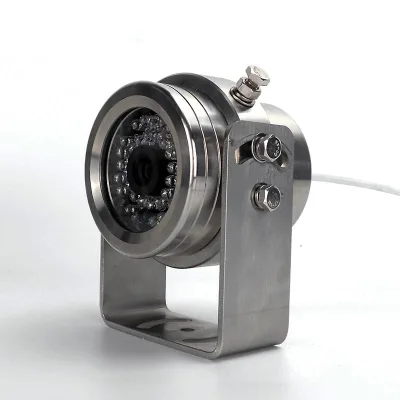
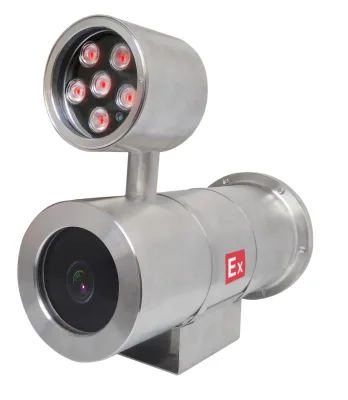




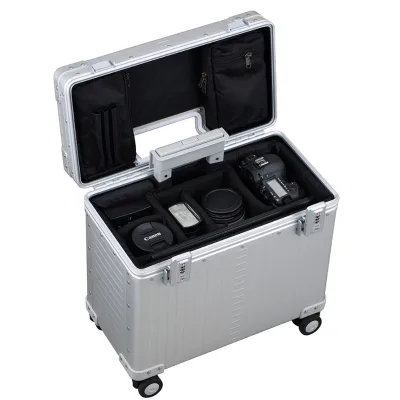


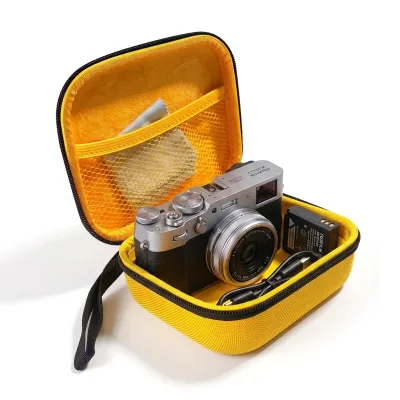
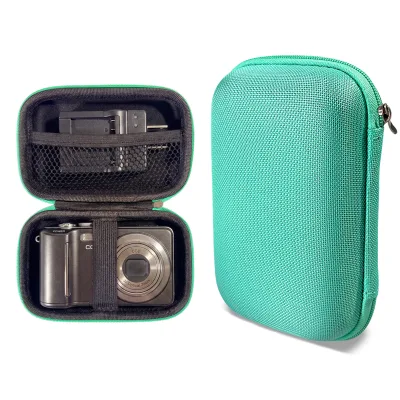
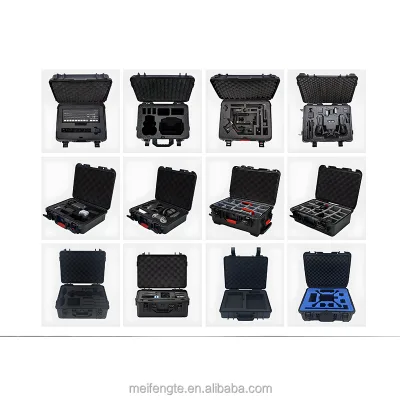
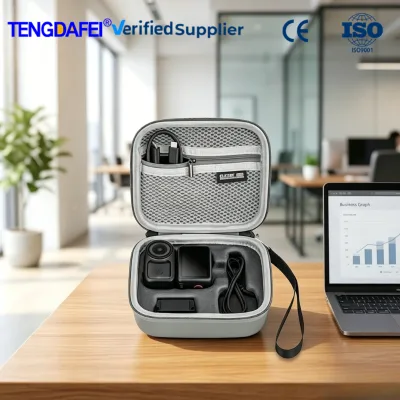
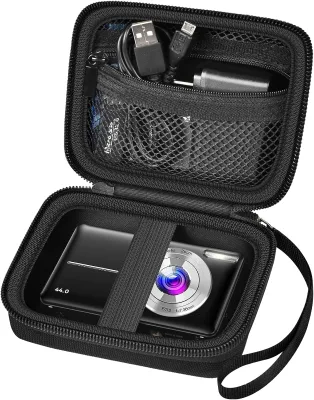
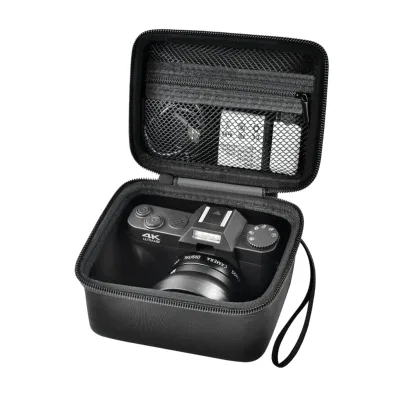
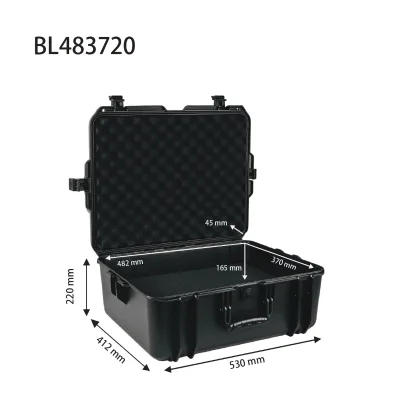
Comprehensive Sourcing Guide
Explosion Proof IR Camera Case Supplier Concentration and Factory Types
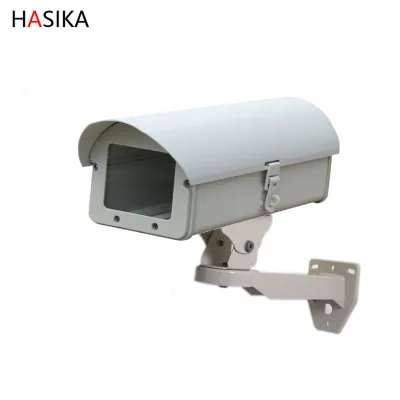
The current supplier landscape for explosion-proof IR camera cases reveals a distinct split between manufacturing capabilities and trading operations, primarily concentrated in specific Chinese provinces. Evidence indicates that suppliers are located in both Shandong and Guangdong regions, suggesting that buyers can source from multiple industrial clusters depending on their specific material and engineering requirements. In Shandong, the available suppliers are identified as trading companies, which often act as intermediaries connecting buyers with various manufacturing partners. These trading entities typically offer a broad range of security-related products, including security cameras, HDMI matrix switchers, alarm systems, and door access control units, alongside the explosion-proof camera housings. This diversification suggests that Shandong-based suppliers may provide comprehensive security solutions rather than specialized housing manufacturing. The presence of trading companies in this region implies that buyers might benefit from consolidated shipping or broader product catalogs, although direct factory communication may be less immediate.
Conversely, suppliers located in Guangdong are identified as manufacturers, offering a different value proposition focused on direct production and customization. These manufacturers specialize in protective cases, including EVA cases, carry cases, medical cases, and motorcycle bags, indicating a strong capability in material processing and protective packaging engineering. The distinction between trading companies and manufacturers is critical for buyers evaluating the supply chain for explosion-proof IR camera cases. Manufacturers in Guangdong may offer more direct control over production quality, material selection, and customization options, such as private molds and customized designs. This structural difference affects how buyers should approach supplier selection, as trading companies might offer faster access to existing inventory or broader product ranges, while manufacturers provide deeper integration into the production process. Understanding this concentration helps buyers target the right type of partner for their specific sourcing needs, whether they prioritize product variety or manufacturing control.
How to Verify Explosion Proof IR Camera Case Suppliers
Verifying the legitimacy and capability of suppliers requires a systematic approach to checking their declared attributes and operational metrics. Buyers should start by examining the company type, distinguishing between trading companies and manufacturers, as this impacts direct communication and quality control. For instance, some suppliers are explicitly labeled as trading companies, while others are manufacturers, which influences the level of direct involvement in the production process. Additionally, response time is a key indicator of supplier reliability and engagement. Suppliers with faster response times, such as those reporting a response time of 1 or 5, may offer more agile communication, which is crucial for resolving technical queries or negotiating custom specifications. Buyers should prioritize suppliers who demonstrate prompt responsiveness, as this often correlates with better customer service and operational efficiency.
Beyond response times, buyers must verify product-specific details to ensure they align with their technical requirements. Product attributes such as material composition, place of origin, and specific certifications should be cross-referenced with the supplier’s claims. For example, some products are made from metal, while others use EVA or PU materials, each offering different levels of protection and durability. Buyers should also check for certifications like REACH or ISO9001, which indicate adherence to quality and environmental standards. Furthermore, the presence of OEM support and private mold capabilities suggests that suppliers can accommodate custom designs, which is essential for specialized explosion-proof applications. By systematically verifying these attributes, buyers can build a reliable shortlist of suppliers who meet their technical and operational criteria, reducing the risk of sourcing from unverified or mismatched partners.
What to Compare Across Explosion Proof IR Camera Case Suppliers
When evaluating multiple suppliers, buyers should compare key operational metrics such as lead time, MOQ, and pricing to determine the best fit for their procurement strategy. Lead time is a critical factor, with some suppliers reporting a lead time of 5 days, while others may have different production schedules. Understanding these timelines helps buyers plan their inventory and manage project deadlines effectively. Additionally, MOQ varies significantly across suppliers, with some requiring a minimum order of 500 PCS, while others may accept lower quantities. Buyers should assess whether their order volume aligns with the supplier’s MOQ to avoid unnecessary costs or stockouts. Comparing these metrics allows buyers to identify suppliers who offer the most favorable terms for their specific order size and delivery requirements.
Pricing is another essential dimension for comparison, with costs ranging from approximately $1.99 to $107.00 per unit, depending on the product type and specifications. Metal explosion-proof housings tend to be more expensive due to their robust construction and specialized materials, while EVA cases offer a more cost-effective solution for general protection. Buyers should also consider the single gross weight and package dimensions, as these factors impact shipping costs and logistics planning. For instance, a metal housing may weigh 1.5 kg or more, while an EVA case might be lighter, affecting overall freight expenses. By comparing pricing, weight, and dimensions, buyers can calculate the total landed cost and select suppliers that offer the best value proposition. This comprehensive comparison ensures that buyers make informed decisions based on both direct costs and logistical considerations.
Common Explosion Proof IR Camera Case Sourcing Risks
Sourcing explosion-proof IR camera cases involves several potential risks that buyers must mitigate through careful due diligence. One significant risk is the mismatch between product specifications and actual delivery, particularly when dealing with trading companies that may not have direct control over manufacturing processes. Buyers should verify that the materials and construction methods meet the required explosion-proof standards, as substandard products can pose safety hazards in hazardous environments. Additionally, the reliance on OEM support and private molds introduces risks related to intellectual property and production consistency. Buyers must ensure that their designs are protected and that the supplier can maintain quality across large production runs. Failure to address these risks can lead to product failures, safety incidents, and reputational damage.
Another common risk is the variability in supplier responsiveness and lead times, which can disrupt supply chain operations. Suppliers with slower response times or inconsistent lead times may struggle to meet urgent project deadlines, causing delays in deployment. Buyers should also be cautious of suppliers who do not provide clear information about certifications or testing results, as this may indicate a lack of compliance with industry standards. Furthermore, the use of customized designs and private molds requires close collaboration with the supplier to ensure that the final product meets all technical requirements. Buyers should establish clear communication channels and regular check-ins to monitor production progress and address any issues promptly. By proactively identifying and mitigating these risks, buyers can ensure a smoother sourcing process and reliable product delivery.
Explosion Proof IR Camera Case Regional Sourcing and Logistics
The regional distribution of suppliers in Shandong and Guangdong offers buyers access to diverse industrial ecosystems, each with unique logistical advantages. Shandong-based suppliers, often trading companies, may benefit from established export channels and a broad network of manufacturing partners, facilitating easier access to a variety of products. This region’s focus on security systems and accessories suggests a mature supply chain for integrated solutions, which can be advantageous for buyers seeking comprehensive security packages. On the other hand, Guangdong-based manufacturers specialize in protective cases and packaging, leveraging the region’s expertise in material processing and customization. This specialization allows for more tailored solutions, such as private molds and customized designs, which are critical for specialized explosion-proof applications.
Logistics planning should consider the single package size and weight of the products, as these factors directly impact shipping costs and handling requirements. For example, metal explosion-proof housings may have larger dimensions and higher weights, requiring careful packaging and freight selection to minimize damage and costs. Buyers should also evaluate the supplier’s location relative to major ports and logistics hubs to optimize shipping routes and reduce transit times. Additionally, the availability of OEM support and customization options may influence the choice of supplier, as buyers with specific design requirements may prefer manufacturers in Guangdong for their direct production capabilities. By aligning regional sourcing strategies with logistical considerations, buyers can enhance supply chain efficiency and reduce overall procurement costs.
Explosion Proof IR Camera Case Commercial Terms and Order Planning
Effective order planning requires a thorough understanding of commercial terms, including pricing structures, payment conditions, and delivery schedules. Buyers should negotiate clear terms that align with their budget and cash flow requirements, ensuring that pricing is transparent and competitive. For instance, metal explosion-proof housings may have higher unit costs but offer greater durability, while EVA cases provide a more affordable option for less demanding environments. Buyers should also consider the MOQ and lead time when planning orders, as these factors influence inventory management and project timelines. Suppliers with lower MOQs may be more suitable for small-scale projects, while those with higher MOQs may offer better economies of scale for larger orders.
Payment terms and escrow services can also play a crucial role in mitigating financial risks. Buyers should prioritize suppliers who offer secure payment options and clear refund policies to protect their investments. Additionally, the availability of certifications and quality assurance measures should be verified to ensure that products meet industry standards. By carefully planning orders and negotiating favorable commercial terms, buyers can optimize their procurement strategy and achieve better value for their investments. This approach ensures that buyers can manage their supply chain effectively, reducing risks and enhancing overall operational efficiency.
FAQs
What is the price range for explosion proof camera cases?
Explosion proof camera cases typically range from $11.50 to $107.00 per unit. Prices vary based on material, such as metal or EVA, and specific features like waterproofing or analog camera support. Buyers should check individual product listings for exact pricing tiers and bulk discounts.
What materials are used for explosion proof camera housings?
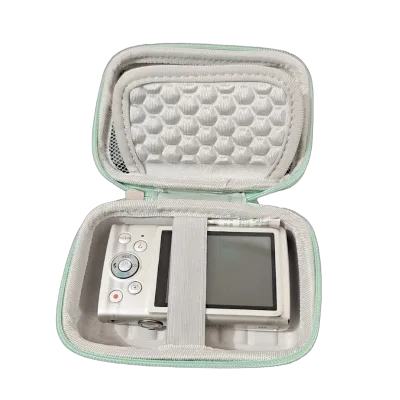
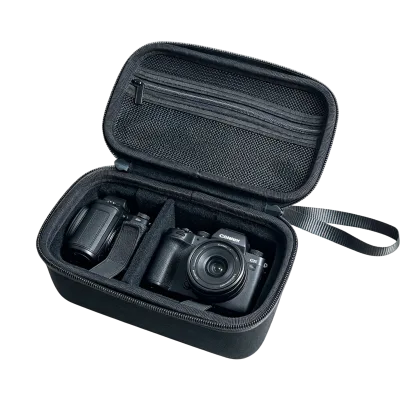
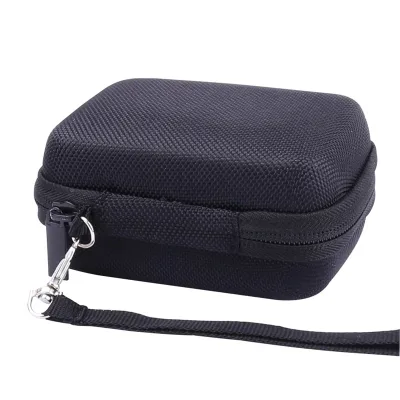
Common materials include metal, stainless steel, and EVA. Metal housings offer robust protection for surveillance cameras, while EVA cases provide lightweight, dustproof, and waterproof storage for digital and action cameras. Some products combine PU, EVA, and velvet for enhanced durability and shock absorption.
What is the minimum order quantity for these cases?
Minimum order quantities vary by supplier and product type. For example, some EVA camera carrying cases require a minimum order of 300 pieces, while others may require 500 pieces. Buyers should verify the specific MOQ for each product listing to ensure it aligns with their procurement needs.
Where are these suppliers located?
Suppliers for explosion proof camera cases are primarily located in Shandong and Guangdong, China. These regions are known for manufacturing security accessories and protective cases. Buyers can filter results by location to find suppliers closer to their logistics hubs or with specific regional manufacturing capabilities.
Do suppliers offer OEM and customization services?
Yes, many suppliers support OEM and ODM services. Buyers can request customized designs, private molds, and logo printing on products like EVA cases and metal housings. Customization options often include specific dimensions, colors, and materials to meet unique branding or functional requirements for surveillance equipment.
What is the typical response time for suppliers?
Supplier response times generally range from 1 to 5 hours. Faster response times, such as 1 hour, are often associated with manufacturers in Guangdong, while trading companies in Shandong may have slightly longer response windows. Quick responses indicate active customer service teams ready to assist with inquiries.
Are certifications available for these camera cases?
Some products, particularly EVA cases, come with certifications like REACH and ISO9001. These certifications ensure compliance with international quality and safety standards. Buyers should request specific certification documents for metal housings and other products to verify they meet regulatory requirements for their target markets.