Fine Sand Recovery Hydraulic Cyclone Suppliers and Manufacturers
Compare 29 verified suppliers offering Fine Sand Recovery Hydraulic Cyclone units with varying lead times, certifications, and prices. Review response times and customization options to select the right partner for your mining or construction needs; review the available evidence before requesting comparable quotations from suitable candidates.
Updated
Suppliers List

Shanxi Huazhan Wear Resistant Material Co., Ltd.
- Verified by SGS
- Combined
- China Shanxi
- Lead time15 days
- Avg. response≤ 8h
Main productsWear-Resistant Pipe, Ceramic Lined Steel Pipe, Ceramic Patch Straight Tube, Alumina Liner, Hydrocyclone, Plastic UHMWPE Pipe, Ton Bag, Gear Pump
Main marketsSouth America,Southeast Asia/ Mideast,North America

Mining Machinery Durable Wear Resistant Hydrocyclones Fine Sand Recovery Cyclones
$550.00 - $850.00
MOQ: 1 Sets


Mining Cyclone Fine Sand Recovery Device Mud Sand Separation Polyurethane Hydrocyclone
$499.00 - $599.00
MOQ: 1 Sets

Good Price Liquid Solid Wastewater Cyclone Separation Sand Polyurethane Hydrocyclone
$499.00 - $599.00
MOQ: 1 Sets

Mining Fine Sand Recovery Device Mud Sand Separation Polyurethane Hydrocyclone
$499.00 - $599.00
MOQ: 1 Sets

Improve Concentrate Recovery Rate Hydro Cyclone Separator Hydrocyclon for Separation Cyclon Mine
$550.00 - $850.00
MOQ: 1 Sets
Hebei Kaiyue Industrial Pump Manufacturing Co., Ltd.
- Verified by TüVRheinland
- Manufacturer, Trading Company
- Lead time15 days
- Avg. response≤ 2h
Main productsZJ Slurry Pump, Fractional Pump, ZJL Slurry Pump, ZGB Slurry Pump, Filter Press Pump
Main marketsDomestic Market(75%), Africa(3%), North America(2%)
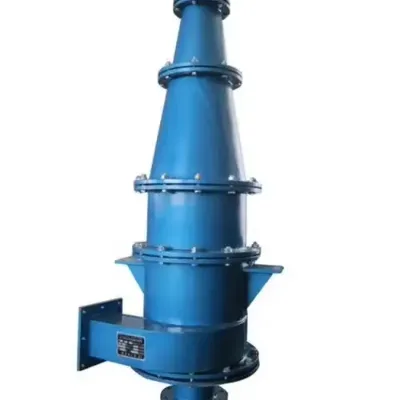
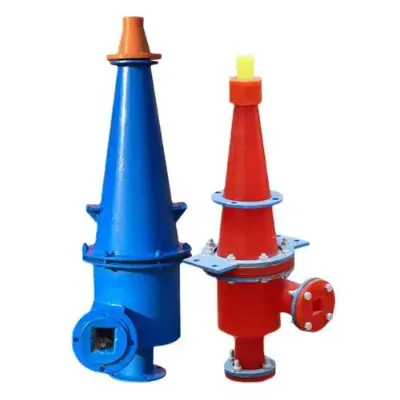
Efficient Mining Hydraulic Cyclone, Sand Washing Mineral Classification Cyclone, Hydraulic Cyclone
$72.3163 - $103.3081
MOQ: 1 pieces
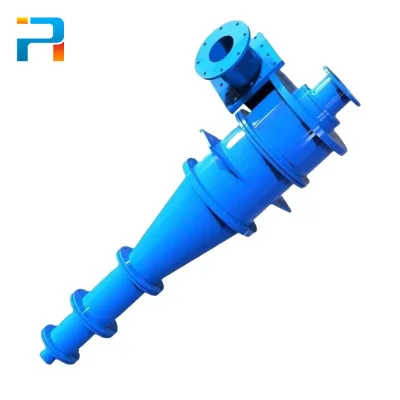
Hunan Foundation Alpha Engineering Co., Ltd.
- Verified by SGS Group
- Trading Company
- Lead time20 days
- Avg. response≤ 2h
Main productsRotary Drilling Rig, Drilling Teeth, Bucket, Kelly Bar, Casing Tube
Main marketsSoutheast Asia(35%), Mid East(30%), South America(20%)
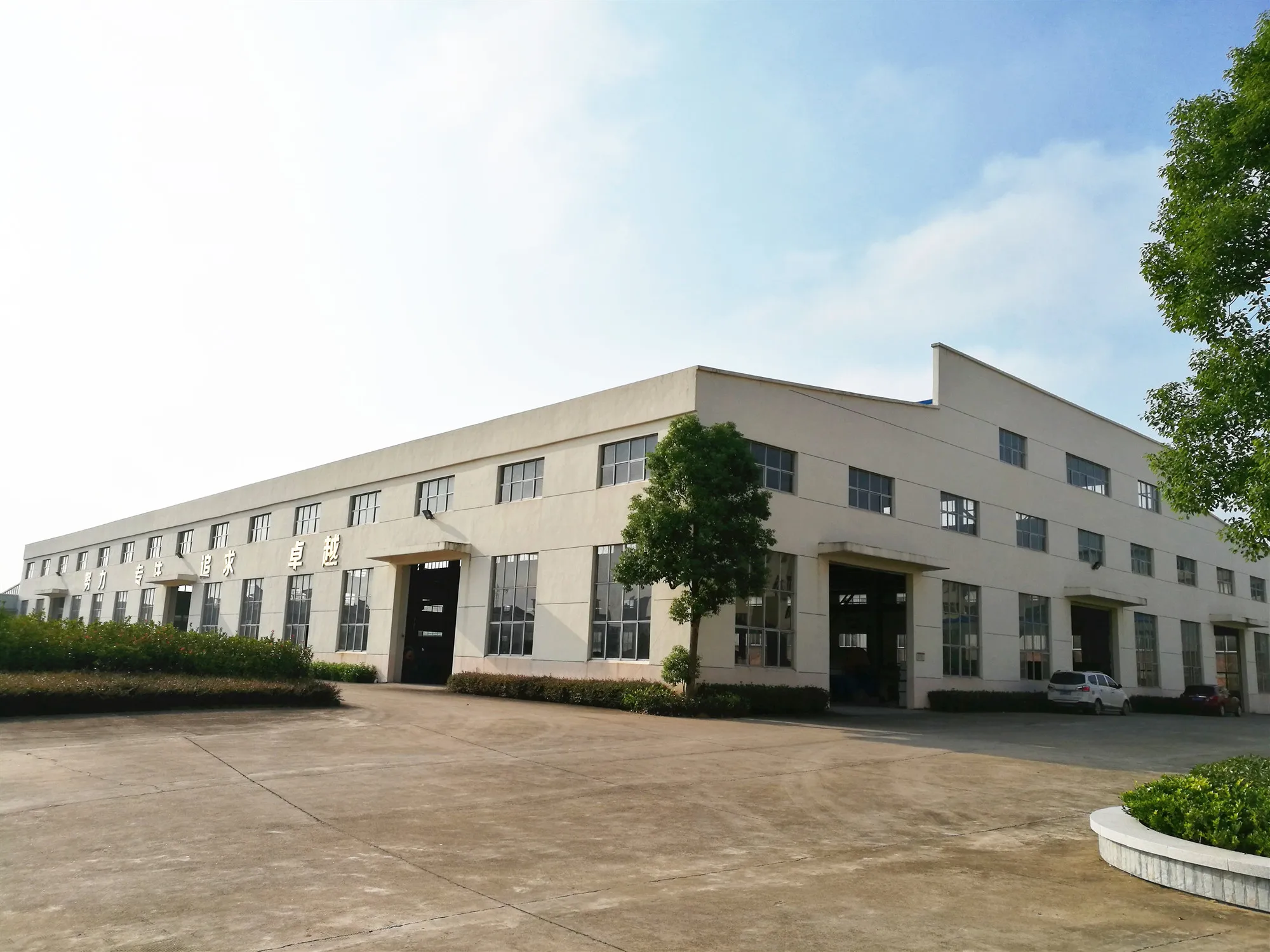
Jiangxi Henghong International Mining Machinery Co., Ltd.
- Manufacturer, Trading Company
- Jiangxi, China
- Lead time15 days
- Avg. response≤ 1h
Main productsFeeding Equipment,Crushing Equipment,Grinding Equipment,Screening Equipment,Separator Equipment
Main marketsAfrica(20.00%), South Asia(11.00%), Mid East(10.00%), South America(8.00%), Southeast Asia(6.00%), Eastern Europe(6.00%), Oceania(6.00%), North America(6.00%), Eastern Asia(5.00%), Domestic Market(5.00%), Northern Europe(5.00%), Central America(5.00%), Western Europe(5.00%), Southern Europe(2.00%)

Hebei Kingwell Machinery Co., Ltd
- Verified by SGS
- Trading Company
- China Hebei
- Lead time15 days
- Avg. response≤ 3h
Main productsSolids Control Equipment, Drilling Rig Parts, Shale Shaker, Shaker Screen, Centrifgue, Pumps, Dasander Desilter Mud Cleaner, Vacuum and Centrifugal Degassers, Mud Agitator, Vertical Cuttings Dryer
Main marketsEurope
Jiangxi Walker Machinery Co., Ltd.
- Manufacturer, Trading Company
- Lead time旺季: "1 - 3":15,"> 3":"To be negotiated", 淡季: "1 - 3":15,"> 3":"To be negotiated"
- Avg. response≤ 1h
Main productsMineral Separator, Crusher, Sand Washer, Vibrating Screen, Mine Mill
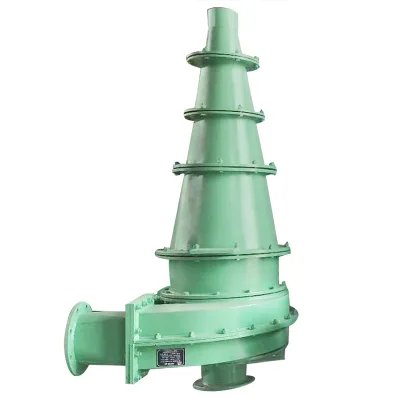
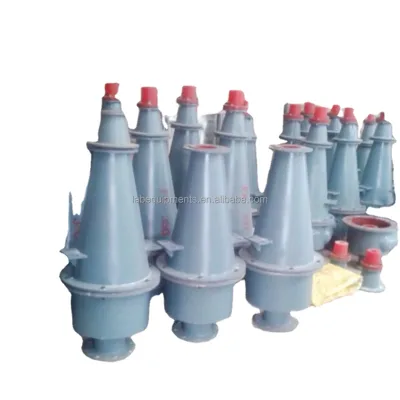
Fine Sand Kaolin Clay Separator Hydrocyclone
$550.00 - $600.00
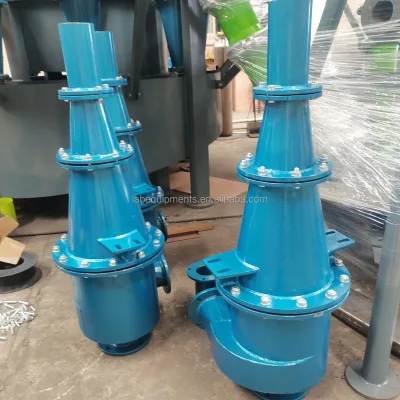
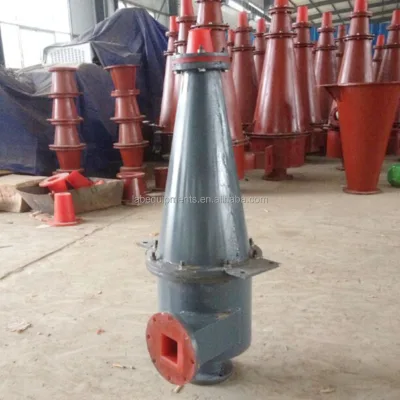
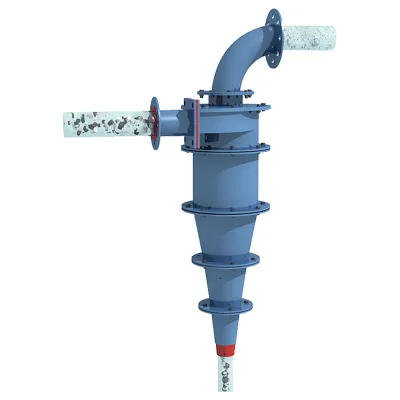
High Quality Mining Equipment Water and Sand Cyclone Separator Hydrocyclone
$2600.00 - $3000.00

Hengshui Hanna Trading Co., Ltd
- Verified by TUVRHEINLAND
- Trading Company
- China Hebei
- Lead time15 days
- Avg. response≤ 6h
Main productsHome Pure Water Equipment, Sand Filter Equipment, FRP Water Tank, Stainless Steel Water Tank, Galvanized Sheet Water Tank, Di Filter, Industrial Pure Water Equipment, Resin Tank, Dosing Device
Main marketsDomestic


Mining Slurry Mud Water Hydrocyclone Sand Filter Desander Hydro Cyclone Separator Hydrocyclone
$1480.00 - $1500.00
MOQ: 1 Sets

Jiangxi Hengchang Mining Machinery Manufacturing Co., Ltd.
- Verified by BV
- Combined
- China Jiangxi
- Lead time15 days
- Avg. response≤ 3h
Main productsJaw Crusher, Ball Mill, Shaking Table, Feeding Equipment, Classifing Equipment, Flotation Equipment, Magnetic Separator, Conveyor, Drying Equipment, Gravity Separation Equipment
Main marketsSouth America,Africa,Southeast Asia/ Mideast,East Asia(Japan/ South Korea),Europe,Australia,North America

Energy Saving Mining Machinery Hydro Cyclone for Mud Sand Mineral Separation
$200.00 - $600.00
MOQ: 1 Pieces

Most Popular Sand Separator Filter Cyclone Separator Hydrocyclone Separator for Sale
$100.00 - $1200.00
MOQ: 1 Set

$100.00 - $1200.00
MOQ: 1 Set


Hydrocyclone Sand Separator, Beneficiation Hydrocyclone Design for Mineral Separating Process
$100.00 - $1200.00
MOQ: 1 Set

Jiangxi Changyi Mining Machinery Co., Ltd.
- Verified by TüVRheinland
- Manufacturer, Trading Company
- Lead time15 days
- Avg. response≤ 1h
Main productsMineral Separator, Mine Mill, Crusher, Sand Washer, Vibrating Screen
Main marketsAfrica(30%), South America(20%), Southeast Asia(20%)
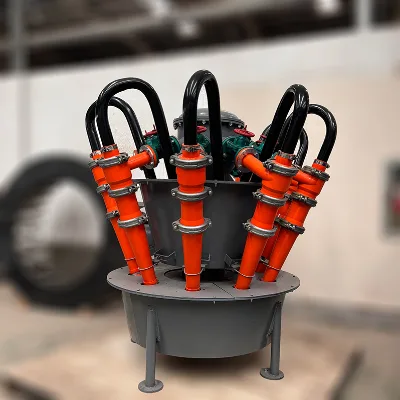
Fine Sand Hydrocyclone and Dewatering Screen Concentrated Hydrocyclones for Coal Washery
$304.2071 - $618.9026
MOQ: 1 sets
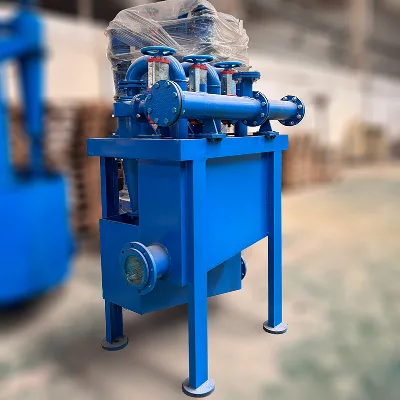
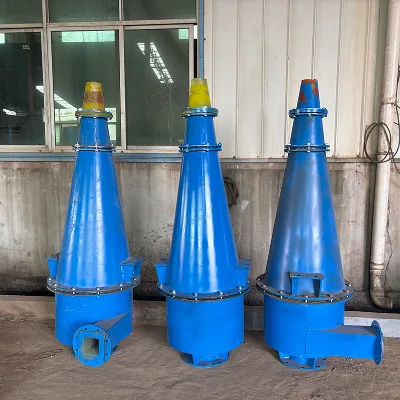
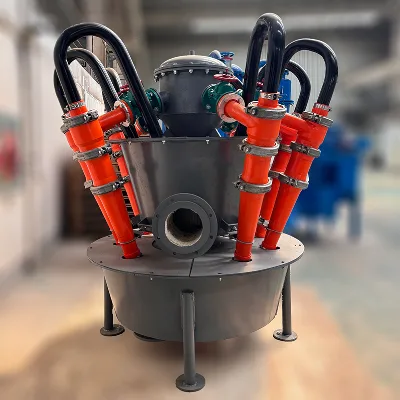
Solid-Liquid Separator Rubber Polyurethane Ceramic Hydraulic Cyclone Mineral Processing Hydrocyclone
$1200.00 - $3600.00
MOQ: 1 sets
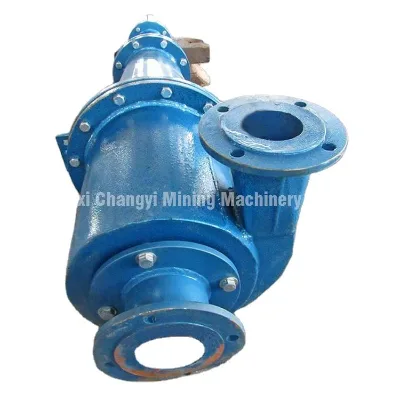
$1000.00 - $3000.00
MOQ: 1 sets
Shanxi Huazhan Wear-Resistant Material Technology Co., Ltd.
- Verified by Intertek
- Manufacturer, Trading Company
- Lead time0 days
- Avg. response≤ 4h
Main productsCeramic Lined Wear-Resistant Pipe, Ceramic Patch Wear-Resistant Pipe, Hydrocyclone, Screening Machine, Crushing Machine
Main marketsNorth America(60%), South Asia(20%), Southeast Asia(10%)
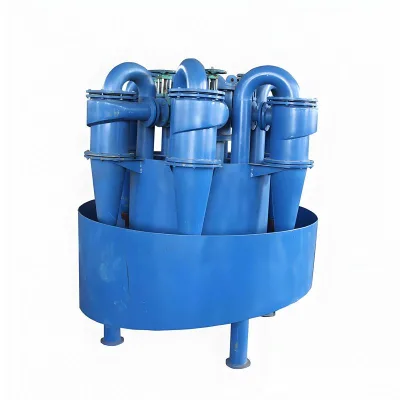
Improve Concentrate Recovery Rate Hydro Cyclone Separator Hydrocyclon For Separation Cyclon Mine
$569.7699 - $880.5531
MOQ: 1 sets
Jiangxi Hengchang Mining Machinery Manufacturing Co., Ltd.
- Manufacturer, Trading Company
- Jiangxi, China
- Lead time7 days
- Avg. response≤ 1h
Main productsGravity Separator,Stone Crusher,Ball Mill,Trommel Screen,Magnetic Separator
Main marketsAfrica(37.00%), South America(25.00%), Eastern Asia(10.00%), South Asia(5.00%), Mid East(5.00%), Domestic Market(2.00%), North America(2.00%), Southern Europe(2.00%), Northern Europe(2.00%), Central America(2.00%), Western Europe(2.00%), Eastern Europe(2.00%), Southeast Asia(2.00%), Oceania(2.00%)
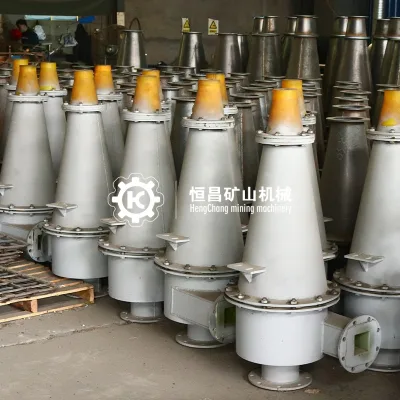
Factory Price Mining Hydrocyclone Sand Separator, Solid-Liquid Cyclone for Ore Processing Plant
$625.02 - $729.19
MOQ: 1 sets
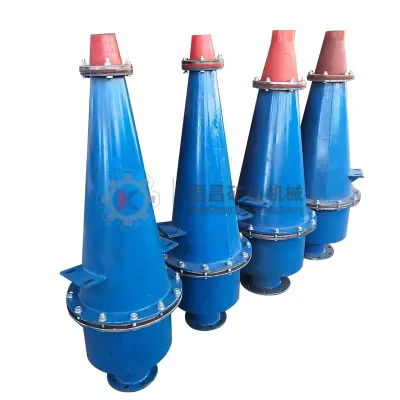
Hydrocyclone for Kaolin Clay Classification and Purification Process
$256.8537 - $308.2244
MOQ: 1 sets
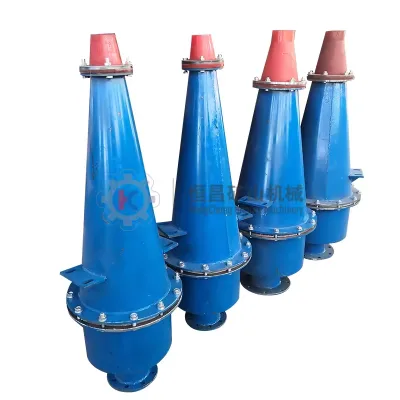
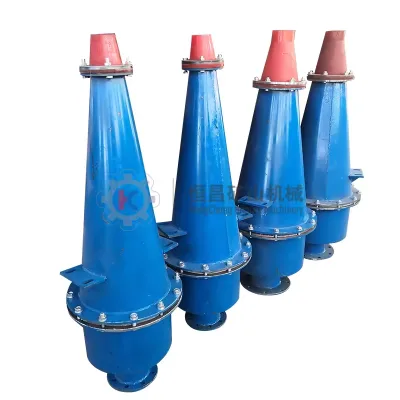
OEM Service FX Model Hydrocyclone for Ore Slurry Classification and Dewatering
$250.00 - $300.00
MOQ: 1 sets
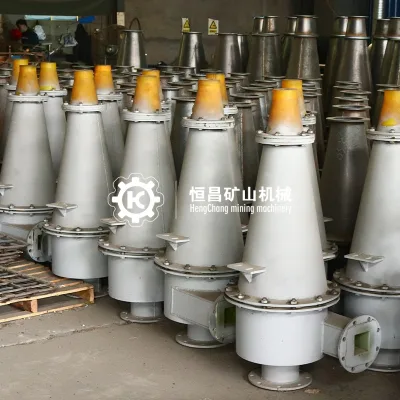
High Efficiency Hydrocyclone for Mineral Classification and Tailings Processing
$260.7855 - $312.9417
MOQ: 1 sets
Henan Xingyang Mining Machinery Manufactory
- Manufacturer, Trading Company
- Lead time旺季: "1 - 1":15,"2 - 5":20,"> 5":"To be negotiated", 淡季: "1 - 1":15,"2 - 5":20,"> 5":"To be negotiated"
- Avg. response≤ 1h
Main productsMining Machinery (Beneficiation Equipment/Crusher/Ball Mill/Dryer), Mining Machinery (Rotary Kiln/Flotation Separator/Thickener/Filter)
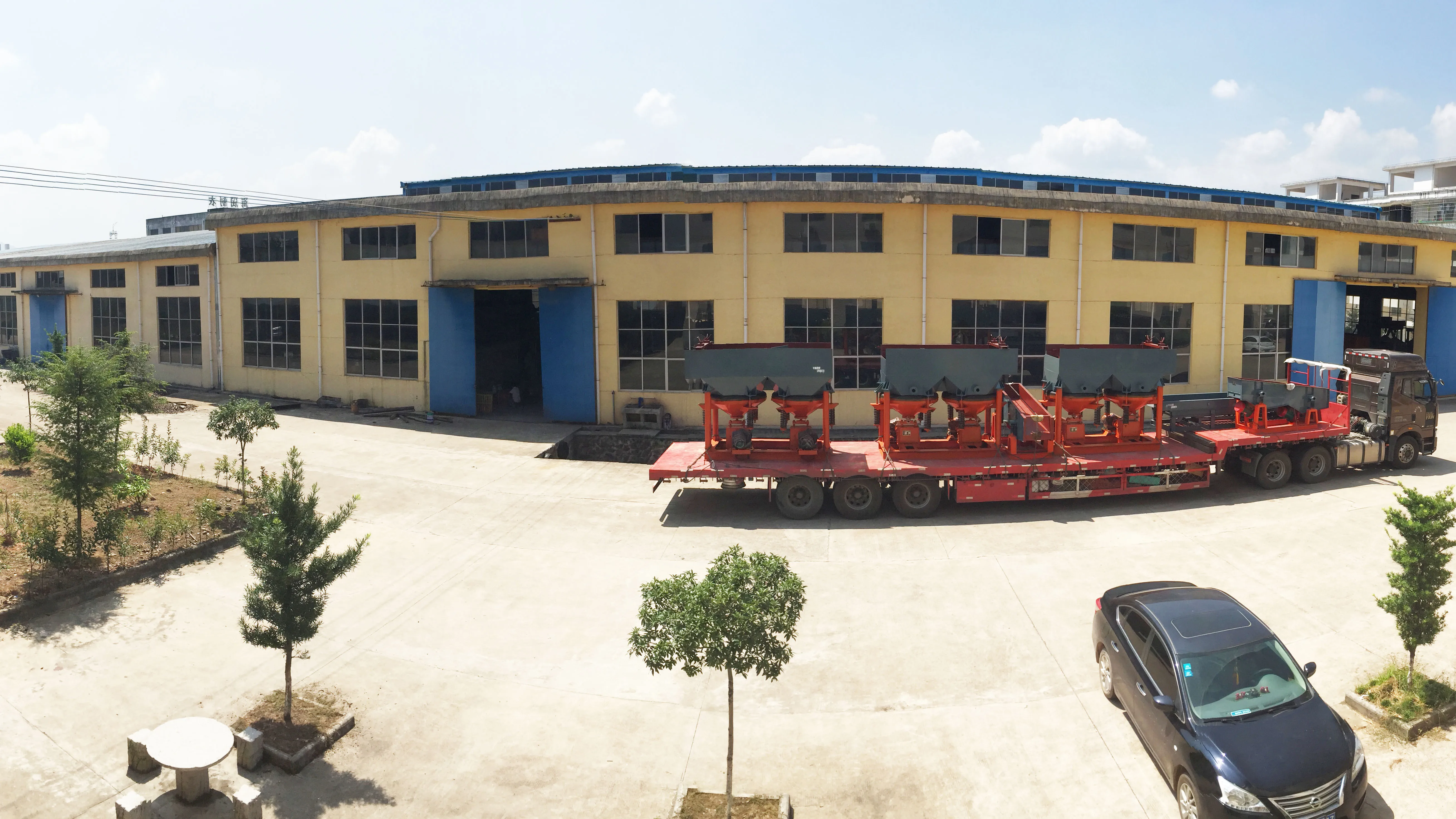
Jiangxi Jinshibao Mining Machinery Manufacturing Co., Ltd.
- Manufacturer, Trading Company
- Jiangxi, China
- Lead time15 days
- Avg. response≤ 4h
Main productsMining Equipment,Gravity Separation Equipment,Flotation Machine,Gold Washing Plant,Ore Washing Machine
Main marketsDomestic Market(24.00%), South America(21.00%), Africa(17.00%), Southeast Asia(11.00%), Oceania(7.00%), Mid East(6.00%), South Asia(4.00%), Eastern Asia(3.00%), Eastern Europe(2.00%), Southern Europe(2.00%), Western Europe(2.00%), North America(1.00%)
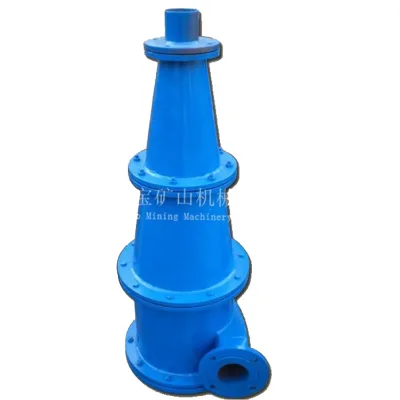
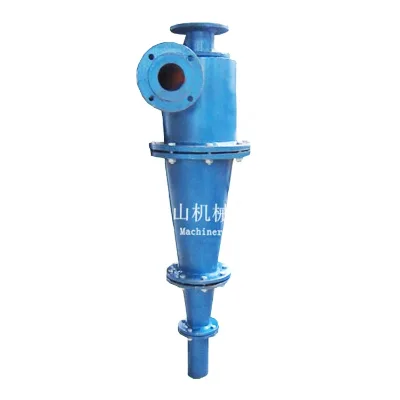
Sand Cyclone for Mineral Processing
$920.00 - $1000.00
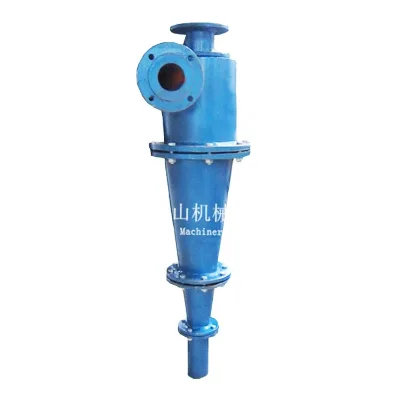
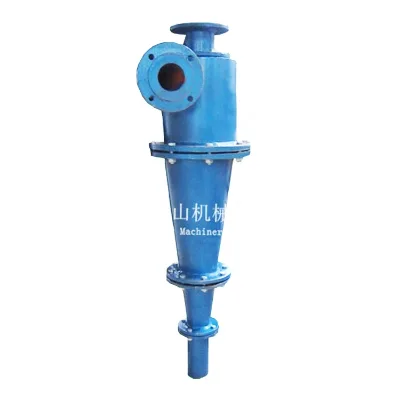
FX150 Hydrocyclone Sand Separator
$890.00 - $1000.00
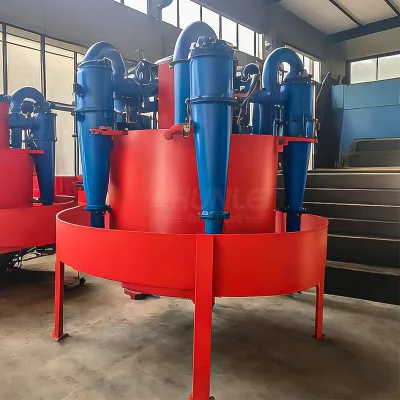
Zhengzhou Chunlei Machinery Manufacturing Co., Ltd.
- Verified by Intertek
- Manufacturer, Trading Company
- Lead time30 days
- Avg. response≤ 2h
Main productsCrusher, Preparation Equipment, Dryer, Rotary Kiln, Concrete Batching Plant
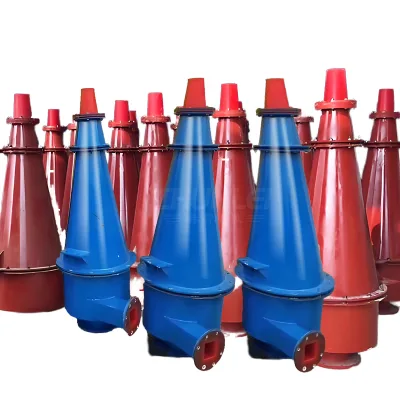
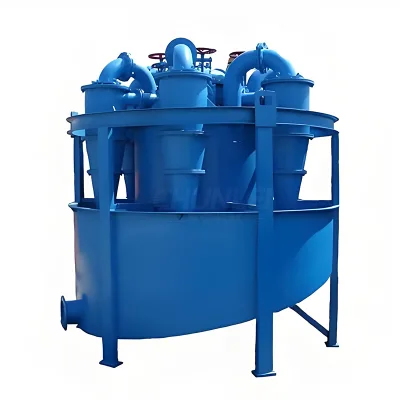
$40956.2776 - $41468.2311
MOQ: 1 sets
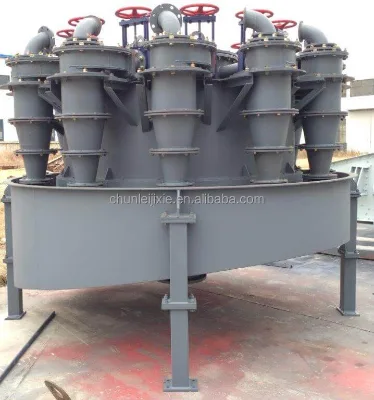
$11395.383 - $40194.6237
MOQ: 1 sets
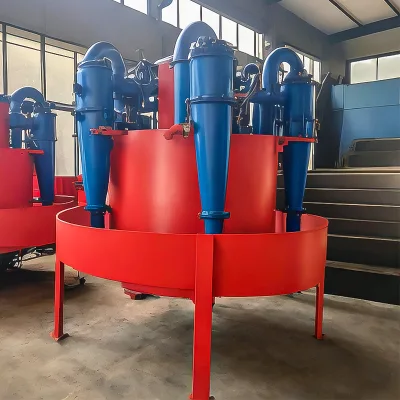
$40609.0013 - $41230.5676
MOQ: 1 sets
Weihai Haiwang Hydrocyclone Co., Ltd.
- Manufacturer, Trading Company
- Shandong, China
- Lead time0 days
- Avg. response≤ 2h
Main productsHydrocyclone,Vibrating Screen,Sand Washing Machine,Spiral Separator,Wearing Resistant Materials
Main marketsDomestic Market(65.00%), South America(9.00%), North America(6.00%), Southeast Asia(6.00%), Mid East(6.00%), Eastern Asia(2.00%), Eastern Europe(2.00%), Oceania(2.00%), Africa(1.00%), South Asia(1.00%)

Henan Xingyang Mining Machinery Manufactory
- Verified by TUVRHEINLAND
- Combined
- China Henan
- Lead time45 days
- Avg. response≤ 1h
Main productsBall Mill, Rotary Dryer, Rotary Kiln, Jaw Crusher, Impact Crusher, Magnetic Separator, Flotation Machine, Spiral Chute, Shaking Table, Vibrating Screen
Main marketsSouth America,Africa,Europe


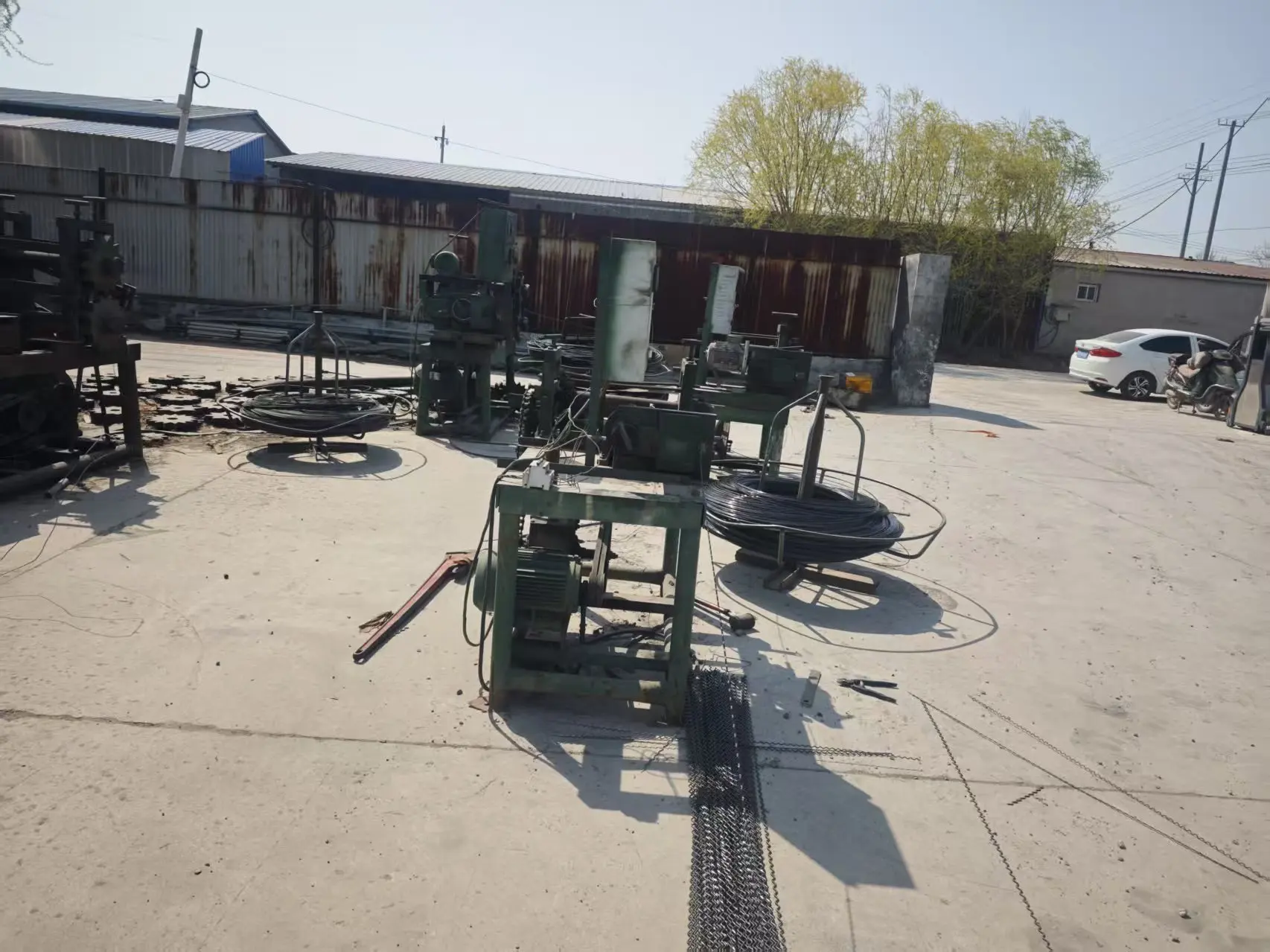
$150.00 - $15000.00
MOQ: 1 Pieces


Binzhou Fangze Screen Mesh Co., Ltd.
- Manufacturer, Trading Company
- Shandong, China
- Lead time15 days
- Avg. response≤ 1h
Main productsMining screen mesh,Mining machinery and equipment,Anti-clogging screen mesh,Welded mesh,Polyurethane screen mesh
Main marketsSoutheast Asia(100.00%)

Luoyang Longzhong Heavy Machinery Co., Ltd.
- Manufacturer, Trading Company
- Henan, China
- Lead time7 days
- Avg. response≤ 3h
Main productssand washer,sand extration machine,vibrating screen,wheel washer,stone crusher
Main marketsDomestic Market(30.00%), Africa(30.00%), Southeast Asia(15.00%), South Asia(10.00%), Mid East(5.00%), South America(2.00%), Central America(2.00%), Oceania(2.00%), Western Europe(1.00%), North America(1.00%), Northern Europe(1.00%), Eastern Asia(1.00%)
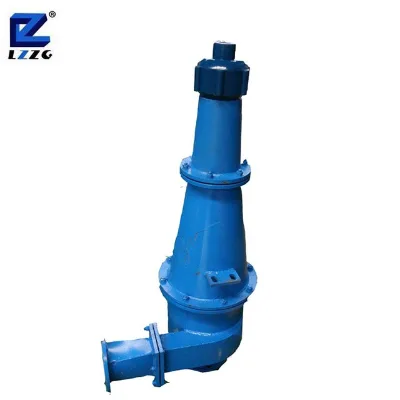
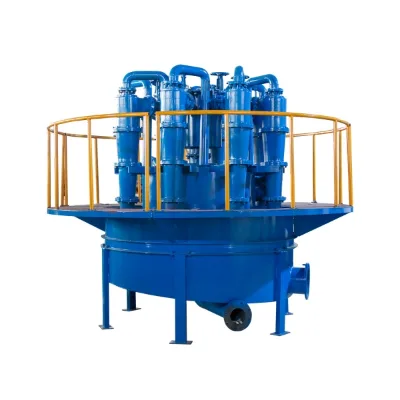
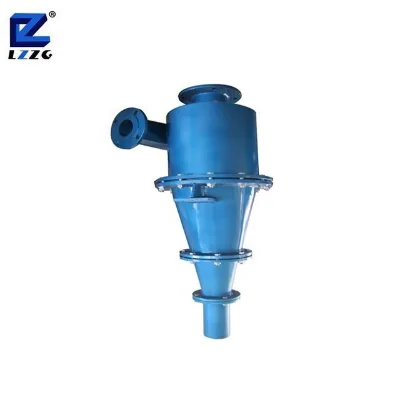
Hot Sale Hydrocyclone Sand Separator with Low Price
$200.00 - $250.00

Dongying Kenli Jinxiu Petroleum Machinery Co., Ltd
- Combined
- China Shandong
- Lead time30 days
- Avg. response≤ 3h
Main productsSucker Rod Drive Rod Pony Rod Polish Rod, Drill & Workover Rid and Accessories, Well Control Equipment, Well Head Equipment, Handling Tools, Mud Pump & Spare Parts, Bottom Hole Products, Downhole Tools, Flow Line Products
Main marketsDomestic

Cyclone Industrial Water Sand Cyclone Separators Used Drilling Hydrocyclone
$50.00 - $150.00
MOQ: 1 Pieces

Oilfield Drilling Hydrocyclone Cyclone for Desilter Desander Mud Cleaner
$100.00 - $200.00
MOQ: 1 Pieces

Nanjing Beite Ac Equipment Co., Ltd.
- Verified by SGS
- Combined
- China Jiangsu
- Lead time30 days
- Avg. response≤ 4h
Main productsWater Treatment Equipment, Coil Heat Exchanger, Expansion Tank Buffer Tank, Plate Heat Exchanger, Brush Filter, Muti Filter
Main marketsAfrica,Southeast Asia/ Mideast,Domestic,Europe,North America

Jiangxi Longzn Machinery Co., Ltd.
- Verified by SGS
- Manufacturer/Factory
- China Jiangxi
- Lead time23 days
- Avg. response≤ 11h
Main productsMineral Processing Plant, Alluvial Gold Washing Plant, Mineral Washing Equipment, Crushing & Grinding Equipment, Screening & Classifying Equipment, Gravity Separation Equipment, Flotation Separation Equipment, Magnetic Separation Equipment, Electric Separator, Feeding & Conveying Equipment
Main marketsSouth America,Eastern Europe,Mid East,North America,Southeast Asia,Eastern Asia,Oceania,Western Europe,Africa

$300.00 - $2299.00
MOQ: 1 Pieces

Cyclone Separator Hydrocyclone for Copper Iron Gold Mining Mineral Processing Cyclone Filter
$300.00 - $2299.00
MOQ: 1 Pieces

$300.00 - $2299.00
MOQ: 1 Pieces
Henan Xingyang Mining Machinery Manufactory
- Verified by SGS Group
- Manufacturer, Trading Company
- Lead time30 days
- Avg. response≤ 2h
Main productsMining Machinery (Beneficiation Equipment/Crusher/Ball Mill/Dryer), Mining Machinery (Rotary Kiln/Flotation Separator/Thickener/Filter)
Main marketsDomestic Market(38%), South Asia(22%), Africa(18%)
Henan Hongxing Mining Machinery Co., Ltd.
- Manufacturer, Trading Company
- Lead time旺季: "1 - 2":40,"> 2":"To be negotiated", 淡季: "1 - 2":40,"> 2":"To be negotiated"
- Avg. response≤ 2h
Main productsStone Crushing Equipment, Sand Making Equipment, Grinding Mill, Ore Benefification Equipment, Building Material Equipment

Henan Hanfa Heavy Industry Equipment Co., Ltd.
- Trading Company,Manufacturer/Factory,Group Corporation
- China Henan
- Lead time15 days
- Avg. response≤ 3h
Main productsStone Crusher, Water Well Drilling Rig, Ball Mill, DTH Drilling Rig, Rotary Drilling Rig, Pile Driver, Mobile Crushing Plant, Mineral Processing Line, Rotary Kiln, Flotation Machine
Main marketsSouth America,Eastern Europe,Mid East,North America,Southeast Asia,Eastern Asia,Oceania,Western Europe,Africa

Yangzhou Pujiang Environmental Protection Technology Co., Ltd.
- Verified by TUVRHEINLAND
- Combined
- China Jiangsu
- Lead time30 days
- Avg. response≤ 3h
Main productsSludge Dewatering Machine, Polymer Dosing Machine, Mechanical Bar Screen, Rotary Screen Filter, Rotary Bar Screen, Solid Liquid Separator, Sand Water Separator, Shaftless Screw Conveyor, Hopper, Mobile Sludge Dewatering System
Main marketsNorth America


Chinese Supplier Grit Removal Hydrocyclone Sand Water Separator Filter
$2800.00 - $3000.00
MOQ: 1 Pieces

Professional Sand Water Spiral Grit Separator/Grit Hydrocyclone Separator
$2500.00 - $2800.00
MOQ: 1 Pieces

Ganzhou Gelin Mining Machinery Co., Ltd.
- Verified by TüVRheinland
- Manufacturer, Trading Company
- Lead time3 days
- Avg. response≤ 6h
Main productsBall Mill, Rotary Scrubber, Shaking Table, Gold Washing Machine, Spiral Chute
Main marketsDomestic Market(43%), Africa(37%), Southeast Asia(13%)
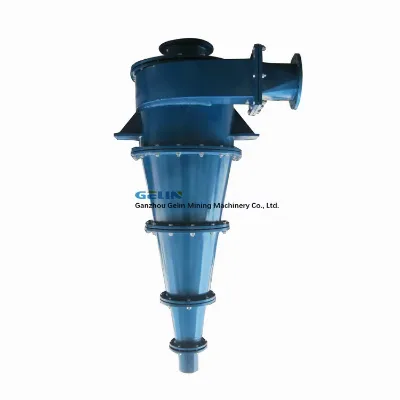
Mining Machines Slurry Sand Dehydration Hydrocyclone for Removing the Sand From Slurry
$1016.6218
MOQ: 1 Minimum
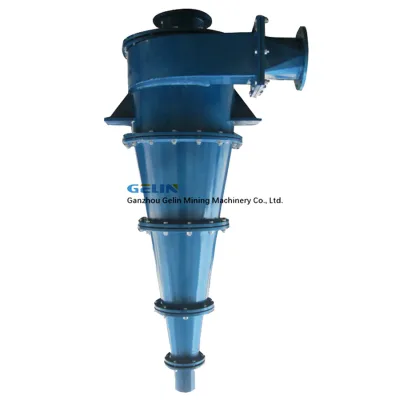
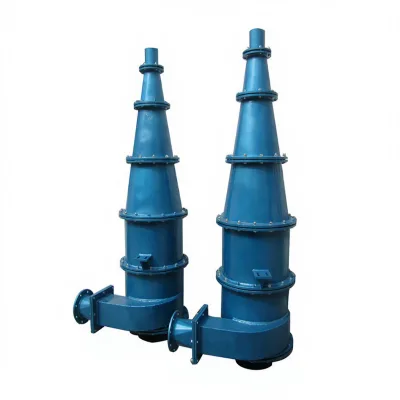
Hydrocyclone for Mud Removal Machine
$3300.00 - $3500.00
Shicheng Gaoxuan Bearing Bush Co., Ltd.
- Manufacturer, Trading Company
- Jiangxi, China
- Lead time15 days
- Avg. response≤ 3h
Main productsBearing bush,mining equipments,magnetic separator,gravity equipments,flotation machine
Main marketsAfrica(40.00%), South America(20.00%), Oceania(15.00%), Southeast Asia(7.00%), Southern Europe(4.00%), Western Europe(3.00%), Mid East(3.00%), Domestic Market(3.00%), Central America(2.00%), Eastern Europe(1.00%), North America(1.00%), Northern Europe(1.00%)
- Verified by TüVRheinland
- Manufacturer, Trading Company
- Lead time30 days
- Avg. response≤ 3h
Main productsGold Processing Line, Wet Pan Mill, Flotation Machine, Gold Washing Plant, Powder Grinding Mill
Main marketsAfrica(53%), Eastern Europe(21%), Southeast Asia(13%)
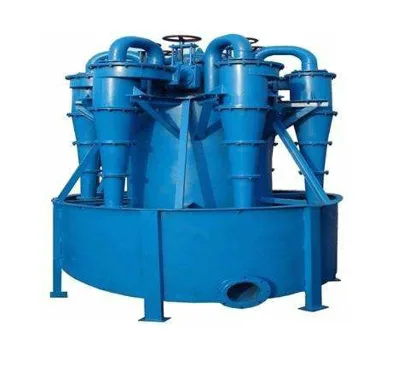
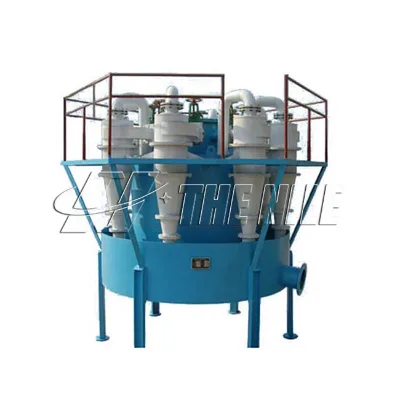
High Quality Low Price Hydro- Cyclone for Sale
$3500.00 - $4000.00

Ganzhou Gelin Mining Machinery Co., Ltd.
- Combined
- China Jiangxi
- Lead time15 days
- Avg. response≤ 12h
Main productsGold Mining Equipment, Zircon Ore Processing Machine, Gold Washing Trommel, Centrifugal Gold Concentrator, Shaking Table, Jigger Machine
Main marketsSouth America,Africa,Southeast Asia/ Mideast,East Asia(Japan/ South Korea),Domestic,Europe,Australia,North America

Mining Machines Slurry Sand Dehydration Hydrocyclone for Removing The Sand From Slurry
$300.00 - $2599.00
MOQ: 1 Sets



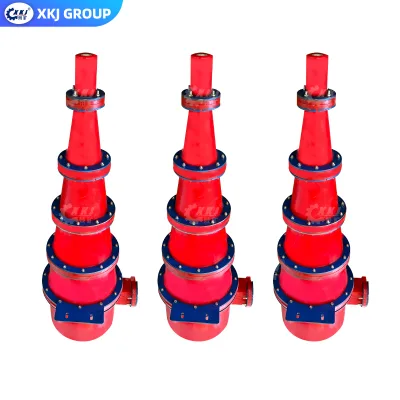
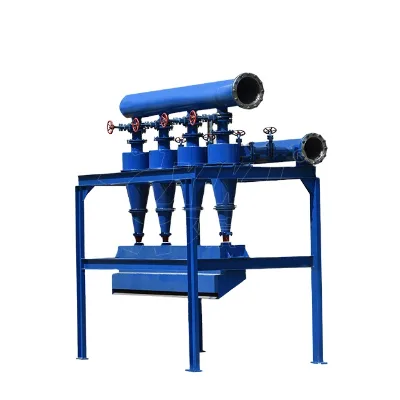
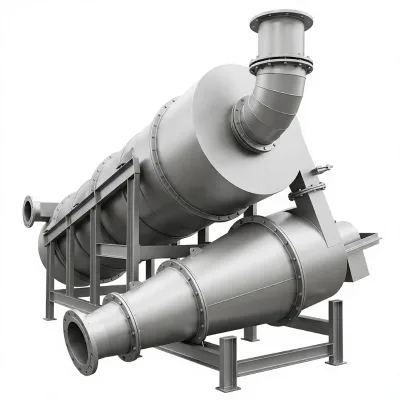
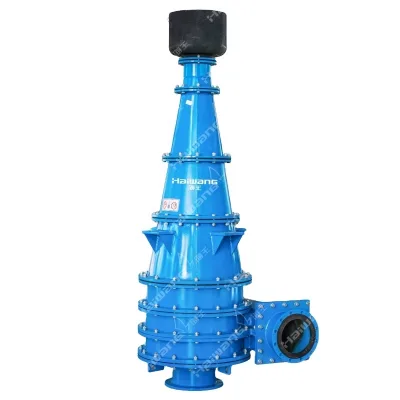




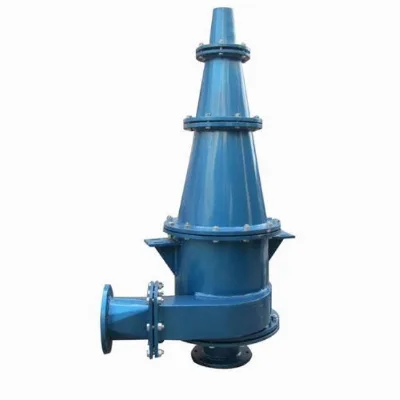
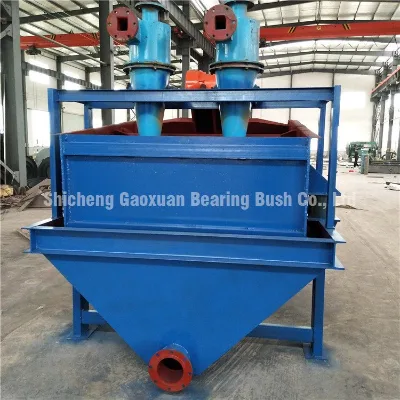
Comprehensive Sourcing Guide
Fine Sand Recovery Hydraulic Cyclone Supplier Concentration and Factory Types
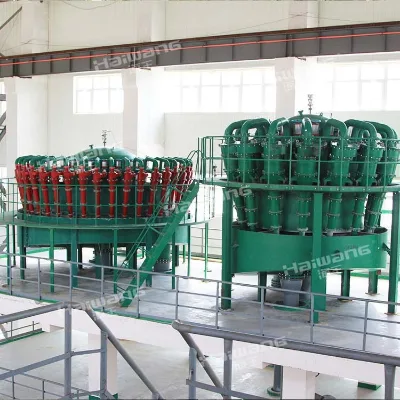
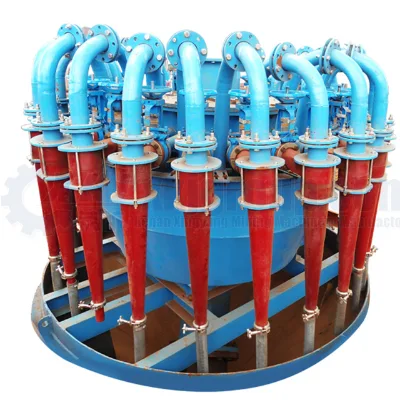
Buyers searching for a Fine Sand Recovery Hydraulic Cyclone will encounter two broad supplier types on B2B platforms: manufacturers and trading companies, sometimes listed as combined operations that both produce and resell. Manufacturer-type listings in this category tend to center on slurry pumps, filter press pumps, and related classification equipment, with hydrocyclones offered as part of a mineral processing line. Combined or trading-oriented listings may pair hydrocyclones with wear-resistant pipe, ceramic lined steel pipe, alumina liners, and UHMWPE pipe, which signals a focus on abrasion-handling components rather than full machinery. Recognizing these profiles helps buyers decide whether a supplier can support complete cyclone units or only individual liners and spare parts.
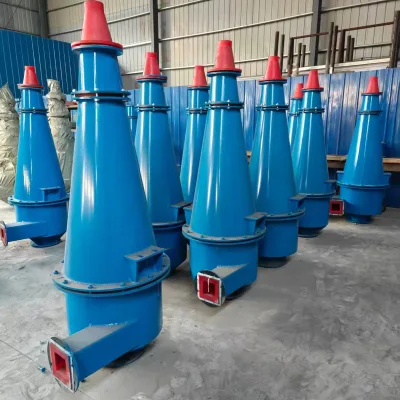
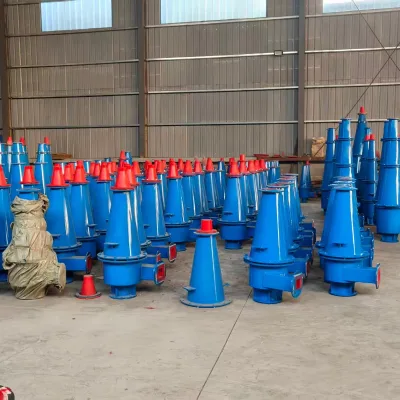
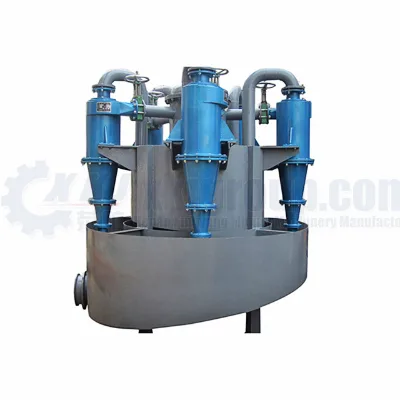
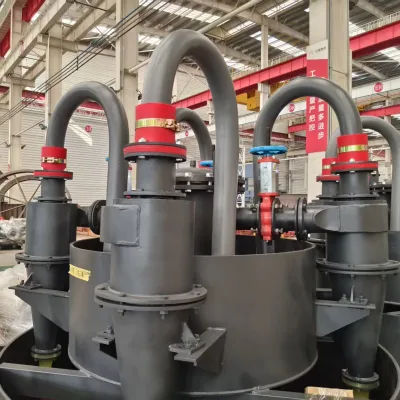
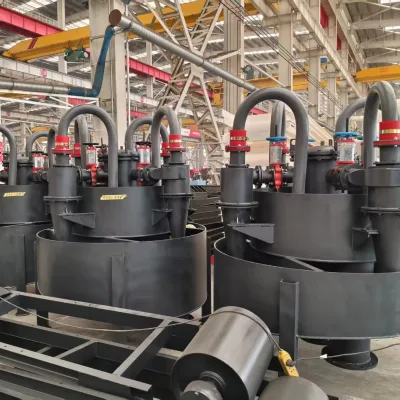
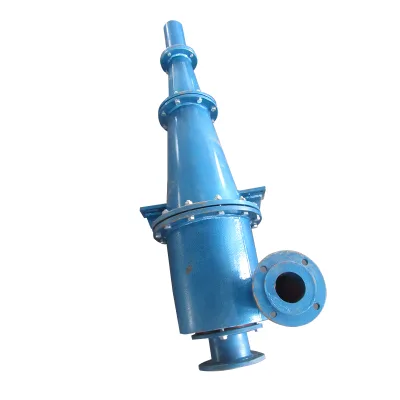
Location data matters when assessing concentration. Some verified results place hydrocyclone suppliers in Shanxi, China, a province associated with mining equipment, while other listings declare origins such as Hebei for specific FX-series units. Where a location is not displayed at all, buyers should treat the supplier's declared product origin field, model numbering, and main-product list as clues, then confirm the actual factory address during diligence. Product families visible in current results include FX-series cyclones spanning small to large diameters, polyurethane-lined units, ceramic-lined designs, and desander or desilter configurations. A supplier whose main products align with cyclones, slurry handling, or wear linings is generally a better fit than one listing cyclones among unrelated goods.
How to Verify Fine Sand Recovery Hydraulic Cyclone Suppliers
Verification should start with third-party badges that platforms display independently of supplier claims. Current results show verified statuses issued through SGS and TüV Rheinland, which are assessment bodies rather than product certifications; they indicate that the company's existence and profile were checked, not that every cyclone meets a given standard. Some product listings also state CE and ISO9001 references in their attribute fields, but these are seller-declared values. Buyers should request copies of the actual certificates, check the certificate number against the issuing body's database where possible, and confirm the certificate covers the exact model family being quoted rather than an unrelated product.
Beyond badges, verify manufacturing reality directly. Ask whether the supplier is a manufacturer, trading company, or combined operation, since several current listings openly declare one of these types, and request the factory address, production photos, and a live video walkthrough of cyclone assembly or polyurethane molding. Note that verification depth differs by platform and supplier: some listings show detailed product attributes, declared origin, packing method, and model ranges, while others show only category placement. A supplier with a system certification field marked as absent should not be rejected automatically, but the buyer must then rely on document checks, references from mining or sand-washing customers, and sample evaluation. Never accept a stated certification without seeing the document and confirming its validity date and scope.
What to Compare Across Fine Sand Recovery Hydraulic Cyclone Suppliers
Build a comparison sheet from the attributes suppliers actually display, because coverage is uneven. Useful dimensions include lead time, where current results show quoted lead times such as 15 days and 20 days for different suppliers; response time, where displayed values in this category range from around two hours to nearly eight hours; and MOQ, where at least one hydrocyclone listing shows a minimum order of a single unit. Price ranges also differ sharply between lining types and sizes, so record the quoted minimum and maximum per model rather than averaging across a catalog. Also compare main products, company type, and R&D capabilities such as ODM, OEM, own-brand, sample processing, or customized-on-demand offerings.
Technical comparison matters more than commercial fields for this equipment. Current listings show FX-series models with declared diameters from 75 to 710 millimeters, feed pressures of 0.04 to 0.4 megapascals, processing capacities from 5 to 500 cubic meters per hour, carbon steel shells, 220-volt ratings on some units, one-year warranties, and weights under one ton. Compare lining options, polyurethane versus ceramic, against your slurry abrasiveness, and check which model designations match your required cut size. Record packing formats, since listings mention wooden boxes and non-fumigation plywood cases, and note declared origins. Where a dimension is missing from a listing, request it in writing rather than assuming the supplier cannot meet it.
Common Fine Sand Recovery Hydraulic Cyclone Sourcing Risks
The most common risk in this category is specification drift between quotation and delivery. Listings often carry model ranges as wide as FX10 through FX840, and a supplier quoting a low price may be offering the smallest diameter rather than the unit your capacity calculation requires. Ask every bidder to state the exact model number, diameter, feed pressure, processing capacity, and lining material in their quotation, and reject offers that only repeat listing attributes. A related risk is lining substitution: polyurethane and ceramic linings have very different wear lives in fine sand service, and a seller declaring only "carbon steel" material may be quoting a bare-steel cyclone that wears out quickly.
Certification and verification misreading is another frequent pitfall. A third-party verification badge confirms company screening, not product conformity, and CE or ISO9001 strings inside product attribute fields are seller-entered text that may be outdated or copied between listings. Buyers have also been caught by mixing up supplier types: a trading company may quote quickly but cannot answer molding or liner questions, while a manufacturer may respond slowly. Some listings show response times of several hours, so expect delays and build them into evaluation timelines. Finally, verify warranty scope, one year is commonly declared but the claim process is rarely described, and confirm packing, since under-specified export packaging can damage liners in transit.
Fine Sand Recovery Hydraulic Cyclone Regional Sourcing and Logistics
Regional assessment should begin with the origin data actually shown on listings rather than assumptions. Current results place several hydrocyclone suppliers in Shanxi, with one listing declaring a product origin of Taiyuan in Shanxi, and another supplier's product page declaring Hebei as the place of origin for FX-series units. These provinces serve different logistics patterns: Shanxi sits within China's mining equipment belt with road and rail access to major ports, while Hebei surrounds the Tianjin port corridor. Buyers should confirm which port the supplier actually ships from, since declared product origin and loading port are not always the same, and freight quotations should specify both.
Weight and packing details from listings shape logistics planning. Declared single-package figures in current results include gross weights of roughly 68, 85, and 460 kilograms with package dimensions ranging from small cartons to 43 by 36 by 120 centimeter crates, and packing methods listed as wooden boxes or non-fumigation plywood cases. Confirm whether plywood complies with your destination country's import rules, and ask how lined components are braced to prevent liner cracking. Because cyclone units are dense but individually manageable, less-than-container-load shipment is feasible for small orders, while multi-unit desander clusters usually justify a full container. Where a supplier displays no origin or packing data, request these details before comparing freight costs across bidders.
Fine Sand Recovery Hydraulic Cyclone Commercial Terms and Order Planning
Order planning in this category should anchor on the lead times and MOQs suppliers actually publish. Current results show lead times of 15 and 20 days on different supplier profiles, and at least one cyclone listing with a minimum order quantity of one unit, which makes pilot purchasing practical. Plan a two-stage order: a single-unit or small-lot pilot to validate fit, liner material, and cut performance on your actual feed, followed by a volume order with the same written specification. Price ranges visible in listings vary widely by model and lining, so request itemized quotations separating shell, liner, clamps, and inlet and outlet fittings, since liners are consumables you will reorder.
Payment and risk terms deserve explicit attention. Ask whether the platform or supplier supports escrow or trade-assurance-style payment protection, and do not assume it applies; several verified listings in this category display no escrow information at all, so this must be confirmed per supplier. Agree on Incoterms, target dispatch date tied to the quoted lead time, warranty activation at installation rather than shipment, and spare liner quantities in the first order. For customized units, confirm drawing approval steps and whether ODM or customized-on-demand capability, which some listings declare, extends to liner geometry. Finally, record response-time expectations in the contract follow-up plan, since published figures around two to eight hours will not hold during peak production season without escalation contacts.
(Word count: approximately 1,385)
FAQs
What is the price range for fine sand recovery hydraulic cyclones?
Prices for these units typically range from approximately $72 to $850 per piece. The final cost depends on the specific model, material composition such as carbon steel or polyurethane lining, and the processing power required for your particular mining or industrial application needs.
What certifications do these hydraulic cyclones usually carry?
Most available models hold CE and ISO9001 certifications. These standards ensure the equipment meets international safety and quality management requirements. Buyers should verify specific documentation with suppliers to confirm compliance with local regulatory standards before placing orders for large-scale industrial operations.
What is the typical lead time for manufacturing these cyclones?
Manufacturing lead times generally range from 15 to 20 days. This timeframe allows for production, quality control, and preparation for shipment. Buyers requiring urgent delivery should confirm specific schedules with suppliers, as custom orders or high-volume requests may extend these standard production periods.
What is the minimum order quantity for these separators?
The minimum order quantity is typically one unit. This low threshold allows buyers to test performance before committing to larger purchases. It is ideal for small-scale operations or initial trials to verify that the cyclone meets specific separation efficiency and durability requirements.
What materials are commonly used in these hydrocyclones?
Common materials include carbon steel, polyurethane, and ceramic linings. Polyurethane and ceramic options offer superior wear resistance for abrasive slurries. Carbon steel provides structural strength. Selecting the right material depends on the specific chemical properties and abrasiveness of the slurry being processed.
Can these cyclones be customized for specific applications?
Yes, customization is widely available for diameter, processing power, and lining materials. Suppliers offer OEM and ODM services to tailor units to specific feed pressures and flow rates. Buyers should provide detailed operational parameters to ensure the customized cyclone matches their exact separation requirements.