Custom Shape Silicone and Rubber Part Suppliers and Manufacturers
Find 25 verified suppliers offering Custom Shape Silicone and Rubber Part solutions with varying lead times, certifications, and response speeds. Compare dimensions like location, MOQ, and production capacity to select the right partner for your project needs today; review the available evidence before requesting comparable quotations from suitable candidates.
Updated
Suppliers List

Xiamen Steady Plastic Mold Co.,Ltd
- Verified by CTI
- Combined
- China Fujian
- Lead time30 days
- Avg. response≤ 3h
Main productsPlastic injection mold design, plastic injection products, silicone rubber parts, metal fabrication
Main marketsDomestic


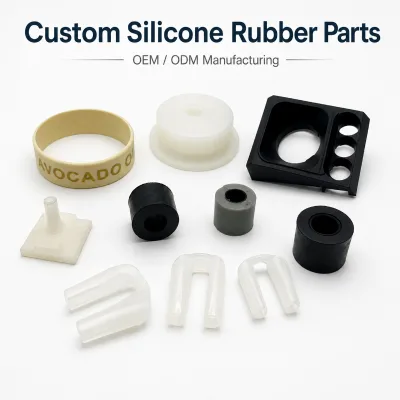
Custom Silicone Rubber Parts with Metal Inserts for Durable Applications
$0.10 - $0.19
MOQ: 100 Pieces

Xiamen Neway Rubber & Plastic Products Co., Ltd.
- Verified by BV
- Combined
- China Fujian
- Lead time15 days
- Avg. response≤ 3h
Main productsPlastic Injection Molding, Plastic Parts, Silicone Rubber Parts, Gasket Seals, Rubber Grommet, Mould, O Ring, Extrusion Strip, Metal Parts, Suction Cup
Main marketsSouth America,Africa,Southeast Asia/ Mideast,East Asia(Japan/ South Korea),Europe,Australia,North America


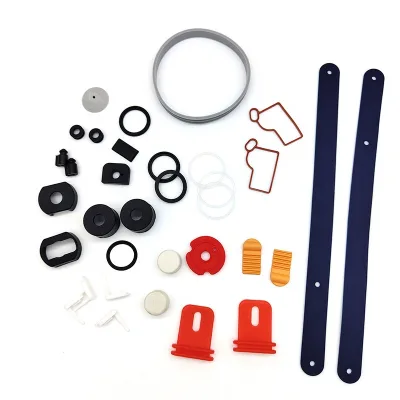
Custom Manufacturer Silicone Mold Making Silicone Part Other Silicone Rubber Part
$0.15 - $1.20
MOQ: 1 Pieces

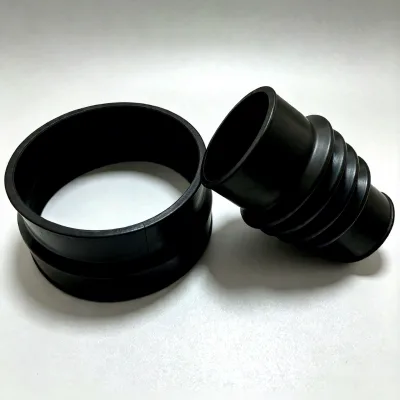
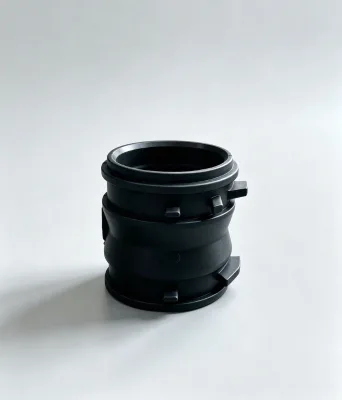
Silicone Parts Moulding Rubber Black Irregular Shape Custom Silicone Parts
$0.15 - $1.20
MOQ: 1 Pieces


Suzhou Honychem Specialties Manufacture Co., Ltd.
- Verified by BV
- Trading Company,Manufacturer/Factory
- China Jiangsu
- Lead time15 days
- Avg. response≤ 3h
Main productsSilicone Seal, Rubber Seal, Silicone Parts, Silicone Tube, Rubber O Ring, Silicone Keyboard, Silicone Rubber Keyboard Button, Rubber Gasket, Silicone Rubber, Rubber Parts
Main marketsSouth America,Eastern Europe,Mid East,North America,Southeast Asia,Eastern Asia,Oceania,Western Europe,Africa


Custom Design Silicone Molded Rubber Part Flexible Silicone Rubber Injection Parts
$0.10 - $0.50
MOQ: 100 Pieces


Rubber Product Part Custom OEM Rubber Molded Parts Silicone Rubber Parts
$0.10 - $0.50
MOQ: 100 Pieces


QINGDAO GOFAI RUBBER & PLASTIC PRODUCTS CO., LIMITED
- Verified by BV
- Combined
- China Shandong
- Lead time15 days
- Avg. response≤ 5h
Main productsResilient Sound Isolation Clip, Marine Rubber Fender, USB RJ45 HDMI DVI VGA PS2 SATA 2.0 Dust Cover, Dva Rubber Vibration Dumping, 3m Self Adhesive Rubber Pad, Washing Anti-Vibration Pads, Dock Fender, Tug Boat Fender, Ship Fender, Mooring Bollard
Main marketsSoutheast Asia/ Mideast,East Asia(Japan/ South Korea),Europe,Australia,North America


Custom Manufacturer Silicone Mold Making Silicone Part Other Silicone Rubber Part
$0.10
MOQ: 100000 Pieces


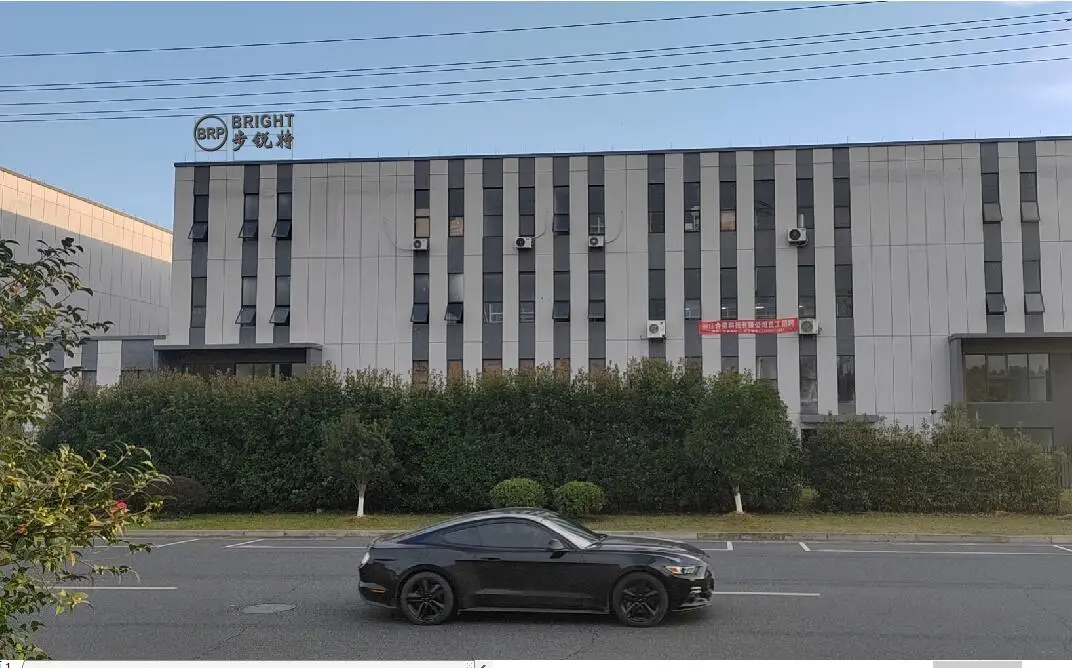
Hangzhou Bright Rubber Plastic Product Co., Ltd.
- Manufacturer, Trading Company
- Zhejiang, China
- Lead time15 days
- Avg. response≤ 3h
Main productsrubber molding parts,rubber extrusion profile,Injection molded plastic parts,plastic extrusion profile,rubber seal
Main marketsNorth America(35.00%), Domestic Market(20.00%), Western Europe(15.00%), Oceania(10.00%), Northern Europe(10.00%), South America(5.00%), Southern Europe(3.00%), Central America(1.00%), Eastern Europe(1.00%)
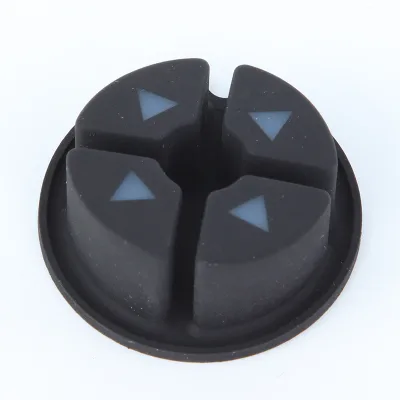
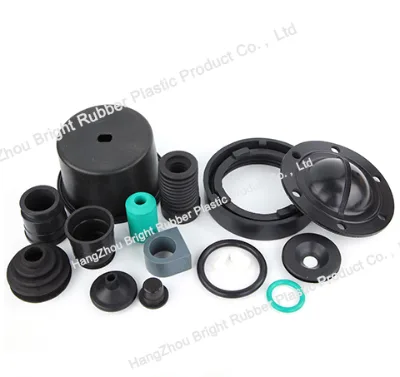
Rubber Products Manufacturing Machinery Silicone Custom Rubber Machine Parts Gaskets
$0.0513 - $0.5142
MOQ: 500 Minimum
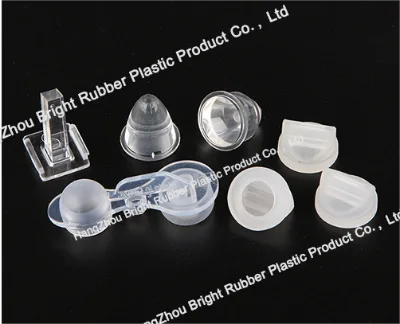
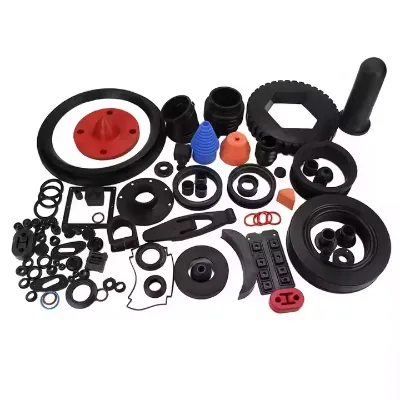
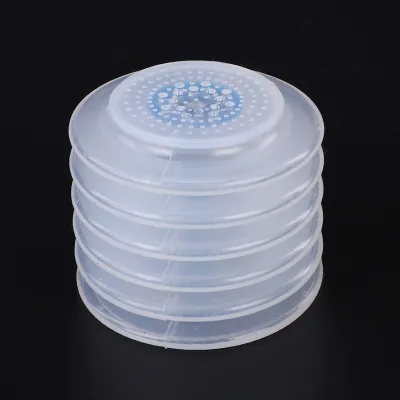
Custom silicone rubber parts OEM size color high temperature silicone molding for industry household
$0.10 - $0.80
MOQ: 100 Minimum
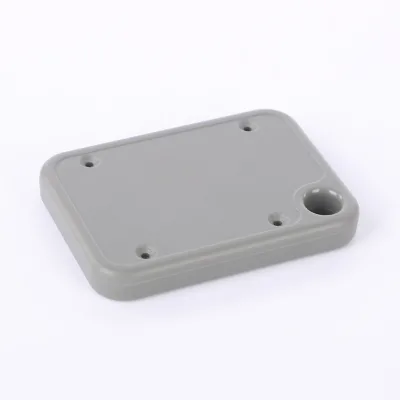

Milesun Rubber & Plastic Technology Co., Ltd.
- Verified by CTI
- Manufacturer/Factory
- China Guangdong
- Lead time23 days
- Avg. response≤ 13h
Main productsRubber Components, Rubber Damper/Shock Absorber/Sheet, Rubber-Metal Components, Sealing Ring, Home Appliance Rubber and Metal Components, Power Tool Rubber and Metal Components, Auto Rubber and Metal Components, Sanitary Rubber and Metal Components, Kitchen Ware / Daily Use Rubber Products, Food Grade Rubber Products/Toy
Main marketsSouth America,Eastern Europe,Mid East,North America,Southeast Asia,Eastern Asia,Oceania,Western Europe,Africa


Custom Manufacturer Silicone Mold Making Silicone Part Other Silicone Rubber Part
$0.05 - $1.58
MOQ: 1000 Pieces


Hengshui Heyuan Rubber Products Co., Ltd.
- Manufacturer, Trading Company
- Hebeisheng, China
- Lead time7 days
- Avg. response≤ 2h
Main productsrubber products,Nylon products,rubber hose,oil seal,rubber hose
Main marketsDomestic Market(75.00%), Africa(5.00%), Eastern Asia(5.00%), Eastern Europe(4.00%), Northern Europe(3.00%), Central America(3.00%), Mid East(2.00%), North America(1.00%), South Asia(1.00%), South America(1.00%)
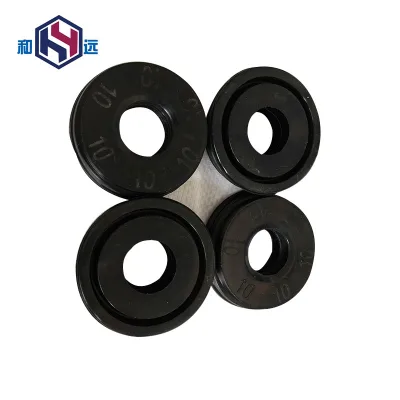
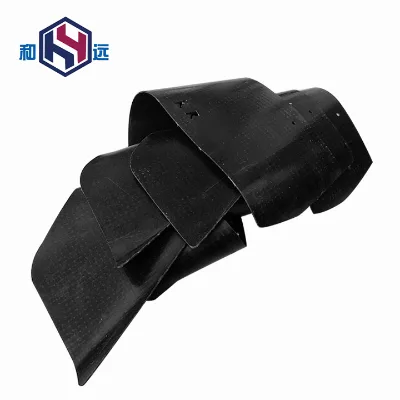
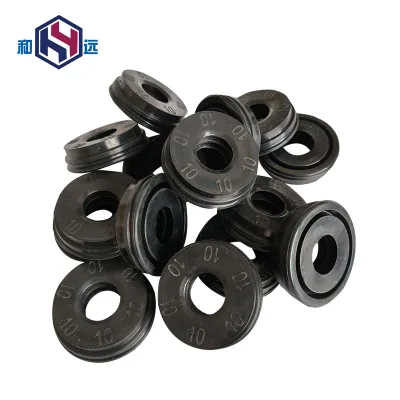
$1.50 - $2.00
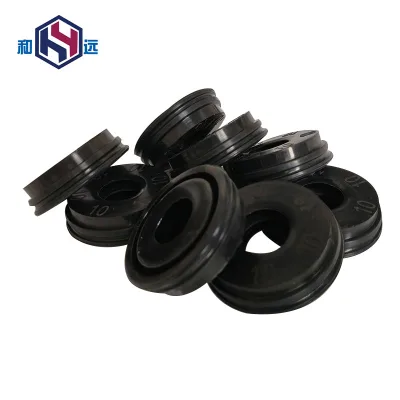
Jiangsu Keyuan Rubber & Plastic Products Co., Ltd.
- Verified by Intertek
- Manufacturer, Trading Company
- Lead time20 days
- Avg. response≤ 1h
Main productsSilicone Gasket, Plastic Products, Polyurethane Products, Silicone Seals
Main marketsDomestic Market(90%), South America(5%), Eastern Europe(5%)
Shenzhen Baoliangheng Technology Co., Ltd.
- Manufacturer
- Guangdong Province, China
- Lead time0 days
- Avg. response≤ 4h
Main productsSilicone rubber products,Silicone plug,High temperature resistant silicone rubber sleeve
Main marketsSoutheast Asia(60.00%), South Asia(20.00%), North America(10.00%)
- Verified by TüVRheinland
- Manufacturer, Trading Company
- Lead time45 days
- Avg. response≤ 3h
Main productsOil Seal, O-Ring, Custom Rubber Parts, Compound Gasket, Viton Seal
Main marketsNorth America(20%), South America(20%), Domestic Market(20%)
Hengshui Hongjia Rubber Products Co., Ltd
- Manufacturer, Trading Company
- Hebei, China
- Lead time3 days
- Avg. response≤ 5h
Main productsoil seal,O-ring,flange gasket,Dome valve sealing ring,Gasket of plate heat exchanger
Main marketsDomestic Market(35.00%), North America(5.00%), South Asia(5.00%), Southern Europe(5.00%), Northern Europe(5.00%), Central America(5.00%), Western Europe(5.00%), Eastern Asia(5.00%), Mid East(5.00%), Oceania(5.00%), Africa(5.00%), Southeast Asia(5.00%), Eastern Europe(5.00%), South America(5.00%)
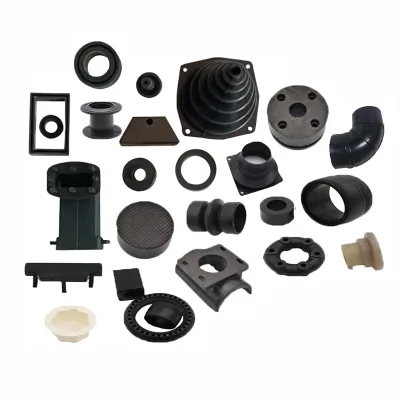
$0.09 - $0.29
MOQ: 50 pieces
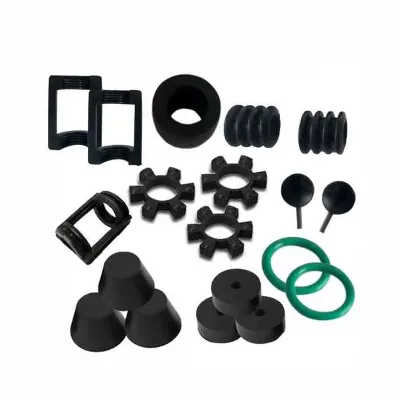
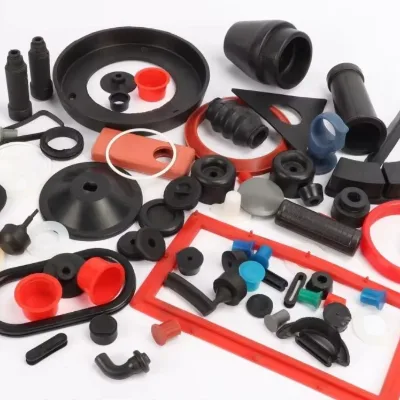
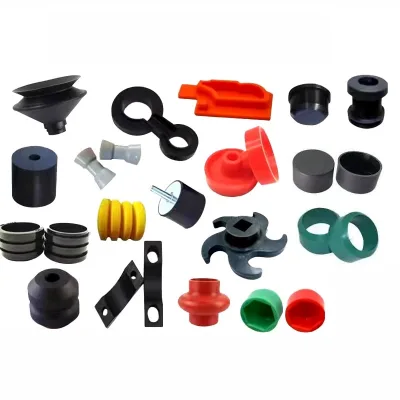
Fully Customized Rubber Supplier Custom Rubber Product Customize Industrial Rubber Parts
$0.09 - $0.29
MOQ: 50 pieces
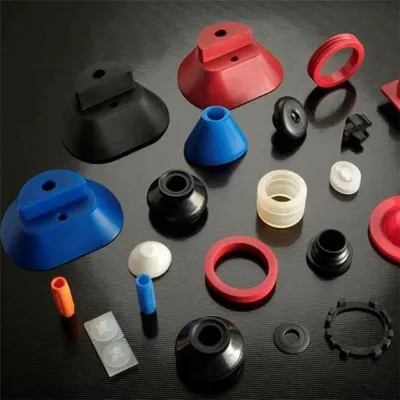
Manufacturer Professional Customized Rubber Products Other Rubber Products
$0.09 - $0.29
MOQ: 50 pieces

Ningbo Boman Mechanical & Technology Co., Ltd.
- Manufacturer/Factory
- China Zhejiang
- Lead time15 days
- Avg. response≤ 8h
Main productsOil Seal, O Ring, Customize Molded Rubber Part, Bonded Seal, Extrusion Strip, Rubber Ball, Valve Stem Seal, Rubber Product, Plastic Products, Silicone Product
Main marketsSouth America,Eastern Europe,Mid East,North America,Southeast Asia,Eastern Asia,Western Europe
Shenzhen Higoal Technology Limited
- Verified by SGS Group
- Manufacturer, Trading Company
- Lead time7 days
- Avg. response≤ 3h
Main productsSilicone Products, Membrane Switch, Plastic Parts , Assembly Project
Main marketsNorth America(50%), Eastern Europe(21%), Mid East(20%)

Suzhou Titan Silicon Rubber Technology Co., Ltd.
- Verified by CTI
- Combined
- China Jiangsu
- Lead time23 days
- Avg. response≤ 3h
Main productsSilicone Rubber Keypads, Silicone Extrusion Sealing Strips, Silicone Glass Lid, Molded Silicone Rubber Parts, Silicone Oven Mitts Pot Holder
Main marketsDomestic
Beijing Gordon Tech Imp And Exp Co., Ltd.
- Verified by SGS Group
- Manufacturer, Trading Company
- Lead time30 days
- Avg. response≤ 1h
Main productsCar Vacuum Cleaner, Rubber & Silicone Hose
Main marketsNorth America(38%), Southern Europe(19%), Western Europe(14%)

Qingdao Senseco Materials Co., Ltd.
- Manufacturer
- China Shandong
- Lead time15 days
- Avg. response≤ 17h
Main productsO Ring, Oil Seal, Rubber Seal, Rubber Damper, Damper, Silica Rubber Seal, Magnetic Rubber, Rubber Gasket, Rubber Product, Damping Rubber
Main marketsEurope,Australia,North America
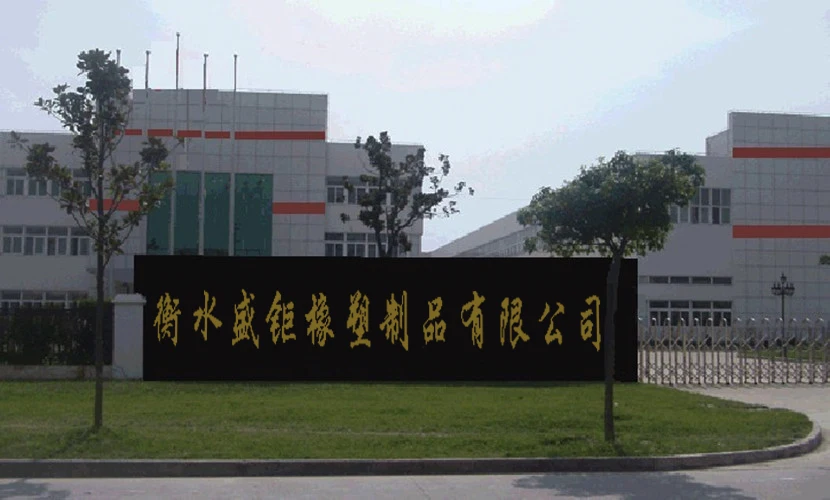
Hengshui Shengju Rubber And Plastic Products Co., Ltd
- Manufacturer, Trading Company
- Hebei, China
- Lead time10 days
- Avg. response≤ 2h
Main productsRubber Products, Polyurethane Products, Rubber Seal
Main marketsNorth America(20.00%), South America(20.00%), Southeast Asia(20.00%), Central America(10.00%), Northern Europe(10.00%), Eastern Europe(10.00%)
Shenzhen Ai Industry Co., Limited
- Manufacturer
- Guangdong, China
- Lead time7 days
- Avg. response≤ 5h
Main productssilicone valve,3m adhesive silicone bumper,medical silicone products,silicone rubber keypad,LSR silicone injection parts
Main marketsSouth America(30.00%), North America(20.00%), Eastern Europe(15.00%), Northern Europe(10.00%)

SHENZHOU CITY SANSHI RUBBER CO., LTD.
- Verified by BV
- Combined
- China Hebei
- Lead time15 days
- Avg. response≤ 8h
Main productsRubber Part, Oil Seal, Rubber Gasket, Rubber Sealing, Operation of Machinery Parts, Handle, Knob, Handwheel, Nylon Gaskets, PTFE Gasket
Main marketsSouth America,Africa,Southeast Asia/ Mideast,East Asia(Japan/ South Korea),Domestic,Europe,Australia,North America
Qingdao Fluido Industrial Co., Ltd.
- Trading Company
- Shandong, China
- Lead time30 days
- Avg. response≤ 3h
Main productsValves,Pipe Fittings,OEM Metal part,Kee Clamp,Manhole Step
Main marketsSouth America(20.00%), Western Europe(10.00%), Eastern Europe(10.00%), North America(10.00%), Domestic Market(5.00%), South Asia(5.00%), Southern Europe(5.00%), Northern Europe(5.00%), Central America(5.00%), Southeast Asia(5.00%), Eastern Asia(5.00%), Mid East(5.00%), Oceania(5.00%), Africa(5.00%)
Hengshui Tengyou Rubber And Plastic Products Co., Ltd.
- Manufacturer, Trading Company
- He Bei, China
- Lead time5 days
- Avg. response≤ 2h
Main productsrubber product,Rubber hose,Injection parts,pipe locking machine
Main marketsNorth America(20.00%), South Asia(10.00%), Northern Europe(10.00%), Central America(10.00%), Eastern Asia(10.00%), Mid East(10.00%), Africa(10.00%), Southeast Asia(10.00%), South America(10.00%)
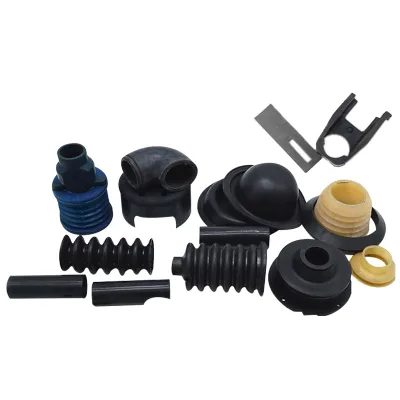
OEM Custom Rubber Molded & Silicone Industrial Products Variety of Rubber Parts
$0.03 - $0.63
MOQ: 100 Minimum
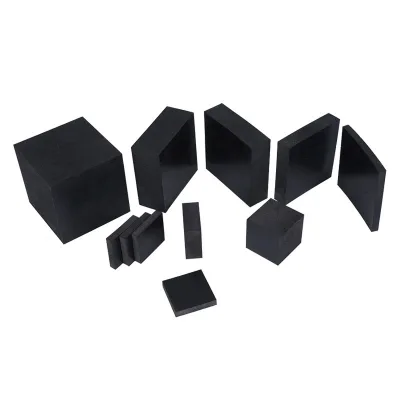
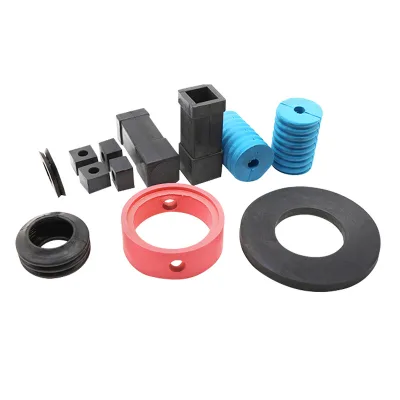
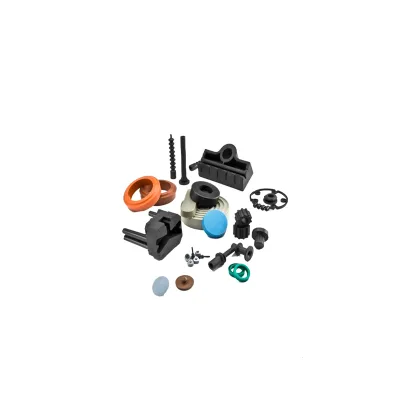
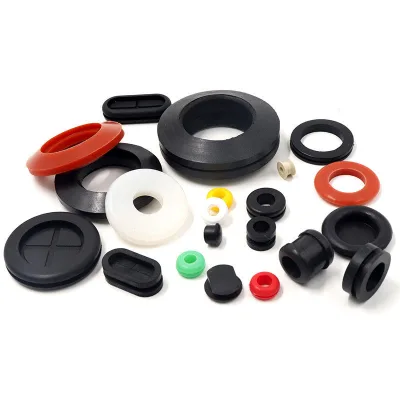
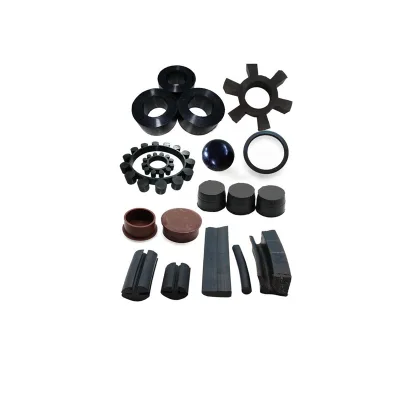
Epdm Rubber Shaped Parts Custom Non-Standard Industrial Rubber Products Rubber Shaped Parts
$0.03 - $0.63
MOQ: 100 Minimum

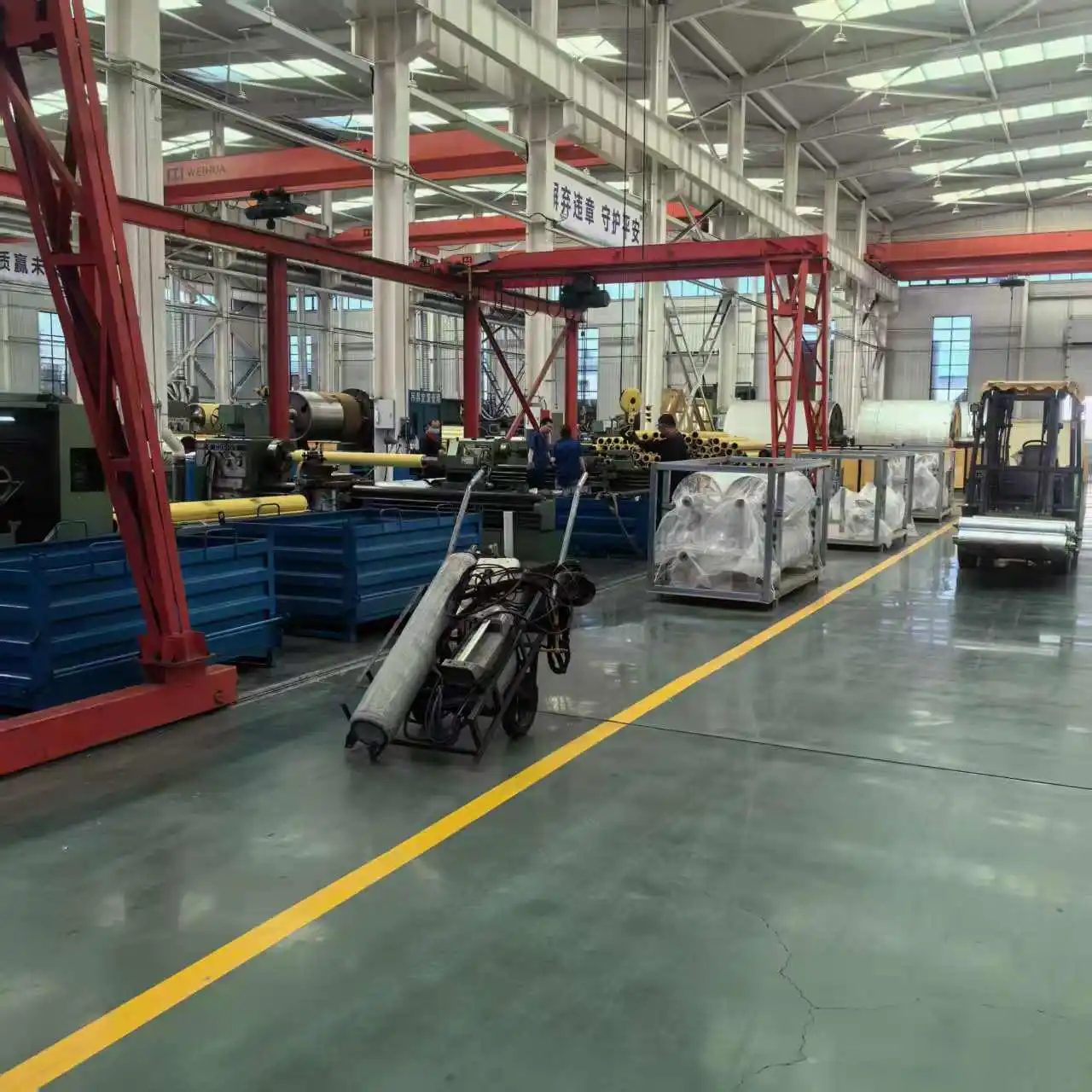
Ningbo Beilun Hengnai Fluorine & Plastic Production Co., Ltd.
- Verified by TUVRHEINLAND
- Trading Company,Manufacturer/Factory
- China Zhejiang
- Lead time23 days
- Avg. response≤ 15h
Main productsRubber Products, Silicone Masking, Plastic Injection Products, Rubber Products Mold, Hardware
Main marketsSouth America,Eastern Europe,Mid East,North America,Southeast Asia,Eastern Asia,Western Europe
Hebei Jurui Rubber & Plastic Technology Co., Ltd.
- Manufacturer, Trading Company
- Hebei, China
- Lead time5 days
- Avg. response≤ 1h
Main productso-ring,Low pressure hose,Silicone soft connection,Polyurethane shaped parts,Plastic shaped parts
Main marketsDomestic Market(25.00%), Africa(10.00%), Eastern Asia(10.00%), Northern Europe(10.00%), Mid East(10.00%), Central America(6.00%), Southeast Asia(6.00%), South America(6.00%), North America(5.00%), South Asia(4.00%), Eastern Europe(3.00%), Oceania(2.00%), Western Europe(2.00%), Southern Europe(1.00%)
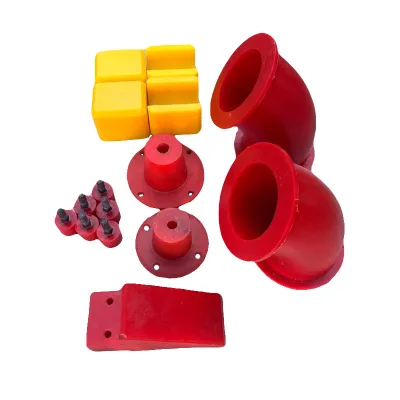
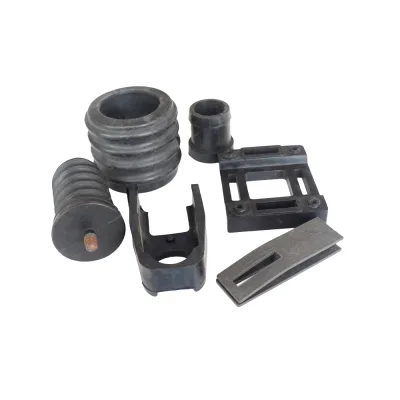
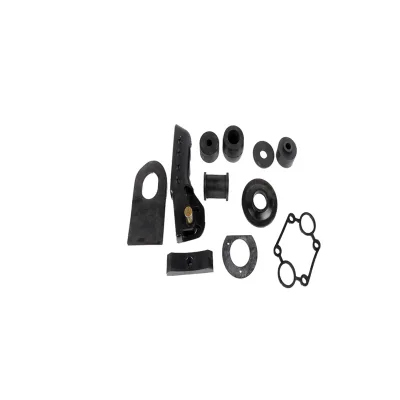
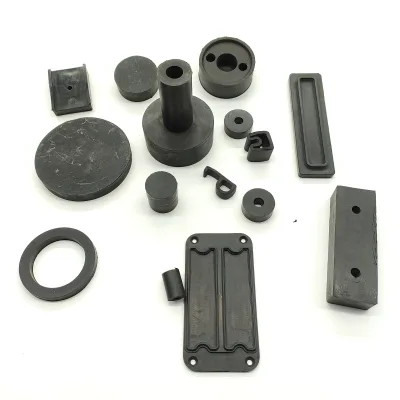
Custom Rubber Parts Oem Odm Custom Nbr Silicone Parts/fkm Epdm Parts/molded Rubber Parts
$0.18 - $0.43
MOQ: 100 pieces
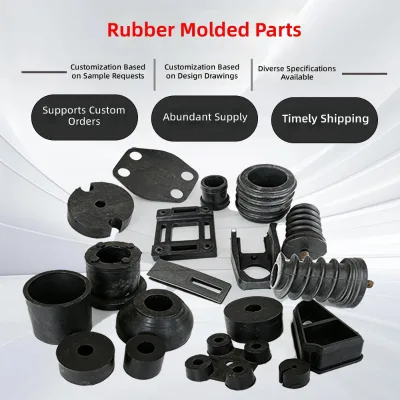
Shenzhou Zhongtian Rubber & Plastic Products Co., Ltd.
- Manufacturer, Trading Company
- Hebei Province, China
- Lead time15 days
- Avg. response≤ 2h
Main productsOil seal,O ring,Rubber gasket,Rubber strip,Rubber Sleeve
Main marketsNorthern Europe(49.00%), Eastern Europe(19.00%), Southern Europe(14.00%), North America(10.00%), South America(8.00%)
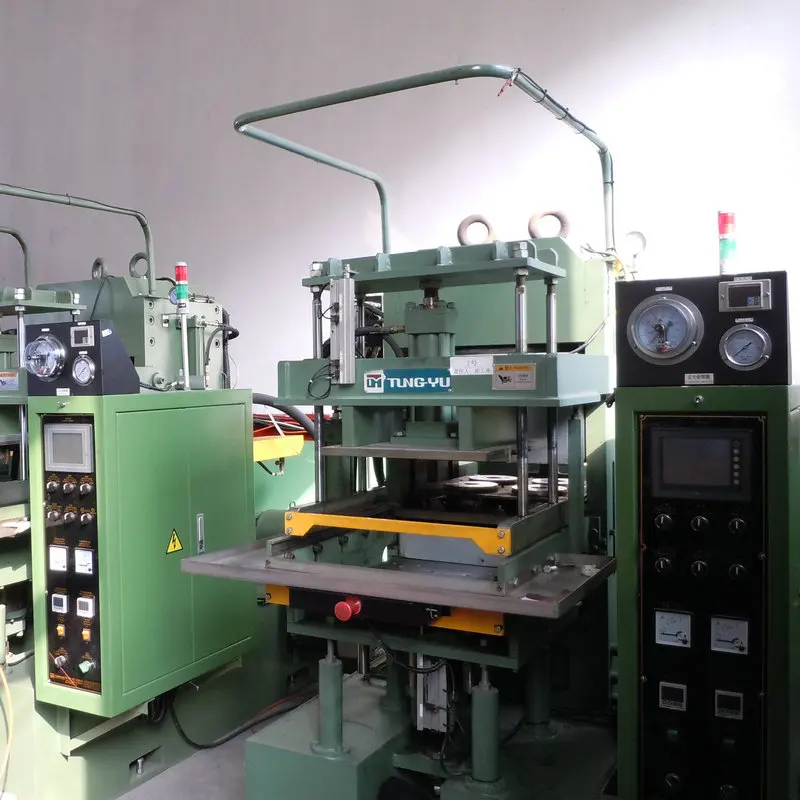
Qingdao Bright Rubber&plastic Co., Ltd.
- Trading Company
- Shandong, China
- Lead time15 days
- Avg. response≤ 2h
Main productsCustomized Rubber Part,Rubber hose,Rubber Sealing Strip,Silicone Rubber Tube,Rubber oil seals
Main marketsNorth America(40.00%), South America(20.00%), Southeast Asia(10.00%), Eastern Europe(10.00%), South Asia(5.00%), Western Europe(5.00%), Southern Europe(5.00%), Northern Europe(2.00%), Mid East(2.00%), Domestic Market(1.00%)
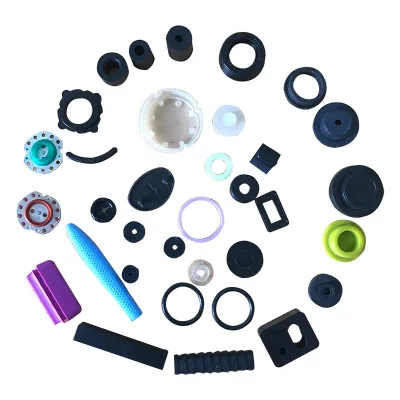










Comprehensive Sourcing Guide
Custom Shape Silicone and Rubber Part Supplier Concentration and Factory Types
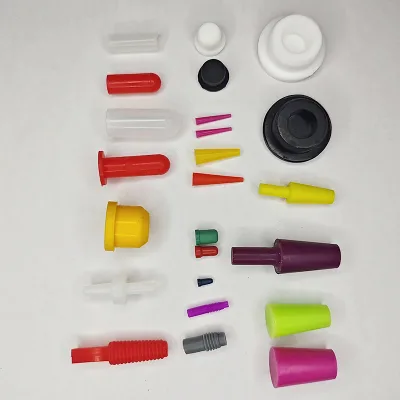
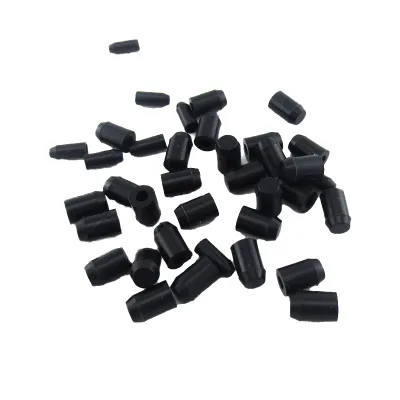
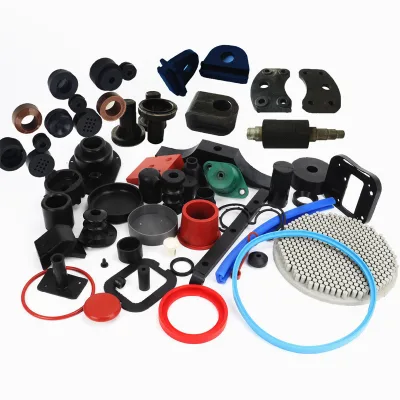
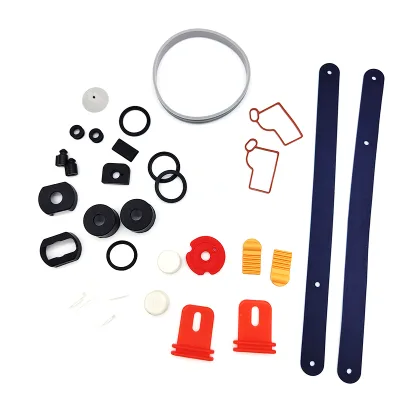
The sourcing landscape for custom shape silicone and rubber parts reveals a distinct geographic concentration within China, specifically highlighting manufacturing hubs in Fujian, Jiangsu, and Shandong provinces. These regions serve as primary clusters for suppliers offering a wide array of molding capabilities, from injection molding to compression molding. Suppliers in these areas often operate as combined entities or trading companies that bridge the gap between factory production and international procurement needs. For instance, facilities in Fujian are noted for their expertise in plastic injection mold design alongside silicone rubber parts, indicating a mature ecosystem for complex tooling and material processing. Similarly, Jiangsu-based suppliers frequently emphasize their dual role as both trading companies and manufacturers, providing buyers with direct access to production lines while maintaining flexible commercial structures. This concentration allows for efficient supply chain logistics, as raw material suppliers, mold makers, and final assemblers often operate within close proximity, reducing transit times for intermediate components.
Beyond geographic clustering, the supplier types available for custom shape silicone and rubber parts vary significantly in their operational focus and service offerings. Buyers will encounter a mix of pure manufacturers, trading companies, and combined entities that offer both OEM and ODM services. The presence of combined company types suggests a versatility in handling diverse order sizes and customization requirements, catering to both large-scale industrial projects and smaller, specialized medical or household applications. Some suppliers specialize in specific material brands or high-strength silicone formulations, while others focus on the precision of the molding process itself, such as liquid silicone rubber injection. Understanding these distinctions is crucial for aligning supplier capabilities with specific project needs, whether the priority is rapid prototyping, high-volume production, or specialized material compliance. The diversity in supplier types ensures that buyers can find partners who match their specific technical and commercial requirements, from basic gasket sealing to complex medical-grade components.
How to Verify Custom Shape Silicone and Rubber Part Suppliers
Verifying the credibility and technical capability of Custom Shape Silicone and Rubber Part suppliers requires a multi-layered approach that goes beyond basic company profiles. Buyers should prioritize suppliers who hold recognized third-party verifications, such as CTI or BV, which provide an additional layer of trust regarding business legitimacy and operational standards. These verifications often accompany detailed product evidence, including specific certifications like ISO9001:2015, RoHS, REACH, FDA, and ISO, which are critical for industries with strict regulatory requirements such as medical, automotive, and food-grade applications. When evaluating a supplier, it is essential to cross-reference these certifications with the specific materials and processes they claim to use, ensuring that their stated capabilities align with their documented compliance records. For example, a supplier claiming FDA compliance for medical-grade silicone must have the appropriate documentation to support this claim, which can be verified through their certification listings or direct requests for test reports.
In addition to certifications, buyers should assess the supplier's response time and verification status to gauge their reliability and engagement level. A quick response time, such as those observed in the range of 2.29 to 2.66 hours, indicates a responsive sales and technical support team that can address queries and provide necessary documentation promptly. This responsiveness is particularly important during the initial stages of sourcing, where detailed technical specifications and custom design requirements need to be discussed and refined. Furthermore, examining the supplier's main products and production capabilities, such as their ability to handle injection molding, compression molding, or metal insert integration, provides insight into their technical expertise. Buyers should also look for evidence of their prototype processes, such as SLA, vacuum forming, or CNC, which demonstrate their ability to bring custom designs to life before full-scale production begins. This comprehensive verification process helps mitigate risks and ensures that the selected supplier has the necessary infrastructure and compliance standards to deliver high-quality custom shape silicone and rubber parts.
What to Compare Across Custom Shape Silicone and Rubber Part Suppliers
When evaluating multiple suppliers for custom shape silicone and rubber parts, several key dimensions must be compared to determine the best fit for specific project requirements. Lead time is a critical factor, with some suppliers offering turnaround times as short as 15 days, while others may require up to 30 days for production. This variation can significantly impact project timelines, especially for time-sensitive industrial or medical applications. Buyers should also compare the minimum order quantity (MOQ) requirements, which can range from as low as 1 unit for prototyping or small batches to 100 units for standard production runs. Understanding these MOQs helps in planning inventory and managing cash flow, particularly for startups or companies testing new product designs. Additionally, response speed should be considered, as faster response times can facilitate quicker negotiations and problem-solving during the sourcing process.
Price and customization options are another crucial aspect of comparison. Prices for custom shape silicone and rubber parts can vary widely, with some suppliers offering rates as low as $0.10 per unit, while others may charge up to $1.20 per unit, depending on the complexity of the design, material specifications, and order volume. Buyers should also evaluate the extent of customization available, including options for color matching, logo printing, and specific material grades such as organic silicone or high-strength silicone. The availability of OEM and ODM services is also important, as it indicates the supplier's ability to handle both branded and unbranded production needs. Furthermore, comparing the range of main products offered, such as gaskets, seals, o-rings, or complex machinery parts, can help identify suppliers with specialized expertise in specific applications. By systematically comparing these factors, buyers can make informed decisions that balance cost, quality, and delivery speed, ensuring that the selected supplier meets all project requirements.
Common Custom Shape Silicone and Rubber Part Sourcing Risks
Sourcing custom shape silicone and rubber parts involves several inherent risks that buyers must proactively manage to ensure successful procurement outcomes. One significant risk is the variability in material quality and compliance, as not all suppliers may adhere to the same strict standards for medical, food-grade, or industrial applications. Buyers must verify that the silicone or rubber materials used meet specific regulatory requirements, such as FDA or RoHS, to avoid potential legal and safety issues downstream. Another risk is the potential for delays in production or delivery, which can be exacerbated by complex custom designs or high order volumes. Suppliers with longer lead times or less robust production capacities may struggle to meet tight deadlines, impacting the buyer's overall project schedule. Additionally, the risk of communication gaps can arise when working with suppliers who have slower response times or limited English proficiency, leading to misunderstandings in technical specifications or design requirements.
Quality control is another critical area of risk, particularly when dealing with custom shapes that require precise tolerances and specific material properties. Buyers must ensure that the supplier has adequate quality assurance processes in place, including regular inspections and testing protocols, to guarantee that the final products meet the agreed-upon standards. The risk of mold wear and tear is also relevant, as the mold life-cycle can impact the consistency and quality of the produced parts over time. Suppliers should provide clear information on their mold maintenance practices and expected mold life, typically ranging from 100,000 to 500,000 shots, to help buyers plan for long-term production needs. Furthermore, the risk of intellectual property infringement exists when sharing custom designs with suppliers, necessitating strong confidentiality agreements and secure data handling practices. By identifying and addressing these risks early in the sourcing process, buyers can mitigate potential issues and establish a more reliable and secure supply chain for their custom shape silicone and rubber parts.
Custom Shape Silicone and Rubber Part Regional Sourcing and Logistics
Regional sourcing of custom shape silicone and rubber parts offers distinct advantages and challenges depending on the geographic location of the supplier. Suppliers located in China, particularly in provinces like Fujian, Jiangsu, and Shandong, benefit from established manufacturing ecosystems and efficient logistics networks. These regions provide access to a wide range of raw materials, specialized tooling, and skilled labor, which can contribute to competitive pricing and faster production cycles. However, buyers must also consider the logistical implications of sourcing from these regions, including shipping times, customs clearance procedures, and potential tariffs. Understanding the specific logistics requirements for each region can help buyers optimize their supply chain and reduce overall costs. For instance, suppliers in Jiangsu may offer different shipping options compared to those in Shandong, depending on their proximity to major ports and transportation hubs.
In addition to logistics, regional sourcing can impact the level of customization and technical support available to buyers. Suppliers in certain regions may have specialized expertise in specific types of silicone or rubber molding, such as liquid silicone rubber injection or compression molding, which can be beneficial for complex custom designs. Buyers should evaluate the technical capabilities of suppliers in different regions to ensure they can meet their specific project requirements. Furthermore, regional differences in business practices and communication styles can affect the sourcing process, requiring buyers to adapt their approach accordingly. For example, suppliers in Fujian may have a different communication style compared to those in Jiangsu, which can influence the ease of collaboration and problem-solving. By carefully considering these regional factors, buyers can make informed decisions about where to source their custom shape silicone and rubber parts, balancing cost, quality, and logistical efficiency to achieve their business objectives.
Custom Shape Silicone and Rubber Part Commercial Terms and Order Planning
Effective commercial terms and order planning are essential for successful procurement of custom shape silicone and rubber parts, ensuring that both buyers and suppliers are aligned on expectations and responsibilities. Buyers should carefully review the pricing structure, which may vary based on order volume, material complexity, and customization requirements. Some suppliers offer tiered pricing, with lower unit costs for larger orders, while others may charge additional fees for tooling or setup. Understanding these pricing dynamics helps buyers plan their budgets and negotiate favorable terms. Additionally, buyers should clarify the payment terms, including deposit requirements, milestone payments, and final payment conditions, to manage cash flow effectively. It is also important to establish clear delivery schedules and lead times, ensuring that the supplier can meet the required deadlines for production and shipping.
Order planning should also include considerations for packaging and labeling, as these can impact the handling and storage of the final products. Suppliers may offer various packaging options, such as bulk packing, poly bags, or custom-branded boxes, which should be selected based on the buyer's specific needs. Furthermore, buyers should discuss the warranty and return policies with the supplier, ensuring that there are clear procedures for addressing any quality issues or defects. Establishing a strong communication channel for ongoing order updates and issue resolution is also crucial for maintaining a smooth procurement process. By carefully planning the commercial terms and order logistics, buyers can minimize risks and ensure that their custom shape silicone and rubber parts are delivered on time, within budget, and to the required quality standards. This proactive approach to order planning helps build a reliable and productive relationship with the supplier, facilitating future collaborations and long-term success.
FAQs
What certifications are available for custom silicone parts?
Suppliers offer RoHS, REACH, FDA, and ISO certifications for custom silicone and rubber parts. These credentials ensure materials meet international safety and quality standards. Buyers can verify specific certificates during the sourcing process to confirm compliance with industry regulations and application requirements.
What is the typical lead time for orders?
Lead times typically range from 15 to 30 days depending on the supplier and order complexity. Some manufacturers provide faster turnaround options for urgent requests. Buyers should confirm specific delivery schedules with the supplier before placing orders to ensure alignment with production timelines.
What is the minimum order quantity for custom parts?
Minimum order quantities vary, with some suppliers accepting orders as low as one piece. Others may require a minimum of 100 units. Buyers should check specific supplier requirements to determine the most suitable option for their volume needs and budget constraints.
What materials are used for custom rubber parts?
Suppliers use various materials including silicone, high-strength silicone, and organic silicone. These materials are selected based on application requirements such as durability and flexibility. Buyers can specify material preferences to ensure the final product meets their functional and environmental needs.
What is the price range for custom parts?
Prices for custom silicone and rubber parts range from $0.10 to $1.20 per unit. The cost depends on factors like material, complexity, and quantity. Buyers should request detailed quotes to understand pricing structures and negotiate terms that fit their budget.
What is the response time for supplier inquiries?
Supplier response times typically range from 2.29 to 4.94 hours. Faster response times indicate active and responsive suppliers. Buyers should prioritize suppliers with quicker response times to ensure efficient communication and timely resolution of any questions or issues during the sourcing process.