Thermoforming Customized Auto Body Kit Suppliers and Manufacturers
Find 24 verified Thermoforming Customized Auto Body Kit suppliers offering vacuum forming and plastic molding services. Compare response times, lead times, certifications like ISO9001, and MOQs to select the right factory for your project; review the available evidence before requesting comparable quotations from suitable candidates.
Updated
Suppliers List
Shenzhen Ameixin Plastic Co., Ltd.
- Verified by SGS Group
- Manufacturer, Trading Company
- Lead time35 days
- Avg. response≤ 3h
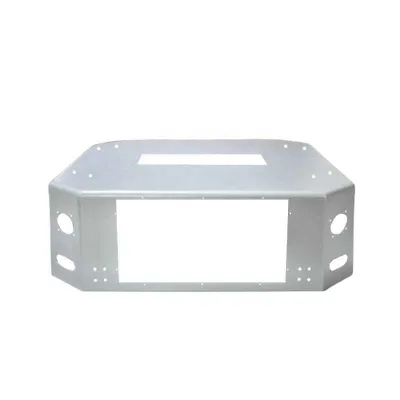
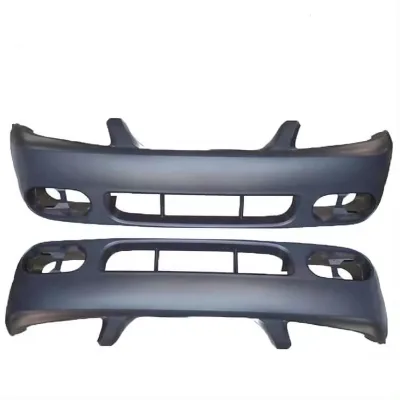
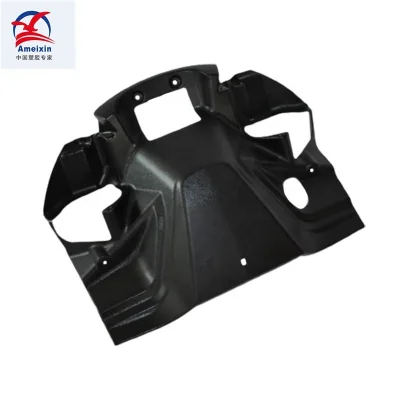
Main productsVacuum Forming Product, Plastic Cover, Plastic Tray, Plastic Display
Main marketsNorth America(25%), Domestic Market(16%), Africa(15%)
$15.00 - $20.00
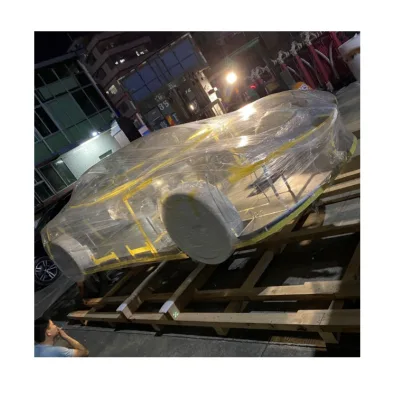
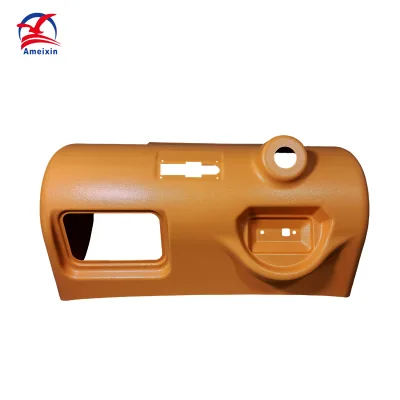
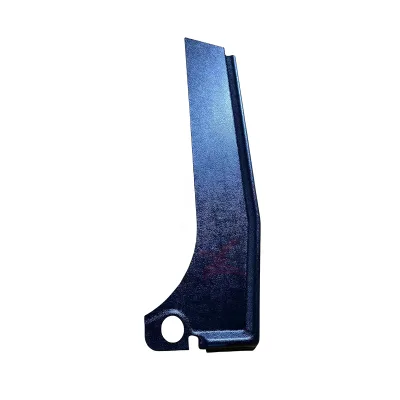
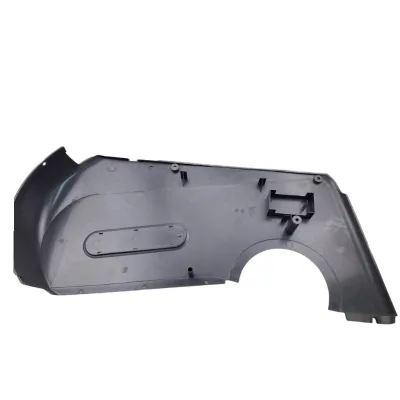
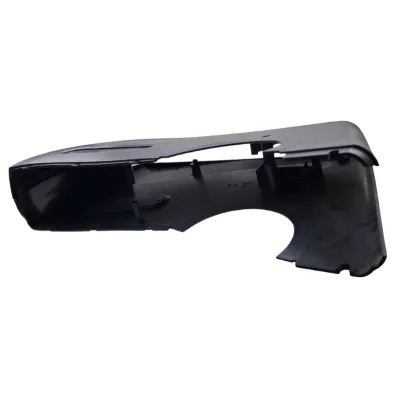
Custom Made ABS Plastic Car Body Kit with Cutting and Vacuum Forming Auto Side Skirt
$7.1877 - $10.2682
MOQ: 200 pieces
Guangzhou Css Auto Accessories Co., Ltd.
- Trading Company
- Lead time旺季: "1 - 1":25,"2 - 2":30,"> 2":"To be negotiated", 淡季: "1 - 1":25,"2 - 2":30,"> 2":"To be negotiated"
- Avg. response≤ 2h
Main productsBody Kits/Car Bumpers/Carbon Fiber Auto Body Parts, Carbon Fiber Engine Hoods, Forged Wheel Rims, Carbon Fiber Interior Trims
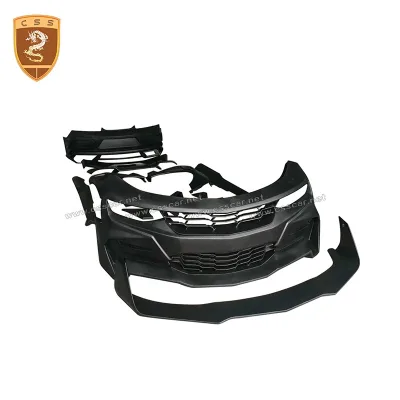
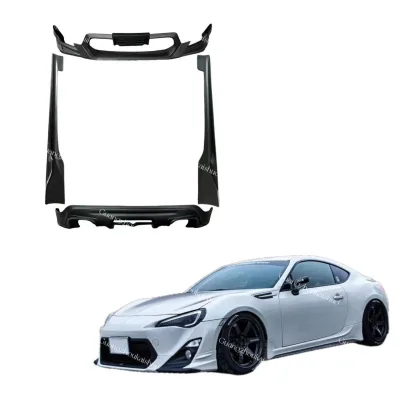
Auto Car Parts Body Kit for Chevrolet Camaro Upgrade Limited Edition Body Kit
$3492.00 - $3592.00
MOQ: 1
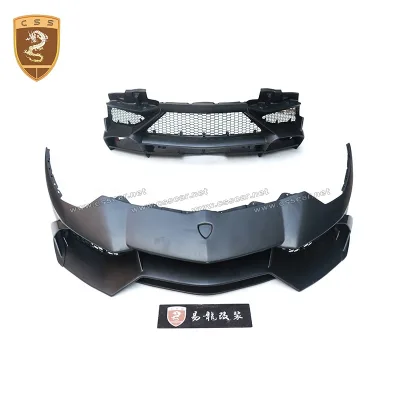
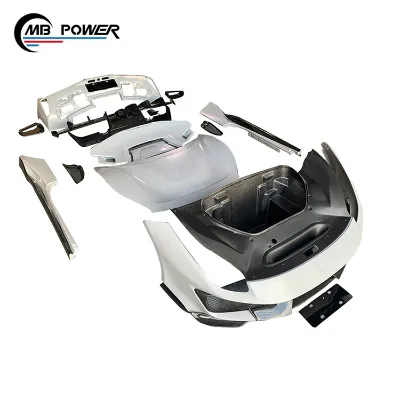
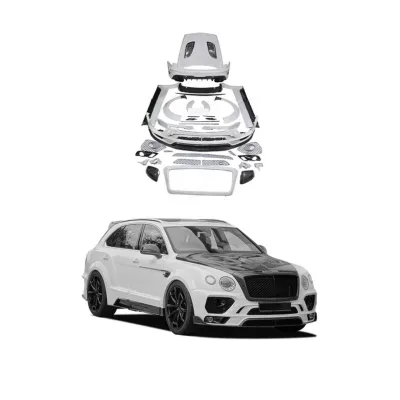
Auto Tuning Body Kit Full Front Car Parts Rear Bumper for LP700 Conversion to Limited Edition LP720
$1400.00 - $1550.00
MOQ: 1
Dongguan Ditai Plastic Products Co., Ltd.
- Verified by SGS Group
- Manufacturer, Trading Company
- Lead time7 days
- Avg. response≤ 4h
Main productsPlastic Shell, Display Product, Plastic Tray, Plastic Sheet, Plastic Sport Equipment Car Accessories
Main marketsNorth America(20%), Domestic Market(16%), Western Europe(11%)
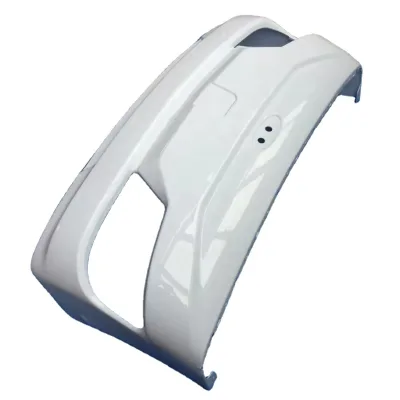
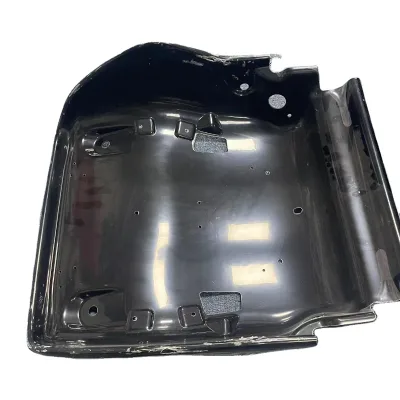
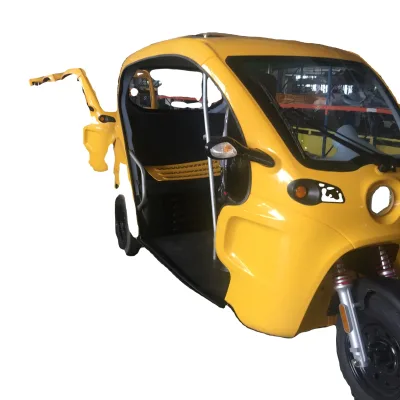
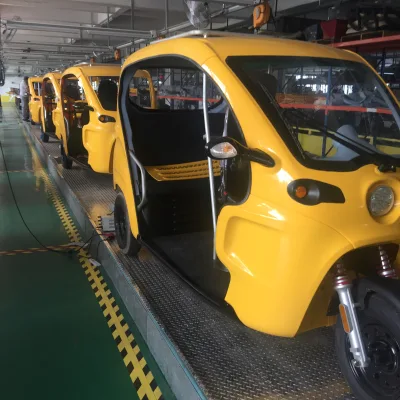
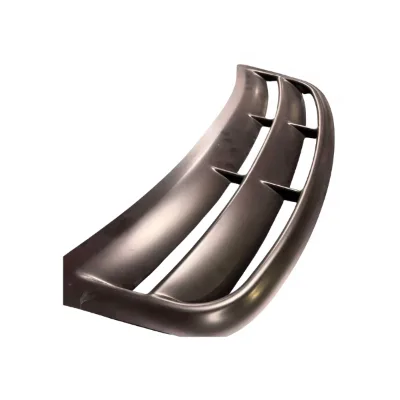
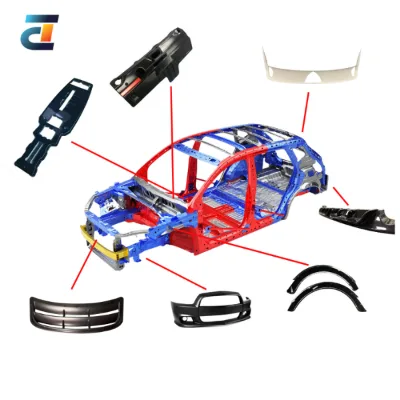
OEM Factory Direct Sales Car Parts Custom Thermoformed Plastic Exterior Kit Chassis Parts
$3.00 - $5.00
MOQ: 100 sets

Yiwu Jony Auto Parts Co., Ltd.
- Trading Company
- China Zhejiang
- Lead time45 days
- Avg. response≤ 4h
Main productsAuto Parts, Car Body Kit, Cooling System, Engine Parts, Car Light
Main marketsSouth America,East Asia(Japan/ South Korea),Domestic,North America

Lechang Xin dongsui Auto Accessories Co., Ltd.
- Verified by TUVRHEINLAND
- Combined
- China Guangdong
- Lead time23 days
- Avg. response≤ 4h
Main productsCar Bumpers, Roll Bar, Bull Bar, Grille Guard, Grille Guard Bumper, Side Step, Rear Skid Bar, Roof Rack, Semi Truck Front Bumper, 4X4 Roll Bar Pickup Roll Bar
Main marketsAustralia,North America
Dongguan Bst Ideal Industry Co., Ltd.
- Manufacturer
- Guangdong, China
- Lead time15 days
- Avg. response≤ 1h
Main productsvacuum forming product,vacuum forming trays,thermoforming plastic shell,Plastic TV Cover,bait boat hulls
Main marketsNorth America(13.00%), Eastern Europe(12.00%), South America(10.00%), Domestic Market(8.00%), Eastern Asia(7.14%), Oceania(7.14%), Central America(7.14%), Southern Europe(7.00%), Northern Europe(6.00%), Western Europe(6.00%), Southeast Asia(5.60%), Mid East(5.00%), South Asia(4.00%), Africa(1.00%)

Qingdao Hailong Machinery Group Co., Ltd.
- Verified by BV
- Combined
- China Shandong
- Lead time30 days
- Avg. response≤ 2h
Main productsCasting Products, Metal Stamping Parts, CNC Machining, Metal Stamping, Truck Body, Truck Cabin, Shipping Container, Metal Stamping Die, Plastic Injection Mould, Die Casting
Main marketsSoutheast Asia/ Mideast
Changzhou Wodisi Vehicle Parts Co., Ltd.
- Manufacturer
- Jiangsu, China
- Lead time15 days
- Avg. response≤ 2h
Main productsbody Kit,carbon products
Main marketsAfrica(45.00%), Southeast Asia(15.00%), Mid East(10.00%), Oceania(5.00%), Southern Europe(5.00%), South America(5.00%), Central America(4.00%), Eastern Asia(3.00%), North America(2.00%), Northern Europe(2.00%), Eastern Europe(2.00%), Western Europe(2.00%)
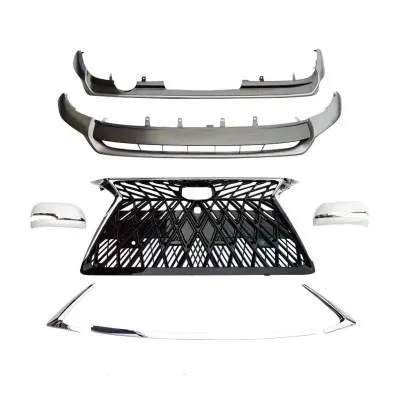
High Quality Auto Body Systems Car Parts Body Kit for GX460 Upgrade Kit 2010-2017 Bodykit with Grill
$466.8156 - $622.4208
MOQ: 1 sets
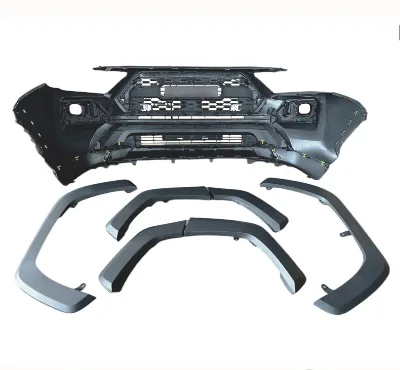
Auto Car Front Bumper Body Kits for RAV4 2019 2020 2021 2022 Front Grill Fender Flare Bumper Guard
$518.684 - $933.6312
MOQ: 1 sets

Bengbu Taidahui Auto Parts Co., Ltd.
- Verified by SGS
- Trading Company
- China Anhui
- Lead time15 days
- Avg. response≤ 1h
Main productsBody Kit, Forged Wheels, Bumper, Auto Lamp, Steering Wheel, Carbon Fiber Parts, 4X4 Accessories, Grille, Front Splitter, Rear Spoiler
Main marketsSoutheast Asia/ Mideast,Domestic

Hot Sale Car Body Kit for 2019+Mercedes Benz W177 Facelift to A45 Amg Body Kit with ABS Grille
$650.00 - $699.00
MOQ: 1 Sets

High Quality PP Auto Body Kit for 2021+ Mercedes Benz S-Class W223 Facelift to S65 Amg Body Kit
$700.00 - $799.00
MOQ: 1 Sets

Modified Car Body Kit for 2022+ Mercedes Benz W257 Facelift to Cls Gt63 Body Kit
$950.00 - $1050.00
MOQ: 1 Sets

$950.00 - $1050.00
MOQ: 1 Sets

$650.00 - $699.00
MOQ: 1 Sets

$750.00 - $799.00
MOQ: 1 Sets
Taizhou Duke Auto Accessories Co., Ltd.
- Manufacturer, Trading Company
- Zhejiang, China
- Lead time30 days
- Avg. response≤ 12h
Main productscar seat cover,steering wheel cover,car covers,auto parts,car mats
Main marketsMid East(20.00%), Western Europe(20.00%), Eastern Asia(20.00%), Central America(10.00%), North America(10.00%), Northern Europe(5.00%), Eastern Europe(5.00%), South America(5.00%), Africa(5.00%)

Changzhou Rule Composite Material Co., Ltd.
- Verified by SGS
- Trading Company,Manufacturer/Factory
- China Jiangsu
- Lead time15 days
- Avg. response≤ 4h
Main productsUnsaturated Polyester Resin, Resin, Gel Coat Resin, Vinyl Ester Resin, SMC, BMC, Fiberglass Combination Mat, Fiberglass, Fiberglass Cloth and Woven Roving, Fiberglass Multiacial Fabric
Main marketsSouth America,Eastern Europe,Mid East,North America,Southeast Asia,Eastern Asia,Oceania,Western Europe,Africa

Car Accessories Factory Direct Sale SMC Car Body Kit Made of Sheet Molding Compound
$100.00 - $500.00
MOQ: 100 Pieces

Car Accessories Custom Design Compression Mold Car Body Kit Made of SMC Sheet Molding Compound
$100.00 - $500.00
MOQ: 100 Pieces
Guang Dong CLY Auto Parts Co., Ltd.
- Verified by SGS Group
- Manufacturer, Trading Company
- Lead time3 days
- Avg. response≤ 4h
Main productsCar Mirrors, Car Bumpers, Engine Hoods, Car Fenders, Car Grills
Main marketsNorth America(15%), South America(14%), Southeast Asia(13%)
Hefei Baikuo Machinery Equipment Co., Ltd.
- Trading Company
- Anhui, China
- Lead time0 days
- Avg. response≤ 3h
Main productscar seat cover,Car cushion,Car cushion
Main marketsSouth America(25.00%), Eastern Europe(20.00%), North America(20.00%)

Foshan Mingyang Auto Parts Co., Ltd.
- Verified by SGS
- Trading Company
- China Guangdong
- Lead time15 days
- Avg. response≤ 7h
Main productsCar Body Kit, Tonneau Cover, Hood, Grille, Headlight, Taillight, 4X4 Parts
Main marketsSoutheast Asia/ Mideast,Australia,North America
Changzhou Carbon Tech Composite Material Co., Ltd.
- Verified by TüVRheinland
- Manufacturer, Trading Company
- Lead time7 days
- Avg. response≤ 5h
Main productsBody Kit, Bumpers, Carbon Fiber Parts, Head and Taillights, Hood
Main marketsDomestic Market(40%), Eastern Europe(20%), South America(10%)
$500.00 - $550.00
MOQ: 1 Minimum
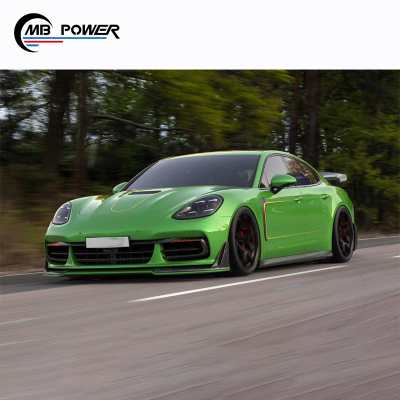
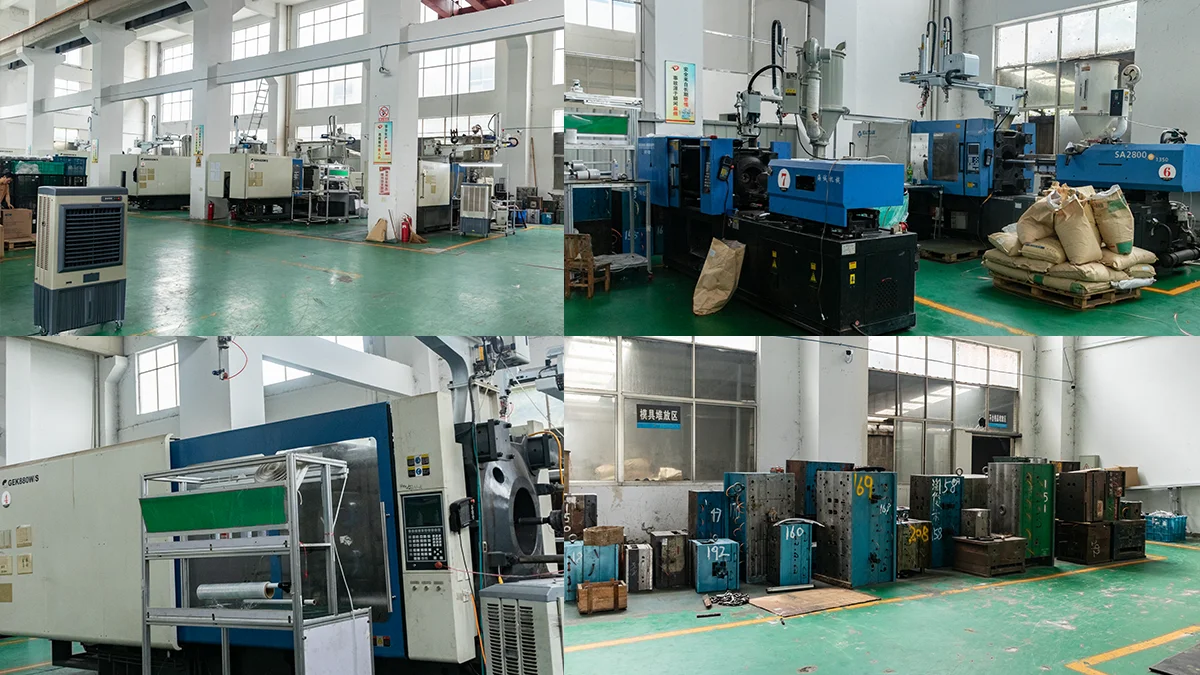
Danyang Junjie Auto Parts Co., Ltd.
- Manufacturer, Trading Company
- Jiangsu, China
- Lead time15 days
- Avg. response≤ 7h
Main productsheadlamps,grilles,bumpers,body parts,taillamps
Main marketsMid East(25.00%), North America(20.00%), Northern Europe(18.00%), South America(10.00%), Eastern Europe(5.00%), Southeast Asia(5.00%), Western Europe(4.00%), Southern Europe(4.00%), Central America(3.00%), Eastern Asia(2.00%), Domestic Market(1.00%), South Asia(1.00%), Oceania(1.00%), Africa(1.00%)
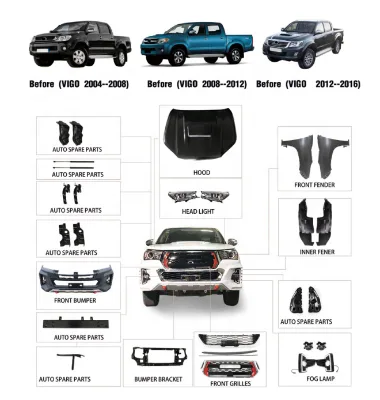
$705.00 - $710.00
MOQ: 10 sets
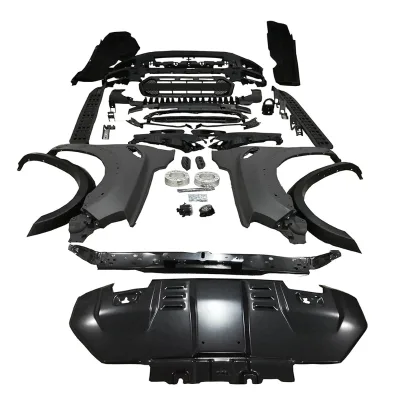
Special Offer Car Bumper Conversion Bodykit for Ranger Conversion Kit for Ranger Accessories
$900.00 - $1000.00
MOQ: 1

Ningbo Mecoo Trading Co., Ltd.
- Verified by TUVRHEINLAND
- Manufacturer
- China Zhejiang
- Lead time23 days
- Avg. response≤ 9h
Yujiang County Runze Auto Accessories Co., Ltd.
- Trading Company
- Jiangxi, China
- Lead time6 days
- Avg. response≤ 9h
Main productsCar bumper,Car grill,Car spoiler,Car diffuser,Car bodykit
Main marketsSouth America(25.00%), North America(23.00%), Africa(15.00%), Mid East(12.00%), Central America(6.00%), Eastern Europe(6.00%), Southern Europe(2.00%), Oceania(2.00%), Western Europe(2.00%), Eastern Asia(2.00%), Southeast Asia(2.00%), Domestic Market(1.00%), South Asia(1.00%), Northern Europe(1.00%)
$261.8123 - $292.6138
MOQ: 1 sets
$821.4685 - $883.1553
MOQ: 1 sets

Guangzhou New Vision New Material Technology Co., Ltd.
- Trading Company
- China Guangdong
- Lead time15 days
- Avg. response≤ 14h
Main productsDouble Sided Tape, Reflective Tape, Adhesive Products
Main marketsSouth America,Southeast Asia/ Mideast,Europe

2PCS Universal Car Rear Bumper Carbon Fiber Lip Car Spoiler Car Body Kit Accessories
$2.80 - $3.50
MOQ: 2 Pieces

Car Body Kit Accessories Car Rear Bumper Spoilers Protector Lip Car Rear Bumper Lip Side Fin Skirts
$2.80 - $3.50
MOQ: 2 Pieces

Wuhan Haiwei Naval Architecture and Ocean Engineering Technology Co., Ltd
- Verified by TUVRHEINLAND
- Combined
- China Hubei
- Lead time15 days
- Avg. response≤ 25h
Main productsCarbon Fiber Raw Materials, Car Hood, Automobile Wheel Hub, Car Rearview Mirror, Paint Sales, Coating Services, Automotive Structural Components, Automotive Decorative Parts, Technical Research and Development, Shipbuilding Products
Main marketsDomestic


High Quality T300 3K Carbon Fiber Body Kit for Car Parts Customization
$300.00 - $400.00
MOQ: 5 Pieces
LONG NEW PLASTIC STEEL MOLD CO., LTD.
- Verified by SGS Group
- Manufacturer, Trading Company
- Lead time35 days
Main productsPlastic injection mould, Plastic products, Molds OEM service
Main marketsDomestic Market(80%), North America(15%), Oceania(3%)

Dongguan Feiyue FRP Products Co., Ltd.
- Verified by CTI
- Combined
- China Guangdong
- Lead time38 days
- Avg. response≤ 3h
Main productsFiberglass Sculpture, Fiberglass Chair, Fiberglass Shell, Bumper Car, Fiberglass Planter, FRP Medical Shell, Telephone Booth, Portable Toilet, Table and Chairs, Fiberglass Auto Parts
Main marketsDomestic


Wholesale Factory Price High Quality Fiberglass Body Kit Car Accessories Collision Bumper
$29.00 - $50.00
MOQ: 10 Pieces
Guangzhou Kaishuo Automotive Supplies Co., Ltd.
- Trading Company
- Guangdong, China
- Lead time30 days
- Avg. response≤ 3h
Main productsCar bumper,Automobile tail wing,Automotive exterior components,Automotive parts,Automotive carbon fiber products
Main marketsNorth America(30.00%), Southeast Asia(20.00%), Mid East(15.00%), Western Europe(15.00%), South America(15.00%), Africa(5.00%)
Dongguan Pinhong Plastic Products Co., Ltd.
- Manufacturer
- Guangdong, China
- Lead time15 days
- Avg. response≤ 3h
Main productsCar accessories,Auto accessories,Plastic strip,Rubber edge trim,Car lip spoiler
Main marketsMid East(10.00%), North America(8.00%), Southeast Asia(6.00%), Africa(5.00%), South America(5.00%), South Asia(3.00%), Oceania(2.00%), Southern Europe(2.00%), Northern Europe(2.00%), Central America(2.00%), Western Europe(2.00%), Eastern Europe(2.00%), Domestic Market(1.00%)






Comprehensive Sourcing Guide
Thermoforming Customized Auto Body Kit Supplier Concentration and Factory Types
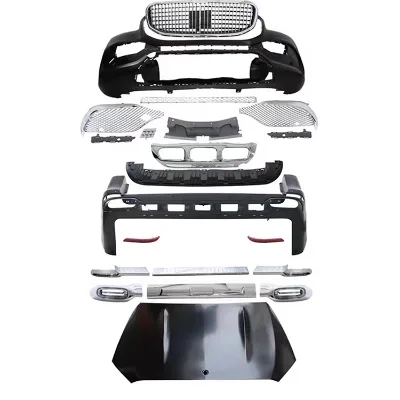
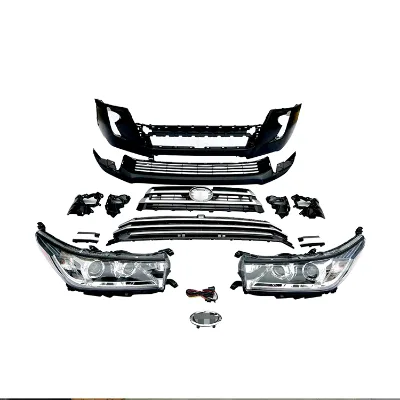
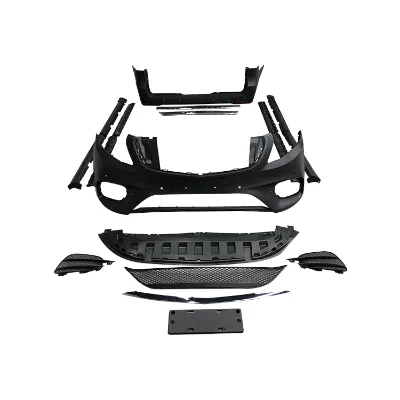
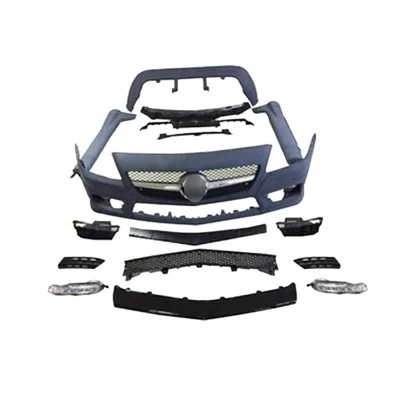
The landscape for sourcing thermoforming customized auto body kits is defined by a mix of manufacturing capabilities and trading structures, requiring buyers to distinguish between direct production sources and intermediary facilitators. Current market data indicates that suppliers operating in this niche are categorized primarily as either manufacturers or trading companies, each offering distinct advantages for different procurement strategies. Manufacturers typically possess the direct operational control over vacuum forming and thermoforming processes, allowing for tighter integration of design modifications with production execution. This structure is particularly relevant for buyers seeking deep customization, such as specific surface textures, anti-scratch functions, or precise material compositions like ABS, PP, or HDPE. The presence of manufacturers suggests that buyers can access facilities equipped for light customization, customized on-demand processing, sample processing, and graphic processing, which are critical for developing unique automotive aesthetics. Conversely, trading companies may offer a broader aggregation of products, including carbon fiber engine hoods, forged wheel rims, and interior trims, alongside standard plastic body parts. These entities often streamline the procurement process by handling logistics and communication, though they may not directly control the molding or cutting stages. Understanding this dichotomy is essential for aligning supplier selection with project needs, whether the priority is technical oversight of the thermoforming process or the convenience of a single-point contact for diverse automotive components.
Identifying the appropriate supplier type also involves evaluating the specific product evidence and service offerings displayed in supplier profiles. Many suppliers highlight their ability to produce items such as auto body parts, bus body kits, and rear bumper body kits using thermoforming techniques. The product attributes often reveal a focus on industrial and automotive applications, with materials ranging from plastic to specialized polymers. Buyers should look for suppliers that explicitly state their processing services, such as molding, cutting, and vacuum forming, as these indicate the technical depth of their operations. Additionally, the availability of OEM and ODM services is a strong indicator of a manufacturer’s capability to adapt to specific client requirements. Trading companies, on the other hand, might emphasize their supply ability and packaging details, ensuring that products are protected during transit using materials like EPE, polyfoam, or carton. The distinction between these types is not always rigid, as some entities may blend manufacturing with trading functions. However, the core difference lies in the direct involvement in the production cycle. For thermoforming customized auto body kits, where precision in thickness, size, and surface treatment is paramount, verifying whether the supplier is the actual producer or a reseller can significantly impact quality control and lead time management. Buyers must therefore scrutinize the company type and main products listed to ensure alignment with their specific manufacturing or sourcing goals.
How to Verify Thermoforming Customized Auto Body Kit Suppliers
Verification of Thermoforming Customized Auto Body Kit suppliers requires a rigorous examination of credentials, verification badges, and technical specifications to ensure reliability and quality. One of the primary indicators of supplier legitimacy is the presence of third-party verification, such as SGS Group certification, which provides an independent assessment of the supplier’s business practices and capabilities. Buyers should prioritize suppliers who display such verification badges, as they offer a layer of trust regarding the company’s operational integrity. Additionally, product-level certifications are crucial for automotive applications, with many suppliers listing ISO9001, TS16949, QS, and ISO14001 certifications. These standards indicate adherence to quality management systems and environmental regulations, which are essential for producing consistent and safe auto body parts. Buyers must carefully review these certifications to ensure they are current and relevant to the specific products being sourced. Beyond certifications, the technical details provided in product attributes serve as a verification tool. Specifications such as drawing formats (e.g., STEP), processing services (e.g., molding, cutting), and surface treatments (e.g., polish, etched, texture) demonstrate the supplier’s technical proficiency. Buyers should cross-reference these details with their own engineering requirements to ensure compatibility. Furthermore, the presence of detailed product attributes, such as material types (ABS, PP, HDPE) and application areas (automotive, industrial), helps confirm that the supplier has specialized experience in thermoforming for auto body kits.
In addition to technical and certification verification, buyers should assess the supplier’s responsiveness and operational transparency. Response time is a key metric for evaluating supplier engagement, with some suppliers demonstrating rapid response capabilities, such as a response time of 2 or 3 hours. Quick responses often correlate with efficient communication channels and a willingness to address buyer inquiries promptly, which is vital for custom projects that require frequent design iterations. Buyers should also look for suppliers who provide comprehensive product information, including single package sizes, gross weights, and color options. These details indicate a level of professionalism and attention to detail that is necessary for successful procurement. For instance, suppliers offering customized colors and sizes suggest flexibility in meeting specific design requirements. Additionally, the availability of sample processing and graphic processing services is a strong indicator of a supplier’s commitment to customization. Buyers should request samples to verify the quality of the thermoformed parts, checking for attributes like anti-scratch functions and surface finish consistency. It is also important to verify the supplier’s location and port of dispatch, as these factors influence logistics and lead times. By combining verification of credentials, technical specifications, responsiveness, and operational details, buyers can build a comprehensive profile of each supplier, ensuring they select partners who can reliably deliver high-quality thermoforming customized auto body kits.
What to Compare Across Thermoforming Customized Auto Body Kit Suppliers
When evaluating multiple suppliers for thermoforming customized auto body kits, buyers must systematically compare key operational and commercial dimensions to identify the most suitable partner. Lead time is a critical factor, as it directly impacts production schedules and inventory management. Suppliers may offer varying lead times, with some indicating specific durations such as 35 days, while others provide more complex schedules based on order quantity and seasonality, such as 25 to 30 days during peak or off-peak seasons. Buyers should compare these lead times against their project deadlines to ensure feasibility. Minimum Order Quantity (MOQ) is another essential comparison point, as it affects cost efficiency and inventory risk. Some suppliers may have an MOQ of 200 pieces, while others might offer lower thresholds or negotiate based on order volume. Comparing MOQs helps buyers determine which suppliers align with their production scale and budget constraints. Additionally, response speed should be evaluated, as faster response times can facilitate quicker decision-making and problem resolution. Suppliers with response times of 2 or 3 hours may be more agile in addressing design changes or urgent requests. Price ranges also vary significantly, with some products priced between $7 and $10, while others may range from $19 to $34 or even higher for specialized kits. Buyers should compare these price points in the context of quality, material specifications, and customization levels to assess value for money.
Beyond operational metrics, buyers should compare the range of main products and service capabilities offered by each supplier. Some suppliers specialize in vacuum forming products, plastic covers, trays, and displays, while others focus on auto body parts, bus body kits, and carbon fiber components. Comparing these product portfolios helps buyers identify suppliers with relevant expertise for their specific needs. For instance, a supplier offering both plastic and carbon fiber products may provide more versatile solutions for different vehicle models. Service capabilities, such as OEM/ODM support, drawing format acceptance (e.g., STEP), and surface treatment options (e.g., polish, etched, texture), are also important differentiators. Buyers should compare these services to ensure they meet their technical requirements. Additionally, the availability of customization options, such as customized sizes, colors, and packing, should be evaluated. Suppliers who offer extensive customization may be better suited for unique or low-volume projects. It is also important to compare the supplier’s verification status and certifications, as these indicate reliability and quality assurance. By systematically comparing lead times, MOQs, response speeds, prices, product ranges, and service capabilities, buyers can make informed decisions that balance cost, quality, and delivery performance. This comparative approach ensures that the selected supplier can meet the specific demands of Thermoforming Customized Auto Body Kit projects.
Common Thermoforming Customized Auto Body Kit Sourcing Risks
Sourcing thermoforming customized auto body kits involves several inherent risks that buyers must proactively manage to ensure project success. One significant risk is the variability in product quality, particularly when dealing with custom specifications. Thermoforming processes can be sensitive to material properties, temperature control, and mold design, leading to inconsistencies in thickness, surface finish, and dimensional accuracy. Buyers may encounter issues such as warping, thinning, or poor surface texture if the supplier lacks precise process control. This risk is exacerbated when working with materials like ABS, PP, or HDPE, which have different melting points and flow characteristics. Additionally, the complexity of custom designs, such as intricate body kits or specific surface treatments, can increase the likelihood of defects. Buyers must mitigate this risk by requesting detailed technical specifications and conducting thorough quality inspections. Another risk is the potential for delays in lead times, which can disrupt production schedules and increase inventory costs. Suppliers may face challenges in meeting deadlines due to capacity constraints, material shortages, or inefficient production planning. This risk is particularly relevant for suppliers with complex lead time structures, such as those varying by season or order quantity. Buyers should establish clear communication channels and monitor progress regularly to identify and address potential delays early. Furthermore, the risk of miscommunication regarding design requirements can lead to incorrect product deliveries. Buyers must ensure that all specifications, including drawing formats, sizes, and colors, are clearly documented and confirmed with the supplier before production begins.
Financial and logistical risks also pose challenges in sourcing thermoforming customized auto body kits. Price fluctuations can impact budgeting, especially if suppliers adjust prices based on material costs or order volumes. Buyers should negotiate fixed pricing or volume discounts to mitigate this risk. Additionally, logistical risks arise from the transportation of large or fragile auto body parts, which may require specialized packaging and handling. Suppliers may use various packaging materials, such as EPE, polyfoam, or carton, but inadequate packaging can lead to damage during transit. Buyers should verify packaging standards and consider insurance for high-value shipments. Another risk is the reliance on single-source suppliers, which can create vulnerability if the supplier faces operational disruptions. Buyers should diversify their supplier base to reduce dependency on any single entity. Furthermore, the risk of non-compliance with regulatory standards, such as ISO certifications or environmental regulations, can lead to legal and reputational issues. Buyers must verify that suppliers adhere to relevant standards and conduct regular audits. By identifying and addressing these risks through careful planning, clear communication, and robust quality control measures, buyers can minimize disruptions and ensure the successful procurement of thermoforming customized auto body kits. Proactive risk management is essential for maintaining supply chain stability and achieving project objectives.
Thermoforming Customized Auto Body Kit Regional Sourcing and Logistics
Regional sourcing plays a pivotal role in the procurement of thermoforming customized auto body kits, influencing logistics, lead times, and cost structures. Current market data indicates that many suppliers are located in Guangdong, China, a region known for its robust manufacturing infrastructure and specialized plastic processing capabilities. This concentration of suppliers in Guangdong offers buyers access to a dense network of manufacturers and trading companies, facilitating efficient sourcing and collaboration. The proximity of suppliers to major ports, such as those in Shenzhen, enhances logistical efficiency, enabling faster dispatch and reduced transit times. Buyers should consider the advantages of sourcing from this region, including the availability of skilled labor, advanced machinery, and established supply chains for materials like ABS, PP, and HDPE. However, regional sourcing also presents challenges, such as potential congestion during peak seasons and the need for careful coordination to manage
FAQs
What certifications do thermoforming auto body kit suppliers hold?
Suppliers offer ISO9001, TS16949, QS, and ISO14001 certifications for their plastic parts. Some listings specifically mention ISO9001:2008 compliance for automotive applications. Verify specific certificates with the manufacturer before placing orders to ensure quality standards are met.
What is the minimum order quantity for custom thermoformed parts?
The minimum order quantity is typically 200 pieces for custom plastic parts. Some suppliers may negotiate different terms for larger orders or specific product types. Always confirm the exact MOQ with the supplier to ensure it aligns with your project requirements.
How long does it take to receive custom auto body kits?
Standard lead times are around 35 days for production and delivery. During peak seasons, lead times may extend to 30 days or require negotiation. Check current capacity with the supplier to get an accurate timeline for your specific order volume.
Which materials are used for thermoformed car body kits?
Common materials include ABS, PP, and HDPE for durable plastic parts. Some products use FRP for specific body kit applications. The material choice depends on the required strength, weight, and finish for your specific automotive modification needs.
What is the price range for custom thermoformed auto parts?
Prices range from 7 to 100 units per piece depending on complexity and material. Basic plastic parts start around 7 units, while specialized kits can reach 100 units. Final pricing depends on order quantity, customization level, and specific design requirements.
Where are these thermoforming manufacturers located?
Most manufacturers are located in Guangdong, China. This region is a hub for plastic molding and automotive parts production. Buyers should verify the specific factory location to assess shipping costs and logistics for their international orders.
Do suppliers offer sample processing for custom designs?
Yes, suppliers provide sample processing and graphic processing services for custom designs. They support light customization and on-demand production for prototypes. Request samples to verify quality and fit before committing to a full production run.
How quickly do suppliers respond to inquiries?
Response times are typically 3 hours for standard inquiries. Some trading companies may respond within 2 hours. Fast communication ensures quicker clarification of technical details and faster progress on your custom auto body kit project.