Food Grade Bovine Trypsin Suppliers and Manufacturers
Compare 13 verified suppliers offering Food Grade Bovine Trypsin with details on location, lead times, certifications, and pricing. Review product attributes like purity and packaging to select the right source for your needs; review the available evidence before requesting comparable quotations from suitable candidates.
Updated
Suppliers List

Shaanxi Knockfreedom Technology Co., Ltd.
- Trading Company
- China Shaanxi
- Lead time0 days
- Avg. response≤ 2h
Main productsPharmaceutical Chemical, Additive, Nutritional Supplement, Raw Material, Pharmaceutical Intermediate, Nutrition Enhancer, White Powder, Food Ingredient

Shanghai Rindazhi Biochemical Technology Co., Ltd.
- Verified by BV
- Trading Company
- China Shanghai
- Lead time23 days
- Avg. response≤ 17h
Main productsInvertase, Enzymes, Naringinase, Bakery Enzyme, Detergent Enzyme, Beta Amylase, Brewery Enzyme, Tannase, Food Supplements, Sodium Hypochlorite Generator on Site
Main marketsSouth America,Southeast Asia/ Mideast,Europe
- Verified by TüVRheinland
- Trading Company
- Lead time3 days
- Avg. response≤ 7h
Main productsDietary Supplement, Cosmetic Raw Materials, Plant Extracts, Nutritional Ingredients, Organic Mushroom Extract
Main marketsNorth America(30%), Western Europe(30%), Oceania(10%)
Food Supplement High Activity Trypsin Powder Trypsin Enzyme CAS 9002-07-7 Trypsin
$57.5346 - $60.672
MOQ: 1 Minimum
$57.695 - $618.9026
MOQ: 1 Minimum

- Verified by SGS
- Manufacturer/Factory
- China Liaoning
- Lead time30 days
- Avg. response≤ 6h
Main productsCosmetic Ingredients, Cosmetic Preservatives, Biocides, Molecular Sieve, Color Developer, Glyoxylic Acid, PARA Nitrobenzoic Acid, Benzoic Acid, 6-Methyluracil, Methyl Salicylate
Main marketsSouth America,Eastern Europe,Mid East,North America,Southeast Asia,Eastern Asia,Oceania,Western Europe,Africa
Shanghai Beimoo Biotechnology Co., Ltd.
- Verified by SGS Group
- Trading Company
- Lead time0 days
- Avg. response≤ 4h
Main productsStevia powder, Monk fruit sweetener, Allulose, Thaumatin, Erythritol
Main marketsNorth America(50%), Eastern Europe(20%), Eastern Asia(10%)
Food Additives Trypsin Pure Bovin Trypsin Water Soluble Trypsin Enzyme 250USPU with Cheap Price
$35.7886 - $61.3511
MOQ: 10 kilograms
$113.876 - $186.3407
MOQ: 10 kilograms
Xi'an Eco Biotech Factory Co., Ltd.
- Verified by Intertek
- Manufacturer, Trading Company
- Lead time10 days
- Avg. response≤ 2h
Main productsSoftgels, Drops, Healthcare Products, Gummies, Solid Drink
Main marketsNorth America(30%), Southeast Asia(20%), South America(10%)
Shaanxi Bieyouth Biotech Co., Ltd.
- Verified by SGS Group
- Trading Company
- Lead time15 days
- Avg. response≤ 2h
Main productsFood Additives, Health Care Products Raw Materials, Cosmetic Raw Material
Main marketsMid East(25%), Eastern Europe(20%), Africa(10%)

Baoding Faithful Industry Co., Ltd.
- Verified by TUVRHEINLAND
- Trading Company
- China Hebei
- Lead time15 days
- Avg. response≤ 3h
Main productsCollagen Powder, Pullulan Powder, Hyaluronic Acid Powder, Erythritol, Pepsin, Olive Leaf Extract, Plant Extract, Food Additives
Main marketsSoutheast Asia/ Mideast,East Asia(Japan/ South Korea),Europe,North America
Xi'an July Health Bio-Tech Co., Ltd
- Trading Company
- Shaanxi, China
- Lead time7 days
- Avg. response≤ 1h
Main productsExtract Powder,Food additive,Cosmetic Ingredients,Health supplements,Enzyme
Main marketsNorth America(25.00%), Northern Europe(15.00%), Eastern Asia(10.00%), Oceania(8.00%), Southeast Asia(8.00%), Western Europe(5.00%), South America(5.00%), Southern Europe(5.00%), Domestic Market(2.00%), Africa(2.00%), Central America(1.00%), South Asia(1.00%), Mid East(1.00%)

Shaanxi Shineherb Biotech Co., Ltd.
- Verified by TUVRHEINLAND
- Trading Company,Manufacturer/Factory
- China Shaanxi
- Lead time15 days
- Avg. response≤ 13h
Main productsPlant Extract, Food/Feed/Cosmetics Raw Material, Supplements Material, Amino Acids, Vitamin Raw Material, Plant Essential Oil, Peptide Products, Pharmaceutical Intermediates, Organic Extract, API
Main marketsSouth America,Eastern Europe,Mid East,North America,Southeast Asia,Eastern Asia,Oceania,Western Europe,Africa

Qinmu Biotechnology (Jinan) Co., Ltd.
- Verified by SGS
- Trading Company
- China Shandong
- Lead time15 days
- Avg. response≤ 2h
Main productsOrganic Intermediate, Additive, Cosmetic Raw Materials, Spice, Polymer, 3-Mercaptopropionic Acid, Thioglycolic Acid, 1 3-Dimethyladamantane, 1-Bromo-3 5-Dimethyladamantane
Main marketsSouth America,Eastern Europe,North America,Western Europe


High Enzyme Activity 250-3500USP. U/Mg Trypsin CAS 9002-07-7 in Optimal Quality
$200.00 - $500.00
MOQ: 1 kg

Jinan Qinmu Fine Chemical Co., Ltd.
- Verified by SGS
- Trading Company
- China Shandong
- Lead time15 days
- Avg. response≤ 7h
Main productsDye Intermediate, Organic Synthetic Intermediate, Pharm Intermediate, Daily Chemicals, UV Absorber, Auxiliary Agent, Photoinitiator, Organic Intermediate
Main marketsSouth America,Africa,Southeast Asia/ Mideast,East Asia(Japan/ South Korea),Europe,North America

Shandong Yifan Chemical Technology Co., Ltd.
- Verified by SGS
- Trading Company,Manufacturer/Factory
- China Shandong
- Lead time0 days
- Avg. response≤ 2h
Main productsChemical, Nmn, Daily Flavor






Comprehensive Sourcing Guide
Food Grade Bovine Trypsin Supplier Concentration and Factory Types
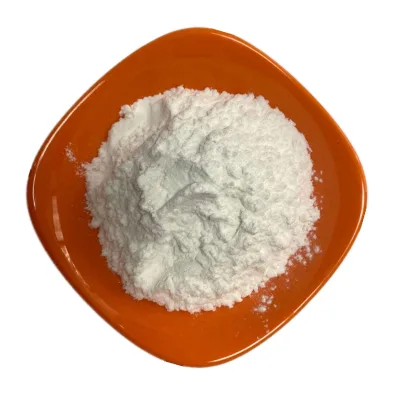
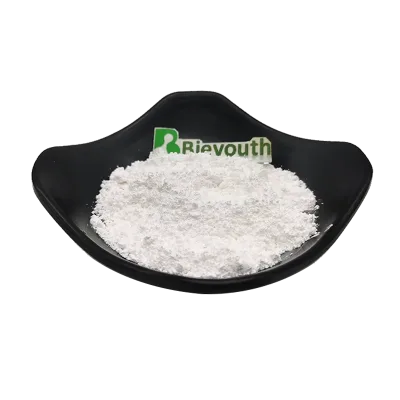
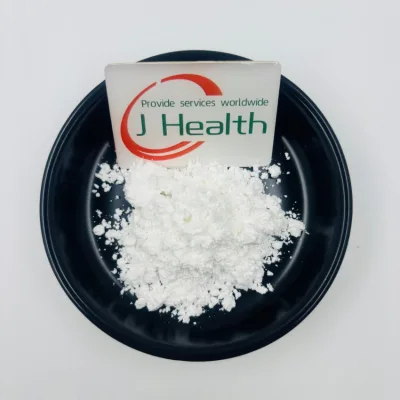
Current data indicates a concentration of suppliers in China Shaanxi and China Shanghai, with specific product origins noted in Xi'an. These regions host companies classified as trading companies that list pharmaceutical chemicals, food ingredients, and nutritional supplements as their main products. Some entities in these locations offer food grade trypsin powder with a white powder appearance and natural resource classification. The supply base includes manufacturers capable of producing enzyme additives with specific purity levels, such as 99% purity, and offers customization through OEM or ODM services. Buyers should verify if the specific facility handling bovine trypsin is a direct manufacturer or a trading intermediary, as the current results show a mix of company types.
When evaluating the factory type, it is critical to distinguish between entities that simply trade goods and those with actual production capacity. The observed data shows some suppliers have a monthly capacity of 5000kg, while others focus on sample processing and graphic processing for customized orders. A trading company may offer a broader range of products like invertase or naringinase alongside trypsin, whereas a factory might specialize in specific enzyme complexes. Buyers must confirm the physical location of the production site, as some listings only state "China" or "Shaanxi" without specifying the exact city or industrial zone. This distinction affects the ability to conduct on-site audits and verify the actual manufacturing environment for bovine-derived enzymes.
How to Verify Food Grade Bovine Trypsin Suppliers
Verification processes should prioritize checking for recognized third-party certifications such as GMP, ISO 9001, HACCP, FDA, and USP. The available data shows some suppliers hold certifications like ISO22000, HALAL, and Kosher, which are relevant for food grade products. Buyers must request current certificates to ensure they match the specific product being sourced, as a general company certification does not guarantee the specific batch of bovine trypsin meets regulatory standards. Additionally, verification of the supplier's business license and physical address is essential to confirm they are a legitimate entity operating in the stated location, such as Shaanxi or Shanghai.
Response time and verification badges like BV or TüVRheinland provide further insight into supplier reliability. The observed response times vary significantly, ranging from 2.00 hours to nearly 17 hours, which can impact the speed of negotiation and sample acquisition. A faster response time often correlates with a more active sales team and better communication channels. Buyers should also check for escrow services or trade assurance options to protect payments during the transaction. It is important to note that not all suppliers display these verification badges, so the absence of a badge does not automatically disqualify a supplier but requires deeper due diligence. Always ask for proof of these credentials before proceeding with any order.
What to Compare Across Food Grade Bovine Trypsin Suppliers
Key comparison metrics include lead time, minimum order quantity (MOQ), and price ranges, which vary widely across the supplier pool. Some listings indicate a lead time of zero or as low as three days, while others show a lead time of 23 days. The MOQ can be as low as 1 kilogram or 1 unit, making it accessible for small trials, while other suppliers may have higher thresholds. Price points also differ, with some products listed between 10.00 and 30.00, and others ranging from 30.00 to 70.00 or even up to 100.00. Buyers must compare these figures against the specific grade and purity required for their application to ensure cost-effectiveness.
Beyond pricing and logistics, the product attributes and customization options are vital for comparison. Differences in packaging, such as 25kg per bag or drum versus plastic packaging, affect storage and shipping costs. Some suppliers offer free samples, while others may charge for them, and the availability of OEM/ODM services varies. The test methods used, such as HPLC, TLC, or UV, should be consistent with the buyer's quality control requirements. Additionally, the shelf life, which can be over 12 months or up to 2 years, influences inventory planning. Buyers should create a standardized scorecard to weigh these factors, ensuring they select a supplier that aligns with their specific operational needs and quality standards.
Common Food Grade Bovine Trypsin Sourcing Risks
One significant risk involves the discrepancy between the stated product origin and the actual source of the enzyme. While some listings specify "Swine Source" or "Porcine Pancreas Source," buyers seeking bovine trypsin must rigorously verify the animal source to avoid cross-contamination or religious dietary violations. The data shows keywords like "Swine Source Trypsin" and "Porcine Trypsin," which are distinct from bovine sources. If a supplier does not explicitly confirm the bovine origin in their product specifications, there is a high risk of receiving the wrong type of enzyme. This misalignment can lead to product rejection, regulatory non-compliance, and potential safety issues for the end consumer.
Another risk relates to the variability in product standards and certifications. Not all suppliers provide the same level of documentation, and some may lack specific food grade certifications like FDA or HACCP. The observed data includes various certifications, but the absence of a specific certificate for a particular batch is a red flag. Furthermore, the storage method and shelf life claims must be validated, as improper storage can degrade enzyme activity. Buyers should be wary of suppliers who do not provide detailed test reports or who have vague storage instructions. Ensuring that the product meets the required purity and activity levels is crucial, as inconsistent quality can disrupt manufacturing processes and compromise final product integrity.
Food Grade Bovine Trypsin Regional Sourcing and Logistics
Sourcing from China Shaanxi and China Shanghai offers access to a dense network of chemical and food ingredient suppliers. These regions are known for their chemical industry infrastructure, which supports the production of enzymes and additives. However, logistics from these inland or coastal hubs can vary in complexity and cost. Suppliers in Shaanxi, such as those in Xi'an, may have different shipping routes compared to those in Shanghai, a major port city. Buyers need to calculate the total landed cost, including freight, insurance, and customs duties, which can differ significantly based on the origin point. The distance from the factory to the port of export is a critical factor in determining transit times and overall logistics efficiency.
Lead times and shipping methods are directly influenced by the regional location of the supplier. Some suppliers list a lead time of zero, suggesting immediate availability, while others require 23 days for production or processing. This variance impacts the buyer's ability to plan inventory and manage supply chain disruptions. Buyers should also consider the packaging standards, as some suppliers use 25kg bags or drums, while others use plastic packaging. These packaging choices affect the number of units per container and the overall shipping volume. It is advisable to discuss shipping terms with the supplier to clarify who bears the risk during transit and to ensure that the product arrives in optimal condition, maintaining its enzymatic activity and shelf life.
Food Grade Bovine Trypsin Commercial Terms and Order Planning
Commercial terms such as payment methods, escrow availability, and sample policies are essential for order planning. The data indicates that some suppliers offer free samples, which is a valuable opportunity to test product quality before committing to a large order. However, the availability of samples is not universal, and buyers should confirm this before placing an inquiry. Payment terms should be negotiated carefully, with a preference for secure methods like escrow to mitigate financial risk. Buyers must also clarify the return policy and warranty terms in case the product does not meet the specified quality standards upon arrival.
Order planning requires a clear understanding of the minimum order quantity and the production capacity of the supplier. While some suppliers have a capacity of 5000kg per month, others may have limited capacity for customized orders. Buyers should align their order volume with the supplier's production schedule to avoid delays. The shelf life of the product, which can range from over 12 months to 2 years, should be factored into the order quantity to prevent expiration before use. Additionally, buyers should plan for potential fluctuations in raw material costs and exchange rates, which can affect the final price. Establishing a long-term relationship with a reliable supplier can help stabilize these variables and ensure a consistent supply of high-quality bovine trypsin.
FAQs
What is the price range for food grade trypsin?
Suppliers list prices between $1 and $70 per kilogram depending on the specific grade and source. Some listings show a range of $10 to $30 for food additive versions. Buyers should request quotes for exact pricing based on volume and customization needs.
What certifications are available for trypsin suppliers?
Common certifications include GMP, ISO 9001, HACCP, FDA, and USP. Some suppliers also hold Kosher, Halal, and USDA Organic credentials. Verify specific certificates with the supplier to ensure compliance with your regional regulatory requirements and quality standards.
What is the minimum order quantity for trypsin?
The minimum order quantity is typically one kilogram. Some suppliers accept orders starting from one unit. This low MOQ allows buyers to test product quality before committing to larger bulk purchases for industrial or commercial applications.
Where are trypsin suppliers located?
Major suppliers are located in China, specifically in Shaanxi and Shanghai provinces. Products often originate from Xi'an. Buyers can filter results by these locations to find suppliers with established logistics networks and regional manufacturing capabilities.
How fast do suppliers respond to inquiries?
Response times vary significantly among suppliers. Some respond within two hours, while others take up to seventeen hours. Fast response times indicate active sales teams. Check the response time metric to ensure timely communication during the sourcing process.
What is the shelf life of trypsin powder?
The shelf life is generally greater than twelve months, with some products lasting up to two years. Proper storage in a cool, dry place is essential to maintain enzyme activity. Always check the specific expiration date on the product label.
Can suppliers provide free samples?
Many suppliers offer free samples for quality evaluation. This allows buyers to test the enzyme activity and purity before placing a bulk order. Confirm sample availability and shipping costs with the supplier to facilitate your testing and approval workflow.