Food Grade Commercial Juice Dispenser Suppliers and Manufacturers
Compare 22 verified suppliers offering Food Grade Commercial Juice Dispenser units with varying lead times, response speeds, and certifications like ISO9001:2015. Review product specifications such as voltage, capacity, and material to select the right factory for your needs; review the available evidence before requesting comparable quotations from suitable candidates.
Updated
Suppliers List

Eagle Catering Equipment Co., Ltd.
- Manufacturer/Factory
- China Guangdong
- Lead time30 days
- Avg. response≤ 12h
Main productsTrolleys, Gastronorm Containers, Table, Shelves, Sink, Barrier Post, Cookware, Buffetware, Barware, Kitchen Utensils
Main marketsSouth America,Eastern Europe,Mid East,North America,Southeast Asia,Eastern Asia,Oceania,Western Europe,Africa

Guangzhou ETON Import & Export Co., Ltd.
- Verified by SGS
- Combined
- China Guangdong
- Lead time30 days
- Avg. response≤ 15h
Main productsCandy Floss Machine, Popcorn Machine, Cup Sealing Machine, BBQ Roaster, Electric Fryer, Hot-Dog Roller, Ice Blender, Ice Crusher, Juice Extrctor, Slush Machine
Main marketsSouth America,Europe

Guangzhou Junjian Kitchen Appliances & Refrigeration Equipment Co., Ltd.
- Verified by BV
- Combined
- China Guangdong
- Lead time15 days
- Avg. response≤ 5h
Main productsKitchen Refrigerator, Commercial Freezer, Cake Showcase, Ice Maker, Ice Cream Machine, Salad Bar, Beverage Cooler, Working Table, Juice Dispenser, Stainless Steel Kitchen Equipment
Main marketsOthers(foreignTradeCapacity.exportBusinessCapacityMarketOther)

Guangzhou Sunrry Kitchen Equipment Co., Ltd.
- Verified by CTI
- Trading Company,Manufacturer/Factory
- China Guangdong
- Lead time30 days
- Avg. response≤ 3h
Main productsCommercial Kitchen Solutions, Turnkey Kitchen Solutions, Catering Equipment, Restaurant Equipment, Commercial Refrigeration Equipment, Commercial Bakery Equipment, Commercial Cooking Equipment, Stainless Steel Equipment, Commercial Food Prep Equipment, Commercial Kitchen Equipment
Main marketsSouth America,Eastern Europe,Mid East,North America,Southeast Asia,Eastern Asia,Oceania,Western Europe,Africa
Shanghai Keshi Refrigeration Equipment Co., Ltd.
- Verified by TüVRheinland
- Manufacturer, Trading Company
- Lead time7 days
- Avg. response≤ 3h
Main productsIce Cream Machine, Orange Juicer, Slush Machine, Ice Machine, Juice Dispenser
Main marketsWestern Europe(30%), Domestic Market(30%), North America(20%)
Guangzhou ITO Catering Equipment Co., Ltd.
- Manufacturer, Trading Company
- Guangdong, China
- Lead time20 days
- Avg. response≤ 2h
Main productsFryer/Oven/Ice Cream Machine/Beverage Dispenser/Popcorn Machine
Main marketsSoutheast Asia(19.00%), Domestic Market(15.00%), Africa(14.00%), Mid East(12.00%), Western Europe(9.00%), South America(9.00%), Eastern Europe(6.00%), Oceania(4.00%), Northern Europe(3.00%), Central America(3.00%), North America(3.00%), Eastern Asia(2.00%), South Asia(1.00%)
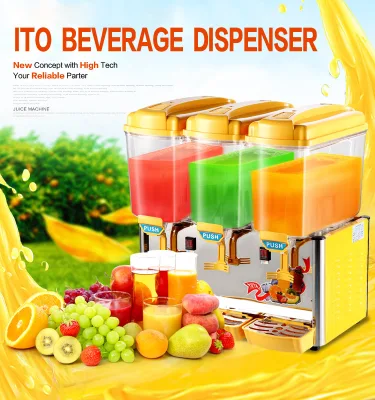
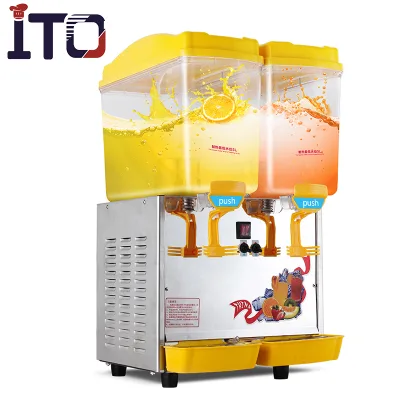
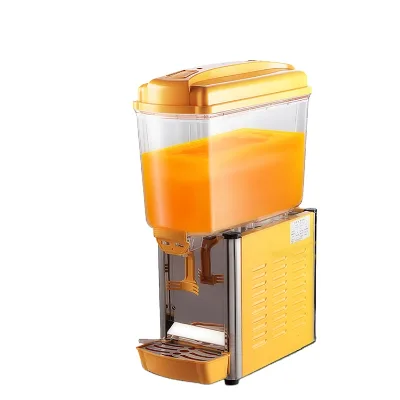
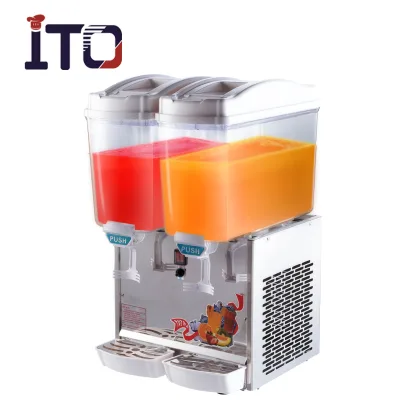
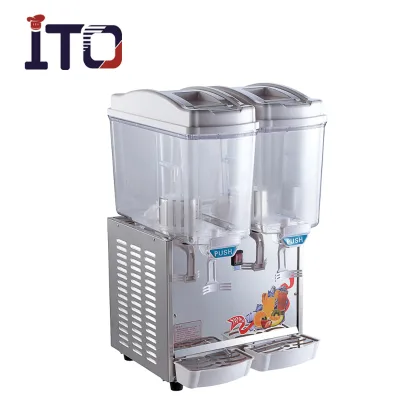
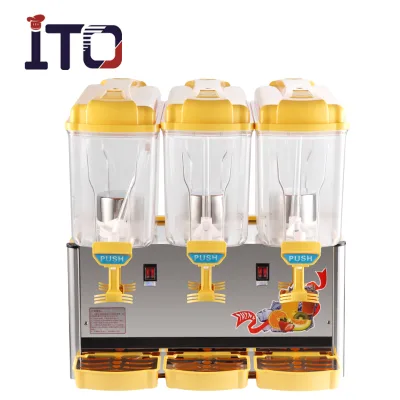
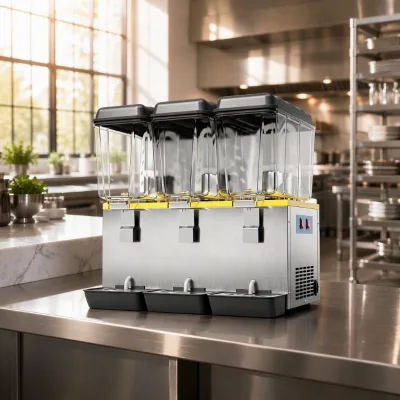
3 Tanks Cool and Hot Water/Juice/Milk Juice Dispenser Machine
$280.00 - $430.00

Guangzhou Foodsense Catering Equipment Co., Ltd.
- Trading Company,Manufacturer/Factory
- China Guangdong
- Lead time23 days
- Avg. response≤ 7h
Main productsWestern Kitchen Equipment, Food Processing Machine, Bakery Equipment, Refrigeration Equipment, Bar Beverage Equipment, Stainless Steel Series
Main marketsSouth America,Eastern Europe,Mid East,North America,Southeast Asia,Eastern Asia,Oceania,Western Europe,Africa

Commercial Beverage Juice Dispenser for Catering Faucet Juice Dispenser
$197.00 - $210.00
MOQ: 1 Pieces


Best Selling Juice Dispenser /Juice Dispenser Machine/Cold Beverage Dispenser
$225.00 - $239.00
MOQ: 1 Pieces

Drink Beverage Cold Juicer Drink Juice Dispenser/ Stainless Steel Juice Dispenser
$338.00 - $349.00
MOQ: 1 Pieces


Hot Sale Juice Dispenser /Juice Dispenser Prices/Cold Beverage Dispenser
$225.00 - $236.00
MOQ: 1 Pieces

Yichu (Qingdao) Kitchen Equipment Co., Ltd
- Verified by SGS
- Trading Company
- China Shandong
- Lead time45 days
- Avg. response≤ 4h
Main productsShowcase, Commercial Refrigerator, Neutral Stainless Steel, Gn Pan, Gas Range, Ice Maker, Meat Ager, Working Table, Wine Cooler, Bottle Cooler
Main marketsSoutheast Asia/ Mideast,Europe,North America
Guangzhou Tailang Industrial Co., Ltd.
- Verified by TüVRheinland
- Trading Company
- Lead time20 days
- Avg. response≤ 2h
Main productsKitchen Equipments, Snack Machines, Stainless Steel Equipments, Bakery Equipments, Refrigerating Machines
Main marketsSouth America(30%), Mid East(20%), North America(10%)
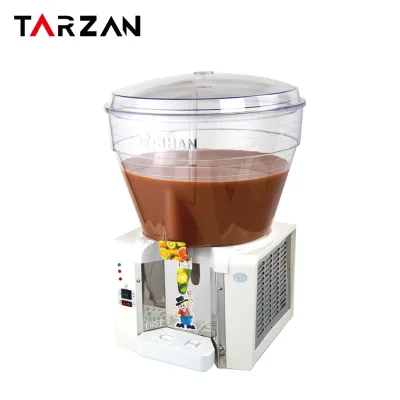
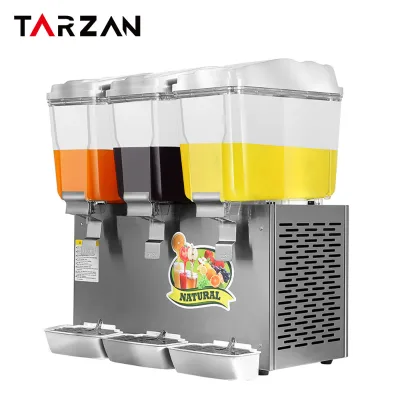
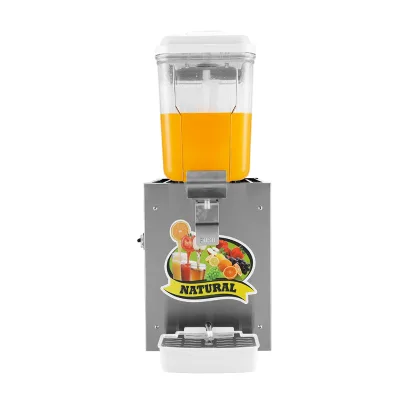
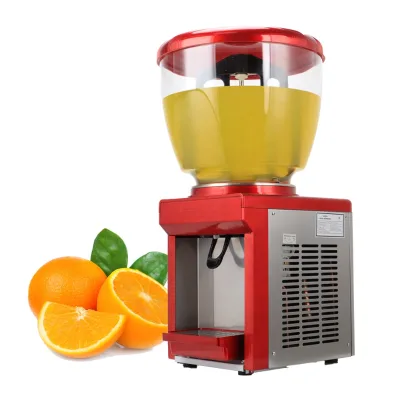
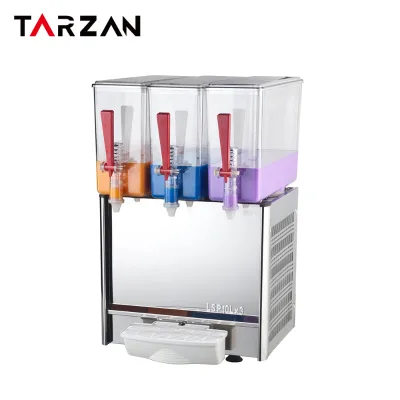
Stable-Cooling Juice Dispenser Buffet Juice Dispenser & Juice Mixer Dispenser for Catering
$270.00 - $280.00
MOQ: 5
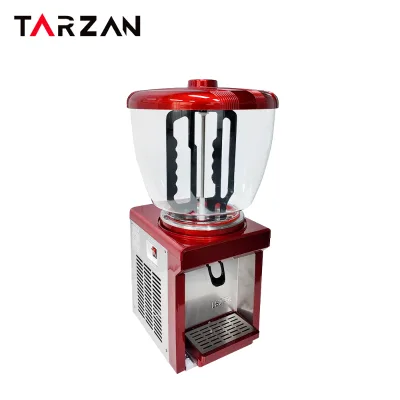

Guangzhou Nantian Sources Co., Ltd.
- Manufacturer/Factory
- China Guangdong
- Lead time15 days
- Avg. response≤ 6h
Main productsKitchen Equipment, Kitchenware, Food Machine, Kitchen Appliance, Glassware, Food Machinery, Bakery Equipment, Dinnerware, Kitchen Utensils, Food Processor
Main marketsSouth America,Mid East,Southeast Asia,Eastern Asia,Oceania,Africa
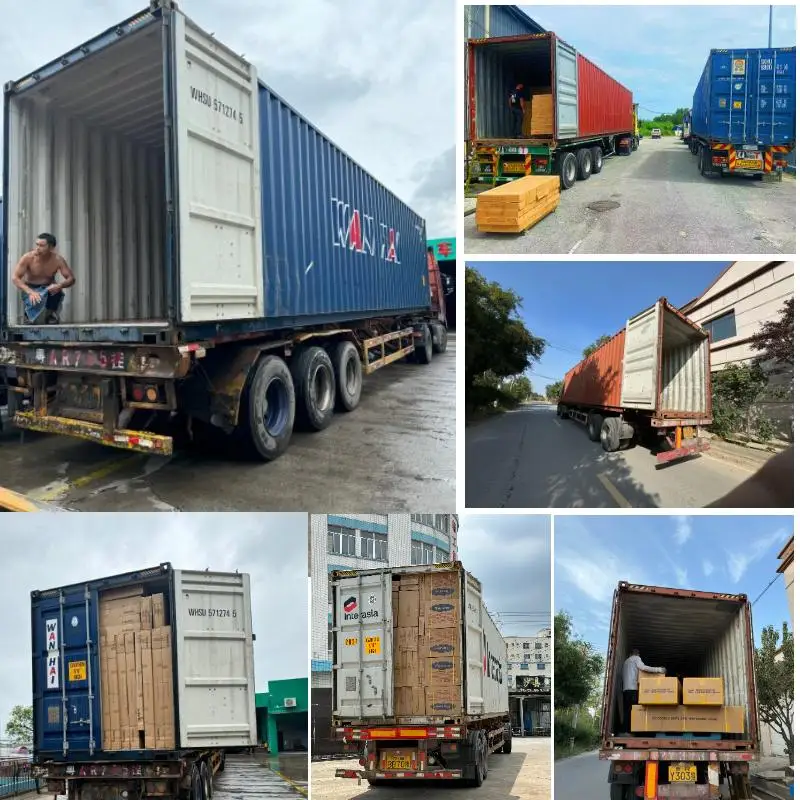
Foshan Sunmax Commercial Kitchenware Co., Ltd.
- Manufacturer
- Guangdong, China
- Lead time30 days
- Avg. response≤ 1h
Main productsWorktable,kitchen equipment,Buffet Series,Snack Machine,pots
Main marketsMid East(31.00%), Southeast Asia(29.30%), Eastern Europe(15.00%), Northern Europe(9.00%), Domestic Market(7.00%), Western Europe(3.00%), North America(2.00%), Central America(1.20%), South America(0.60%), Africa(0.60%), Eastern Asia(0.30%), Southern Europe(0.08%), South Asia(0.05%), Oceania(0.01%)
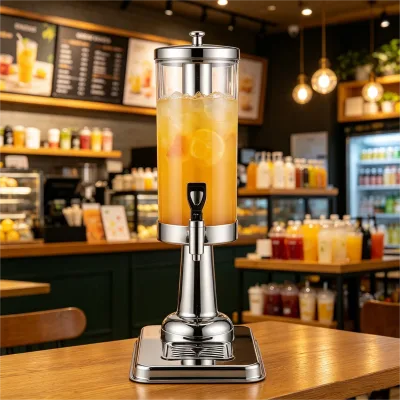
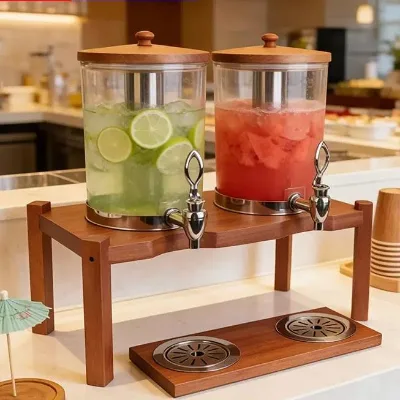
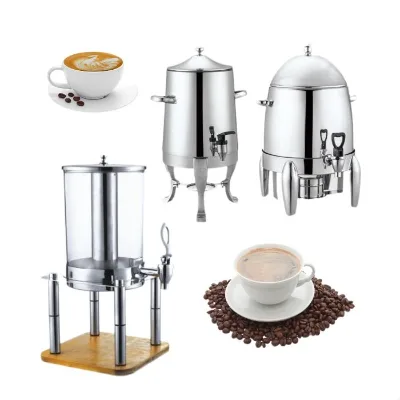
$46.7223 - $52.9582
MOQ: 1 Minimum
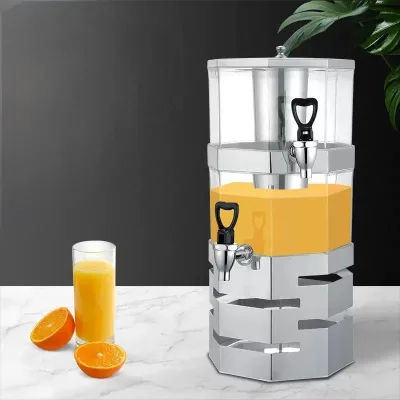
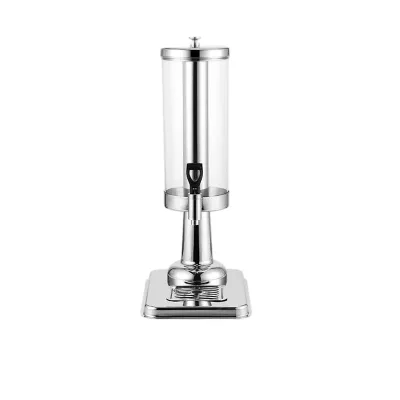
Jiangxi Jinde Plastic Products Co., Ltd.
- Verified by TüVRheinland
- Manufacturer, Trading Company
- Lead time30 days
- Avg. response≤ 5h
Main productsIngredient Bin, Insulated Products, Shelvings, Food Pan, Base Rack
Main marketsNorth America(30%), Domestic Market(30%), Eastern Europe(12%)

Guangzhou Longterm Kitchen Equipment Co., Limited
- Verified by TUVRHEINLAND
- Trading Company,Manufacturer/Factory
- China Guangdong
- Lead time0 days
- Avg. response≤ 4h
Main productsSpiral Mixer, Western Equipment, Sausage Filler, Meat Mincer, Meat Slicer, Bone Saw Machine, Vegetable Cutter, Refrigeration Equipment, Planetary Mixer, Dough Divider

Shijiazhuang LINKON Machinery Tech Co., Ltd.
- Verified by SGS
- Trading Company,Manufacturer/Factory
- China Hebei
- Lead time23 days
- Avg. response≤ 7h
Main productsAutomatic Bakery Bread Line, Bakery Equipment, Baking Machine, Rotary Rack Oven, Spiral Dough Mixer, Spiral Cooler System, Tunnel Oven, Dough Processing Machine, Proofing, Bread Production Line
Main marketsSouth America,Eastern Europe,Mid East,North America,Southeast Asia,Eastern Asia,Oceania,Western Europe,Africa

Chaozhou Lianying Trading Co., Ltd
- Manufacturer, Trading Company
- Guangdong, China
- Lead time15 days
- Avg. response≤ 3h
Main productsWater Boiler,Vacuum Bottle,Food Warmer,GN Pan,Juice Dispenser
Main marketsMid East(25.00%), Domestic Market(25.00%), South Asia(20.00%), Eastern Europe(20.00%), Eastern Asia(10.00%)

Guangzhou Tianyin Industrial Co., Ltd.
- Verified by SGS
- Trading Company,Manufacturer/Factory
- China Guangdong
- Lead time15 days
- Avg. response≤ 7h
Main productsIce Maker Machine, Ice Cream Machine, Somosa Making Machine, Dumpling Making Machine, Food Machine, Dough Sheeter, Bakery Equipment, Meat Cutting Machine, Vegetable Cutting Machine
Main marketsSouth America,Eastern Europe,Mid East,North America,Southeast Asia,Eastern Asia,Oceania,Western Europe,Africa


$255.00 - $400.00
MOQ: 1 Pieces

Jiangmen Xinxin Houseware Co., Ltd.
- Verified by BV
- Trading Company,Manufacturer/Factory
- China Guangdong
- Lead time30 days
- Avg. response≤ 5h
Main productsLunch Box, Coffeeware, Kitchenware, Chafing Dishes, Gn Pan, Juice Dispenser, Trolley, Stock Pot, Bar Sets, Storages Box
Main marketsEastern Europe,Mid East,North America,Southeast Asia,Eastern Asia,Oceania,Western Europe

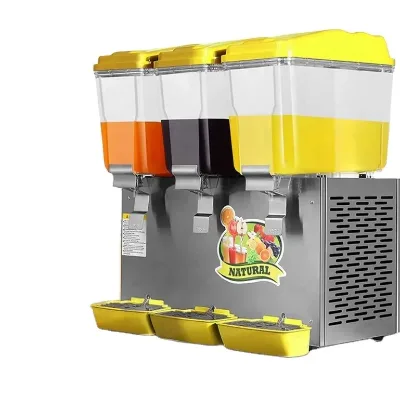
Juice Dispenser Restaurant Supplies Triple Bulks Commercial Cold Drink Dispenser
$82.00 - $114.00
MOQ: 10 pieces


Stainless Steel Round Juice Dispenser Restaurant Hotel Supplies Kitchen Equipment
$18.80 - $20.80
MOQ: 10 pieces

WELLCOOLING INTELLIGENT TECHNOLOGY (JM) CO., LTD.
- Manufacturer
- China Guangdong
- Lead time23 days
- Avg. response≤ 13h
Main productsIce Cream Machine, Slush Machine, Popsicle Machine, Juice Dispenser, Ice Cream Cone Machine, Ice Making Machine, Water Vending Machine, Frozen Yogurt Machine, Food Mixer, Ice Cream Display Freezer
Main marketsSoutheast Asia/ Mideast,Europe,North America
Shaanxi Ruitai Commercial Kitchen Technology Co., Ltd.
- Verified by TüVRheinland
- Trading Company
- Lead time7 days
- Avg. response≤ 2h
Main productsOne Stop Kitchen Solution, Commercial Kitchen Equipment, Cooking Equipment, Refrigeration Equipment, Bakery Equipment
Main marketsSoutheast Asia(30%), Central America(30%), North America(20%)
Guangzhou Hadi Catering Ware Co., Ltd.
- Trading Company
- Guangdong, China
- Lead time15 days
- Avg. response≤ 1h
Main productsChafing Dish, Food Display Stand, Food Lamp, Wood Display Stand, Juice Dispenser
Main marketsMid East(60.00%), North America(20.00%), Western Europe(7.00%), Northern Europe(7.00%), Southeast Asia(6.00%)
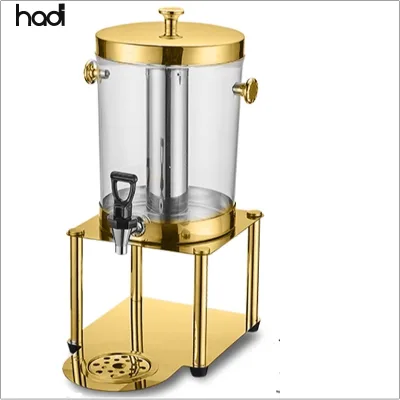
$31.2512 - $46.8767
MOQ: 1 pieces
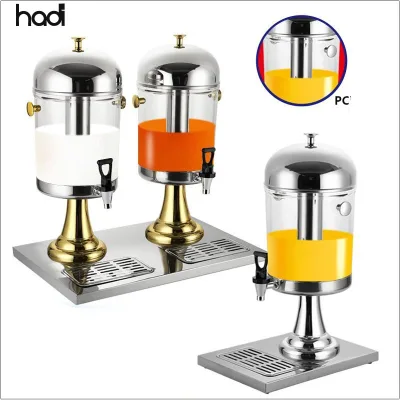
$20.7192 - $39.3667
MOQ: 1 pieces
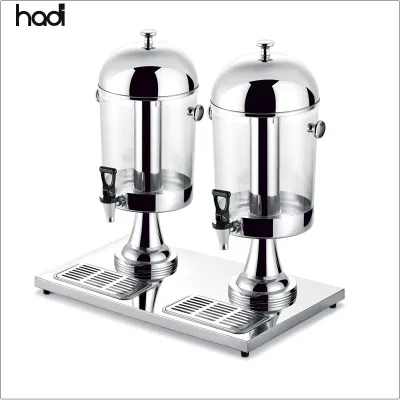
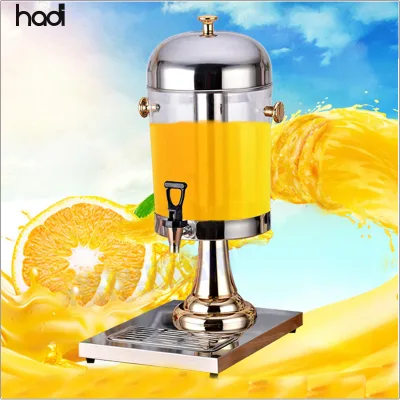
$15.4007 - $18.4812
MOQ: 1 pieces
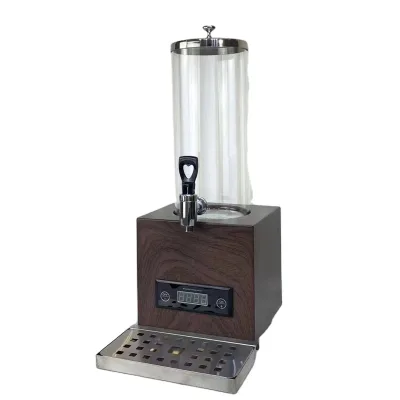
$51.7979 - $103.5944
MOQ: 1 pieces
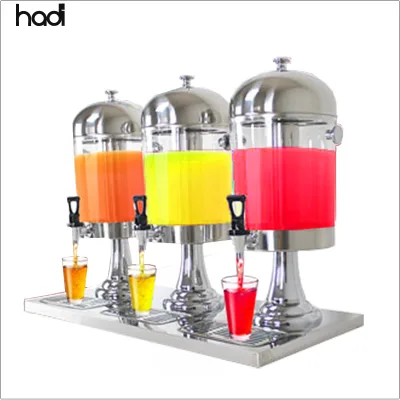
$31.0788 - $51.7979
MOQ: 1 pieces
Guangzhou Zhong Bei Mechanical Equipment Co., Ltd.
- Verified by Intertek
- Manufacturer, Trading Company
- Lead time7 days
- Avg. response≤ 3h
Main productsSnow Ice Machine, Ice Cream Machine, Slush Machine, Ice Popsicle, Ice Frying Machine
Main marketsWestern Europe(20%), Mid East(20%), Africa(15%)
Guangzhou Foodsense Catering Equipment Co., Ltd.
- Manufacturer, Trading Company
- Lead time旺季: "1 - 10":90,"> 10":"To be negotiated", 淡季: "1 - 10":90,"> 10":"To be negotiated"
- Avg. response≤ 2h
Main productsFood Processing Machine, Bakery Equipment, Cooking Equipment, Refrigeration Equipment, Bar Beverage Equipment
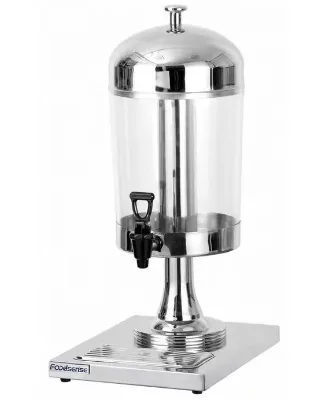
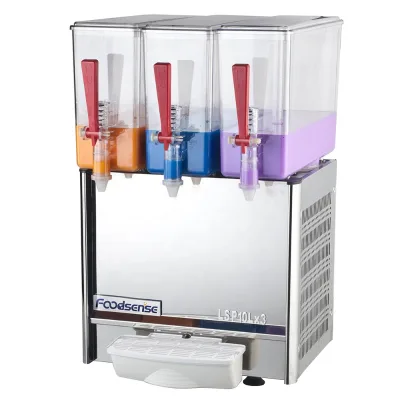
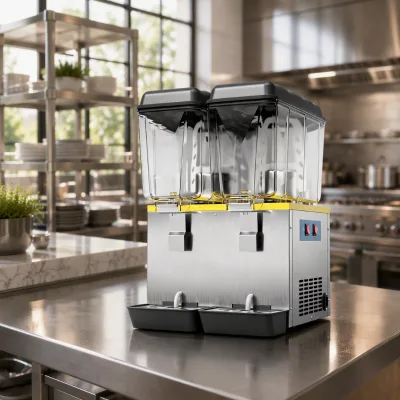
Beverage 3 tank Juice Dispenser Machine/Hotel Juice Dispenser/juice Dispenser for Sale
$278.00 - $293.00
MOQ: 1 pieces




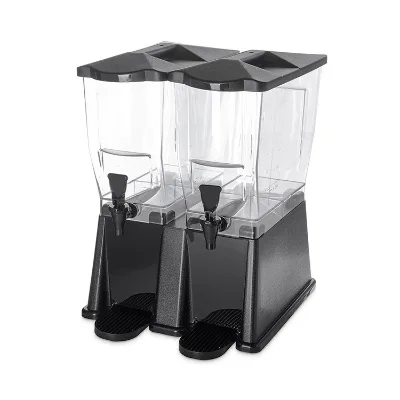


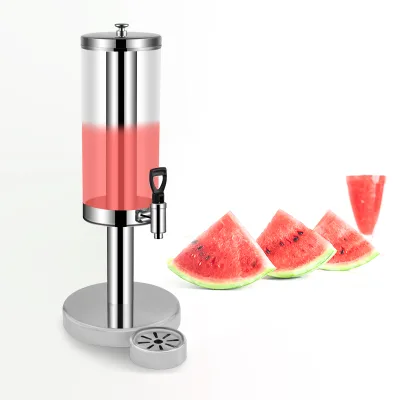
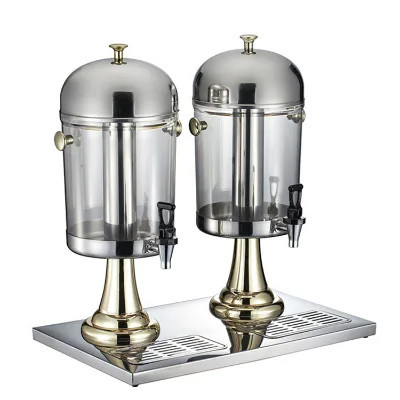


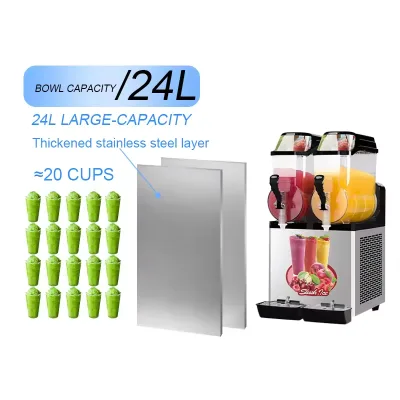
Comprehensive Sourcing Guide
Food Grade Commercial Juice Dispenser Supplier Concentration and Factory Types
The current supplier landscape for food grade commercial juice dispensers reveals a distinct concentration of manufacturing capabilities within specific industrial regions, with China Guangdong emerging as a primary hub for production. This geographic clustering suggests a mature supply chain ecosystem where raw materials, component sourcing, and assembly labor are optimized for efficiency. Buyers evaluating these suppliers should note that the majority of entities identified as manufacturers or factories in this sector are located in this region, indicating a high density of specialized production facilities. This concentration allows for economies of scale, particularly for standard models like the JD-8L or ET-LSJ series, where volume production reduces unit costs. The presence of both pure manufacturers and combined entities suggests a diverse market structure, catering to different procurement needs ranging from direct factory purchases to more flexible trading arrangements.
Factory types vary significantly in their operational focus and customization capabilities, which directly impacts the buyer’s sourcing strategy. Some suppliers operate strictly as manufacturers with OEM and ODM capacities, allowing for deep customization of product specifications, materials, and branding. These entities often possess the technical infrastructure to modify existing designs, such as altering the dimensions of stainless steel units or integrating specific electrical components like 220V power sources. In contrast, other suppliers may be classified as combined entities, potentially offering a broader range of main products including candy floss machines, popcorn makers, or ice blenders alongside juice dispensers. This diversification can be advantageous for buyers seeking a single-source solution for multiple kitchen equipment needs, though it may require closer scrutiny to ensure that the juice dispenser remains a core competency rather than a peripheral offering. Understanding this distinction helps buyers align their procurement goals with the appropriate supplier type, whether they prioritize specialized manufacturing expertise or broad product availability.
How to Verify Food Grade Commercial Juice Dispenser Suppliers
Verifying the legitimacy and capability of Food Grade Commercial Juice Dispenser suppliers requires a multi-layered approach that goes beyond basic company profiles. Buyers should prioritize suppliers who have undergone third-party verification processes, as these provide an external validation of business operations and product quality. For instance, some suppliers in this sector hold SGS verification, which indicates that their business practices and product claims have been assessed by an independent inspection agency. Similarly, BV verification is another critical indicator of reliability, suggesting that the supplier has met specific standards for operational integrity and product safety. These verification badges serve as a foundational trust signal, reducing the risk of engaging with fraudulent or non-compliant entities. However, verification alone is not sufficient; buyers must also examine the specific certifications related to product safety and environmental management, such as ISO9001:2015 and ISO14001:2015 certificates, which demonstrate a commitment to quality management systems and environmental responsibility.
Beyond verification badges, buyers must scrutinize the technical specifications and compliance standards listed for individual products to ensure they meet local regulatory requirements. The presence of CE certification on products like the JDTPC3 model is a crucial indicator of compliance with European health, safety, and environmental protection standards, which is often a baseline requirement for international trade. Buyers should also verify the origin of the products, ensuring that items labeled as originating from Guangzhou, China, or mainland China are accurately represented. Additionally, the response time of the supplier can serve as an indirect metric of their operational efficiency and customer service quality. Suppliers with faster response times, such as those averaging under five hours, may indicate a more agile and responsive organization, which is beneficial for resolving technical queries or addressing order issues promptly. Buyers should cross-reference these response metrics with the supplier’s stated capabilities to ensure consistency and reliability in their communication channels.
What to Compare Across Food Grade Commercial Juice Dispenser Suppliers
When evaluating multiple suppliers for food grade commercial juice dispensers, buyers must systematically compare key operational metrics to identify the most suitable partner for their specific needs. Lead time is a critical factor, as it directly impacts inventory management and market readiness. Suppliers may offer varying lead times, ranging from fifteen days for certain models to thirty days for others, depending on production capacity and order volume. Buyers should align these lead times with their sales forecasts to avoid stockouts or excessive inventory holding costs. Similarly, the minimum order quantity (MOQ) varies significantly across suppliers, with some requiring as few as ten units for plastic models, while others may demand thirty or more units for stainless steel or complex electric models. Understanding these MOQ thresholds helps buyers determine the financial feasibility of initial orders and assess the scalability of the supplier relationship.
Response speed and customization options are also vital comparison points that influence the overall sourcing experience. Suppliers with rapid response times, such as those averaging under twelve hours, can facilitate quicker decision-making and problem resolution, which is particularly important for urgent orders or technical clarifications. Customization availability is another differentiator; some suppliers offer extensive OEM and ODM services, allowing for tailored solutions, while others may provide limited customization or non-customized standard models. Buyers should also compare the main product portfolios of suppliers to ensure alignment with their broader equipment needs. For example, some suppliers specialize in a wide range of kitchen equipment, including trolleys, shelves, and cookware, while others focus more narrowly on beverage dispensing and ice-making machines. This comparison helps buyers identify suppliers who can serve as comprehensive partners for their entire kitchen setup, potentially simplifying logistics and negotiation processes.
Common Food Grade Commercial Juice Dispenser Sourcing Risks
Sourcing food grade commercial juice dispensers from international suppliers introduces several risks that buyers must proactively manage to ensure a smooth procurement process. One significant risk is the potential mismatch between product specifications and actual delivery, particularly when dealing with complex models that involve electrical components and precise dimensions. For instance, discrepancies in voltage requirements, such as 220V specifications, or dimensional variations, like the 430350750mm footprint of certain models, can lead to installation failures or compatibility issues with existing kitchen infrastructure. Buyers must carefully verify these technical details against their local standards and facility layouts before placing orders. Additionally, the risk of material quality inconsistencies cannot be overlooked, especially when comparing stainless steel, acrylic, and bamboo & wood variants. Ensuring that the materials used meet food grade standards is essential for safety and durability, and buyers should request detailed material certifications or test reports to mitigate this risk.
Another common risk is the variability in packaging and shipping conditions, which can affect the condition of the products upon arrival. Suppliers may use different packing methods, such as export cartons, carton plus plywood, or unit packing specifications, which vary in their protective capabilities. Inadequate packaging can lead to damage during transit, resulting in additional costs for replacements or repairs. Buyers should also be aware of the potential for communication delays or misunderstandings, particularly when dealing with suppliers who have slower response times or language barriers. This can lead to errors in order specifications, shipping instructions, or payment terms. Furthermore, the risk of relying on a single supplier for diverse product needs, such as juice dispensers and ice cream machines, may expose buyers to supply chain disruptions if that supplier faces production issues. Diversifying suppliers or maintaining clear communication channels can help mitigate these risks and ensure a more resilient sourcing strategy.
Food Grade Commercial Juice Dispenser Regional Sourcing and Logistics
Regional sourcing strategies play a pivotal role in optimizing the logistics and cost structure for food grade commercial juice dispensers. Given the concentration of manufacturers in China Guangdong, buyers can leverage this geographic advantage to streamline supply chain operations. Sourcing from this region often benefits from established logistics networks, including proximity to major ports and efficient freight forwarding services, which can reduce transit times and shipping costs. Buyers should consider the implications of sourcing from this specific region, as it may offer competitive pricing due to the high density of suppliers and the efficiency of local manufacturing clusters. However, buyers must also account for the logistical complexities associated with international shipping, such as customs clearance, import duties, and regulatory compliance in their destination markets. Understanding these regional dynamics helps buyers make informed decisions about their sourcing locations and negotiate favorable logistics terms.
Logistics planning must also consider the specific packaging requirements of different juice dispenser models to ensure safe and efficient transportation. For example, models with delicate components, such as electric heaters or timing devices, may require more robust packaging solutions, such as carton plus plywood, to prevent damage during transit. Buyers should work closely with suppliers to determine the most suitable packing methods based on the product’s fragility and value. Additionally, the volume and weight of the shipments, which can vary based on the model’s dimensions and material, will impact freight costs and container utilization. Buyers should optimize their order quantities to maximize container space and minimize per-unit shipping costs. Furthermore, considering the lead times associated with regional production can help buyers plan their inventory replenishment cycles more effectively, ensuring that they maintain adequate stock levels without overcommitting capital to excess inventory.
Food Grade Commercial Juice Dispenser Commercial Terms and Order Planning
Commercial terms and order planning are essential components of a successful sourcing strategy for food grade commercial juice dispensers, requiring careful attention to pricing structures and payment conditions. The price range for these products can vary significantly, from as low as eighteen dollars for basic plastic models to over two hundred dollars for complex electric units with heating and cooling capabilities. Buyers must analyze these price points in the context of the product’s features, such as capacity, material quality, and electrical specifications, to ensure they are receiving fair value. Additionally, buyers should negotiate clear payment terms that align with their cash flow requirements and risk tolerance. Common terms may include deposits for production and balance payments upon shipment, but buyers should strive for terms that offer protection, such as escrow services or letters of credit, to safeguard their investments.
Order planning must also account for the minimum order quantities and lead times to ensure efficient inventory management. Buyers should calculate their reorder points based on sales forecasts and supplier lead times, which can range from fifteen to thirty days, to avoid stockouts. For suppliers with higher MOQs, buyers may need to coordinate with other departments or partners to consolidate orders and meet the threshold. Furthermore, buyers should consider the customization options available, as custom orders may have longer lead times and higher MOQs. Planning for these variables helps buyers maintain a stable supply chain and respond quickly to market demands. Finally, buyers should establish clear communication protocols with suppliers to track order progress, address any issues promptly, and ensure timely delivery, thereby minimizing disruptions and maximizing operational efficiency.
FAQs
What is the price range for commercial juice dispensers?
Prices vary significantly based on material and capacity. Basic plastic models range from $18 to $60, while stainless steel units cost between $20 and $80. Heated or refrigerated electric dispensers with larger capacities can reach up to $282. Buyers should check specific product listings for exact pricing tiers.
What are the typical MOQs for juice dispensers?
Minimum order quantities depend on the supplier and product type. Plastic dispensers may require as few as 10 units, while stainless steel or wooden base models often have MOQs of 20 or 30 units. Buyers should verify the specific MOQ for their chosen model before placing an order.
How long does delivery take for these products?
Lead times vary by manufacturer. Some suppliers offer a lead time of 15 days, while others may require up to 30 days for production and shipping. Buyers should confirm the exact lead time with the supplier, as it depends on order volume and customization requirements.
Are these dispensers customizable for branding?
Customization is available for many commercial juice dispensers. Suppliers offer OEM and ODM services, allowing for custom branding and design modifications. Buyers should inquire about specific customization options, such as logo placement or color changes, to ensure the product meets their brand requirements.
What certifications do these suppliers hold?
Some suppliers hold ISO9001:2015 and ISO14001:2015 certifications, indicating adherence to quality and environmental management standards. Products may also carry CE certification for compliance with European safety standards. Buyers should verify specific certifications relevant to their market requirements before purchasing.
Where are these juice dispensers manufactured?
Most commercial juice dispensers are manufactured in China, specifically in the Guangdong region. Some suppliers are located in Guangzhou. Buyers should confirm the origin of the product to understand shipping logistics and potential import duties associated with the manufacturing location.