Smart Home Electric Window Blinds Suppliers and Manufacturers
Source Smart Home Electric Window Blinds from 25 verified suppliers in China. Compare response times, lead times, and MOQs to find the right partner. Review product specifications and request quotes today; review the available evidence before requesting comparable quotations from suitable candidates.
Updated
Suppliers List

Shaoxing Sisheng Window Decoration Co., Ltd
- Verified by TUVRHEINLAND
- Combined
- China Zhejiang
- Lead time23 days
- Avg. response≤ 5h
Main productsBlinds Shades, Zebra Blinds, Shangri-La Blinds, Roller Blinds, Venetian Blinds, Panel Blinds, Customized Blinds, Silhouette Blinds, Light Filtering Blinds, Dual Layer Zebra Shades
Main marketsAfrica

Henan Jiuyu Intelligent Technology Co., Ltd.
- Verified by CTI
- Combined
- China Henan
- Lead time30 days
- Avg. response≤ 2h
Main productsCellular / Honeycomb Blinds, Roman Blinds, Bamboo, Vertical Sheer Blinds, Horizontal Blind, Roller Blind, Zebra Blind, Woven Wood Shades, Manual Outdoor Zip Blind, Electric Roman Blinds
Main marketsDomestic


Motorized Zebra Blinds with Remote Control APP Smart Home Semi Blackout Double Layer Window Shades
$17.99 - $23.00
MOQ: 1 Square Meters

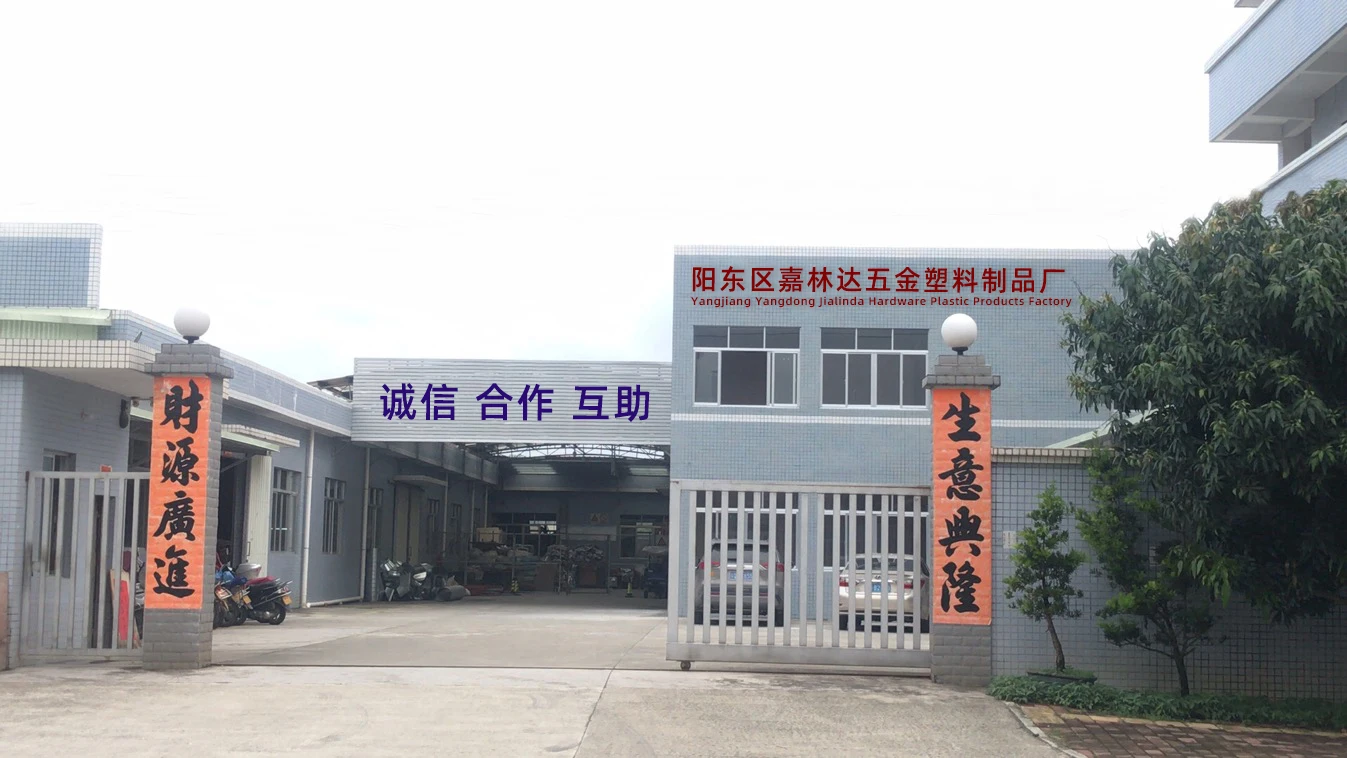
Yangjiang Jiangcheng Jialinda Hardware Plastic Products Factory
- Manufacturer, Trading Company
- Guangdong, China
- Lead time20 days
- Avg. response≤ 3h
Main productsRoller blind,Zebra blind,Honeycomb blind,Dual roller blind,Window blind
Main marketsNorth America(50.00%), Western Europe(20.00%), Oceania(10.00%), Southern Europe(10.00%), Eastern Europe(5.00%), South America(5.00%)

Shenzhen Pinshiji Sunshading Technology Co., Ltd.
- Verified by CTI
- Combined
- China Guangdong
- Lead time15 days
- Avg. response≤ 1h
Main productsZebra Blinds, Roller Blinds, Honeycomb Blinds, Shangri-La Blinds, Motorized Blinds, Window Blinds, Roman Blinds, Aluminmium Blinds, Smart Blinds, Motorized Window Shades
Main marketsDomestic

Motorized Blinds Remote Control Smart Electric Window Blinds Custom Blackout for Home Hotel Office
$37.71 - $41.91
MOQ: 1 Square Meters

Smart Electric Motorized Cordless Dual Layer Blackout Polyester Zebra Blinds Home
$12.57 - $13.97
MOQ: 1 Square Meters

Shouguang Runchen Environmental Protection Technology Co., Ltd.
- Verified by BV
- Combined
- China Shandong
- Lead time15 days
- Avg. response≤ 4h
Main productsZebra Blinds, Roller Blinds, Honeycomb Blinds, Shangri-La Blinds, Sunshine Blinds, Dream Curtain, Vertical Curtain, Sunscreen Blinds, Wooden Blinds, Motor End Caps Heading
Main marketsSouth America,Africa,Southeast Asia/ Mideast,Europe,Australia,North America


Wholesale Electric Home Custom Electric Alexa Smart Automatic Blinds
$11.99 - $13.99
MOQ: 1 Square Meters

High Quality Cordless Roller Window Blinds Smart Electric Blackout Blinds
$11.99 - $13.99
MOQ: 1 Square Meters


Smart Home Window Blinds Zebra Curtains Automatic Blackout Shades
$13.99 - $23.99
MOQ: 1 Square Meters


Shandong YMTC Home Decor Co., Ltd
- Verified by BV
- Trading Company
- China Shandong
- Lead time30 days
- Avg. response≤ 3h
Main productsShutters, Blinds, Wood Mouldings, Window Coverings, Timber Shutters, Wooden Building Materials, Plywood, Fauxwood Blinds, Plantation Shutters, Venetian Blinds
Main marketsSoutheast Asia/ Mideast,Europe,North America

Factory Custom Size Motorized Blinds Smart Blinds Electric Curtains for Home Window Zebra Blinds
$15.00 - $17.00
MOQ: 2 Square Meters

Smart Motorised Blinds Electric Remote Control Blackout Window Motorized Blinds and Shades
$12.80 - $16.50
MOQ: 10 Square Meters

Modern Smart Electric Zebra Blinds Day Night Shades for Bedroom Privacy
$9.00 - $13.00
MOQ: 50 Square Meters

Mini Blinds Window Coverings modern Smart Home Decoration (motorised option available)
$3.00 - $5.00
MOQ: 100 Square Meters

SHAOXING KEQIAO HENGFENG CURTAIN FACTORY
- Manufacturer
- China Zhejiang
- Lead time0 days
- Avg. response≤ 12h
Main productsRoller Blind, Vertical Blind, Window Blind, Fabric Blind, Blind Fabric, Awning, Window Coverings, Window Treatment, Roller Shade

Modern Style Window Curtain Shades Electric Automatic Smart Home Blackout Motorized Blinds
$27.00 - $60.00
MOQ: 2 Square Meters

Smart Automatic Electric Powered Roller Shades Motorized Zebra Blinds for Home Window
$7.99 - $15.99
MOQ: 2 Square Meters

Intelligent Remote Control Electric Vertical Blinds Dream Blinds for Home Use
$7.89 - $8.25
MOQ: 1 Square Meters

Custom Smart Electronic Cordless Window Shade Automatic Zebra Blinds for Indoor Living Room
$7.99 - $17.99
MOQ: 2 Square Meters

OEM Smart Control Electric Polyester Blackout Day and Night Zebra Blinds for Home
$20.00 - $23.00
MOQ: 1 Square Meters

OEM Simple Style Light Filtering Control Dual Layer Zebra Blinds for Window
$20.00 - $23.00
MOQ: 1 Square Meters
Guangzhou Henglics Curtain Material Co., Ltd.
- Manufacturer, Trading Company
- Guangdong, China
- Lead time5 days
- Avg. response≤ 2h
Main productsMotorized Curtain,Manual Curtain,Curtain Motor,Curtain Fabric,Curtain Accessories
Main marketsSouth America(35.00%), North America(35.00%), Eastern Europe(20.00%), Southern Europe(1.00%), Northern Europe(1.00%), Central America(1.00%), Western Europe(1.00%), Eastern Asia(1.00%), Mid East(1.00%), Oceania(1.00%), Africa(1.00%), Southeast Asia(1.00%), Domestic Market(0.50%), South Asia(0.50%)
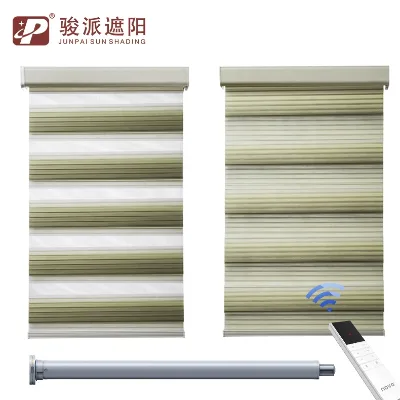
Guangdong Junpai Intelligent Sun Shading Technology Co., Ltd.
- Verified by SGS Group
- Manufacturer, Trading Company
- Lead time25 days
- Avg. response≤ 1h
Main productsCurtain track, Curtain pole, Curtain accessories, Roller blinds and blinds components, CurtainS
Main marketsDomestic Market(60%), North America(10%), Mid East(10%)

Foshan Rui Shengyuan Building Material Co., Ltd.
- Verified by SGS
- Manufacturer/Factory,Group Corporation
- China Guangdong
- Lead time23 days
- Avg. response≤ 2h
Main productsWooden Door, WPC Door, Steel Door, Aluminium Windows and Doors, Tempered Igu Glass, Float Glass, Soap Dispenser, Paper Dispenser, Air Freshener Dispenser, Shower Gel Bottle Holder
Main marketsSouth America,Eastern Europe,Mid East,North America,Southeast Asia,Eastern Asia,Oceania,Western Europe,Africa

Smart Home Window Blinds Tuya WiFi Control Electric Zebra Curtain Blinds
$8.60 - $15.00
MOQ: 1 Square Meters


Motorized Roller Blinds Zebra Blinds Smart Window Electric Grey Gray Remote Battery Fast Delivery
$8.60 - $15.00
MOQ: 1 Square Meters
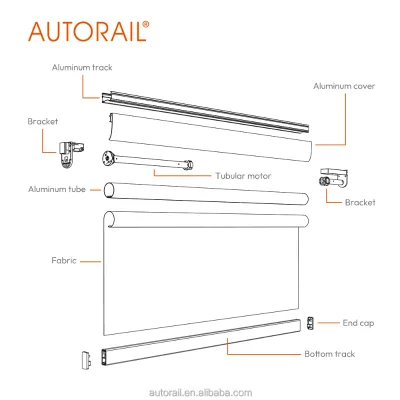
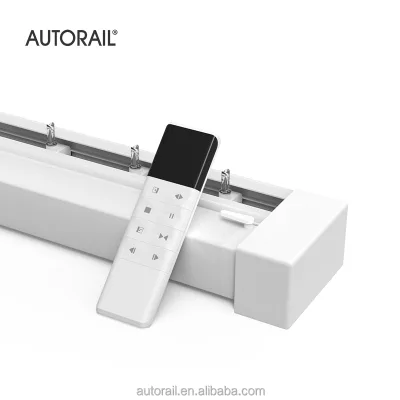
Guangzhou Autorail Electric Co., Ltd.
- Verified by SGS Group
- Manufacturer, Trading Company
- Lead time0 days
- Avg. response≤ 2h
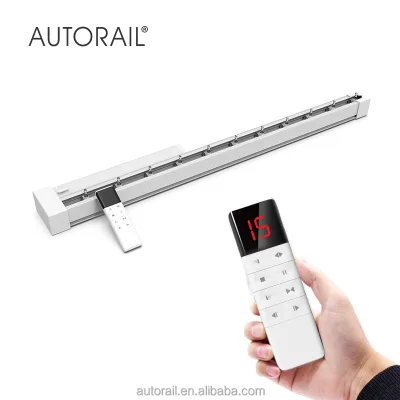
Main productsElectric Curtains, Electric Vertical Blinds, Motorized Roller Blinds, Electric Roman Rod, Motorized Skylight Blinds
Main marketsSoutheast Asia(20%), North America(10%), South America(10%)
Weifang Garfield Home Furnishing Co., Ltd
- Verified by Intertek
- Manufacturer, Trading Company
- Lead time3 days
- Avg. response≤ 2h
Main productsMotorized blinds, Aluminum pergola, Cylindrical motor, Blind fabric
Guangdong Boosly Electromechanical Technology Co., Ltd.
- Verified by Intertek
- Manufacturer, Trading Company
- Lead time7 days
- Avg. response≤ 6h
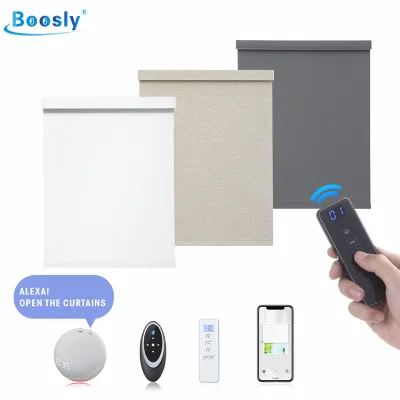
Main productsHotel Curtains, Motorized Curtains, Roller Blinds, Shangri-la Blinds, Zebra Blinds
Main marketsNorth America(85%), South America(2%), Africa(2%)

SHOUGUANG SENTUO WOOD CO., LTD.
- Verified by BV
- Manufacturer/Factory
- China Shandong
- Lead time15 days
- Avg. response≤ 4h
Main productsPlywood, MDF, OSB, WPC Wall Panel, PVC Wall Panel, PVC Marble Sheet, Melamine MDF, Particleboard, Zebra Blinds, Door Skin
Main marketsSouth America,Eastern Europe,Mid East,North America,Southeast Asia,Eastern Asia,Oceania,Western Europe,Africa

Smart Electric Home Office Windows Solar Shade Blackout Grey Roller Blinds
$10.00
MOQ: 1 Square Meters


Dongguan Meijia Blind And Curtain Creation Co., Ltd.
- Verified by TüVRheinland
- Manufacturer, Trading Company
- Lead time45 days
- Avg. response≤ 5h
Main productsRoller Blind, Skylight Blind, Pleated Blind, Zebra Blind, Window Shades Curtains
Main marketsWestern Europe(50%), Northern Europe(20%), South America(8%)
Guangdong Jiayu Environmental Protection Material Technology Co., Ltd.
- Verified by TüVRheinland
- Manufacturer, Trading Company
- Lead time7 days
- Avg. response≤ 1h
Main productsCurtain, Venetian Blinds, Wave S Fold Drape Curtain, Cloth Fabric Curtain, Smart Curtains
Main marketsNorth America(30%), Oceania(30%), Northern Europe(15%)

R & C FUZHOU HOUSEWARE CO., LTD.
- Combined
- China Fujian
- Lead time23 days
- Avg. response≤ 1h
Main productsVenetian Blind, Curtain, Curtain Tieback, Sofa Cover, Bedding Set, Zebra Blind, Curtain Rod, Luxury Curtains, Electric Track, Curtain Accessories
Main marketsSouth America,Africa,Southeast Asia/ Mideast,East Asia(Japan/ South Korea),Europe,Australia,North America

Guangzhou MyWow Decor Co., Ltd
- Combined
- China Guangdong
- Lead time15 days
- Avg. response≤ 16h
Main productsWallpaper, Wall Paper, 3D Wallpaper, 3D Wall Panel, Window Blinds, Artificial Grass, Wall Tiles, Center Rugs, Wall Mural, Natural Grasscloth
Main marketsSouth America,Europe,North America

Modern Smart House Automatic Window Blinds Motorized Roller Blinds
$4.10 - $4.50
MOQ: 150 Square Meters

Auto WiFi Smart Daylight Blinds Motorized Window Blinds Electric Mechanical Roller Blinds
$5.00 - $5.50
MOQ: 150 Square Meters

Modern Smart House Automatic Window Blinds Remote Motorized Roller Blinds Shade
$3.00 - $3.40
MOQ: 150 Square Meters
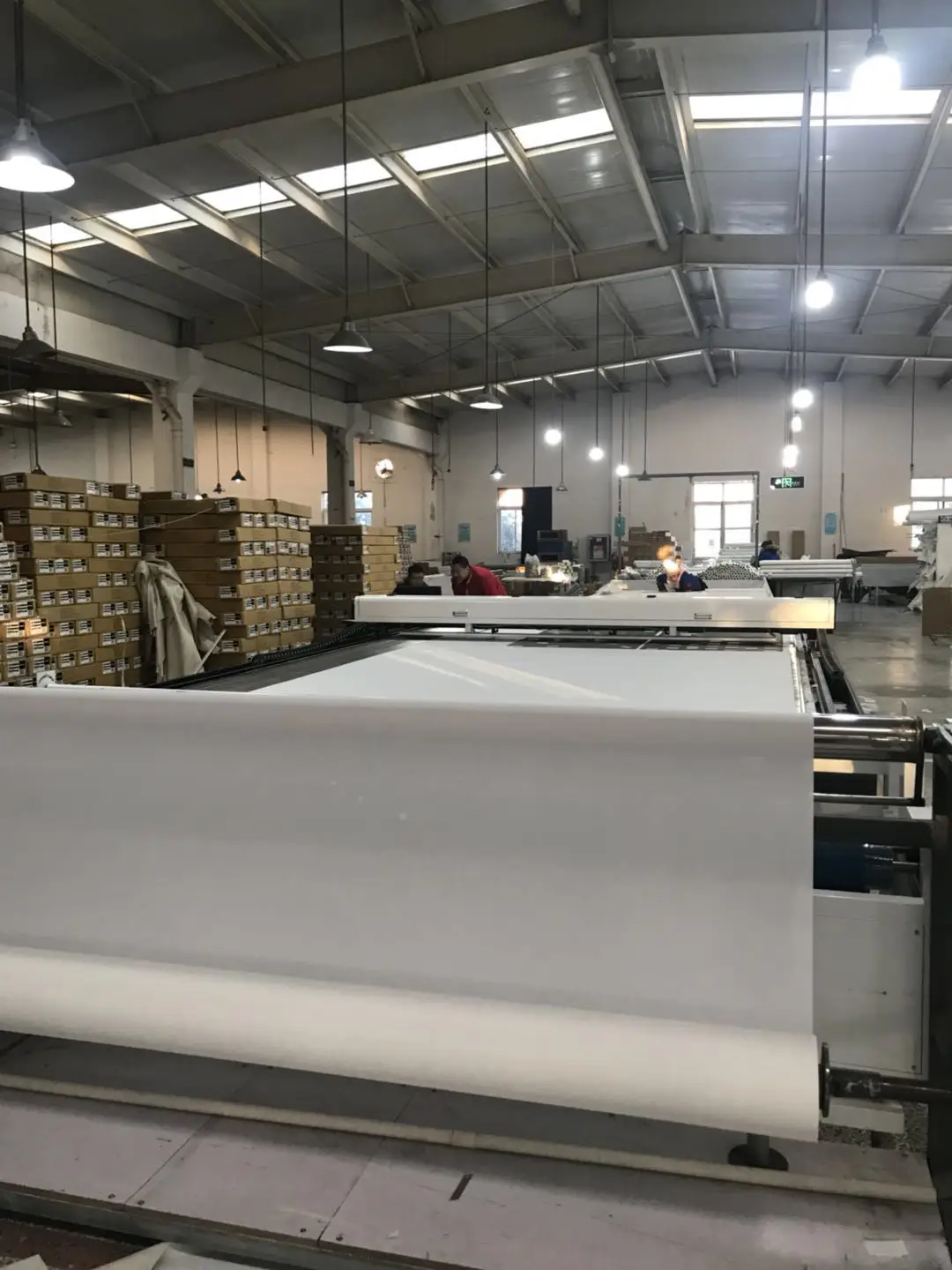
Tianjin Hunters Technology Co., Ltd.
- Manufacturer, Trading Company
- Tianjin, China
- Lead time5 days
- Avg. response≤ 5h
Main productswindow blinds,Fabric curtain,Sun awning,Rainproof Awning,Aluminum Louver
Main marketsNorth America(40.50%), Mid East(15.38%), Western Europe(9.70%), South Asia(8.44%), South America(6.50%), Central America(5.69%), Domestic Market(5.55%), Northern Europe(4.64%), Africa(2.55%), Oceania(1.05%)

Jiangsu Kemeili Energy Saving Technology Co., Ltd.
- Manufacturer
- Jiangsu, China
- Lead time25 days
- Avg. response≤ 5h
Main productsPDLC Film,Smart Film,Smart Glass,Smart Tint,Window Blinds
Main marketsDomestic Market(80.00%), North America(5.00%), Western Europe(5.00%), Oceania(3.00%), Southeast Asia(2.00%), Mid East(2.00%), Eastern Asia(1.00%), South Asia(1.00%), South America(1.00%)
Hande Manufacturing (China) Co., Ltd.
- Verified by TüVRheinland
- Manufacturer, Trading Company
- Lead time30 days
- Avg. response≤ 2h
Main productsRoller Blinds& Shades, Zebra Blinds& Shades, Outdoor Blinds, Cellular Shades, Blind Fabric
Main marketsNorth America(72%), Southeast Asia(7%), Southern Europe(5%)
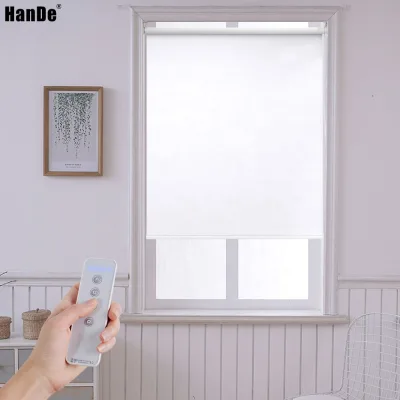
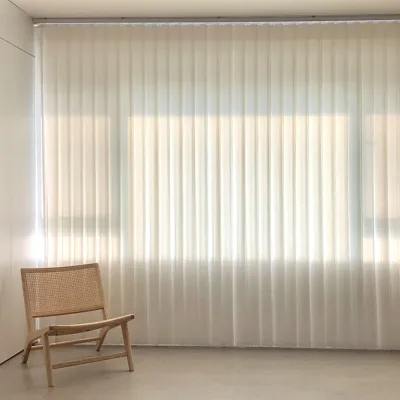
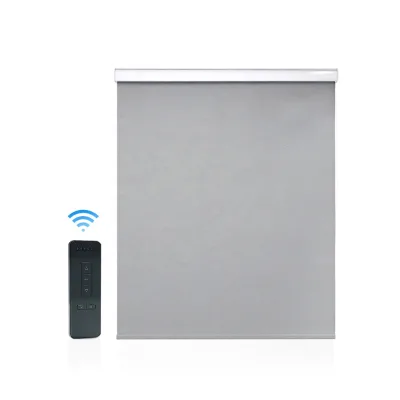
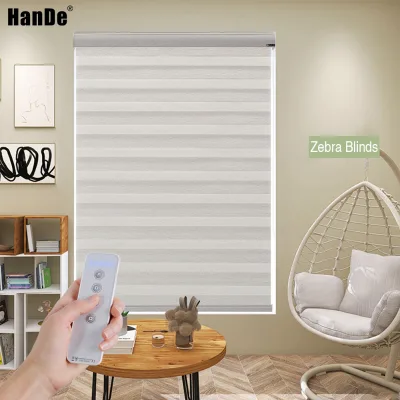
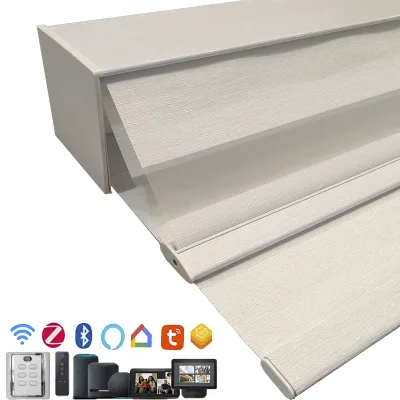
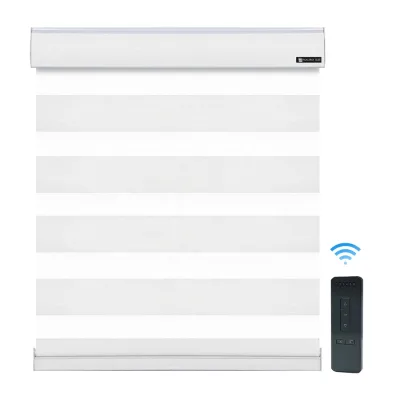
Eco-friendly Electric Black Out Cordless Blinds Remote Control Motorized Smart Vertical Blinds
$34.9573 - $49.3516
MOQ: 2 square

Shanghai Wellsource Industrial Co., Ltd.
- Verified by CTI
- Trading Company
- China Shanghai
- Lead time23 days
- Avg. response≤ 3h
Main productsBlinds
Main marketsSouth America,Southeast Asia/ Mideast,East Asia(Japan/ South Korea),Domestic,Europe,Australia,North America

Electric Smart Motorized Window Automation Motorized Blackout Zebra Blinds
$10.00
MOQ: 500 Square Meters


Weifang Teddy Bear Home Co., Ltd.
- Verified by Intertek
- Manufacturer, Trading Company
- Shandong, China
- Lead time10 days
- Avg. response≤ 2h
Main productsMotorized Blinds, Tubular Motor, Motorized Aluminum Pergola, Blinds Fabric
Main marketsWestern Europe(30%), Southeast Asia(20%), Eastern Europe(10%)
Chanda (Chengdu) Sourcing Co., Ltd.
- Trading Company
- Sichuan, China
- Lead time0 days
- Avg. response≤ 2h
Main productsSunshades,Pergeola,Awning,Zip Screen,Roof roller
Main marketsNorthern Europe(20.00%), Eastern Europe(20.00%), South America(20.00%), North America(20.00%), Southern Europe(10.00%), Western Europe(10.00%)
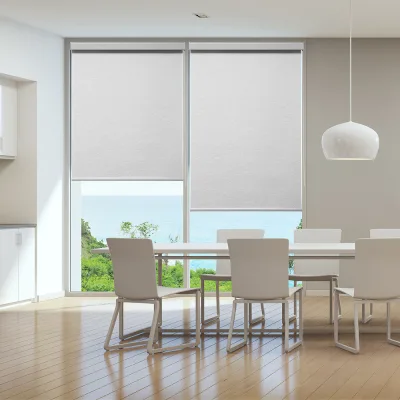
Horizontal Cordless Smart Wifi Motorized Rolling Window Curtains Automatic Roller Blinds Shades
$5.0692 - $9.5303
MOQ: 2 square
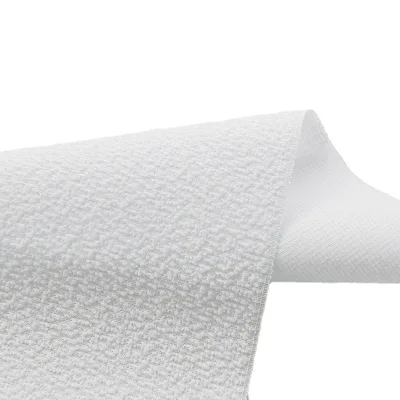
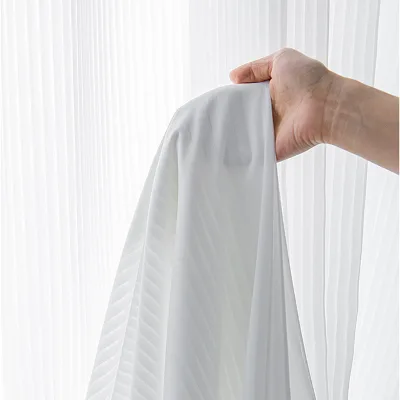
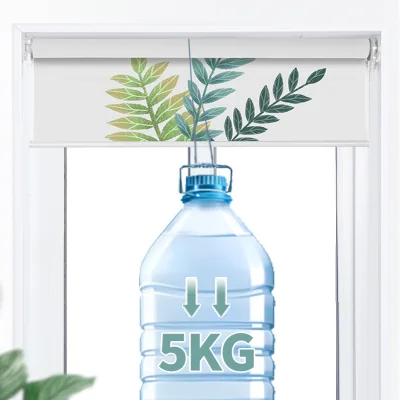
Custom Patterned Curtains Roller Blinds Bathroom Bathroom Kitchen Bedroom Blackout Shade
$5.0692 - $9.5303
MOQ: 2 square
Guangzhou Minglian Technology Co., Ltd.
- Verified by SGS Group
- Manufacturer, Trading Company
- Lead time5 days
- Avg. response≤ 1h
Main productsAluminum Pergola, Zip track roller blinds, Retractable Pergola, Retractable Awnings, Canopy
Main marketsNorth America(50%), Northern Europe(40%), Oceania(10%)


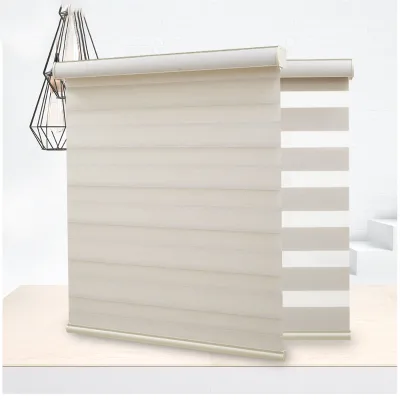
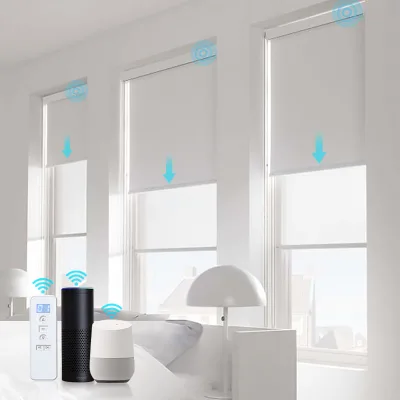
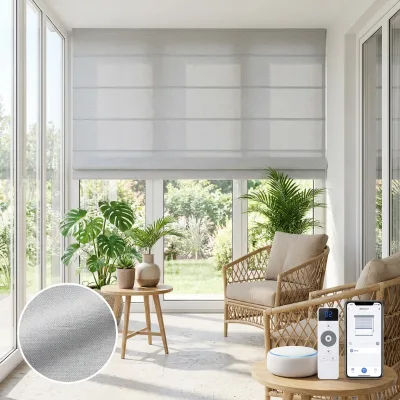
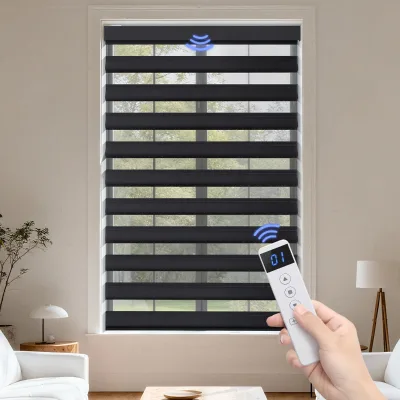

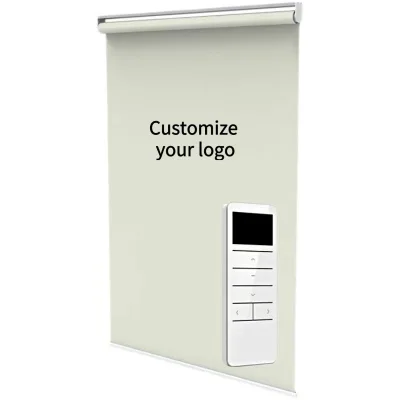


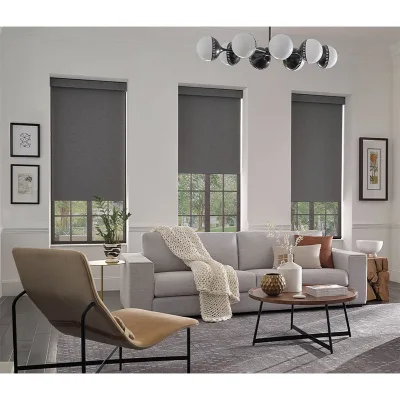
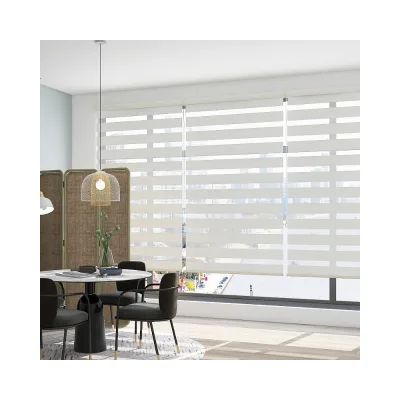
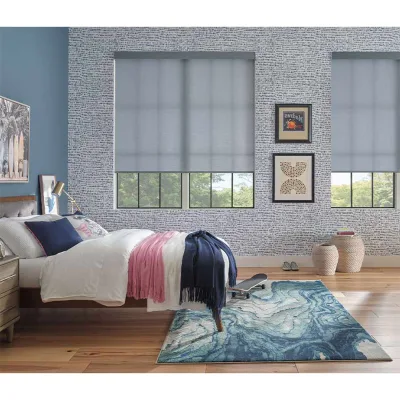
Comprehensive Sourcing Guide
Smart Home Electric Window Blinds Supplier Concentration and Factory Types
The current supplier landscape for Smart Home Electric Window Blinds reveals a distinct geographic concentration in China, with Zhejiang and Henan emerging as primary manufacturing hubs. Suppliers located in Zhejiang, China, often operate as combined entities that blend trading capabilities with manufacturing resources, offering a versatile approach to sourcing. These firms frequently highlight their ability to handle both Original Design Manufacturing (ODM) and Original Equipment Manufacturing (OEM) requests, allowing buyers to choose between custom designs and established product lines. The presence of verified certifications such as TÜV Rheinland for some Zhejiang-based suppliers indicates a commitment to quality standards and international compliance, which is crucial for electronic components integrated into smart blinds. Buyers should note that while location data is available for these regions, the specific factory addresses are not disclosed in general search results, requiring direct inquiry for site visits or deeper verification.
In contrast, suppliers based in Henan, China, present a different operational profile, often emphasizing OEM capabilities and specific product specializations like cellular or honeycomb blinds alongside electric options. These suppliers may display different verification badges, such as CTI, signaling another layer of third-party validation for their business legitimacy and product safety. The distinction between combined companies in Zhejiang and potentially more specialized OEM factories in Henan allows buyers to tailor their sourcing strategy based on whether they need rapid customization or large-scale branded production. Understanding these factory types helps in assessing whether a supplier can meet complex technical requirements for smart motors and app integration or if they are better suited for standard volume orders. Buyers must verify the exact nature of the supplier’s operations, as the label "combined" does not guarantee in-house production for all components, particularly the electronic control systems.
How to Verify Smart Home Electric Window Blinds Suppliers
Verification is a critical step when sourcing Smart Home Electric Window Blinds, as the integration of electronics and software adds complexity to traditional window covering manufacturing. Buyers should prioritize suppliers that display third-party verification badges, such as TÜV Rheinland or CTI, which serve as initial indicators of business legitimacy and adherence to certain quality management systems. These verifications often cover aspects like factory audits and product safety, providing a baseline of trust before engaging in detailed negotiations. However, verification badges alone are not sufficient; buyers must dig deeper into the specific claims made by the supplier regarding their smart home capabilities. This includes verifying the compatibility of their motors with popular smart home ecosystems like Tuya or Alexa, which are frequently mentioned in product keywords but require confirmation of actual functionality and software support.
Beyond verification badges, buyers should assess the responsiveness and transparency of the supplier’s communication channels. Response times, such as the 4.22 hours observed for some Zhejiang suppliers or the 1.67 hours for Henan-based firms, can indicate the efficiency of their customer service and technical support teams. Fast response times are particularly important for smart home products, where technical questions about app integration, wiring, or troubleshooting may arise frequently. Buyers should also look for detailed product attributes that demonstrate technical competence, such as specific motor types (e.g., rechargeable lithium battery motors) or control methods (voice, app, remote). Suppliers that provide comprehensive specifications and are willing to share test reports or compatibility lists are more likely to deliver reliable smart home solutions. Always request evidence of past projects or case studies to validate their claims about smart home integration before committing to large orders.
What to Compare Across Smart Home Electric Window Blinds Suppliers
When evaluating multiple suppliers for Smart Home Electric Window Blinds, comparing key operational metrics is essential to ensure alignment with your business needs. Lead times vary significantly, with some suppliers offering production periods as short as three days for certain models, while others may require up to 30 days for standard orders. This disparity can impact your inventory planning and ability to meet customer deadlines, so it is crucial to clarify whether the quoted lead time includes manufacturing, testing, and shipping preparation. Additionally, Minimum Order Quantities (MOQ) can range from as low as one unit for sample or trial orders to higher thresholds for bulk production. Suppliers with low MOQs are ideal for testing market response or fulfilling small custom orders, whereas those with higher MOQs may offer better unit economics for large-scale deployments.
Price and customization options are also critical comparison points. Unit prices for smart blinds can range from approximately $15 to $23, depending on features like motor type, fabric quality, and smart home compatibility. Buyers should compare not just the base price but also the cost of customization, such as adding specific logos, changing fabric colors, or modifying motor specifications. Some suppliers offer extensive customization, including size adjustments and pattern variations, while others may have limited options. It is also important to compare the main product portfolios; some suppliers specialize in zebra or roller blinds, while others offer a broader range including cellular or vertical blinds. This specialization can affect the quality and expertise they bring to your specific product requirements. Always request detailed quotations that break down costs for customization, tooling, and shipping to make accurate comparisons.
Common Smart Home Electric Window Blinds Sourcing Risks
Sourcing Smart Home Electric Window Blinds introduces specific risks related to technology integration and product reliability that are not present in manual blinds. One major risk is the compatibility of the smart motor and control system with existing home automation platforms. Suppliers may claim compatibility with various apps or voice assistants, but without rigorous testing, these integrations may fail or require complex workarounds. Buyers should be cautious of suppliers who do not provide clear documentation on software updates, app stability, and long-term support for their smart features. Another risk is the quality of the electronic components, such as batteries and motors, which are critical for the longevity and performance of the blinds. Poor quality batteries may degrade quickly, leading to customer complaints and returns, while unreliable motors may fail prematurely, damaging the brand’s reputation.
Additionally, there is a risk associated with the customization process, particularly when dealing with combined suppliers or trading companies. Miscommunication regarding technical specifications can lead to production errors, resulting in blinds that do not meet the required smart home standards. Buyers must ensure that all technical requirements are clearly documented and confirmed in writing before production begins. There is also the risk of inconsistent quality across batches, especially if the supplier relies on multiple sub-suppliers for motors or fabrics. To mitigate these risks, buyers should request samples for thorough testing, including stress tests for the motor and compatibility tests with the intended smart home ecosystem. Establishing clear quality control protocols and inspection criteria can help identify issues early in the production process, reducing the likelihood of costly errors and delays.
Smart Home Electric Window Blinds Regional Sourcing and Logistics
The geographic location of suppliers significantly impacts logistics, shipping costs, and delivery times for Smart Home Electric Window Blinds. Suppliers in Zhejiang, China, benefit from proximity to major ports and established logistics networks, which can facilitate faster and more cost-effective shipping to international markets. This region’s concentration of manufacturing and trading companies creates a competitive environment that often drives down logistics costs and improves service levels. Buyers sourcing from Zhejiang should consider the efficiency of the local supply chain, which can reduce lead times for raw materials and finished goods. However, buyers must also account for potential congestion during peak seasons, which can affect shipping schedules. Understanding the specific port of departure and the typical transit times to your destination is crucial for accurate delivery planning.
Suppliers in Henan, China, may have different logistical advantages, potentially offering lower manufacturing costs due to regional economic factors, but possibly longer transit times to coastal ports. Buyers should evaluate the total landed cost, including manufacturing, inland transportation, and ocean freight, to determine the true cost advantage of sourcing from different regions. The weight and dimensions of smart blinds, which include motors and packaging, can also impact shipping costs. Suppliers that offer optimized packaging, such as PVC and carton boxes, can help reduce volumetric weight and lower freight expenses. Buyers should work closely with their suppliers to determine the most efficient shipping methods, whether by sea, air, or express courier, based on order size and urgency. Establishing a reliable logistics partner and understanding Incoterms can further streamline the import process and reduce unexpected costs.
Smart Home Electric Window Blinds Commercial Terms and Order Planning
Effective order planning for Smart Home Electric Window Blinds requires careful attention to commercial terms, payment structures, and after-sales support. Buyers should negotiate clear payment terms that balance risk and cash flow, such as using secure payment methods like escrow for initial orders to protect against non-delivery or quality issues. It is also important to clarify the warranty terms for the electronic components, particularly the motors and batteries, as these are the most likely points of failure. Suppliers that offer comprehensive warranties and readily available spare parts can significantly reduce long-term maintenance costs and customer dissatisfaction. Buyers should also inquire about the supplier’s policy for defective items and the process for claiming replacements or refunds.
Furthermore, buyers must plan for the ongoing support of the smart home ecosystem, including software updates and technical assistance. Suppliers that provide regular app updates and responsive technical support can help ensure that their products remain compatible with evolving smart home standards. Buyers should assess the supplier’s capacity to handle large orders and their ability to scale production if demand increases. This includes evaluating their production capacity, such as ODM or OEM capabilities, and their ability to maintain quality consistency at higher volumes. Establishing a long-term partnership with a reliable supplier can lead to better pricing, priority production slots, and improved service levels. Regular communication and performance reviews can help maintain a strong relationship and ensure that both parties meet their obligations throughout the order lifecycle.
FAQs
What is the price range for smart electric blinds?
Prices for smart electric blinds typically range from $15 to $23 per unit. Specific models vary based on features like battery type and fabric opacity. Buyers can find options starting at $15 for battery-operated units up to $23 for blackout fabric versions. Always check the specific product listing for exact pricing details.
What is the minimum order quantity for these products?
The minimum order quantity is generally one unit for many smart blind listings. This low MOQ allows buyers to test samples or order small batches easily. Some suppliers offer single-item single-pack selling units. This flexibility supports both individual buyers and small-scale commercial projects without requiring large initial investments.
How long does production take for custom blinds?
Production periods for custom blinds can be as fast as three days for certain models. Standard lead times from suppliers in China Zhejiang are around 23 days. Suppliers in China Henan may have lead times of 30 days. Buyers should confirm specific production timelines with the supplier before placing orders for urgent projects.
What materials are used in smart zebra blinds?
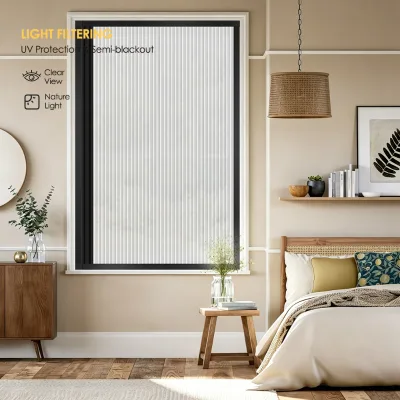
Smart zebra blinds are commonly made from 100% polyester or polyester fiber fabrics. These materials offer light filtering or blackout options depending on the specific model. Some products feature vertical techniques or plain patterns. The fabric choice impacts opacity and durability, so buyers should select based on their specific light control needs.
What control methods are available for motorized blinds?
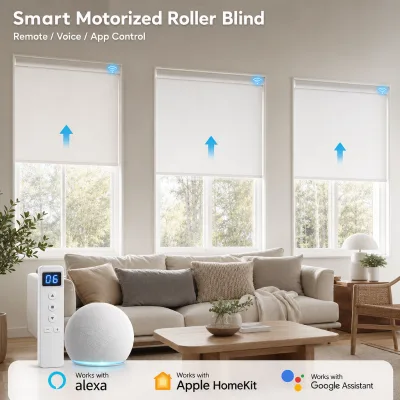
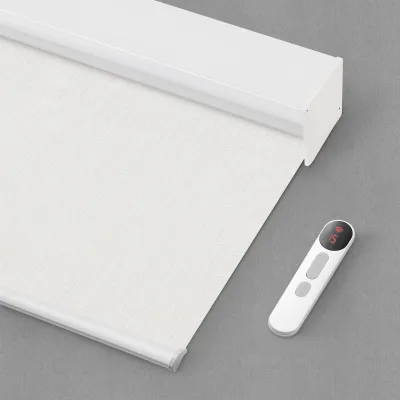
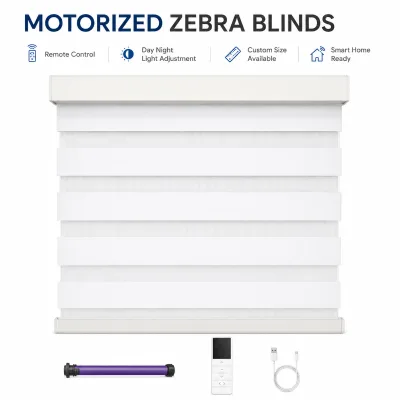
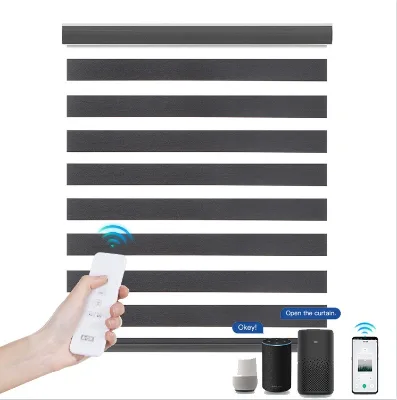
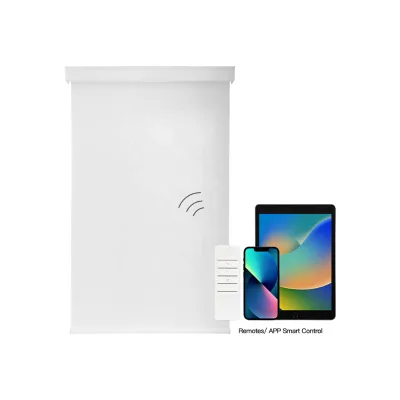
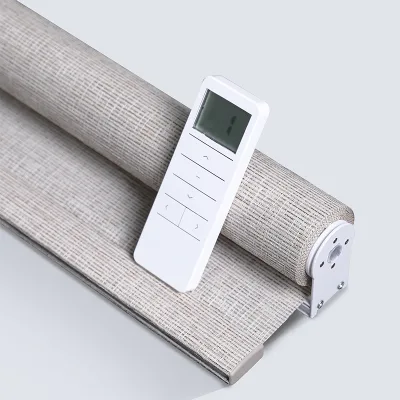
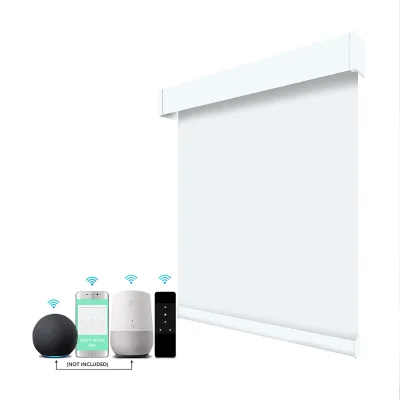
Motorized smart blinds support voice control, smartphone app operation, and remote control. Some models use rechargeable lithium battery motors for wireless convenience. Control types vary by product, with options for inside or outside mounting. Buyers can choose the control method that best fits their home automation system or personal preference.
Are these blinds customizable in size and design?
Yes, customization is available for many smart blind models. Buyers can request customized sizes to fit specific window dimensions. Fabric, color, and pattern options may also be adjustable. Suppliers often support OEM or ODM services for larger orders. Contact the supplier directly to discuss specific customization requirements and potential additional costs.