Gloss White Beginner Ukulele Suppliers and Manufacturers
Compare 21 Gloss White Beginner Ukulele suppliers in China Guangdong by response time, lead time, and customization options. Review product specs like body material and size before contacting factories for quotes; review the available evidence before requesting comparable quotations from suitable candidates.
Updated
Suppliers List

Guangzhou Huayi Musical Instruments Co., Ltd.
- Verified by SGS
- Combined
- China Guangdong
- Lead time60 days
- Avg. response≤ 9h
Main productsGuitar, Ukulele and Musical Instrument Accessories
Main marketsSouth America,Southeast Asia/ Mideast,East Asia(Japan/ South Korea),Europe,Australia,North America

Guangzhou Vines Musical Instruments Co., Ltd
- Verified by TUVRHEINLAND
- Trading Company
- China Guangdong
- Lead time15 days
- Avg. response≤ 8h
Main productsAcoustic Guitar, Electric Guitar, Classical Guitar, Electric Bass Guitar, Ukulele, Guitar Strings, Musical Instrument Accessories, Violin, Guitar Amplifier, Drum Piano
Main marketsAfrica,Europe,North America
Huizhou Height Industry Co., Ltd.
- Trading Company
- Guangdong, China
- Lead time25 days
- Avg. response≤ 4h
Main productsGuitar, Ukulele, Percussion, Musical Accessory, Bag
Main marketsNorth America(20.00%), South Asia(10.00%), South America(10.00%), Oceania(10.00%), Western Europe(10.00%), Southern Europe(10.00%), Northern Europe(10.00%), Eastern Europe(10.00%), Eastern Asia(5.00%), Mid East(5.00%)
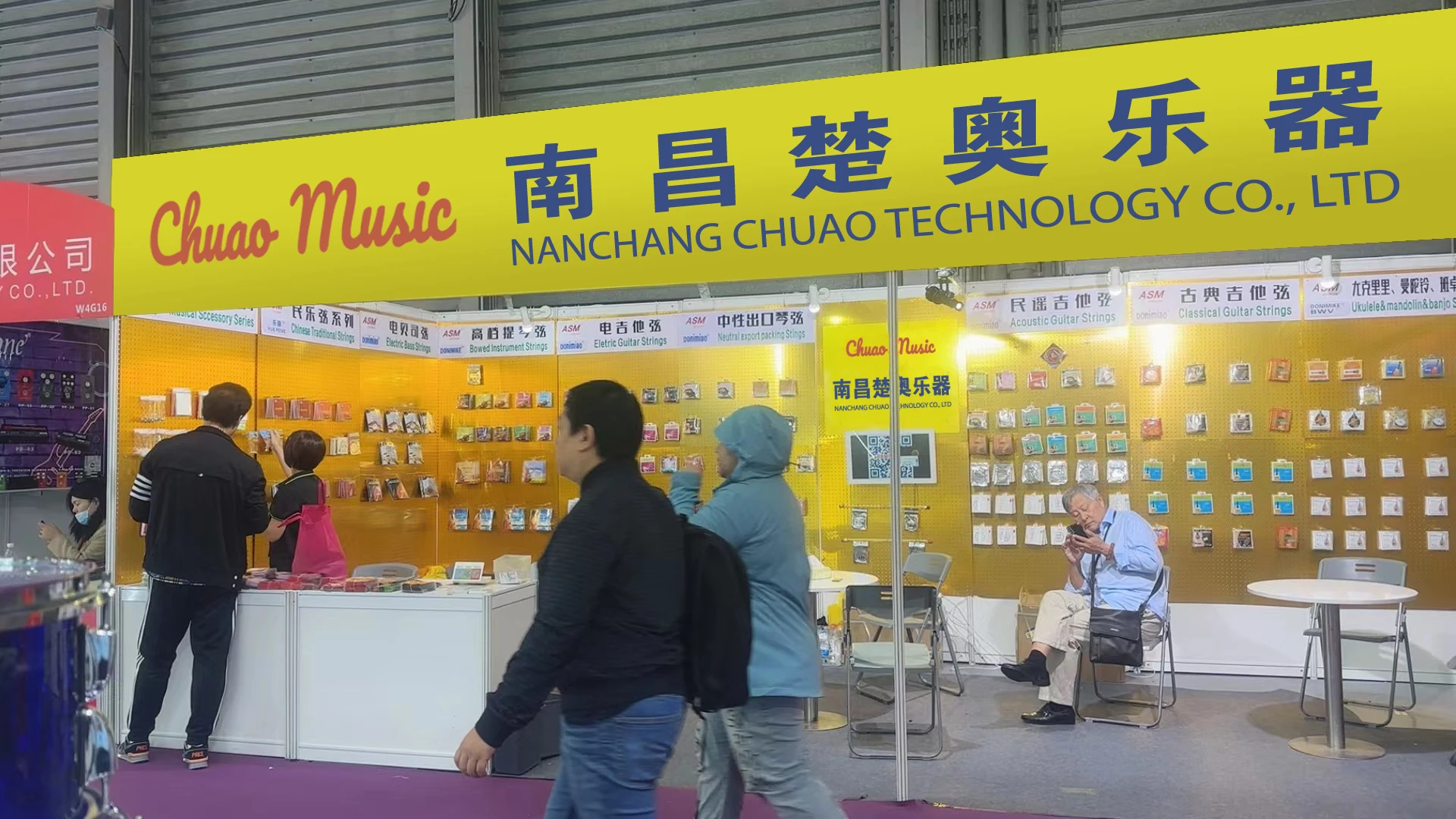
Nanchang Chuao Technology Co., Ltd.
- Trading Company
- Jiangxi, China
- Lead time7 days
- Avg. response≤ 1h
Main productsguitar,guitar accessories,drum,drumsticks,ukulele
Main marketsMid East(10.00%), Eastern Asia(10.00%), Africa(10.00%), Southeast Asia(10.00%), South Asia(10.00%), South America(10.00%), North America(10.00%), Central America(8.00%), Domestic Market(5.00%), Northern Europe(5.00%), Oceania(3.00%), Eastern Europe(3.00%), Southern Europe(3.00%), Western Europe(3.00%)
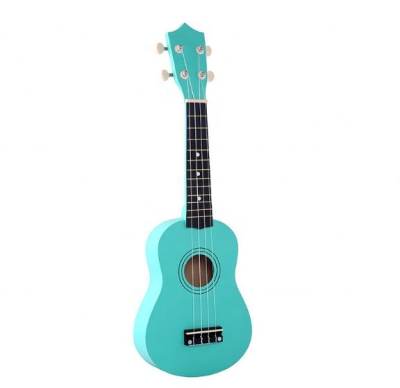
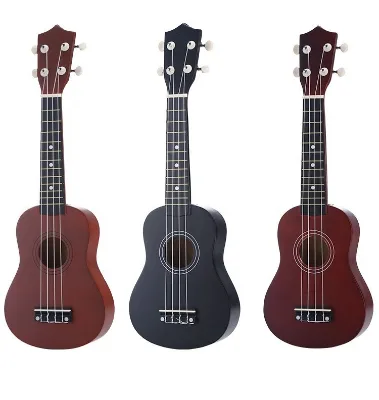
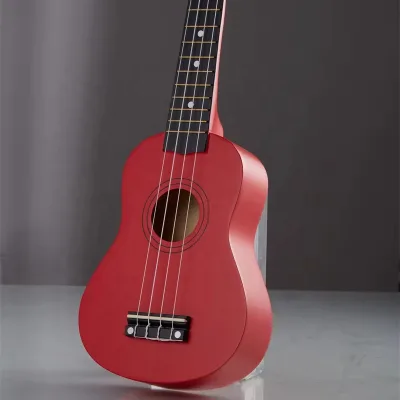
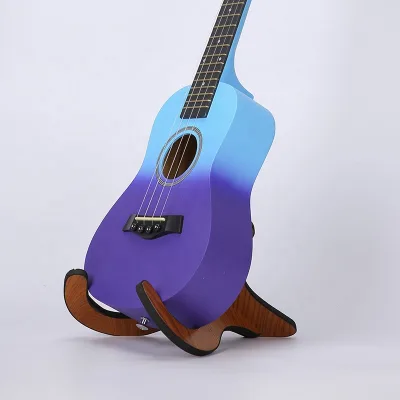
Colorful Wood Ukuleles China Ukulele for Beginners, Kids Ukuleles, Toy Ukuleles
$8.1986 - $9.2247
MOQ: 10 pieces
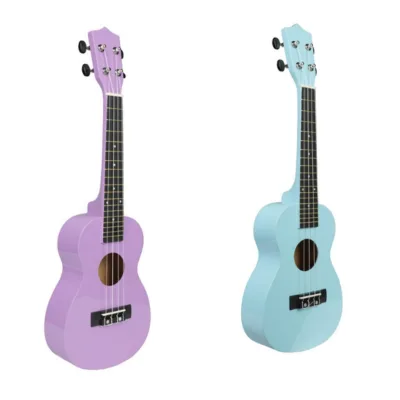
Enjoy Basswood Acoustic Nylon 4 Strings Mini Ukulele for Kids and Beginner
$7.69 - $8.99
MOQ: 20 pieces
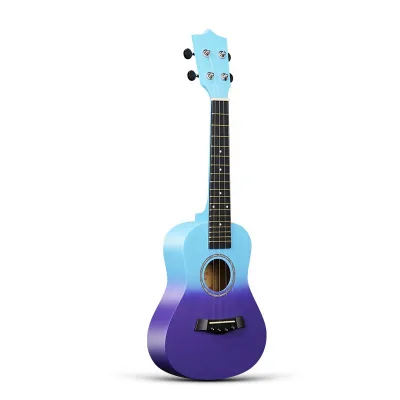
Alwaysfaith International Trade Co., Ltd. (huizhou)
- Verified by Intertek
- Trading Company
- Lead time0 days
- Avg. response≤ 5h
Main productsUkulele, Electric Guitar, Acoustic Guitar
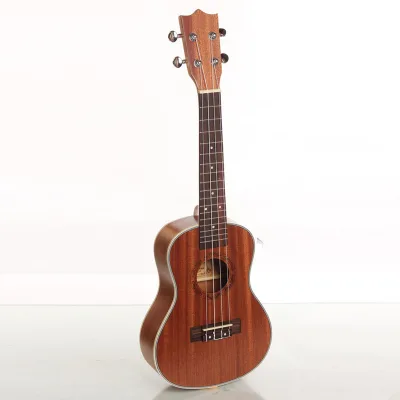
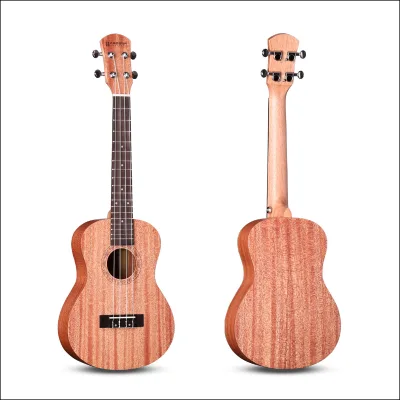
Wholesale High Quality 23inch Beginner Beginner Ukulele
$14.49 - $22.77
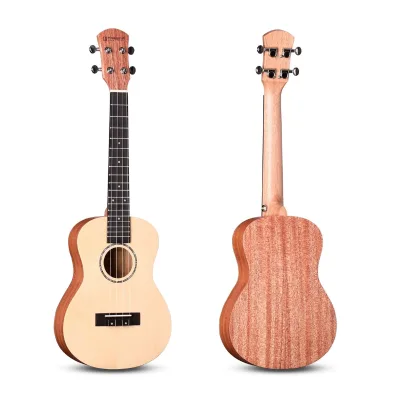
Popular 26 Inch Ukulele Classic Design with Bright Clear Sound Perfect for Beginner
$40.00 - $43.00
MOQ: 6 pieces
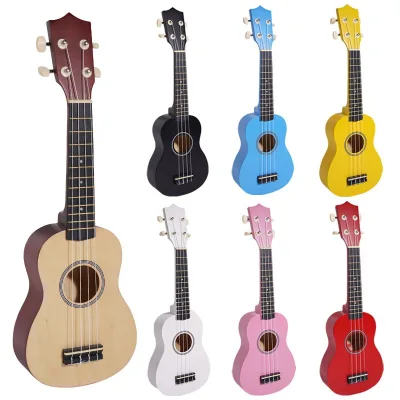
Mini Ukulele Beginner Ukulele Entry-level Small Guitar Early Teaching Instrument for Children
$7.0556 - $7.9873
MOQ: 3 boxes
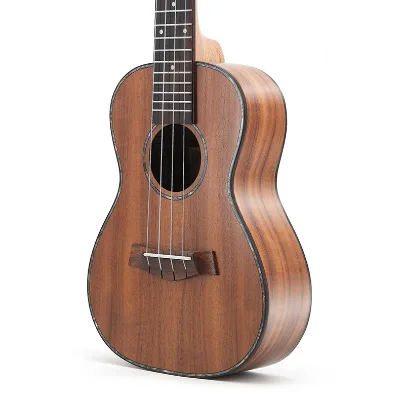
Wholesale 23 Inch Concert Ukulele for Beginners Four String Musical Instrument
$26.3633 - $27.9137
MOQ: 2 pieces
Alwaysfaith International Trade Co., Ltd. (Huizhou)
- Verified by Intertek
- Trading Company
- Lead time15 days
- Avg. response≤ 6h
Main productsUkulele, Electric Guitar, Acoustic Guitar
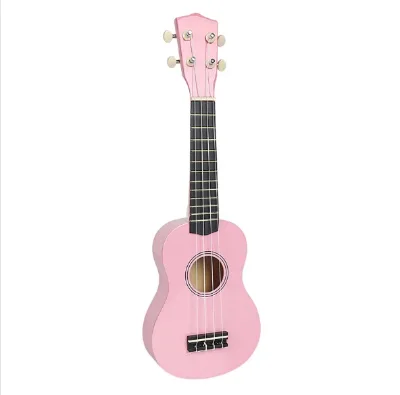
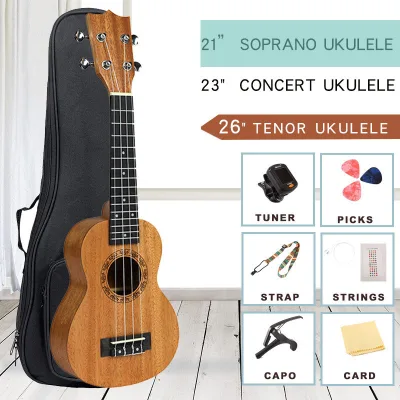
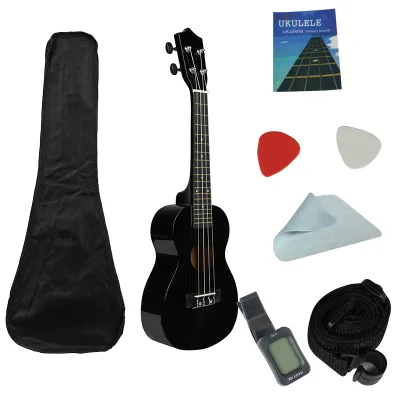
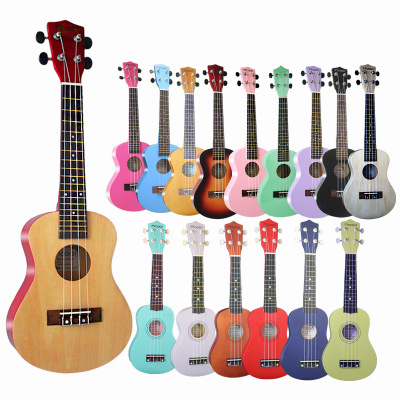
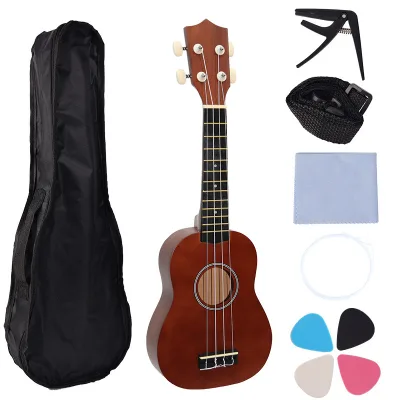
$6.741 - $8.0967
MOQ: 10 Minimum
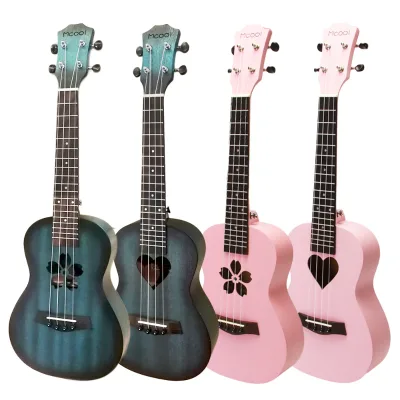
Hot Sale Good Quality Optional Color OEM Ukulele 23 Inch 4 Strings Ukulele
$25.00 - $26.00
MOQ: 10 pieces

Nantong Emuse Musical Instruments Co., Ltd.
- Trading Company
- China Jiangsu
- Lead time30 days
- Avg. response≤ 9h
Main productsViolin, Guitar, Cello, Classic Guitar, Double Bass, Acoustic Guitar, Ukulele, Electric Guitar, String Instruments Accessories, Violin Bow
Main marketsSouth America,Others(foreignTradeCapacity.exportBusinessCapacityMarketOther),Europe


Wholesale Price Professional High Quality Bass Ukulele/ Electric Ukulele
$58.50 - $59.50
MOQ: 10 Pieces


OEM Brand Top Quality Cheap Price 24 Inch Concert Colorful Ukulele for Kids
$21.25 - $21.55
MOQ: 10 Pieces
Taixing Jinying Musical Instruments Co., Ltd.
- Manufacturer, Trading Company
- Jiangsu, China
- Lead time30 days
- Avg. response≤ 4h
Main productsViolin,Cello,Double bass,Guitar,Ukulele
Main marketsWestern Europe(20.00%), North America(20.00%), South America(15.00%), Southern Europe(10.00%), Domestic Market(10.00%), Mid East(6.00%), South Asia(5.00%), Eastern Asia(5.00%), Southeast Asia(5.00%), Oceania(4.00%)

Nantong Sinomusic Enterprise Limited
- Manufacturer/Factory
- China Jiangsu
- Lead time38 days
- Avg. response≤ 12h
Main productsStringed Instruments, Violin/Viola/Cello, Guitar/Bass/Ukulele, Keyboard Instruments, Digital Piano, Woodwind Brasswind, MIDI Controller, Percussion
Main marketsSouth America,Eastern Europe,Mid East,North America,Southeast Asia,Eastern Asia,Oceania,Western Europe,Africa

- Verified by BV
- Trading Company
- China Zhejiang
- Lead time30 days
- Avg. response≤ 9h
Main productsWooden Toys, Educational Toys, Indoor and Outdoor Game, Kitchen and Food, Role Play, Learning Toys, Ride on Cars, Blocks and Puzzles, Train Set, Doll House
Main marketsEurope


Floral Print Wooden Kids Ukulele with 4 Strings for Beginner Music Learning
$8.80 - $11.80
MOQ: 8 Sets

Shandong Best G And G Enterprise Co., Ltd.
- Trading Company
- Shandong, China
- Lead time0 days
- Avg. response≤ 4h
Main productsMusic Box,Kalimba,Pan Drum,Tongue Drum,Garden Tool
Main marketsSouth America(20.00%), Central America(20.00%), North America(20.00%), Eastern Europe(10.00%), Southeast Asia(10.00%), Northern Europe(10.00%), Mid East(5.00%), South Asia(5.00%)
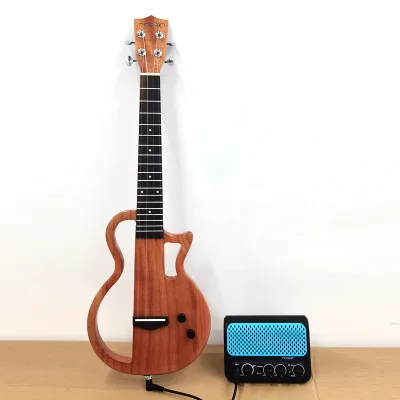
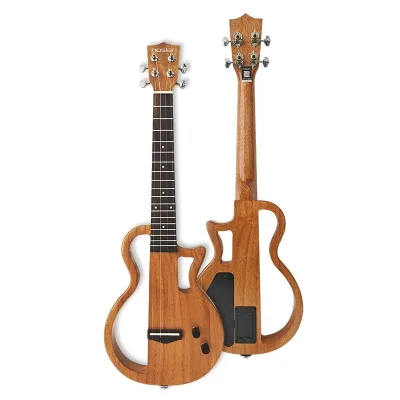
23 Inch Solid Wood Electric Ukulele High Quality Ukelele for Children & Starters Wholesale Price
$62.8845 - $68.147
MOQ: 10 Minimum
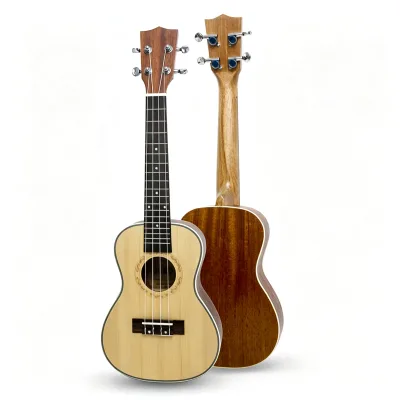
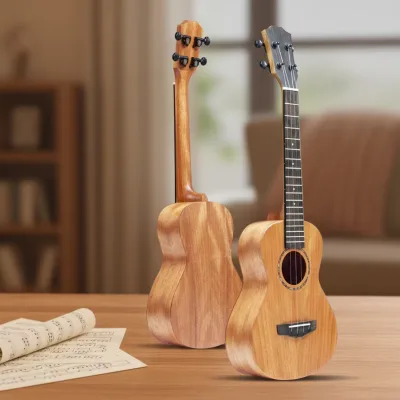
23 Inch & 26 Inch Concert Ukulele Professional Solid Wood Ukelele for Kids & Adults Premium Sapele
$29.1061 - $32.6249
MOQ: 10 Minimum
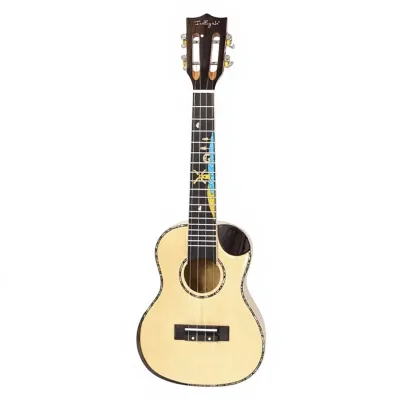
$55.4455 - $57.8528
MOQ: 10 pieces
Langfang Yonghe Musical Instrument Co., Ltd.
- Verified by SGS Group
- Manufacturer, Trading Company
- Lead time20 days
- Avg. response≤ 3h
Main productsMaracas, Tambourine, Drums, Xylophones, Hand Bell
Main marketsWestern Europe(50%), Eastern Europe(20%), North America(10%)
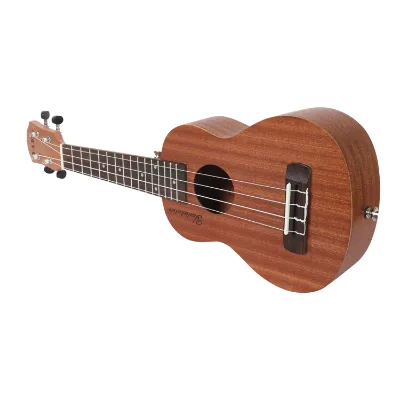
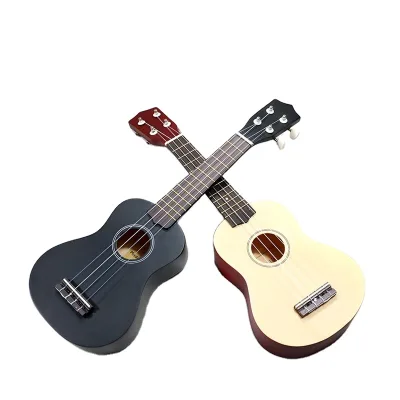
Wholesale High Quality Cheap Kids Toy Wooden Ukulele Guitar- Music Beginner Ukulele
$24.7095 - $25.7401
MOQ: 1 pieces

- Verified by TUVRHEINLAND
- Manufacturer/Factory
- China Jiangsu
- Lead time0 days
- Avg. response≤ 2h
Main productsMusical Instruments, Violin, Viola, Cello, Guitar, Violin Case, Guitar Case, Stringed Accessories, Wind Instrument, Percussion
Main marketsSouth America,Eastern Europe,Mid East,North America,Southeast Asia,Eastern Asia,Oceania,Western Europe,Africa


China Ukulele Manufacturers All Mahogany Plywood Student Ukulele (AU-H07A)
$13.50 - $17.00
MOQ: 10 Pieces


Huizhou Lvdong Yinlv Musical Instruments Co., Ltd.
- Trading Company
- Guangdong, China
- Lead time7 days
- Avg. response≤ 2h
Main productsguitar,guitar accessories,guitar pickups,guitar bridge,guitar neck
Main marketsNorth America(50.00%), Eastern Europe(15.00%), South America(10.00%), South Asia(5.00%), Southern Europe(5.00%), Northern Europe(5.00%), Western Europe(5.00%), Africa(5.00%)
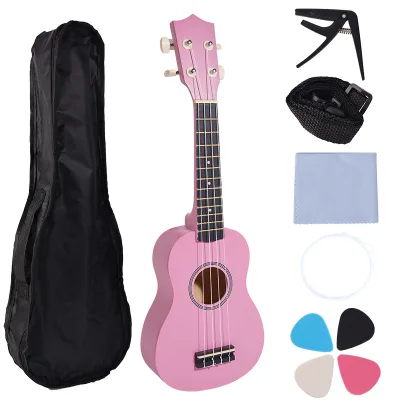
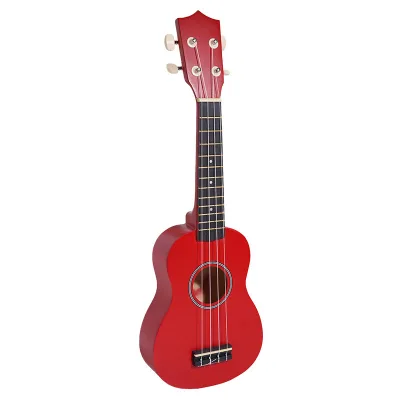
$8.4667 - $9.6022
MOQ: 20 pieces
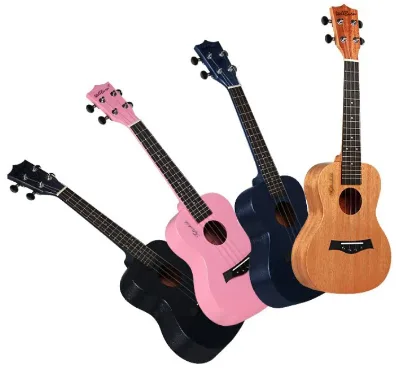
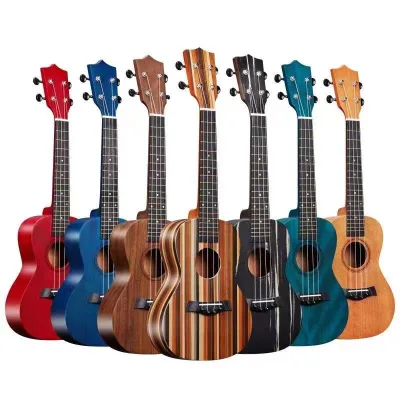

Changshu Huasheng Musical Instrument Co., Ltd.
- Manufacturer, Trading Company
- Jiangsu Province, China
- Lead time30 days
- Avg. response≤ 4h
Main productsGuitar,Piano,Ukulele,Keyboard instrument,Stringed instrument
Main marketsNorth America(50.00%), Western Europe(20.00%), Oceania(15.00%), Domestic Market(10.00%), South America(5.00%)
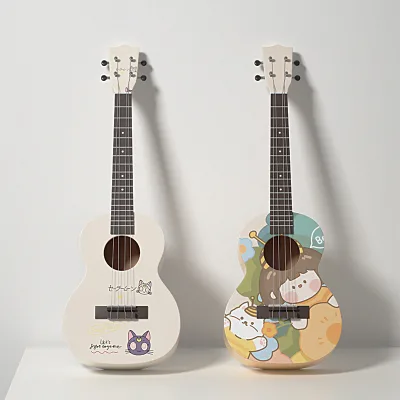
21 Inch Maple & Ebony Fingerboard Ukulele Set for Beginners with Bag-Various Colors
$44.7767 - $45.6411
MOQ: 10 pieces
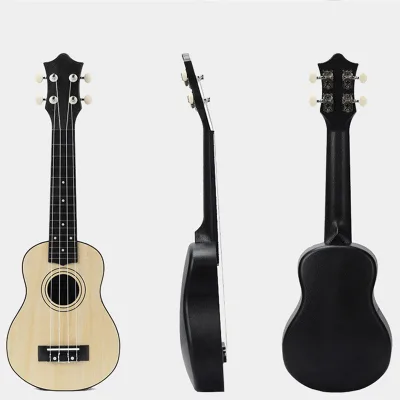
Wholesale 21 Inch Ukulele Sparano Little Guitar Colorful Ukulele Musical Instrument for Kid Beginner
$5.8257 - $6.2332
MOQ: 10 pieces
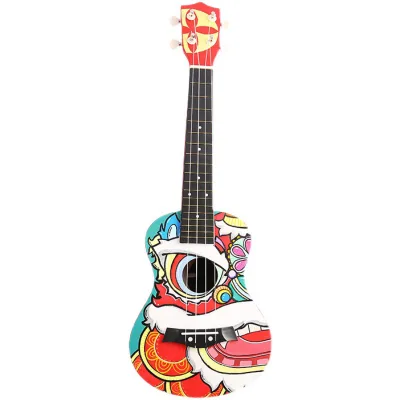
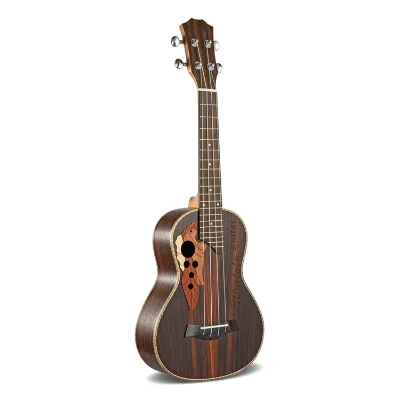
$27.8913 - $62.3737
MOQ: 10 pieces
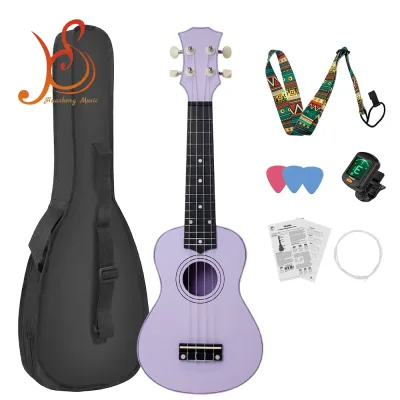

Canex Musical Instrument Co., Ltd.
- Combined
- China Tianjin
- Lead time30 days
- Avg. response≤ 11h
Main productsSaxophone, Electric Guitar, Clarinet, Violin, Brass Trumpet, Flute, Oboe, Trombone, Cajon, Drum Set
Main marketsSouth America,Europe,North America
- Manufacturer
- Tianjin, China
- Lead time45 days
- Avg. response≤ 3h
Main productsDrum,Melodica,Accordion,Wind Instrument,Guitar
Main marketsSouth America(50.00%), Domestic Market(25.00%), Africa(25.00%)
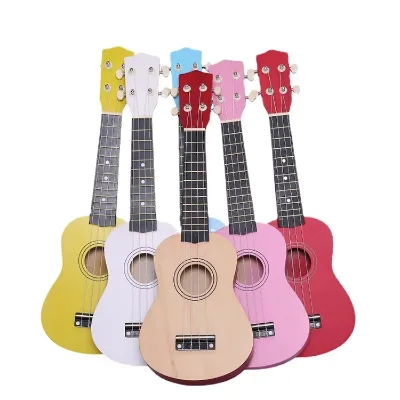
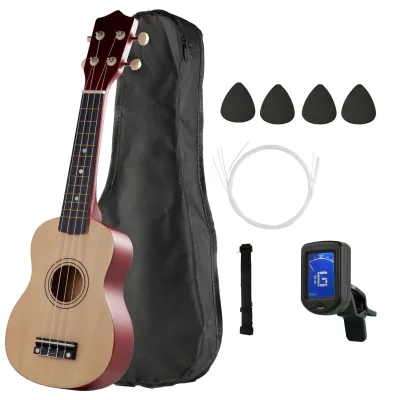
$23.02 - $24.56
MOQ: 20 pieces
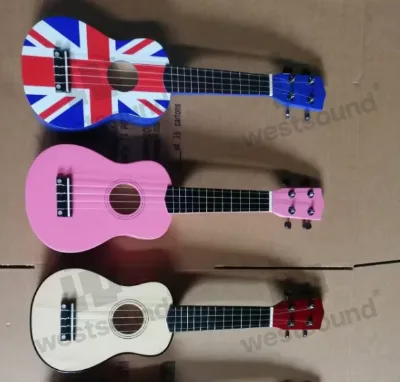

- Verified by SGS Group
- Trading Company
- Lead time15 days
- Avg. response≤ 4h
Main productsHome Decorations, Musical Instruments, Christmas and Party Supplies, Music Box, Garden Decorations
Main marketsNorth America(20%), Western Europe(20%), Southeast Asia(15%)
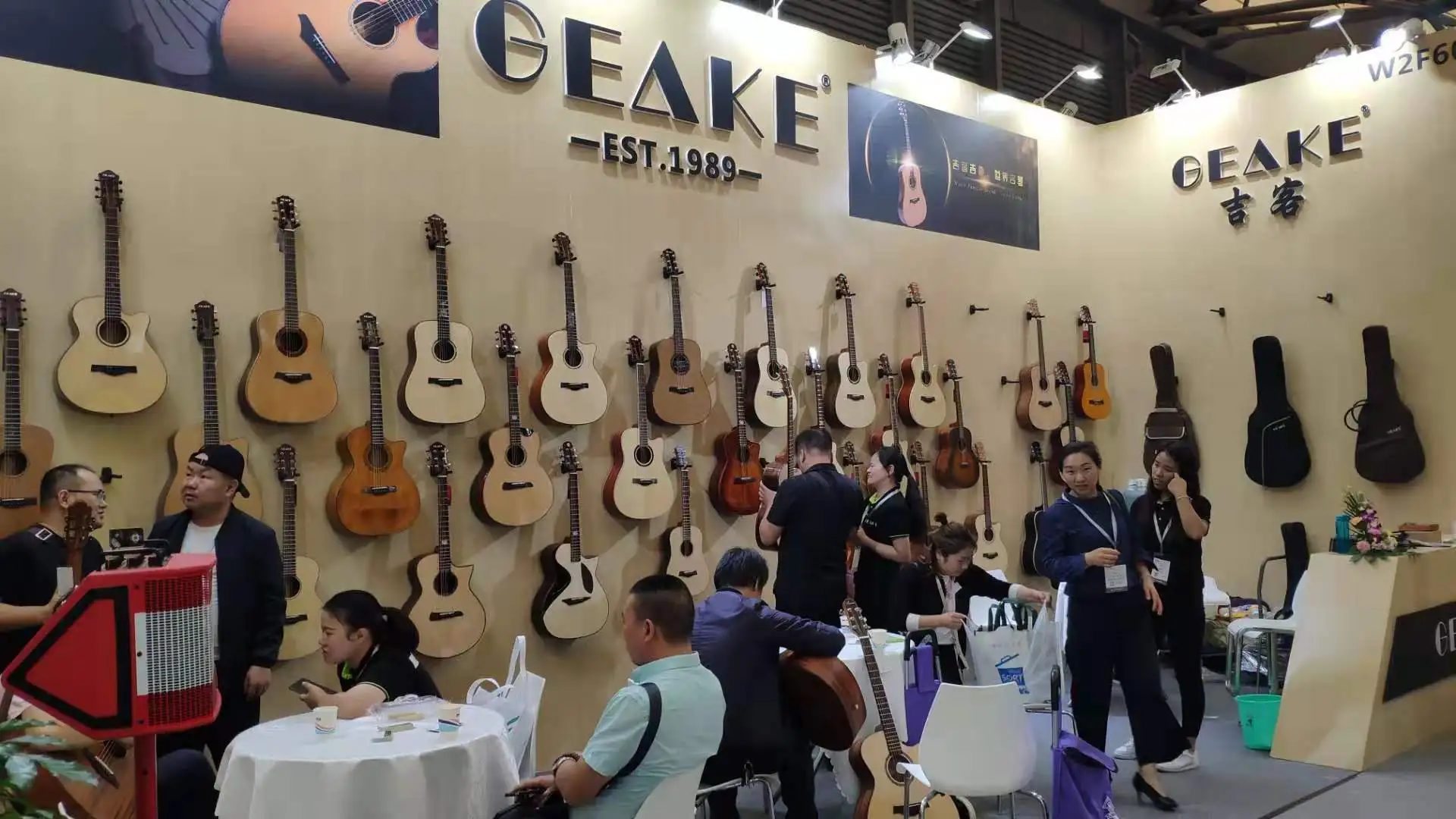
Changsha Geake Music Co., Ltd.
- Manufacturer, Trading Company
- Hunan, China
- Lead time45 days
- Avg. response≤ 3h
Main productsAcoustic guitar,Classical guitar,electric guitar and Ukuleles,guitar accessories,custom high quality guitars
Main marketsNorth America(20.00%), South America(15.00%), Domestic Market(10.00%), Eastern Europe(10.00%), Southern Europe(5.00%), Northern Europe(5.00%), Central America(5.00%), Western Europe(5.00%), Eastern Asia(5.00%), Mid East(5.00%), Oceania(5.00%), Southeast Asia(5.00%), South Asia(4.00%), Africa(1.00%)
$89.0321 - $98.3497
MOQ: 1 pieces
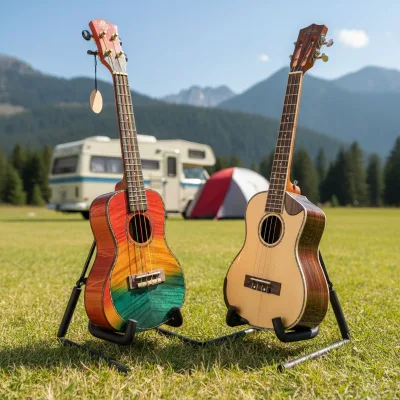
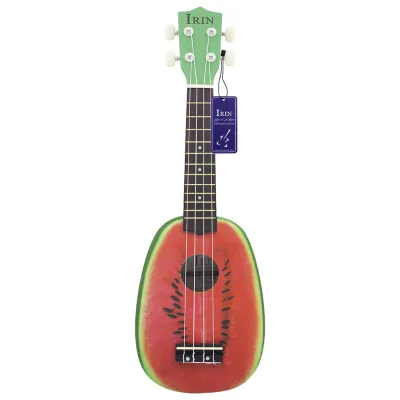
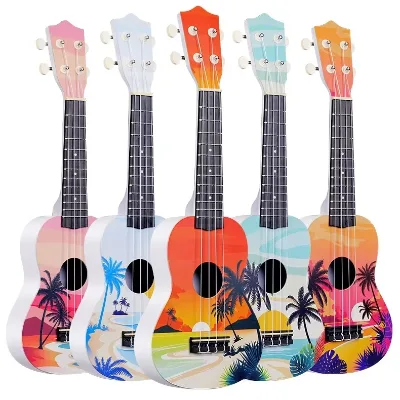
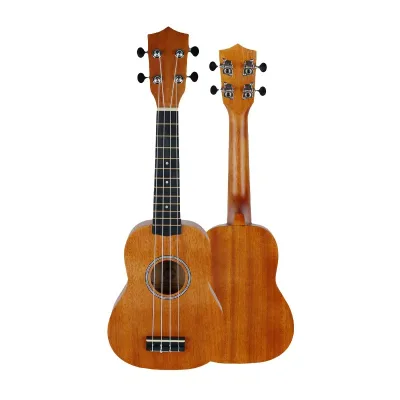
21/23/26-Inch Ukelele Guitar with Mahogany TOP/Back/Side Musical Instrument for Kids
$11.3878 - $13.3562
MOQ: 10 Minimum

Jiangsu Beeto Crafts Co., Ltd.
- Verified by TUVRHEINLAND
- Combined
- China Jiangsu
- Lead time30 days
- Avg. response≤ 19h
Main marketsDomestic

Beginner Musical Instrument Instruments Learning Bright Colors Travel Ukulele for Children
$7.41 - $8.33
MOQ: 14 Sets

Early Education Safe Children Enlightenment Small Size Wood Educational Playable Ukulele
$7.41 - $8.33
MOQ: 14 Sets

Wholesale Early Education Bright Colors Solid Electric Instruments Learning Ukulele for Children
$7.41 - $8.33
MOQ: 14 Sets

Kids' Luminous Educational Playable Ukulele Colorful Boosts Confidence Beginner Musical Instrument
$7.41 - $8.33
MOQ: 14 Sets

Bass Handmade Guitar Musical Instrument OEM ODM Ukulele for Kids and Children
$7.41 - $8.33
MOQ: 14 Sets

Playing Mini Lightweight Handmade Educational Ukulele Promotes Brain Developmen
$7.41 - $8.33
MOQ: 14 Sets

- Trading Company
- Hong Kong S.A.R.
- Lead time30 days
- Avg. response≤ 1h
Main productsMusical Instrument Production,Trade in musical instruments,import and export trade,Integrated services,Product Sales
Main marketsDomestic Market(30.00%), South America(20.00%), North America(15.00%), Eastern Europe(10.00%), Southeast Asia(10.00%), Oceania(3.00%)
$49.3846 - $56.587
MOQ: 50 pieces




Comprehensive Sourcing Guide
Gloss White Beginner Ukulele Supplier Concentration and Factory Types
The current supplier landscape for gloss white beginner ukuleles reveals a distinct concentration of manufacturing and trading entities within China, specifically in the Guangdong region. This geographic clustering is significant because it indicates a mature supply chain ecosystem where raw materials, component suppliers, and assembly lines are in close proximity. For buyers seeking these specific instruments, understanding that the primary production hub is located in Guangdong provides a crucial baseline for logistics planning and quality control assessments. The presence of suppliers in this region suggests that established infrastructure for musical instrument manufacturing, particularly for stringed instruments like ukuleles, is readily available. Buyers should recognize that while the keyword specifies a "gloss white" finish, the underlying manufacturing capabilities in this cluster often support a wide variety of finishes and body materials, including mahogany, acacia, and spruce. This versatility allows suppliers to pivot production based on market demand, ensuring that specialized requests for white gloss finishes can be met without requiring entirely new factory setups. The concentration also implies competitive pricing dynamics, as multiple factories compete for orders within the same industrial zones, potentially driving down costs for bulk purchases. However, buyers must remain vigilant, as the density of suppliers can sometimes lead to confusion between actual manufacturers and trading companies that merely aggregate products from smaller workshops.
Supplier types in this sector vary significantly, ranging from combined entities that handle both production and sales to pure trading companies that focus on market access and logistics. The observed data indicates a mix of company types, including those that offer OEM and ODM services alongside their own brands, which is ideal for buyers looking for customization. Some suppliers are verified by third-party inspection agencies such as SGS or TÜV Rheinland, adding a layer of credibility to their operational standards. These verification badges are critical indicators of a supplier’s reliability, as they suggest that the factory has undergone rigorous audits regarding production capacity, quality management systems, and business legitimacy. For a beginner ukulele, which often requires consistent quality control to ensure playability and durability, working with a verified supplier reduces the risk of receiving substandard products. The distinction between a factory and a trading company is particularly important when evaluating lead times and communication efficiency. Factories may offer more direct control over production schedules but might have slower response times, whereas trading companies often provide faster communication and flexible order sizes, albeit potentially at a higher price point. Buyers should carefully review the company type and verification status to align their sourcing strategy with their specific needs for customization, volume, and speed.
How to Verify Gloss White Beginner Ukulele Suppliers
Verifying the legitimacy and capability of Gloss White Beginner Ukulele suppliers requires a multi-layered approach that goes beyond simple profile reviews. The first step is to scrutinize the verification badges displayed on supplier profiles, such as those from SGS or TÜV Rheinland. These certifications are not merely decorative; they represent independent assessments of the supplier’s business operations, production facilities, and quality control processes. For a buyer, this verification serves as a primary filter to eliminate high-risk partners who may lack the infrastructure to deliver consistent quality. It is essential to check the expiration dates and scope of these certifications to ensure they are current and relevant to musical instrument manufacturing. Additionally, buyers should look for evidence of system certifications, although the current data indicates that many suppliers in this specific niche may not display explicit ISO or other standard system certifications. In the absence of such certifications, the third-party verification badges become even more critical as a proxy for operational maturity. Buyers should also examine the supplier’s response time, which is a key indicator of their operational efficiency and customer service commitment. A response time of under ten hours, as seen in some profiles, suggests a responsive team that can address queries and resolve issues promptly, which is vital for maintaining smooth supply chain operations.
Beyond verification badges and response times, buyers must assess the supplier’s product portfolio and customization capabilities to ensure they can meet specific requirements for gloss white beginner ukuleles. The presence of detailed product attributes, such as body material, size, and finish options, provides insight into the supplier’s manufacturing precision. For instance, suppliers offering solid spruce or mahogany bodies with specific binding and nut materials demonstrate a level of technical knowledge that is essential for producing high-quality instruments. Buyers should request samples to verify the actual finish quality, ensuring that the "gloss white" coating is durable, even, and free of defects like bubbling or uneven texture. It is also important to verify the supplier’s ability to handle OEM or ODM requests, as this indicates their flexibility in adapting to brand-specific designs. The availability of customization options, such as logo printing or custom packaging, should be confirmed through direct communication. Furthermore, buyers should check the supplier’s main products to ensure that ukuleles are a core competency rather than a peripheral offering. A supplier whose main products include a wide range of musical instruments, including guitars and accessories, is likely to have more specialized expertise and equipment dedicated to stringed instruments. This specialization can translate to better quality control and more innovative product designs, which are valuable assets for buyers seeking to differentiate their offerings in the market.
What to Compare Across Gloss White Beginner Ukulele Suppliers
When evaluating multiple suppliers for gloss white beginner ukuleles, buyers must systematically compare key operational metrics to identify the most suitable partner. One of the most critical factors is the lead time, which directly impacts inventory management and customer satisfaction. The observed data shows a wide range of lead times, from as short as 15 days to as long as 60 days. Suppliers with shorter lead times, such as those offering 15-day turnaround, are ideal for buyers who need rapid restocking or are testing new market trends. Conversely, suppliers with longer lead times may offer more competitive pricing or greater capacity for large orders. Buyers should align their choice with their sales cycle and inventory strategy, ensuring that the selected supplier can meet their delivery deadlines without compromising quality. Another essential metric to compare is the Minimum Order Quantity (MOQ), which varies significantly across suppliers. Some suppliers offer low MOQs for stock items, such as 10 pieces, which is beneficial for small businesses or startups looking to minimize initial investment. Others may require higher MOQs for OEM orders, such as 200 pieces, which is more suitable for established brands with consistent demand. Understanding these MOQ structures allows buyers to negotiate better terms and plan their production schedules more effectively.
Price and customization capabilities are also pivotal factors in supplier comparison. The price range for beginner ukuleles in the current market spans from approximately $14 to $50 per unit, depending on materials, finish, and order volume. Buyers should analyze the price-to-quality ratio, considering factors such as body material (e.g., mahogany vs. acacia), hardware quality (e.g., die-cast tuners), and finish durability. While lower prices are attractive, they may come with compromises in material quality or craftsmanship, which can affect the instrument’s playability and longevity. Buyers should request detailed quotations that break down costs for materials, labor, and shipping to ensure transparency. Additionally, the availability of customization options, such as logo printing, custom packaging, or unique design features, should be compared across suppliers. Suppliers that offer flexible OEM and ODM services can help buyers create a unique brand identity, which is crucial for standing out in a competitive market. The supplier’s response time is another comparative metric, as faster responses indicate better communication and problem-solving capabilities. Buyers should also consider the supplier’s main product range, as those with a broader portfolio of musical instruments may offer better cross-selling opportunities and more comprehensive support services. By systematically comparing these factors, buyers can make informed decisions that balance cost, quality, and service to optimize their sourcing strategy.
Common Gloss White Beginner Ukulele Sourcing Risks
Sourcing gloss white beginner ukuleles from international suppliers introduces several risks that buyers must proactively manage to ensure a successful procurement process. One of the primary risks is quality inconsistency, particularly regarding the finish and structural integrity of the instruments. The "gloss white" finish, while aesthetically appealing, can be prone to defects such as yellowing, chipping, or uneven application if not manufactured with high-quality materials and processes. Buyers must be vigilant in verifying the finish quality through samples and detailed product specifications, as visual inspections of online images can be misleading. Another significant risk is the discrepancy between the ordered specifications and the delivered product, which can occur due to miscommunication or lack of quality control. This is especially relevant for customized orders, where specific design elements, such as logo placement or packaging details, must be strictly adhered to. Buyers should establish clear communication channels and request pre-production samples to confirm that all specifications are met before authorizing full-scale production. Additionally, the risk of delayed shipments is a common concern, particularly when dealing with suppliers who have longer lead times or face production bottlenecks. Buyers should monitor production progress regularly and maintain open communication with suppliers to anticipate and mitigate potential delays.
Intellectual property and compliance risks are also critical considerations when sourcing musical instruments from overseas. Buyers must ensure that the suppliers they engage with respect intellectual property rights and do not produce counterfeit or infringing products. This is particularly important for branded items or designs that are unique to the buyer’s company. Buyers should include clear intellectual property clauses in their contracts and verify that the suppliers have the necessary licenses or permissions to produce the requested items. Furthermore, compliance with international safety and environmental standards is essential, especially for products intended for children or beginners. Buyers should verify that the suppliers adhere to relevant regulations regarding materials used, such as the absence of toxic substances in the finish or wood treatments. The lack of visible system certifications in some supplier profiles may indicate a gap in formal quality management systems, which could increase the risk of non-compliance. Buyers should conduct due diligence to ensure that the suppliers have robust quality control measures in place, including regular inspections and testing procedures. By identifying and addressing these risks early in the sourcing process, buyers can protect their brand reputation and ensure the delivery of high-quality, compliant products to their customers.
Gloss White Beginner Ukulele Regional Sourcing and Logistics
The regional concentration of Gloss White Beginner Ukulele suppliers in China, particularly in Guangdong, offers significant logistical advantages for international buyers. This geographic clustering facilitates efficient supply chain operations, as raw materials, components, and finished goods can be moved quickly between factories and ports. Buyers benefit from the established infrastructure in this region, which includes well-developed transportation networks and experienced logistics providers specializing in musical instruments. The proximity of suppliers to major shipping hubs reduces transit times and costs, making it easier to manage inventory and fulfill orders promptly. Additionally, the density of suppliers in Guangdong fosters a competitive environment that drives innovation and efficiency, further enhancing the overall sourcing experience. Buyers should leverage this regional advantage by working with suppliers who have experience in exporting to their target markets, as these suppliers are likely to be familiar with the specific logistics requirements and documentation needed for international shipments. This familiarity can streamline the customs clearance process and reduce the risk of delays or additional fees.
However, buyers must also consider the logistical challenges associated with international shipping, such as customs regulations, import duties, and potential transit damages. The choice of shipping method, whether by sea or air, will impact both the cost and the delivery time of the ukuleles. Sea freight is generally more cost-effective for large orders but involves longer transit times, while air freight is faster but more expensive. Buyers should evaluate their order volume and urgency to determine the most suitable shipping method. It is also important to ensure that the packaging is robust enough to protect the instruments during transit, as ukuleles are delicate instruments that can be easily damaged. Buyers should verify that the suppliers use appropriate packaging materials, such as sturdy cartons and protective inserts,
FAQs
What is the price range for beginner ukuleles?
Beginner ukulele prices typically range from $14 to $50 depending on materials and finish. Stock items start at $14 with a low MOQ of 10 pieces. Custom OEM orders begin at $200 pieces. Higher-end solid wood models cost around $39. Buyers should verify specific pricing for their required quantity and customization needs.
What is the minimum order quantity for stock items?
The minimum order quantity for stock ukuleles is generally 10 pieces. This allows buyers to test market demand with low risk. For OEM or custom branded orders, the MOQ increases to 200 pieces. Buyers seeking smaller batches should look for suppliers offering stock options with flexible shipping times.
How long does shipping take for ukuleles?
Standard lead times for ukulele production are around 60 days. However, some suppliers offer faster shipment times of 1 to 3 days for stock items. Buyers requiring urgent delivery should prioritize suppliers with short lead times. Always confirm the exact production schedule before placing large orders to avoid delays.
Are OEM and ODM services available?
Yes, many suppliers offer both OEM and ODM services for ukuleles. Buyers can customize body materials, colors, and branding. Some factories also support own brand development. Customization is available for both stock and bulk orders. Buyers should discuss specific design requirements and minimum order quantities directly with the supplier.
What materials are used in beginner ukuleles?
Beginner ukuleles commonly use mahogany, sapele wood, or acacia for the body. Solid spruce or cedar tops are also available for better sound quality. Binding materials include ABS or shell binding. Nut and saddle components are often made of POM or PPS. Buyers should check product specifications for exact material details.
Where are these ukulele suppliers located?
Most ukulele suppliers are located in Guangdong, China, specifically in Guangzhou. This region is a major hub for musical instrument manufacturing. Buyers can verify supplier locations through platform verification badges. Proximity to manufacturing hubs often ensures competitive pricing and efficient logistics for international shipping.
What verification badges do suppliers have?
Suppliers may hold verification badges from SGS or TÜV Rheinland. These badges indicate that the supplier has undergone third-party inspections. Buyers should look for these verified status indicators to ensure reliability. Verification helps confirm business legitimacy and product quality standards before placing orders.