Purple Cute Little Ukulele Suppliers and Manufacturers in China
Compare 22 verified suppliers offering Purple Cute Little Ukulele with varying lead times, response speeds, and customization options. Review their locations in Jiangsu and Guangdong, check certifications like RoHS, and verify MOQs before requesting quotes; review the available evidence before requesting comparable quotations from suitable candidates.
Updated
Suppliers List

Jiangsu Beeto Crafts Co., Ltd.
- Verified by TUVRHEINLAND
- Combined
- China Jiangsu
- Lead time30 days
- Avg. response≤ 19h
Main marketsDomestic

Early Education Safe Children Enlightenment Small Size Wood Educational Playable Ukulele
$7.41 - $8.33
MOQ: 14 Sets

Beginner Musical Instrument Instruments Learning Bright Colors Travel Ukulele for Children
$7.41 - $8.33
MOQ: 14 Sets

Wholesale Early Education Bright Colors Solid Electric Instruments Learning Ukulele for Children
$7.41 - $8.33
MOQ: 14 Sets

Children's Educational Musical Instruments Learning Ukulele Bass Small Size Easy to Learn
$7.41 - $8.33
MOQ: 14 Sets

Guangzhou Vines Musical Instruments Co., Ltd
- Verified by TUVRHEINLAND
- Trading Company
- China Guangdong
- Lead time15 days
- Avg. response≤ 8h
Main productsAcoustic Guitar, Electric Guitar, Classical Guitar, Electric Bass Guitar, Ukulele, Guitar Strings, Musical Instrument Accessories, Violin, Guitar Amplifier, Drum Piano
Main marketsAfrica,Europe,North America
Alwaysfaith International Trade Co., Ltd. (Huizhou)
- Verified by Intertek
- Trading Company
- Lead time15 days
- Avg. response≤ 6h
Main productsUkulele, Electric Guitar, Acoustic Guitar
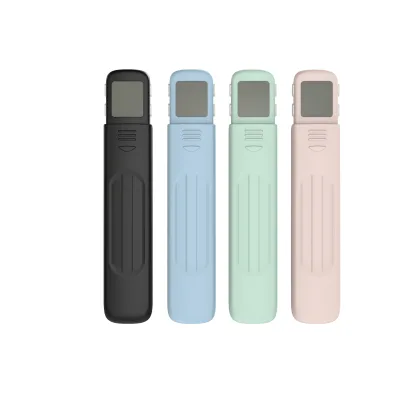
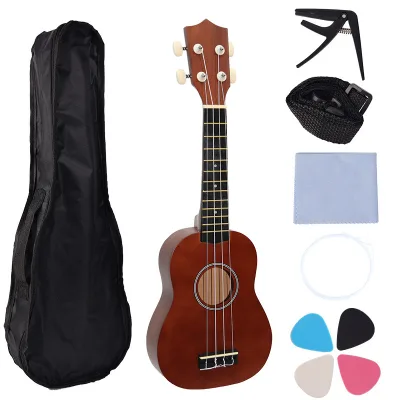
$6.741 - $8.0967
MOQ: 10 Minimum

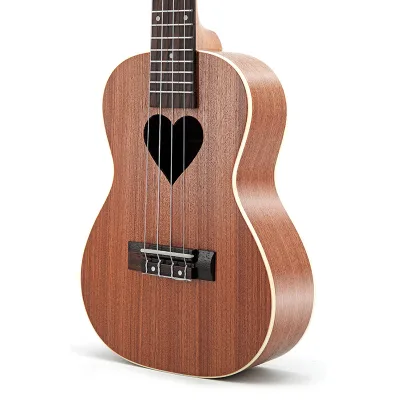
China Hot Selling 23-inch "Love" Model Ukulele
$16.50 - $18.10
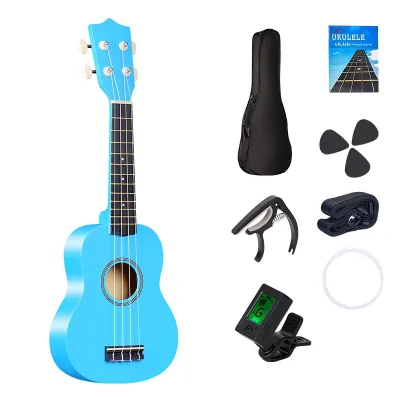
Wholesale 21-Inch Kids Nylon String Ukulele Multiple Choices Full Set of Accessories Ukulele
$6.2856 - $8.4877
MOQ: 10 Minimum
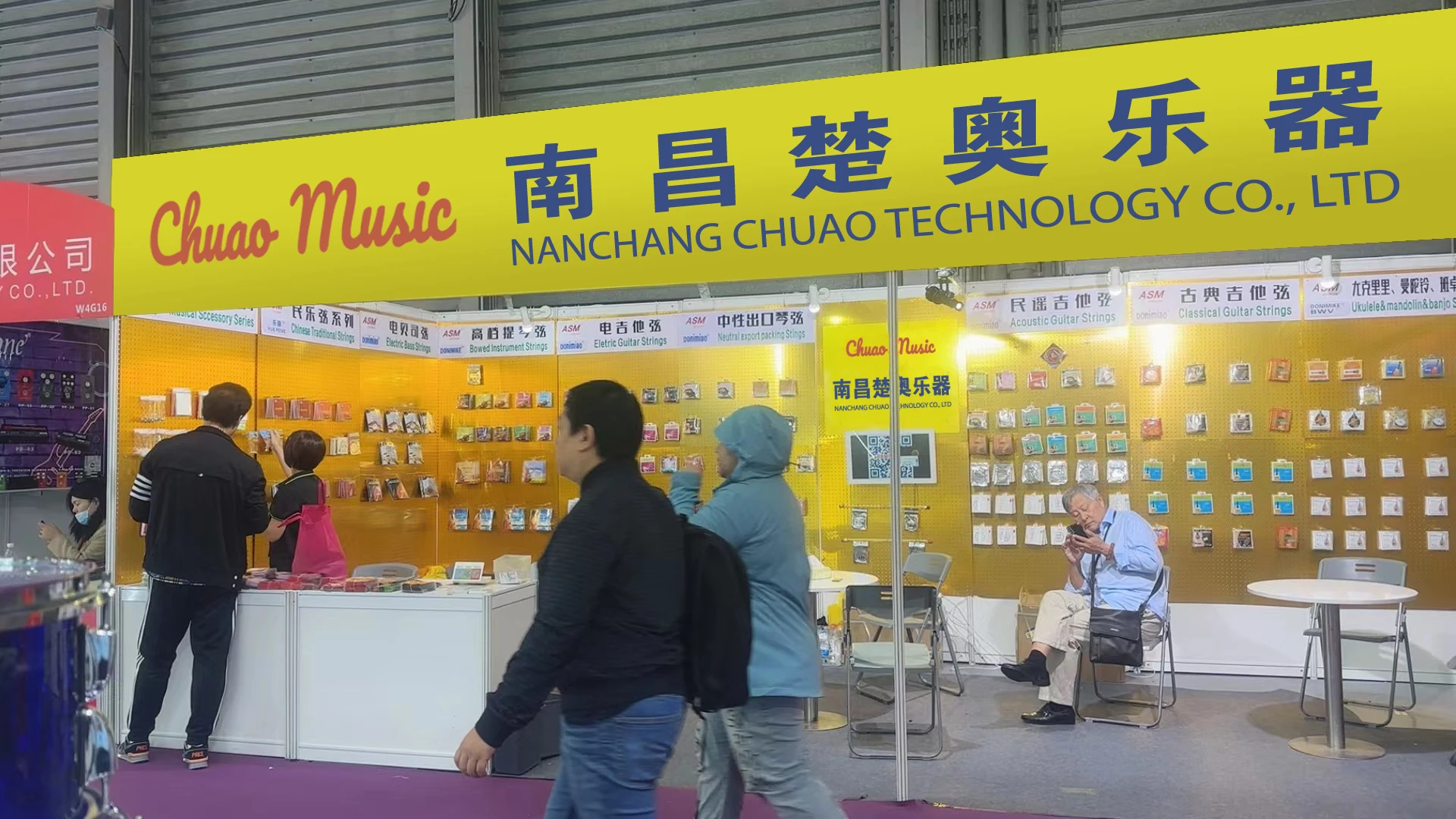
Nanchang Chuao Technology Co., Ltd.
- Trading Company
- Jiangxi, China
- Lead time7 days
- Avg. response≤ 1h
Main productsguitar,guitar accessories,drum,drumsticks,ukulele
Main marketsMid East(10.00%), Eastern Asia(10.00%), Africa(10.00%), Southeast Asia(10.00%), South Asia(10.00%), South America(10.00%), North America(10.00%), Central America(8.00%), Domestic Market(5.00%), Northern Europe(5.00%), Oceania(3.00%), Eastern Europe(3.00%), Southern Europe(3.00%), Western Europe(3.00%)
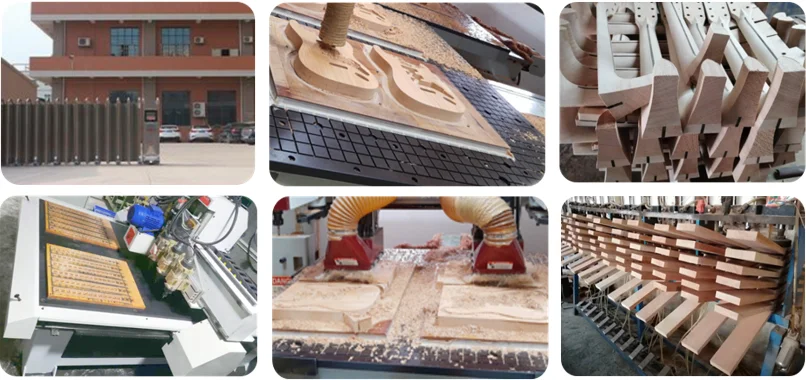
Huizhou Lvdong Yinlv Musical Instruments Co., Ltd.
- Trading Company
- Guangdong, China
- Lead time7 days
- Avg. response≤ 2h
Main productsguitar,guitar accessories,guitar pickups,guitar bridge,guitar neck
Main marketsNorth America(50.00%), Eastern Europe(15.00%), South America(10.00%), South Asia(5.00%), Southern Europe(5.00%), Northern Europe(5.00%), Western Europe(5.00%), Africa(5.00%)
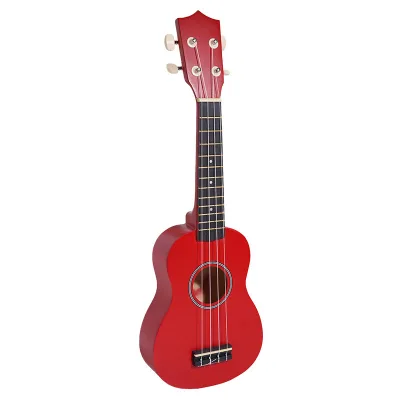
$8.4667 - $9.6022
MOQ: 20 pieces
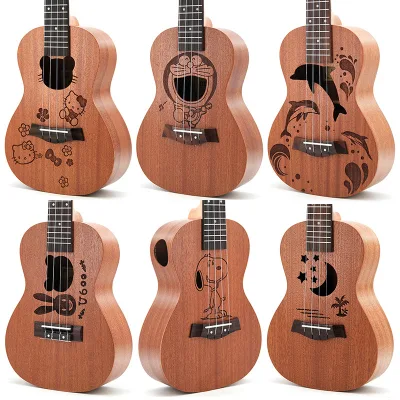
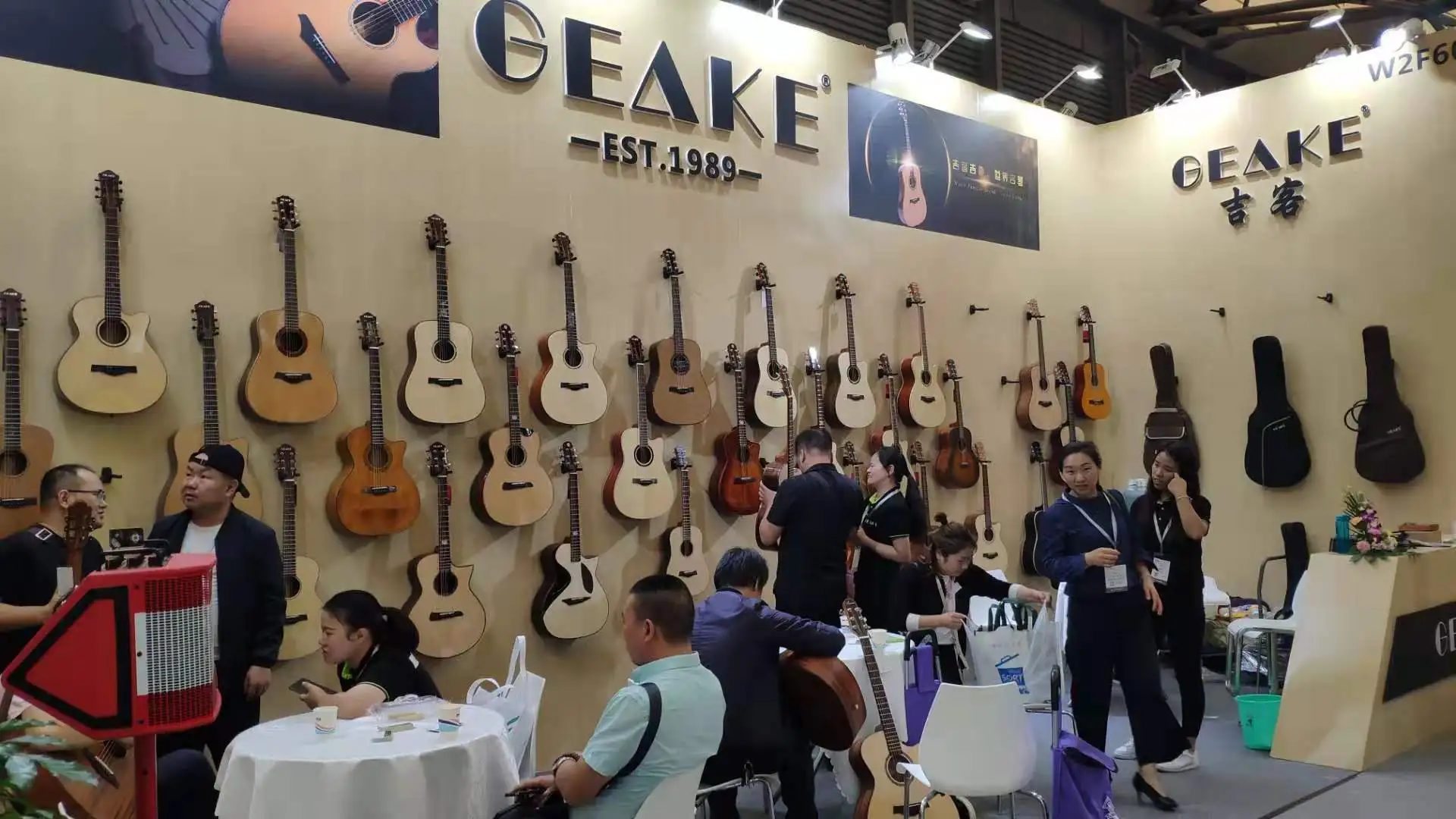
Changsha Geake Music Co., Ltd.
- Manufacturer, Trading Company
- Hunan, China
- Lead time45 days
- Avg. response≤ 3h
Main productsAcoustic guitar,Classical guitar,electric guitar and Ukuleles,guitar accessories,custom high quality guitars
Main marketsNorth America(20.00%), South America(15.00%), Domestic Market(10.00%), Eastern Europe(10.00%), Southern Europe(5.00%), Northern Europe(5.00%), Central America(5.00%), Western Europe(5.00%), Eastern Asia(5.00%), Mid East(5.00%), Oceania(5.00%), Southeast Asia(5.00%), South Asia(4.00%), Africa(1.00%)
- Manufacturer
- Tianjin, China
- Lead time45 days
- Avg. response≤ 3h
Main productsDrum,Melodica,Accordion,Wind Instrument,Guitar
Main marketsSouth America(50.00%), Domestic Market(25.00%), Africa(25.00%)
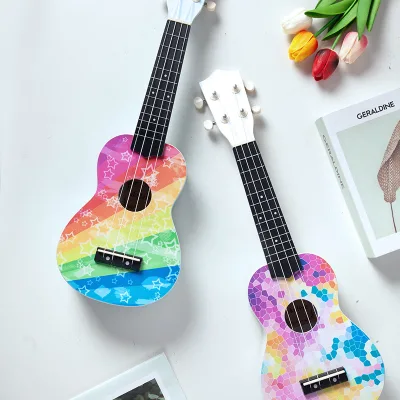
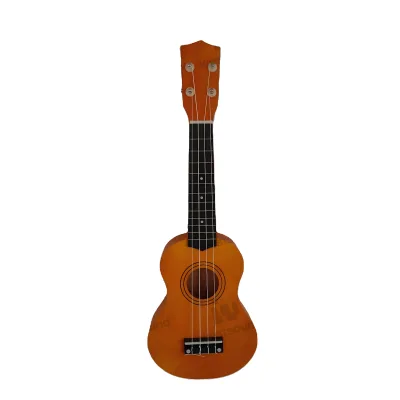
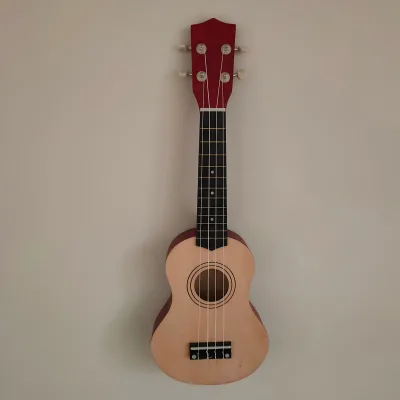
21-inch Ukulele with Colorful Pictures of Musical Instruments a Small Guitar Ukulele Rainbow
$7.69 - $8.20
MOQ: 1 pieces

Guangzhou Huayi Musical Instruments Co., Ltd.
- Verified by SGS Group
- Manufacturer, Trading Company
- Lead time3 days
- Avg. response≤ 4h
Main productsGuitar, Ukulele, Violin, Amplifier, Guitar Accessories
Main marketsSouth America(30%), Eastern Europe(18%), Southeast Asia(16%)

Nantong Emuse Musical Instruments Co., Ltd.
- Trading Company
- China Jiangsu
- Lead time30 days
- Avg. response≤ 9h
Main productsViolin, Guitar, Cello, Classic Guitar, Double Bass, Acoustic Guitar, Ukulele, Electric Guitar, String Instruments Accessories, Violin Bow
Main marketsSouth America,Others(foreignTradeCapacity.exportBusinessCapacityMarketOther),Europe


OEM Brand Top Quality Cheap Price 24 Inch Concert Colorful Ukulele for Kids
$21.25 - $21.55
MOQ: 10 Pieces


- Verified by TUVRHEINLAND
- Manufacturer/Factory
- China Jiangsu
- Lead time0 days
- Avg. response≤ 2h
Main productsMusical Instruments, Violin, Viola, Cello, Guitar, Violin Case, Guitar Case, Stringed Accessories, Wind Instrument, Percussion
Main marketsSouth America,Eastern Europe,Mid East,North America,Southeast Asia,Eastern Asia,Oceania,Western Europe,Africa


[Aileen] 21 Inch Basswood More Colors China Children Ukulele Wholesale (AU01L-21)
$7.40 - $9.50
MOQ: 10 Pieces


China Ukulele Manufacturers All Mahogany Plywood Student Ukulele (AU-H07A)
$13.50 - $17.00
MOQ: 10 Pieces

Changshu Huasheng Musical Instrument Co., Ltd.
- Manufacturer, Trading Company
- Jiangsu Province, China
- Lead time30 days
- Avg. response≤ 4h
Main productsGuitar,Piano,Ukulele,Keyboard instrument,Stringed instrument
Main marketsNorth America(50.00%), Western Europe(20.00%), Oceania(15.00%), Domestic Market(10.00%), South America(5.00%)
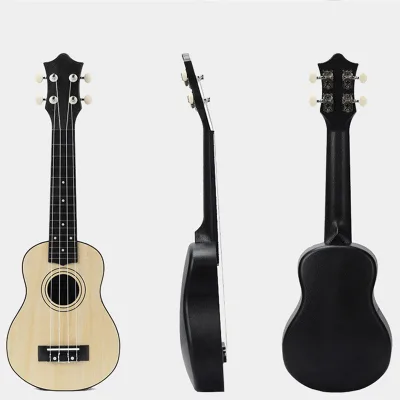
Wholesale 21 Inch Ukulele Sparano Little Guitar Colorful Ukulele Musical Instrument for Kid Beginner
$5.8257 - $6.2332
MOQ: 10 pieces
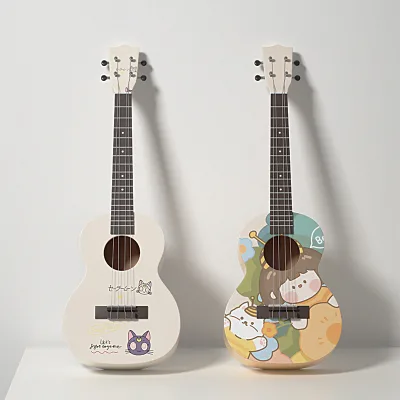
Popular 21 Inch Various Colors Ukulele Goodlooking Girls Baginners Small Ukelele Set with Bag
$43.49 - $44.33
MOQ: 10 pieces
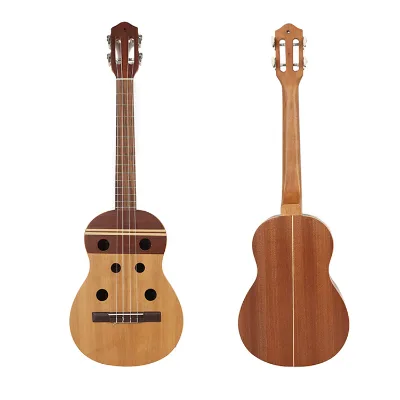

Guangzhou Huayi Musical Instruments Co., Ltd.
- Verified by SGS
- Combined
- China Guangdong
- Lead time60 days
- Avg. response≤ 9h
Main productsGuitar, Ukulele and Musical Instrument Accessories
Main marketsSouth America,Southeast Asia/ Mideast,East Asia(Japan/ South Korea),Europe,Australia,North America

Ukulele Full Size 26 Inch OEM Ukulele Tenor Stringed Instruments for Kids Travel Ukulele
$14.60 - $18.00
MOQ: 10 pieces


Factory 24 Inch Zebrawood Matte Student Mini Size Ukulele Made in China
$18.00 - $19.00
MOQ: 10 Pieces


Canex Musical Instrument Co., Ltd.
- Combined
- China Tianjin
- Lead time30 days
- Avg. response≤ 11h
Main productsSaxophone, Electric Guitar, Clarinet, Violin, Brass Trumpet, Flute, Oboe, Trombone, Cajon, Drum Set
Main marketsSouth America,Europe,North America
Alwaysfaith International Trade Co., Ltd. (Huizhou)
- Manufacturer, Trading Company
- Lead time旺季: "1 - 10":7,"11 - 100":9,"> 100":"To be negotiated", 淡季: "1 - 10":7,"11 - 100":9,"> 100":"To be negotiated"
- Avg. response≤ 7h
Main productsOutdoor Entertainment,Musical Instrument,Audio Speaker,Tents
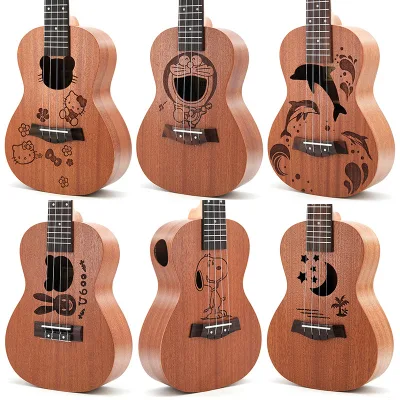
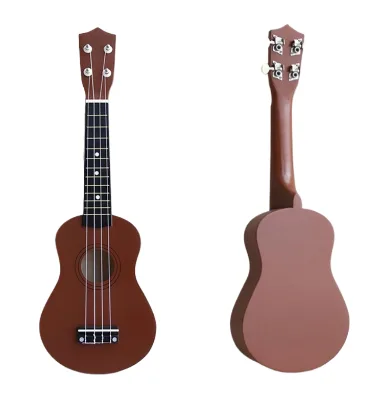
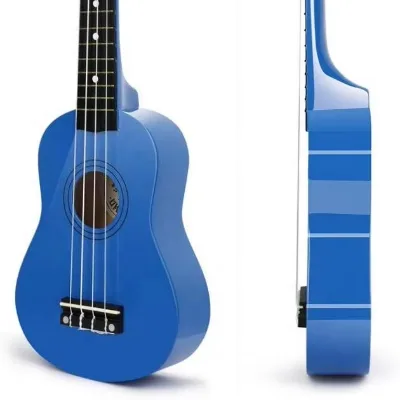
Top Fashion Kids Ukulele 21 Inch,Musical Instrument,ukulele Kit for Beginners with Bag Picks Strings
$9.80 - $10.59
MOQ: 10 pieces

- Trading Company
- Hong Kong S.A.R.
- Lead time30 days
- Avg. response≤ 1h
Main productsMusical Instrument Production,Trade in musical instruments,import and export trade,Integrated services,Product Sales
Main marketsDomestic Market(30.00%), South America(20.00%), North America(15.00%), Eastern Europe(10.00%), Southeast Asia(10.00%), Oceania(3.00%)
Alwaysfaith International Trade Co., Ltd. (huizhou)
- Verified by Intertek
- Trading Company
- Lead time0 days
- Avg. response≤ 5h
Main productsUkulele, Electric Guitar, Acoustic Guitar
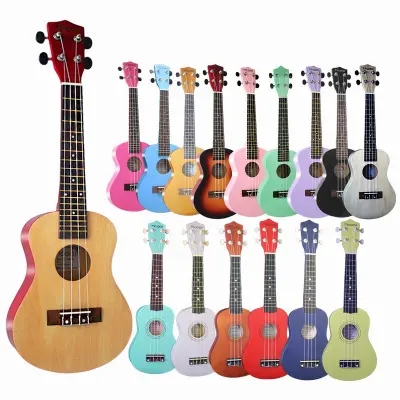
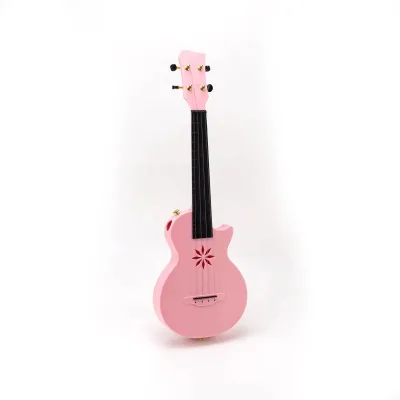
Wholesale 23inch pink Delicate Girl ABS Net Red Style Ukulele Instrument
$18.22 - $22.36
MOQ: 1 pieces
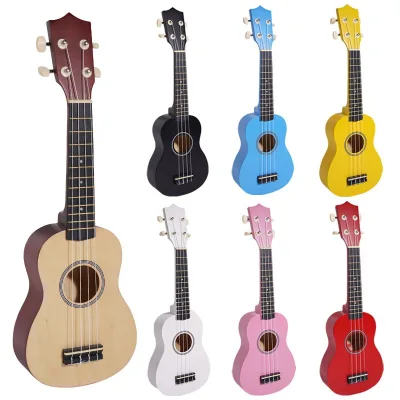
Mini Ukulele Beginner Ukulele Entry-level Small Guitar Early Teaching Instrument for Children
$7.0556 - $7.9873
MOQ: 3 boxes
Zunyi Talent Scout Musical Instruments Co., Ltd.
- Verified by Intertek
- Manufacturer, Trading Company
- Lead time15 days
- Avg. response≤ 3h
Main productsAcoustic Guitar, Electric Guitar, Electric Bass, Guitar Accessories
Main marketsNorth America(55%), Southeast Asia(30%), Eastern Asia(10%)
Shandong Best G And G Enterprise Co., Ltd.
- Trading Company
- Shandong, China
- Lead time0 days
- Avg. response≤ 4h
Main productsMusic Box,Kalimba,Pan Drum,Tongue Drum,Garden Tool
Main marketsSouth America(20.00%), Central America(20.00%), North America(20.00%), Eastern Europe(10.00%), Southeast Asia(10.00%), Northern Europe(10.00%), Mid East(5.00%), South Asia(5.00%)
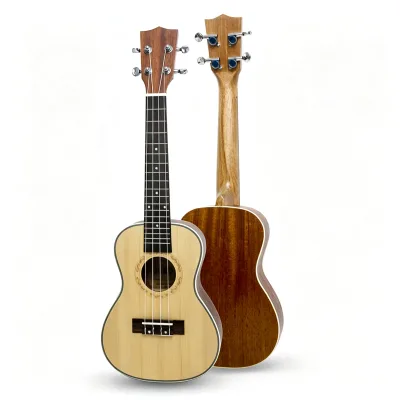
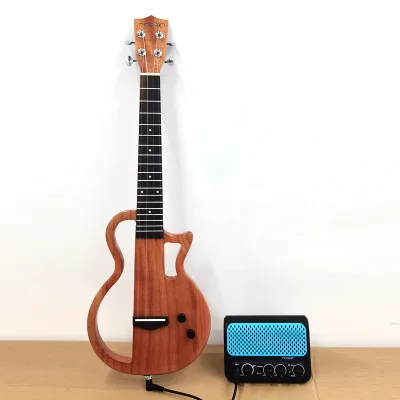
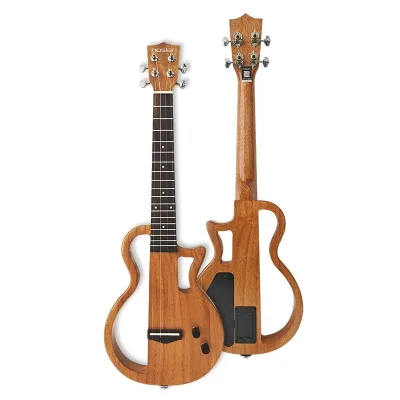
23 Inch Solid Wood Electric Ukulele High Quality Ukelele for Children & Starters Wholesale Price
$62.8845 - $68.147
MOQ: 10 Minimum
Langfang Yonghe Musical Instrument Co., Ltd.
- Verified by SGS Group
- Manufacturer, Trading Company
- Lead time20 days
- Avg. response≤ 3h
Main productsMaracas, Tambourine, Drums, Xylophones, Hand Bell
Main marketsWestern Europe(50%), Eastern Europe(20%), North America(10%)

- Verified by BV
- Trading Company
- China Zhejiang
- Lead time30 days
- Avg. response≤ 9h
Main productsWooden Toys, Educational Toys, Indoor and Outdoor Game, Kitchen and Food, Role Play, Learning Toys, Ride on Cars, Blocks and Puzzles, Train Set, Doll House
Main marketsEurope


Floral Print Wooden Kids Ukulele with 4 Strings for Beginner Music Learning
$8.80 - $11.80
MOQ: 8 Sets


Ningbo Wisdom Kids International Co., Ltd.
- Trading Company,Manufacturer/Factory
- China Zhejiang
- Lead time90 days
- Avg. response≤ 12h
Main productsWooden Toy, Kid Toys, Children Toy, Toy, Game, Gift, Wooden Products, Eduction Toy; Intelletual Toy, Puzzle, Indoor Toy; Toddler Toys
Main marketsEastern Europe,North America,Southeast Asia,Oceania,Western Europe


Wooden Educational Instrument Pure Pink Ukuleletoy for Kids and Children
$7.00 - $10.00
MOQ: 500 Pieces

Wooden Educational Instrument Pure Yellow Ukuleletoy for Kids and Children
$7.00 - $10.00
MOQ: 500 Pieces

Wooden Educational Instrument Pure Blue Ukuleletoy for Kids and Children
$7.00 - $10.00
MOQ: 500 Pieces


Shantou Xinxin Technology Co., Ltd
- Verified by CTI
- Trading Company
- China Guangdong
- Lead time15 days
- Avg. response≤ 4h
Main productsToys, RC Toys, Children's Cosmetics, Drone, Remote Control Toy, Plasticene, Superlight Clay, Electrical Toys, Remote-Control-Toys, Toy
Main marketsSouth America,Southeast Asia/ Mideast,Europe,North America

$0.37 - $0.45
MOQ: 1440 Pieces

$2.25 - $2.74
MOQ: 240 Pieces


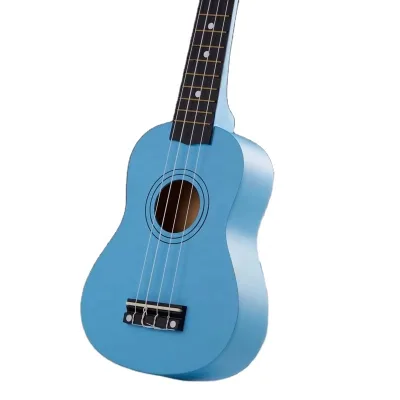
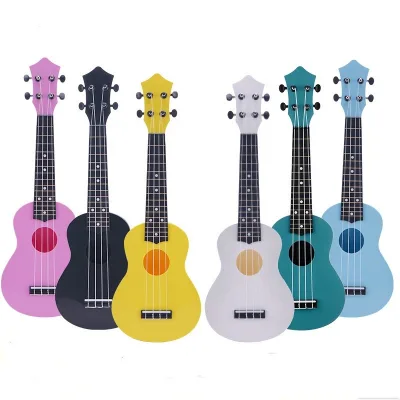
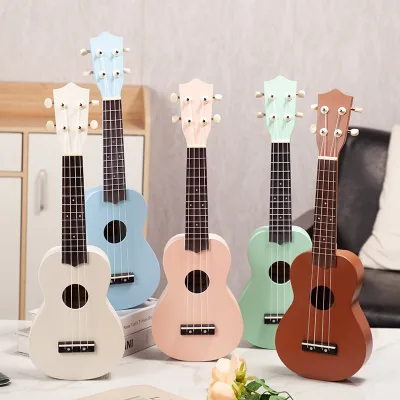
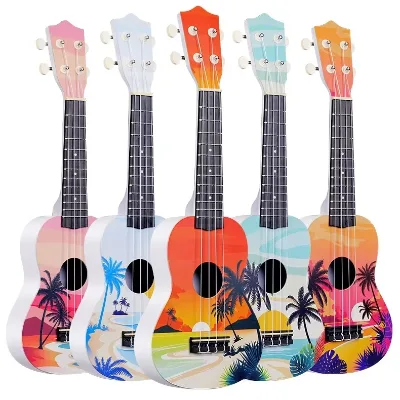
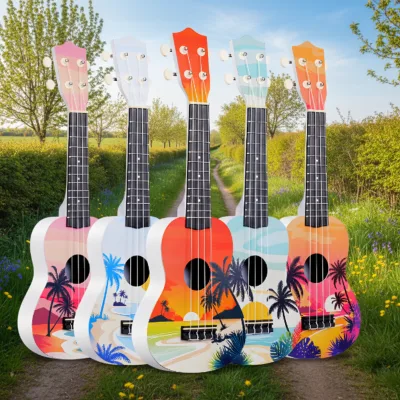
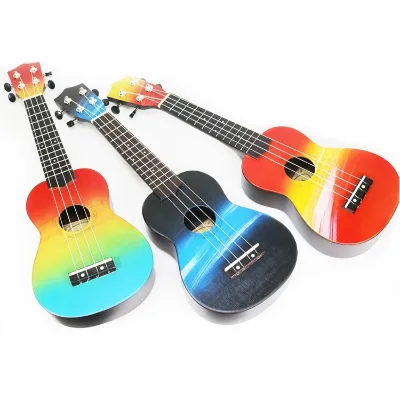
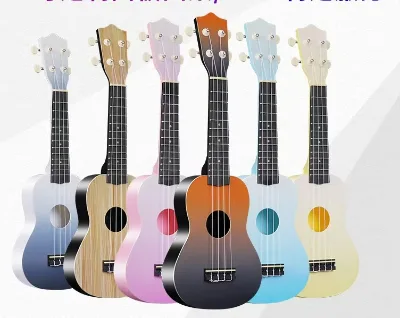
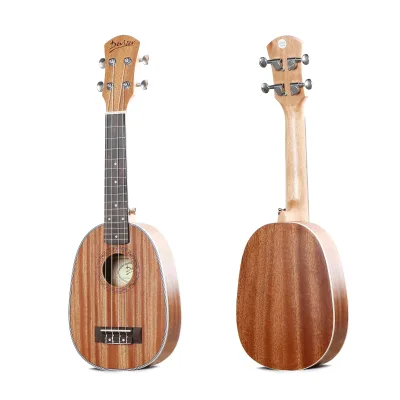
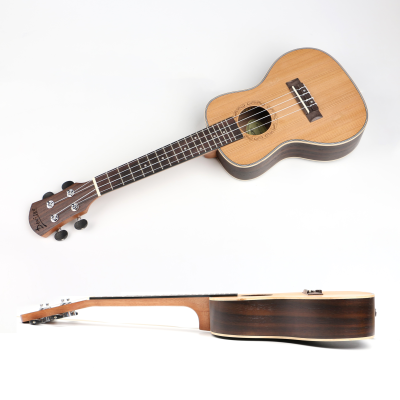


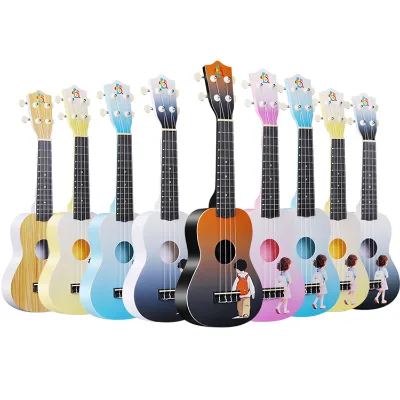
Comprehensive Sourcing Guide
Purple Cute Little Ukulele Supplier Concentration and Factory Types
The sourcing landscape for purple cute little ukuleles reveals a distinct geographic concentration within China, specifically highlighting manufacturing hubs in Jiangsu and Guangdong provinces. These regions serve as primary clusters for musical instrument production, offering varying degrees of vertical integration and supply chain maturity. Suppliers located in Jiangsu often present as combined entities, blending trading capabilities with manufacturing oversight, which can streamline communication for international buyers seeking a single point of contact. In contrast, suppliers based in Guangdong frequently operate as specialized trading companies or factories with a broader portfolio of stringed instruments, including acoustic guitars, electric guitars, and various ukulele models. This regional distinction is critical for buyers, as the local ecosystem influences production speed, material availability, and logistical efficiency. Understanding these geographic nuances allows purchasers to align their sourcing strategy with the specific strengths of each manufacturing cluster, ensuring that the chosen partner can meet both quality expectations and delivery timelines effectively.
Factory types within these clusters vary significantly, ranging from pure trading companies to combined entities capable of Original Design Manufacturing (ODM) and Original Equipment Manufacturing (OEM). Many suppliers in this sector offer customization services, allowing buyers to specify unique features such as body material, color finishes, and electronic components like pickups or EQ systems. For instance, some manufacturers provide plywood-bodied instruments suitable for educational or entry-level markets, while others specialize in higher-end materials like quilted ash or mahogany for professional-grade instruments. The presence of ODM and OEM capabilities indicates that suppliers are equipped to handle custom branding, packaging, and product specifications, which is essential for buyers looking to differentiate their Purple Cute Little Ukulele offerings in competitive markets. Buyers should carefully evaluate the specific company type and production capacity of each supplier to ensure alignment with their brand positioning and volume requirements, leveraging the diverse manufacturing structures available in these key Chinese regions.
How to Verify Purple Cute Little Ukulele Suppliers
Verifying the legitimacy and capability of suppliers requires a multi-layered approach that goes beyond basic profile reviews. Buyers should prioritize suppliers who have undergone third-party verification processes, such as those conducted by TÜV Rheinland or Intertek, as these audits provide an independent assessment of business operations and compliance standards. The presence of such verification badges serves as a foundational trust signal, indicating that the supplier has met specific criteria for business existence and operational integrity. Additionally, buyers must scrutinize the supplier’s response time, which serves as a proxy for operational efficiency and customer service quality. A rapid response time, often measured in hours, suggests a well-staffed and responsive team capable of addressing inquiries and resolving issues promptly. This metric is particularly important for international trade, where clear and timely communication is essential for navigating complex logistics and production schedules.
Beyond verification badges and response speeds, buyers should examine the supplier’s certification portfolio and product evidence to ensure compliance with international standards. Some suppliers may hold specific system certifications or product-specific certifications like RoHS, which are crucial for markets with strict environmental and safety regulations. Buyers must also analyze the detailed product attributes provided, such as body material, string type, and electronic configurations, to verify that the supplier’s offerings align with their specific requirements. For example, confirming whether a supplier uses nylon strings or specific wood types like mahogany or plywood can impact the final product’s quality and market appeal. Furthermore, buyers should request samples to physically assess the build quality, finish, and playability of the purple cute little ukuleles, as visual evidence alone may not fully capture the tactile and auditory characteristics of the instrument. This hands-on verification process is indispensable for mitigating risks associated with quality inconsistencies and ensuring that the final products meet the buyer’s standards.
What to Compare Across Purple Cute Little Ukulele Suppliers
When evaluating multiple suppliers, buyers must systematically compare key operational metrics to identify the most suitable partner for their needs. Lead time is a critical factor, as it directly impacts inventory management and market launch schedules. Suppliers may offer varying lead times, ranging from rapid turnaround options to longer production cycles, depending on their current capacity and order volume. Buyers should also compare the Minimum Order Quantity (MOQ) requirements, as these can vary significantly based on the supplier’s business model and production scale. Lower MOQs may be advantageous for startups or small businesses testing the market, while higher MOQs might offer better unit economics for established brands. Additionally, response time should be weighed against the complexity of the inquiry, as faster responses often correlate with better customer service and problem-solving capabilities.
Price and customization options are equally important dimensions for comparison. Buyers should analyze the price range for different product models, considering factors such as material quality, electronic components, and packaging specifications. Some suppliers may offer competitive pricing for basic plywood models, while others may command higher prices for premium instruments with solid tops or custom finishes. Customization capabilities, including OEM and ODM services, should also be evaluated to determine the supplier’s flexibility in meeting specific brand requirements. Buyers should inquire about the availability of custom packaging, branding, and product features, as these elements can significantly enhance market differentiation. Furthermore, comparing the main product portfolios of different suppliers can reveal their areas of expertise and specialization, helping buyers select partners with relevant experience in producing purple cute little ukuleles and related musical instruments. This comprehensive comparison ensures that buyers make informed decisions based on a holistic assessment of cost, quality, and service capabilities.
Common Purple Cute Little Ukulele Sourcing Risks
Sourcing purple cute little ukuleles from international suppliers introduces several potential risks that buyers must proactively manage to ensure a smooth procurement process. One significant risk is the discrepancy between product samples and bulk production, which can occur if quality control measures are not rigorously enforced. Buyers may receive high-quality samples that do not reflect the consistency of mass-produced items, leading to customer dissatisfaction and potential returns. This risk is particularly relevant for products with specific aesthetic features, such as unique purple finishes or cute designs, where color consistency and finish quality are critical. To mitigate this, buyers should establish clear quality standards and conduct pre-shipment inspections to verify that bulk orders meet the agreed-upon specifications. Additionally, buyers should maintain open communication with suppliers regarding any changes in design or materials to prevent misunderstandings and ensure alignment throughout the production process.
Another common risk involves logistical challenges and supply chain disruptions, which can delay delivery and impact market availability. Factors such as port congestion, customs clearance issues, and transportation delays can extend lead times beyond initial estimates, causing inventory shortages and missed sales opportunities. Buyers should also be aware of the potential for intellectual property infringement, particularly when working with suppliers who offer extensive customization services. Ensuring that designs and branding are protected through proper legal agreements and trademarks is essential to prevent unauthorized replication and protect brand integrity. Furthermore, buyers should verify the supplier’s compliance with international safety and environmental standards, as non-compliance can result in product recalls or legal penalties in target markets. By identifying and addressing these risks early in the sourcing process, buyers can establish robust safeguards and minimize the potential for costly disruptions and quality issues.
Purple Cute Little Ukulele Regional Sourcing and Logistics
The geographic location of suppliers plays a pivotal role in determining logistics efficiency and overall sourcing costs. Suppliers based in Jiangsu and Guangdong provinces benefit from established infrastructure and proximity to major shipping ports, which can facilitate faster and more cost-effective transportation of goods. Jiangsu, in particular, is known for its robust manufacturing ecosystem, offering reliable supply chains and efficient production capabilities. Guangdong, on the other hand, is a major hub for electronics and musical instruments, providing access to a wide range of components and specialized labor. Buyers should consider the logistical advantages of sourcing from these regions, as they can significantly reduce transit times and improve inventory turnover. Additionally, the concentration of suppliers in these areas fosters competition, which can lead to better pricing and service offerings for buyers.
Logistics planning must also account for packaging specifications and shipping methods to optimize space utilization and protect product integrity. Suppliers often provide detailed packaging dimensions and carton quantities, which are crucial for calculating shipping volumes and freight costs. For example, some suppliers may offer compact packaging solutions that maximize container space, reducing per-unit shipping costs. Buyers should also evaluate the available shipping options, such as sea freight or air freight, and weigh the trade-offs between cost and speed. Sea freight is generally more economical for large orders, while air freight may be necessary for urgent shipments or smaller quantities. Furthermore, buyers should consider the supplier’s experience with international shipping and their ability to handle customs documentation and compliance requirements. By leveraging the logistical strengths of regional suppliers and planning shipping strategies carefully, buyers can enhance supply chain resilience and ensure timely delivery of purple cute little ukuleles to their target markets.
Purple Cute Little Ukulele Commercial Terms and Order Planning
Effective order planning requires a thorough understanding of commercial terms, including payment structures, warranty policies, and after-sales support. Buyers should negotiate clear payment terms that align with their cash flow needs and risk tolerance, such as using escrow services to secure transactions until goods are received and verified. Escrow provides an additional layer of protection, ensuring that funds are only released upon satisfactory completion of the order. Buyers should also inquire about warranty periods and return policies, as these terms can vary significantly between suppliers. A robust warranty policy indicates a supplier’s confidence in their product quality and commitment to customer satisfaction. Additionally, buyers should establish clear communication channels for addressing post-delivery issues, such as product defects or missing components, to ensure timely resolution and maintain positive business relationships.
Order planning should also incorporate strategic considerations for inventory management and market demand forecasting. Buyers must balance order quantities with storage costs and sales projections to avoid overstocking or stockouts. Working with suppliers who offer flexible MOQs and scalable production capabilities can provide the agility needed to respond to changing market conditions. Buyers should also consider the potential for repeat orders and long-term partnerships, as established relationships can lead to improved pricing, priority production slots, and enhanced service levels. Furthermore, buyers should stay informed about industry trends and consumer preferences to ensure that their Purple Cute Little Ukulele offerings remain relevant and competitive. By integrating commercial terms and order planning into a cohesive sourcing strategy, buyers can optimize their procurement processes, minimize risks, and maximize the value derived from their supplier relationships.
FAQs
What is the price range for children's wooden ukuleles?
The price range for children's wooden ukuleles typically falls between $7.41 and $18.00 per unit. Specific models like the early education safe children enlightenment ukulele are priced around $7.41 to $8.33. Higher-end options with features like quilted ash tops may reach up to $18.00. Prices vary based on customization and material quality.
What is the minimum order quantity for ukulele toys?
The minimum order quantity for ukulele toys varies by supplier and product type. Some suppliers require a minimum of 10 pieces for mini practice ukuleles, while others set the MOQ at 14 or 20 units for standard wooden models. Buyers should check specific product listings to confirm the exact MOQ required for their desired order volume.
How long does it take to manufacture ukuleles?
Manufacturing lead times for ukuleles generally range from 15 to 30 days depending on the supplier. Suppliers in Guangdong often offer faster turnaround times of around 15 days, while those in Jiangsu may require up to 30 days. Expedited options might be available for urgent orders, but standard production usually falls within this timeframe.
Are customization options available for ukulele orders?
Yes, customization options are widely available for ukulele orders. Many suppliers offer OEM and ODM services, allowing for custom branding, colors, and packaging. Buyers can request specific electronic features like EQ pickups or custom string types. Customization is explicitly listed as available for various models, including travel and educational ukuleles.
What certifications do ukulele suppliers hold?
Ukulele suppliers may hold various certifications to ensure product safety and quality. Some suppliers are verified by Intertek, while others have TUVRHEINLAND verification. Additionally, certain products comply with RoHS standards. Buyers should verify specific certification details for each supplier to ensure they meet their regional safety and quality requirements.
Where are ukulele manufacturers located in China?
Ukulele manufacturers in China are primarily located in Jiangsu and Guangdong provinces. Suppliers in Jiangsu often focus on educational and wooden toy ukuleles, while those in Guangdong offer a wider range including electric and acoustic models. Both regions provide robust supply chains for musical instrument accessories and complete ukulele sets.