Handheld Infrared Skin Analyzer Suppliers and Manufacturers
Explore 30 verified suppliers offering Handheld Infrared Skin Analyzer options with varying lead times, certifications, and response speeds. Compare dimensions like location, MOQ, and customization capabilities to select the right partner for your needs; review the available evidence before requesting comparable quotations from suitable candidates.
Updated
Suppliers List

Nanjing Long Medical Technology Co., Ltd.
- Verified by TUVRHEINLAND
- Trading Company
- China Jiangsu
- Lead time15 days
- Avg. response≤ 4h
Main productsUltrasound Equipment, Laboratory Machine, Medical X-ray Machine, Operation Room Equipment, Dental Equipment, Autoclave Sterilizer, Disposable Material, Veterinary Equipment, Ophthalmic Equipment, Gynaecology & Neonatal Equipment
Main marketsAfrica,Others(foreignTradeCapacity.exportBusinessCapacityMarketOther),Southeast Asia/ Mideast,Europe,North America


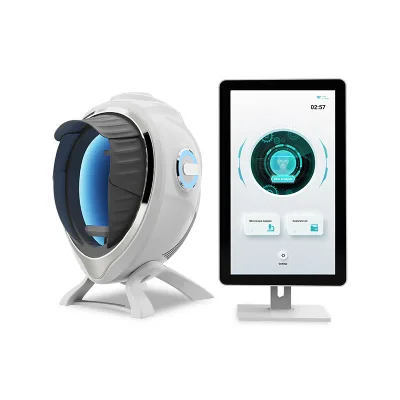
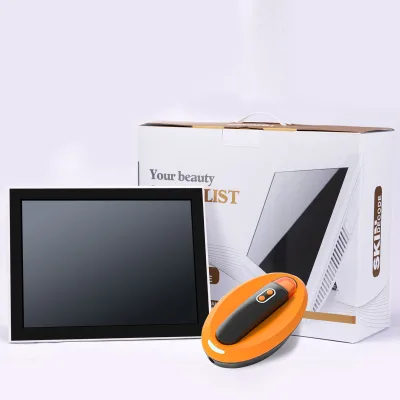
Dermoscope 3D Skin Analyzer Facial Machine Skin Analysing Scanner Facial Skin Analyzer
$1163.00 - $1515.00
MOQ: 1 set


- Verified by CTI
- Trading Company
- China Jiangsu
- Lead time15 days
- Avg. response≤ 16h
Main productsClinical Lab Equipment, Rehabilitation Equipment, Surgical Equipment, Medical Furniture, Medical Scales, X-ray Machine, Medical Disposables, Oxygen Concentrator, Medical Equipment, Medical Consumables
Main marketsSouth America,Africa,Southeast Asia/ Mideast,Europe,Australia
Foshan Yanke Technology Co., Ltd.
- Verified by SGS Group
- Manufacturer, Trading Company
- Lead time7 days
- Avg. response≤ 2h
Main productsCavitation Slimming Machine, Hydra Facial Machine, Oxygen Facial Machine, Home Use Beauty Machine, IPL hair removal machine
Main marketsNorth America(50%), Eastern Asia(10%), Western Europe(10%)
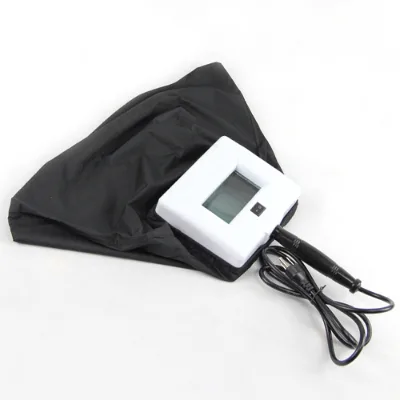
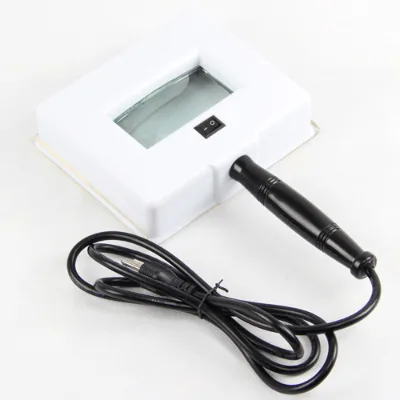
Handheld Portable Woods Lamp/lamp Wood Skin Analyser
$15.00 - $19.00
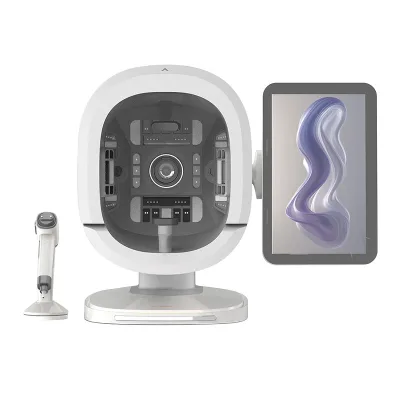
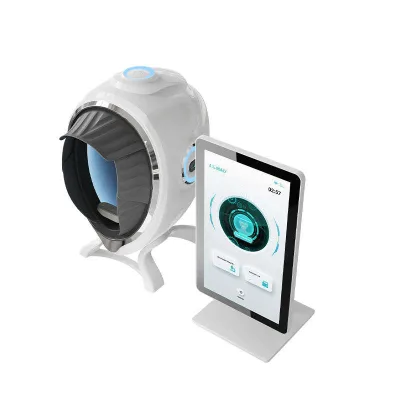
Guangzhou Janlis Technology Equipment Co., Ltd.
- Trading Company
- Guangdong, China
- Lead time3 days
- Avg. response≤ 2h
Main productsSkin Analyzer, Straight Hair Comb, Ultrasonic Facial Cleanser, Water Flosser, High Speed Hair Dryer
Main marketsNorth America(39.00%), Western Europe(11.00%), Oceania(7.00%), Northern Europe(6.00%), South America(5.00%), Southern Europe(5.00%), Eastern Europe(5.00%), Southeast Asia(5.00%), South Asia(4.00%), Central America(4.00%), Mid East(4.00%), Eastern Asia(3.00%), Africa(2.00%)
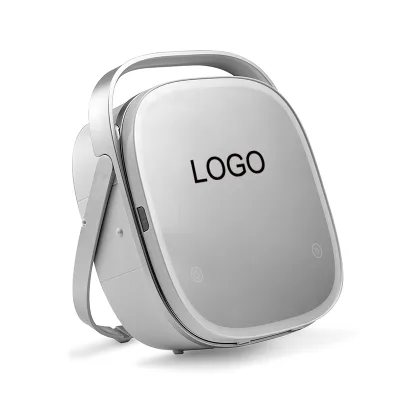
$824.1982 - $906.6192
MOQ: 1 pieces

Beijing Sleeper Beauty Technology Co., Ltd.
- Verified by SGS
- Trading Company
- China Beijing
- Lead time15 days
- Avg. response≤ 2h
Main productsDiode Laser Hair Removal Machine, Hydra Skin Clean Machine, Hifu Machine, ND YAG Laser Machine, CO2 Fractional Laser Machine, EMS Slimming Machine, Cryolipolisys Machine, IPL Opt Machine, Picosecond Laser, Skin Zimmer Cooling Machine
Main marketsNorth America

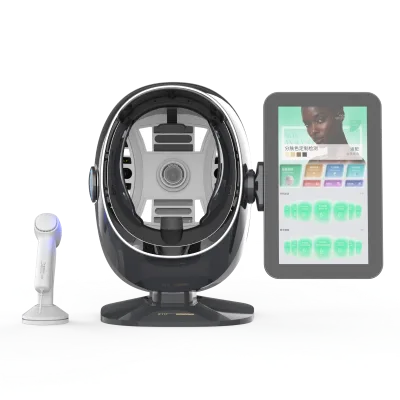
Mirror Digital Skin Analyzer Facial Skin Scanner Diagnostic Analyzer Machine
$850.00 - $950.00
MOQ: 1 Set


$850.00 - $950.00
MOQ: 1 Set


Changsha GOMECY Electronics Limited
- Verified by SGS
- Manufacturer/Factory,Group Corporation
- China Beijing
- Lead time15 days
- Avg. response≤ 8h
Main productsPhysiotherapy & Rehabilitation, Diode Laser Hair Removal, Laser & Light-Based Treatments, 980nm &1470nm Diode Laser, Body Sculpting & Slimming, Pmst & Tecar & Shockwave Physical Therapy, CO2 Fractional Laser Beauty Machine, Salon & SPA Essentials, Facial & Body Treatment, Multi-Functional Salon Systems
Main marketsSouth America,Mid East,North America,Southeast Asia,Eastern Asia,Oceania,Western Europe,Africa

Scanner Facial Skin Analyzer Smart Skin Detector Skin Scanner Analyzer
$1180.00 - $1880.00
MOQ: 1 Pieces

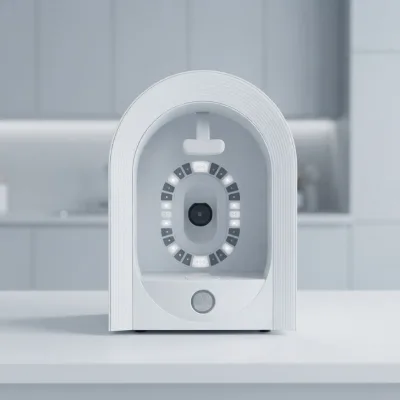
17 Indicators Ai Skin Analyzer for Collagen Pigment and Moisture Level Detection
$1499.00 - $1699.00
MOQ: 1 Pieces
Guangzhou Meijiaoying Technology Co., Ltd.
- Manufacturer, Trading Company
- Guangdong, China
- Lead time7 days
- Avg. response≤ 1h
Main productsBeauty Machine,Hair Removal Machine,Laser Beauty Equipment,Anti-aging Skin Care Machine,Slimming machines
Main marketsNorth America(70.00%), South Asia(15.00%), Eastern Europe(10.00%), South America(5.00%)
Shanghai May Skin Information Technology Co., Ltd.
- Verified by SGS Group
- Manufacturer, Trading Company
- Lead time7 days
- Avg. response≤ 3h
Main productsSkin Analyzer, Body Composition Analyzer, Beauty Device, Dermoscope, Hair Scalp Analyzer
Main marketsWestern Europe(40%), North America(30%), Southeast Asia(20%)
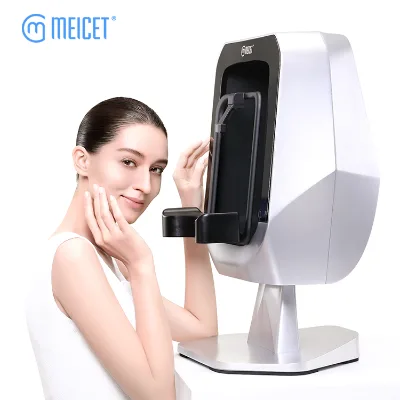
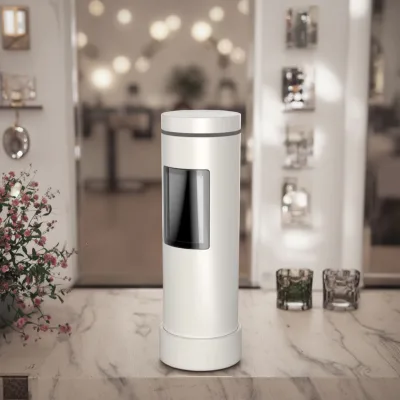
Facial Skin Analyzer Machine Skin Scan Magic Beauty Instrument Analyzer
$1878.89 - $4488.89
MOQ: 1 cartons
Xuanzun (hebei) Medical Technology Co., Ltd.
- Verified by SGS Group
- Manufacturer, Trading Company
- Hebei, China
- Lead time10 days
- Avg. response≤ 3h
Main productsSkin Analyzer,Scalp Analyzer,Diode Laser Hair Removal Machine,Picosecond Laser,Ultrasound
Main marketsNorth America(35%), Western Europe(20%), Southeast Asia(20%)
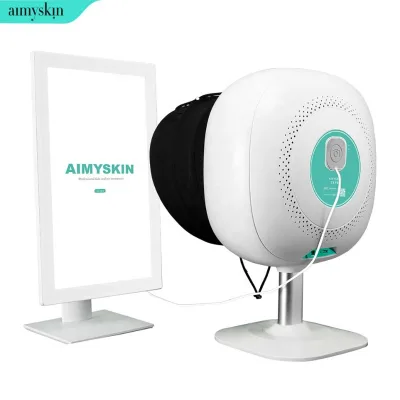
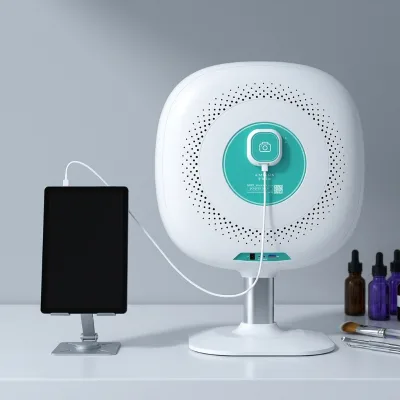
Portable Smart Skin Analyzer with Skin Moisture Oil Wrinkle Detection Function
$400.00 - $550.00
MOQ: 1

Beijing ADSS Development Co., Ltd.
- Verified by TUVRHEINLAND
- Combined
- China Beijing
- Lead time15 days
- Avg. response≤ 6h
Main productsHifu, Laser Vaginal Tightening, Digital Syringe Injector, 808nm Diode Laser Hair Remvoal, Fractional RF & Thermal RF, Vacuum Shape, 20MHz RF Thermal, Cryolipolysis Slimming Machine, Cavitation Slimming Machine, Fractional CO2 Laser
Main marketsSouth America,East Asia(Japan/ South Korea),Europe,Australia,North America


Facial Imaging Analysis Skincare System Medical Grade 3D Skin Analyzer
$1000.00 - $10000.00
MOQ: 1 Pieces

Best Quality Portable Skin Analyzer Mirror Beauty Machine Facial Skin Testing Analysis
$1000.00 - $10000.00
MOQ: 1 Pieces


Foshan City DaiNi Electronic Technology Co., Ltd.
- Verified by SGS
- Combined
- China Guangdong
- Lead time15 days
- Avg. response≤ 9h
Main productsBeauty Machine, Beauty Equipment, Dermabrasion Machine, Breast &Butt Enlargement, Oxygen Machine, Haire &Tattoo Removal, Skin Care, Slimming Machine, PDT & LED, Hifu
Main marketsSoutheast Asia/ Mideast
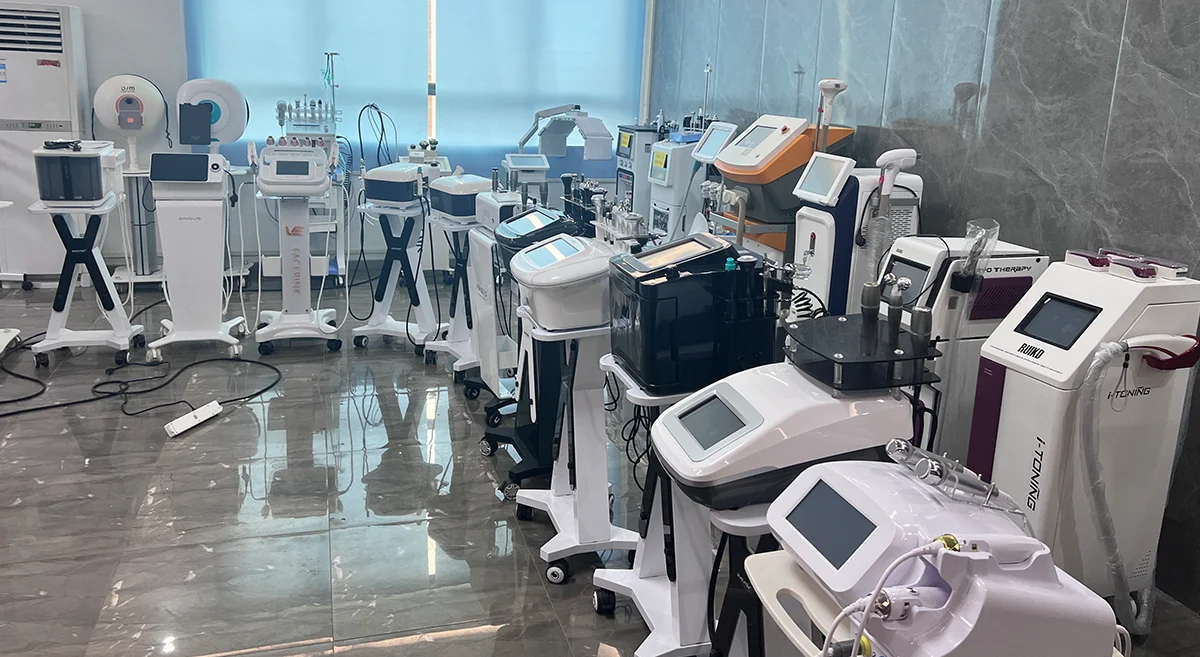
Guangzhou Cosnext Technology Co., Ltd.
- Manufacturer, Trading Company
- Guangdong, China
- Lead time7 days
- Avg. response≤ 4h
Main productsskin analyzer,mesogun,dermashine pro,hair analyzer,scalp analyzer
Main marketsNorth America(41.00%), Western Europe(32.00%), Mid East(11.00%), Eastern Europe(8.00%), Eastern Asia(5.00%), South Asia(2.00%), South America(1.00%)
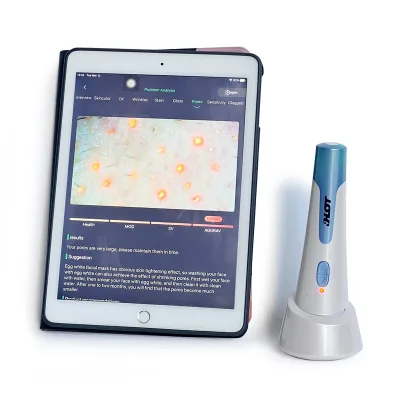
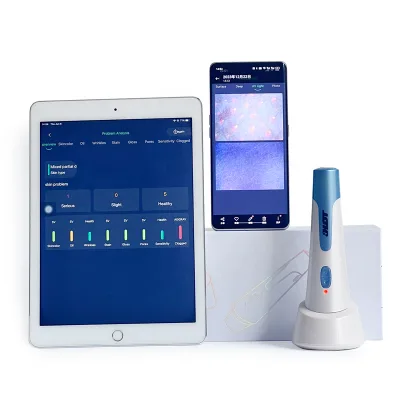
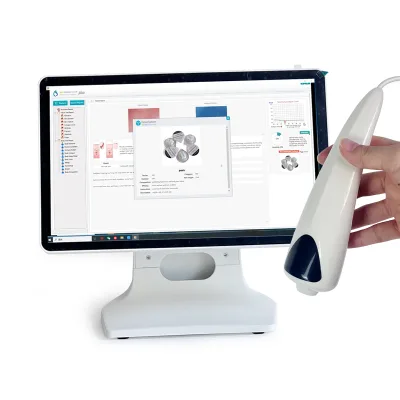
$88.00 - $98.00
MOQ: 1 sets

Shenzhen Fitconn Technology Co., Ltd.
- Verified by SGS
- Trading Company,Manufacturer/Factory
- China Guangdong
- Lead time23 days
- Avg. response≤ 10h
Main productsCompressor Nebulizer, Mesh Nebulizer, Anti Decubitus Air Mattress, Blood Pressure Monitor, Pulse Oximeter, Fetal Doppler, Themometer, DC Compressor Nebulizer, Glucose Meter, Mini Masager
Main marketsSouth America,Eastern Europe,Mid East,Eastern Asia,Oceania,Western Europe


Portable Skin Analysis Device UV Test Skin Scanner Analyzer Muliti-Function Skin Analyzer
$5.60 - $6.00
MOQ: 500 Pieces



- Manufacturer, Trading Company
- Hong Kong S.A.R.
- Lead time7 days
- Avg. response≤ 6h
Main productsTumbler
Main marketsNorth America(57.00%), Eastern Europe(19.00%), Southern Europe(11.00%), Western Europe(7.00%), Oceania(6.00%)
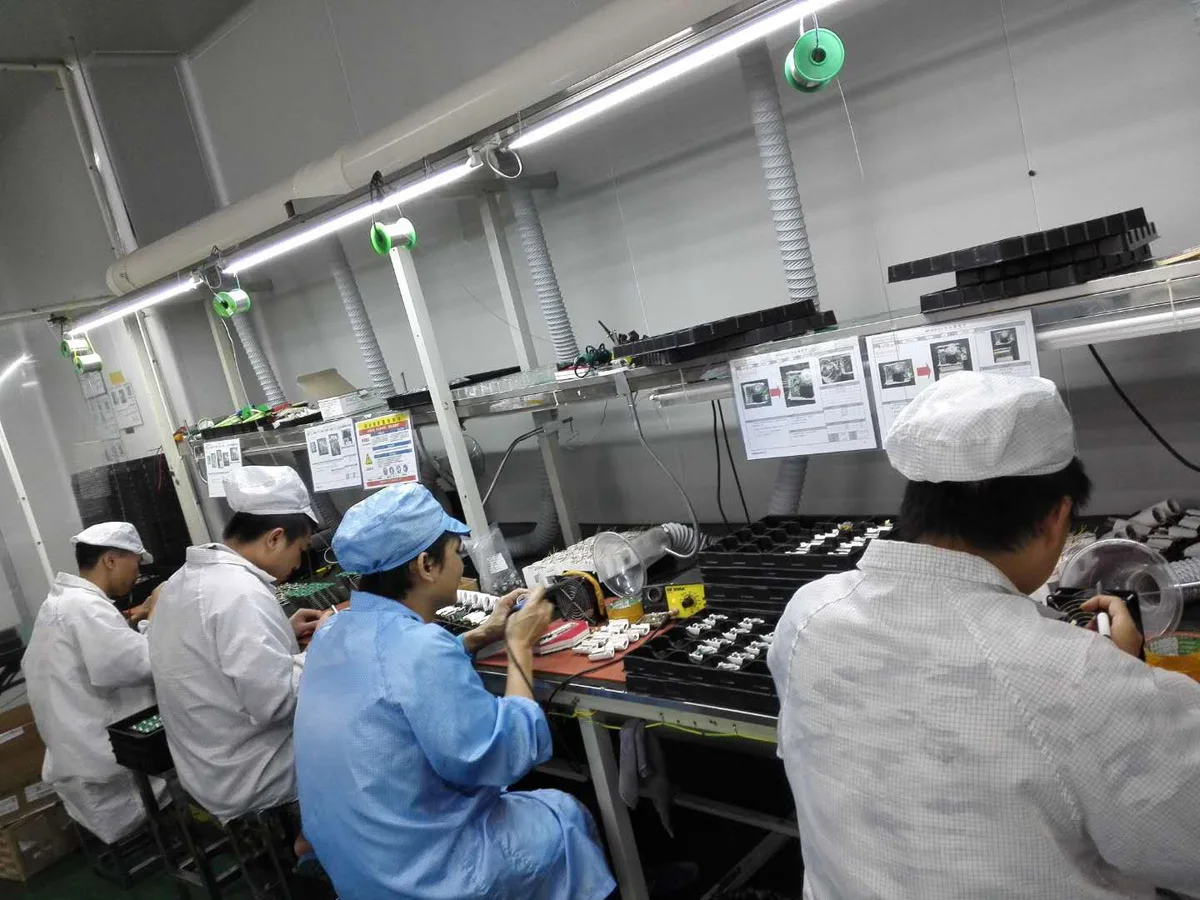
Shenzhen Hot Electronic Technology Co., Ltd.
- Manufacturer, Distributor/Wholesaler
- Guangdong, China
- Lead time7 days
- Avg. response≤ 3h
Main productsscalp analyzer,skin analyzer,usb microsocope,wifi microscope,Beauty detector
Main marketsNorth America(20.00%), Eastern Europe(14.00%), Western Europe(13.00%), South America(13.00%), Northern Europe(10.00%), Mid East(8.00%), Southern Europe(8.00%), Central America(6.00%), Oceania(2.00%), Africa(2.00%), Eastern Asia(2.00%), Southeast Asia(2.00%)
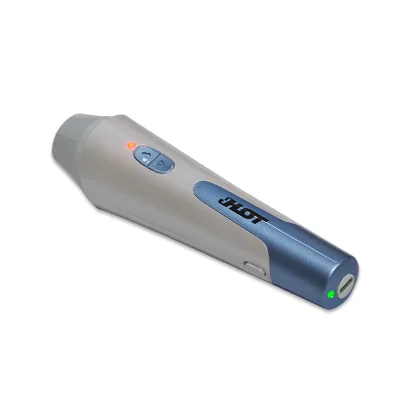
$45.1454 - $55.4045
MOQ: 1 pieces
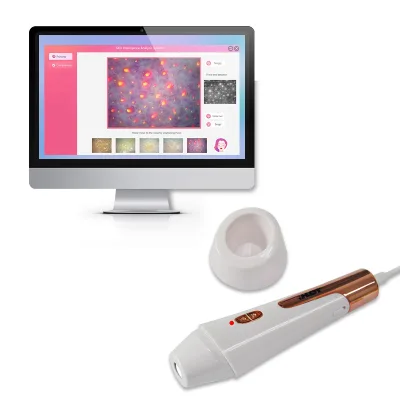
$45.1454 - $55.4045
MOQ: 1 pieces
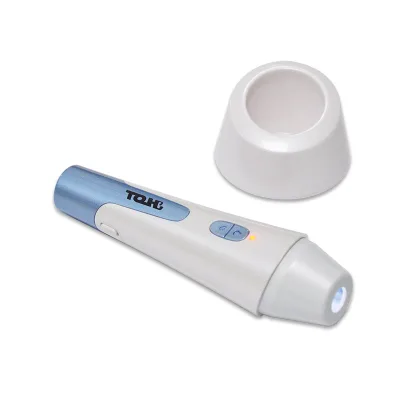
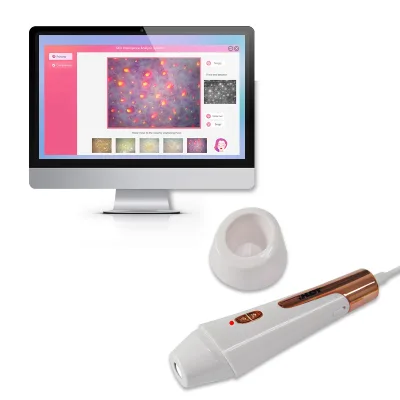
$45.1454 - $55.4045
MOQ: 1 pieces

Shaanxi Jixiya Technology Co., Ltd.
- Manufacturer, Trading Company
- Shannxi, China
- Lead time15 days
- Avg. response≤ 1h
Main productsoffice chair,Dining chair,bar chair,Rocking chair,living room chair
Main marketsOceania(9.00%), Central America(9.00%), Southeast Asia(9.00%), Western Europe(9.00%), South America(9.00%), Southern Europe(9.00%), North America(8.00%), South Asia(6.00%), Africa(6.00%), Eastern Europe(6.00%), Mid East(6.00%), Domestic Market(5.00%), Eastern Asia(5.00%), Northern Europe(4.00%)

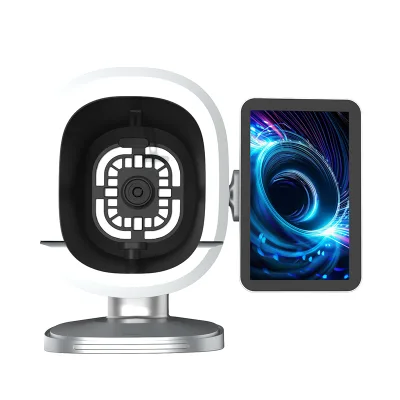
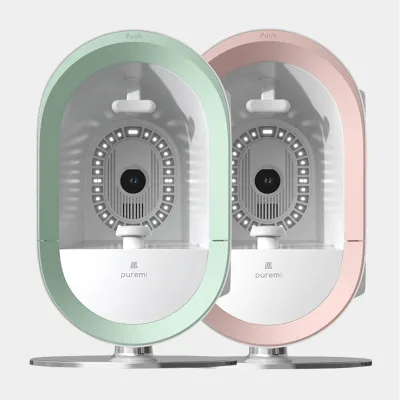
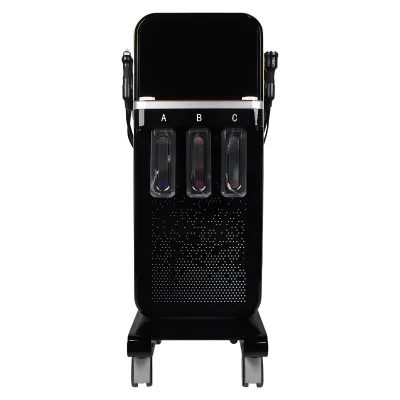
Skin Energy Activated Instrument By The 8 In 1 Free Logo Skin 8 In 1
$1024.2772 - $1331.8675
MOQ: 1 pieces

- Verified by BV
- Combined
- China Guangdong
- Lead time15 days
- Avg. response≤ 8h
Main productsUltrasound Machine, X-ray Machine, Blood Analyzer, ECG, Radiation Protection
Main marketsSouth America,Africa,Southeast Asia/ Mideast,East Asia(Japan/ South Korea),Europe,Australia,North America


Intelligent Skin Analyzer Real-Time Online Skin Analysis with Diagnosis Report
$1375.00 - $1560.00
MOQ: 1 Pieces
Shenzhen Anniser Intelligent Technology Co., Ltd.
- Manufacturer, Trading Company
- Guangdong, China
- Lead time7 days
- Avg. response≤ 8h
Main productsFace lift massager,LED or microcurrent facial mask,eye care products,Hair straightener,facial cleansing brush
Main marketsEastern Europe(40.00%), North America(25.00%), Domestic Market(10.00%), South America(10.00%), Northern Europe(5.00%), Eastern Asia(5.00%), Western Europe(3.00%), Oceania(1.00%), South Asia(1.00%)
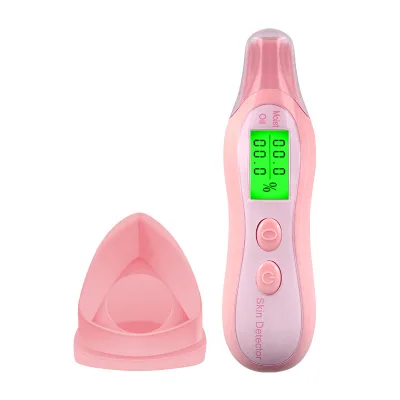
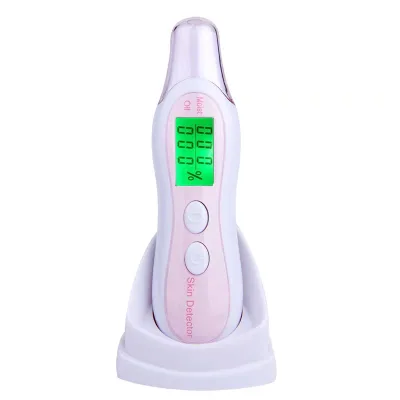
High Quality Facial Skin Moisture Analyzer Healthy Skin Scanner Analyzer
$2.5828 - $5.6827
MOQ: 10 units

Beijing Perfectlaser Technology Co., Ltd
- Verified by BV
- Combined
- China Beijing
- Lead time15 days
- Avg. response≤ 4h
Main products808nm Diode Laser Hair Removal Machine, IPL Laser Hair Removal Machine, Picosecond Laser Tattoo Removal Machine, Alexandrite Laser Hair Removal Machine, Hifu Beauty Machine, Cryolipolysis Slimming Machine, Lipolaser Slimming Machine
Main marketsEurope,North America

36 Million Pixels High Clear Imaging on Dermatological Assessments Skin Analyzer
$1848.00 - $2258.00
MOQ: 1 Pieces

in-Depth Skin Health Analyzer with 9 Spectral Bands and 36MP Clarity
$1848.00 - $2258.00
MOQ: 1 Pieces

Professional Skin Detector Analyzer with 36 Million Pixels of Advanced Insight
$1848.00 - $2258.00
MOQ: 1 Pieces


Skin Analyzer with Professional Data Base Identified 19 Skin Problems
$1848.00 - $2258.00
MOQ: 1 Pieces

Next-Gen Skin Analyzer with Leveraging 36MP Cameras for Dermatological Evaluations
$1848.00 - $2258.00
MOQ: 1 Pieces

Guangzhou Yingcai Beauty Instrument Co., Ltd.
- Verified by SGS
- Combined
- China Guangdong
- Lead time15 days
- Avg. response≤ 4h
Main productsHifu Machine, Hair Removal Machine, Pico Laser Machine, PDT Machine, Franctional Laser Machine, Electrolysis Hair Removal, Hydra Dermabrasion Facial Machine, Cavitation Machine, Cryolipolysis Machine
Main marketsSouth America,Africa,Southeast Asia/ Mideast,East Asia(Japan/ South Korea),Europe,Australia,North America


High Quality Intelligent Facial Analysis Machine Acne/ Pigmentation/Skin Analysis Machine.
$820.00 - $925.00
MOQ: 1 Pieces

- Verified by SGS
- Trading Company,Manufacturer/Factory
- China Guangdong
- Lead time23 days
- Avg. response≤ 3h
Main productsBeauty Devices, Skin Care Instrument, LED Face Masks, Makeup Tools, Beauty Instrument (OEM/ODM), OEM / ODM Electronics, Beauty Device, Home Air Care Appliances, Furniture, Electric Bakhoor Burners
Main marketsSouth America,Eastern Europe,Mid East,North America,Southeast Asia,Eastern Asia,Oceania,Western Europe,Africa
Guangzhou Lixin Beauty Equipment Co., Ltd.
- Manufacturer, Trading Company
- Guangdong, China
- Lead time5 days
- Avg. response≤ 6h
Main productsHydra Facial Machine,Opt Hair Removal Machine,Oxygen Facial Machine,Meso Gun,Body Slimming Machine
Main marketsDomestic Market(10.00%), Central America(10.00%), Southeast Asia(10.00%), Eastern Europe(10.00%), South America(10.00%), North America(10.00%), Southern Europe(7.00%), South Asia(5.00%), Mid East(5.00%), Oceania(5.00%), Africa(5.00%), Western Europe(5.00%), Eastern Asia(5.00%), Northern Europe(3.00%)
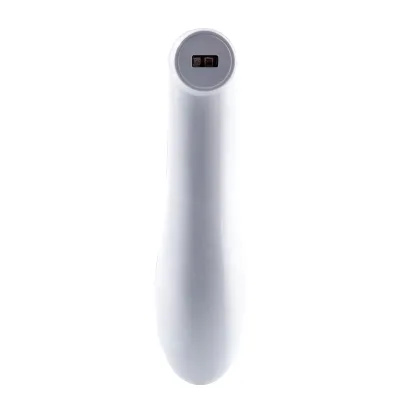
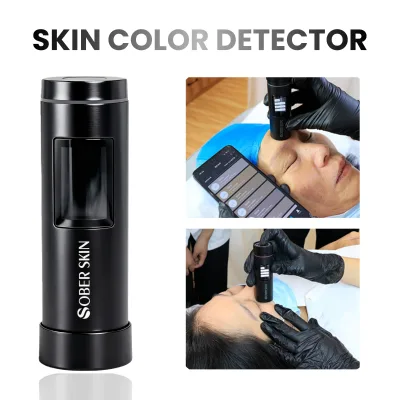
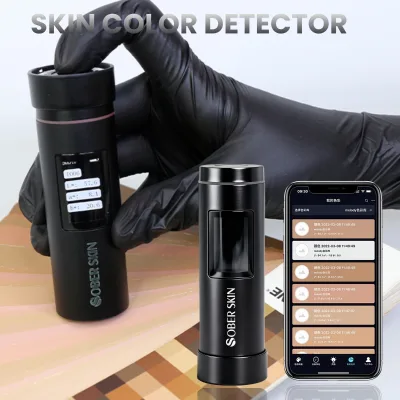
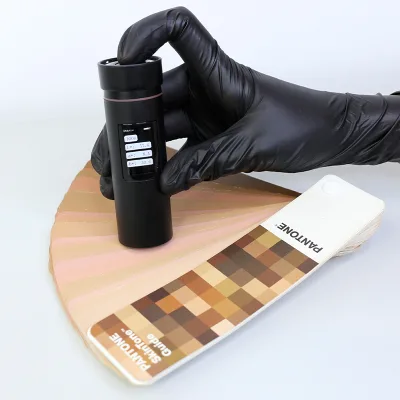
Skin Analyzer Skin Type Testing Machine Skin Tone Sensor Machine
$300.00 - $400.00
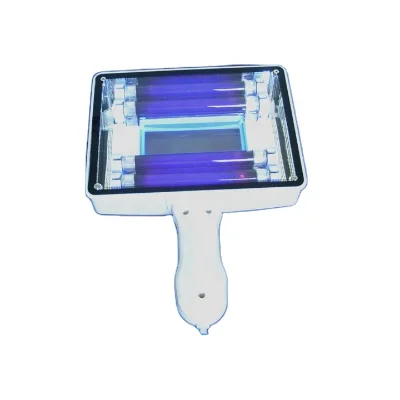
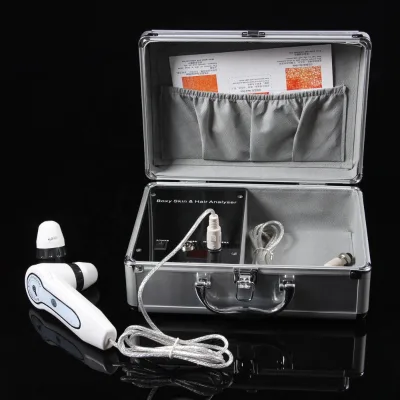
Portable Boxy Skin and Hair Analyser
$80.00 - $100.00

Hebei Tuosite Import & Export Trade Co., Ltd.
- Verified by CTI
- Trading Company
- China Hebei
- Lead time15 days
- Avg. response≤ 6h
Main productsBeauty Equipment, Medical Equipment, Skin Care Equipment, Diode Laser Equipment, Hair Removal Equipment, Muscle Building Equipment, Cryolipolysis Equipment, Cavitation Vacuum Equipment, Roller Infrared Massage Cellulite Equipment
Main marketsEurope


Advanced High-Resolution Skin Analyzer for Accurate Moisture Testing
$1450.00 - $1650.00
MOQ: 1 Pieces
- Verified by TüVRheinland
- Manufacturer, Trading Company
- Lead time3 days
- Avg. response≤ 6h
Main productsShock Wave Therapy Equipment, Liposuction Equipment, Skin Analyzer Equipment, Acoustic Wave Therapy Machine, Hair Growth Equipment
Main marketsNorth America(60%), Western Europe(10%), South America(5%)
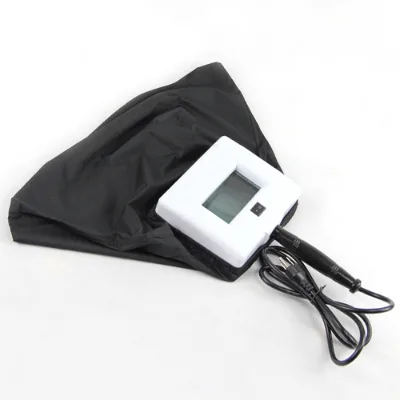
Portable Digital Skin Analyzer Machine Facial Skin Analyzer Oil And Dry Analysis
$33.00 - $40.00
MOQ: 1 pieces
Guangzhou Auro Beauty Equipment Co., Ltd.
- Verified by SGS Group
- Manufacturer, Trading Company
- Lead time5 days
- Avg. response≤ 6h
Main productsFacial Machines, Body Massage Machine, Hifu Machine, Slimming Machine
Main marketsNorth America(15%), Western Europe(15%), Eastern Europe(13%)
Guangzhou Xiufangyuan Beauty Equipment Co., Ltd.
- Verified by SGS Group
- Manufacturer, Trading Company
- Lead time7 days
- Avg. response≤ 2h
Main productsTattoo Ink, Tattoo Supply, Tattoo Machine, Tattoo Pigment Ink, Tattoo
Main marketsNorth America(45%), South America(10%), Eastern Europe(10%)

Shandong Moonlight Electronics Tech Co., Ltd.
- Verified by SGS
- Combined
- China Shandong
- Lead time15 days
- Avg. response≤ 3h
Main productsDiode Laser Hair Removal Hifu Endosphere, Hifu Machine, Laser Hair Rewoval, Beauty Equipment, Hair Removal, IPL Machine, Skin Machine
Main marketsEurope,North America

Multifunctional 9-Spectrum Skin Analyzer Beauty Equipment Skin Problem Detection
$1250.00 - $1419.00
MOQ: 1 Pieces

Latest 9-Spectrum Skin Analyzer with Hair Detection and Microscopic Inspection
$1250.00 - $1419.00
MOQ: 1 Pieces

Beijing HYE Technology Co., Ltd.
- Trading Company,Manufacturer/Factory,Other
- China Beijing
- Lead time0 days
- Avg. response≤ 6h
Main productsHair Removal, Diode Laser, Slimming Machine, Teeth Whitening, Derma Roller, Skin Care Products, LED Face Mask, Skin Analyzer, Hifu, Lipo Laser


$1399.00 - $1899.00
MOQ: 1 Pieces

$1399.00 - $1899.00
MOQ: 1 Pieces

- Verified by SGS
- Trading Company
- China Zhejiang
- Lead time15 days
- Avg. response≤ 10h
Main productsFan, Heater Fan, Air Fryer, Toaster, Rice Cooker, Vacuum Cleaner, Coffee Machine, Hairdressing Appliance, Electric Toothbrush, Steam Iron
Main marketsEurope,Australia

Smart Digital Skin Analyzer Device Portable Water Oil Tester Home Use Beauty Instrument
$3.57 - $4.29
MOQ: 2 Pieces


Quality Guaranteed Adjustable Mini Facial Skin Analyser Moisture Tester
$4.80 - $5.30
MOQ: 1000 Pieces

Sanhe Jumei Technology Co., Ltd.
- Verified by TUVRHEINLAND
- Trading Company
- China Hebei
- Lead time15 days
- Avg. response≤ 5h
Main productsbeauty machines
Main marketsEurope









Comprehensive Sourcing Guide
Handheld Infrared Skin Analyzer Supplier Concentration and Factory Types
The current supplier landscape for handheld infrared skin analyzers reveals a distinct concentration of manufacturing and trading entities within specific Chinese provinces, primarily Jiangsu and Guangdong. These regions serve as critical hubs for the production of beauty and medical diagnostic equipment, offering buyers access to established industrial clusters that specialize in both consumer-grade beauty instruments and clinical-grade diagnostic tools. Suppliers located in these areas often benefit from mature supply chains for electronic components, optical sensors, and plastic molding, which are essential for constructing portable, handheld devices. The presence of these clusters suggests that buyers can expect a high density of potential partners, ranging from pure trading companies that aggregate products from multiple factories to integrated manufacturers who handle both design and production in-house. Understanding this geographic distribution is the first step in narrowing down the search, as proximity to these manufacturing bases can influence logistics costs, communication efficiency, and the ability to conduct on-site factory audits.
Within these regions, the supplier types vary significantly, impacting the nature of the engagement and the level of control a buyer has over the final product. Many suppliers are identified as trading companies, which act as intermediaries between the buyer and the actual factory, potentially simplifying communication but adding a layer of markup and reducing direct oversight of the production process. Conversely, some suppliers are listed as manufacturers or hold dual roles as both manufacturer and trading company, offering greater flexibility for customization, such as OEM or ODM services. These entities often possess their own research and development capabilities, allowing for light customization, sample processing, and graphic processing to meet specific brand requirements. The distinction between these types is crucial for buyers who prioritize direct factory access for quality control versus those who prefer the convenience of a single point of contact for multiple product lines. Evaluating the company type helps in determining the appropriate negotiation strategy and the level of technical support available throughout the sourcing journey.
How to Verify Handheld Infrared Skin Analyzer Suppliers
Verifying the legitimacy and capability of a Handheld Infrared Skin Analyzer supplier requires a multi-layered approach that goes beyond simple profile reviews. Buyers should prioritize suppliers who have undergone third-party verification processes, as these provide an independent assessment of the company’s business scope, factory conditions, and legal standing. For instance, some suppliers in the current results are verified by recognized entities such as TÜV Rheinland, CTI, or SGS Group, which adds a layer of credibility to their operational claims. These verifications often confirm the supplier’s existence, their manufacturing capacity, and their compliance with basic business standards. However, verification is not a guarantee of product quality or performance, so it should be used as a foundational filter rather than a final seal of approval. Buyers must cross-reference these verification badges with other data points, such as the supplier’s response time and historical transaction records, to build a comprehensive picture of reliability.
In addition to third-party verification, buyers should scrutinize the specific certifications held by the products themselves, as these indicate compliance with regional safety and performance standards. The current supplier results show a variety of certifications, including CE, ISO, and ISOCE, which are critical for selling in markets like Europe and other international regions. It is essential to confirm that the certification is valid and applicable to the specific model of the handheld skin analyzer being sourced, as generic claims can sometimes be misleading. Buyers should request copies of these certificates and verify their authenticity with the issuing bodies. Furthermore, assessing the supplier’s response time can serve as an indirect indicator of their operational efficiency and customer service quality. Suppliers with faster response times, such as those under four hours, may demonstrate better organizational structures and a higher likelihood of resolving issues promptly. This diligence in verification helps mitigate the risk of engaging with unreliable partners and ensures that the sourcing process begins on a solid, trustworthy foundation.
What to Compare Across Handheld Infrared Skin Analyzer Suppliers
When evaluating multiple suppliers for handheld infrared skin analyzers, buyers must systematically compare key operational and commercial dimensions to identify the best fit for their specific needs. One of the most critical factors is the lead time, which varies significantly among suppliers and directly impacts inventory planning and market launch schedules. Some suppliers offer rapid turnaround times, such as seven or even three days, which is advantageous for businesses requiring quick restocking or testing of new product lines. In contrast, others may have longer lead times, such as fifteen days, which might be acceptable for bulk orders with ample planning time. Comparing these lead times alongside the supplier’s location helps in estimating total delivery duration, especially when factoring in international shipping logistics. Buyers should also consider the minimum order quantity (MOQ), as some suppliers allow for low MOQs of just one unit, facilitating easy sampling and risk-free initial trials, while others may have higher thresholds that require larger capital commitments.
Another vital aspect of comparison is the range of main products and the supplier’s customization capabilities. Suppliers who specialize in a narrow range of beauty equipment may offer deeper expertise and more refined products in that niche, whereas those with broader portfolios, including medical equipment or laboratory machines, might provide more versatile solutions or cross-category synergies. Buyers should also examine the technical specifications and features of the products, such as the presence of LED light therapy, Wi-Fi connectivity, or specific analysis features like wrinkle and pigmentation detection. The availability of customization options, including logo printing, packaging design, and software interface adjustments, is another differentiator that can add significant value for brand-building purposes. Additionally, comparing the price ranges, which can span from affordable handheld units to more expensive professional-grade devices, helps in aligning supplier offerings with the target market’s price sensitivity. By weighing these factors together, buyers can make informed decisions that balance cost, quality, speed, and customization potential.
Common Handheld Infrared Skin Analyzer Sourcing Risks
Sourcing handheld infrared skin analyzers from international suppliers, particularly those in China, involves several inherent risks that buyers must proactively manage to ensure a successful procurement outcome. One significant risk is the discrepancy between the advertised product specifications and the actual delivered goods. While suppliers may claim features such as high-definition displays, specific light sources, or advanced analysis algorithms, the physical product may fall short of these expectations. This risk is heightened when dealing with trading companies that may not have direct control over the manufacturing process or quality assurance protocols. Buyers must mitigate this by requesting detailed product samples before committing to large orders, allowing for thorough testing of the device’s performance, durability, and accuracy. It is also crucial to verify that the product’s technical attributes, such as plug types, voltage compatibility, and communication interfaces, match the requirements of the target market to avoid usability issues upon arrival.
Another common risk is the variability in after-sales support and warranty enforcement. Handheld electronic devices are prone to technical failures, and the availability of reliable technical support, spare parts, and repair services is essential for maintaining customer satisfaction in the end market. Some suppliers offer video technical support and online assistance, but the effectiveness of these services can vary widely. Buyers should clarify the warranty terms, including the duration, coverage scope, and the process for claiming repairs or replacements. Additionally, there is a risk related to intellectual property and design infringement, especially when sourcing customized products. Buyers must ensure that the supplier respects their design specifications and does not share their proprietary information with competitors. Clear contractual agreements that outline confidentiality, quality standards, and liability for non-conforming goods are necessary to protect the buyer’s interests. By anticipating these risks and implementing robust verification and contractual safeguards, buyers can navigate the sourcing process with greater confidence and security.
Handheld Infrared Skin Analyzer Regional Sourcing and Logistics
The regional sourcing of handheld infrared skin analyzers from China, particularly from provinces like Jiangsu and Guangdong, offers distinct logistical advantages and challenges that buyers must consider. Guangdong, known for its robust electronics manufacturing ecosystem, often provides faster access to components and finished goods, which can translate to shorter lead times and more flexible production schedules. Jiangsu, on the other hand, may offer different cost structures and specialized manufacturing capabilities depending on the specific industrial zones within the province. Understanding these regional nuances helps buyers optimize their supply chain by selecting suppliers whose locations align with their logistical priorities, such as proximity to major ports like Shanghai or Shenzhen, which can reduce shipping costs and transit times. Buyers should also consider the impact of regional infrastructure on the reliability of deliveries, as well as the availability of local logistics partners who can handle customs clearance and last-mile delivery efficiently.
Logistics planning for handheld skin analyzers also involves managing the complexities of international shipping, including packaging requirements and compliance with international trade regulations. The current supplier results indicate various packaging standards, from standard export packages to wooden cases, which can affect the volume and weight of the shipment, thereby influencing freight costs. Buyers need to ensure that the packaging is robust enough to protect the delicate electronic components during transit, especially for handheld devices that may be subject to rough handling. Additionally, buyers must account for the specific plug types and voltage requirements of the target market, as suppliers often offer options such as US, EU, UK, or AU plugs. Failure to specify the correct plug type can result in products that are unusable in the destination country, leading to costly returns or modifications. By carefully coordinating with suppliers on packaging and technical specifications, buyers can streamline the logistics process and ensure that the products arrive in optimal condition and ready for immediate sale.
Handheld Infrared Skin Analyzer Commercial Terms and Order Planning
Effective order planning for handheld infrared skin analyzers requires a thorough understanding of the commercial terms offered by suppliers, including pricing structures, payment methods, and delivery conditions. The price ranges for these devices can vary significantly, from budget-friendly options starting around fifteen dollars to professional-grade systems costing over fifteen hundred dollars. Buyers must align their budget with the desired product features and quality level, ensuring that the chosen supplier offers a competitive price without compromising on essential specifications. It is also important to clarify whether the quoted prices include shipping, taxes, and duties, as these additional costs can significantly impact the total landed cost of the product. Buyers should negotiate for volume discounts if they plan to place larger orders, and seek clarity on any hidden fees that may arise during the transaction process. Transparent pricing helps in accurate financial planning and prevents unexpected expenses that could erode profit margins.
Payment terms and order flexibility are also critical components of commercial planning. Some suppliers may require full payment upfront, while others might offer partial payments or escrow services to protect both parties. Buyers should evaluate the supplier’s payment policies in the context of their risk tolerance and cash flow management. Additionally, the ability to customize orders, such as adding specific branding or packaging, may incur additional costs or affect the lead time. Buyers must communicate their customization requirements clearly and obtain written confirmation of any associated fees or timeline changes. Furthermore, understanding the supplier’s return and refund policies is essential for managing potential issues with defective or non-conforming products. By establishing clear commercial terms and maintaining open communication with suppliers, buyers can create a structured and predictable ordering process that supports their business goals and minimizes financial and operational risks.
FAQs
What is the typical lead time for handheld skin analyzers?
Lead times vary by supplier, with some offering 3 days and others up to 15 days. Buyers should verify specific delivery windows before ordering to ensure timely arrival for their business needs.
Are these devices available with CE or ISO certifications?
Yes, many models carry CE or ISOCE certifications as listed in product attributes. Some suppliers also hold TUVRHEINLAND or SGS Group verification, ensuring compliance with international safety and quality standards.
What is the minimum order quantity for portable skin analyzers?
Minimum order quantities can be as low as one unit for certain handheld models. However, bulk pricing may apply, so buyers should check specific product listings for exact MOQ requirements before purchasing.
Do suppliers offer customization options for these devices?
Customization is available for many products, including specific plug types and branding. Some manufacturers support ODM and OEM services, allowing buyers to tailor features like shell color or software interfaces.
Where are the manufacturers of these analyzers located?
Manufacturers are primarily located in China, specifically in Jiangsu and Guangdong provinces. Buyers can filter results by these regions to find suppliers with established logistics networks and local support capabilities.
What is the price range for handheld skin analysis lamps?
Prices range from approximately 15 dollars to over 1500 dollars depending on features. Basic wood lamps start lower, while advanced 3D scanners with cloud diagnosis systems command higher prices for professional use.
How quickly do suppliers typically respond to inquiries?
Response times vary, with some suppliers replying within 2 hours and others taking up to 15 hours. Buyers should prioritize suppliers with faster response rates to ensure efficient communication during the sourcing process.