Imported Engine Forklift Hydraulic Filter Suppliers and Manufacturers
Compare 16 verified suppliers of Imported Engine Forklift Hydraulic Filter based on location, response time, and lead time. Review product specifications and pricing to select the right partner for your sourcing needs; review the available evidence before requesting comparable quotations from suitable candidates.
Updated
Suppliers List

Jinan Fuju Auto Parts Co., Ltd.
- Verified by SGS
- Trading Company
- China Shandong
- Lead time15 days
- Avg. response≤ 7h
Main productsFilter, Heavy-Duty Truck Accessories, Generator Sets Filter, Mining Equipment Filters, Commercial Truck Filters, Silicone Hoses
Main marketsDomestic,Europe


Hydraulic Filteroil Filter 243L7-82001 for Forklift Fd35t2 Fd40t2 Fd50t2
$5.00 - $15.00
MOQ: 50 Pieces
Xiamen Value Intelligent Equipment Co., Ltd.
- Verified by Intertek
- Trading Company
- Lead time15 days
- Avg. response≤ 7h
Main productsJoystick, Cooling Fan, Sensor, Potentiometer, Master Bearing
Main marketsEastern Europe(40%), Domestic Market(30%), North America(10%)
Shenzhen Meineng Industry Development Co., Ltd.
- Manufacturer
- Guangdong, China
- Lead time10 days
- Avg. response≤ 2h
Main productsForklift Spare Parts,Forklift
Main marketsEastern Europe(25.00%), Southeast Asia(15.00%), South America(15.00%), Western Europe(10.00%), South Asia(5.00%), Southern Europe(5.00%), Northern Europe(5.00%), North America(5.00%), Mid East(5.00%), Oceania(5.00%), Africa(5.00%)

Gu'an County Fangte Filter Equipment Co., Ltd.
- Verified by TUVRHEINLAND
- Combined
- China Hebei
- Lead time30 days
- Avg. response≤ 2h
Main productsFilter Cartridge, Hydraulic Filter, Hydraulic Filter Element, Gas Filter, Oil Mist Filter, Coalescence and Separation Filter, Dust Filter, Air Compressor Filter, Large Fiow Filter Element, Fuel Filter
Main marketsSoutheast Asia/ Mideast,Domestic

P811800 P181054 OEM-Equivalent Forklift Filter Elements for Hydraulic & Engine Systems
$5.00 - $10.00
MOQ: 10 Pieces

Forklift Filters Filter 9852675 51165900 Hydraulic Oil Tank Assembly Filter Plastic Filter
$10.00 - $20.00
MOQ: 50 Pieces

Wenzhou SGL Auto Parts Co., Ltd.
- Verified by BV
- Manufacturer/Factory
- China Zhejiang
- Lead time23 days
- Avg. response≤ 6h
Main productsOil Filter, Air Filter, Fuel Filter, Truck Filter, Heavy Duty Filter, Diesel Filter, Construction Machinery Filter, Ship Filter and Boat Filter, Generator Set Filter, Agricultural Machinery Filter
Main marketsSouth America,Eastern Europe,Mid East,North America,Western Europe,Africa

Ef-092c Hydraulic Oil Return Filter Fuel Filter for Excavators Forklifts
$0.99 - $2.99
MOQ: 200 Pieces

China Supply Truck Hydraulic Oil Filter H-41100 Forklift Machinery Filter
$0.99 - $2.99
MOQ: 200 Pieces
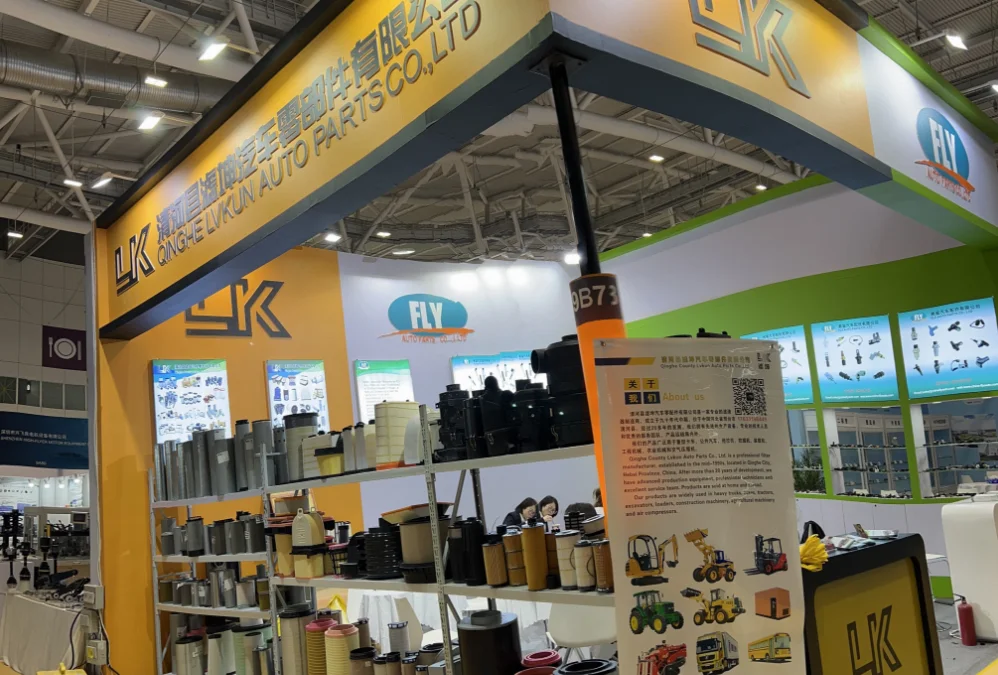
Qinghe Lvkun Auto Parts Co., Ltd.
- Manufacturer, Trading Company
- Hebei, China
- Lead time45 days
- Avg. response≤ 2h
Main productsAutomotive components,Engineering Machinery Filter,Hydraulic Filtration,Truck air filter,Filter housing
Main marketsDomestic Market(30.00%), North America(10.00%), South America(5.00%), South Asia(5.00%), Southern Europe(5.00%), Northern Europe(5.00%), Central America(5.00%), Western Europe(5.00%), Eastern Asia(5.00%), Mid East(5.00%), Oceania(5.00%), Africa(5.00%), Southeast Asia(5.00%), Eastern Europe(5.00%)

Langfang Qiangshi Filtration Equipment Co., Ltd.
- Verified by CTI
- Combined
- China Hebei
- Lead time15 days
- Avg. response≤ 1h
Main productsFilter, Hydraulic Filter, Air Filter, Dust Filter, Steel Mill Filter Element, HEPA Filter, Oil Mist Filter Element for Oil Purifier, Cjc Filter, Hydac Filter, Parker Filter Element
Main marketsDomestic

Shanghai Shytger Industry & Trade Co., Ltd.
- Verified by SGS
- Trading Company,Manufacturer/Factory
- China Shanghai
- Lead time23 days
- Avg. response≤ 21h
Main productsForklift, Electric Forklift, Crane Container, Diesel Forklift, Gasoline Forklift, Electric Stacker, Hand Pallet Truck, Electric Pallet Truck, Wheel Loader, Forklift Parts
Main marketsSouth America,Eastern Europe,Mid East,North America,Southeast Asia,Eastern Asia,Oceania,Western Europe,Africa

Forklift Hydraulic Oil Filter Oil Filter Yk0812A 20mm Forklift Spare Parts
$2.10 - $2.58
MOQ: 1 Pieces


Oil Filter Forklift Accessories Hydraulic Oil Filter for 5-10 Ton Forklift
$3.00 - $3.52
MOQ: 1 Pieces

Part Number 3ea-15-11600 Hydraulic Oil Filter Forklift Oil Filter Forklift Spare Part
$9.38 - $10.05
MOQ: 1 Pieces
Xinxiang Dongfeng Filter Technology Co., Ltd.
- Verified by TüVRheinland
- Manufacturer, Trading Company
- Lead time15 days
- Avg. response≤ 2h
Main productsOil Filters, Filter Elements, Filtration Machines, Air Filter, Hydraulic Accessories
Main marketsDomestic Market(60%), North America(8%), Southeast Asia(6%)

Shandong Jinshan Construction Machinery Co., Ltd.
- Verified by TUVRHEINLAND
- Manufacturer/Factory
- China Shandong
- Lead time38 days
- Avg. response≤ 3h
Main productsIntelligent Front-End Attachment for Excavator, OEM Rock/ Mud Bucket, Excavator Screen Bucket, Wood/ Rock Grab, Crushing Bucket, Tilt Bucket, Tree Spade, Hydraulic Plate Compactor, Heavy Hydraulic Shear, Rotating Screen Bucket
Main marketsSouth America,Eastern Europe,Mid East,North America,Southeast Asia,Oceania,Western Europe,Africa

ANPING HUANSI WIRE MESH PRODUCTS CO., LTD.
- Verified by SGS
- Combined
- China Hebei
- Lead time15 days
- Avg. response≤ 3h
Main productsStainless Steel Wire Mesh, Decorative Metal Mesh, Conveyor Belt, Chain Conveyor, Wire Mesh Fence, Perforated Metal, Water Ripple Sheet, Steel Grating, Copper Wire Mesh, Stainless Steel Wire Rope Mesh
Main marketsNorth America


High Quality Hydraulic Return Oil Filter for Machine Oil Filter Element
$1.50 - $2.00
MOQ: 10000 Pieces

Kunshan Hanzhi Logistics Equipment co.,ltd.
- Verified by TUVRHEINLAND
- Trading Company
- China Jiangsu
- Lead time15 days
- Avg. response≤ 1h
Main productsForklift Parts, Forklift Engine Parts, Forklift Spare Parts, Engine Assembly, Forklift Cooling System Parts, Forklift Hydraulic Parts, Forklift Transmission Parts, Forklift Starter, Forklift Torque Converter, Forklift
Main marketsSouth America,Africa,Southeast Asia/ Mideast,Domestic,Europe,Australia,North America

KAZON HEAVYSOURCE PARTS CO., LTD.
- Verified by BV
- Trading Company,Manufacturer/Factory
- China Shandong
- Lead time15 days
- Avg. response≤ 3h
Main productsHeavy Duty Truck Air Fuel Oil Filter Replacement, Air Compressor Oil Gas Separator Filter, Excavator Hydraulic Oil Filter for Cat Komatsu S, Heavy Duty Truck Filter, Agricultural Tractor Filter for John Deere Kubot, Fuel-Water Separator, Diesel Generator Set Fuel Water Separator Filter, Replacement Filters for Fleetguard Perkins Cummi, Construction Machinery Engine Air Intake Filters, Marine Engine Diesel Filter for Ships and Vessel
Main marketsSouth America,Eastern Europe,Mid East,North America,Southeast Asia,Eastern Asia,Oceania,Western Europe,Africa
Xuzhou Avatar Machinery Co., Ltd.
- Verified by Intertek
- Trading Company
- Lead time30 days
- Avg. response≤ 1h
Main productsRoad Roller, Motor Grader, Bulldozer, Truck Mounted Crane, Road Paver
Jilin Bochen Trading Co., Ltd.
- Trading Company
- Jilin, China
- Lead time20 days
- Avg. response≤ 3h
Main productsVarnish,Curing agent,Paint,1K Paint,Coatings and paints
Main marketsNorth America(100.00%)

Anhui Tla Machinery Equipment Co., Ltd.
- Verified by SGS
- Trading Company
- China Anhui
- Lead time30 days
- Avg. response≤ 2h
Main productsForklift Parts, Forklift Spare Parts, Forklift Attachment, Forklift Radiator, Forklift Wheel, Forklift Air Filter, Forklift Accessories, Forklift Parts Hydraulic Pump, Forklift PU Wheel, Forklift Sensors
Main marketsSouth America,Africa,Southeast Asia/ Mideast,Europe,North America

Factory Direct Sale Forklift Parts Filter Hydraulic Return for 10536339-00
$4.50 - $7.80
MOQ: 10 Pieces

High Quality Forklift Parts Filter Hydraulic Return for Part Number 214A7-52081
$3.00 - $6.00
MOQ: 10 Pieces


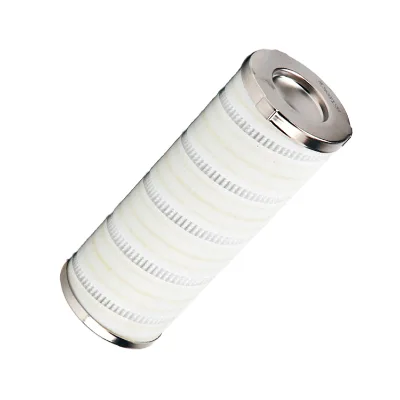


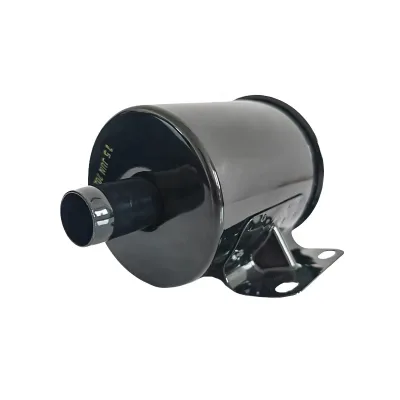
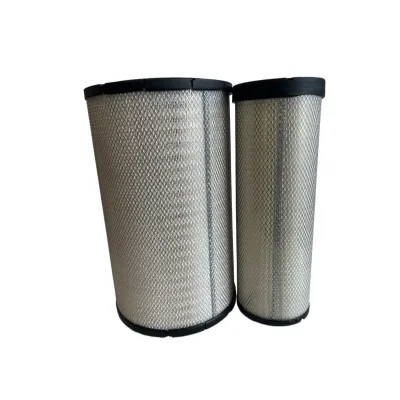
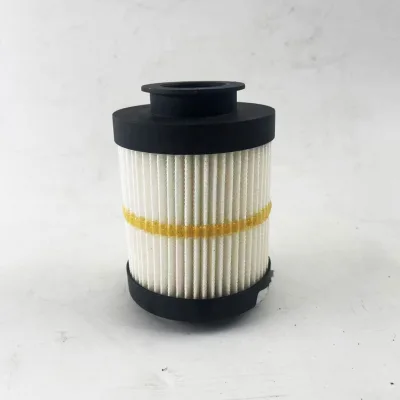
Comprehensive Sourcing Guide
Imported Engine Forklift Hydraulic Filter Supplier Concentration and Factory Types
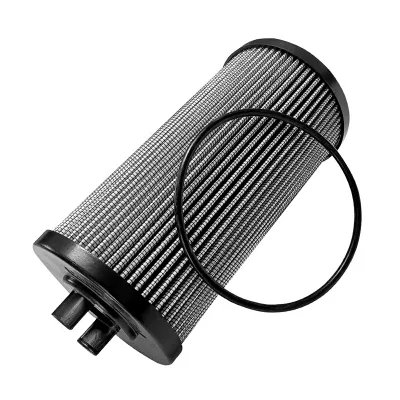
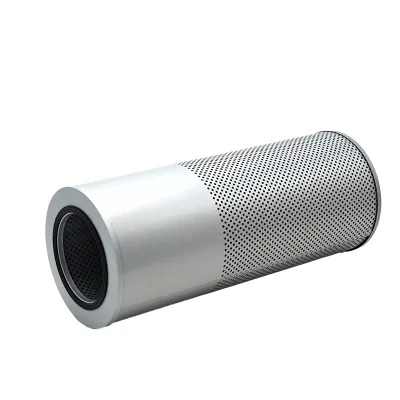
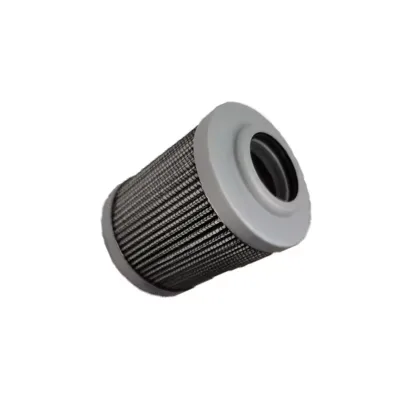
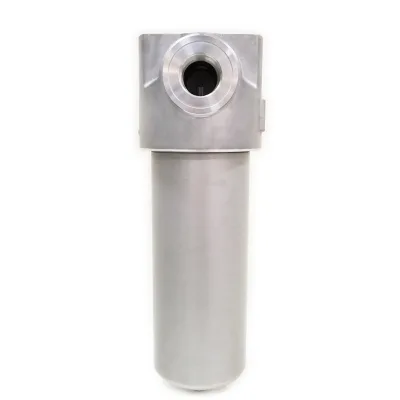
The current supplier landscape for imported engine forklift hydraulic filters reveals a distinct mix of manufacturing capabilities and trading structures, primarily concentrated in specific Chinese industrial zones. Data indicates that suppliers are located in regions such as Shandong and Guangdong, with Fujian also appearing as a place of origin for specific product listings. These geographic clusters suggest established supply chains for heavy-duty truck accessories, generator sets, and mining equipment filters, which often share production lines with forklift hydraulic components. The presence of both manufacturers and trading companies in these areas allows buyers to access a wide variety of part numbers, ranging from standard oil filters to specialized hydraulic suction filters. Understanding this concentration helps in identifying where to look for bulk availability versus niche, high-specification parts required for specific forklift brands.
Company types vary significantly, with some entities operating as trading companies that aggregate products from multiple factories, while others are direct manufacturers offering OEM and ODM services. For instance, some suppliers list capabilities in own-brand development and graphic processing, indicating a readiness to customize packaging or minor design elements. Others focus on sample processing and customized on-demand services, which is crucial for buyers needing exact replacements for older or less common forklift models. The main products listed often include joysticks, cooling fans, and sensors alongside filters, suggesting that many suppliers are comprehensive spare parts providers rather than single-product specialists. This diversity means buyers can potentially consolidate orders for multiple forklift components, reducing logistical complexity and shipping costs when sourcing from a single verified source.
How to Verify Imported Engine Forklift Hydraulic Filter Suppliers
Verification is a critical step when evaluating suppliers for hydraulic filters, as the integrity of the filtration system directly impacts engine longevity and operational safety. Buyers should prioritize suppliers who have undergone third-party verification processes, such as those conducted by SGS or Intertek. These verifications provide a layer of confidence regarding the supplier’s business legitimacy and operational standards. For example, some suppliers in the current results display SGS verification, while others show Intertek certification. This distinction is important because it confirms that an independent body has assessed the company’s capabilities. Buyers should look for these badges prominently displayed on supplier profiles and request copies of the verification reports to understand the scope of the audit, ensuring it covers manufacturing quality control and export compliance.
Beyond third-party badges, buyers must scrutinize the specific product attributes and origin claims listed in the supplier’s catalog. Discrepancies between the supplier’s stated location and the product’s place of origin can indicate a trading company model, which is not inherently negative but requires different negotiation strategies. For instance, a supplier located in Guangdong might list products with a place of origin in Fujian or even Germany, suggesting they are sourcing from specialized factories or importing finished goods for resale. Buyers should verify these claims by asking for factory audit reports or video tours of the production facility. Additionally, checking the response time is a practical way to gauge operational efficiency; a response time of around six to seven hours suggests a responsive sales team, which is vital for resolving technical queries about filter compatibility and lead times before committing to an order.
What to Compare Across Imported Engine Forklift Hydraulic Filter Suppliers
When comparing suppliers, buyers should focus on key operational metrics such as lead time, minimum order quantity (MOQ), and price ranges to determine the best fit for their procurement needs. Lead times can vary, with some suppliers indicating a standard period of fifteen days for production and delivery. This timeline is crucial for planning inventory replenishment, especially for high-turnover items like hydraulic oil filters. Buyers should also pay close attention to MOQs, which can range from fifty units for certain models to one hundred units for others. Lower MOQs are beneficial for testing new suppliers or fulfilling small-scale maintenance needs, while higher volumes may unlock better pricing tiers. Comparing these metrics across multiple suppliers helps in building a diversified supply chain that balances cost efficiency with supply security.
Price and quality specifications are equally important factors in the comparison process. The current data shows price points ranging from approximately three dollars to nearly one hundred dollars per unit, depending on the model and complexity of the filter. For example, standard hydraulic oil filters may be priced between three and eight dollars, while specialized inserts for specific brands like Linde or Kalmar can cost significantly more. Buyers should compare not just the unit price but also the packaging standards and warranty terms. Some suppliers offer a three-month warranty and use standard export carton packing, which adds value by reducing the risk of damage during transit. Additionally, comparing the mechanical principles and performance attributes, such as adsorption mechanisms or automatic operation features, ensures that the selected filter meets the technical requirements of the forklift engine.
Common Imported Engine Forklift Hydraulic Filter Sourcing Risks
One of the primary risks in sourcing hydraulic filters is the potential mismatch between the product specifications and the actual forklift engine requirements. Filters are highly specialized components, and using an incorrect model can lead to engine damage, reduced performance, or costly downtime. Buyers must carefully verify the model numbers, such as yh0809, 803436671, or HF29117, against their equipment manuals. Some suppliers list products with generic keywords like "Oil Filter" or "Spare Parts," which can obscure the specific compatibility details. It is essential to confirm the applicable object, such as oil or liquid, and the classification, such as oil-water separator or impurity filter, to ensure the product functions correctly within the hydraulic system. Misidentification can result in receiving filters that do not fit or fail to provide adequate filtration.
Another significant risk involves the authenticity of the brand and the quality of the materials used in manufacturing. Some suppliers offer products labeled as OEM quality, which implies they meet the original equipment manufacturer’s standards, but this claim requires verification. Buyers should be cautious of suppliers who list places of origin that do not align with their stated location, as this may indicate a complex supply chain with less direct oversight. For instance, a product listed with a German origin but shipped from China might be a rebranded item or a locally produced alternative. Additionally, the warranty terms, such as a three-month coverage, provide some protection but may not cover all failure modes. Buyers should assess the supplier’s after-sales service capabilities, including online support, to ensure they can address any issues that arise post-delivery, minimizing the impact of potential defects.
Imported Engine Forklift Hydraulic Filter Regional Sourcing and Logistics
Regional sourcing strategies can significantly impact the efficiency and cost of importing forklift hydraulic filters. Suppliers located in Shandong, Guangdong, and Fujian offer distinct logistical advantages due to their proximity to major ports and industrial hubs. Buyers should consider the port of dispatch when planning logistics, as some suppliers list Xiamen as their primary shipping point. This information is crucial for calculating freight costs and transit times, especially when importing from China to other regions. Understanding the regional distribution of suppliers allows buyers to consolidate orders from nearby factories, reducing inland transportation costs and simplifying customs clearance processes. Additionally, suppliers in these regions are often accustomed to international shipping standards, which can streamline the export documentation and packaging requirements.
Logistics planning should also account for the packaging standards provided by suppliers, as these affect the volume and weight of the shipment. Most suppliers use standard box and export carton packing, which is designed to protect the filters during transit and maximize container space. Buyers should verify the single package size and gross weight to estimate the total shipping volume accurately. For example, a single package might measure 30x10x10 cm with a gross weight of 0.5 kg, which helps in planning palletization and container loading. Efficient logistics planning can reduce overall procurement costs and ensure that the filters arrive in good condition. Buyers should also consider the lead time in conjunction with shipping duration to maintain adequate inventory levels, avoiding stockouts that could halt forklift operations.
Imported Engine Forklift Hydraulic Filter Commercial Terms and Order Planning
Commercial terms and order planning are essential for managing the procurement process effectively and ensuring a smooth transaction with suppliers. Buyers should negotiate clear payment terms, delivery schedules, and return policies to mitigate financial risks. The lead time of fifteen days mentioned by some suppliers provides a baseline for planning, but buyers should confirm if this includes production, quality control, and shipping preparation. Understanding the MOQ requirements is also vital for order planning, as it influences the frequency and size of purchases. Buyers with high consumption rates may benefit from larger orders to secure better prices, while those with lower needs might opt for smaller, more frequent orders to maintain flexibility. Clear communication of these terms helps in aligning expectations and avoiding disputes.
Additionally, buyers should consider the broader commercial implications of sourcing from trading companies versus manufacturers. Trading companies may offer more flexible order sizes and a wider product range, including joysticks and sensors, which can simplify procurement. However, manufacturers might provide better pricing and direct technical support for custom orders. Buyers should evaluate the supplier’s response time, which can be around six to seven hours, as this indicates their ability to handle inquiries and resolve issues promptly. Establishing a reliable relationship with a supplier involves consistent communication and clear documentation of all commercial terms. By carefully planning orders and understanding the commercial landscape, buyers can optimize their sourcing strategy for imported engine forklift hydraulic filters, ensuring both cost-efficiency and supply reliability.
FAQs
What is the typical lead time for hydraulic oil filters?
The typical lead time for these filters is 15 days. This duration allows for production and quality checks before dispatch. Buyers should confirm specific timelines with suppliers to ensure alignment with project schedules and avoid potential delays in equipment maintenance.
What is the minimum order quantity for these filters?
Minimum order quantities vary by product model, ranging from 50 to 100 units. For example, the HF29117 model requires a minimum of 50 pieces, while the Yh0809 model requires 100 pieces. Buyers should verify the specific MOQ for their required part number.
What is the price range for hydraulic oil filters?
Prices range from $3.00 to $98.99 depending on the model and specifications. Basic filters like the HF29117 start at $3.00, while specialized units for brands like Kalmar can cost up to $98.99. Buyers should request quotes for exact pricing based on volume.
Are these filters available with OEM quality standards?
Yes, many listed filters are specified as OEM Quality. This ensures they meet original equipment manufacturer specifications for performance and durability. Buyers seeking replacements for heavy-duty or commercial trucks can rely on these standards for consistent operational efficiency and compatibility.
What is the supplier response time for inquiries?
Supplier response times are approximately 6.20 to 7 hours. This indicates a relatively quick turnaround for initial communications and quotations. Buyers can expect timely updates regarding stock availability, pricing, and shipping details during the sourcing process.
Where are these hydraulic filters manufactured?
These filters are primarily manufactured in China, with origins in Shandong and Fujian provinces. Some specific listings may indicate other origins like Germany for certain brand components. Buyers should verify the place of origin for each specific product to ensure compliance with sourcing requirements.
What certifications do the suppliers hold?
Suppliers are verified by SGS and Intertek. These verifications indicate that the companies meet specific quality and operational standards. Buyers can trust that these suppliers have undergone third-party assessments for their business practices and product quality assurance processes.