In Wheel Motor Electric Wheelchair Suppliers and Manufacturers
Compare 26 verified suppliers offering In Wheel Motor Electric Wheelchair units with specifications like battery capacity, load capacity, and certifications. Review response times, lead times, and pricing to select a suitable manufacturer for your needs; review the available evidence before requesting comparable quotations from suitable candidates.
Updated
Suppliers List
Hebei Hui MAO Technology Co., LTD
- Trading Company
- Hebei Province, China
- Lead time0 days
- Avg. response≤ 4h
Main productsElectric vehicle,Folding electric vehicle,Electric scooter,Electric tricycle,Electric mountain bike
Main marketsMid East(20.00%), Southeast Asia(20.00%), North America(20.00%)
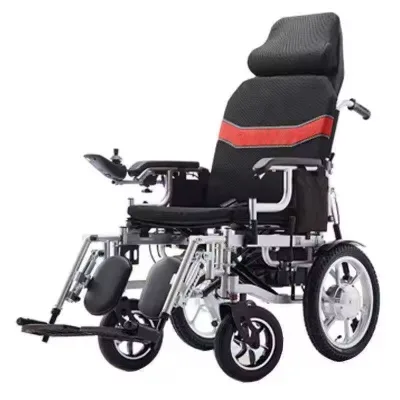
High Battery Life Power Motorised Reclining Electric Folding Wheel Chair Wheelchair Made in China
$245.3668 - $265.9871
MOQ: 2 pieces
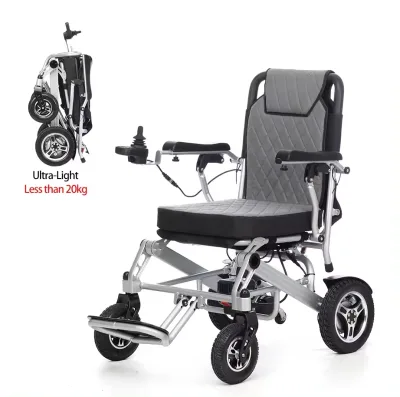
Hot Selling Aluminum Alloy Lightweight Wheelchair Folding Power Remote Control Electric Wheelchair
$311.00 - $331.00
MOQ: 2 pieces

Ningbo Zhensheng Medical Technology Co., Ltd.
- Verified by TUVRHEINLAND
- Trading Company
- China Zhejiang
- Lead time30 days
- Avg. response≤ 2h
Main productsElectric Wheelchair, Manual Wheelchair, Electric Standing Wheelchair, Elderly Mobile Scooter, Transfer Chair (Mobile Machine), Crutch, Electric Nursing Bed, Manual Nursing Bed, Sports Wheelchair, Electric Lift Wheelchair
Main marketsDomestic

Power Wheelchair Electric Wheel Chair Electric Motor Powered Wheelchair
$340.00 - $497.00
MOQ: 2 Pieces

Hot Sale Aluminium Wheelchair Motor Automatic Electric Wheelchair for Care Assistance
$340.00 - $497.00
MOQ: 2 Pieces


Nanjing Caremoving Rehabilitation Equipment Co., Ltd.
- Verified by TüVRheinland
- Trading Company
- Lead time10 days
- Avg. response≤ 2h
Main productsElectric Wheelchair, Manual Wheelchair, Mobility Scooter, Patient Chair, Rollator
Main marketsWestern Europe(70%), North America(30%)
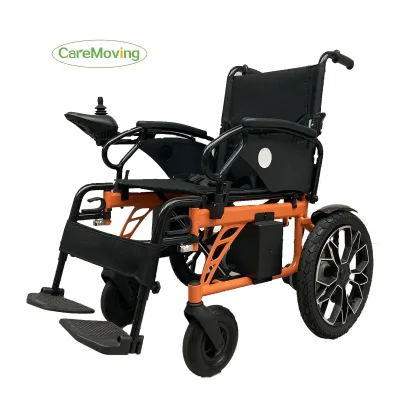
$253.9126 - $304.8981
MOQ: 2 sets
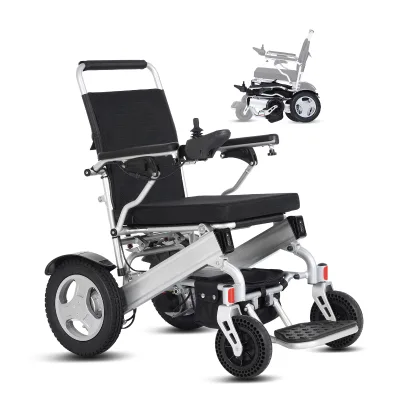

ZHEJIANG KAIRUI MEDICAL DEVICE CO., LTD.
- Combined
- China Zhejiang
- Lead time30 days
- Avg. response≤ 5h
Main productsMobility Scooter, Wheelchair, Electric Wheelchair, Scooter
Main marketsDomestic,Europe


Comfortable Electric Power Wheelchair for Disabled Users with 150W Motors
$550.00 - $590.00
MOQ: 10 Pieces

Durable Electric Wheelchair with 24V Motor and Adjustable Speed Control
$340.00 - $380.00
MOQ: 10 Pieces

Compact Electric Wheelchair for Seniors with Advanced Brushless Motor
$350.00 - $375.00
MOQ: 10 Pieces

Shanghai Brother Medical Manufacturer Co., Ltd.
- Verified by CTI
- Manufacturer/Factory
- China Shanghai
- Lead time23 days
- Avg. response≤ 19h
Main productsWheelchair, Hearing Aid, Mobility Scooter, Commode Chair, Shower Chair, Crutch, Walking Stick
Main marketsSouth America,Eastern Europe,Mid East,North America,Southeast Asia,Eastern Asia,Oceania,Western Europe,Africa

Electric Mobility Wheelchair Portable Motorized Wheel Chair Powerful Motor
$155.00 - $185.00
MOQ: 1 Pieces

High Quality Mobility Electric Wheelchair with Brushless Motor for Handicapped
$155.00 - $185.00
MOQ: 1 Pieces

SHANGHAI GRACE MEDICAL INSTRUMENT CO., LTD.
- Trading Company
- Shanghai, China
- Lead time30 days
- Avg. response≤ 3h
Main productsManuel Hhospital Bed
Main marketsEastern Europe(25.00%), Eastern Asia(24.00%), Southeast Asia(20.00%), Africa(10.00%), Mid East(10.00%), South Asia(5.00%), South America(5.00%), Northern Europe(1.00%)
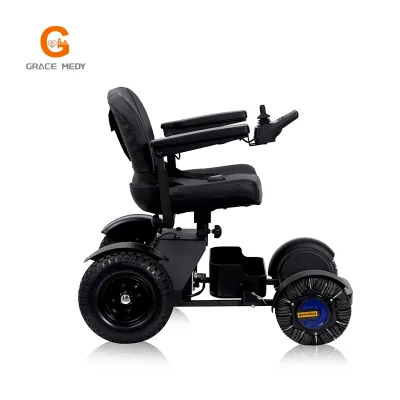
Wholesale Small Motorised Fast Electric Wheelchair for Adults Folding Design Made in China
$852.2579 - $889.3102
MOQ: 1 pieces
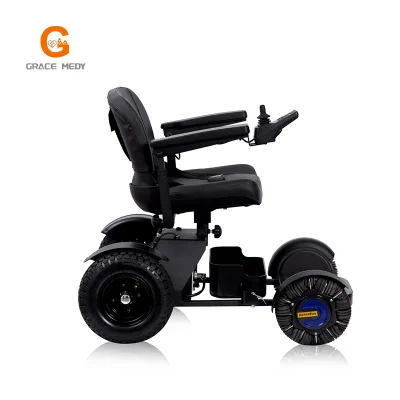
$836.5589 - $872.9307
MOQ: 1 pieces
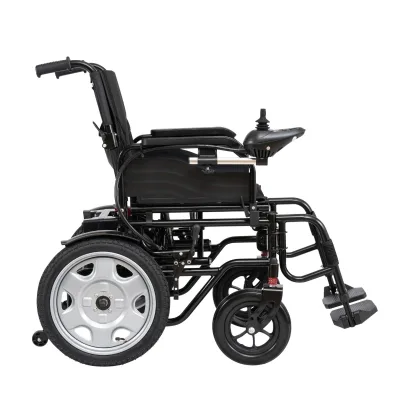
Durable Electric Wheelchair with Stylish Removable Nylon Seat Cushion
$238.1027 - $248.4548
MOQ: 5 pieces
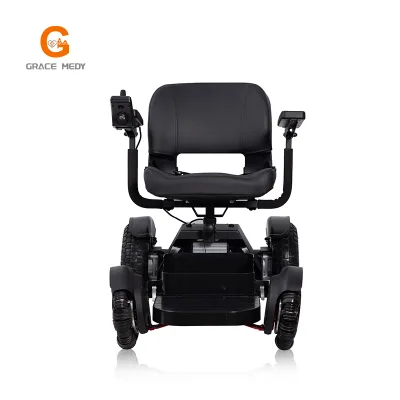
$836.5589 - $872.9307
MOQ: 1 pieces
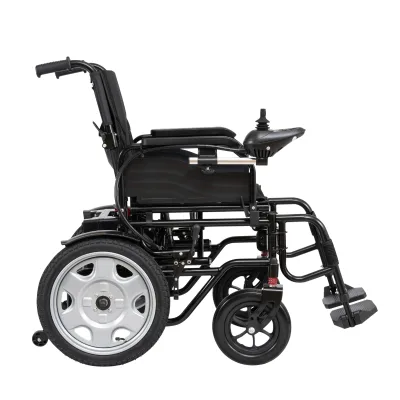
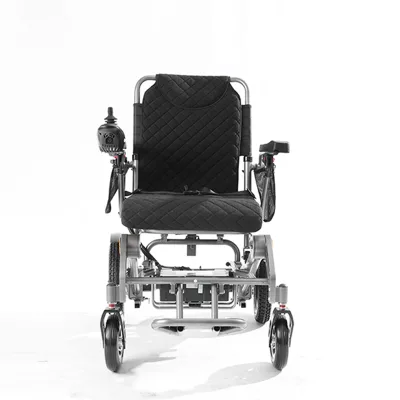
$422.8379 - $441.2262
MOQ: 1 pieces

Enjoycare Technology (Zhejiang) Co., Ltd.
- Verified by BV
- Combined
- China Zhejiang
- Lead time30 days
- Avg. response≤ 7h
Main productsMobility Scooter, Power Wheelchair, Electric Chariot, Aluminium Die-Casting Products, OEM Hardware Products, Electric Wheelchair, Thinking Car, Electric Scooter, Wheelchair, Three Wheels Electric Scooter
Main marketsSouth America,Africa,Southeast Asia/ Mideast,East Asia(Japan/ South Korea),Domestic,Europe,Australia,North America

Power Wheelchair Electric Wheelchair Electric Motor Powered Wheelchair (EPW62)
$1000.00 - $1150.00
MOQ: 5 Pieces


Nanjing Caremoving Rehabilitation Equipment Co., Ltd.
- Manufacturer/Factory
- China Jiangsu
- Lead time23 days
- Avg. response≤ 6h
Main productsManual Wheelchair, Electric Wheelchair, Mobility Disabled Scooter, Rollator Walker, Commode Chair
Main marketsEastern Europe,North America,Southeast Asia,Eastern Asia,Oceania,Western Europe
Kunshan Hi-Fortune Health Products Co.,ltd.
- Verified by SGS Group
- Manufacturer, Trading Company
- Lead time25 days
Main productsWheelchair, Mobility Scooter, Patient Lift, Walker, Commode Chair
Main marketsNorth America(55%), Domestic Market(22%), Western Europe(13%)
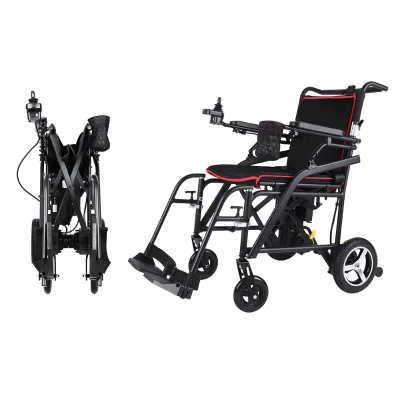
$570.00 - $590.00
MOQ: 10 pieces
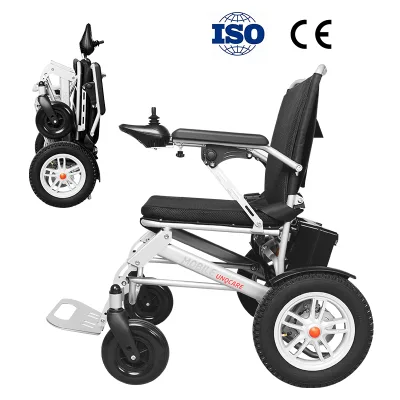
Multi-Road Lightweight Electric Wheelchair Pneumatic Tyre Portable Electric Wheelchair
$299.00 - $328.00
MOQ: 2 pieces

Ningbo Baichen Medical Devices Co., Ltd.
- Verified by SGS
- Trading Company,Manufacturer/Factory
- China Zhejiang
- Lead time23 days
- Avg. response≤ 6h
Main productsElectric Wheelchair, Electric Mobility Scooter, Carbon Fiber Electric Wheelchair, Reclining Electric Wheelchair, Power Wheelchair, Steel Electric Wheelchair, Aluminum Wheelchair, Medical Wheelchair, Manual Wheelchair, Walking Aids and Rehabilitation Equipment
Main marketsSouth America,Eastern Europe,Mid East,North America,Southeast Asia,Eastern Asia,Western Europe
Nanjing E-Take Medical Apparatus Co., Ltd.
- Trading Company
- Jiangsu, China
- Lead time15 days
- Avg. response≤ 5h
Main productsPower wheelchair,electric wheelchair,manual wheelchair,mobility scooter,standing wheelchair
Main marketsNorth America(38.00%), Western Europe(16.00%), Northern Europe(13.50%), Southern Europe(10.00%), Oceania(8.00%), Southeast Asia(5.00%), Mid East(4.30%), South America(3.20%), Domestic Market(2.00%)
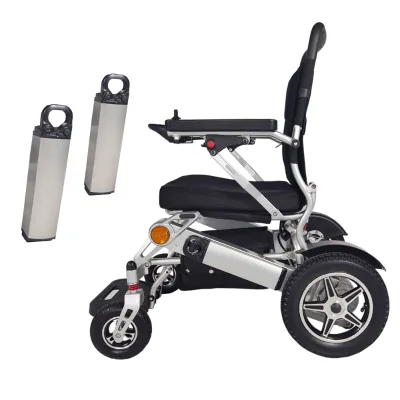
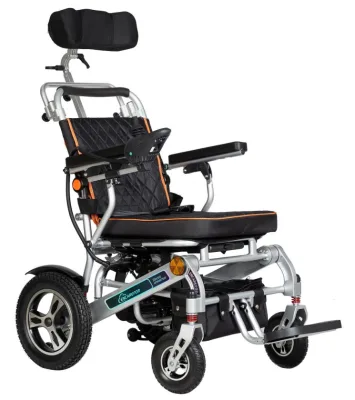
600W Brushless Motor Heavy Duty Wheelchair Powerful Electrical Wheelchair for Handicapped
$411.8113 - $504.469
MOQ: 2 pieces
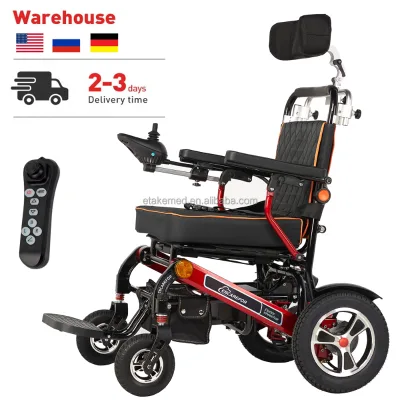
$437.5506 - $504.469
MOQ: 1 pieces
Anhui Jbh Medical Apparatus Co., Ltd.
- Verified by SGS Group
- Manufacturer, Trading Company
- Anhui, China
- Lead time7 days
- Avg. response≤ 4h
Main productsPower Wheelchair, Mobility Scooter, Patient Lifter, Nursing Bed
Foshan Kaiyang Medical Equipment Co., Ltd.
- Verified by TüVRheinland
- Manufacturer, Trading Company
- Lead time50 days
- Avg. response≤ 3h
Main productsWheelchair, Hospital Bed/Air Cuffs, Shower Chair, Walker, Walking Stick
Main marketsDomestic Market(30%), Southeast Asia(10%), North America(5%)
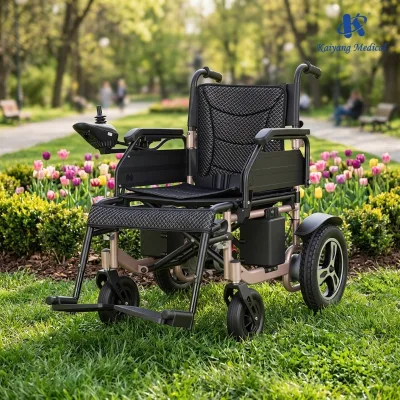
New Aluminum Alloy Motorized Power Chairs 500W Brushed Motor Folding Electric Wheelchair
$268.00 - $388.00
MOQ: 10
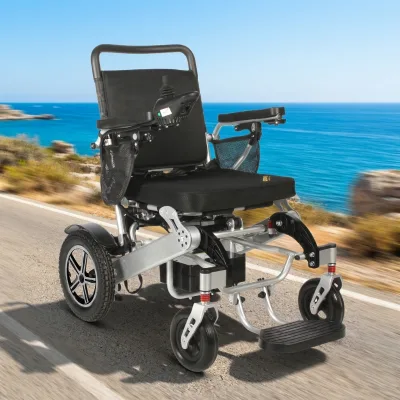
EU Approved Premium Aluminum Alloy Electric Wheelchair With Long Last Distance Lithium Battery
$318.00 - $688.00
MOQ: 10

Nanjing Relcare Sports Tech Co., Ltd.
- Verified by SGS
- Trading Company
- China Jiangsu
- Lead time30 days
- Avg. response≤ 8h
Main productsElectric Wheelchair, Electric Rollator, Mobility Scooter, Rollator Walker, Folding Wheelchair, Lightweight Wheelchair, Manual Wheelchair, Handicap Scooter, Patient Lifter, Folding Scooter
Main marketsEurope,Australia,North America
Shanghai Brother Medical Products Manufacturer Co., Ltd.
- Verified by Intertek
- Trading Company
- Lead time25 days
- Avg. response≤ 12h
Main productsWheelchair, Commode Chair, Shower Chair, Walker, Crutch
Main marketsSouth America(35%), North America(20%), Eastern Europe(10%)
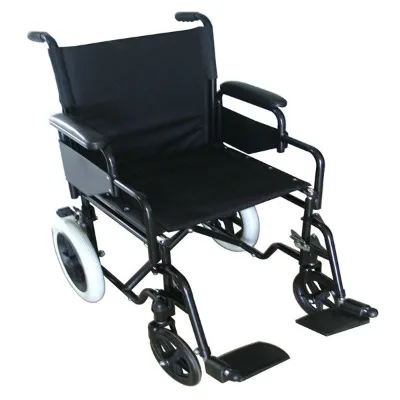
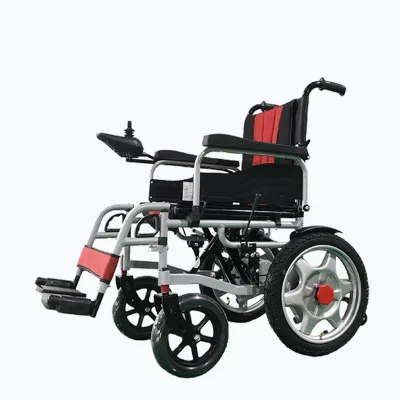
Electric Wheelchair with Brush Motors Electromagnetic Brakes Rehabilitation Therapy
$154.3235 - $226.3415
MOQ: 10 packs
Changzhou The Chun Electronics Co.,LTD
- Verified by SGS Group
- Trading Company
- Lead time10 days
- Avg. response≤ 5h
Main productsElectric Bicycle, Electric Bicycle Accessories, Electric Bicycle Kit, Electric Bicycle Motor, Electric Handcycle For Wheelchair
Main marketsNorth America(40%), Domestic Market(30%), Eastern Europe(10%)
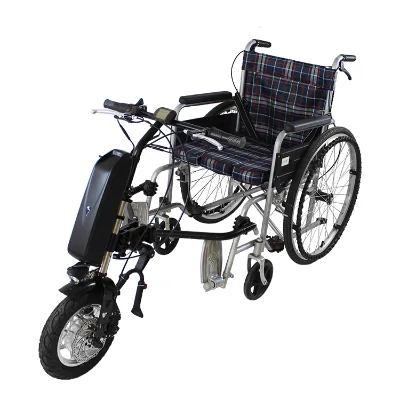
Special Needs Folding 12inch 350w Wheelchairs Made in China with Front Motor Lift
$201.7294 - $393.1128
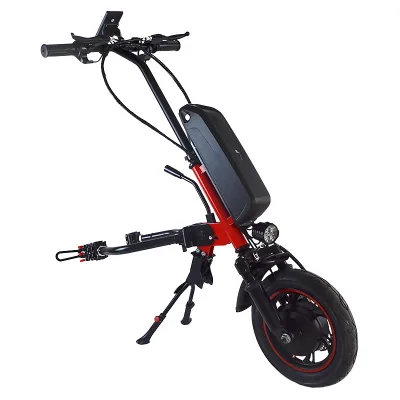
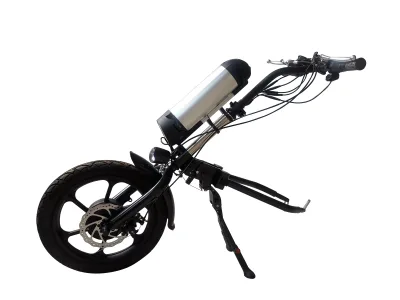
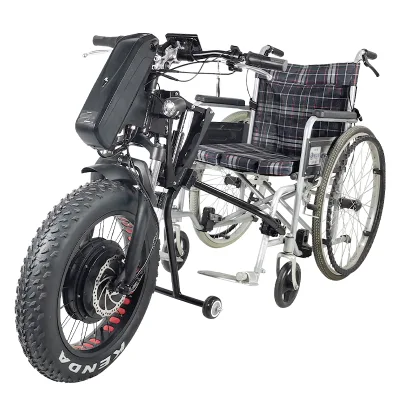
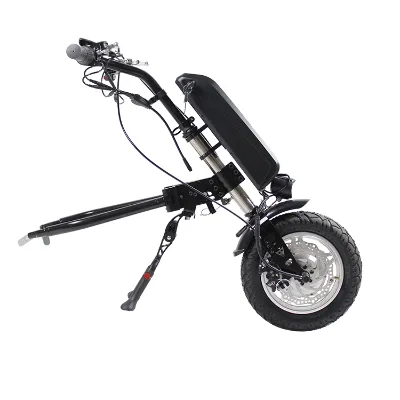
New Products Economic Brushless Electric Wheelchair Motor 12inch 16inch 36/48v 350w 500w
$358.08 - $450.09
MOQ: 1 sets
Boao Medical Technology Co., Limited
- Trading Company
- Hong Kong S.A.R.
- Lead time45 days
- Avg. response≤ 2h
Main productselectric wheelchair,manual wheelchair,leisure wheelchair,sport wheelchair,hospital bed
Main marketsSouth America(20.00%), Western Europe(15.00%), Southern Europe(10.00%), Oceania(10.00%), North America(10.00%), Northern Europe(10.00%), Eastern Europe(10.00%), Central America(8.00%), Mid East(5.00%), Eastern Asia(1.00%), Africa(1.00%)
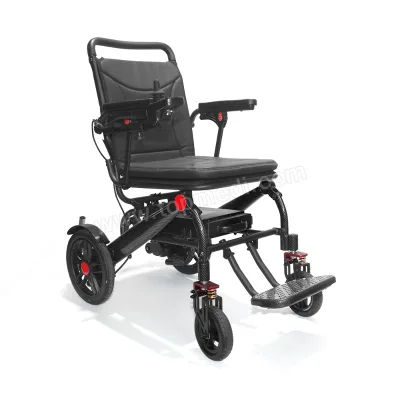
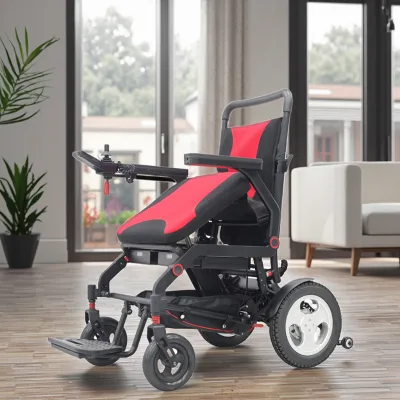
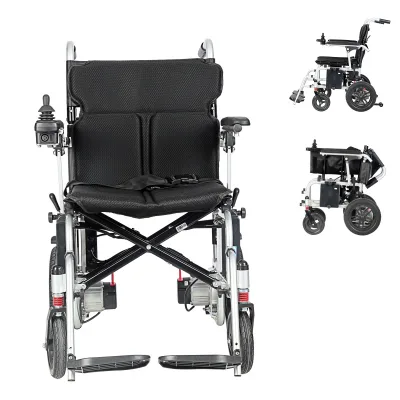
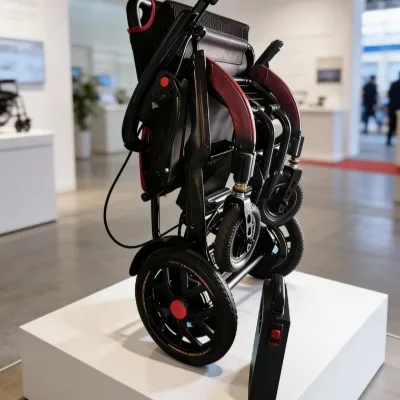
Portable & Comfortable Brushless Motor Electric Wheelchair with Magnesium Wheels
$448.92 - $538.71
MOQ: 10 Minimum
ALTHEA IMPORT AND EXPORT LIMITED
- Trading Company
- Hong Kong S.A.R.
- Lead time0 days
- Avg. response≤ 1h
Main productsmedical equipment,medical furniture,ot table,ot light,dental lamp
Main marketsSoutheast Asia(30.00%), North America(30.00%), Domestic Market(10.00%), South Asia(10.00%), Western Europe(10.00%), Mid East(10.00%)
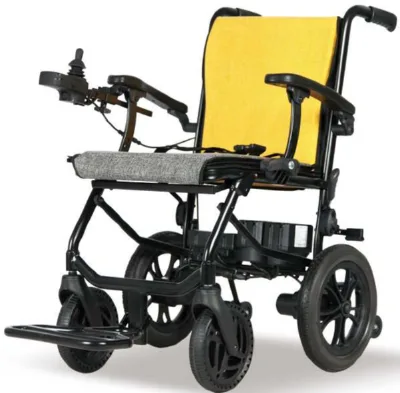
$405.5515 - $426.0848
MOQ: 1 units
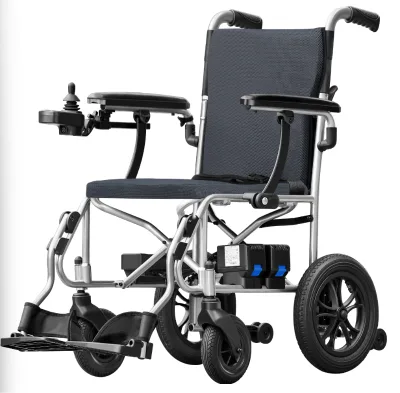
High quality lightweight electric wheelchair for rehabilitation therapy
$420.9522 - $439.4333
MOQ: 1 units
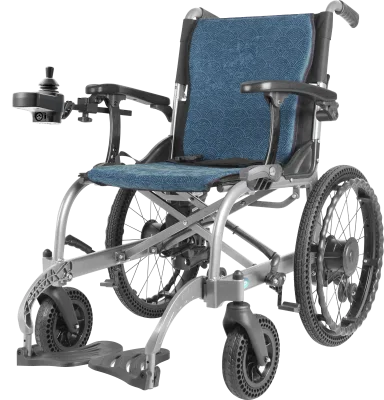
$580.7876 - $605.3277
MOQ: 1 units
Hebei Dianya Medical Technology Co., Ltd.
- Verified by SGS Group
- Trading Company
- Hebei, China
- Lead time30 days
- Avg. response≤ 2h
Main productsHousehold Medical Devices, Medical Consumables, Professional Medical Devices
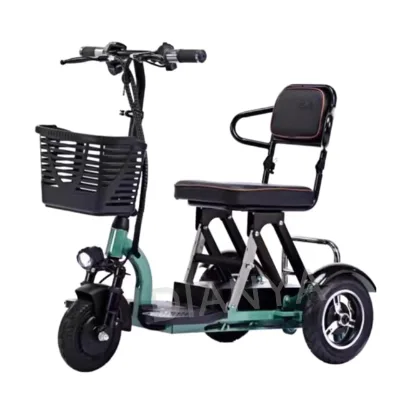
$205.2011 - $307.8017
MOQ: 1 sets
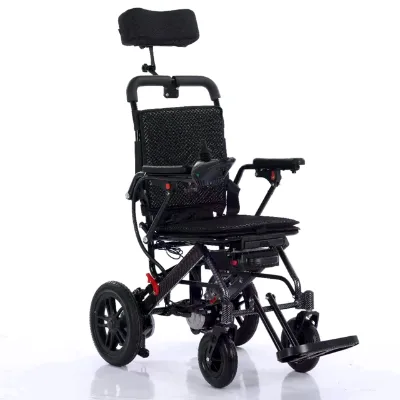
$257.10 - $285.70
MOQ: 1 pieces
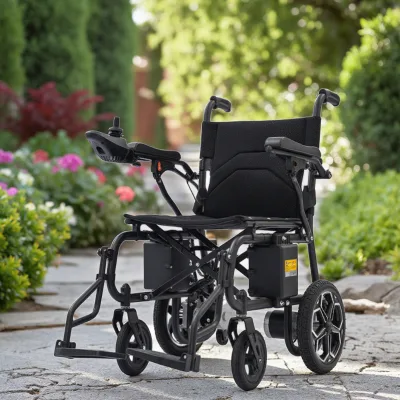
$287.2384 - $302.6826
MOQ: 1 pieces
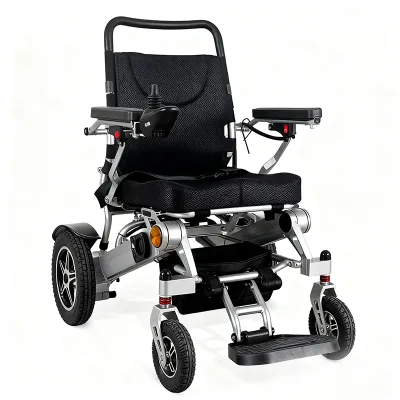
$300.0099 - $365.047
MOQ: 1 pieces

Golden Motor Technology Co., Ltd.
- Verified by BV
- Combined
- China Jiangsu
- Lead time15 days
- Avg. response≤ 7h
Main productsElectric Motorcycle Motor, Electric Outboard, BLDC Motor, Electric Wheelchair, Electric Bike Conversion Kit, Electric Outboard Motor, Electric Motorbike Motor, Brushless Motor Controller, Electric Car Motor, EV Battery
Main marketsSoutheast Asia/ Mideast,Domestic,Europe,North America


Folding Power Electric Wheelchair with Brushless Motor and Controller
$1080.00 - $2080.00
MOQ: 1 Pieces
Jinan Kuikang Medical Equipment Co., Ltd.
- Verified by TüVRheinland
- Trading Company
- Lead time0 days
- Avg. response≤ 1h
Main productsElectric Wheelchair, Climbing Wheelchair, Hand Wheelchair, Elderly Scooter, Care Bed
Main marketsNorth America(30%), Western Europe(15%), Eastern Europe(10%)
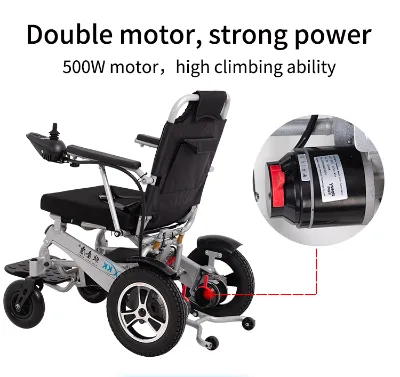
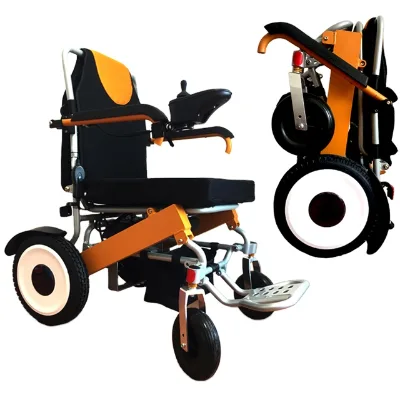
$306.1483 - $388.0611
MOQ: 1 pieces
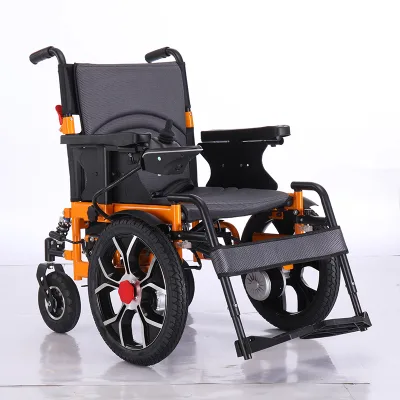
$291.8148 - $306.1483
MOQ: 1 pieces
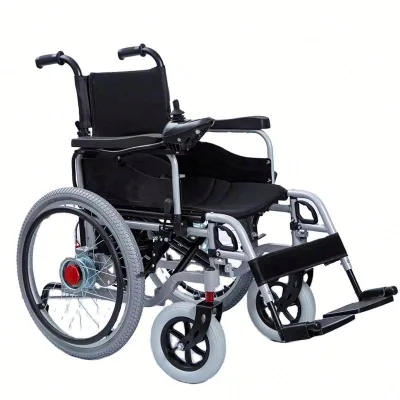
$266.2164 - $460.7581
MOQ: 2 sets
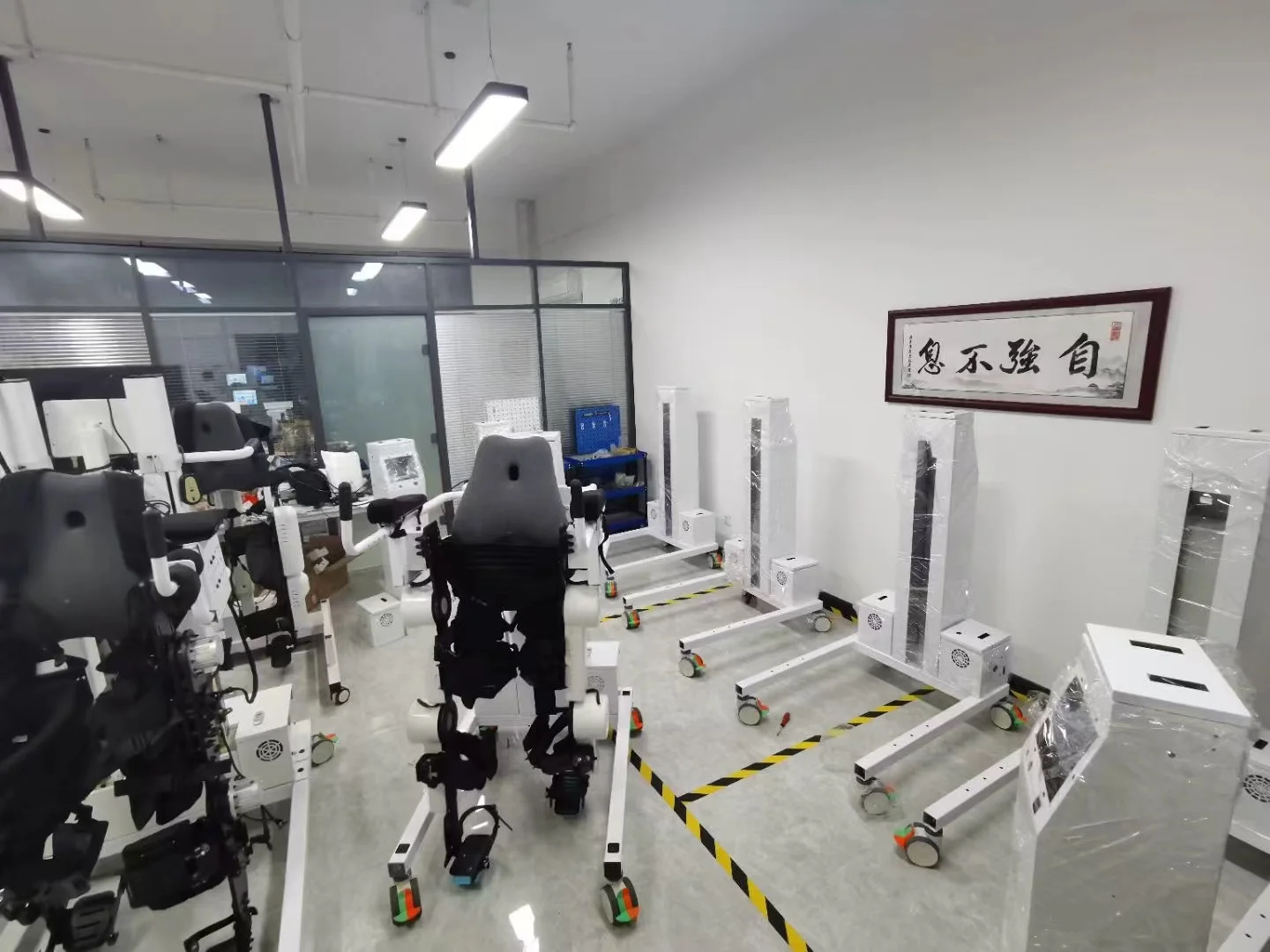
Xiangyang Kangshun Medical Technology Co., Ltd.
- Manufacturer, Trading Company
- Hubei, China
- Lead time21 days
- Avg. response≤ 4h
Main productsElectric Wheelchair,Stair Climbing Wheelchair,standing wheelchair,Exoskeleton robot,Mobility scooter
Main marketsNorth America(30.00%), Domestic Market(17.00%), Oceania(10.00%), Western Europe(10.00%), Southeast Asia(10.00%), South America(10.00%), Africa(8.00%), Eastern Europe(5.00%)
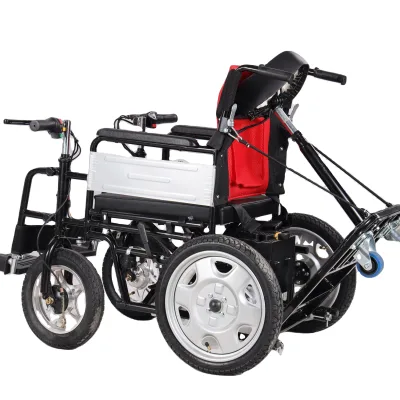
$269.00 - $340.00
MOQ: 1 sets
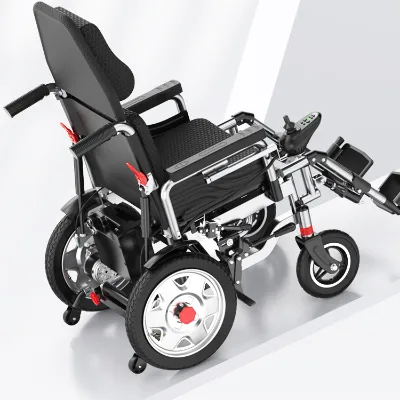
$257.771 - $299.1809
MOQ: 1 sets
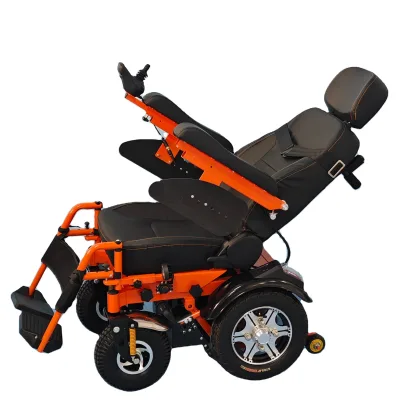
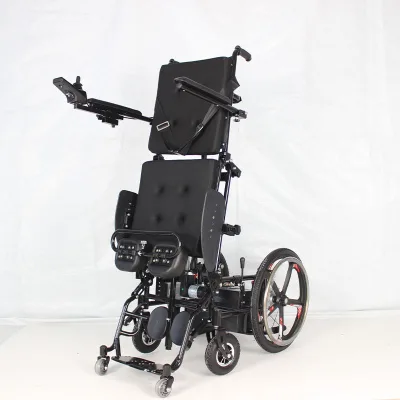
Off-road Brushless Motor Electric Wheelchair Wheelchair with Oversized Wheels for Crossing Obstacle
$770.9102 - $852.3884
MOQ: 1 sets
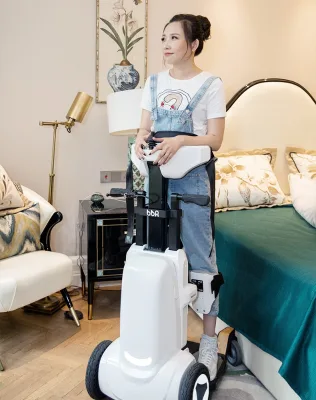
$770.6254 - $873.6502
MOQ: 1 sets
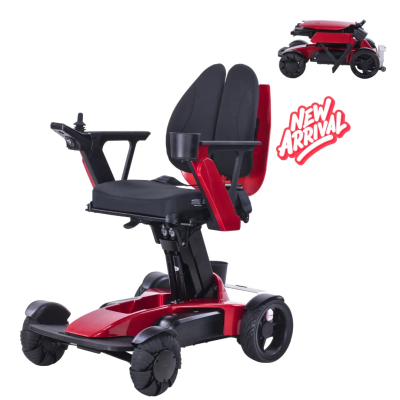
Wheelchairs Ultralight Aluminum Motorized Adjustable High Quality Wheelchair
$620.1003 - $661.5087
MOQ: 1 sets
Jinhua Qidian Vehicle Co., Ltd.
- Manufacturer, Trading Company
- Lead time旺季: "1 - 2":30,"> 2":"To be negotiated", 淡季: "1 - 2":30,"> 2":"To be negotiated"
- Avg. response≤ 3h
Main productsElectric Bike, Electric Motorcycle, Electric Wheelchair
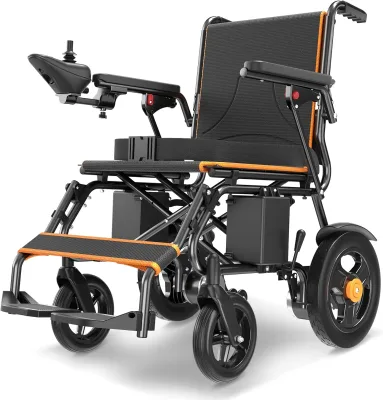
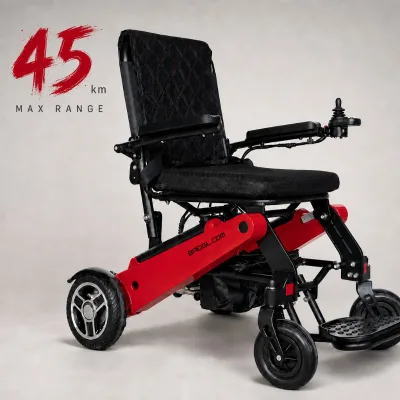
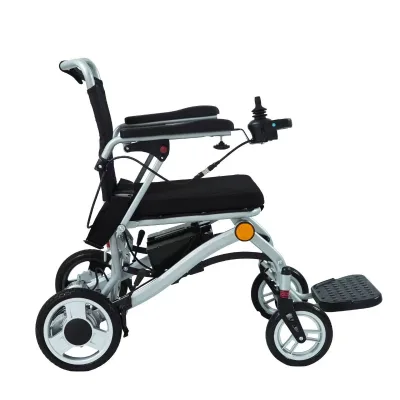
Electric Wheelchair Lithium Battery Powerful Motor Safety Belt and Adjustable Handle bar
$164.0491 - $184.5554
MOQ: 2 pieces
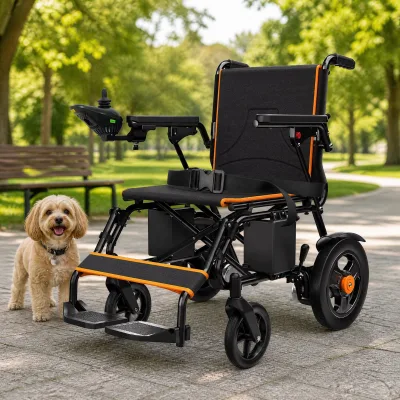
$315.00 - $415.00
MOQ: 2 pieces

Shanghai Hubang Intelligent Rehabilitation Equipment Co., Ltd
- Verified by TUVRHEINLAND
- Combined
- China Shanghai
- Lead time15 days
- Avg. response≤ 11h
Main productsWheelchair, Electric Wheelchair, Power Wheelchair, Cane, Walker, Rollator, Crutch, Reclining Wheelchair, Manual Wheelchair, Rehabilitation Wheelchair
Main marketsEast Asia(Japan/ South Korea),Europe,North America
Qinhuangdao Huaxi Medical Equipment Co., Ltd.
- Trading Company
- Hebei, China
- Lead time10 days
- Avg. response≤ 2h
Main productswheel chair,ECG,pulse oximeter,maternal products,baby products
Main marketsNorth America(40.00%), Eastern Europe(20.00%), South America(15.00%), Western Europe(10.00%), Africa(10.00%)
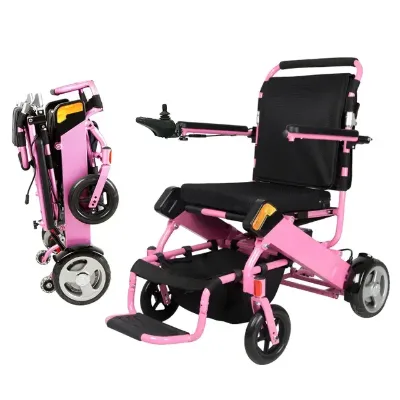
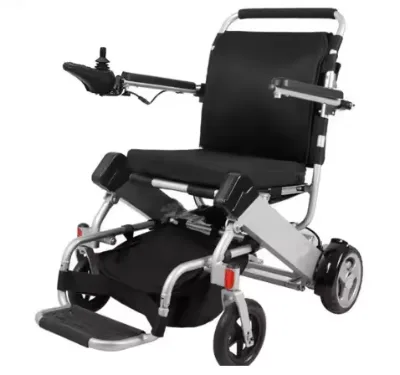
High Quality Foldable Electric Wheelchair Motorized Power Wheelchairs for Elderly People
$977.3825 - $1388.9119
MOQ: 1 sets
Chongqing Muniu Power Technology Co., Ltd.
- Verified by SGS Group
- Trading Company
- Lead time30 days
- Avg. response≤ 3h
Main productsWheelchair, Wheelchair Parts , Mobility Scooter, Patient Lift, Hand Control
Main marketsOceania(30%), South America(20%), Eastern Europe(15%)
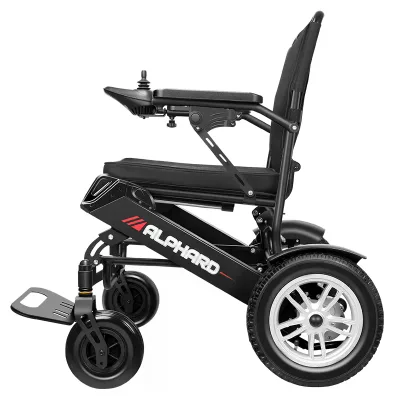
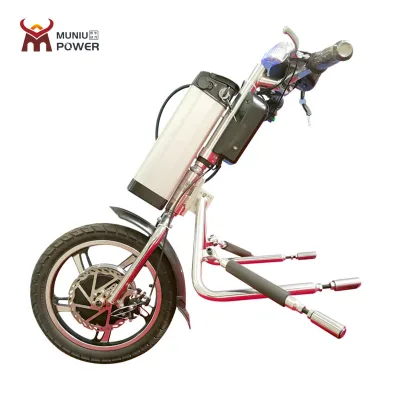
Adjustable Folding 500W Motor Power Foldable Lightweight Electric Scooter Wheelchair Elderly Support
$458.8769 - $530.2578
MOQ: 1 sets
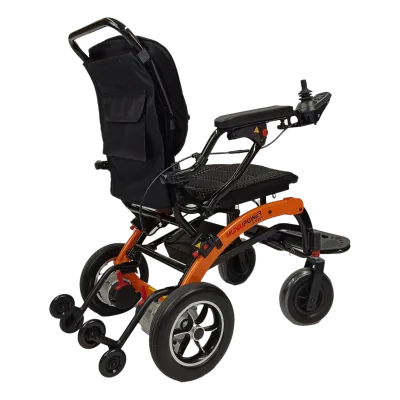
Handicap Lightweight 4 Wheel Drive Travel Compact Electric Power Wheelchair for Elderly and Disabled
$372.2002 - $407.8899
MOQ: 1 units




Comprehensive Sourcing Guide
In Wheel Motor Electric Wheelchair Supplier Concentration and Factory Types
The current supplier landscape for in wheel motor electric wheelchairs reveals a distinct geographic and structural distribution that buyers must navigate carefully. Evidence indicates that manufacturing entities are primarily concentrated in Hebei Province and Zhejiang Province within China. Suppliers located in Hebei Province often operate as trading companies rather than direct manufacturers, which introduces a layer of intermediation into the supply chain. These trading entities typically aggregate products from various local factories, offering a broader catalog of electric vehicles, folding electric vehicles, electric scooters, and electric tricycles alongside their wheelchair offerings. This diversification suggests that while they may have access to in wheel motor technology, their primary operational focus might not be exclusively on medical-grade mobility devices. Consequently, buyers sourcing from this region should be prepared to verify whether the supplier is the actual producer or merely a reseller, as this distinction significantly impacts quality control capabilities and direct communication channels regarding technical specifications.
In contrast, suppliers based in Zhejiang Province present a different operational profile, often emphasizing verified credentials and specialized product lines. Some entities in this region hold TÜV Rheinland verification, indicating a higher level of third-party scrutiny regarding their business practices and product standards. These suppliers frequently list main products that include electric wheelchairs, manual wheelchairs, electric standing wheelchairs, and elderly mobile scooters, suggesting a dedicated focus on rehabilitation and mobility equipment rather than general electric vehicles. The presence of own-brand capabilities and customized production options in Zhejiang further distinguishes these suppliers from the trading companies in Hebei. Buyers evaluating these clusters should consider that Zhejiang-based suppliers may offer more robust support for customization and brand development, whereas Hebei-based suppliers might provide a wider variety of general electric mobility products. Understanding this regional and structural dichotomy is essential for aligning sourcing strategies with specific business needs, whether prioritizing cost-efficiency through trading companies or quality assurance through verified, specialized manufacturers.
How to Verify In Wheel Motor Electric Wheelchair Suppliers
Verifying the legitimacy and capability of suppliers requires a multi-layered approach that goes beyond surface-level product listings. Buyers should prioritize suppliers who display third-party verification badges, such as TÜV Rheinland, which serves as a critical indicator of operational reliability and adherence to international business standards. This verification process often involves rigorous checks on the company’s legal status, production facilities, and quality management systems. For suppliers without such visible badges, buyers must actively request documentation to confirm their status as either a manufacturer or a trading company. If a supplier claims to be a manufacturer, requesting photos of the production line, specifically focusing on the assembly of in wheel motors, can provide tangible evidence of their capabilities. Conversely, if a supplier is identified as a trading company, buyers should inquire about their relationship with the actual factories, including the duration of their partnership and the exclusivity of their supply agreements. This distinction is crucial because trading companies may have less direct control over the manufacturing process, potentially leading to inconsistencies in product quality or delays in addressing technical issues.
Another vital aspect of verification is assessing the supplier’s responsiveness and technical expertise. The response time metric provides a quantitative measure of how quickly a supplier engages with potential buyers, with some entities demonstrating response times under two hours. A rapid response often correlates with a more professional sales team that is better equipped to answer detailed technical questions about in wheel motor specifications, battery integration, and braking systems. Buyers should test this responsiveness by asking specific questions about the motor’s torque, voltage, and compatibility with different battery configurations. Additionally, verifying the supplier’s certification records is essential, as many electric wheelchairs require CE and ISO certifications to meet regulatory standards in various markets. Buyers should request copies of these certificates and cross-reference them with the issuing bodies to ensure authenticity. Furthermore, checking the supplier’s history of producing similar products, such as electric folding bikes or motorized reclining wheelchairs, can provide insights into their technical proficiency. By combining verification of business credentials, technical responsiveness, and certification authenticity, buyers can significantly reduce the risk of partnering with unreliable suppliers.
What to Compare Across In Wheel Motor Electric Wheelchair Suppliers
When evaluating multiple suppliers, buyers must systematically compare key operational and product attributes to identify the most suitable partner. One of the most critical factors is the minimum order quantity (MOQ), which varies significantly across the supplier base. Some suppliers offer an MOQ of just two units, which is ideal for small businesses or initial market testing, while others may have higher thresholds that require larger capital investment. Alongside MOQ, the lead time for production and delivery is a crucial metric for supply chain planning. Suppliers with a lead time of zero days may indicate ready-stock availability, whereas those with a thirty-day lead time suggest a made-to-order or batch production model. Buyers should align these timelines with their inventory requirements and market demand forecasts to avoid stockouts or excess inventory costs. Additionally, comparing the response time of each supplier can provide insights into their customer service quality, with faster responses often indicating a more dedicated support structure.
Product specifications and pricing structures also require careful comparison to ensure value for money. Buyers should examine detailed product attributes such as battery capacity, motor power, frame material, and braking systems. For instance, some suppliers offer aluminum alloy frames with brushless motors and lithium batteries, while others may use brushed motors or different battery configurations. The price range for these products can vary, with some suppliers offering prices around two hundred forty-five dollars to two hundred sixty-five dollars per unit, while others may charge between three hundred forty dollars and four hundred ninety-seven dollars. These price differences often reflect variations in component quality, certification levels, and customization options. Buyers should also consider the single package size and gross weight, as these factors directly impact shipping costs and logistics planning. By creating a comparison matrix that includes MOQ, lead time, response time, product specifications, and pricing, buyers can make data-driven decisions that balance cost, quality, and operational efficiency. This structured approach ensures that all critical factors are evaluated objectively, leading to a more informed sourcing decision.
Common In Wheel Motor Electric Wheelchair Sourcing Risks
Sourcing in wheel motor electric wheelchairs involves several inherent risks that buyers must proactively manage to ensure a successful procurement process. One significant risk is the potential mismatch between product specifications and actual delivery, particularly when dealing with trading companies that may not have direct oversight of the manufacturing process. Suppliers may list products with specific attributes, such as a thirty-six-volt lithium battery or an electromagnetic braking system, but the final delivered goods may differ in quality or performance. This discrepancy can arise from cost-cutting measures by the actual manufacturer or miscommunication within the supply chain. To mitigate this risk, buyers should insist on detailed product samples before placing bulk orders, allowing them to verify that the in wheel motor, battery, and frame materials meet the agreed-upon standards. Additionally, buyers should be cautious of suppliers who offer prices that seem unusually low compared to market averages, as this may indicate the use of substandard components or lack of proper certifications.
Another common risk is the lack of after-sales support and warranty coverage, which is critical for medical mobility devices. In wheel motor electric wheelchairs are complex mechanical and electronic systems that require regular maintenance and potential repairs. Buyers must ensure that suppliers provide clear warranty terms and accessible technical support channels. Some suppliers may offer limited or no warranty, leaving buyers responsible for all repair costs and logistical arrangements. This risk is particularly pronounced when sourcing from international suppliers where language barriers and time zone differences can complicate communication. Buyers should also be aware of the regulatory risks associated with importing electric wheelchairs, as different countries have varying standards for medical devices and electric vehicles. Failure to comply with local regulations can result in customs delays, fines, or product seizures. Therefore, buyers must verify that suppliers provide the necessary documentation, such as CE or ISO certificates, to facilitate smooth customs clearance. By identifying and addressing these risks early in the sourcing process, buyers can protect their business interests and ensure a reliable supply of high-quality in wheel motor electric wheelchairs.
In Wheel Motor Electric Wheelchair Regional Sourcing and Logistics
Regional sourcing decisions significantly impact the logistics and overall cost structure of procuring in wheel motor electric wheelchairs. Suppliers located in Hebei Province and Zhejiang Province offer distinct logistical advantages and challenges that buyers must consider. Hebei-based suppliers, often operating as trading companies, may benefit from proximity to major manufacturing hubs and transportation networks, potentially offering faster domestic shipping and lower domestic logistics costs. However, their role as intermediaries may add layers to the export process, potentially complicating documentation and increasing the risk of communication errors. Buyers sourcing from this region should ensure that the trading company has robust export experience and can handle international shipping requirements efficiently. On the other hand, Zhejiang-based suppliers, with their verified credentials and specialized focus on medical devices, may offer more streamlined export processes and better compliance with international shipping standards. Their emphasis on own-brand capabilities and customization may also require more complex packaging and handling, which buyers must account for in their logistics planning.
Logistics planning must also consider the physical dimensions and weight of the products, as these factors directly influence shipping costs and methods. Suppliers provide detailed packaging dimensions, such as single package sizes of eighty by thirty-nine by seventy-nine centimeters, and gross weights of forty-five kilograms for certain models. These specifications are crucial for calculating freight charges and selecting appropriate shipping methods, whether by air, sea, or express courier. Buyers should compare the shipping costs from different regional suppliers to determine the most cost-effective option. Additionally, buyers must consider the lead times associated with different shipping methods, as air freight is faster but more expensive, while sea freight is slower but more economical for bulk orders. The response time of the supplier can also impact logistics, as quicker communication can help resolve shipping issues or customs delays more efficiently. By carefully evaluating the regional advantages and logistical requirements of each supplier, buyers can optimize their supply chain, reduce costs, and ensure timely delivery of in wheel motor electric wheelchairs to their target markets.
In Wheel Motor Electric Wheelchair Commercial Terms and Order Planning
Commercial terms and order planning are critical components of a successful sourcing strategy for in wheel motor electric wheelchairs. Buyers must negotiate clear payment terms, such as using escrow services or letters of credit, to protect their financial interests and ensure that suppliers fulfill their obligations. Escrow services provide a secure transaction mechanism where funds are held until the buyer confirms receipt and satisfaction with the goods, reducing the risk of fraud or non-delivery. Additionally, buyers should establish clear delivery terms, such as Incoterms, to define the responsibilities of both parties regarding shipping, insurance, and customs clearance. Understanding these terms is essential for accurate cost calculation and risk allocation. Buyers should also consider the supplier’s flexibility in handling order modifications or cancellations, as market demands can change rapidly. Suppliers with a thirty-day lead time may offer more flexibility for order adjustments compared to those with immediate stock availability, allowing buyers to align production with actual sales data.
Order planning must also account for the supplier’s capacity to handle customization and volume requirements. Some suppliers offer customized production options, including specific battery capacities, motor types, and frame materials, which can be tailored to meet specific market needs. Buyers should assess the supplier’s ability to scale production up or down based on demand fluctuations, ensuring that they can meet peak season requirements without compromising quality. Additionally, buyers should establish a long-term relationship with their chosen supplier to benefit from potential volume discounts and priority service. Regular communication and performance reviews can help identify areas for improvement and strengthen the partnership. By carefully planning commercial terms and order logistics, buyers can create a resilient supply chain that supports their business growth and customer satisfaction. This strategic approach ensures that buyers can effectively manage risks, optimize costs, and deliver high-quality in wheel motor electric wheelchairs to their customers.
FAQs
What is the price range for in-wheel motor electric wheelchairs?
Prices for these units typically range from approximately $245 to $497 per piece. The final cost depends on specific configurations, battery capacity, and motor power. Buyers should verify exact pricing with suppliers based on their required specifications and order volume.
What is the minimum order quantity for these wheelchairs?
The minimum order quantity is generally two units. This low threshold allows buyers to test product quality and functionality before committing to larger bulk orders. It is advisable to confirm the specific MOQ with the supplier to ensure it meets your procurement needs.
How long does delivery take for these electric wheelchairs?
Standard lead times are reported to be around 30 days. This duration allows for manufacturing, quality control, and packaging preparation. Buyers should confirm the exact timeline with the supplier, as production schedules and shipping methods can affect the final delivery date.
What certifications do these wheelchairs typically hold?
Many models carry CE and ISO certifications, ensuring compliance with international safety and quality standards. These credentials are essential for importing and selling in regulated markets. Buyers should request valid certification documents from the supplier to verify compliance for their specific destination.
What battery options are available for these wheelchairs?
Options include 36V 10Ah or 12Ah lithium batteries, with capacities up to 20Ah. These batteries provide a range of 20-25 kilometers per charge. Charging times typically range from one to three hours, depending on the specific battery configuration selected by the buyer.
Where are these wheelchairs manufactured?
Manufacturing locations include Hebei Province and Zhejiang in China. These regions are known for producing electric mobility devices with aluminum alloy frames. Buyers should verify the specific place of origin with the supplier to ensure it aligns with their sourcing preferences and logistics requirements.
What is the maximum load capacity for these wheelchairs?
Maximum load capacities typically range from 100kg to 120kg. This weight limit ensures stability and safety for users of various sizes. Buyers should confirm the exact load capacity for the specific model they intend to purchase to ensure it meets user requirements.