Laser Shooting Arcade Machine with Multi Players Suppliers and Manufacturers
Explore 23 verified options for Laser Shooting Arcade Machine with Multi Players from Guangdong factories. Compare CE certifications, response times, lead times, and pricing ranges to find suitable partners. Contact suppliers directly to request samples or customizations; review the available evidence before requesting comparable quotations from suitable candidates.
Updated
Suppliers List
Guangzhou Xiongzhiye Animation Technology Co., Ltd.
- Verified by TüVRheinland
- Manufacturer, Trading Company
- Lead time20 days
- Avg. response≤ 2h
Main productsArcade Games Machines, Claw Game Machine, Racing Games Machines, Sports Games Machines, Music & Dance Games
Main marketsDomestic Market(69%), Southeast Asia(7%), South Asia(7%)
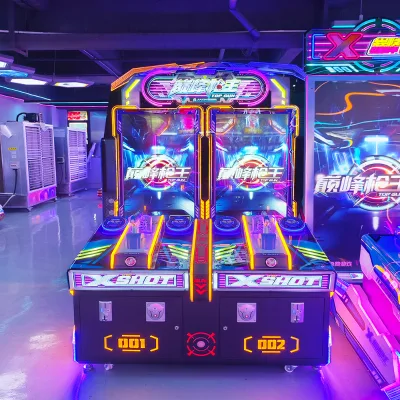
$4042.9289 - $4768.5828
MOQ: 1 sets
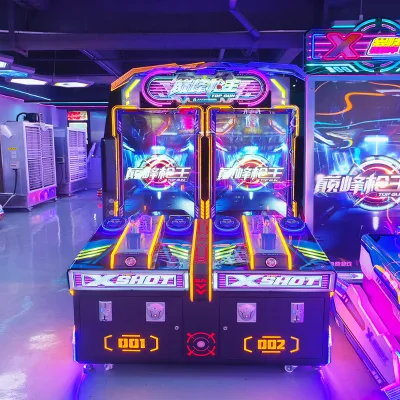
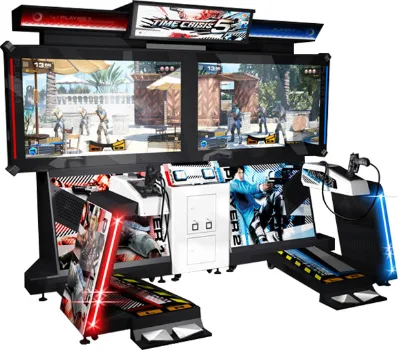
Coin Operated Games Shooting Game Machine 49 Inch Gun Shooting Arcade Game Machine for Kids
$4400.00 - $4600.00
MOQ: 1 sets
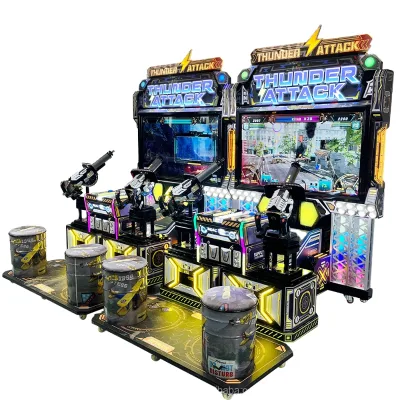
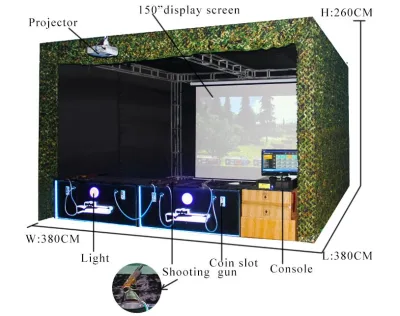
Indoor Simulation Shooting Game Gatling Electronic Laser Shooting Game Machine
$4500.00 - $5000.00
MOQ: 5 boxes
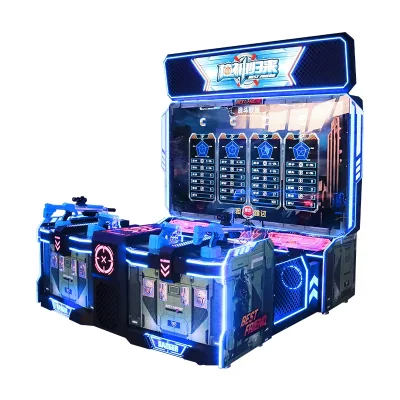
$5781.3072 - $5987.7825
MOQ: 1 sets
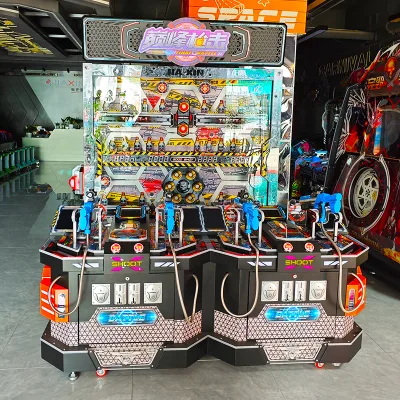

Guangzhou EPARK Electronic Technology Co., Ltd.
- Verified by SGS
- Combined
- China Guangdong
- Lead time15 days
- Avg. response≤ 3h
Main products9d Vr, Racing Game Machines, Boxing Machine, Kids Game Machine, Claw Machine, Arcade Game Machine, Vr Simulator Series, Kiddie Ride, Basketball Game Machine, Amusement Game Machine
Main marketsSouth America,Africa,Southeast Asia/ Mideast

Coin Operated 2 Players Fast Shooting Arcade Laser Gun Shooting Arcade Game Machine
$3000.00 - $5000.00
MOQ: 1 set


Guangzhou Xiao Tong Yao Amusement Equipment Co., Ltd.
- Verified by TUVRHEINLAND
- Combined
- China Guangdong
- Lead time15 days
- Avg. response≤ 4h
Main productsAmusement Equipment, Game Machine, Arcade Machine, Outdoor Amusement, Indoor Playground, Amusement Car, Kiddie Rides, Rolling Car, Happy Car, Le Bar Car
Main marketsSoutheast Asia/ Mideast,Domestic,North America


Coin Operated Indoor Equipment Game Machine 2 People Shooting Arcade Game Machine
$5000.00 - $5500.00
MOQ: 1 Pieces

New Coin Operated Arcade Machine 2 Player Laser Gun Shooting Balloon Game Machine
$1580.00
MOQ: 1 Pieces


Guangzhou Movie Power Technology Co., Ltd
- Verified by BV
- Combined
- China Guangdong
- Lead time15 days
- Avg. response≤ 5h
Main productsVr Simulator, Vr Equipment, Vr Game Machine, Vr Arcade Machine, Vr Machine, Naked-Eye 3D Flying Cinema, Arcade Game Machine, Dome Flying Cinema, 5D/9d Cinema, Vr Game Simulator
Main marketsSouth America,Africa,Others(foreignTradeCapacity.exportBusinessCapacityMarketOther),Southeast Asia/ Mideast,East Asia(Japan/ South Korea),Europe,Australia,North America
Shanghai Easi Computer Technology Corporation
- Verified by TüVRheinland
- Manufacturer, Trading Company
- Lead time5 days
- Avg. response≤ 1h
Main productsInteractive Projection, Immersive Projection, Interactive Whiteboard, Laser Touch Kit, Shooting Game
Main marketsDomestic Market(40%), North America(15%), South America(15%)
Guangzhou Leon Amusement Technology Co., Ltd.
- Verified by TüVRheinland
- Manufacturer, Trading Company
- Lead time0 days
- Avg. response≤ 2h
Main productsArcade Game Machine, Toy Crane Machine, Prize Machine, Redemption Game Machine, Boxing Game Machine
Main marketsNorth America(30%), Southeast Asia(15%), South America(10%)
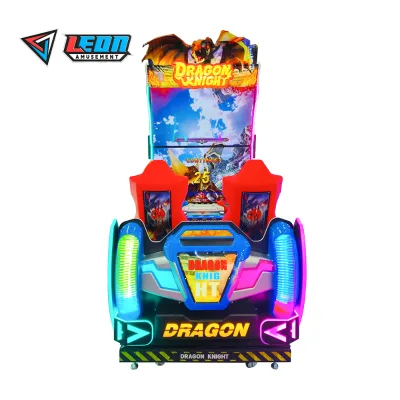
New Arrivals Coin Operated 2 Players Laser Gun Shooting Arcade Type Game Machine
$6600.00 - $7260.00
MOQ: 1 units
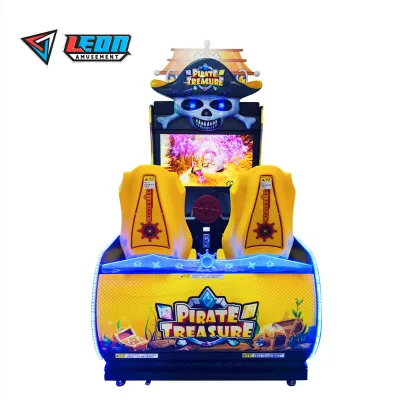
$5560.00 - $6350.00
MOQ: 1 units
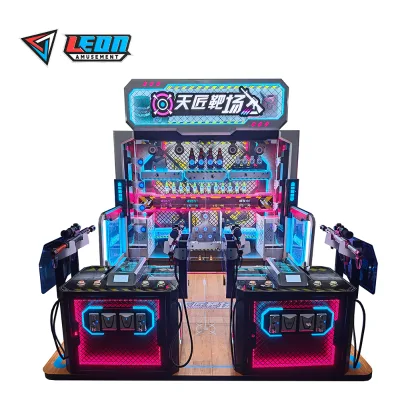
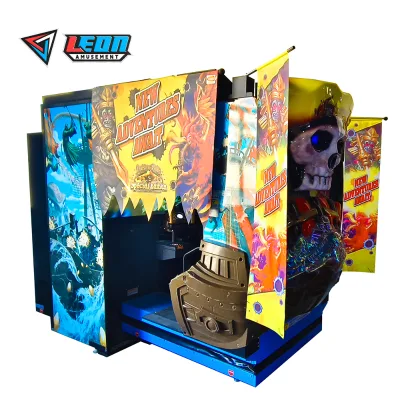
Hot Sale Coin-Operated Infrared Shooting Simulator Arcades for Game Room Arcade Machines for Sale
$7470.00 - $8530.00
MOQ: 1 units
Guangzhou Zhibao Amusement Co., Ltd.
- Verified by TüVRheinland
- Manufacturer, Trading Company
- Lead time30 days
- Avg. response≤ 2h
Main productsCarousel, Bumper Car, Indoor/Outdoor Fitness Bicycles, Coin-operated Game Machine, Box Machine
Main marketsDomestic Market(60%), North America(10%), Southeast Asia(10%)

Guangzhou Ama Amusement Equipment Co, . Ltd
- Verified by SGS
- Combined
- China Guangdong
- Lead time30 days
- Avg. response≤ 5h
Main productsCoin Operated Game Meachine, Toy Crane Machine, Swing Machine, Kiddie Ride, Cotton Candy Machine, Kiddy Ride, Amusement Game, Prize Game, Soft Play, Arcade Game Machine
Main marketsSouth America,Africa,Southeast Asia/ Mideast,East Asia(Japan/ South Korea),Europe,Australia,North America

China Manufacturer 2 Players Arcade Gun Shooting Simulator Game Machine
$2000.00 - $2800.00
MOQ: 1 piece

$1900.00 - $2600.00
MOQ: 1 SET

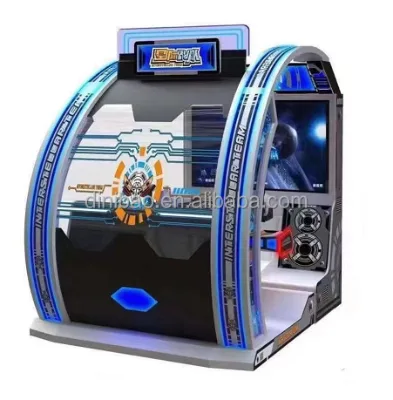
Gun Laser Shooting Game Arcade Machine 2player Coin-Operated Interstellar War Video Game
$7000.00 - $7800.00
MOQ: 1 Sets

4-Player Laser Shooting Video Gaming Amusement Park Arcade Coin Operated Game Machine
$5300.00 - $5800.00
MOQ: 1 Sets

$6800.00 - $7200.00
MOQ: 1 SET

Arcade Game Center Simulation Shooting 55inch Full Dynamic 2 Player Tank Shooting Game Machine
$8200.00 - $8800.00
MOQ: 1 piece

Liangjia Sports Technology (Guangzhou) Co., Ltd.
- Verified by SGS
- Combined
- China Guangdong
- Lead time15 days
- Avg. response≤ 3h
Main productsAr Sports Equipment, Sport Simulator
Main marketsDomestic

$2280.00 - $2580.00
MOQ: 1 Pieces


Amusement Park Indoor Playground Red Laser Shooting Arcade Game Machine
$9000.00 - $9800.00
MOQ: 1 Pieces

$2280.00 - $2580.00
MOQ: 1 Pieces

Arcade Game Machine Laser Gun Coin Operated Shooting Redemption Indoor Amusement Machine
$3100.00 - $3300.00
MOQ: 1 Sets

Guangzhou Mei Yi Lian Anime Technology Co., Ltd.
- Verified by CTI
- Combined
- China Guangdong
- Lead time23 days
- Avg. response≤ 4h
Main productsgame machine
Main marketsEast Asia(Japan/ South Korea),Domestic,Europe,North America

$12942.00 - $14706.00
MOQ: 1 Sets

$12942.00 - $14706.00
MOQ: 1 Sets

$12942.00 - $14706.00
MOQ: 1 Sets

$12942.00 - $14706.00
MOQ: 1 Sets

$12942.00 - $14706.00
MOQ: 1 Sets

$12942.00 - $14706.00
MOQ: 1 Sets
Guangzhou Colorful Sky game machines Co.,Ltd
- Verified by SGS Group
- Manufacturer, Trading Company
- Lead time20 days
- Avg. response≤ 2h
Main productsClaw Machine, Clip Machine, Gacha machine, Kids Game Machine, Arcade Game Machine
Main marketsDomestic Market(35%), North America(10%), Southeast Asia(10%)
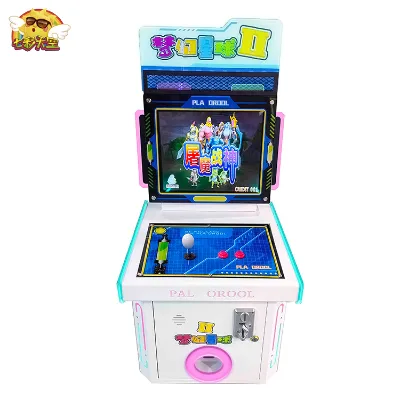
$287.2639 - $293.5312
MOQ: 1 units
Guangzhou Jin Xi Animation Technology Co., Ltd
- Verified by Intertek
- Manufacturer, Trading Company
- Guangdong, China
- Lead time7 days
- Avg. response≤ 2h
Main productsArcade Gifts Machines, Simulation Game Machine, Interactive Game Equipment, VR Game Machine, Kids Game Machine
Main marketsNorth America(50%), South America(20%), Southeast Asia(12%)
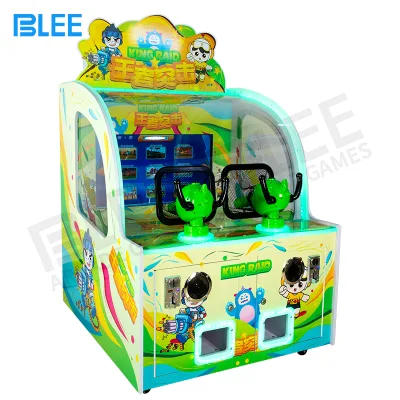
$615.00 - $703.00
MOQ: 1 pieces
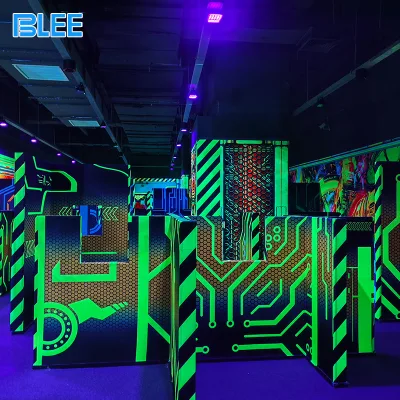
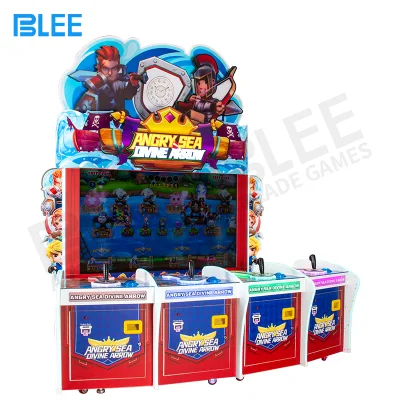
Coin Operated Children Handlebar Control Shooting Machine Lottery Arcade Archery Arcade Video Game
$4276.3922 - $4845.8248
MOQ: 1 pieces
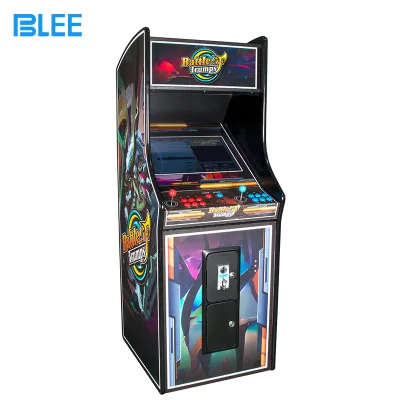
$273.596 - $324.2187
MOQ: 10 pieces
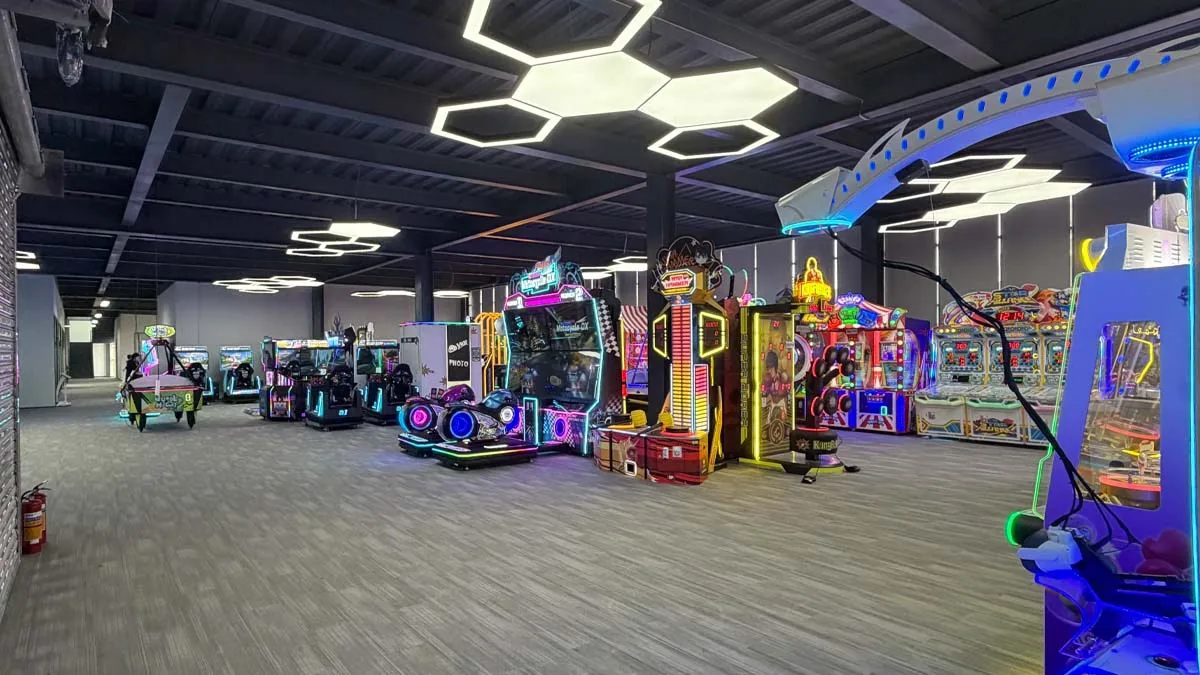
GUANGZHOU YUTO AMUSEMENT TECHNOLOGY CO., LTD
- Manufacturer, Trading Company
- Guangdong, China
- Lead time7 days
- Avg. response≤ 9h
Main productsRedemption Game Machine,Coin Operated Game Machine,Video Game Machine,Arcade,Amusement Park Rides
Main marketsNorth America(30.00%), Eastern Europe(24.00%), Southeast Asia(20.00%), Africa(8.00%), Mid East(8.00%), Western Europe(5.00%), South America(5.00%)
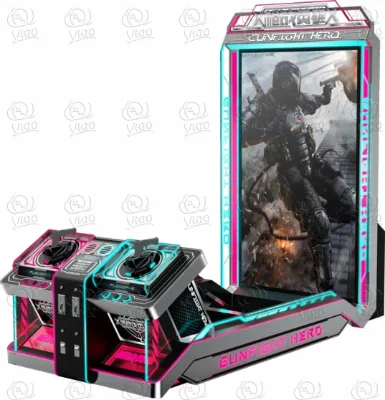
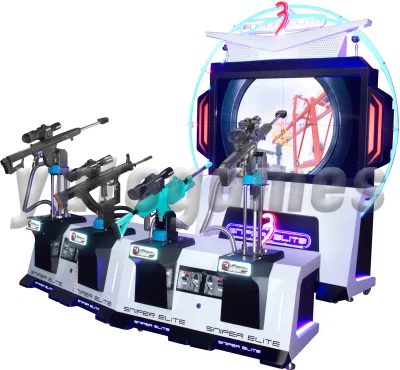
Most Popular AR Arcade Game MachineLight Gun Arcade Game Machine|Sniper Arcade Games
$17800.00 - $18000.00
MOQ: 1
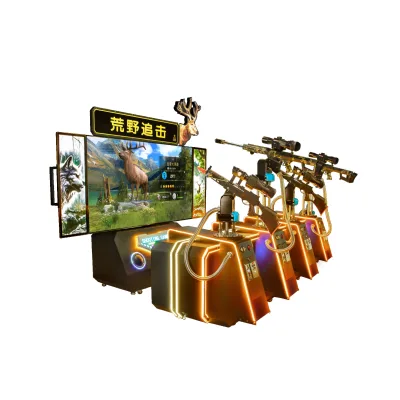
Most Popular 65"OCEAN WARRIORS-NAKED EYE 3D Gun Arcade Game Machine|Sniper Arcade Games
$15000.00 - $15400.00
MOQ: 1
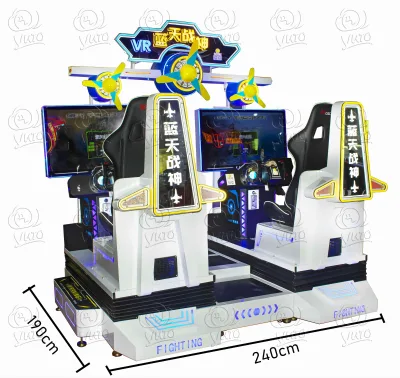

Guangzhou Shanghaojia Electronic Technology Co., Ltd
- Verified by TUVRHEINLAND
- Trading Company,Manufacturer/Factory,Group Corporation,Other
- China Guangdong
- Lead time23 days
- Avg. response≤ 1h
Main productsDoll Machine, Lottery Machine, Amusement Machine, Parent-Child Interactive Game Console, Basketball Machine, Video Game Console, Electronic Arcade, Amusement Equipment, Claw Machine, Pizza Vending Machine
Main marketsSouth America,Eastern Europe,Mid East,North America,Southeast Asia,Eastern Asia,Oceania,Western Europe,Africa
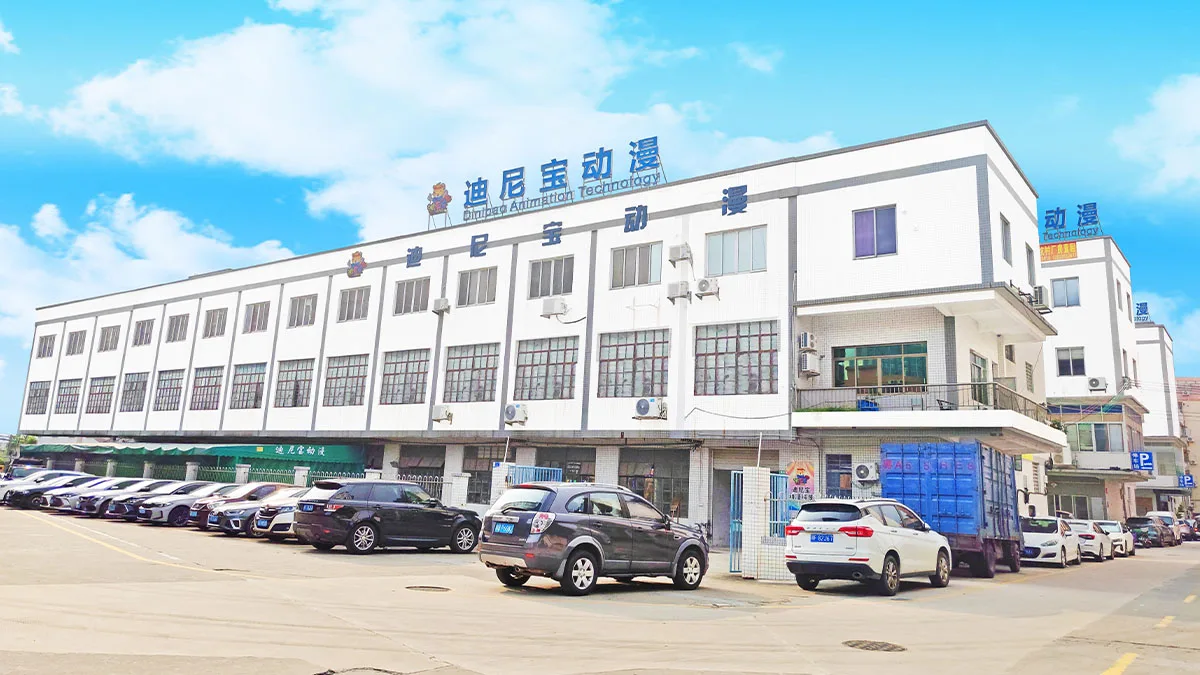
Guangzhou Dinibao Animation Technology Co., Ltd.
- Manufacturer
- Guangdong, China
- Lead time10 days
- Avg. response≤ 2h
Main productssimulator shooting game machine,simulator racing game machine,redemption game machine,basketball game machine,toy crane game machine
Main marketsSouth Asia(15.00%), Eastern Asia(14.00%), Mid East(12.00%), Africa(10.00%), Southeast Asia(8.00%), Domestic Market(6.00%), Southern Europe(5.00%), North America(5.00%), Eastern Europe(5.00%), Central America(4.00%), Western Europe(3.00%), Northern Europe(3.00%), Oceania(2.00%), South America(2.00%)
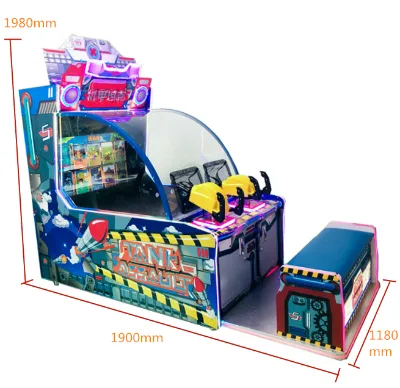
$2379.3612 - $2586.2622
MOQ: 1 pieces
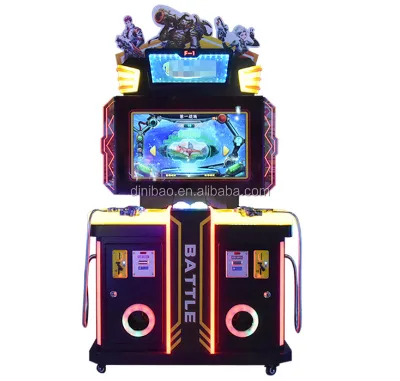
$1026.9949 - $1348.5783
MOQ: 1 pieces
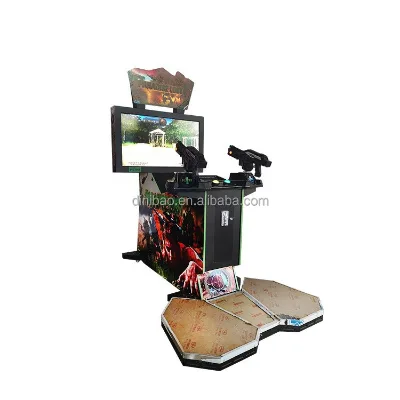
Best Sale Indoor Shooting Arcade Machines Arcade LCD Shooting Game Machine
$2255.6622 - $2460.7224
MOQ: 1 pieces
$4716.3846 - $4921.4448
MOQ: 1 pieces
$7883.9156 - $8094.1533
MOQ: 1 pieces

- Verified by TUVRHEINLAND
- Combined
- China Guangdong
- Lead time30 days
- Avg. response≤ 2h
Main productsVr Game Simulator, Naked-Eye 3D Flying Cinema, Vr Simulator, Dome Flying Cinema, Vr Equipment/Machine, Cinema/ Theater Equipment, Vr Game Machine, 5D/12D Theater System, Arcade Game Machine, 5D/7D/9d/12D Cinema
Main marketsOthers(foreignTradeCapacity.exportBusinessCapacityMarketOther),Europe,North America


Multiplayer Shooting Range Arcade Game Machine Shooting Game Amusement Machine
$7800.00 - $8200.00
MOQ: 1 Pieces

Interesting Hunting Game Machine 3D Shooting Game Simulator Arcade Game Machine
$18000.00 - $21000.00
MOQ: 1 Pieces

Guangzhou Funspace Technology Co., Ltd.
- Verified by SGS
- Combined
- China Guangdong
- Lead time30 days
- Avg. response≤ 8h
Main productsArcade Game Machine, Boxing Game Machine, Virtual Reality, Video Game, Gaming, Game Machine, Claw Machine, Arcade Machine, Coin Operated Kiddie Ride, Photo Booth
Main marketsSouth America,Africa,Southeast Asia/ Mideast,East Asia(Japan/ South Korea),Europe,Australia,North America

The Arcade Shooting Equipment with Simulated Laser Guns and Durable Targets
$2500.00 - $2650.00
MOQ: 1 pieces

Funspace Manufacturer Arcade Game Amusement Machine Shooting Game Machine
$2990.00 - $3300.00
MOQ: 1 sets

$15700.00 - $16300.00
MOQ: 1 pieces
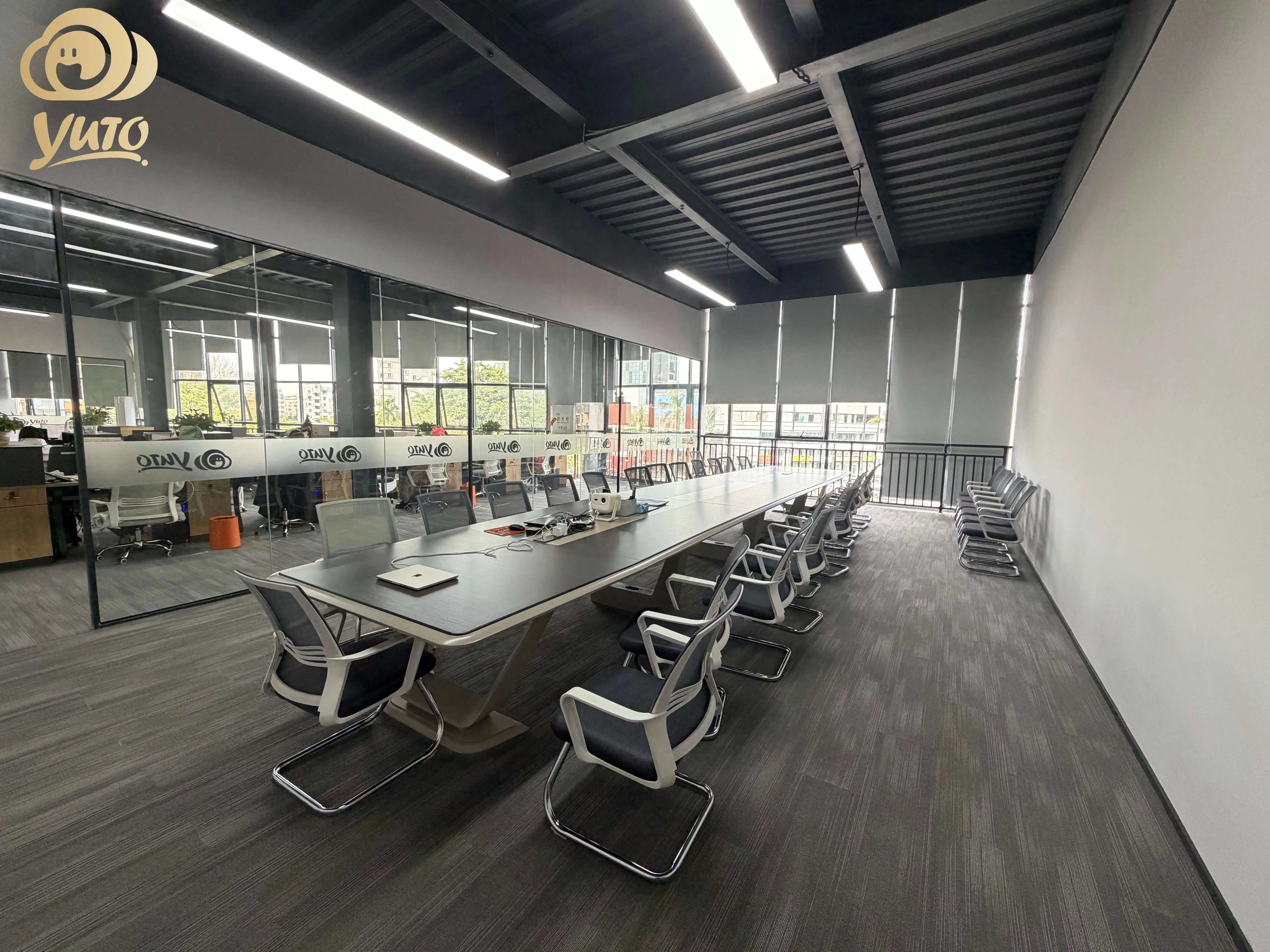
Yuto (Guangzhou) Amusement Equipment Co., Ltd.
- Trading Company
- Guangdong, China
- Lead time0 days
- Avg. response≤ 9h
Main productsCarousels,Shooting Arcade Games,Coin Operated Arcade Games,Prize Vending Machine,Virtual Reality Games
Main marketsWestern Europe(18.00%), Northern Europe(18.00%), Mid East(18.00%), Southern Europe(9.00%), North America(8.00%), South Asia(5.00%), Africa(5.00%), Eastern Europe(5.00%), South America(4.00%), Southeast Asia(3.00%), Central America(3.00%), Eastern Asia(2.00%), Oceania(2.00%)
Guangzhou Waimar Animation Technology Co., Ltd.
- Verified by SGS Group
- Manufacturer, Trading Company
- Lead time7 days
- Avg. response≤ 2h
Main productsBumper Car, Coin-operated Game Consoles
Main marketsNorth America(50%), Southeast Asia(40%), Eastern Europe(10%)
Guangzhou Funpark animation equipment co,LTD
- Verified by SGS Group
- Manufacturer
- Lead time0 days
- Avg. response≤ 2h
Main productsCoin Operated Machine, Claw Machine, Vending Machine
Main marketsNorth America(50%), Eastern Asia(10%), Western Europe(10%)
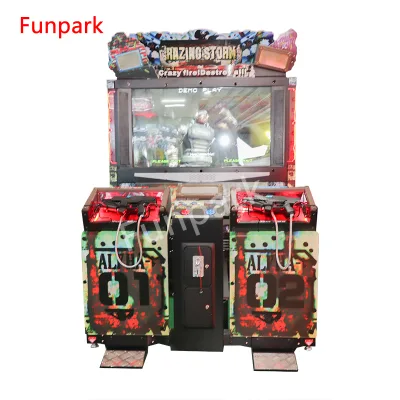
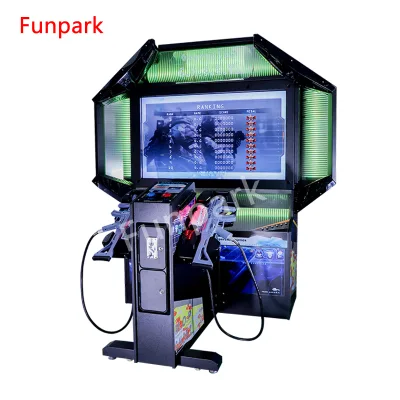
Arcade Simulator Indoor Electronic Shooting Game Two-player Shooting Arcade
$1888.60 - $2301.30
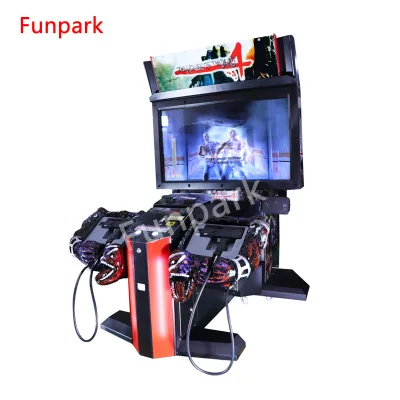
55" Ghost Arcade Simulator Gun Shooting Video Game Machine
$3688.00 - $4253.90

Guangzhou Colorful Park Animation Technology Co., Ltd
- Verified by SGS
- Combined
- China Guangdong
- Lead time15 days
- Avg. response≤ 9h
Main productsGame Machine, Video Game, Arcade Game Machines, Vending Machine, Car Racing Game Machine, 5D 7D 9d Cinema, Key Master Machine, Claw Crane Machine, Kiddle Ride, Amusement Machine
Main marketsAfrica,Southeast Asia/ Mideast,Europe,North America


$211.00 - $300.00
MOQ: 1 Pieces
Guangzhou Chuangyi Network Media Co., Ltd.
- Trading Company
- Guangdong, China
- Lead time5 days
- Avg. response≤ 2h
Main productsInteractive Projector, AR Products, All-In-One Projector Interactive Machine, Interactive Floor Projector, 3D 5D 7D Motion Cinema
Main marketsNorth America(30.00%), Mid East(20.00%), Southeast Asia(20.00%), South America(5.00%), Western Europe(5.00%), Southern Europe(5.00%), Central America(5.00%), Northern Europe(5.00%), Eastern Europe(5.00%)
$4950.00 - $5000.00
MOQ: 1 Minimum
Guangzhou Ama Amusement Equipment Co., Ltd.
- Manufacturer, Trading Company
- Guangdong, China
- Lead time10 days
- Avg. response≤ 4h
Main productsPrize Machine,Arcade Machine,Redemption Game Machine,VR Games,Soft Playground
Main marketsSouthern Europe(30.00%), North America(25.00%), Eastern Europe(10.00%), Eastern Asia(5.00%), South America(5.00%), Mid East(5.00%), Africa(5.00%), Southeast Asia(5.00%), Western Europe(3.00%), Domestic Market(2.00%), Northern Europe(2.00%), South Asia(1.00%), Oceania(1.00%), Central America(1.00%)




Comprehensive Sourcing Guide
Laser Shooting Arcade Machine with Multi Players Supplier Concentration and Factory Types
The current supplier landscape for laser shooting arcade machines with multi players reveals a distinct concentration of manufacturing activity within specific industrial regions. Evidence indicates that a significant portion of these suppliers are located in Guangdong, China, a region widely recognized for its robust electronics and amusement equipment supply chains. This geographic clustering suggests that buyers seeking these specific machines will likely encounter vendors operating from this primary hub. The presence of suppliers in this area often correlates with established infrastructure for hardware production, including the sourcing of acrylics, metal frames, and electronic components necessary for complex arcade units. When evaluating potential partners, it is crucial to recognize that location data provided in search results serves as a primary indicator of supply chain proximity. Buyers should verify if the supplier’s stated location matches their actual factory operations, as trading companies may list warehouse addresses rather than production sites. Understanding this geographic concentration helps in estimating shipping logistics and potential lead times, as goods originating from Guangdong often benefit from efficient port access and established export channels. However, buyers must not assume that all suppliers in this region operate under identical standards or capabilities. The density of suppliers in this area also implies a competitive market, which can drive innovation in product features such as screen size, player capacity, and customization options. Yet, this competition also necessitates rigorous due diligence to distinguish between genuine manufacturers and intermediaries who may add layers of cost and communication complexity to the procurement process.
Supplier types in this category vary significantly, ranging from pure manufacturers to trading companies and combined entities. The observed data shows that some suppliers identify primarily as manufacturers, implying direct control over the production line, assembly processes, and quality control measures. These entities typically offer greater flexibility for customization, allowing buyers to modify hardware specifications, software interfaces, or aesthetic designs to suit specific arcade center requirements. In contrast, trading companies may offer a broader portfolio of existing stock, potentially reducing lead times for standard models but offering less flexibility for bespoke modifications. Some suppliers are classified as combined, indicating they may engage in both manufacturing and trading activities, which can blur the lines of accountability and service quality. This hybrid model might provide the benefits of direct production access while maintaining the logistical flexibility of a trading arm. Buyers must carefully assess the company type to align with their specific operational needs. For instance, a buyer requiring a highly customized, large-scale installation for a theme park might prioritize a manufacturer with proven engineering capabilities, whereas a buyer looking for quick replenishment of standard units might prefer a trading company with ready inventory. The distinction is critical because it impacts not only the price structure but also the after-sales support and warranty enforcement. Manufacturers often have direct access to technical teams for troubleshooting, while trading companies may rely on third-party support channels. Therefore, understanding the supplier’s structural role in the supply chain is a foundational step in selecting the right partner for laser shooting arcade machine procurement.
How to Verify Laser Shooting Arcade Machine with Multi Players Suppliers
Verification of suppliers is a critical step in mitigating risk when sourcing complex electronic amusement equipment. One of the primary indicators of supplier credibility is third-party verification status. In the current market, some suppliers display verification badges from recognized inspection bodies such as TüVRheinland or SGS. These verifications often involve on-site audits of the factory’s production capabilities, quality management systems, and business legitimacy. A supplier with a TüVRheinland verification, for example, has likely undergone a rigorous assessment of their operational standards, providing a higher degree of confidence in their ability to deliver consistent quality. Similarly, SGS verification indicates that the supplier has met specific international standards for business practices and product safety. Buyers should prioritize suppliers who hold these verifications, as they represent an independent validation of the supplier’s claims. However, the absence of such badges does not necessarily indicate a lack of quality; it may simply mean the supplier has not pursued that specific certification. In such cases, buyers should request alternative forms of proof, such as recent factory audit reports or video tours of the production facility. It is also important to note that verification status can change, so buyers should check the currency of the verification badge before finalizing any agreements. Relying solely on self-reported information without independent verification exposes buyers to significant risks, including potential fraud or substandard product delivery.
Beyond third-party verification, buyers should assess the supplier’s response time and communication efficiency as indicators of their operational maturity. Data shows that some suppliers have a response time of approximately two hours, while others may take slightly longer, around two and a half hours. A rapid response time often reflects a well-organized sales and technical support team, which is essential for resolving issues quickly during the procurement and installation phases. Suppliers who respond promptly to inquiries are more likely to be attentive to customer needs and capable of handling complex technical questions regarding machine specifications, software updates, or maintenance requirements. Buyers should test the supplier’s responsiveness by asking detailed technical questions before committing to an order. This initial interaction can reveal the depth of the supplier’s technical knowledge and their willingness to engage in a collaborative partnership. Additionally, buyers should inquire about the supplier’s after-sales service structure. Some suppliers offer 24/7 online support, which is crucial for arcade operators who need immediate assistance to minimize downtime. Understanding the scope and availability of after-sales support is as important as verifying the supplier’s initial credentials. Buyers should also check for any certifications related to product safety, such as CE marks, which indicate compliance with European health, safety, and environmental protection standards. While not all suppliers may display these certifications prominently, requesting proof of compliance is a standard and necessary step in the verification process.
What to Compare Across Laser Shooting Arcade Machine with Multi Players Suppliers
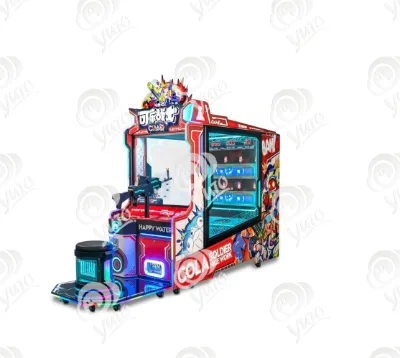
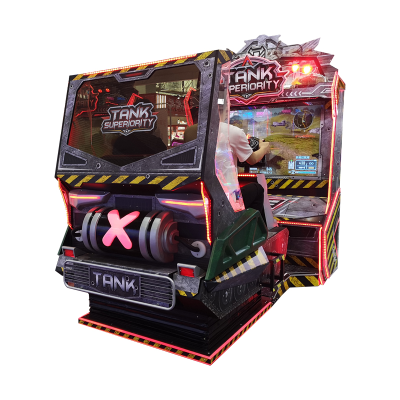
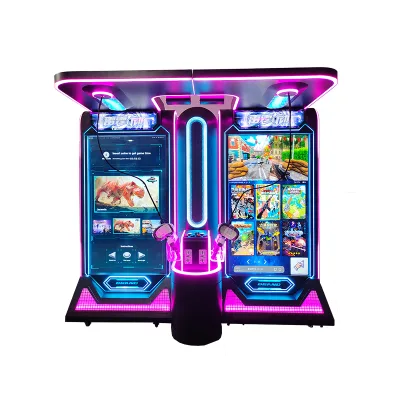
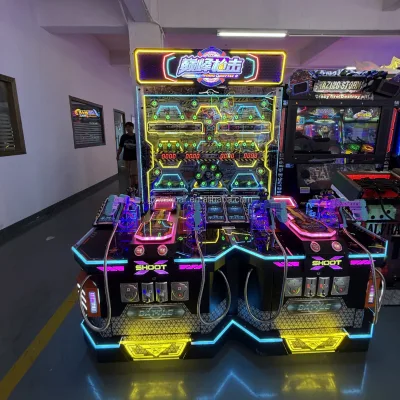
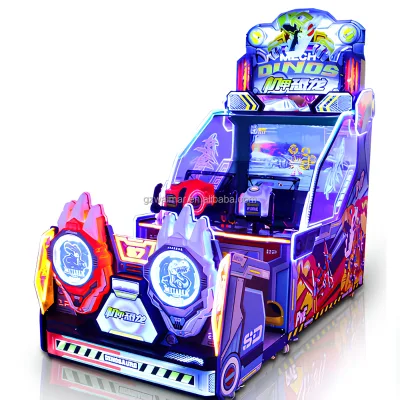
When evaluating multiple suppliers for laser shooting arcade machines with multi players, buyers must compare a range of technical and commercial attributes to ensure the selected machine meets their operational requirements. One of the key differentiators is the number of players supported by the machine. Products in this category vary from two-player configurations to four-player setups, each offering different levels of social interaction and revenue potential for arcade centers. Buyers should carefully review the player capacity specifications to ensure they align with their target audience and space constraints. For instance, a four-player machine may require more floor space and higher power consumption but can attract larger groups and generate higher coin revenue. Additionally, the screen size and resolution are critical factors, with some machines featuring dual 49-inch screens or single 42-inch displays. The choice of screen technology impacts the visual experience and the durability of the unit, especially in high-traffic environments. Buyers should also compare the material composition of the machines, noting that some units use hardware and acrylic combinations, while others may incorporate blister materials or other structural components. The choice of materials affects the machine’s longevity, maintenance requirements, and aesthetic appeal. Furthermore, the power consumption of the machines varies significantly, ranging from 750W to 6KW, which has implications for the electrical infrastructure required at the installation site. Buyers must ensure that their venue’s power supply can support the selected machines to avoid operational disruptions.
In addition to technical specifications, buyers should compare the customization options and minimum order quantities (MOQ) offered by different suppliers. Some suppliers offer extensive customization services, allowing buyers to tailor the machine’s color, software language, and branding to their specific needs. This level of customization is particularly valuable for large-scale operators who want to create a unique brand identity. However, customization often comes with higher MOQs, such as five units or more, which can increase the initial investment and inventory risk. Buyers with smaller budgets or limited space may prefer suppliers with lower MOQs, such as one unit, which allows for easier testing and deployment. The lead time for production is another critical factor, with some suppliers indicating a lead time of around twenty days. This timeline can vary based on the complexity of the order and the supplier’s current production load. Buyers should also compare the warranty terms offered by different suppliers, as a one-year warranty is a common standard but may vary in coverage and service quality. Additionally, the price range for these machines can fluctuate based on specifications and customization levels, with some units priced between $4,000 and $6,000. Buyers should request detailed quotations that break down the costs of hardware, software, shipping, and any additional services to ensure transparency and avoid hidden fees. Comparing these commercial terms alongside technical specifications allows buyers to make a well-informed decision that balances cost, quality, and operational needs.
Common Laser Shooting Arcade Machine with Multi Players Sourcing Risks
Sourcing laser shooting arcade machines with multi players involves several inherent risks that buyers must proactively manage to ensure a successful procurement outcome. One significant risk is the discrepancy between the supplier’s claimed capabilities and their actual production capacity. Some suppliers may overstate their manufacturing abilities or underestimate the complexity of customization requests, leading to delays or substandard products. This risk is particularly acute when dealing with trading companies that may not have direct control over the production process. Buyers should mitigate this risk by conducting thorough due diligence, including requesting detailed production schedules and progress updates during the manufacturing phase. Additionally, the risk of receiving machines that do not meet the specified technical requirements is high if the buyer does not provide clear and comprehensive specifications. Ambiguities in requirements regarding screen size, player count, or software features can lead to misunderstandings and final products that fail to meet the buyer’s expectations. To address this, buyers should invest time in creating detailed technical briefs and obtaining written confirmation from the supplier that all specifications will be met. Another risk is the potential for logistical damage during shipping, given the large size and weight of these machines. Some units can weigh over 650 kilograms and have substantial package dimensions, increasing the likelihood of damage during transit. Buyers should ensure that the supplier uses robust packaging methods and that the shipping contract includes adequate insurance coverage. It is also advisable to inspect the machines thoroughly upon arrival to identify any damage before signing the delivery receipt.
Another common risk is the lack of adequate after-sales support, which can lead to prolonged downtime and increased maintenance costs. Arcade machines are complex electronic devices that require regular maintenance and occasional repairs. If the supplier does not provide reliable technical support or spare parts, the buyer may face significant operational challenges. Some suppliers offer 24/7 online service, which is a positive indicator, but buyers should verify the effectiveness of this support by asking about response protocols and resolution times. Additionally, there is a risk associated with software compatibility and updates. Arcade games often require regular updates to remain engaging for players, and suppliers must provide ongoing software support. Buyers should inquire about the supplier’s software update policy and whether they charge additional fees for new content or technical patches. Furthermore, the risk of non-compliance with local safety and electrical standards is a critical concern, especially for international buyers. Machines manufactured in one region may not automatically comply with the regulations of the buyer’s country. Buyers must ensure that the supplier provides the necessary certifications, such as CE marks, and that the machines are configured with the correct plug types and voltage settings for the destination market. Failure to address these compliance issues can result in legal liabilities and the inability to operate the machines legally. By anticipating and planning for these risks, buyers can establish safeguards that protect their investment and ensure the long-term success of their arcade operations.
Laser Shooting Arcade Machine with Multi Players Regional Sourcing and Logistics
Regional sourcing plays a pivotal role in determining the overall cost and efficiency of procuring laser shooting arcade machines with multi players. The concentration of suppliers in Guangdong, China, offers buyers access to a mature supply chain with competitive pricing and a wide variety of product options. However, this geographic concentration also means that buyers must carefully manage logistics to ensure timely delivery and cost-effective shipping. Shipping large and heavy arcade machines requires specialized freight solutions, such as sea freight
FAQs
What is the price range for laser shooting arcade machines?
Prices for these machines typically range from approximately $4,042 to $5,987 per unit. The final cost depends on specific configurations, player capacity, and customization options. Buyers should verify exact quotes based on their required screen size and hardware materials.
What is the minimum order quantity for these machines?
The minimum order quantity varies by supplier, with some accepting single units while others require a minimum of five. Buyers should check specific listings to confirm the MOQ. This flexibility allows for both small-scale testing and larger commercial installations.
How long does production take for these arcade games?
Standard lead times for manufacturing these machines are around 20 days. This duration covers sample processing, graphic processing, and customized production on demand. Buyers should confirm specific timelines with suppliers to ensure timely delivery for their amusement center openings.
Are these machines suitable for commercial arcade centers?
Yes, these machines are explicitly designed for arcade game centers, indoor commercial amusement parks, and theme parks. They feature durable hardware and acrylic materials to withstand high-traffic usage. Many models support multiple players, making them ideal for entertainment venues.
What certifications do these arcade machines have?
Many suppliers provide CE certification for their arcade machines, ensuring compliance with European safety standards. Some listings also mention SGS verification for company reliability. Buyers should request specific certificate documents to verify compliance with local regulations before placing orders.
Can these machines be customized for specific brands?
Yes, many manufacturers offer customized services, including OEM branding and color options. Buyers can request specific graphics, logos, and hardware configurations. Customization allows businesses to align the machines with their brand identity and unique operational requirements.