LCD Display Hair Curling Iron Suppliers and Manufacturers
Explore 29 verified suppliers offering LCD Display Hair Curling Iron with ISO 9001 and CE certifications. Compare response times, lead times, and pricing to find the right partner. Contact suppliers directly to request samples; review the available evidence before requesting comparable quotations from suitable candidates.
Updated
Suppliers List
Dongguan Shengming Industrial Co., Ltd.
- Verified by Intertek
- Manufacturer, Trading Company
- Lead time7 days
- Avg. response≤ 2h
Main productsHot Air Brush, Hair Straightener, Hair Curler, Hair Dryer, Hair Clippers
Main marketsNorth America(45%), Domestic Market(21%), Western Europe(12%)
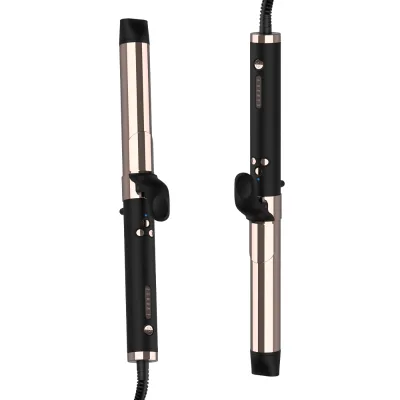
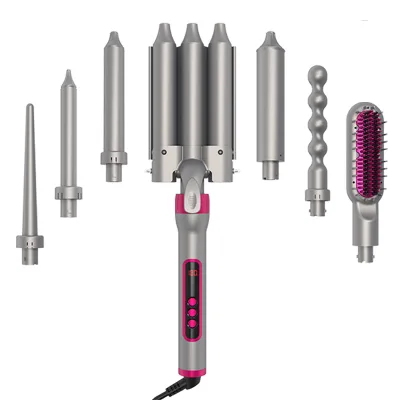
$16.0723 - $19.472
MOQ: 500 pieces

Dongguan Bidisco Electric CO., LTD
- Verified by CTI
- Combined
- China Guangdong
- Lead time38 days
- Avg. response≤ 3h
Main productsHair Straightener, Hair Curler, Curling Iron, Mini Hair Straightener, Professional Curling Iron, Salon Eqipment, Curlers, Ceramic Straightener, Hair Curling Machine, Curling Tong
Main marketsEast Asia(Japan/ South Korea),Europe,North America


Cooling Air Steam Hair Curling Iron Professional Quick Hair Styling Tools
$14.32 - $15.36
MOQ: 500 Pieces
- Manufacturer, Trading Company
- Guangdong, China
- Lead time25 days
- Avg. response≤ 3h
Main productsHair Straightener, Hair Dryer, Hair Curlers, Hot Air Hair Dryer Brush, Hair Removal
Main marketsNorth America(30.00%), Mid East(25.00%), South Asia(10.00%), South America(10.00%), Eastern Europe(8.00%), Western Europe(5.00%), Oceania(4.00%), Northern Europe(4.00%), Africa(4.00%)

Changsha Fusheng Electronic Technology Co., Ltd.
- Trading Company
- China Hunan
- Lead time15 days
- Avg. response≤ 2h
Main productsElectronic Product
Main marketsSoutheast Asia/ Mideast,Europe,North America


$8.90 - $12.90
MOQ: 20 Pieces

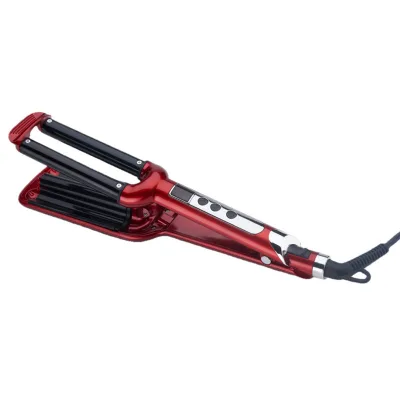
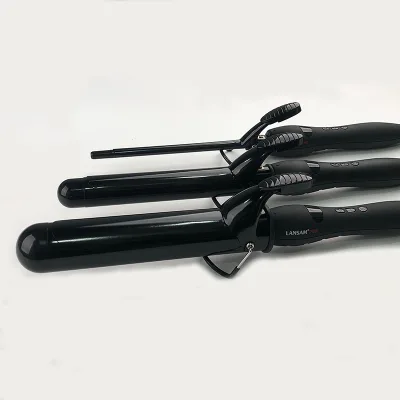
LCD Professional Ceramic Body Three Barrel Style Curling Iron Electric Wave Hair Curler
$9.40 - $12.90
MOQ: 20 Pieces

$12.50 - $18.90
MOQ: 20 Pieces


$10.90 - $14.90
MOQ: 10 Pieces
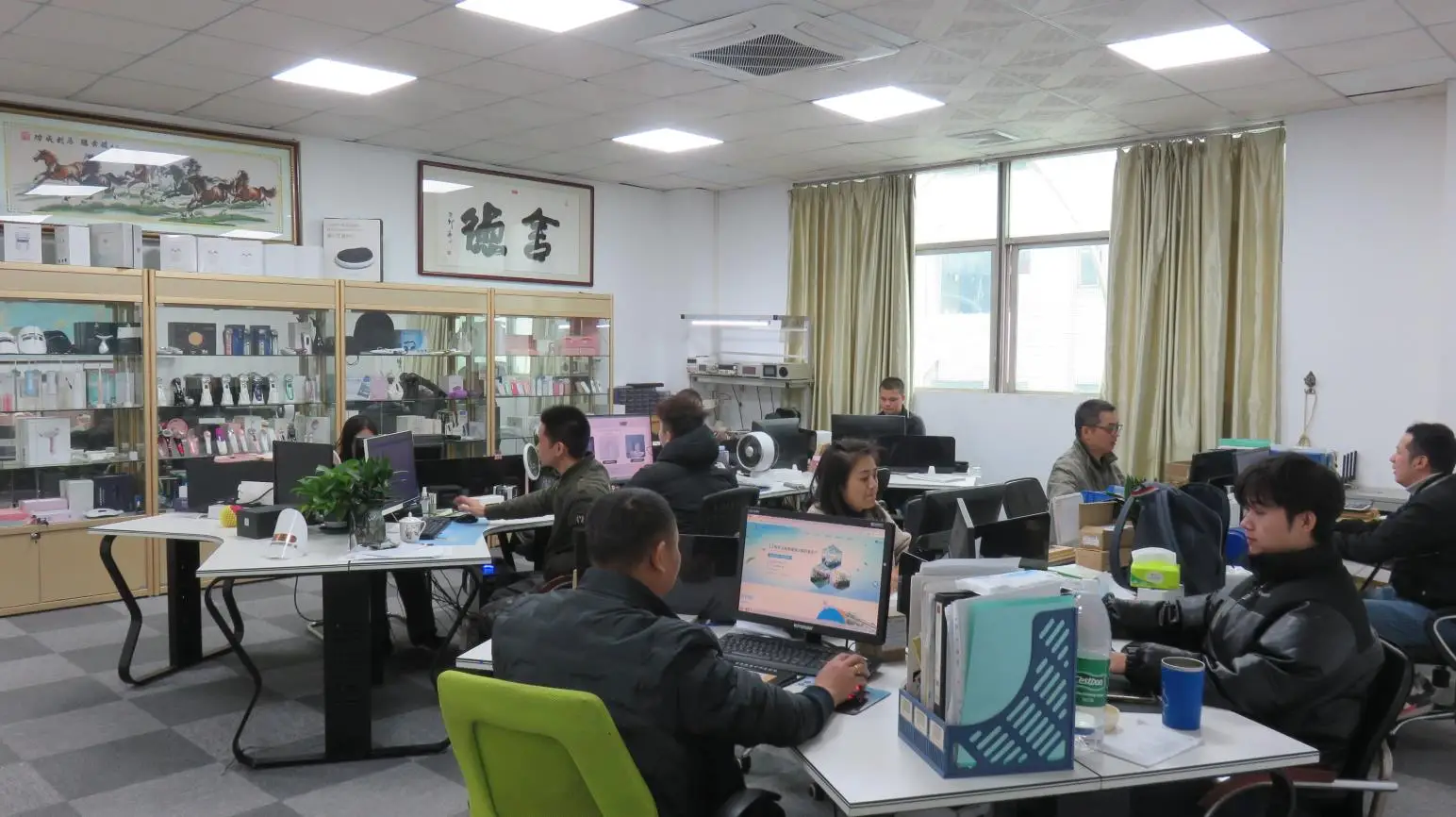
Shandong Chengchang Health Technology Co., Ltd.
- Trading Company
- Shandong, China
- Lead time15 days
- Avg. response≤ 4h
Main productsBeauty equipment,Massager,A protector,medical equipment,Health care equipment
Main marketsSoutheast Asia(20.00%), Domestic Market(15.00%), Mid East(10.00%), South America(5.00%), South Asia(5.00%), Southern Europe(5.00%), Northern Europe(5.00%), Central America(5.00%), Western Europe(5.00%), Eastern Asia(5.00%), Eastern Europe(5.00%), Oceania(5.00%), Africa(5.00%), North America(5.00%)
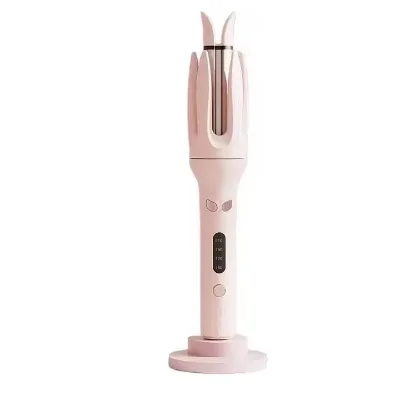
Cheap Factory Price LCD Screen Curling Iron Large Curling Iron Non-damaging Electric Curling Iron
$4.90 - $6.90
MOQ: 2 pieces
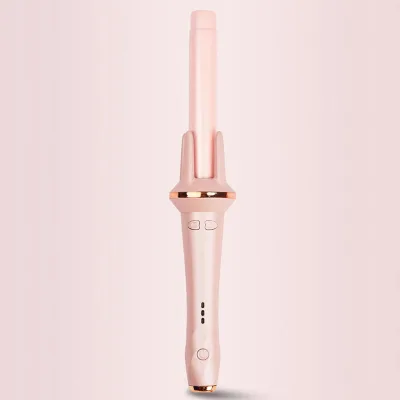
Portable Curling Iron Hair Styling Heater Bubble-shaped Curling Iron Gold-plated Curling Iron
$5.20 - $6.90
MOQ: 2 pieces

$4.0128 - $4.9392
MOQ: 2 pieces
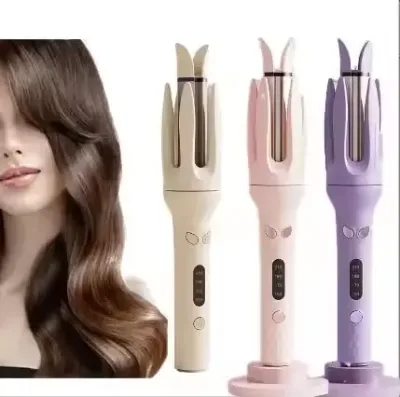
The Portable Electric Curling Iron with Automatic Rotation Technology Creates a Beautiful Hairstyle
$4.90 - $6.90
MOQ: 2 pieces
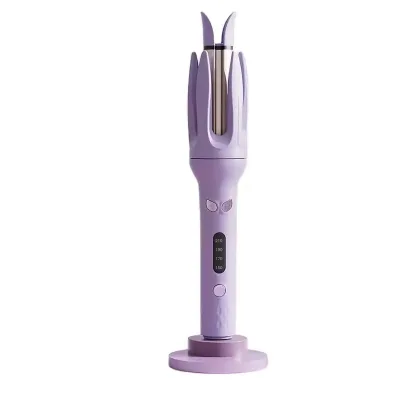
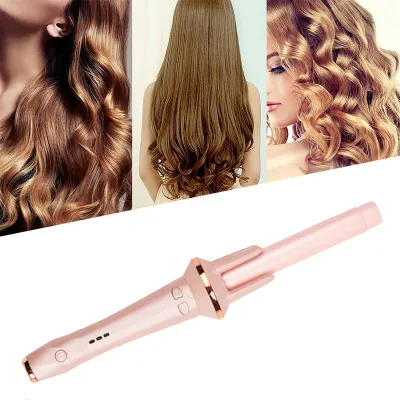
Fully Automatic Curling Iron for Creating Big Waves and Large Curls with Negative Ions
$5.20 - $6.90
MOQ: 2 pieces

Wenzhou Boyo Electric Appliance Co., Ltd.
- Verified by BV
- Manufacturer/Factory
- China Zhejiang
- Lead time45 days
- Avg. response≤ 15h
Main productsHair Straightener, Hair Curler, Men's Shaver, Lady Epilator/Rozar, Callus Remover, Hair Dryer, Hair Clipper/Trimmer, Facial Cleansing Brush, Hot Air Brush, Oil Diffuser
Main marketsSouth America,Eastern Europe,Mid East,North America,Southeast Asia,Eastern Asia,Oceania,Western Europe,Africa
Changzhou Hoprio E-Commerce Co., Ltd.
- Manufacturer, Trading Company
- Lead time旺季: "1 - 100":10,"> 100":"To be negotiated", 淡季: "1 - 100":10,"> 100":"To be negotiated"
- Avg. response≤ 2h
Main productshair dryer,brushless motor,power tools,controller,water pump
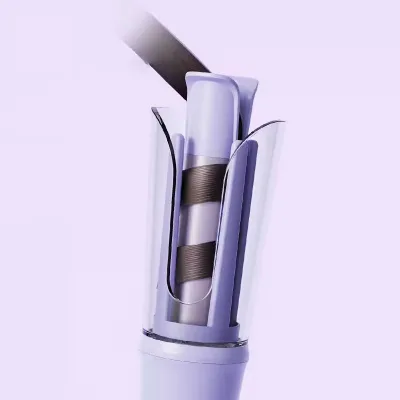
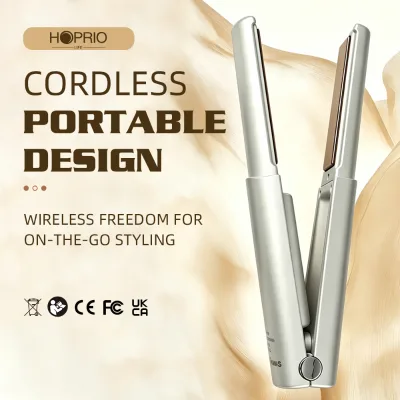
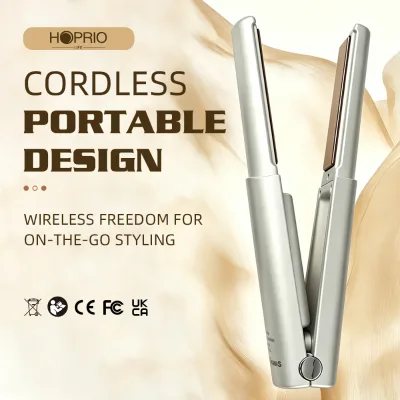
Automatic Ionic Hair Styling Iron Electric Mini Auto Rotating Curling Iron for Beauty
$10.30 - $13.00
MOQ: 1000

Guangzhou Xinyang Electric Appliance Co., Ltd.
- Verified by SGS
- Combined
- China Guangdong
- Lead time15 days
- Avg. response≤ 7h
Main productshair dryer
Main marketsDomestic

Salon-Quality Hair Straightener and Curling Iron with Dual Voltage, Titanium Hair Iron
$4.10 - $4.70
MOQ: 200 Pieces

Digital Hair Straightener and Curling Iron with Dual Voltage, Portable Flat Iron
$4.10 - $4.70
MOQ: 200 Pieces

Ionic Hair Straightener and Curling Iron with Dual Voltage, Travel-Friendly Flat Iron
$4.10 - $4.70
MOQ: 200 Pieces

Portable Hair Straightener and Curling Iron with Dual Voltage, Travel-Friendly Flat Iron
$4.10 - $4.70
MOQ: 200 Pieces

Professional Hair Straightener and Curling Iron with Dual Voltage, Portable Flat Iron
$4.10 - $4.70
MOQ: 200 Pieces

Salon-Quality Hair Curling Iron with High-Quality Styling Iron and Titanium Hair Curler
$6.10 - $6.70
MOQ: 200 Pieces

- Verified by BV
- Trading Company
- China Zhejiang
- Lead time30 days
- Avg. response≤ 7h
Main productsElectric Kettle, Massager, Hair Dryer, Heater, Electric Grill, Humidifier, Hair Straightener, Mixer, Beauty Instrument, Electronics
Main marketsAfrica,Southeast Asia/ Mideast,Europe,North America

Shanghai Prime Technology Co., Ltd.
- Verified by SGS
- Trading Company
- China Shanghai
- Lead time45 days
- Avg. response≤ 2h
Main productsCoffee Machine Bread Machine, Blender Food Processor Juicer, Air Fryer Hair Dryer Ect.
Main marketsSouth America,Eastern Europe,Mid East,North America,Southeast Asia,Eastern Asia,Oceania,Western Europe,Africa


Automatic Hair Curler 32mm Rotating Curling Iron with 4 Temperature Settings
$6.45 - $8.88
MOQ: 500 Pieces

Dongguan Bidisco Electric Co., Limited
- Verified by TüVRheinland
- Manufacturer, Trading Company
- Lead time20 days
- Avg. response≤ 2h
Main productsHair Straightener, Hair Curler, Hair Brush, Hair Dryer
Main marketsEastern Asia(40%), North America(20%), South America(6%)
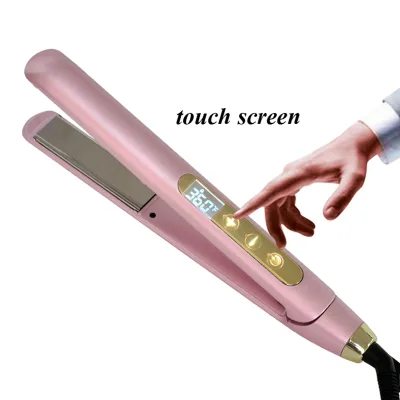
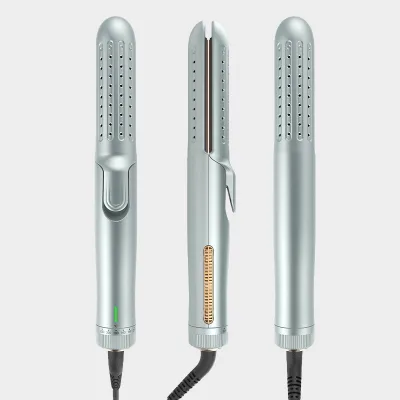
$12.68 - $13.28
MOQ: 1000 pieces
Shenzhen Xing Da Circuits Technology Co., Ltd.
- Verified by TüVRheinland
- Trading Company
- Lead time10 days
- Avg. response≤ 4h
Main productsStraightener, Hair Curler, Hair Dryer, Household Appliances, PCBA
Main marketsEastern Europe(20%), Western Europe(20%), Northern Europe(20%)

- Trading Company
- China Zhejiang
- Lead time30 days
- Avg. response≤ 14h
Main productsHome Appliance, Cookware Set, Thermos, Home Storage, Furniture, Pet Supplies, Garden Tools, Outdoor Supplies, Baby Supplies, Houesehold Items
Main marketsSouth America,Africa,Southeast Asia/ Mideast,East Asia(Japan/ South Korea),Domestic,Europe,Australia,North America

Multi-Functional Curling Iron, Ceramic Rotating Electric Curling Iron, Automatic Curling Iron
$10.34 - $11.34
MOQ: 1000 Pieces

Multi-Functional Curling Iron, Hot Air Comb, Hair Comb, Hair Styling Straight Hair Comb
$3.39 - $3.99
MOQ: 1000 Pieces

Multi-functional curling iron set, constant temperature negative ion straightener
$96.19 - $97.19
MOQ: 500 Pieces
Shenzhen Forever Electronic Technology Co., Ltd.
- Trading Company, Buying Office, Agent, Distributor/Wholesaler
- Guangdong, China
- Lead time3 days
- Avg. response≤ 6h
Main productsConnector,Switch,Integrated Circuit,relay,diode
Main marketsWestern Europe(30.00%), North America(20.00%), Eastern Europe(10.00%), South America(10.00%), South Asia(5.00%), Southern Europe(5.00%), Southeast Asia(5.00%), Northern Europe(5.00%), Mid East(5.00%), Africa(5.00%)
Dongguan Bidisco Electric Co., Ltd.
- Verified by SGS Group
- Manufacturer, Trading Company
- Lead time20 days
- Avg. response≤ 2h
Main productsHair Straightener/Hair Dryer, Hair Curler/Hair Brush
Main marketsEastern Asia(40%), North America(20%), South America(6%)
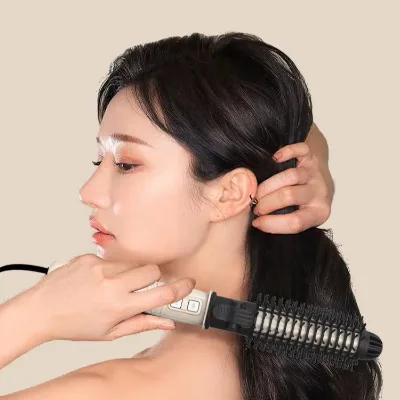
2-In-1 Curling Iron and Straight Hair Comb Adjustable Curling Iron With Lcd Display Screen
$14.80 - $15.40
MOQ: 500 pieces
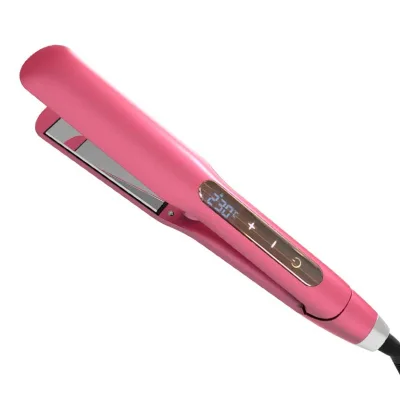
2 in 1 Hair Curler Flat Iron With LCD Display Ceramic Plate Hair Straightener
$8.3449 - $16.3061
MOQ: 500 pieces

Ningbo General Union Co., Ltd.
- Trading Company
- China Zhejiang
- Lead time23 days
- Avg. response≤ 12h
Main productsTable Lamp, Heat Press Machine, Home Appliance, Alarm Clock, Fans, Night Light, Solar Light, Kitchen Appliance, Pet Product, Sport Equipment
Main marketsSouth America,Eastern Europe,Mid East,North America,Southeast Asia,Eastern Asia,Oceania,Western Europe,Africa
Guangzhou Shengnuo Electronics Co., Ltd.
- Trading Company, Distributor/Wholesaler, Other
- Guangdong, China
- Lead time0 days
- Avg. response≤ 6h
Main productsjewelry storage box,makeup organizer,cosmetic storage box,deck box,trading card storage box
Main marketsDomestic Market(50.00%), Mid East(20.00%), North America(10.00%), Central America(10.00%), Africa(10.00%)
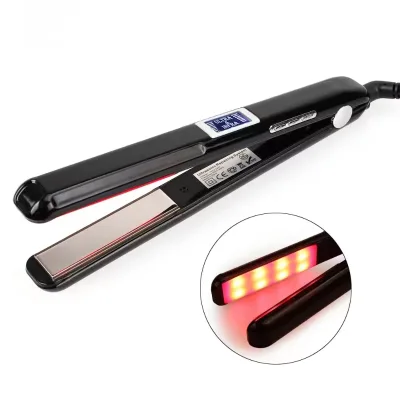
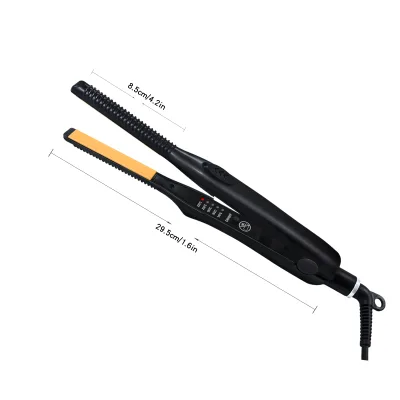
2-in-1 Hair Straightener and Hair Curler Portable Mini Hair Straightener Flat Iron
$4.6979 - $6.2643
MOQ: 100 pieces
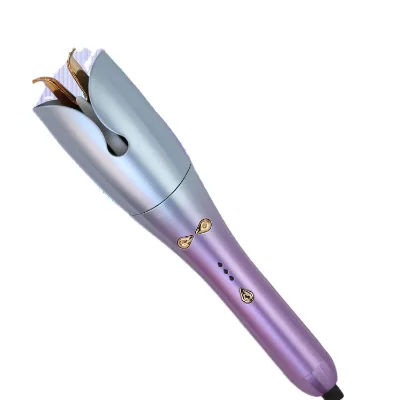
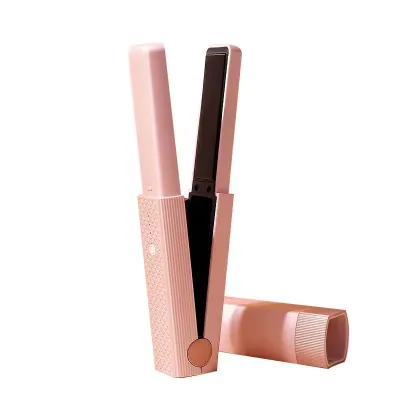
Shenzhen Canvor Technology Co., Ltd.
- Verified by SGS Group
- Trading Company
- Lead time7 days
- Avg. response≤ 2h
Main productsHair Dryer, Hair Straightener, Hair Curler, Facial Massager, Led Facial Mask
Main marketsNorth America(23%), Western Europe(20%), Southeast Asia(10%)
Wenzhou Jssan Electric Co., Ltd.
- Manufacturer
- Zhejiang, China
- Lead time15 days
- Avg. response≤ 4h
Main productselectric toothbrush,Oral Irrigator,toothbrush Head,Teeth Whitening Device,Sanitizer
Main marketsWestern Europe(31.00%), North America(25.00%), Northern Europe(10.00%), South America(10.00%), Eastern Europe(5.00%), Southern Europe(3.00%), Oceania(3.00%), South Asia(2.00%), Domestic Market(2.00%), Southeast Asia(2.00%), Central America(2.00%), Africa(2.00%), Eastern Asia(2.00%), Mid East(1.00%)
Foshan Xiaotian Technology Co., Ltd.
- Verified by Intertek
- Manufacturer, Trading Company
- Lead time30 days
- Avg. response≤ 2h
Main productsHair Dryer, Curling Iron, Hair Straightener, Hot Air Brush, Multifunctional Styler
Main marketsSoutheast Asia(47%), North America(17%), Northern Europe(10%)
Xuzhou Divoga Electric Appliance Co., Ltd.
- Verified by Intertek
- Trading Company
- Jiangsu, China
- Lead time0 days
- Avg. response≤ 7h
Main productsHair Trimmers, Curling Irons, Hair Straightener, Electric Shavers
Main marketsNorth America(27%), South America(27%), Eastern Europe(27%)
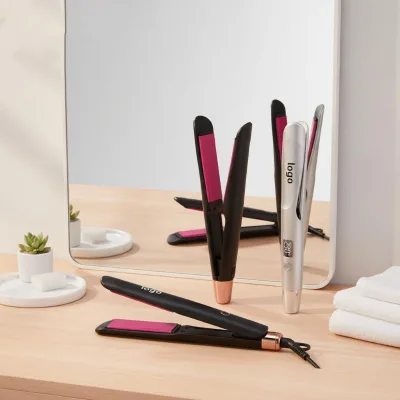
$5.3694 - $11.6562
MOQ: 2 kilograms
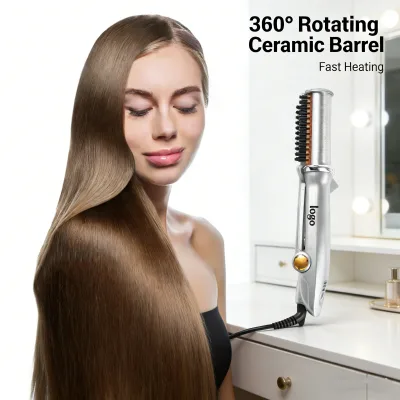
$9.1169 - $11.9036
MOQ: 1 pieces
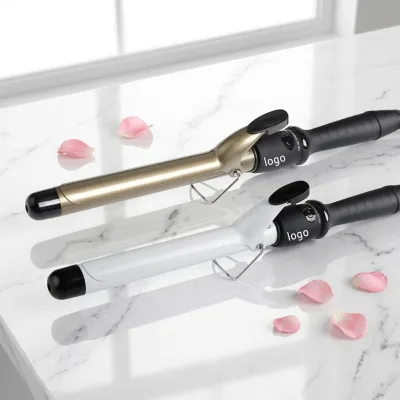
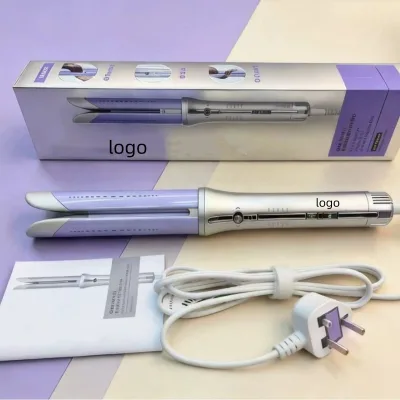
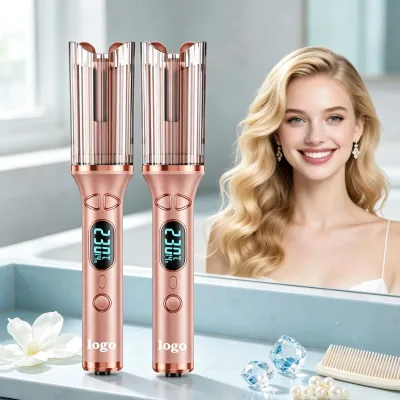
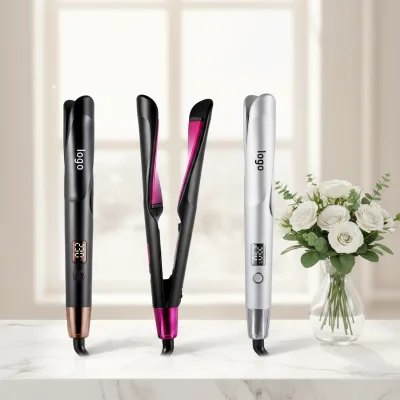
Portable Ceramic Hair Straightener ED Display Negative Ion Curler Flat Iron for Household Use
$8.297 - $11.5918
MOQ: 2 pieces

Qingtian Minghui Electronics Co., Ltd
- Verified by SGS
- Combined
- China Zhejiang
- Lead time23 days
- Avg. response≤ 8h
Main marketsAfrica,Southeast Asia/ Mideast,Europe,North America

Durable Automatic Curling Iron Anti-Frizz Curling Iron Gentle on Hair Curling Iron
$6.50
MOQ: 1000 Pieces


Shenzhen Lianxinyuan E-Commerce Co., Ltd.
- Manufacturer, Trading Company, Distributor/Wholesaler, Other
- Guangdong, China
- Lead time3 days
- Avg. response≤ 1h
Main productsTraffic tools,charger,Electronic products,integrated circuit,Solar products
Main marketsNorth America(30.00%), Northern Europe(15.00%), South America(15.00%), South Asia(10.00%), Southern Europe(10.00%), Eastern Europe(10.00%), Western Europe(10.00%)

Shenzhen Baiyisen Health Technology Co., Ltd.
- Verified by SGS
- Trading Company
- China Guangdong
- Lead time30 days
- Avg. response≤ 3h
Main productsHigh-Speed Hair Dryer Curling Irons Styler, Multi-Function Hair Dryer Hairdryer, Secador De Cabello Air Wrap, Blower Hair Secador De Pelo Blow Dryer
Main marketsDomestic

$20.00 - $23.00
MOQ: 1000 Pieces

$18.00 - $21.00
MOQ: 100 Pieces
Shenzhen Bolesic Electronic Co., Ltd.
- Verified by SGS Group
- Trading Company
- Lead time15 days
- Avg. response≤ 3h
Main productsHair Styling Tools, Hair Dryers, Hot Air Brushes, Hair Straightener Brushes, Hair Curlers
Main marketsNorth America(21%), Eastern Europe(21%), Mid East(15%)

- Verified by SGS
- Trading Company
- China Zhejiang
- Lead time15 days
- Avg. response≤ 16h
Main marketsOthers(foreignTradeCapacity.exportBusinessCapacityMarketOther),North America

Curling Iron Hot New Multifunctional Curling Iron Liquid Crystal Display Fashionable Hairstyle
$14.97 - $16.73
MOQ: 100 Pieces

Electric Curling Iron Hot Selling Multifunctional Hair Curler Blowing Hair Care Styling
$22.58 - $25.24
MOQ: 50 Pieces

Guangzhou Umei Technology Co., Ltd
- Verified by SGS
- Manufacturer/Factory
- China Guangdong
- Lead time15 days
- Avg. response≤ 2h
Main productsHair Straightener, Hair Dryer, Hair Curler, Hair Clipper, Photo Booth Vending Machine, Cotton Candy Vending Machine, Popcorn Vending Machine, Vending Machine, Ice Cream Vending Machine, 360 Photo Booth
Main marketsSouth America,Eastern Europe,Mid East,North America,Southeast Asia,Eastern Asia,Western Europe

Wenzhou Jssan Electric Co., Ltd.
- Verified by SGS
- Combined
- China Zhejiang
- Lead time23 days
- Avg. response≤ 7h
Main productsElectric Toothbrush, Oral Irrigator, UV Sterilizer, Ultrasonic Scaler, Electric Face Washer, Electric Nail Clipper, Hair Straightening Comb, Hair Straightener, Shaver, Hair Clipper
Main marketsSouth America,Southeast Asia/ Mideast,East Asia(Japan/ South Korea),Domestic,Europe,Australia,North America

Wenzhou Hexi Electronic Technology Co., Ltd.
- Verified by SGS
- Combined
- China Zhejiang
- Lead time23 days
- Avg. response≤ 8h
Main productsNeck and Back Massager, Massage Gun, Massage Pillow, Foot Massager, Beauty& Personal Care, Water Flosser, Eye Massager, Electric Toothbrush, Hair Curler, Knee Massager
Main marketsAfrica,Southeast Asia/ Mideast,Europe


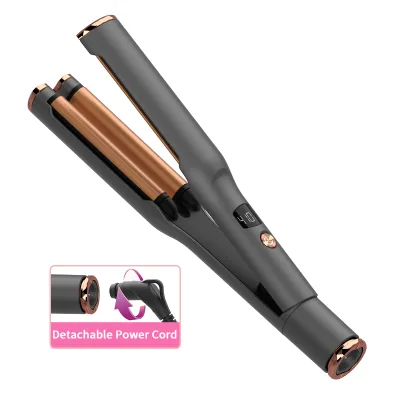
3 in 1 Multi-Functional Curling Iron Automatic Constant Temperature Hair Curler
$10.60 - $12.00
MOQ: 60 Pieces


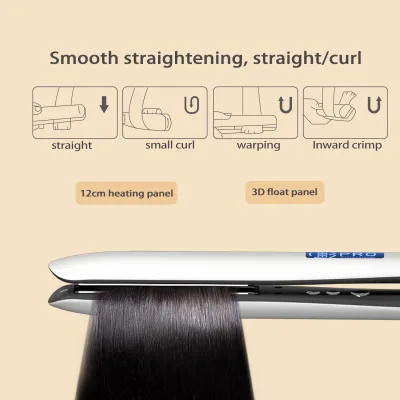
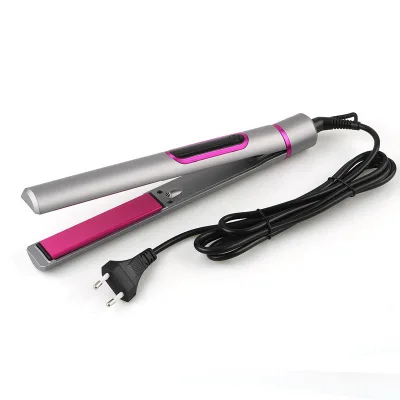
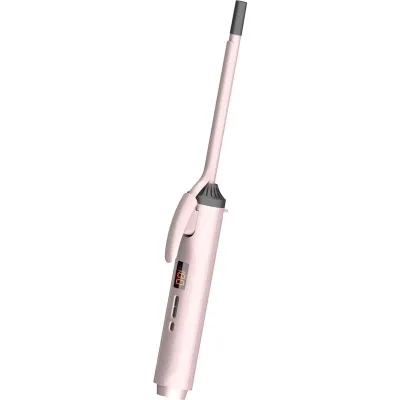
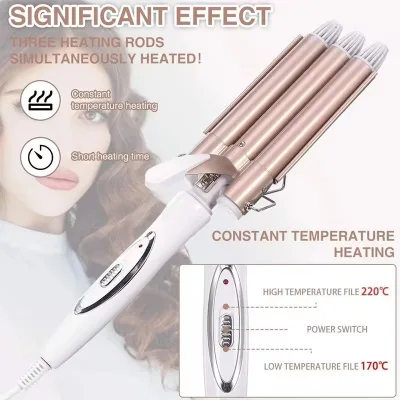




Comprehensive Sourcing Guide
LCD Display Hair Curling Iron Supplier Concentration and Factory Types
The current supplier landscape for LCD display hair curling irons features a mix of manufacturers and trading companies, offering buyers diverse procurement pathways. With twenty-nine active suppliers identified in the search results, the market demonstrates significant activity in this specific niche of personal care appliances. Buyers will encounter entities that handle direct production alongside those that facilitate trade, each bringing distinct advantages to the sourcing process. Manufacturers typically provide deeper control over production timelines and customization options, while trading companies may offer broader product assortments and streamlined logistics for smaller orders. Understanding this dichotomy is crucial for aligning supplier selection with specific business needs, whether prioritizing cost efficiency, speed to market, or product uniqueness.
Product evidence indicates that many suppliers specialize in hair styling tools, including hot air brushes, straighteners, and curlers, suggesting a mature industrial cluster focused on personal care electronics. The presence of companies verified by Intertek adds a layer of credibility to the manufacturing base, implying that quality control processes are externally validated. Buyers should note that while the supplier count is substantial, the specific composition of manufacturers versus traders can shift. It is advisable to review the company type designation for each potential partner to determine if they hold inventory or produce goods on demand. This distinction directly impacts lead times and the ability to handle urgent replenishment requests, making it a primary filter in the initial supplier shortlisting phase.
How to Verify LCD Display Hair Curling Iron Suppliers
Verification is a critical step in mitigating risk when sourcing LCD display hair curling irons from international suppliers. The search results highlight that several suppliers hold Intertek verification, which serves as a tangible indicator of operational legitimacy and quality management systems. Buyers should prioritize suppliers with such third-party validations to ensure that the factory meets established international standards for production and safety. Beyond verification badges, it is essential to cross-reference system certifications such as ISO 9001, CE, UKCA, RoHS, LVD, EMC, and ETL. These certifications confirm that the electrical components and heating elements within the curling irons comply with regional safety regulations, particularly for markets in Europe and North America.
Response time is another key metric for assessing supplier reliability and communication efficiency. The data shows a response time of two hours for active suppliers, indicating a high level of engagement and readiness to address buyer inquiries promptly. This rapid response capability is vital for negotiating terms, requesting samples, and resolving technical questions regarding voltage compatibility or plug types. Buyers should test this responsiveness by sending detailed inquiries about specific product models, such as those with LCD digital displays or interchangeable barrels. A supplier’s ability to provide accurate, timely information about their production capacity and customization options often reflects their overall professionalism and commitment to customer service, which are indispensable for long-term partnership success.
What to Compare Across LCD Display Hair Curling Iron Suppliers
When evaluating multiple suppliers for LCD display hair curling irons, buyers must compare key operational dimensions to identify the most suitable partner. Lead time is a primary factor, with current data indicating a seven-day turnaround for production. This metric should be weighed against order volume and customization requirements, as more complex modifications may extend these timelines. Additionally, the minimum order quantity (MOQ) varies significantly across suppliers, ranging from one piece for sample orders to five hundred pieces for bulk production. Buyers should align their MOQ expectations with their sales forecast to avoid excessive inventory costs or stockouts. Comparing these logistical parameters helps in selecting a supplier that matches the buyer’s scale and operational rhythm.
Product specifications and pricing structures also require careful comparison. The available products feature attributes such as ceramic tourmaline materials, PTC heaters, and LCD temperature displays, with prices ranging from approximately fifteen to nineteen dollars per unit. Buyers should verify if the price includes packaging details, such as color boxes or master cartons, and check for additional costs related to shipping or customs clearance. Furthermore, comparing warranty terms, which are often listed as one year, and after-sales service provisions, such as free spare parts or on-site installation, provides insight into the supplier’s confidence in their product quality. Evaluating these factors holistically ensures that the chosen supplier offers not just a competitive price, but a comprehensive value proposition that supports the buyer’s brand reputation.
Common LCD Display Hair Curling Iron Sourcing Risks
Sourcing LCD display hair curling irons involves inherent risks related to product quality, electrical safety, and supply chain consistency. One significant risk is the variability in component quality, particularly regarding the heating elements and digital displays. While suppliers list certifications like CE and RoHS, buyers must ensure that these apply to the specific models being ordered, as generic certifications may not cover all product variations. The use of materials such as ceramic coated plates and PTC heaters is common, but the durability and performance of these components can vary between manufacturers. Buyers should request detailed technical specifications and test reports to verify that the products meet their specific performance standards and safety requirements before committing to large orders.
Another risk lies in the communication and fulfillment reliability of suppliers, especially when dealing with trading companies or less established manufacturers. Misunderstandings regarding customization details, such as logo placement, color options, or packaging specifications, can lead to costly errors and delays. The presence of private mold capabilities and OEM/ODM services offers flexibility but also introduces complexity in the production process. Buyers must maintain clear, documented communication channels to ensure that all custom requirements are accurately translated into production instructions. Additionally, the risk of supply chain disruptions, such as delays in raw material availability or shipping bottlenecks, can impact lead times. Establishing contingency plans and maintaining open dialogue with suppliers can help mitigate these potential disruptions and ensure timely delivery of goods.
LCD Display Hair Curling Iron Regional Sourcing and Logistics
The regional sourcing of LCD display hair curling irons is heavily influenced by the manufacturing hubs located in Guangdong, China. This region is known for its robust electronics and personal care appliance industry, offering a concentrated ecosystem of suppliers, component providers, and logistics services. Buyers sourcing from this area benefit from the efficiency of established supply chains and the availability of skilled labor and advanced manufacturing technologies. The proximity to major ports, such as Shenzhen, facilitates efficient export logistics, reducing transit times and costs for international shipments. Understanding the geographic advantages of this region helps buyers anticipate potential logistical benefits and challenges, such as seasonal shipping congestion or regional policy changes that may impact production schedules.
Logistics planning must also account for the specific packaging and weight characteristics of the products. Product data indicates single package sizes ranging from twenty-three centimeters to forty-two centimeters, with gross weights varying from one kilogram to one point six kilograms. These dimensions influence shipping costs, particularly for air freight or express courier services, where volumetric weight plays a significant role. Buyers should calculate the total shipping volume based on their order quantity and chosen packaging method, such as color boxes or master cartons, to optimize freight expenses. Additionally, considering the destination market’s import regulations and required documentation, such as certificates of origin or safety compliance documents, is essential for smooth customs clearance. Proper logistics planning ensures that products arrive at the destination in good condition and on time, supporting the buyer’s sales objectives.
LCD Display Hair Curling Iron Commercial Terms and Order Planning
Commercial terms and order planning are pivotal for successful procurement of LCD display hair curling irons. Buyers should negotiate clear payment terms, such as partial upfront payments and balance upon shipment, to balance risk and cash flow. The availability of escrow services can provide an additional layer of security, ensuring that funds are released only upon satisfactory delivery and inspection of the goods. Understanding the warranty terms, typically one year, and the process for claiming replacements or repairs is crucial for managing post-sale customer service obligations. Buyers should also clarify the responsibilities for shipping costs, insurance, and customs duties, as these can significantly impact the total landed cost of the products.
Order planning should be aligned with the supplier’s production capacity and lead times. With a supply ability of fifty thousand pieces per month for some models, buyers can scale their orders to meet demand fluctuations. However, it is important to communicate forecasted volumes in advance to secure production slots and raw material availability. For customized orders, such as those requiring private molds or specific branding, buyers should allow additional time for design approval and tooling setup. Regularly reviewing inventory levels and sales data helps in determining optimal reorder points, preventing stockouts or excess inventory. By integrating commercial terms with strategic order planning, buyers can build a resilient supply chain that supports their business growth and customer satisfaction goals.
FAQs
What certifications do these LCD hair curling irons have?
Products listed carry CE, FCC, RoHS, ETL, and UKCA certifications. Some models also include LVD and EMC compliance. Verify specific product pages for Declaration of Conformity details before ordering to ensure regional safety standards are met.
How long does it take to receive an order?
The standard lead time for these items is seven days. This duration applies to sample processing and light customization requests. Confirm exact delivery windows with the supplier, as graphic processing or custom demands may extend the timeline.
What is the minimum order quantity for these curlers?
Minimum order quantities vary by product, ranging from one piece to five hundred units. Some listings allow single-item purchases, while others require bulk orders. Check the specific product page to confirm the MOQ applicable to your selected model.
Where are these hair styling tools manufactured?
All listed products originate from Guangdong, China. The port of dispatch for shipments is typically Shenzhen. Buyers should verify the specific factory location and shipping terms on the product detail page to ensure accurate logistics planning.
What voltage range do these LCD curling irons support?
Most models operate on a voltage range of 100V to 240V, suitable for global use. Specific units may support 110V to 240V. Always check the product attributes for the exact voltage rating and compatible plug types before purchasing.
Do these suppliers offer customization services?
Suppliers provide light customization, sample processing, and graphic processing options. Custom logos and colors are available on many models. Confirm specific customization capabilities and any associated costs directly with the supplier to ensure your requirements are met.
What is the response time for supplier inquiries?
The average response time for these suppliers is two hours. This metric indicates how quickly they typically reply to initial messages. For urgent orders, contact the supplier directly to confirm current availability and expected reply speed.
Are these products verified by third-party agencies?
Some suppliers have undergone verification by Intertek. This adds a layer of trust regarding their business credentials. Buyers should look for the verification badge on the supplier profile and confirm the scope of the verification before proceeding with large orders.