Lightweight Breathable Hiking Raincoat Suppliers and Manufacturers
Compare 22 verified suppliers offering Lightweight Breathable Hiking Raincoat options with varying lead times, MOQs, and certifications like REACH and CE. Review product attributes such as material and reflective strips to select the right vendor for your needs; review the available evidence before requesting comparable quotations from suitable candidates.
Updated
Suppliers List

Jiangxi Fujohn Garment Co. Ltd.
- Verified by SGS
- Combined
- China Jiangxi
- Lead time30 days
- Avg. response≤ 3h
Main productsRaincoat, Rainsult, Rainwear, Pet Raincoat, Raincoat for Bike/Motorcycle, High Visibility Raincoat, Kids Raincoat, Fishing Pants, Rain Poncho, Rain Jacket & Windbreaker
Main marketsDomestic


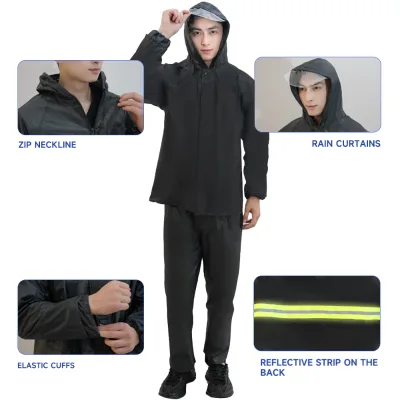
Lightweight Waterproof Raincoat for Travelers: Breathable & Windproof Protection
$10.90 - $13.50
MOQ: 500 Sets



LINYI HANXIANG OUTDOOR PRODUCTS CO., LTD.
- Manufacturer, Trading Company
- Shandong, China
- Lead time0 days
- Avg. response≤ 4h
Main productsRaincoat
Main marketsDomestic Market(100.00%)
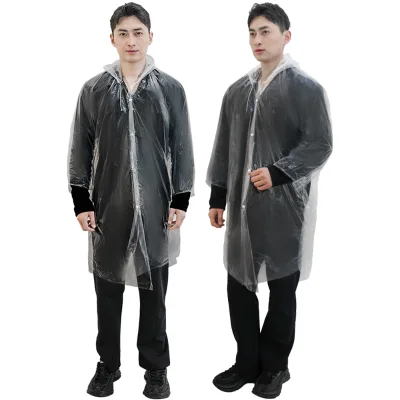
$0.18 - $0.20
MOQ: 50 pieces
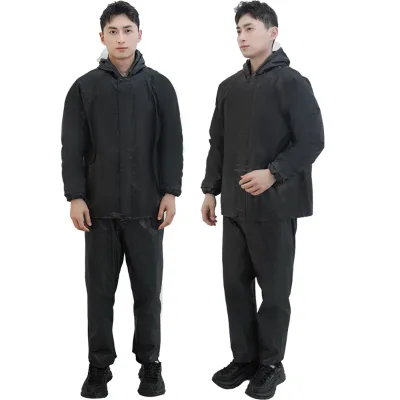
$1.53 - $1.67
MOQ: 20 pieces
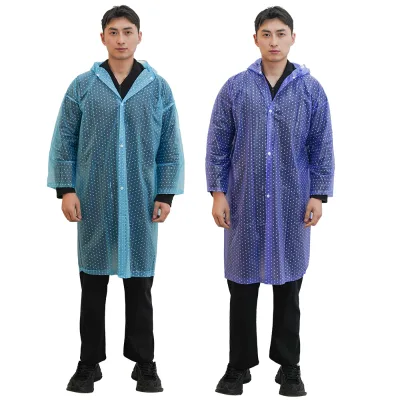
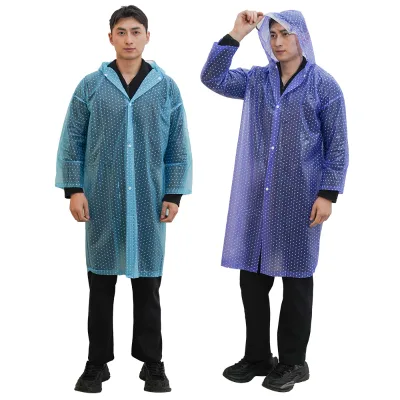
Outdoor Fashion Men's and Women's Raincoat PVC Camouflage Print Raincoat Waterproof Rain Jacket
$1.31 - $1.36
MOQ: 20 pieces
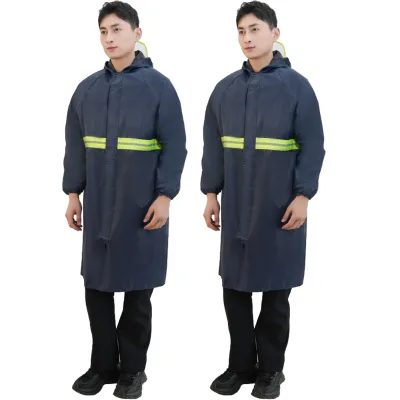
Rainfreem Long Raincoat Waterproof Rain Jacket 100% Waterproof Men's Windbreaker
$1.3596 - $1.4315
MOQ: 20 pieces
Heze Sunrise International Trading Co., Ltd.
- Manufacturer, Trading Company
- Shandong, China
- Lead time35 days
- Avg. response≤ 2h
Main productsDog hammock,Dog crate cover,raincoat,Dog cage pillow bumper,Dog car seat cover
Main marketsNorth America(60.00%), Domestic Market(10.00%), Southeast Asia(10.00%)
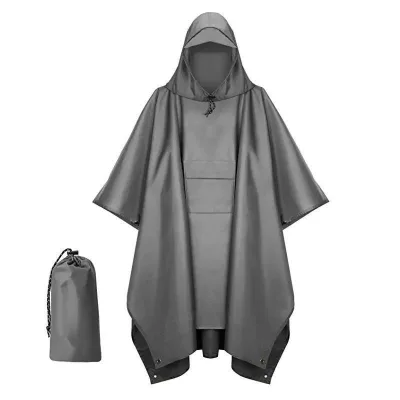
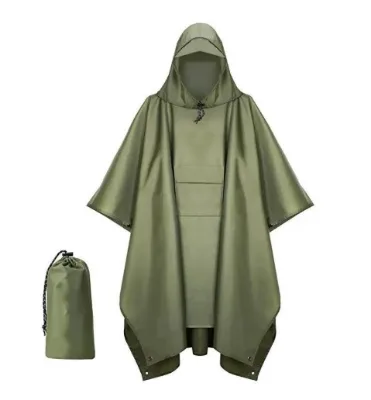
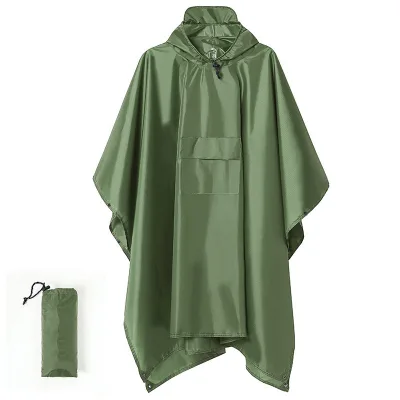
Waterproof Rain Lightweight Reusable Hooded Coat Girls Outdoor Hiking Activities Design Made PU
$3.8689 - $4.4535
MOQ: 1 pieces

Jiangxi Saloong Garment Co., Ltd
- Verified by BV
- Trading Company,Manufacturer/Factory
- China Jiangxi
- Lead time60 days
- Avg. response≤ 3h
Main productsPolar Fleece Jacket, Softshell Jacket, Work Wear, Overall, Windbreaker, Ski Suit, Winter Quilted Jacket, Fishing Jacket, Rain Jacket, Waterproof Jacket
Main marketsSouth America,Eastern Europe,North America,Southeast Asia,Western Europe,Africa

Mens Lightweight Hooded Waterproof Raincoat Breathable Rain Jacket for Outdoor Mountain Hiking
$16.00 - $19.20
MOQ: 500 Pieces

Men Waterproof Lightweight Workwear Raincoat Outdoor Rain Gear Coat Jacket
$11.50 - $15.00
MOQ: 1000 Pieces

$7.75 - $10.50
MOQ: 1000 Pieces

Men's Lightweight Waterproof Raincoat Shell Hooded Outdoor Rain Jacket for Hiking
$7.80 - $10.50
MOQ: 500 Pieces


High-Quality Rainwear for Rain Weather and Outdoor Activities Rain Jacket
$13.50 - $23.90
MOQ: 2 Pieces

Fuzhou Changtai Textile Co., Ltd.
- Manufacturer
- China Fujian
- Lead time60 days
- Avg. response≤ 17h
Main productsJacket, Softshell Jacket, Padding Jacket, Wind Jacket, Safety Jacket, Reflective Jacket, Down Jacket, Rain Wear, Sports Wear, Outdoor Wear
Main marketsEurope,Australia


Men's Hiking Windbreaker Rain Coat Waterproof Lightweight Outdoor Rain Jacket with Hood
$12.56 - $22.65
MOQ: 200 pcs

XIAMEN FULLSTAR IMPORT AND EXPORT CO., LTD.
- Verified by BV
- Trading Company,Manufacturer/Factory
- China Fujian
- Lead time0 days
- Avg. response≤ 16h
Main productsPadding Jackets, Down and Goosedown Jackets, Hybrid Jackets, Softshell and Fleece Jackets, Ski Jackets, Hikking Clothes, Running Clothes, Yoga/Fitness Clothes, Swimming Clothes

Lightweight Waterproof Hooded Raincoat Outdoor Raincoat Windbreaker Men's Hiking Jacket
$12.00 - $20.00
MOQ: 600 Pieces

Windbreaker Hiking Jacket Men's Wholesale Lightweight Waterproof Hooded Rain Jacket Outdoor Raincoat
$12.00 - $20.00
MOQ: 600 Pieces

Good Quality Waterproof Hooded Raincoat Outdoor Raincoat Windbreaker Men's Hiking Jacket
$12.00 - $20.00
MOQ: 600 Pieces
Jiangxi Xiaokonglong Rainproof Products Co., Ltd.
- Verified by SGS Group
- Manufacturer, Trading Company
- Lead time3 days
- Avg. response≤ 2h
Main productsWindbreaker, Raincoat, Rainproof Jacket, Children's Raincoat, Motorcycle Riding Suit
Main marketsWestern Europe(30%), Domestic Market(28%), North America(15%)
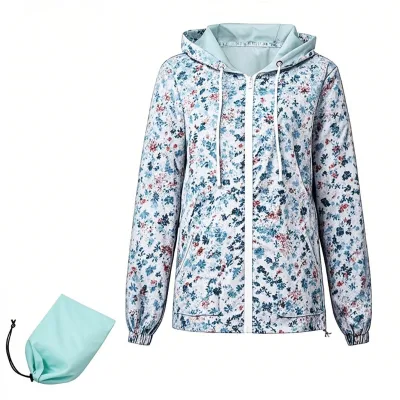
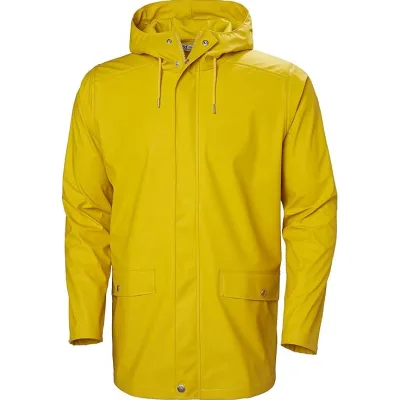
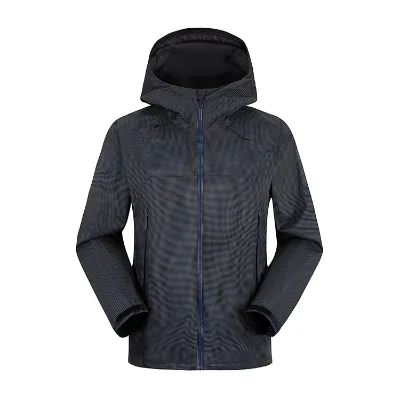
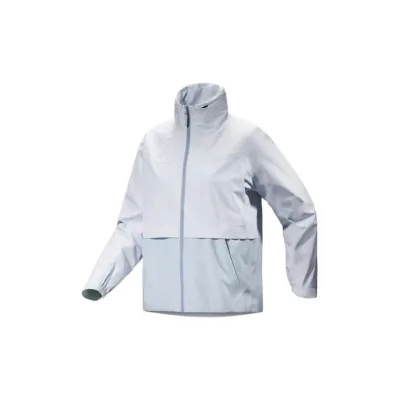
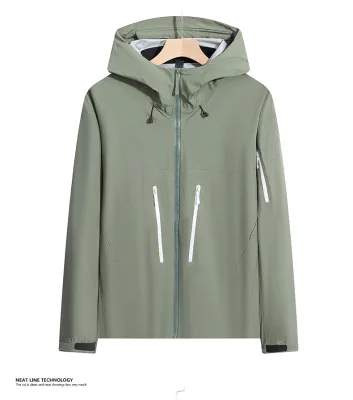
$33.8954 - $35.9565
MOQ: 2 pieces
Changzhou Keming Plastic Co., Ltd.
- Verified by TüVRheinland
- Manufacturer, Trading Company
- Lead time15 days
- Avg. response≤ 3h
Main productsPVC Film, PVC Fabric, Raincoat, Waterproof Fishing Wader, Apron
Main marketsDomestic Market(40%), Southeast Asia(20%), North America(6%)
Ganzhou Weimai Outdoor Products Co., Ltd.
- Manufacturer, Trading Company
- Jiangxi, China
- Lead time0 days
- Avg. response≤ 1h
Main productsRaincoat,Hiking clothing
Main marketsDomestic Market(19.00%), Mid East(18.00%), North America(15.00%), Southeast Asia(10.00%), Eastern Asia(8.00%), Africa(6.00%), Central America(6.00%), Eastern Europe(5.00%), South America(5.00%), Western Europe(2.00%), South Asia(2.00%), Southern Europe(2.00%), Oceania(2.00%)
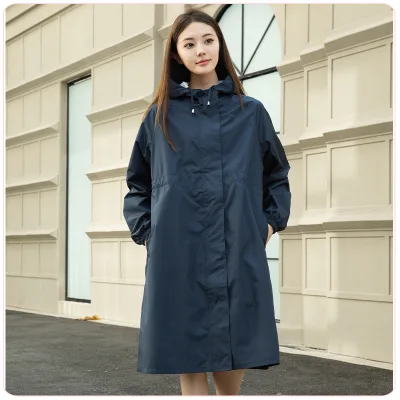
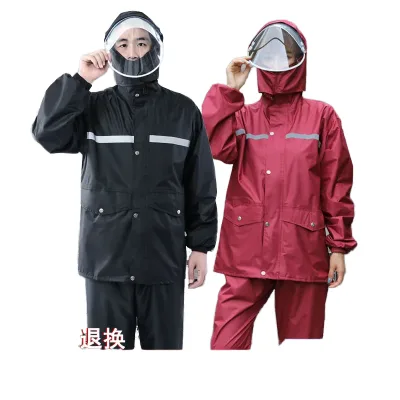
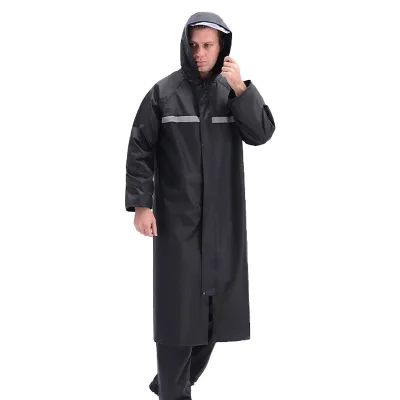
Black Long Raincoat Hot Sale Waterproof Adult PU Raincoats Breathable Travel Rain Jacket
$9.76 - $10.16
MOQ: 50 pieces
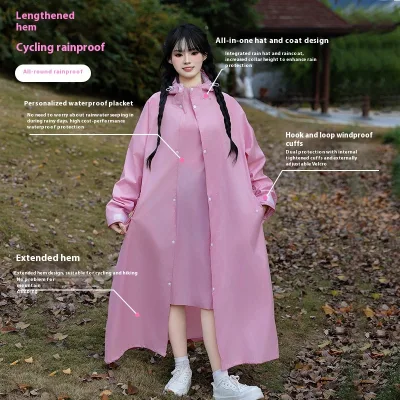
$7.74 - $10.44
MOQ: 3 Minimum

Jinzhou City Hejin Clothing Co., Ltd.
- Verified by TUVRHEINLAND
- Combined
- China Hebei
- Lead time15 days
- Avg. response≤ 2h
Main productsRaincoat, Wader, Ski Jacket, Rain Jacket, Poncho, Rainwear, Workwear, Rainsuit, Rain Coat, Waterproof Raincoat
Main marketsAustralia,North America

$0.25 - $0.60
MOQ: 5000 Pieces

Windbreaker Rain Jacket Sport Lightweight Spring Polyester PU Running Rainwear Rain Coat
$4.00 - $4.80
MOQ: 500 Pieces

Hiking Biking Fishing Outdoor Working Waterproof Rainy Rain Gear Rain Jacket Raincoat
$2.00 - $2.60
MOQ: 1000 Pieces

Fuzhou Sunshine Import And Export Co., Ltd.
- Trading Company
- Fujian, China
- Lead time60 days
- Avg. response≤ 5h
Main productsWaterproof jacket and Pants,outdoor sports wear,Protective work clothing,3-layer Jacket,pullover windbreaker
Main marketsWestern Europe(25.00%), Southern Europe(20.00%), Northern Europe(15.00%), Eastern Europe(15.00%), North America(10.00%), South America(5.00%), Mid East(5.00%), Central America(5.00%)

Wuhan Corhunter Garment Co., Ltd.
- Verified by BV
- Combined
- China Hubei
- Lead time15 days
- Avg. response≤ 11h
Main productsUniform, Jacket, Shirt, Pants, Shorts, Boots, Gloves, Hat, Belt, Camouflage Uniform
Main marketsAfrica,Southeast Asia/ Mideast,North America
Fujian Fashion Flying Garments Co., Ltd.
- Verified by SGS Group
- Manufacturer, Trading Company
- Lead time60 days
- Avg. response≤ 7h
Main productsLeisure Insulated Jackets, Performance Shells, Ski Wears, Fleece Jackets, Soft-Shell Jackets
Main marketsDomestic Market(31%), North America(30%), Western Europe(30%)
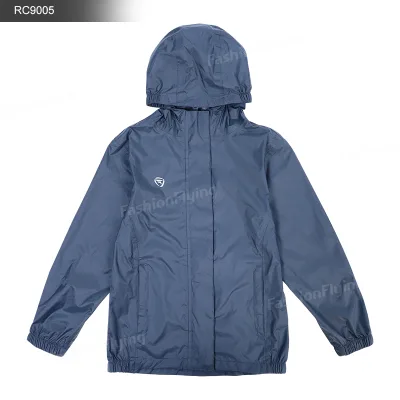
$5.6587 - $10.2891
MOQ: 1 pieces
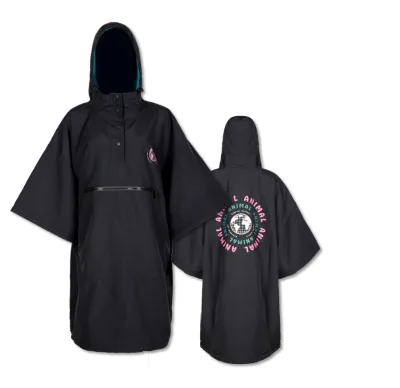
Women's High Quality Long Thin Stand Collar Outdoor Waterproof Rain Coat Durable
$27.7375
MOQ: 1 Minimum
Guangzhou Ynuo Technology Co., Ltd.
- Manufacturer, Trading Company, Distributor/Wholesaler
- Guangdong, China
- Lead time15 days
- Avg. response≤ 2h
Main productsstorage baskets,kitchen accessories,Baby products,Pet products,Cake Tools
Main marketsSouth America(25.00%), North America(25.00%), Southern Europe(10.00%), Northern Europe(10.00%), Western Europe(10.00%), Eastern Europe(10.00%)

Hangzhou Yanli Rainwear Co., Ltd.
- Verified by SGS
- Combined
- China Zhejiang
- Lead time15 days
- Avg. response≤ 2h
Main productsRaincoat, Rainsuit
Main marketsSouth America,Africa,Europe

Youth Adult Rain Jacket Waterproof Lightweight Polyester Raincoat Outdoor
$5.70 - $5.90
MOQ: 1000 Sets

Changzhou Baixing Plastic Products Co., Ltd.
- Manufacturer, Trading Company
- Jiangsu, China
- Lead time60 days
- Avg. response≤ 1h
Main productsRaincoat,Rain poncho,Sport jacket,Work uniform,rain suit
Main marketsEastern Asia(50.00%), North America(20.00%), Eastern Europe(20.00%), Africa(10.00%)
- Verified by SGS Group
- Manufacturer, Trading Company
- Lead time0 days
- Avg. response≤ 4h
Main productsFishing Wader, Waterproof Jacket, Rain Coat, Rubber Boots
Main marketsEastern Asia(50%), Eastern Europe(25%), Western Europe(10%)
$30.8719 - $33.9793
MOQ: 2 pieces
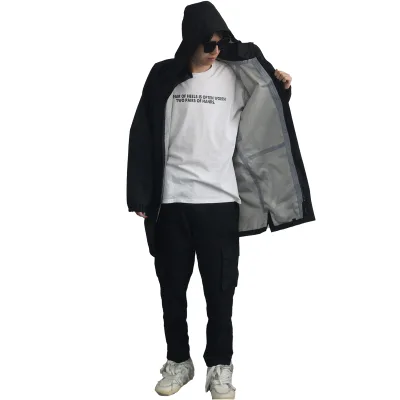
$28.8078 - $32.9225
MOQ: 100 pieces
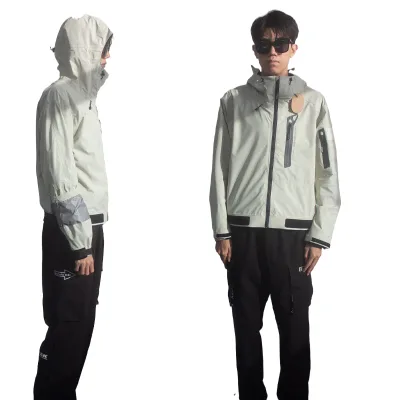
OEM Fabric Color Waterproof Rain Jackets Outdoor Motorcycle Hiking Waterproof Jacket
$32.9225 - $34.4665
MOQ: 100 pieces
Wuhan Meichen Technology Co., Ltd.
- Trading Company
- Hubei, China
- Lead time0 days
- Avg. response≤ 9h
Main productsRain gear products,bed set,toilet seat cover,gloves,Disposable Travel Supplies
Main marketsSouth Asia(35.00%), North America(30.00%), Eastern Asia(20.00%), Oceania(15.00%)
Fuzhou Changtai Textile Co., Ltd.
- Verified by Intertek
- Trading Company
- Lead time45 days
- Avg. response≤ 4h
Main productsMen's Softshell Jackets, Men's Waterproof Jackets, Men's Pants, Men's Vests, Safety Jacket
Main marketsWestern Europe(72%), South America(10%), Oceania(8%)

Fuzhou Rongyuanda Garment Co., Ltd.
- Combined
- China Fujian
- Lead time45 days
- Avg. response≤ 7h
Main productsReflective Jacket, Workwear, Parka, Hi Vis Jacket, Softshell Jacket, Fleece Jacket, Body Warmer, Windbreaker, Rainsuit, Bomber Jacket
Main marketsSouth America,Africa,Southeast Asia/ Mideast,East Asia(Japan/ South Korea),Europe,Australia,North America


High Quality Durable Using Various Waterproof Coat Raincoat High Quality Rain Jacket
$10.00
MOQ: 500 Pieces
Xinxiang Hongqi District Huafeiwu Import And Export Trade Co., Ltd.
- Trading Company
- Henan, China
- Lead time0 days
- Avg. response≤ 4h
Main productsHome decor,Kitchenware,Garden Supplies
Main marketsSoutheast Asia(20.00%), Mid East(20.00%), South Asia(20.00%), Africa(10.00%), Eastern Asia(10.00%), Northern Europe(10.00%), Domestic Market(10.00%)
Changzhou Yuyeye Outdoor Products Co., Ltd.
- Verified by TüVRheinland
- Manufacturer, Trading Company
- Lead time7 days
- Avg. response≤ 2h
Main productsRaincoat, Reflective Safety Rain Gears, Outdoor Tent, Clothing
Main marketsDomestic Market(100%)
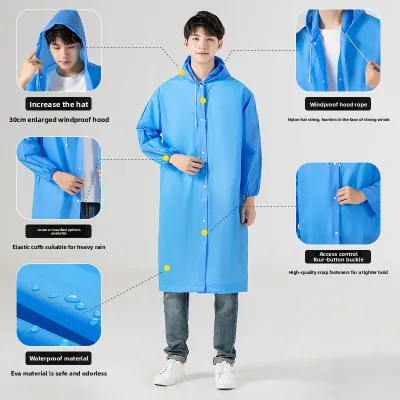
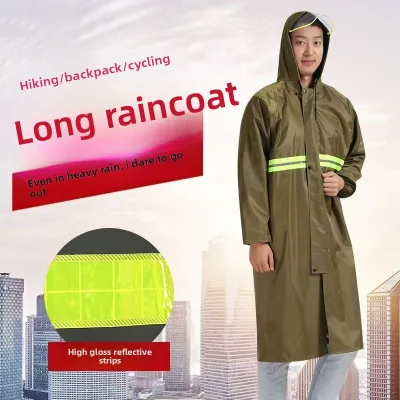
$1.9562 - $2.0596
MOQ: 200 pieces
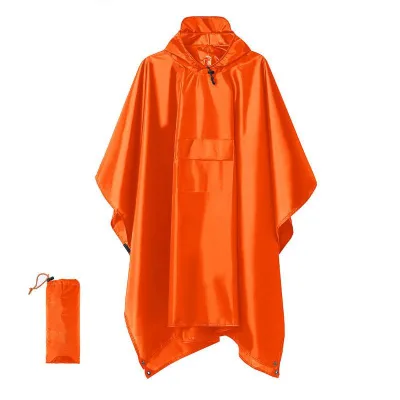
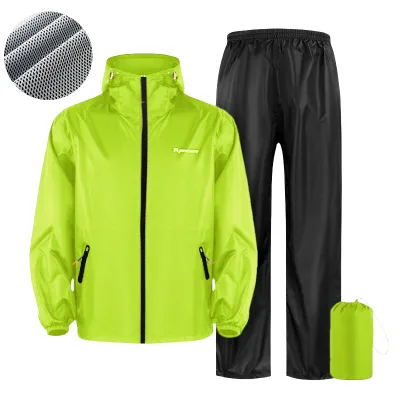
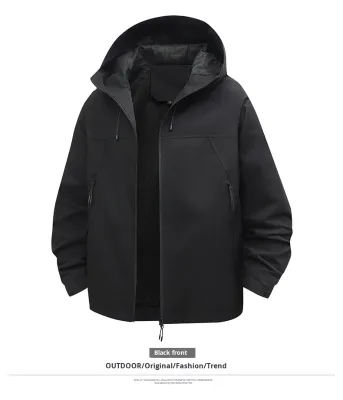
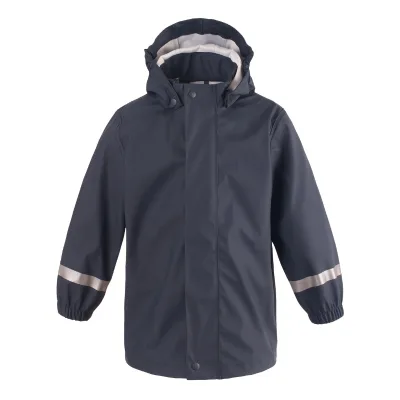


Comprehensive Sourcing Guide
Lightweight Breathable Hiking Raincoat Supplier Concentration and Factory Types
The current supplier landscape for lightweight breathable hiking raincoats reveals a diverse mix of manufacturing capabilities concentrated in specific Chinese provinces. Data indicates that suppliers are located in regions such as Jiangxi and Shandong, which serve as key hubs for this type of outdoor apparel production. These locations are not arbitrary; they represent established industrial clusters where textile infrastructure and specialized garment factories have developed over time. Buyers evaluating these suppliers should note that the company types vary significantly, ranging from pure manufacturers to combined entities that operate as both factories and trading companies. This distinction is critical because a combined supplier might offer broader product ranges and flexible order structures, whereas a pure manufacturer may provide deeper control over the production process and material sourcing. Understanding the specific company type helps buyers align their expectations with the supplier’s operational strengths, whether that be direct factory pricing or the logistical flexibility of a trading arm.
Within these clusters, the main products offered by suppliers often extend beyond a single item, encompassing a wide array of rainwear including ponchos, fishing pants, and high-visibility jackets. This breadth of product lines suggests that many suppliers have versatile production lines capable of handling different materials and designs. For instance, some suppliers list main products that include pet raincoats and bike-specific gear, indicating a robust capability to handle varied market demands. This versatility can be advantageous for buyers looking to consolidate orders across different product categories. However, it also requires careful vetting to ensure that the supplier’s primary expertise aligns with the specific technical requirements of a Lightweight Breathable Hiking Raincoat. Buyers should investigate whether the supplier’s core competency lies in the specific fabric technologies required for breathability and waterproofing, rather than just general rainwear assembly. The presence of ODM and own brand capabilities further suggests that many suppliers in these regions are equipped to handle custom designs and private labeling, which is a common requirement for brands entering the outdoor gear market.
How to Verify Lightweight Breathable Hiking Raincoat Suppliers
Verification is a critical step in ensuring that the suppliers you engage with meet your quality and compliance standards. One of the primary indicators of supplier reliability is the verification status provided by third-party inspection agencies. In the current results, some suppliers are marked as verified by SGS, a globally recognized inspection and certification company. This verification status provides a layer of confidence regarding the supplier’s business legitimacy and operational capabilities. However, buyers should not rely solely on this badge; it is essential to understand what specific aspects of the business have been verified. Whether the verification covers factory audits, product quality checks, or social compliance, knowing the scope of the verification helps buyers assess the risk associated with the partnership. Additionally, buyers should look for product-specific certifications that are relevant to the materials used in the raincoats. For example, some products are listed with REACH certification, which is crucial for ensuring that the materials comply with European chemical regulations. This is particularly important for buyers targeting markets with strict environmental and safety standards.
Beyond verification badges and certifications, buyers should actively engage with suppliers to assess their responsiveness and technical knowledge. The response time is a key metric that can indicate the efficiency of a supplier’s communication channels. In the observed data, response times vary, with some suppliers showing a response time of 2.56 hours, while others may take longer. A faster response time often correlates with a more organized sales team and better customer service infrastructure. Buyers should also inquire about the supplier’s ability to provide samples and the associated sampling time. Some suppliers offer a sampling time of 7 days, while others may require 15 days. This difference can impact your product development timeline, especially if you are working with tight deadlines. Furthermore, buyers should verify the supplier’s capacity for customization. The availability of customization options, such as specific colors, reflective strips, or logo printing, is a strong indicator of a supplier’s flexibility. By asking detailed questions about these operational details, buyers can gain a clearer picture of the supplier’s ability to meet their specific requirements and maintain a smooth production process.
What to Compare Across Lightweight Breathable Hiking Raincoat Suppliers
When evaluating multiple suppliers, it is essential to compare key operational metrics to identify the best fit for your business needs. One of the most significant factors is the minimum order quantity (MOQ). The data shows a wide range of MOQs, from as low as 50 pieces to as high as 1000 pieces. This variation allows buyers with different scale requirements to find suitable partners. Smaller MOQs are ideal for startups or those testing new markets, while larger MOQs may offer better unit economics for established brands. Alongside MOQ, buyers should compare the lead times for production. While some suppliers list a lead time of 30 days, others may have different turnaround times. It is crucial to clarify whether the lead time includes sample approval and material sourcing. Additionally, the price range is a critical comparison point. Prices for lightweight breathable hiking raincoats can vary significantly based on material, features, and order volume. For instance, some products are priced between $1.46 and $1.55, while others may range from $9.40 to $13.50. These price differences often reflect variations in material quality, such as PU versus PVC, or the inclusion of additional features like reflective strips.
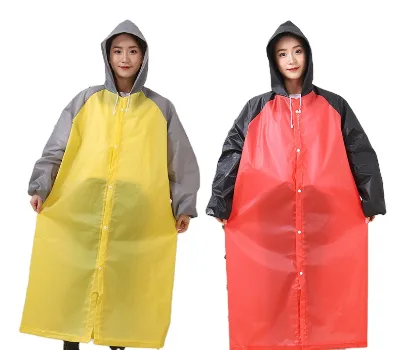
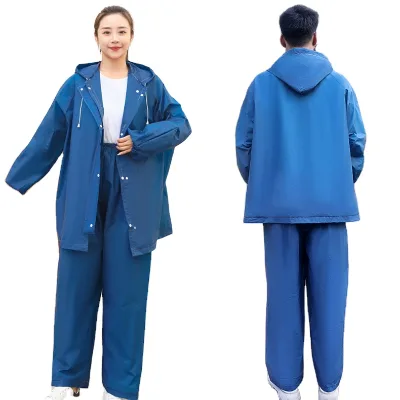
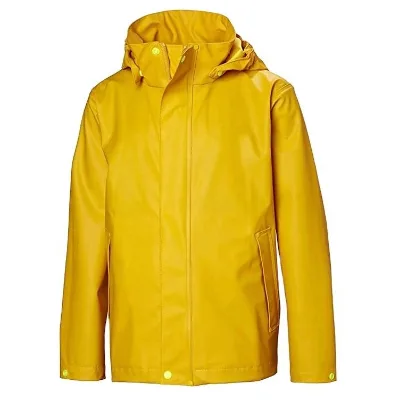
Another important aspect to compare is the specific product attributes and customization options available. Buyers should look for suppliers that offer the specific features required for their target market, such as breathable materials, waterproof ratings, and age-specific designs. The availability of different materials, including PU, PVC, EVA, and polyester, allows for tailored solutions based on performance needs. For example, PU raincoats are often preferred for their breathability, while PVC may be chosen for durability and cost-effectiveness. Buyers should also compare the packaging and shipping details, as these can impact the final landed cost. Some suppliers provide detailed packing information, such as paper box packaging, which can be important for retail presentation. Additionally, the availability of different colors and styles, such as off-white, yellow, pink, and navy blue, can be a deciding factor for brands with specific aesthetic requirements. By systematically comparing these attributes, buyers can create a shortlist of suppliers that align with their product specifications, budget constraints, and operational preferences. This comparative approach ensures that the final selection is based on objective data rather than subjective impressions.
Common Lightweight Breathable Hiking Raincoat Sourcing Risks
Sourcing lightweight breathable hiking raincoats from international suppliers involves several potential risks that buyers must proactively manage. One of the primary risks is the discrepancy between sample quality and mass production quality. While samples may meet all specifications, bulk orders can sometimes suffer from inconsistencies in material thickness, stitching, or waterproofing performance. To mitigate this risk, buyers should establish clear quality control standards and consider hiring third-party inspection services before shipment. Another significant risk is the variability in lead times. Suppliers may promise a certain lead time but fail to deliver on schedule due to material shortages or production bottlenecks. This can disrupt your supply chain and lead to missed market opportunities. Buyers should maintain open communication with suppliers and request regular production updates to stay informed of any potential delays. Additionally, the risk of non-compliance with international standards is a concern, especially for products intended for regulated markets. Buyers must ensure that the suppliers’ products meet all relevant safety and environmental regulations, such as REACH or CE certification, to avoid customs issues or product recalls.
Material authenticity is another critical risk area. Suppliers may claim to use specific materials, such as breathable PU or high-quality polyester, but the actual material used may differ. This can affect the performance and durability of the raincoats, leading to customer dissatisfaction and returns. Buyers should request material test reports or certificates from the supplier to verify the composition of the fabrics used. Furthermore, the risk of intellectual property infringement is a concern, particularly if you are working with custom designs. Buyers should ensure that the supplier has the necessary rights to produce the designs and that there are no conflicts with existing patents or trademarks. Finally, the risk of communication breakdowns can lead to misunderstandings regarding product specifications, packaging requirements, or shipping instructions. To minimize this risk, buyers should use clear and detailed documentation and confirm all details in writing. By identifying and addressing these common risks early in the sourcing process, buyers can build a more resilient and reliable supply chain for their lightweight breathable hiking raincoats.
Lightweight Breathable Hiking Raincoat Regional Sourcing and Logistics
The regional concentration of suppliers in China, particularly in provinces like Jiangxi and Shandong, offers distinct advantages for sourcing lightweight breathable hiking raincoats. These regions have developed specialized industrial clusters that provide access to a wide range of raw materials, skilled labor, and logistical infrastructure. Buyers can benefit from the economies of scale and competitive pricing that these clusters offer. However, the distance from these manufacturing hubs to international markets can impact shipping costs and transit times. Buyers should consider the logistics implications of sourcing from these regions and plan their supply chain accordingly. For instance, shipping from Jiangxi or Shandong may involve different port options and transit routes compared to other manufacturing regions. Understanding these logistical nuances can help buyers optimize their shipping strategies and reduce overall costs. Additionally, buyers should be aware of the local regulations and export procedures in these regions, as they can affect the efficiency of the shipping process.
Logistics planning also involves considering the packaging and labeling requirements of the destination market. Suppliers in these regions are often experienced in exporting to various markets and can provide guidance on compliant packaging and labeling. Buyers should work closely with their suppliers to ensure that the products are packaged in a way that protects them during transit and meets all regulatory requirements. This includes considerations such as moisture protection, which is crucial for raincoats, and proper labeling for customs clearance. Furthermore, buyers should evaluate the supplier’s ability to handle different shipping methods, such as sea freight or air freight, depending on the urgency of the order. Sea freight is typically more cost-effective for large orders, while air freight may be necessary for urgent replenishments. By understanding the logistical landscape of these sourcing regions, buyers can make informed decisions that balance cost, speed, and reliability. This holistic approach to logistics ensures that the products reach the market efficiently and in optimal condition.
Lightweight Breathable Hiking Raincoat Commercial Terms and Order Planning
Effective order planning and clear commercial terms are essential for a successful sourcing relationship. Buyers should negotiate payment terms that align with their cash flow needs and risk tolerance. Common terms include a deposit followed by the balance before shipment, or letters of credit for larger orders. It is crucial to clarify the payment currency and any associated bank fees to avoid unexpected costs. Additionally, buyers should discuss the warranty and return policies for defective products. A clear understanding of these terms can protect the buyer in case of quality issues. Furthermore, buyers should plan their orders based on seasonal demand and lead times. Lightweight breathable hiking raincoats are often seasonal products, and timing the orders correctly is vital to ensure availability during peak sales periods. Buyers should work with their suppliers to create a production schedule that accounts for material sourcing, production, and shipping times. This proactive planning helps avoid stockouts and ensures a steady supply of products.
Another important aspect of commercial terms is the handling of customization costs. If the buyer requires specific customizations, such as unique colors or logos, these costs should be clearly defined and agreed upon upfront. Buyers should also consider the cost of samples and whether they will be credited against the bulk order. Clear communication about these details can prevent disputes and ensure a smooth transaction process. Additionally, buyers should evaluate the supplier’s flexibility in handling order modifications. In the dynamic retail environment, demand can change rapidly, and the ability to adjust order quantities or specifications can be
FAQs
What materials are used for lightweight breathable hiking raincoats?
Suppliers offer raincoats made from PU, EVA, PVC, and PE fabrics. Some options feature Oxford fabric for durability. These materials provide waterproof and windproof protection while maintaining breathability for outdoor activities like hiking and camping.
What is the minimum order quantity for these raincoats?
Minimum order quantities vary by supplier and product model. Some listings require 50 units, while others set the threshold at 500 or 1000 pieces. Buyers should check specific product details to confirm the exact MOQ before placing an order.
How long does it take to receive samples?
Sampling times range from 7 to 15 days depending on the supplier. Some manufacturers provide samples within a week, while others may take up to two weeks. This duration allows for quality verification before committing to a larger production run.
Are these raincoats suitable for adults and children?
Most listed products are designed for adults, though some options include kids raincoats. The primary application scenes cover hiking, riding, and mountaineering. Buyers should verify the age group specification in the product attributes to ensure the correct fit for their needs.
Do these raincoats come with reflective strips?
Options are available both with and without reflective strips. Some models feature reflective stripes for enhanced visibility during riding or walking. Buyers can select based on safety requirements, as customization is often available for specific design features like strip placement.
What certifications do these raincoats hold?
Many products carry REACH certification, and some include CE certification as well. These standards ensure compliance with safety and chemical regulations. Buyers should verify specific certification details in the product attributes to confirm regulatory compliance for their target markets.
Where are these raincoat manufacturers located?
Suppliers are primarily located in China, specifically in Jiangxi and Shandong provinces. Some production origins also list Fujian. This regional concentration allows for efficient logistics and manufacturing capabilities for outdoor rain gear and related waterproof apparel.
What is the typical response time for suppliers?
Supplier response times vary, with some averaging around 2.56 hours and others taking up to 4 hours. Quick responses facilitate faster communication regarding customization, pricing, and lead times. Buyers can expect timely replies when contacting verified manufacturers for sourcing inquiries.