Plastic French Clothing Ruler Suppliers and Manufacturers
Compare 18 verified suppliers of Plastic French Clothing Ruler based on location, lead time, and response time. Review product certifications like CE and MOQ details before requesting quotes for your sewing projects; review the available evidence before requesting comparable quotations from suitable candidates.
Updated
Suppliers List

Ningbo Liberty Port Textile Co., Ltd.
- Combined
- China Zhejiang
- Lead time15 days
- Avg. response≤ 12h
Main productsSnap Button, Snap Fastener Set, Sewing Notions, Rotary Cutter, Cutting Mat, DIY Crafts, Storage Series, Knitting Needles, Crochet Hook, Zipper
Main marketsSouth America,Southeast Asia/ Mideast,East Asia(Japan/ South Korea),Europe,North America
Chaozhou Fromoce Trading Company Limited
- Trading Company
- Guangdong, China
- Lead time10 days
- Avg. response≤ 6h
Main productshardware tools,hand tools,leather tools,Jewelry tools
Main marketsEastern Europe(20.00%), South America(20.00%), North America(20.00%), Western Europe(20.00%), Africa(10.00%), Mid East(5.00%), Central America(5.00%)
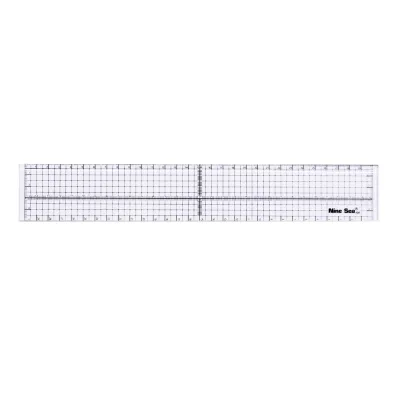
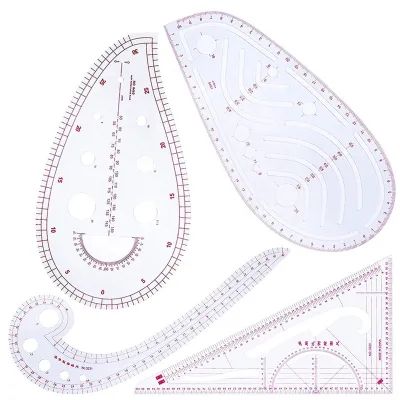
MCZ-10 Wholesale French Ruler Clothing Ruler Sewing AccessoriesFor Sewing Ruler
$2.91 - $3.15
MOQ: 2 sets
Chaozhou Bailiful Trading Company Limited
- Trading Company
- Guangdong, China
- Lead time15 days
- Avg. response≤ 4h
Main productsLeather tools,hand tools,hardware tools,Crafts
Main marketsEastern Europe(20.00%), South America(20.00%), North America(20.00%), Central America(10.00%), Africa(10.00%), Southeast Asia(10.00%), South Asia(5.00%), Mid East(5.00%)
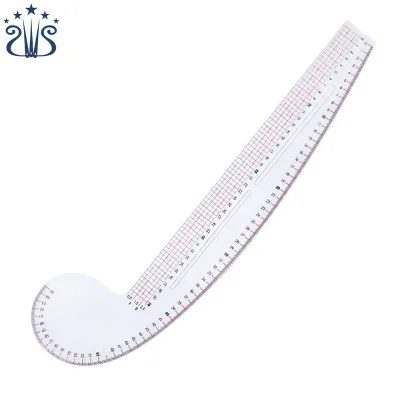
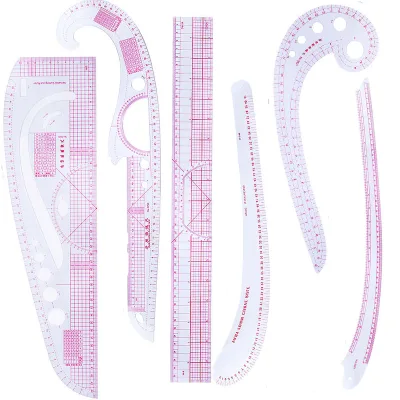
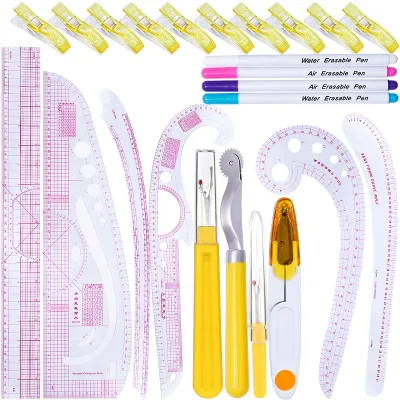
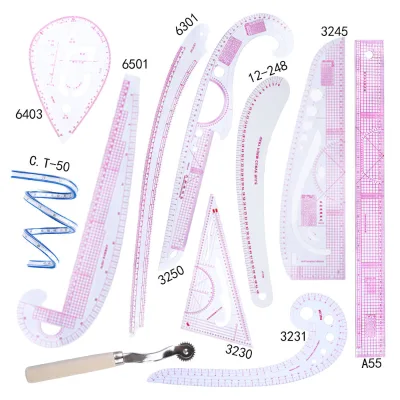
Fashion Design Sewing French Curve Ruler Curve Ruler for Sewing French Ruler Curve Sewing
$4.1435 - $4.7097
MOQ: 10 sets
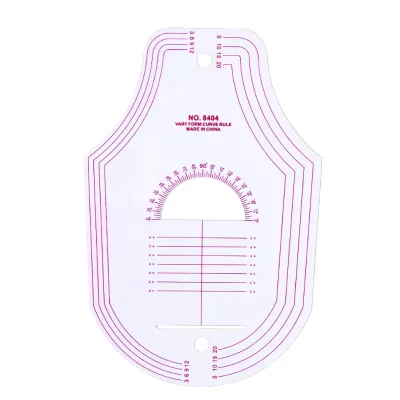
#8404 Pvc Flexible Transparent French Curve Ruler New Creative School Stationery Tailor Curve Ruler
$0.5558 - $0.8329
MOQ: 5 pieces
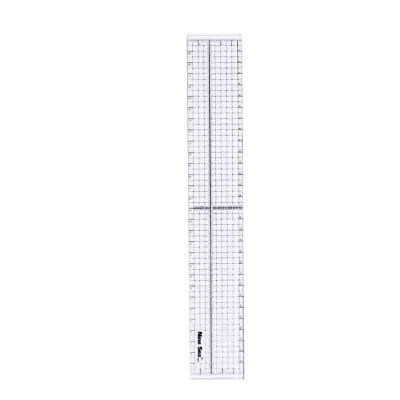
Brand Stationery Products Acrylic 30cm Plastic Clothing Design Straight Scale Ruler
$1.5414 - $1.9863
MOQ: 10 pieces
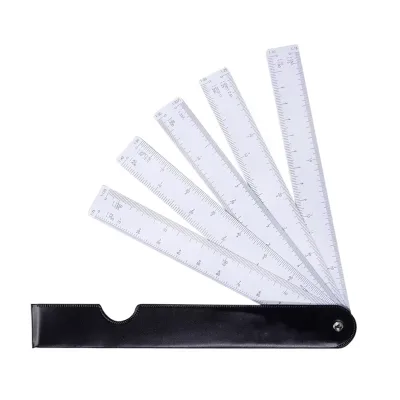
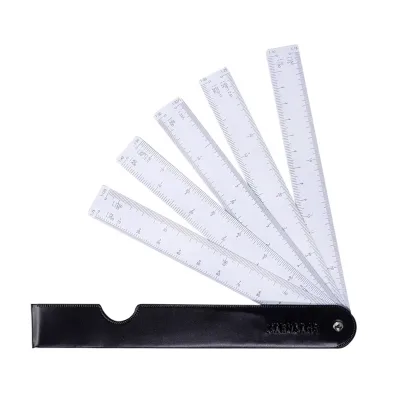
5-in-1 Size Folding Ruler&Fan Scale Ruler for Drawing and Clothing Design Folding Ruler
$0.6411 - $0.9213
MOQ: 5 pieces
Yiwu Bingqiang Trading Co., Ltd.
- Verified by SGS Group
- Manufacturer, Trading Company
- Lead time15 days
- Avg. response≤ 4h
Main productssewing needle, , safety pin, , scissor, awl, crochet hook, Tailor's chalk
Main marketsDomestic Market(40%), North America(30%), Eastern Europe(10%)
Ningbo New Swell Import&Export Co., Ltd.
- Verified by Intertek
- Trading Company
- Lead time7 days
- Avg. response≤ 4h
Main productsLace Trim, Ribbon, Sewing Accessories, Sewing Thread, Zipper
Main marketsMid East(50%), South America(20%), Southeast Asia(20%)
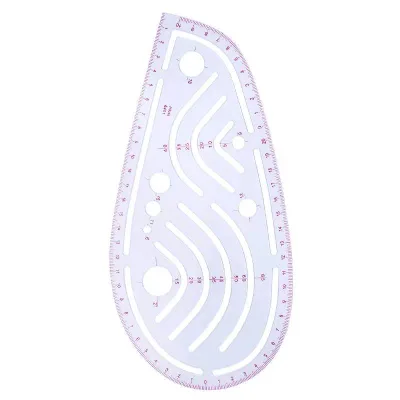
$0.5138 - $0.719
MOQ: 100 pieces
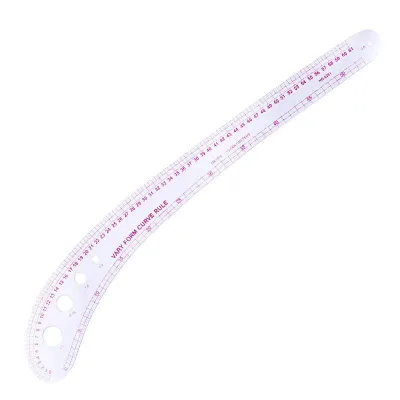
$0.6172 - $0.719
MOQ: 100 pieces
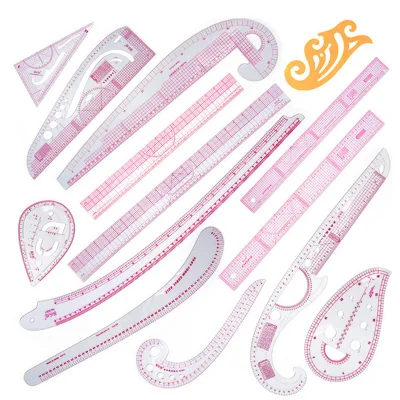
$0.56 - $1.23
MOQ: 100 pieces
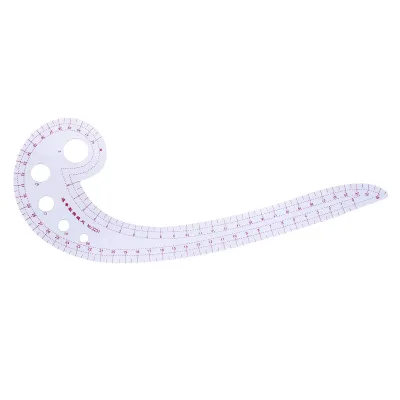
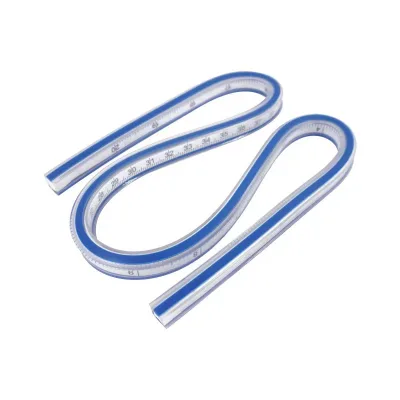
Flexible Curve Ruler Plastic Measuring Ruler Tailor Measuring Curves Soft Ruler
$0.80 - $1.20
MOQ: 100
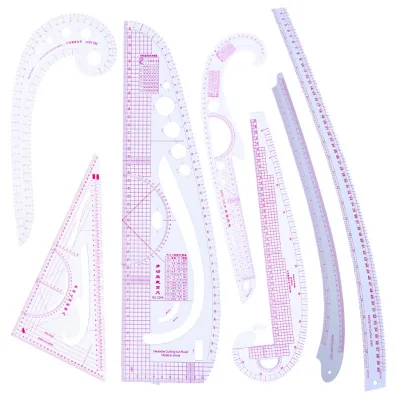

NINGBO ZHONGRUI IMPORT & EXPORT CO., LTD.
- Verified by CTI
- Manufacturer/Factory
- China Zhejiang
- Lead time0 days
- Avg. response≤ 14h
Main productsOffice Tools, School Items, Garden Tools, Gym Sports, Music Instructments
Main marketsSouth America,Eastern Europe,Mid East,North America,Southeast Asia,Western Europe,Africa
GOLDENWAY ADVANCE ENTERPRISE CO., LTD.
- Verified by SGS Group
- Manufacturer, Trading Company
- Lead time20 days
- Avg. response≤ 8h
Main productsCutting Mat, Quilting Ruler, 45 mm Rotary Cutter, Eco-friendly Cutting Mat, Ironing Ruler
Main marketsWestern Europe(39%), Mid East(20%), North America(12%)

Suzhou Toryin Trading Co., Ltd.
- Trading Company
- Jiangsu, China
- Lead time30 days
- Avg. response≤ 4h
Main productsHand Tools,Car Tools,Outdoor Tools,Garden Tools,Kitchen Tools
Main marketsSouth America(21.00%), North America(18.00%), Western Europe(8.00%), Eastern Europe(8.00%), Southern Europe(7.00%), Domestic Market(7.00%), Central America(5.00%), Southeast Asia(5.00%), Northern Europe(5.00%), Africa(5.00%), South Asia(3.00%), Eastern Asia(3.00%), Mid East(3.00%), Oceania(2.00%)
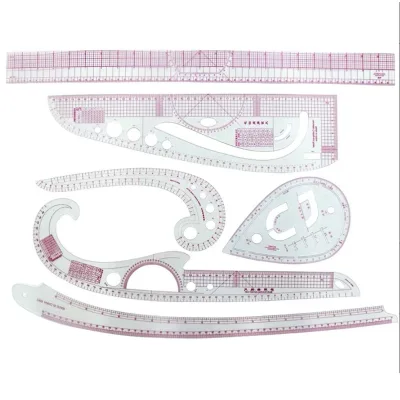
Multi-function Sewing Rulers Transparent French Curve Ruler Tailor Curve Ruler
$3.2027 - $4.133
MOQ: 10 sets
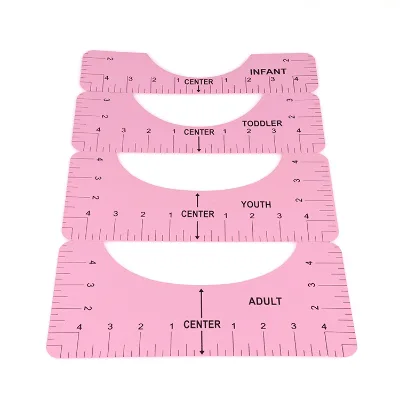
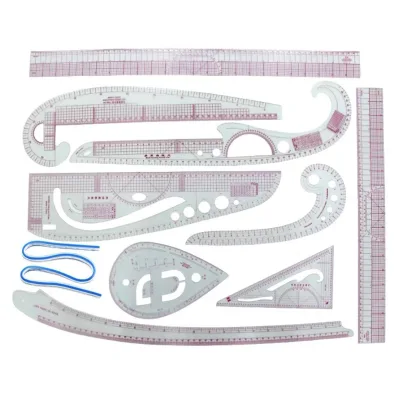
10pcs Set Clothing Design Ruler Sewing Ruler Set Plastic Ruler for Cloth Cutting Drawing Tailor
$4.133 - $5.1666
MOQ: 10 sets
Jinhua Jinxiang Trading Co., Ltd.
- Trading Company
- Zhejiang, China
- Lead time15 days
- Avg. response≤ 2h
Main productsHome Handmade Sewing Accessories
Main marketsNorth America(35.00%), Southeast Asia(15.00%), Domestic Market(10.00%), Western Europe(10.00%), South America(10.00%), Eastern Europe(10.00%), Southern Europe(5.00%), South Asia(5.00%)

Wenzhou Meters Int'l Trade Co., Ltd.
- Trading Company,Manufacturer/Factory
- China Zhejiang
- Lead time23 days
- Avg. response≤ 18h
Main productsHose Clamp, Utility Knife, Safety Products, Cutting Tools, Strike Tools, Fastening Tools, Safety Helmet, Hammer, Warming Tape, Plastic Injection
Main marketsSouth America,Eastern Europe,Mid East,North America,Southeast Asia,Eastern Asia,Oceania,Western Europe,Africa

- Manufacturer/Factory
- China Fujian
- Lead time38 days
- Avg. response≤ 2h
Main productsKeychains, Bags, Caps, Balls
Main marketsSouth America,Eastern Europe,Mid East,North America,Southeast Asia,Eastern Asia,Oceania,Western Europe,Africa

- Trading Company
- China Jiangsu
- Lead time23 days
- Avg. response≤ 4h
Main productsSilicone Nose Pads; Anti-Slip Pads, Lens Blocking Pads/Adhesive Pads, Screws; Screwdrivers, Pliers; Plier Stand, Lens Cleaners, Cutting Tools, Measuring Tools, Job Tray / Storage Box, Optical Accessories, Optometry Machines
Main marketsSouth America,Southeast Asia/ Mideast,East Asia(Japan/ South Korea),Domestic,Europe,Australia,North America

DONGGUAN HUI TAI TONG TECHNOLOGY CO., LIMITED
- Manufacturer/Factory
- China Guangdong
- Lead time23 days
- Avg. response≤ 2h
Main productsPlastic Toy, Children Toy, Educational Toy, Action Figure, PVC Figure, Promotional Gift, Sport Figure
Main marketsNorth America,Eastern Asia,Western Europe


Allowance Ruler Straight Line Guide Ruler Fabric Cutting Transparent Ruler
$0.89 - $1.99
MOQ: 5000 Pieces

$0.09 - $0.99
MOQ: 3000 Sets


TAIZHOU HARSOUL IMP. & EXP. CO., LTD.
- Trading Company
- China Zhejiang
- Lead time30 days
- Avg. response≤ 15h
Main productsPromotion Gifts, Promotional Bag, Promotional Jewelry, Promotional Toys, Promotional Stationery, Promotional Plastic Goods
Main marketsOthers(foreignTradeCapacity.exportBusinessCapacityMarketOther),Europe,North America

Shenzhen Elitime Technology Co., Ltd.
- Manufacturer, Trading Company, Agent
- Guangdong, China
- Lead time15 days
- Avg. response≤ 5h
Main productsFalse eyelashes,Makeup Brushes,Earrings,nacklaces,rings
Main marketsNorth America(16.00%), Eastern Europe(15.00%), South America(12.00%), Southeast Asia(10.00%), Mid East(8.00%), Eastern Asia(8.00%), Africa(8.00%), Western Europe(5.00%), Southern Europe(5.00%), Oceania(4.00%), Central America(4.00%), South Asia(2.00%), Northern Europe(2.00%), Domestic Market(1.00%)
Taizhou Bitop Machinery Co., Ltd.
- Trading Company
- Lead time旺季: "1 - 20":5,"> 20":"To be negotiated", 淡季: "1 - 20":5,"> 20":"To be negotiated"
- Avg. response≤ 2h
Main productsSewing Machines,Heat Press Machines,Cloth Cutting Machines,Button Making Machines,Embroidery Machines
Yiwu Lumiao Electronic Commerce Co., Ltd.
- Trading Company
- Zhejiang, China
- Lead time0 days
- Avg. response≤ 7h
Main productsYarn,Yarn winder,Crochet Hook,Safety Eyes,Flower Stem Sticks
Main marketsNorth America(32.00%), Southeast Asia(30.00%), Western Europe(10.00%), Northern Europe(5.00%), Eastern Europe(5.00%), Domestic Market(2.00%), Africa(2.00%), South America(2.00%), South Asia(2.00%), Southern Europe(2.00%), Central America(2.00%), Eastern Asia(2.00%), Mid East(2.00%), Oceania(2.00%)

Ningbo DH Textile Industry&Trade Co., Ltd.
- Verified by TUVRHEINLAND
- Trading Company
- China Zhejiang
- Lead time15 days
- Avg. response≤ 8h
Main productsLace, Interlining, Embroidery Thread, Poplin, Hook and Loop, Satin Ribbon, Sewing Thread, Button, Zipper, Lace Fabric
Main marketsAfrica,Southeast Asia/ Mideast,North America








Comprehensive Sourcing Guide
Plastic French Clothing Ruler Supplier Concentration and Factory Types
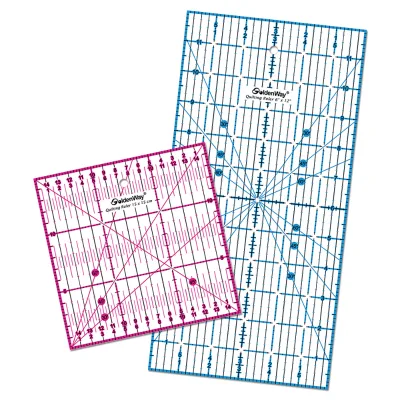
The current supplier landscape for plastic French clothing rulers reveals a distinct geographic concentration in China, with specific manufacturing hubs identified in Zhejiang and Guangdong provinces. These regions are known for their robust hardware and sewing accessory industries, providing a solid foundation for producing precision measuring tools. Suppliers in these areas often operate as combined entities or trading companies, which allows them to offer a diverse range of products beyond just rulers, such as snap buttons, rotary cutters, and knitting needles. This diversity can be advantageous for buyers seeking a one-stop shop for various sewing notions and garment processing accessories. The presence of these specific locations indicates that buyers should prioritize suppliers with verifiable addresses in these provinces to ensure proximity to established supply chains and raw material sources.
Factory types vary significantly, ranging from combined manufacturers that handle both OEM and ODM services to pure trading companies that source from multiple factories. Combined companies often provide greater flexibility in customization, allowing for tailored solutions in ruler design and packaging. Trading companies, on the other hand, may offer a broader selection of models and brands, such as those labeled with specific model numbers like MCZ-07 or AA-MNPRSB. Buyers should carefully distinguish between these types to align with their specific needs for customization, volume, and direct factory communication. Understanding the company type is crucial for negotiating terms, as manufacturers may offer better pricing for large orders, while trading companies might provide better service for smaller, mixed orders.
How to Verify Plastic French Clothing Ruler Suppliers
Verifying suppliers requires a meticulous examination of their response times, lead times, and product specifications to ensure reliability and quality. Response times are a critical indicator of supplier efficiency, with some suppliers demonstrating rapid communication capabilities, such as those with response times under seven hours. This speed is essential for resolving queries about customizations, pricing, and shipping logistics promptly. Buyers should also scrutinize lead times, which can vary from ten to fifteen days depending on the supplier’s capacity and order volume. A shorter lead time does not always guarantee better quality, so it is important to cross-reference this with other verification metrics. Additionally, checking the supplier’s main products can provide insight into their expertise; suppliers specializing in sewing supplies and hardware tools are likely more knowledgeable about the specific requirements of plastic French rulers.
Product evidence and attributes serve as another layer of verification, allowing buyers to assess the technical specifications of the rulers offered. Key attributes to verify include certification status, such as CE certification, which indicates compliance with European health, safety, and environmental protection standards. Precision and resolution are also critical, with some rulers offering a resolution of 0.01mm and precision of 0.015mm, ensuring accurate measurements for garment design. Buyers should request detailed product data sheets to confirm these specifications. Furthermore, examining the customization options available, such as OEM acceptance and customized packaging, can help determine if a supplier can meet specific branding needs. Verifying these details through direct communication and sample requests is essential to avoid discrepancies between advertised capabilities and actual performance.
What to Compare Across Plastic French Clothing Ruler Suppliers
When comparing suppliers, buyers should focus on key commercial dimensions such as price, minimum order quantity (MOQ), and customization capabilities. Price ranges for plastic French clothing rulers can vary significantly, from as low as $0.15 to over $6.00 per unit, depending on the complexity of the design, material quality, and order volume. Lower-priced options may have higher MOQs, such as 1000 units, while premium or specialized rulers might have lower MOQs, starting from just two sets. This variation allows buyers to align their purchasing strategy with their budget and inventory needs. It is important to consider the total cost of ownership, including shipping and potential customs duties, rather than just the unit price. Comparing these financial terms across multiple suppliers helps in identifying the most cost-effective option without compromising on quality.
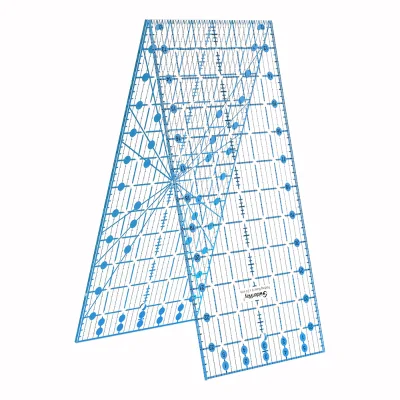
Customization and packaging options are another critical area for comparison. Some suppliers offer non-customized products with standard packaging, such as OPP bags or cartons, while others provide fully customized solutions, including branded blister cards and specific packaging dimensions. The ability to customize the ruler’s color, size, and model number can be a significant differentiator for buyers looking to establish a unique brand identity. Additionally, the availability of multi-specification rulers, such as those with various lengths from 16cm to 60cm, offers flexibility in meeting diverse customer requirements. Buyers should also evaluate the supplier’s ability to handle different measurement objects and ranges, ensuring that the rulers meet the specific needs of their target market. Comparing these features helps in selecting a supplier that offers the best balance of cost, quality, and customization.
Common Plastic French Clothing Ruler Sourcing Risks
One of the primary risks in sourcing plastic French clothing rulers is the potential discrepancy between advertised specifications and actual product quality. Buyers may encounter issues with precision and accuracy, where the ruler’s resolution and measurement range do not meet the claimed standards. For instance, a ruler advertised with a 0.01mm resolution might have significant deviations in actual use, leading to errors in garment design and production. This risk is exacerbated when dealing with suppliers who do not provide detailed technical documentation or third-party test results. To mitigate this, buyers should request samples to physically test the rulers’ accuracy and durability. Additionally, verifying the supplier’s certification status, such as CE compliance, can help ensure that the products meet international safety and quality standards.
Another significant risk is the variability in lead times and response speeds, which can disrupt supply chain operations. Suppliers with longer lead times or slower response rates may struggle to meet urgent order deadlines, leading to delays in production and delivery. This is particularly problematic for buyers who rely on just-in-time inventory systems or have tight project schedules. Furthermore, the risk of receiving non-customized products when customized options were promised can lead to branding inconsistencies and customer dissatisfaction. Buyers should establish clear communication channels and set explicit expectations regarding lead times and customization requirements in their contracts. Regular follow-ups and milestone checks can help monitor progress and address any potential issues early in the sourcing process.
Plastic French Clothing Ruler Regional Sourcing and Logistics
Sourcing plastic French clothing rulers from specific regions in China, such as Zhejiang and Guangdong, offers logistical advantages due to the established infrastructure and proximity to major ports. These regions are well-connected to global shipping routes, facilitating efficient export processes and reducing transit times. Buyers should consider the impact of regional logistics on overall costs and delivery schedules. Suppliers in these areas often have experience in handling international shipments, which can streamline the customs clearance process and reduce the risk of delays. Additionally, the concentration of suppliers in these regions fosters competition, which can lead to better pricing and service offerings. Buyers should leverage this competitive landscape to negotiate favorable terms and secure reliable logistics partners.
Logistics planning should also account for the packaging and weight of the rulers, which can affect shipping costs. Some suppliers offer compact packaging, such as single package sizes of 25x25x25 cm, which can optimize container space and reduce freight expenses. However, buyers must ensure that the packaging provides adequate protection to prevent damage during transit. For larger orders, consolidating shipments from multiple suppliers in the same region can further reduce logistics costs. Buyers should work closely with their suppliers to determine the most efficient shipping methods, whether by sea, air, or express courier, based on the urgency and volume of the order. Proper logistics planning ensures that the rulers arrive in good condition and on time, supporting smooth production and sales operations.
Plastic French Clothing Ruler Commercial Terms and Order Planning
Effective order planning for plastic French clothing rulers requires a clear understanding of commercial terms, including payment methods, warranty policies, and after-sales support. Buyers should negotiate favorable payment terms, such as partial upfront payments and balance upon shipment, to manage cash flow and mitigate financial risk. It is also important to clarify the supplier’s warranty policy for defective products, ensuring that there is a mechanism for returns or replacements. After-sales support, including technical assistance and customer service, can be crucial for resolving any issues that arise post-delivery. Buyers should assess the supplier’s commitment to customer satisfaction by reviewing their response to inquiries and complaints. Establishing a strong commercial relationship based on transparency and mutual benefit can lead to long-term partnerships and better service levels.
Order planning should also consider the scalability of production and the supplier’s capacity to handle volume fluctuations. Suppliers with OEM and ODM capabilities can adapt to changing market demands, offering flexible production schedules and customized solutions. Buyers should communicate their forecasted order volumes to suppliers to ensure that production capacity is available when needed. Additionally, planning for seasonal demand spikes, such as those during fashion weeks or holiday seasons, can help avoid stockouts and production bottlenecks. By aligning order planning with market trends and supplier capabilities, buyers can optimize their inventory levels and maintain a steady supply of high-quality plastic French clothing rulers. This strategic approach supports business growth and enhances customer satisfaction.
FAQs
What is a Plastic French Clothing Ruler used for in garment making?
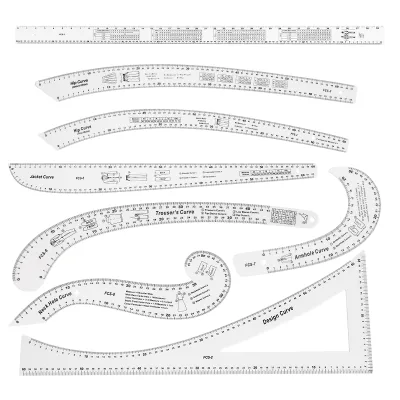
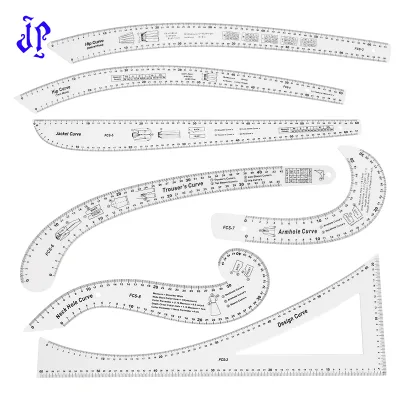
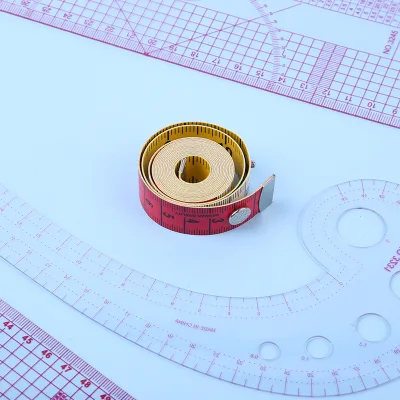
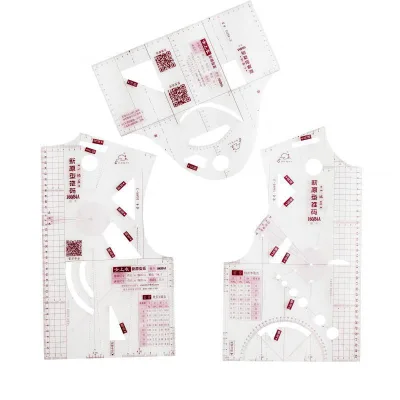
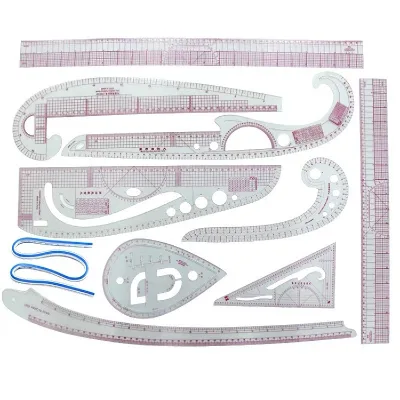
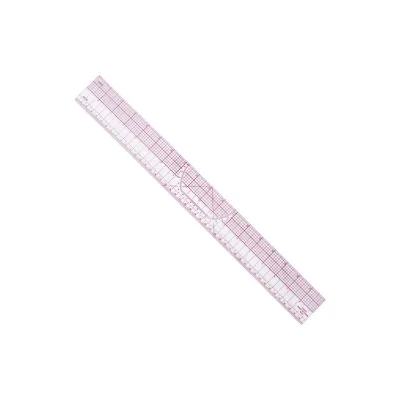
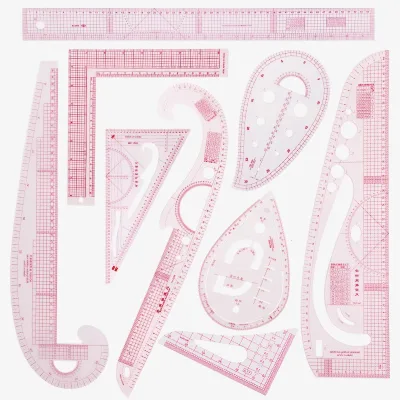
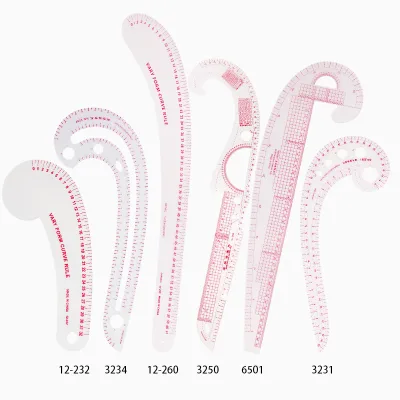
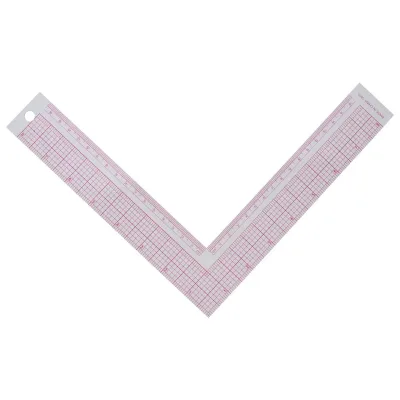
A Plastic French Clothing Ruler is used to draw smooth curves on patterns, including armholes, necklines, hip curves and sleeve caps. Tailors and pattern makers place the shaped edge along draft lines to keep transitions even. Many sets combine a french curve with straight grading rules so one kit covers measuring, marking and resizing tasks during pattern design.
What is the typical minimum order quantity for plastic french clothing rulers?
Minimum order quantities vary widely by product and supplier. Some multi-function curve rulers and sewing rectangle rulers list MOQs as low as 100 pieces, while certain clothing design rulers list 1000 pieces, and some French ruler sets allow orders of just 2 sets. Confirm the MOQ for the exact model before requesting a quote.
How much do plastic french clothing rulers cost in bulk?
Bulk unit prices generally range from about 0.15 USD for simple grading rulers up to roughly 0.60 USD for higher-end DIY fabric sewing grading rulers, with some French ruler design sets priced between about 2.22 and 6.40 USD per set. Price depends on size, packaging and customization, so request quotations based on your chosen specification.
Do suppliers offer customization on plastic french clothing rulers?
Yes, customization is commonly available. Several listed rulers state that customization is available and that OEM orders are accepted, with some models offered in customized or non-customized versions. Customization can cover branding, packaging such as blister cards or cartons, and specification choices like size, so discuss your requirements with suppliers before ordering.
What sizes and specifications should I check before ordering?
Check the ruler range, size and stated precision before ordering. Listed products include a 16cm by 16cm design ruler, multi-size grading rulers in 30cm, 40cm, 50cm and 60cm lengths, and measuring ranges up to 500mm with resolution around 0.01mm. Also confirm packaging type, model number and whether the item is transparent plastic or another color.
What certifications do these plastic rulers carry?
Many of the listed plastic clothing rulers state CE certification, with accuracy rated at grade A and precision around 0.015mm. Certification applies to specific models, so always verify that the certificate covers the exact product you plan to order and ask the supplier for documentation before confirming a bulk purchase.
How fast can suppliers ship plastic french clothing rulers?
Lead times among the listed suppliers are about 10 to 15 days, depending on the company and order size. Response times also differ, with one supplier replying in around 6 hours and another averaging about 12 hours. Confirm current production schedules and shipping method, since customized packaging or large volumes may extend the timeline.
Where are plastic french clothing rulers mainly produced?
The listed suppliers of plastic french clothing rulers are based in China, with companies located in Zhejiang and Guangdong, and some product listings also note Anhui as a place of origin. China remains the main production hub for these sewing and pattern-making tools, so factor in shipping time and customs requirements when planning delivery.