Source Portable Sewing Basket for Travel, Home, and Craft Projects
Explore 30 Portable Sewing Basket options from verified suppliers in China. Compare features like material, size, and customization to find the right kit for hand sewing, knitting, or travel needs; compare the available evidence and request quotations based on your requirements.
Updated
Key considerations
Products List


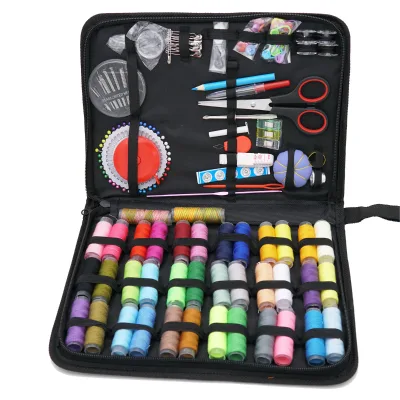


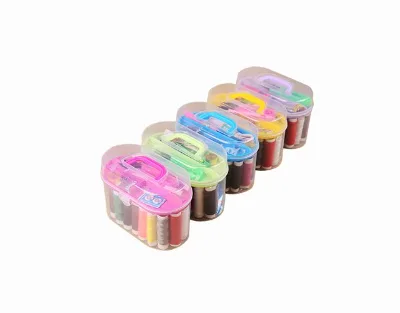
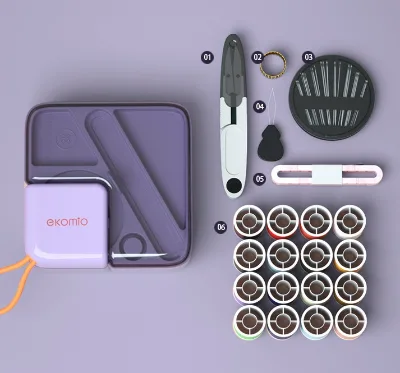
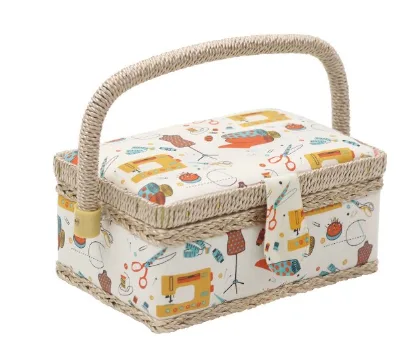
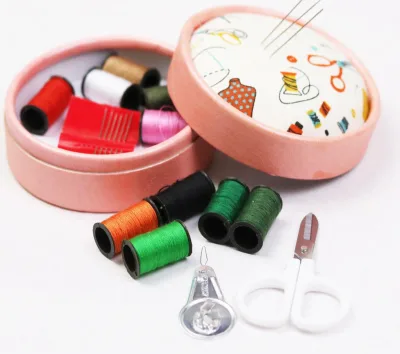
Cheap Sewing Thread Sewing Needle Basket with Clover Sewing Kit Accessories
$0.9429 - $1.1392
MOQ: 200 pieces
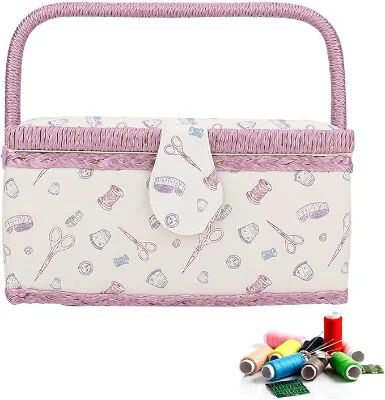
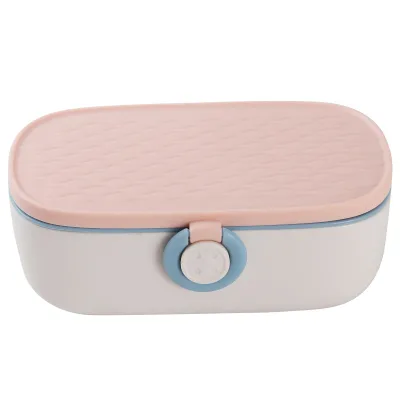
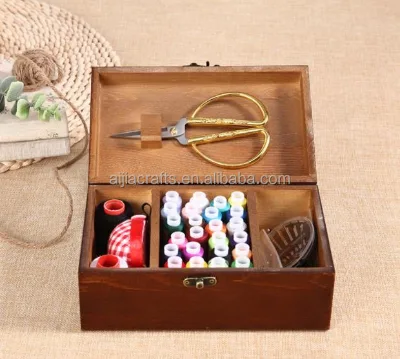
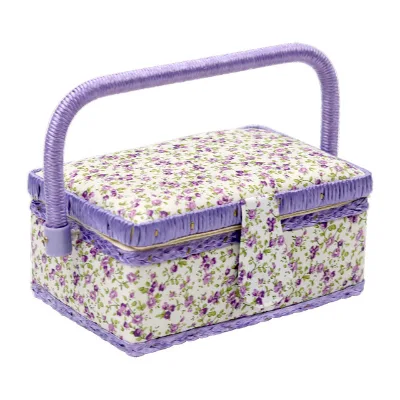
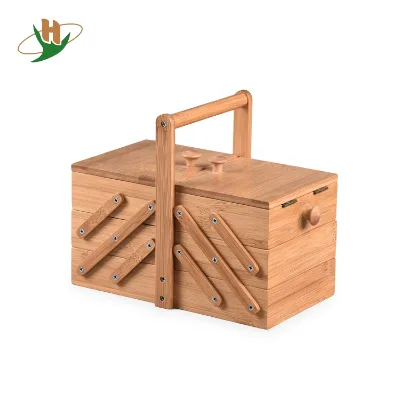
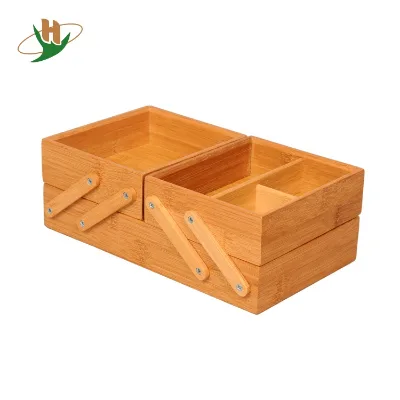
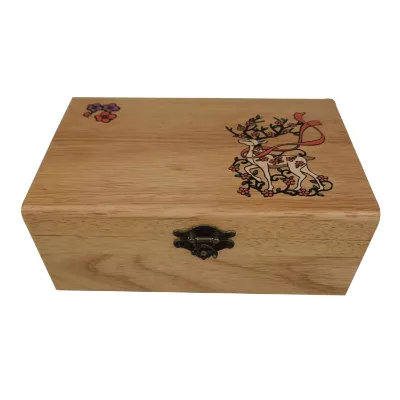
Wooden Sewing Basket with Accessories, Sewing Box with Sewing Kit Accessories,Sewing Kit
$2.5888 - $7.9717
MOQ: 10 Minimum
Comprehensive Sourcing Guide
Portable Sewing Basket Sourcing Guide
Sourcing portable sewing baskets requires a clear understanding of the diverse product configurations available in the current market. Buyers must distinguish between basic hand-sewing kits and more comprehensive sets that include specialized tools for knitting or general repair tasks. The observed product landscape indicates a strong preference for compact, multi-functional designs that cater to everyday use scenarios. Procurement teams should prioritize suppliers who offer customization options, as branded packaging and logo placement are frequently requested by retail distributors and corporate gifting clients.
The material composition of these kits varies significantly, with polyester and cotton being the most commonly observed thread materials. Buyers need to verify the specific contents of each kit, as some listings include measuring tapes, scissors, safety pins, and ordinary hand-sewing needles, while others may focus solely on thread and basic tools. Understanding these variations is critical for aligning product offerings with target customer needs, whether they are targeting hobbyists, travelers, or emergency preparedness markets.
Product Scope and Observed Listing Signals
The current market for portable sewing baskets exhibits a wide range of specifications, with observed prices ranging from $0.94 to $16.71 USD. This variance reflects differences in material quality, component count, and packaging complexity. Minimum order quantities (MOQs) also fluctuate considerably, ranging from 100 to 2,000 sets, which impacts initial inventory investment and supply chain flexibility. Buyers should analyze these signals to determine the most suitable supplier tier for their specific volume requirements and budget constraints.
Product dimensions and weights are key differentiators in this category, with sizes ranging from compact pocket-sized units to larger baskets measuring up to 19.5x19.5x11 cm. The weight of individual kits typically hovers around 285 grams, which influences shipping costs and storage efficiency. Additionally, packing configurations vary, with some suppliers offering 6 pieces per carton and others providing 40 pieces per box. These logistical details must be carefully evaluated to optimize freight costs and ensure efficient warehouse management upon receipt of goods.
Technical Specifications to Verify
Technical verification begins with confirming the sewing thread type and material composition, as these directly affect durability and user satisfaction. Buyers should request samples to assess whether the threads are made from 100% cotton or polyester, noting that some products offer mixed thread types for versatility. It is also essential to verify the color fastness and elongation properties of the threads, as these attributes determine the longevity of repairs and the aesthetic appeal of the finished product.
The physical dimensions and model numbers of the sewing baskets must be cross-referenced with supplier catalogs to ensure consistency. Common model identifiers include HA-2202-0077 and ha-0021-0036-2, each associated with specific packing standards and carton measurements. Buyers should also confirm the automation level, which is typically manual, and the sewing machine type if applicable, such as portable pocket-sized devices. Accurate specification matching prevents discrepancies between ordered and delivered goods, reducing the risk of returns or customer dissatisfaction.
Compliance and Safety Documentation
Compliance documentation is a critical component of the sourcing process, particularly when dealing with products intended for international markets. Buyers should verify that suppliers possess relevant certifications, such as S-G-S, which attest to the quality and safety of the materials used in the sewing kits. These certifications provide assurance that the products meet established industry standards for durability and non-toxicity, which is especially important for items that may come into contact with skin or be used by children.
In addition to product certifications, buyers must ensure that all packaging and labeling comply with local regulations in the destination market. This includes accurate country-of-origin labeling, such as Zhejiang or Ningbo, China, and clear instructions for use. Suppliers should be required to provide documentation confirming that their products adhere to relevant safety standards, including restrictions on hazardous substances. Proper compliance documentation not only mitigates legal risks but also enhances brand credibility and consumer trust.
Cost Drivers and Commercial Terms
Cost drivers in the Portable Sewing Basket market include material selection, customization requirements, and packaging complexity. Customized logos and specific color schemes often incur additional setup fees, which can impact the unit price. Buyers should negotiate clearly defined commercial terms that account for these variables, ensuring that the final price reflects the true cost of production without hidden charges. Understanding these drivers allows for more accurate budgeting and prevents unexpected cost overruns during the procurement process.
Payment terms and lead times are also significant factors in the overall cost structure. Suppliers may offer different payment structures based on order volume, with larger orders potentially qualifying for more favorable terms. Lead times can vary depending on the complexity of customization and the current production schedule. Buyers should establish clear agreements on delivery schedules and penalty clauses for delays to maintain supply chain reliability. Transparent commercial terms help in managing cash flow and ensuring timely product availability.
Supplier Qualification and Quality Control
Supplier qualification involves a thorough assessment of their production capabilities, quality control processes, and track record. Buyers should request detailed information about the supplier’s manufacturing facilities, including their capacity to handle customized orders and maintain consistent quality across batches. It is also important to verify the supplier’s ability to provide guaranteed quality, as indicated in some product listings, which suggests a commitment to meeting specified standards.
Quality control measures should be implemented at various stages of production, from raw material inspection to final product packaging. Buyers should consider conducting third-party inspections to ensure that the products meet the agreed-upon specifications and quality standards. This includes checking for defects in sewing threads, verifying the accuracy of component lists, and ensuring that packaging is secure and damage-free. Effective quality control minimizes the risk of receiving substandard products and protects the buyer’s brand reputation.
Long-Term Procurement Checks
Long-term procurement success depends on establishing strong relationships with reliable suppliers and continuously monitoring performance. Buyers should regularly review supplier performance metrics, including on-time delivery rates, product quality consistency, and responsiveness to issues. Building a diversified supplier base can mitigate risks associated with single-source dependencies and provide flexibility in responding to market changes or supply chain disruptions.
Continuous improvement initiatives should be encouraged through regular feedback loops and collaborative problem-solving sessions with suppliers. Buyers should stay informed about industry trends and technological advancements that could impact product design or manufacturing processes. By maintaining a proactive approach to supplier management, buyers can ensure a steady supply of high-quality portable sewing baskets that meet evolving customer demands and market expectations.
FAQs
What materials are used in portable sewing baskets?
Portable sewing baskets are typically crafted from polyester or 100% cotton materials. These fabrics ensure durability and flexibility for everyday use. Some models feature mixed sewing threads and colorful designs. The material choice supports high tenacity and reliable performance for hand sewing tasks. Buyers can select options based on specific texture and strength requirements.
Can I customize the logo on these sewing kits?
Yes, customized logos are acceptable for portable sewing baskets. Suppliers offer branding options to meet specific business needs. This customization allows companies to enhance product visibility and brand recognition. Buyers should confirm logo placement and design specifications with the manufacturer. Customization services are widely available for bulk orders in the global market.
What is the typical MOQ for these products?
The minimum order quantity varies by supplier and product model. Observed MOQs range from 200 sets to 2000 sets. Specific models may require higher volumes for production efficiency. Buyers should check individual product listings for exact MOQ requirements. Flexible ordering options exist to accommodate different business scales and inventory needs.
Where are these sewing baskets manufactured?
These products are primarily manufactured in Zhejiang and Ningbo, China. These regions are known for strong textile and manufacturing capabilities. Buyers can source directly from factories in these locations. Origin details are often listed in product specifications. Sourcing from these areas may offer logistical advantages for international shipments.
What certifications do these sewing kits have?
Some portable sewing baskets carry S-G-S certification. This indicates adherence to specific quality and safety standards. Buyers should verify certification details for each product model. Certifications provide assurance of product reliability and manufacturing quality. Always request valid documentation from suppliers before finalizing procurement agreements.
How are these kits packaged for shipping?
Packaging varies by model, with options like 6PCS/CTN or 40PCS/Box. Standard export cartons are commonly used for protection. Some items use polybags for individual unit packaging. Carton dimensions and weights are specified in product details. Proper packaging ensures product safety during transit and storage.