Low Profile Wireless Keyboard with Numeric Keypad Suppliers and Manufacturers
Compare 12 verified suppliers offering Low Profile Wireless Keyboard with Numeric Keypad options from Guangdong. Review response times, lead times, certifications, and customization capabilities to select a suitable partner for your order; review the available evidence before requesting comparable quotations from suitable candidates.
Updated
Suppliers List

Dongguan Siyaji Electronic Technology Co.,Ltd
- Verified by BV
- Manufacturer
- China Guangdong
- Lead time30 days
- Avg. response≤ 1h
Main productsDesktop Wireless Keyboard, Tablet Leather Keyboard Case, iPad Education Keyboard, Folding Bluetooth Keyboard, Keyframe, Keyboard and Mouse Combo, Wired Keyboard, Membrane Keyboard, Wireless Keyboard, Gaming Keyboard

Wireless Numeric Keypad with Hub Aluminum Patented Bluetooth Keyboard for Desktop
$12.36 - $12.86
MOQ: 1000 Pieces

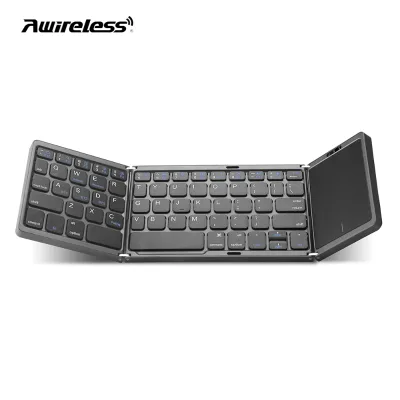
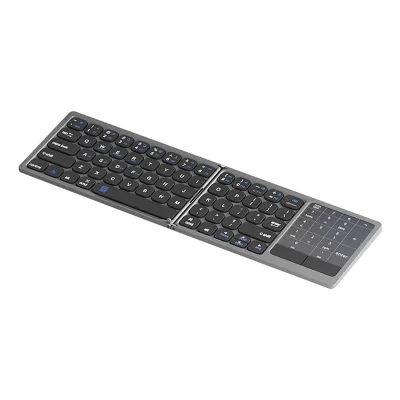
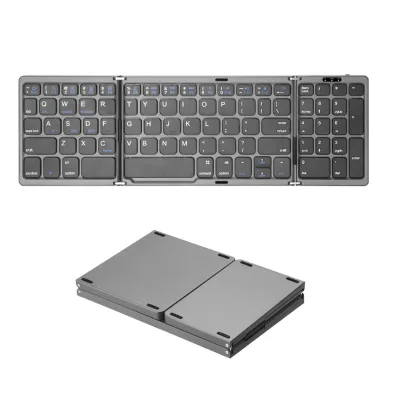
Wireless Foldable Bt Keyboard with Touch Pad Numeric Keypad for Windows Android Tablet
$12.36 - $12.86
MOQ: 1000 Sets

High Quality Aluminum Numeric Wireless Bluetooth Keypad Keyboard with Hub
$6.13 - $6.43
MOQ: 1000 Pieces

Low-Profile Wireless Keyboard with Quiet Keys and Cross-Platform Compatibility (Win/Mac/Linux)
$20.90 - $21.43
MOQ: 1000 Sets

Fast-Charging 150 Days Standby Wireless Full Size Backlight Keyboard with Numeric Pad
$20.90 - $21.43
MOQ: 1000 Sets

Low-Profile Scissor-Switch Wireless Bluetooth Keyboard Keypad for Office/Industrial Use
$12.36 - $12.86
MOQ: 1000 Pieces
Shenzhen Awireless Electronics Development Limited
- Verified by Intertek
- Manufacturer, Trading Company
- Lead time10 days
- Avg. response≤ 4h
Main productsWireless Keyboard, Keyboard and Mouse Combo, Mouse, Mechanical Keyboard, Stand
Main marketsEastern Asia(54%), North America(15%), Eastern Europe(11%)

- Combined
- China Guangdong
- Lead time15 days
- Avg. response≤ 19h
Main productsMetal Keyboard, Stainless Steel Keyboard, Industrial Keyboard, Silicone Keyboard, Medical Keyboard, Metal Keypad, Metal Trackball, Tablet Stand, Android Kiosk, Touchscreen Kiosk
Main marketsSouth America,Africa,Southeast Asia/ Mideast,East Asia(Japan/ South Korea),Europe,Australia,North America

Tyshen Technology Co., Limited
- Trading Company,Manufacturer/Factory
- China Guangdong
- Lead time45 days
- Avg. response≤ 5h
Main productsComputer Keyboard, Computer Mouse, Powr Bank, Mouse Keyboard, Computer Speaker, Bluetooth Speaker
Main marketsSouth America,Eastern Europe,Mid East,North America,Southeast Asia,Eastern Asia,Western Europe,Africa
SHENZHEN DM TECHNOLOGY CO., LTD.
- Trading Company
- Guangdong, China
- Lead time20 days
- Avg. response≤ 3h
Main productsKeyboard,Mouse,Speaker,Headphone,Mouse Pad
Main marketsWestern Europe(40.00%), Southern Europe(10.00%), Eastern Europe(10.00%), South America(10.00%), Domestic Market(9.00%), Southeast Asia(5.00%), Northern Europe(5.00%), North America(5.00%), Africa(1.00%), South Asia(1.00%), Eastern Asia(1.00%), Mid East(1.00%), Central America(1.00%), Oceania(1.00%)
Dongguan Dongsheng Technology Co., Ltd.
- Trading Company
- Guangdong, China
- Lead time25 days
- Avg. response≤ 16h
Main productsbluetooth keyboard,mini keyboard,tablet keyboard,keyboard case,bluetooth speaker
Main marketsWestern Europe(10.00%), Domestic Market(10.00%), Mid East(10.00%), Southern Europe(10.00%), Northern Europe(10.00%), Eastern Europe(10.00%), South America(10.00%), North America(10.00%), Eastern Asia(5.00%), Oceania(5.00%), Africa(5.00%), Central America(5.00%)
Shenzhen Kingstar Mould Co., Ltd.
- Verified by SGS Group
- Manufacturer, Trading Company
- Lead time15 days
- Avg. response≤ 9h
Main productsPlastic Product, Wireless Speaker, Massage Gun, Wireless Earbuds, Smart Watch
Main marketsNorth America(35%), Southern Europe(30%), Domestic Market(20%)
Guangzhou Boda Electronic Equipment Co., Ltd.
- Verified by TüVRheinland
- Manufacturer, Trading Company
- Lead time0 days
- Avg. response≤ 6h
Main productsMechanical Keyboard, Computer Keyboard, Wireless Keyboard And Mouse, Wired Mouse And Keyboard, Mouse And Keyboard Combo
Main marketsNorth America(30%), South America(10%), Eastern Europe(10%)
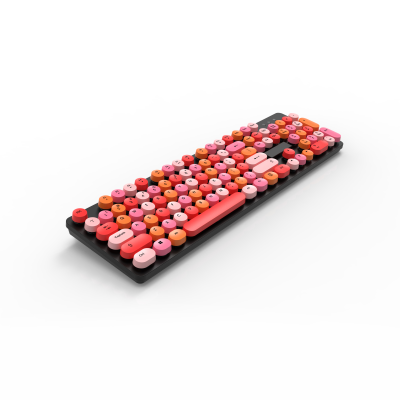
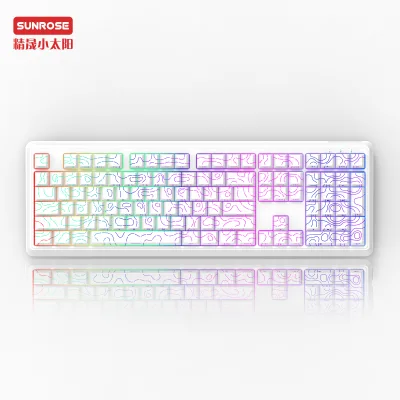
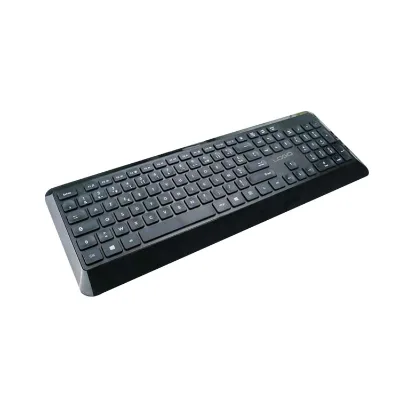
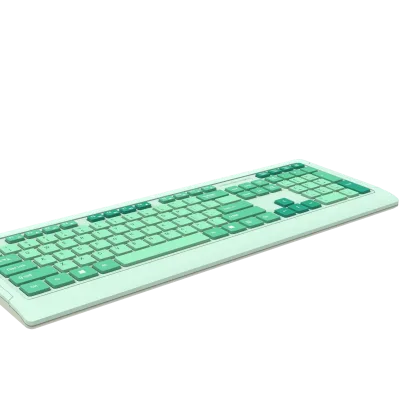
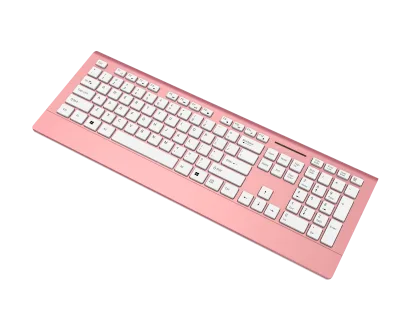
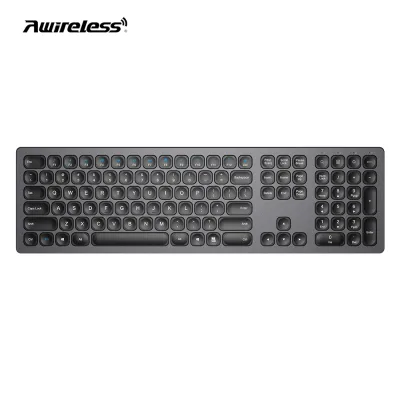
Wholesale Price Custom Language 104 Keys Cute Wireless Keyboard with Number Pad
$3.43 - $4.71
MOQ: 3000 pieces
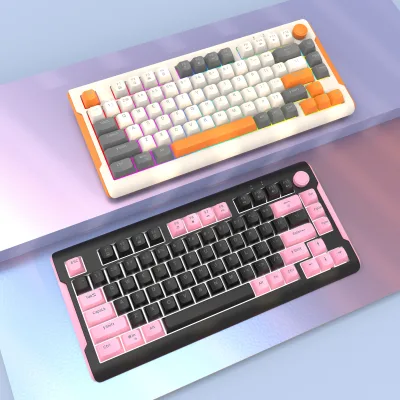
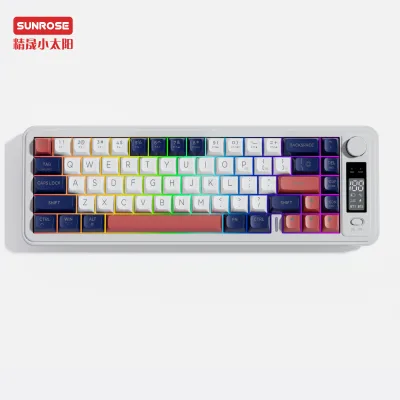
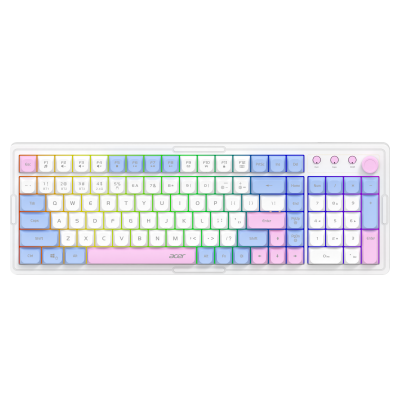
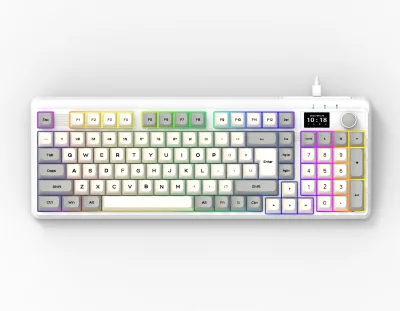
OEM Wireless Mechanical Feeling Keyboard with Dual Mode Bluetooth 5.0/2.4Ghz
$7.23 - $8.00
MOQ: 3000 pieces
Shenzhen Lord Way Technology Co., Ltd.
- Manufacturer
- Guangdong, China
- Lead time30 days
- Avg. response≤ 8h
Main productsWired Mouse,Wired Keyboard,Wireless Mouse,Wireless Keyboard And Mouse
Main marketsDomestic Market(70.00%), Eastern Asia(10.00%), South Asia(6.00%), Western Europe(5.00%), Eastern Europe(3.00%), Southeast Asia(2.00%), Mid East(2.00%), Southern Europe(2.00%)
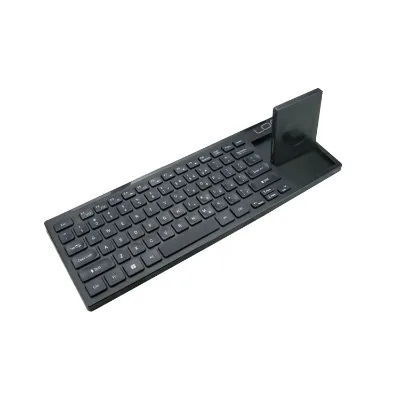
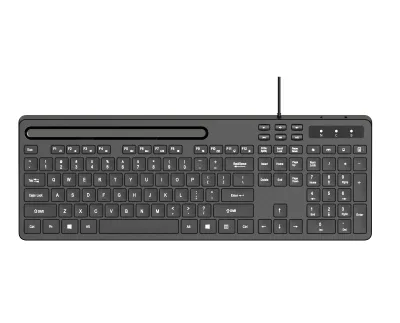
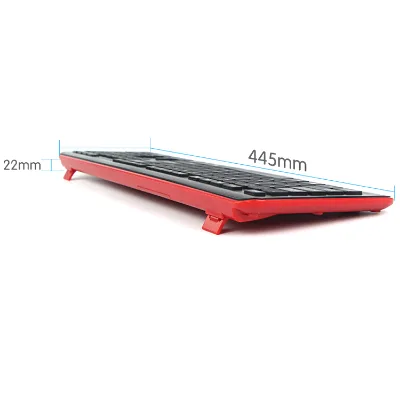
Factory Direct Sale 2.4G Wireless Keyboards with Integrated Touchpad
$13.3651 - $14.3934
MOQ: 1 pieces
Shenzhen Kingstar Electronic Commerce Co., Ltd.
- Manufacturer, Trading Company
- Guangdong, China
- Lead time15 days
- Avg. response≤ 4h
Main productsEarphone,Personal Care,Massage Gun,Speaker,Smart Watch
Main marketsNorth America(50.00%), Northern Europe(20.00%), Eastern Europe(10.00%), Eastern Asia(10.00%), Oceania(10.00%)
Shenzhen Ebits Technology Co., Ltd.
- Manufacturer
- Guangdong, China
- Lead time22 days
- Avg. response≤ 2h
Main productsKeyboards,Voice Translator,Portable Monitor,Wireless Keyboard,ipad cases
Main marketsDomestic Market(26.00%), Western Europe(24.00%), North America(18.00%), Northern Europe(10.00%), Southeast Asia(10.00%), Eastern Europe(2.00%), South Asia(2.00%), Eastern Asia(2.00%), Mid East(2.00%), Oceania(2.00%), Africa(1.00%), South America(1.00%)
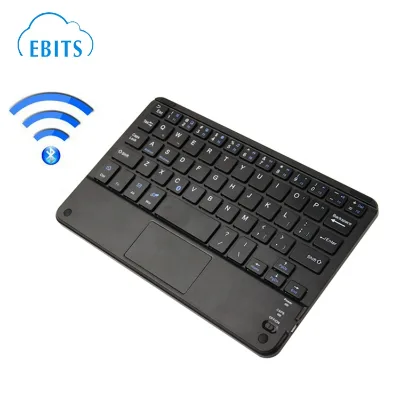
2021 Laptop Swedish bluetooth Keyboard with Touchpad
$4.98 - $5.00
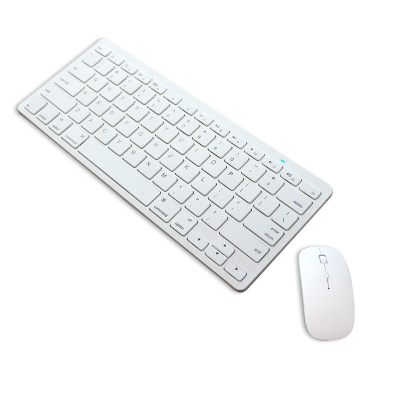
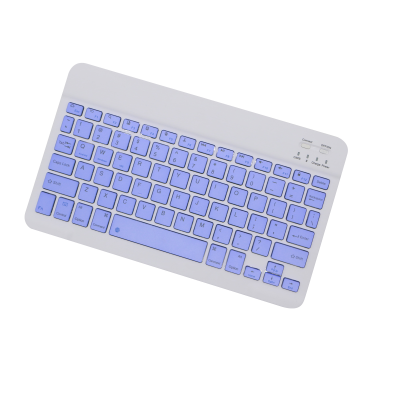
Bluetooth Mini Keyboard Wireless Colorful Keyboards for Smartphone WIRELESS KEYBOARD
$4.42 - $4.90
MOQ: 1000 pieces
Shenzhen Deying E-Commerce Limited.
- Verified by Intertek
- Trading Company
- Guangdong, China
- Lead time30 days
- Avg. response≤ 2h
Main productsKeyboard, Mouse, Key Cap
Main marketsNorth America(65%), South America(8%), Eastern Europe(5%)


Comprehensive Sourcing Guide
Low Profile Wireless Keyboard with Numeric Keypad Supplier Concentration and Factory Types
The sourcing landscape for low profile wireless keyboards with numeric keypads is heavily concentrated in specific manufacturing hubs, with Guangdong, China, emerging as a primary cluster for these specialized computer peripherals. Suppliers located in this region often benefit from established supply chains for electronic components, plastic injection molding, and aluminum extrusion, which are critical for producing the compact and ergonomic designs requested by modern buyers. When evaluating potential partners, it is essential to distinguish between pure manufacturers and trading companies, as their operational models differ significantly. Manufacturers typically offer greater control over production quality, material selection, and customization capabilities, such as OEM and ODM services, which are frequently listed in their core competencies. In contrast, trading companies may provide a broader variety of existing stock items but might have less direct influence over the manufacturing process or lead times. Buyers should carefully review the company type designation to ensure alignment with their specific sourcing strategy, whether that involves deep customization or rapid procurement of standard models.
Understanding the factory type also helps in assessing the scalability and flexibility of the supplier. Many verified suppliers in this category list capabilities such as light customization, sample processing, and graphic processing, indicating a readiness to adapt to specific brand requirements. For instance, some factories specialize in membrane key types with rechargeable batteries, while others focus on aluminum or ABS plastic constructions. The presence of RD capacity for both OEM and ODM suggests that these facilities can handle complex design changes, which is vital for buyers seeking unique features like numeric keypads integrated into slim profiles. However, not all suppliers possess the same level of technical infrastructure. Some may rely on standard molds, limiting customization options, while others invest in private molds for distinct aesthetic or functional advantages. Buyers must verify these capabilities through direct communication or by reviewing detailed product attributes, such as battery capacity, key type, and material composition, to ensure the supplier can meet the technical specifications required for their target market.
How to Verify Low Profile Wireless Keyboard with Numeric Keypad Suppliers
Verification is a critical step in mitigating risk when sourcing low profile wireless keyboards with numeric keypads from international suppliers. Buyers should prioritize suppliers who have undergone third-party verification processes, such as those conducted by BV or Intertek, as these audits provide an independent assessment of the factory’s operational legitimacy and compliance standards. The verification status serves as a baseline indicator of reliability, suggesting that the supplier has met certain criteria for business operations and product quality. However, verification alone is not a guarantee of product performance or ethical manufacturing practices. Buyers must look beyond the verification badge and examine the specific certifications held by the supplier, such as ISO14001, BSCI, CE, RoHS, FCC, and Declaration of Conformity. These certifications indicate adherence to environmental management, social responsibility, and electromagnetic compatibility standards, which are particularly important for electronic devices sold in regulated markets. Ensuring that the supplier holds relevant certifications for the target destination is essential to avoid customs delays or product recalls.
In addition to certifications, buyers should assess the supplier’s responsiveness and transparency as indicators of their professionalism and reliability. A quick response time, such as under one hour, often reflects a well-organized sales team that is attentive to buyer inquiries and capable of providing timely support throughout the procurement process. Buyers should also request detailed product evidence, including specifications for key attributes like battery capacity, key type, and material composition, to verify that the supplier’s claims align with their actual offerings. For example, some suppliers may claim to offer rechargeable batteries with specific mAh ratings, while others may use different power sources. Cross-referencing these details with the supplier’s verified profile and any available test reports can help confirm the accuracy of the information provided. Furthermore, buyers should inquire about the supplier’s quality control processes and whether they conduct pre-shipment inspections. A supplier that is willing to provide comprehensive documentation and answer detailed technical questions is more likely to deliver products that meet the buyer’s expectations and maintain consistent quality across large orders.
What to Compare Across Low Profile Wireless Keyboard with Numeric Keypad Suppliers
When evaluating multiple suppliers for low profile wireless keyboards with numeric keypads, buyers must compare key operational metrics to identify the most suitable partner for their needs. Lead time is a critical factor, as it directly impacts inventory management and time-to-market. Some suppliers may offer lead times as short as ten days for standard orders, while others may require up to sixty days, particularly for customized products or during peak production seasons. Buyers should align their order planning with the supplier’s stated lead times to avoid stockouts or delays. Additionally, the minimum order quantity (MOQ) is another important consideration, as it affects the initial investment and risk exposure. MOQs can vary significantly, with some suppliers requiring orders of one thousand units or more, while others may offer lower thresholds for trial orders. Understanding these constraints helps buyers determine whether a supplier can accommodate their order volume and budget constraints.
Beyond lead times and MOQs, buyers should compare the range of main products and customization options offered by each supplier. Some suppliers may specialize in a narrow range of keyboard types, such as wireless numeric keypads or folding Bluetooth keyboards, while others may offer a broader portfolio including mouse and keyboard combos. The availability of customization services, such as logo printing, packaging design, and language support, can also differentiate suppliers. Buyers should assess whether the supplier’s customization capabilities align with their branding and marketing strategies. Furthermore, comparing the technical specifications of the products, such as battery capacity, key type, and material composition, is essential to ensure that the selected supplier can meet the functional requirements of the target market. For instance, some keyboards may feature membrane keys with rechargeable batteries, while others may use scissor-switch mechanisms. By systematically comparing these attributes, buyers can make informed decisions that balance cost, quality, and delivery performance.
Common Low Profile Wireless Keyboard with Numeric Keypad Sourcing Risks
Sourcing low profile wireless keyboards with numeric keypads involves several potential risks that buyers must proactively manage to ensure a successful procurement process. One significant risk is the discrepancy between the product samples and the final bulk production. Suppliers may provide high-quality samples that do not accurately represent the mass-produced items, leading to quality issues upon delivery. To mitigate this risk, buyers should request detailed product specifications and material samples before placing large orders. Additionally, buyers should consider conducting third-party inspections during production or before shipment to verify that the products meet the agreed-upon standards. Another common risk is the delay in lead times, which can disrupt supply chains and result in missed market opportunities. Buyers should establish clear communication channels with suppliers and request regular updates on production progress to identify and address potential delays early.
Intellectual property and customization risks are also prevalent in this category, particularly when buyers require unique designs or branding. Suppliers may lack the necessary private molds or technical expertise to execute complex customization requests, leading to subpar results or delays. Buyers should verify the supplier’s customization capabilities and ensure that they have the necessary resources to handle specific design requirements. Furthermore, there is a risk of non-compliance with regulatory standards in the target market, such as FCC or CE certification requirements. Buyers must ensure that the supplier holds valid certifications and that the products are tested to meet local regulations. Failure to comply with these standards can result in product seizures, fines, or reputational damage. By identifying and addressing these risks through thorough due diligence and clear contractual agreements, buyers can protect their interests and ensure a smooth sourcing experience.
Low Profile Wireless Keyboard with Numeric Keypad Regional Sourcing and Logistics
Regional sourcing plays a crucial role in determining the logistics and cost structure for low profile wireless keyboards with numeric keypads. Suppliers located in Guangdong, China, benefit from proximity to major ports and established logistics networks, which can facilitate faster and more cost-effective shipping to global markets. Buyers should consider the impact of location on lead times and shipping costs, as suppliers in different regions may have varying logistical advantages. For instance, suppliers closer to major shipping hubs may offer shorter transit times and lower freight costs, while those in remote areas may face additional logistical challenges. Buyers should also evaluate the supplier’s experience with international shipping and their ability to handle customs clearance and documentation requirements. A supplier with a strong track record in exporting to the buyer’s target market can help streamline the logistics process and reduce the risk of delays or complications.
In addition to logistics, buyers should consider the environmental and social implications of regional sourcing. Suppliers in certain regions may be subject to stricter environmental regulations or labor standards, which can impact production costs and ethical compliance. Buyers should assess the supplier’s commitment to sustainability and social responsibility, as reflected in their certifications and operational practices. For example, suppliers with ISO14001 certification demonstrate a commitment to environmental management, while those with BSCI certification adhere to social compliance standards. By prioritizing suppliers with strong ethical and environmental credentials, buyers can align their sourcing strategies with their corporate social responsibility goals. Furthermore, buyers should consider the impact of geopolitical factors and trade policies on regional sourcing, as changes in tariffs or trade agreements can affect the cost and availability of products. By staying informed about these factors, buyers can make strategic decisions that balance cost, quality, and risk.
Low Profile Wireless Keyboard with Numeric Keypad Commercial Terms and Order Planning
Effective commercial terms and order planning are essential for managing the procurement of low profile wireless keyboards with numeric keypads. Buyers should negotiate clear payment terms, such as partial upfront payments and balance upon shipment, to balance risk and cash flow. It is also important to establish clear delivery terms, including Incoterms, to define the responsibilities of both parties regarding shipping and insurance. Buyers should ensure that the contract includes provisions for quality assurance, such as acceptance criteria and remedies for non-conforming products. Additionally, buyers should plan for potential variations in order volume and lead times by maintaining open communication with suppliers and adjusting orders as needed. Flexibility in order planning can help mitigate the impact of supply chain disruptions and ensure that inventory levels remain optimal.
Furthermore, buyers should consider the total cost of ownership, including not only the unit price but also shipping, duties, and potential return costs. Some suppliers may offer competitive unit prices but have higher shipping costs or longer lead times, which can offset the initial savings. Buyers should conduct a comprehensive cost analysis to determine the most cost-effective sourcing strategy. Additionally, buyers should plan for post-sales support, including warranty terms and technical assistance, to ensure customer satisfaction and brand reputation. By establishing robust commercial terms and order planning processes, buyers can minimize risks and maximize the value of their sourcing investments. Regularly reviewing and updating these processes based on supplier performance and market conditions can help maintain a competitive edge and ensure long-term success in the procurement of low profile wireless keyboards with numeric keypads.
FAQs
What is the typical lead time for low profile wireless keyboards?
Manufacturers generally require 30 days for standard production runs. Some suppliers offer faster turnaround times of 10 days for specific models. Custom orders may extend this to 45 or 60 days depending on complexity and material availability.
What is the minimum order quantity for these keyboards?
The standard minimum order quantity is 1000 units. This threshold applies to most OEM and ODM customization options. Buyers should verify specific MOQ requirements with suppliers before placing orders to ensure alignment with production capabilities.
Are these keyboards suitable for tablet and mobile use?
Yes, many models feature compact designs optimized for tablets and mobile devices. They support iOS, Windows, and Android operating systems. Features like Bluetooth 5.0 connectivity and rechargeable batteries enhance portability and cross-platform compatibility for on-the-go use.
What certifications do these keyboards typically hold?
Common certifications include CE, RoHS, FCC, and ISO14001. Some suppliers also hold BSCI and ISO9001 credentials. These ensure compliance with international safety and environmental standards. Buyers should request specific certification documents to verify product quality and regulatory adherence.
What is the price range for low profile wireless keyboards?
Prices typically range from $6.13 to $21.43 per unit. Costs vary based on materials, features, and customization levels. Basic models are more affordable, while those with aluminum bodies or advanced hubs command higher prices. Bulk orders often reduce per-unit costs.
Can I customize the keyboard design and branding?
OEM and ODM services are widely available. Suppliers offer logo printing, custom packaging, and language support. Some provide graphic processing and on-demand customization. Buyers should confirm customization options and associated costs with the supplier before finalizing orders.