Magnetic Charging Sensor Led Lamp Suppliers and Manufacturers
Compare 29 verified suppliers offering Magnetic Charging Sensor Led Lamp products with OEM/ODM capabilities. Review certifications like ISO 9001, response times, and delivery windows to select a factory in Zhejiang, China for your next order; review the available evidence before requesting comparable quotations from suitable candidates.
Updated
Suppliers List

Ningbo Haishu Kaiau Electronics Co., Ltd.
- Trading Company,Manufacturer/Factory
- China Zhejiang
- Lead time23 days
- Avg. response≤ 17h
Main productsPIR Sensor, Microwave Sensor, Photocell Sensor, LED Sensor Ceiling Light, LED Sensor Flood Light, LED Sensor Night Light, Solar LED Security Light, Sensor Lamp Holder, Remote Control Socket, LED Solar Light
Main marketsSouth America,Eastern Europe,Mid East,North America,Southeast Asia,Eastern Asia,Oceania,Western Europe,Africa

- Verified by TUVRHEINLAND
- Trading Company
- China Zhejiang
- Lead time15 days
- Avg. response≤ 13h
Main productsLED Solar Light, Festival Lights, Table Lamp, LED Grow Lights, LED Light Strip, Smart Lights, LED Light String, Decorative Light, LED Head Light, LED Professional Lights
Main marketsSouth America,Europe,North America


Portable Wireless Magnetic USB Rechargeable Smart Indoor Sensor Control Wall Lamps
$2.00 - $2.22
MOQ: 300 Pieces
Guangzhou Haizhu Shenmao Hardware Plumbing Appliance Trading Firm
- Verified by SGS Group
- Trading Company
- Lead time15 days
- Avg. response≤ 2h
Main productsWIFI Wall Switch Socket, Doorplate, Solar Lamp, Downlight, UVC Lamp and LED Lighting
Main marketsSoutheast Asia(30%), North America(20%), Mid East(15%)
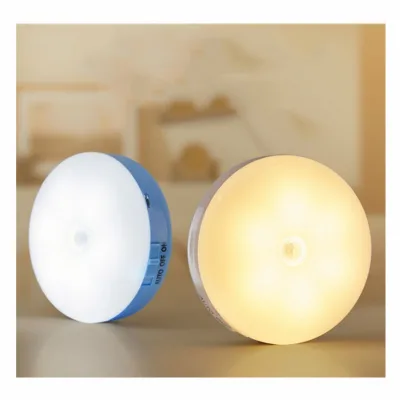
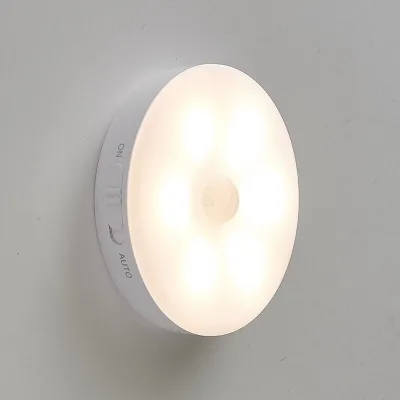
Factory Directly Supply Magnetic USB Charging Rechargeable Battery Operated Motion Sensor Led Light
$1.58 - $1.99
MOQ: 10 pieces
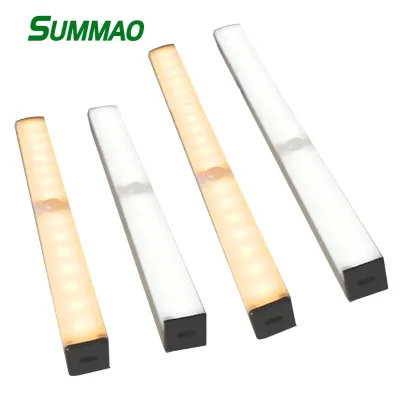
- Trading Company
- Lead time旺季: "1 - 20":7,"> 20":"To be negotiated", 淡季: "1 - 20":7,"> 20":"To be negotiated"
- Avg. response≤ 3h
Main productsCabinet Light, Night Lights, Mirror Lights, LED Ceiling Fan Light, Smart Home Light

Ningbo Inlite Electronics Co., Ltd.
- Manufacturer
- Zhejiang, China
- Lead time30 days
- Avg. response≤ 7h
Main productsled sensor light,led night light,led table light,led camping light,home electronics
Main marketsWestern Europe(40.00%), South America(20.00%), Eastern Europe(20.00%), Southern Europe(10.00%), Eastern Asia(10.00%)

Ningbo Light International Trade Co., Ltd
- Trading Company,Manufacturer/Factory
- China Zhejiang
- Lead time45 days
- Avg. response≤ 4h
Main productsAC LED Work Light, Rechargeable LED Work Light, Halogen Work Light, Emergency Light, Exit Sign, Flashlight, Shop Light, Bicycle Light, LED Camping Light, Solar LED Light
Main marketsSouth America,Eastern Europe,Mid East,North America,Southeast Asia,Eastern Asia,Oceania,Western Europe,Africa


Wall Magnet Lamp with Light Control Customizable LED Motion Sensor Light
$4.60 - $4.80
MOQ: 200 Pieces


Shenzhen 4u Tech-King Technology Co., Ltd.
- Verified by Intertek
- Trading Company
- Lead time5 days
- Avg. response≤ 5h
Main productsLED Night Light
Main marketsNorthern Europe(50%), Eastern Europe(20%), Western Europe(20%)
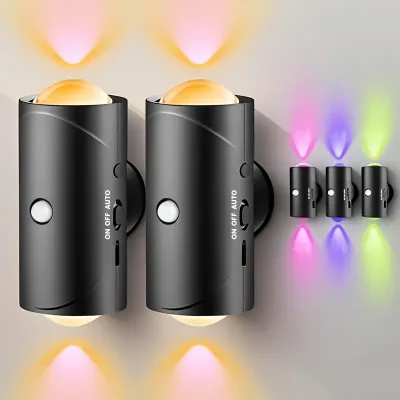
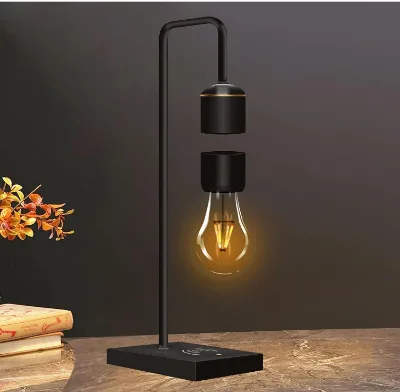
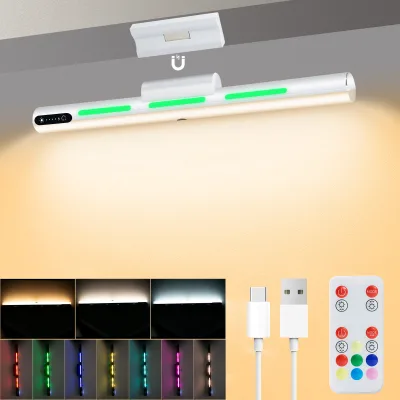
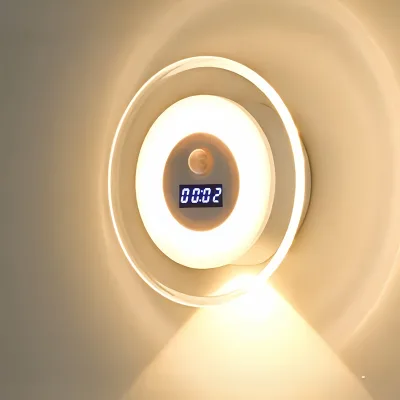
Black Smart Magnetic RGB Sensor 16 Colors Ambient Sense Lamps LED Night Sensor Lights for Home Decor
$3.68 - $4.38
MOQ: 100 pieces

Ningbo Lu Wei Electronic Technology Co., Ltd.
- Trading Company
- Zhengjiang, China
- Lead time30 days
- Avg. response≤ 3h
Main productsFlashlight,Camping Lantern,Headlamp,Work Light,mirror light
Main marketsEastern Europe(40.00%), Southeast Asia(15.00%), North America(10.00%), Mid East(5.00%), Eastern Asia(5.00%), South America(3.00%)

NINGBO YICHEN ELECTRIC CO., LTD.
- Trading Company,Manufacturer/Factory
- China Zhejiang
- Lead time0 days
- Avg. response≤ 6h
Main productsLED Flashlight, Head Lamp, Camping Lantern, Solar Flashlight, Rechargeable Flashlight, High Power Flashlight, Keychain Flashlight, LED Tweezer, Xenon Flashlight, Shopping Trolley
Shenzhen DSY Electronic Technology Co., Ltd.
- Verified by TüVRheinland
- Manufacturer, Trading Company
- Lead time0 days
- Avg. response≤ 4h
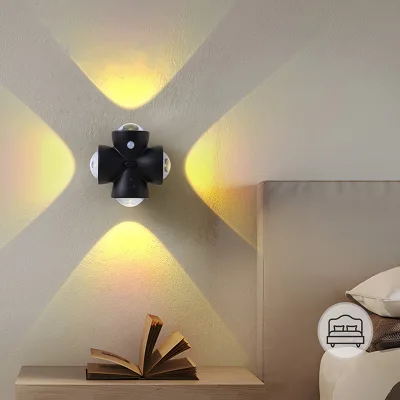
Main productsRGB Tube Light
Main marketsNorth America(40%), Western Europe(30%), Mid East(10%)
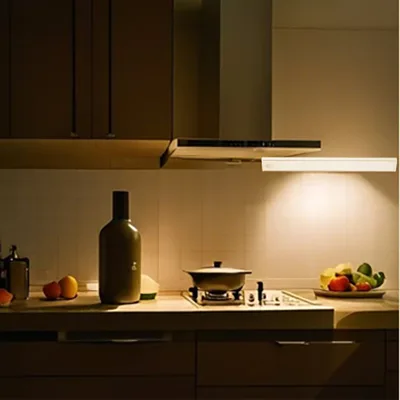
$2.8241 - $3.9229
MOQ: 10 Minimum
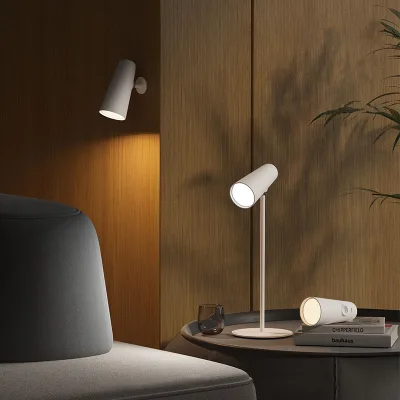
$1.0073 - $8.3689
MOQ: 2 Minimum

Ningbo General Union Co., Ltd.
- Trading Company
- China Zhejiang
- Lead time23 days
- Avg. response≤ 12h
Main productsTable Lamp, Heat Press Machine, Home Appliance, Alarm Clock, Fans, Night Light, Solar Light, Kitchen Appliance, Pet Product, Sport Equipment
Main marketsSouth America,Eastern Europe,Mid East,North America,Southeast Asia,Eastern Asia,Oceania,Western Europe,Africa

Wireless Wall LED Light Type-C Charging LED Motion Sensor Smart Night Light
$3.80 - $4.30
MOQ: 100 Pieces

LED Magnetic Suction Touch Learningnight Lamp Adjustable Light USB Charging
$3.60 - $5.50
MOQ: 100 Pieces
Heyuan Boyi Lighting Technology CO.,Limited
- Manufacturer, Trading Company
- Guangdong, China
- Lead time7 days
- Avg. response≤ 5h
Main productsLED Bulb,Decoration Light,LED E14 E12 Bulbs,LED G4 G9 Bulbs,LED Filament Bulbs
Main marketsWestern Europe(50.00%), North America(30.00%), South America(10.00%), Northern Europe(5.00%), Eastern Europe(5.00%)
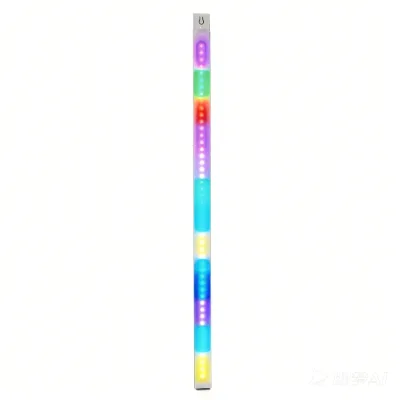
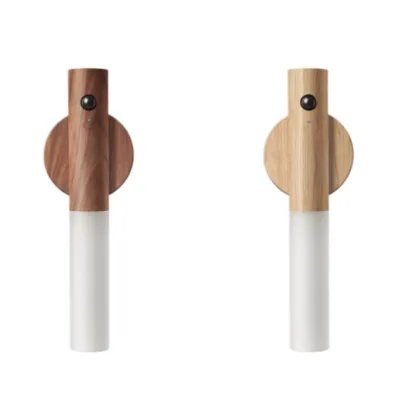
New Intelligent Human Body Sensing LED Night Light Charging Wall Lamp Outdoor Emergency Lights
$2.1211 - $2.7417
MOQ: 10 pieces
Shenzhen Jingling Technology Co., Ltd.
- Trading Company, Distributor/Wholesaler
- Guangdong, China
- Lead time7 days
- Avg. response≤ 3h
Main productsled module,led strip,led night light base,led string light,indoor led light
Main marketsNorth America(60.00%), South America(10.00%), Eastern Europe(8.00%), Oceania(5.00%), Southern Europe(5.00%), Western Europe(5.00%), South Asia(1.00%), Africa(1.00%), Northern Europe(1.00%), Central America(1.00%), Southeast Asia(1.00%), Eastern Asia(1.00%), Mid East(1.00%)
Shenzhen E-Lux Energy Co., Ltd
- Manufacturer
- Guangdong, China
- Lead time5 days
- Avg. response≤ 3h
Main productsled closet light,night light,Glow furniture,Desk lamp,Floor lamp
Main marketsNorth America(30.00%), Western Europe(11.00%), Southern Europe(10.00%), Mid East(10.00%), Northern Europe(10.00%), Southeast Asia(8.00%), Eastern Europe(8.00%), Central America(3.00%), South America(3.00%), South Asia(3.00%), Domestic Market(1.00%), Eastern Asia(1.00%), Africa(1.00%), Oceania(1.00%)

Ningbo Qingyang Import and Export Co., Ltd.
- Verified by SGS
- Trading Company
- China Zhejiang
- Lead time45 days
- Avg. response≤ 2h
Main productsLED Lights, Table Lamp, Night Light, Solar Garden Light, LED Sensor Light, LED String Light, Decorative Light, LED Work Light, Camping Lantern, LED Candle
Main marketsEast Asia(Japan/ South Korea),Europe,North America


Wall Mounted Remote Control Night Light Intelligent Induction Lamp with Magnetic
$1.50 - $1.60
MOQ: 3000 Pieces
Jiangmen Honghui Lighting Co., Ltd.
- Manufacturer
- Guangdong, China
- Lead time0 days
- Avg. response≤ 4h
Main productstable lamp,night lights,wall lamp,Smart Home Lights,LED Ceiling Fans
Main marketsNorth America(20.00%), South America(15.00%), Southeast Asia(10.00%), Mid East(10.00%), Eastern Europe(10.00%), Northern Europe(7.00%), Central America(5.00%), Western Europe(5.00%), South Asia(5.00%), Southern Europe(5.00%), Domestic Market(3.00%), Oceania(2.00%), Eastern Asia(2.00%), Africa(1.00%)
Guangzhou Jingpeng Electronic Technology Co., Ltd.
- Manufacturer, Trading Company
- Guangdong, China
- Lead time7 days
- Avg. response≤ 4h
Main productsnight light,table lamp,solar lamp,grow light,led strip
Main marketsNorth America(60.00%), South Asia(5.00%), Southern Europe(5.00%), Northern Europe(5.00%), Western Europe(5.00%), Eastern Asia(5.00%), Southeast Asia(5.00%), Eastern Europe(5.00%), South America(5.00%)

Anhui Lanyou Lighting Technology Co., Ltd.
- Verified by BV
- Trading Company
- China Anhui
- Lead time15 days
- Avg. response≤ 7h
Main productsLED Sign, LED Bulb, LED Light, Project Design
Main marketsSouth America,Southeast Asia/ Mideast,East Asia(Japan/ South Korea),Europe,Australia
Shanghai Homepower Industries Co., Ltd.
- Trading Company
- Shanghai, China
- Lead time5 days
- Avg. response≤ 7h
Main productsLed Swimming Pool Light,Led Innovative Gifts,Intellegient Toys,House hold tool,Promotional gifts
Main marketsNorth America(25.00%), Western Europe(15.00%), Eastern Europe(15.00%), South America(15.00%), Southern Europe(8.00%), South Asia(5.00%), Oceania(5.00%), Domestic Market(3.00%), Eastern Asia(3.00%), Northern Europe(2.00%), Southeast Asia(2.00%), Central America(2.00%)
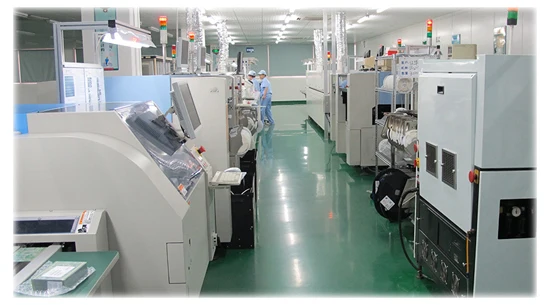
Shenzhen Chenhao Industrial Co., Ltd.
- Manufacturer, Agent, Distributor/Wholesaler
- Guangdong, China
- Lead time5 days
- Avg. response≤ 2h
Main productsled projector lamp,paper caving Lamp,Lightbox 3d lamp,Led holiday decor lamp,Night light
Main marketsWestern Europe(20.00%), North America(20.00%), Central America(10.00%), South America(10.00%), Mid East(10.00%), Southeast Asia(10.00%), Eastern Europe(10.00%), South Asia(5.00%), Northern Europe(5.00%)
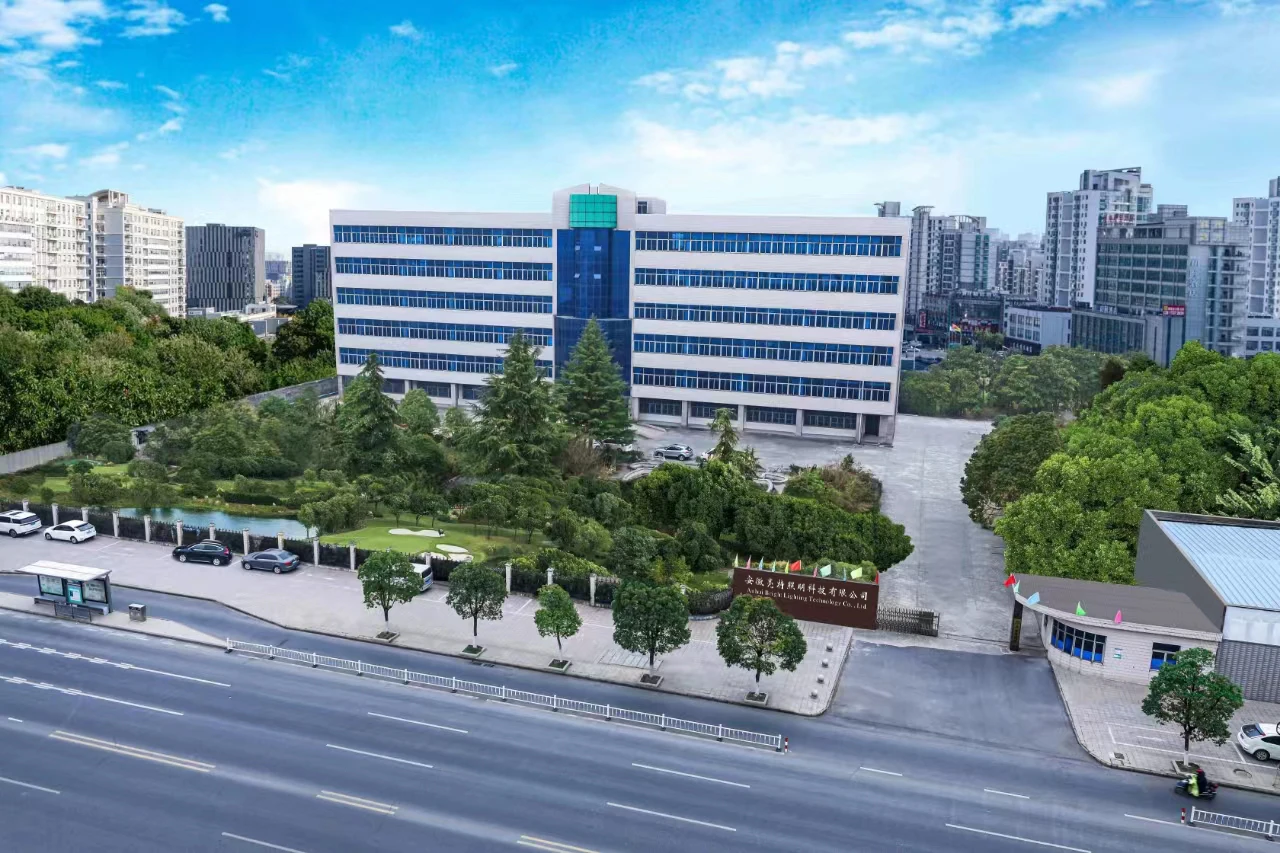
Anhui Lights Lighting Technology Ltd.
- Manufacturer
- Anhui, China
- Lead time7 days
- Avg. response≤ 2h
Main productsIndoor Lighting,Outdoor Lighting,Smart Lighting,Decorative & Home Lights,Commercial & Project Lighting
Main marketsNorth America(30.00%), Northern Europe(15.00%), Western Europe(10.00%), Eastern Asia(8.00%), Southeast Asia(7.00%), Central America(5.00%), South Asia(5.00%), Africa(5.00%), Mid East(5.00%), Southern Europe(4.00%), Eastern Europe(4.00%), South America(2.00%)

Ningbo Brilliant Dragon Electronic Technology Co., Ltd.
- Verified by TUVRHEINLAND
- Manufacturer/Factory
- China Zhejiang
- Lead time105 days
- Avg. response≤ 15h
Main productsLED Light for Indoor, LED Light for Ourside, Auto / Bicycle Accessories, Security Items, Work Light, Electric Appliance, Personal Items
Main marketsSouth America,Eastern Europe,Mid East,North America,Southeast Asia,Eastern Asia,Oceania,Western Europe,Africa

Fuzhou Sansheng Industry and Trade Co., Ltd.
- Verified by CTI
- Combined
- China Fujian
- Lead time30 days
- Avg. response≤ 9h
Main productsPorcelain Lamp Holder Insulator Knife Swith, Fuse Holder Plastic Lamp Holder
Main marketsDomestic

Shenzhen Hongda Rong Technology Co., Ltd.
- Manufacturer, Trading Company
- Guangdong, China
- Lead time20 days
- Avg. response≤ 4h
Main productsAcrylic display case,acrylic display,acrylic rack,acrylic case,acrylic showcase
Main marketsSoutheast Asia(30.00%), Northern Europe(30.00%), North America(20.00%), Eastern Asia(20.00%)

Ningbo Miclion LED Lighting Co., Ltd.
- Trading Company,Manufacturer/Factory
- China Zhejiang
- Lead time23 days
- Avg. response≤ 20h
Main productsLED Mirror, LED Mirror for Bathroom, Bathroom Mirror, Mirror Light Bathroom, LED Mirror Light, LED Cabinet Light, Cabinet Light, Light Mirror, LED Wall Mirror
Main marketsSouth America,Eastern Europe,Mid East,North America,Western Europe

Magnetic Strip to Cabinet Motion Sensor Rechargeable Battery Powered LED Light
$5.00 - $7.00
MOQ: 1000 Pieces


Guangzhou Jiguang Lighting Co., Ltd.
- Verified by SGS Group
- Manufacturer, Trading Company
- Lead time15 days
- Avg. response≤ 5h
Main productsLED Light
Main marketsNorth America(80%), Eastern Asia(10%), Southeast Asia(5%)
Shanghai Macway Electrical Co., Ltd
- Verified by TüVRheinland
- Trading Company
- Lead time30 days
- Avg. response≤ 3h
Main productsHeadlights, Sensor Light, Desk Lamps, Solar Lamps, Bicycle Lights
Main marketsNorth America(25%), Domestic Market(20%), Western Europe(11%)

Huzhou Lindal Lighting & Electrical Co., Ltd.
- Verified by CTI
- Trading Company,Manufacturer/Factory
- China Zhejiang
- Lead time45 days
- Avg. response≤ 4h
Main productsLED Tri-Proof Light, LED Waterproof Lighting Fixture, LED Panel Light, LED Ceiling Light, LED Bulkhead, LED Emergency Light, LED Tube, LED Bulb, LED Highbay Light
Main marketsSouth America,Eastern Europe,Mid East,North America,Southeast Asia,Eastern Asia,Oceania,Western Europe,Africa

Ningbo Chain-Home Machinery Co., Ltd.
- Trading Company
- China Zhejiang
- Lead time30 days
- Avg. response≤ 15h
Main productsFlashlight, Headlamp, Working Lamp, Sensor Light, Camping Lantern, Keychain Light, Solar Lamp, Bicycle Light, CREE Light, Crank Lamp
Main marketsEast Asia(Japan/ South Korea),Europe,North America









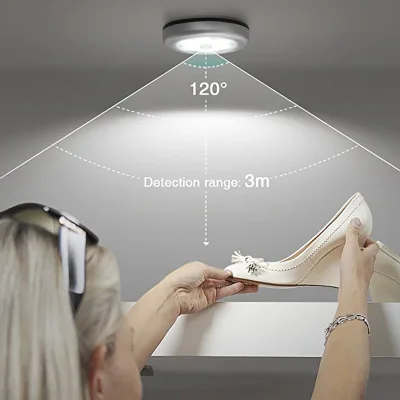
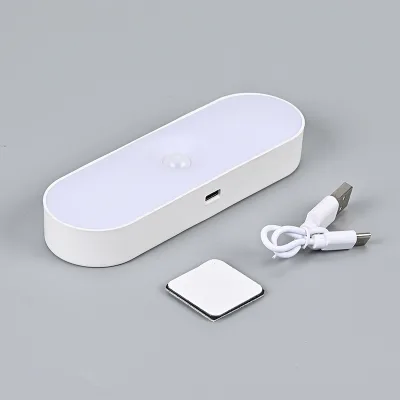
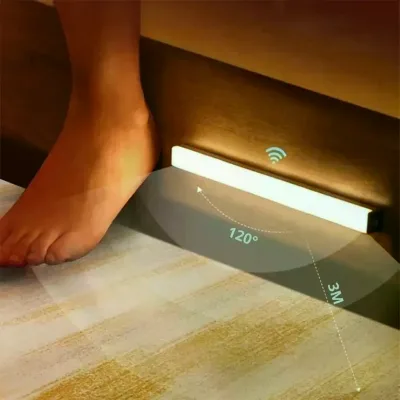

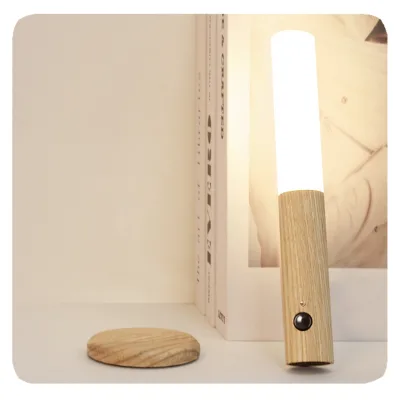




Comprehensive Sourcing Guide
Magnetic Charging Sensor Led Lamp Supplier Concentration and Factory Types
The current supplier landscape for magnetic charging sensor LED lamps reveals a distinct concentration of manufacturing and trading entities located in China, specifically within the Zhejiang province. This regional clustering is significant for buyers because it indicates a mature supply chain ecosystem where specialized components, such as PIR sensors, microwave sensors, and LED modules, are readily available. The presence of both Trading Companies and Manufacturer/Factory types in this region suggests that buyers have access to a diverse range of sourcing options, from direct factory pricing to the logistical support provided by trading firms. Understanding this geographic concentration helps in assessing the reliability of supply chains, as Zhejiang is known for its robust electronics manufacturing infrastructure. Buyers should recognize that while the location is fixed in the data, the specific factory capabilities may vary, requiring careful verification of whether a supplier is a direct producer or a middleman. This distinction impacts not only pricing but also communication efficiency and the ability to customize products. The concentration in this specific area of China implies that logistics networks are well-developed for exporting these types of lighting products, potentially offering more consistent shipping options compared to suppliers in less industrialized regions.
Within this concentrated market, the types of companies offering magnetic charging sensor LED lamps vary significantly in their operational focus and product breadth. Some suppliers specialize exclusively in smart lighting solutions, offering a wide array of sensor-based products including night lights, flood lights, and security lights, while others may have a broader focus on general LED lighting or solar products. The data indicates that many suppliers possess OEM and ODM capabilities, allowing for significant customization of the magnetic charging mechanism, sensor sensitivity, and LED output. This flexibility is crucial for buyers looking to differentiate their products in competitive markets. However, the presence of trading companies alongside manufacturers means that buyers must discern the true source of production. Trading companies may offer a wider selection of complementary products but might have less direct control over production quality and lead times. Manufacturers, on the other hand, may offer better pricing and technical support but might have higher minimum order quantities or less flexibility in product variety. Evaluating the company type is therefore a critical first step in supplier selection, as it dictates the nature of the business relationship and the level of direct involvement in the manufacturing process.
How to Verify Magnetic Charging Sensor Led Lamp Suppliers
Verifying the legitimacy and capability of suppliers for magnetic charging sensor LED lamps requires a multi-layered approach that goes beyond simple profile reviews. One of the most critical steps is to check for third-party verification badges, such as those from TÜV Rheinland, which indicate that the supplier has undergone rigorous audits of their business operations and manufacturing facilities. These verifications provide a layer of trust that is essential when dealing with international suppliers, as they confirm that the company exists and operates according to certain standards. Additionally, buyers should scrutinize the system certifications listed by suppliers, such as ISO 9001 or ISO 14001, which demonstrate a commitment to quality management and environmental responsibility. These certifications are not just formalities; they reflect the supplier's internal processes and their ability to maintain consistent product quality over time. For magnetic charging sensor lamps, which involve both electrical components and mechanical charging mechanisms, a robust quality management system is vital to prevent defects such as poor battery life or unreliable sensor triggering. Buyers should request copies of these certificates and verify their validity through the issuing bodies if possible, ensuring that the certifications are current and relevant to the products being sourced.
Beyond certifications, buyers should actively engage with suppliers to assess their responsiveness and technical expertise. The response time of a supplier is a strong indicator of their operational efficiency and customer service quality. Suppliers with faster response times, such as those averaging under 17 hours, are likely to be more proactive in addressing inquiries and resolving issues during the production process. This responsiveness is particularly important for custom orders, where technical specifications may need to be clarified or adjusted. Buyers should also inquire about the supplier's ability to provide samples, as this allows for hands-on evaluation of the magnetic charging mechanism, sensor accuracy, and LED brightness. The availability of samples and the speed at which they can be delivered, often within a few days, can significantly accelerate the sourcing process. Furthermore, buyers should ask detailed questions about the product's technical specifications, such as the type of sensor used (e.g., PIR or microwave), the battery capacity, and the charging interface. A supplier that can provide clear, accurate, and detailed answers to these technical questions is more likely to be a reliable partner. Conversely, vague or evasive responses may indicate a lack of technical knowledge or a disconnect between the sales team and the production team, which could lead to problems later in the supply chain.
What to Compare Across Magnetic Charging Sensor Led Lamp Suppliers
When evaluating multiple suppliers for magnetic charging sensor LED lamps, buyers must compare a range of key performance indicators to identify the most suitable partner. One of the most critical factors is the lead time for production, which can vary significantly between suppliers. Some suppliers may offer lead times as short as 15 days, while others may require up to 23 days or more. This difference can have a substantial impact on inventory management and time-to-market, especially for buyers with tight deadlines or seasonal demand. Buyers should also compare the minimum order quantities (MOQ) required by each supplier, as some may accept orders as low as one unit, while others may have higher thresholds. Lower MOQs are beneficial for testing new products or for buyers with smaller budgets, but they may come with higher per-unit costs. Additionally, the price range for similar products should be compared, keeping in mind that the lowest price may not always offer the best value if it compromises on quality or service. Buyers should look for suppliers that offer competitive pricing while maintaining high standards of quality and reliability.
Another important aspect to compare is the range of products and customization options offered by each supplier. Some suppliers may specialize in a narrow range of sensor lamps, while others may offer a broader portfolio including solar lights, decorative lights, and smart home devices. This breadth of product offering can be advantageous for buyers looking to consolidate their sourcing or expand their product lines. Buyers should also evaluate the customization capabilities of each supplier, including the ability to modify the design, packaging, and technical specifications of the magnetic charging sensor lamps. Suppliers that offer OEM and ODM services can provide greater flexibility, allowing buyers to create unique products that stand out in the market. The availability of different certifications, such as CE and RoHS, should also be compared, as these are often required for entry into specific markets. Finally, buyers should consider the warranty terms and after-sales support provided by each supplier, as these factors can significantly impact the long-term success of the sourcing relationship. A supplier that offers a comprehensive warranty and responsive customer support can help mitigate risks and ensure customer satisfaction.
Common Magnetic Charging Sensor Led Lamp Sourcing Risks
Sourcing magnetic charging sensor LED lamps from international suppliers involves several inherent risks that buyers must proactively manage to ensure a successful procurement process. One of the primary risks is the potential for quality inconsistencies, particularly in the electronic components such as the PIR sensors and rechargeable batteries. These components are critical to the functionality of the lamp, and any defects can lead to product failures, returns, and damage to the buyer's brand reputation. Buyers should be aware that while suppliers may claim to have strict quality control processes, the actual implementation can vary. To mitigate this risk, buyers should request detailed quality assurance documentation and consider conducting third-party inspections before shipment. Additionally, the magnetic charging mechanism itself can be a source of risk, as poor design or manufacturing can lead to loose connections or charging failures. Buyers should test samples thoroughly to ensure that the magnetic connection is secure and that the charging process is efficient and safe.
Another significant risk is the potential for delays in production and delivery, which can disrupt supply chains and lead to missed market opportunities. Lead times can be affected by various factors, including raw material shortages, production bottlenecks, and logistical challenges. Buyers should maintain open communication with their suppliers to stay informed about the production status and to address any potential issues early. It is also important to have contingency plans in place, such as identifying alternative suppliers or maintaining safety stock, to mitigate the impact of delays. Furthermore, buyers should be cautious of suppliers who offer unusually low prices, as this may indicate the use of substandard materials or cutting corners in the manufacturing process. While cost savings are important, they should not come at the expense of product quality and reliability. Buyers should also be aware of the risks associated with intellectual property infringement, particularly when working with suppliers that offer OEM services. It is crucial to have clear contracts and agreements in place to protect proprietary designs and specifications. Finally, buyers should consider the risks associated with currency fluctuations and changes in trade policies, which can impact the overall cost of sourcing and delivery.
Magnetic Charging Sensor Led Lamp Regional Sourcing and Logistics
The regional concentration of Magnetic Charging Sensor Led Lamp suppliers in China, particularly in Zhejiang, offers both advantages and challenges for buyers regarding logistics and supply chain management. One of the primary advantages is the proximity to major ports and logistics hubs, which can facilitate efficient and cost-effective shipping. Zhejiang province is home to several major ports, including Ningbo-Zhoushan, which is one of the busiest container ports in the world. This infrastructure allows for a wide range of shipping options, from sea freight to air freight, enabling buyers to choose the most suitable method based on their urgency and budget. Additionally, the concentration of suppliers in this region creates a competitive environment that can drive down logistics costs, as suppliers often have established relationships with freight forwarders and shipping lines. Buyers can leverage this competition to negotiate better shipping rates and terms. However, buyers should also be aware of the potential for congestion and delays at these ports, especially during peak seasons, and should plan their shipments accordingly to avoid disruptions.
Logistics planning for magnetic charging sensor LED lamps also requires careful consideration of packaging and handling requirements, particularly due to the presence of rechargeable batteries. These batteries are classified as dangerous goods for transportation purposes, which imposes specific regulations on packaging, labeling, and documentation. Buyers must ensure that their suppliers comply with these regulations to avoid delays or penalties at customs. Suppliers should provide all necessary documentation, such as the Material Safety Data Sheet (MSDS) and the UN38.3 test report, to facilitate smooth customs clearance. Additionally, buyers should consider the environmental impact of their logistics choices, as there is a growing demand for sustainable shipping practices. Some suppliers may offer eco-friendly packaging options or carbon-neutral shipping services, which can enhance the buyer's brand image and appeal to environmentally conscious consumers. Buyers should also evaluate the reliability of their logistics partners, as any issues in the shipping process can impact the overall customer experience. Establishing clear communication channels with logistics providers and monitoring the shipment status in real-time can help mitigate risks and ensure timely delivery.
Magnetic Charging Sensor Led Lamp Commercial Terms and Order Planning
Effective commercial terms and order planning are essential for managing the procurement of magnetic charging sensor LED lamps and ensuring a smooth transaction process. Buyers should pay close attention to the payment terms offered by suppliers, as these can vary significantly. Some suppliers may require full payment upfront, while others may offer more flexible terms, such as a deposit followed by payment upon shipment. Buyers should negotiate terms that align with their cash flow needs and risk tolerance. Additionally, buyers should clarify the Incoterms used for each transaction, as this determines the responsibilities and costs associated with shipping and insurance. Common Incoterms for this type of product include FOB (Free on Board) and CIF (Cost, Insurance, and Freight), each with its own implications for risk and cost allocation. Buyers should also consider the warranty terms provided by suppliers, as these can vary in duration and coverage. A standard
FAQs
What is the price range for magnetic sensor LED lamps?
Prices for magnetic sensor LED lamps typically range from $3.10 to $10.00 per unit depending on specifications. Some basic models start at $1.10, while premium emergency versions can reach $25.00. Buyers should verify exact pricing based on quantity and customization needs before placing orders.
What certifications do these sensor lamps usually have?
Most magnetic sensor LED lamps carry CE and RoHS certifications to ensure compliance with international safety and environmental standards. These certifications are standard across various models, including night lights and wall lamps. Buyers should always request valid certification documents from suppliers to confirm product safety and regulatory adherence.
How long does delivery take for bulk orders?
Bulk order delivery times generally range from 18 to 30 days depending on the specific product model and supplier capacity. Some manufacturers offer faster turnaround times within 15 days, while others may require up to 26 days for standard production. Buyers should confirm lead times directly with suppliers before finalizing contracts.
What is the minimum order quantity for these products?
The minimum order quantity for magnetic sensor LED lamps is often as low as one unit, allowing for easy sampling and small-scale testing. This low MOQ facilitates initial quality checks without significant financial commitment. Buyers can order single units to evaluate product performance before committing to larger bulk purchases.
Where are these sensor lamps manufactured?
These sensor lamps are primarily manufactured in China, with many suppliers located in the Zhejiang province. This region is known for its robust lighting industry and efficient supply chains. Buyers sourcing from this area can benefit from competitive pricing and a wide variety of product options available from local manufacturers.
Do suppliers offer customization for these lamps?
Yes, many suppliers offer customization options for magnetic sensor LED lamps, including packaging and design modifications. OEM and ODM services are available to meet specific brand requirements. Buyers can request custom color boxes or specific product features to align with their market needs and branding strategies.