Modern Concrete Outdoor Planter Suppliers and Manufacturers
Compare 19 verified suppliers offering Modern Concrete Outdoor Planter options with varying lead times, MOQs, and certifications. Review response times and factory locations in China to select a partner for your garden needs; review the available evidence before requesting comparable quotations from suitable candidates.
Updated
Suppliers List

Shandong Zhanhong Metal Products Co., Ltd
- Verified by BV
- Manufacturer/Factory
- China Shandong
- Lead time23 days
- Avg. response≤ 5h
Main productsFire Pit, Garden Planter, BBQ Fireplace, Screen
Main marketsEastern Europe,Mid East,North America,Eastern Asia,Oceania,Western Europe
Xiamen Geno Industry Co., Ltd.
- Manufacturer, Trading Company
- Lead time旺季: "1 - 100":40,"> 100":"To be negotiated", 淡季: "1 - 100":40,"> 100":"To be negotiated"
- Avg. response≤ 8h
Main productsGarden Pots, Fire Pits, Water Fountain, Chimney, Garden Accessories
Foshan Inspiration Decoration Material Co., Ltd.
- Verified by Intertek
- Manufacturer, Trading Company
- Lead time20 days
- Avg. response≤ 5h
Main productsGRC/UHPC Landscape Bench, Landscape Planters, Fiberglass Sculpture, Artificial Sandstone Sculpture, Architectural Ornament
Main marketsDomestic Market(40%), Africa(30%), Southeast Asia(12%)
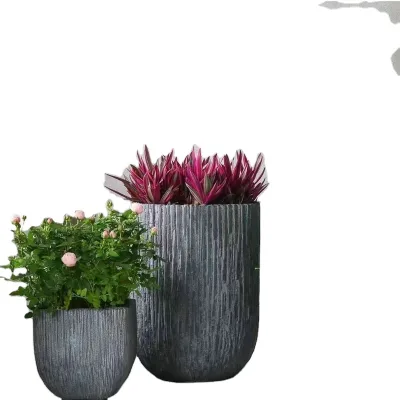
Aged Concrete Planter Fiber Cement Planter Box Fiber Stone Outdoor Planter Box
$29.169 - $31.2512
MOQ: 10 pieces
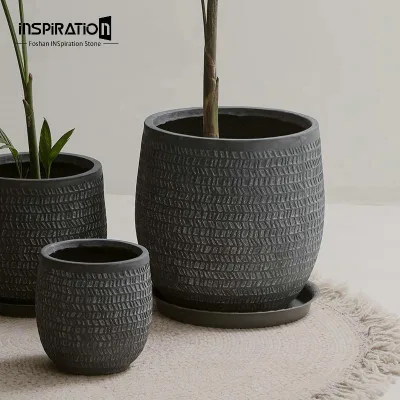
Outdoor Hot Selling Fiber Cement Concrete Planter Light Concrete Planter Fiber Vase
$29.169 - $31.2512
MOQ: 10 pieces
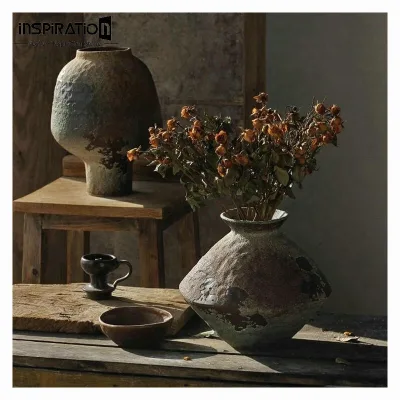
Modern Decor Faux Concrete Tall Planters Gardening Containers Flower Pots Landscape Outdoor Planters
$29.169 - $31.2512
MOQ: 10 pieces
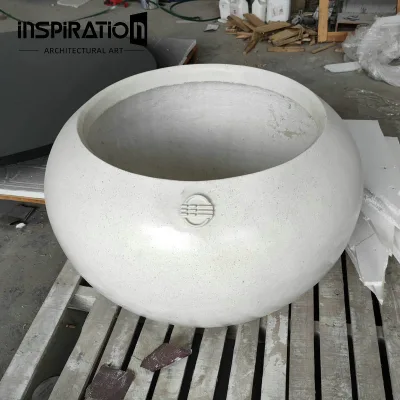
Durable Outdoor Concrete GRC Planter for Large Landscaping and Hotel Projects
$135.4212 - $156.2558
MOQ: 10 pieces
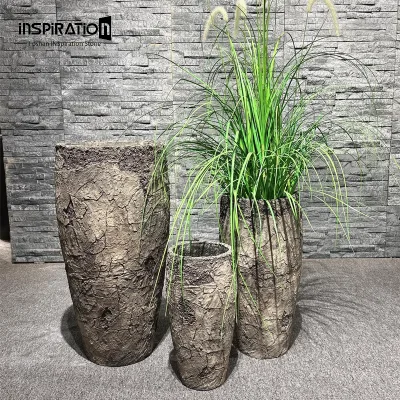
Outdoor Garden Rusted Concrete Planter Landscape Staple Food Gardening Supplies
$29.169 - $31.2512
MOQ: 10 pieces

Garden Pot Supplier Modern Gray Planter with Concrete Finish Indoor Plant Pot & Outdoor Planter
$29.169 - $31.2512
MOQ: 10 pieces
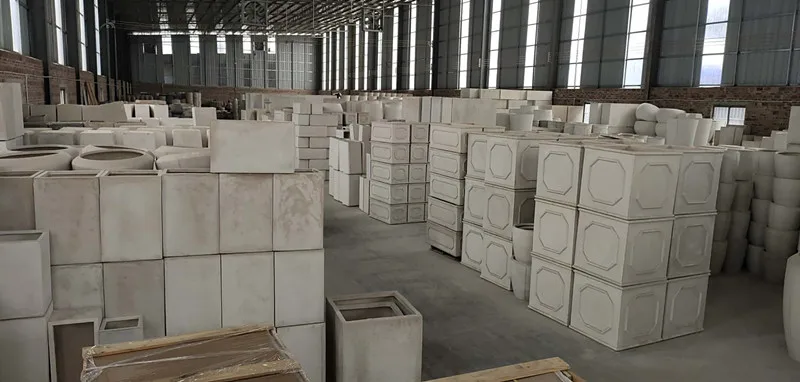
Foshan Kingmake Industry Co., Ltd.
- Trading Company
- Guangdong, China
- Lead time30 days
- Avg. response≤ 9h
Main productsOutdoor Furniture,Garden Furniture,Hotel Furniture,Wooden Furniture,Patio Furniture
Main marketsNorth America(20.00%), Mid East(16.00%), Eastern Europe(11.00%), Domestic Market(10.00%), Southern Europe(10.00%), South America(9.00%), South Asia(7.00%), Northern Europe(6.00%), Southeast Asia(3.00%), Central America(3.00%), Africa(2.00%), Oceania(2.00%), Western Europe(1.00%)

Foshan Kingmake Industry Co., Ltd.
- Verified by SGS
- Manufacturer/Factory
- China Guangdong
- Lead time23 days
- Avg. response≤ 6h
Main productsOutdoor Furniture, Rattan Furniture, Aluminum Furniture, Rope Furniture, Teak Wood Furniture, Outdoor Umbrella, Outdoor Flower Pot, Outdoor Pergola, Outdoor Artificial Plants
Main marketsSouth America,Eastern Europe,Mid East,North America,Southeast Asia,Eastern Asia,Oceania,Western Europe,Africa

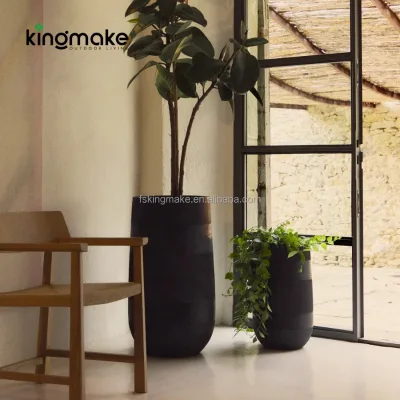
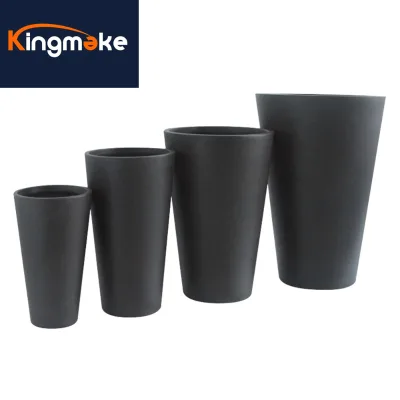
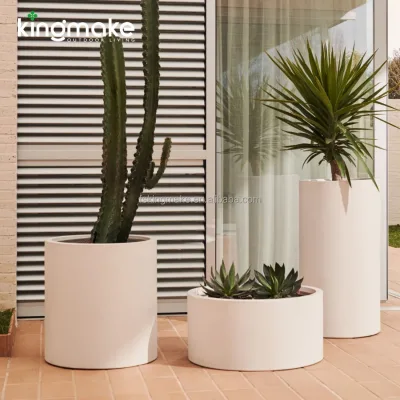
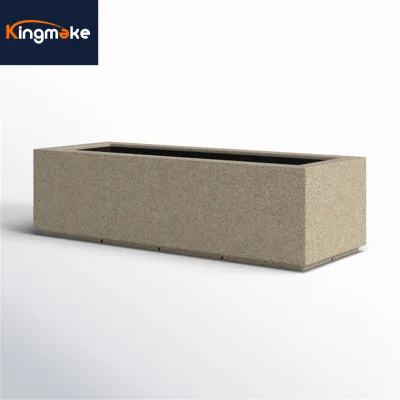
Durable Outdoor Flower Pots & Planting Villa Concrete Planter for Modern Hotel Entrance
$2.89 - $8.89
MOQ: 10 Pieces

Hotel Project Outdoor Plant Pots Garden Modern Textured Concrete Round Planter Box
$2.59 - $8.90
MOQ: 10 Pieces

Shandong HY Metal Products Ltd.
- Trading Company,Manufacturer/Factory
- China Shandong
- Lead time15 days
- Avg. response≤ 8h
Main productsFlower Pot, Decorative Screen, Fire Pit, Garden Edging
Main marketsSouth America,Eastern Europe,Mid East,North America,Southeast Asia,Eastern Asia,Oceania,Africa


Outdoor Weathering Steel Industrial Pots for Planting - Stackable Design - Garden Essential
$59.50 - $92.25
MOQ: 1 Pieces


Foshan Tanfly Furniture Co., Ltd.
- Verified by BV
- Manufacturer/Factory
- China Guangdong
- Lead time23 days
- Avg. response≤ 8h
Main productsSwing Chair, Patio Furniture, Outdoor Furniture, Garden Furniture, Outdoor Sofa, Pergola, Sun Lounger, Fire Pit Table, Dining Table, Rattan Chair
Main marketsEastern Europe,Mid East,North America,Eastern Asia,Western Europe


Tall Fiberglass Large Cement Stackable Modern Vertical Garden Concrete Pots Garden Planters
$6.00 - $30.00
MOQ: 5 unit

HENAN JINBAILAI INDUSTRIAL CO., LTD.
- Verified by BV
- Trading Company
- China Henan
- Lead time23 days
- Avg. response≤ 3h
Main productsBBQ, Gas Fire Pit, Wood Fireplace, Stove, Steel Planter, Metal Decors, Garden Furniture, Garden Landscape
Main marketsEurope,North America
Shandong Sanlei Trading Co., Ltd.
- Verified by SGS Group
- Manufacturer, Trading Company
- Lead time30 days
- Avg. response≤ 3h
Main productsStone Carving and Sculpture, Stainless Steel Fountains/Garden Related Products, Stone Tiles and Slabs, Pebble, Glass Rocks
Main marketsWestern Europe(53%), North America(20%), Eastern Europe(10%)
Fuzhou Bossly Trading Co., Ltd.
- Trading Company
- Fujian, China
- Lead time15 days
- Avg. response≤ 2h
Main productsHome gardening,vintage suitcase,flower pot,garden supplies,handmade storage basket
Main marketsNorth America(20.00%), Western Europe(12.00%), Mid East(10.00%), Northern Europe(10.00%), Southern Europe(10.00%), Eastern Europe(10.00%), Oceania(5.00%), Central America(5.00%), South America(5.00%), Africa(2.00%)
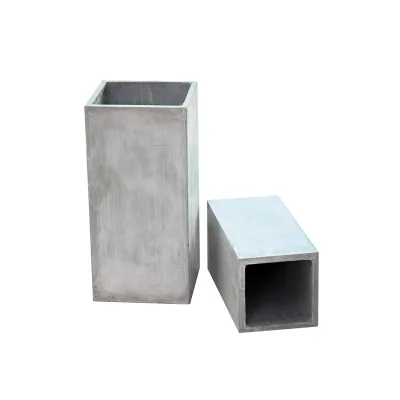
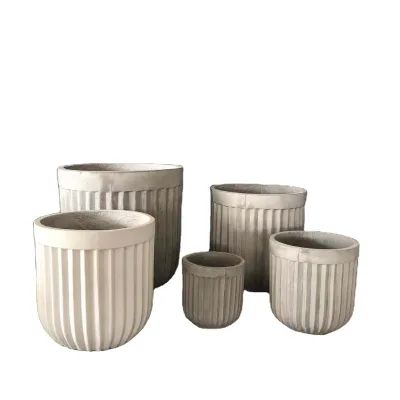
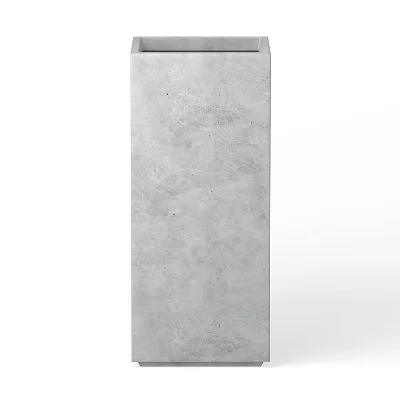
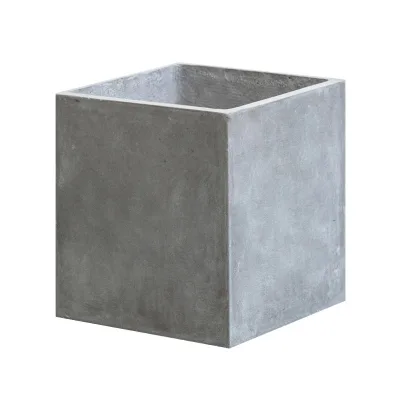
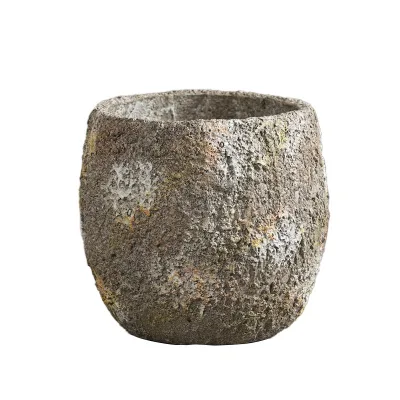
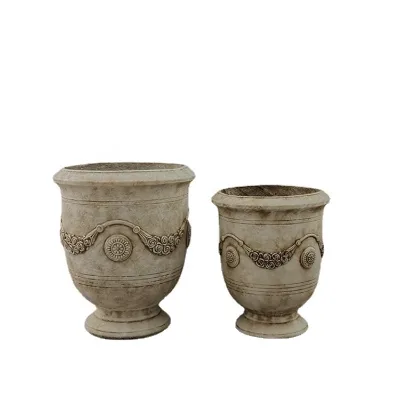
$14.00 - $40.00
MOQ: 100 Minimum

Ningbo H&G Home Decoration Limited
- Combined
- China Zhejiang
- Lead time60 days
- Avg. response≤ 10h
Main productsMetal Candle Lantern, Wood Candle Lantern, LED Candle Lantern, LED String Light Lantern, Metal Candle Holder, Candlestick, Wall Sconce Candle Holder, Flower Pot Stand, Metal Planter, Metal Plant Stand
Main marketsAfrica,Europe,Australia,North America

Chongqing Arlau Civic Equipment Manufacturing Co., Ltd.
- Verified by BV
- Combined
- China Chongqing
- Lead time23 days
- Avg. response≤ 2h
Main productsPicnic Table, Park Bench, Trash Bin, Dog Park Equipment, Bollard, Bike Rack, Tree Grate, Planters, Parasol, School Desk and Chair
Main marketsSoutheast Asia/ Mideast,Europe,North America

Outdoor Roadside Square Wood Planter Container Decorative Plant Box Garden Flower Pots
$79.00 - $199.00
MOQ: 10 pieces

Outdoor Street Metal Planters Large Square Plant Box Front Door Flower Pots
$79.00 - $199.00
MOQ: 10 pieces

Outdoor Wooden Flower Pots Outside Garden Plant Box Modern Unique Planters
$79.00 - $199.00
MOQ: 10 pieces

Outdoor City Street Wood Planters Outside Plant Box Tree Root Flower Pots
$79.00 - $199.00
MOQ: 10 pieces

Outdoor Street Expanded Metal Planters Large Plant Box Steel Decorative Flower Pots
$69.00 - $169.00
MOQ: 10 pieces

Outdoor Tall Iron Planter Container Floor Plant Box Garden Elegant Flower Pots
$59.00 - $159.00
MOQ: 10 pieces
Fujian Dehua Hongyida Ceramics Crafts Co., Ltd.
- Verified by TüVRheinland
- Manufacturer, Trading Company
- Lead time40 days
- Avg. response≤ 3h
Main productsPottery And Enamel, Ceramic And Polyresin Crafts, Garden Decorations, Religious Crafts, Outdoor Decorations
Main marketsNorth America(30%), Western Europe(20%), Oceania(15%)

Guangzhou Panyu District Shawan Hongyi Metal Products Factory
- Verified by BV
- Combined
- China Guangdong
- Lead time15 days
- Avg. response≤ 3h
Main productsOutdoor Furniture, Landscape Facilities, Metal Planter Box, Metal Trash Can, Metal Sculpture, Outdoor Bench, Planter Box, Flower Pot, Bench, Trash Bin
Main marketsSoutheast Asia/ Mideast,Europe,Australia,North America

Custom Galvanized Planter for Coffee Shop Street Outdoor Garden Decor Planter
$120.00 - $125.00
MOQ: 1 Pieces


Outdoor Garden Planter for Home & Street Custom Galvanized Steel Decoration
$120.00 - $125.00
MOQ: 1 Pieces


Garden Outdoor Civil Engineering Cube Planter Aluminum Iron Cast Material Pot
$88.00 - $120.00
MOQ: 1 Pieces

Outdoor Garden Planter Luxury Circular Metal Pot with Rock Plate Design
$120.00 - $125.00
MOQ: 1 Pieces

Shanghai Kaimeng Architectural Decoration Engineering Co., Ltd.
- Combined
- China Shanghai
- Lead time30 days
- Avg. response≤ 4h
Main productsGrc Gfrc Uhpc FRP Grg EPS Decoration Materials, European-Style Architectural Decorative Componen, Villa Interior and Exterior Decoration, Exterior Wall Panels, Modern Building Curtain Wall, Various Types of Sculptures, Outdoor Urban Furniture, Various Types of Planters&Pots
Main marketsDomestic

Factory Customized Modern Outdoor Concrete Grc Garden Bench Large Planter and Flowerpot
$17.79 - $199.52
MOQ: 1 Pieces

$17.79 - $199.52
MOQ: 1 Pieces

Indoor White Concrete Customizable Planter Outdoor Ceramics Garden Container Grc Flowerpots
$7.90 - $89.52
MOQ: 1 Pieces

Factory Sale Outdoor Flowerpot Waterproof Durable Rectangular Fiberglass Clay Concrete Planter Box
$17.79 - $199.52
MOQ: 1 Pieces

$17.79 - $199.52
MOQ: 1 Pieces

Factory Price Sale Outdoor Waterproof Durable Rectangular Fiberglass Clay Concrete Planter Box
$17.79 - $199.52
MOQ: 1 Pieces

Dongguan Feiyue FRP Products Co., Ltd.
- Verified by CTI
- Combined
- China Guangdong
- Lead time38 days
- Avg. response≤ 3h
Main productsFiberglass Sculpture, Fiberglass Chair, Fiberglass Shell, Bumper Car, Fiberglass Planter, FRP Medical Shell, Telephone Booth, Portable Toilet, Table and Chairs, Fiberglass Auto Parts
Main marketsDomestic

$19.00 - $130.00
MOQ: 10 Pieces

Outdoor Fiberglass Garden Flower Pot Planter Decorative Large Boxes Planter Decorative
$19.00 - $99.00
MOQ: 10 Pieces

Outdoor Fiberglass Large Garden Ornament Plant Container Flower Pot Planter
$19.00 - $89.00
MOQ: 10 Pieces


Garden Villa Courtyard Cement Combined Fiberglass Clay Flower Pot Planter
$12.00 - $25.00
MOQ: 10 Pieces

Tall Fiberglass Large Cement Stackable Modern Vertical Garden Concrete Pots Garden Planters
$19.00 - $120.00
MOQ: 10 Pieces
Henan Better Industrial Co., Ltd.
- Verified by SGS Group
- Manufacturer, Trading Company
- Lead time15 days
- Avg. response≤ 1h
Main productsBBQ, Gas Fire Pit, Flower Pot, Garden Edging, Water Feature
Main marketsSoutheast Asia(20%), Oceania(15%), Western Europe(15%)
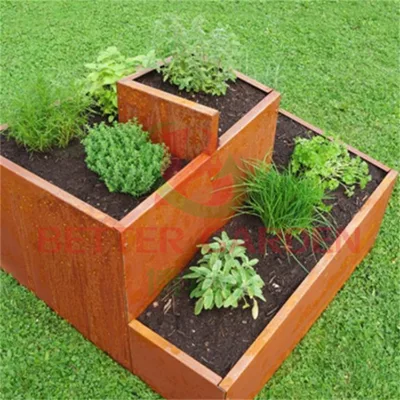
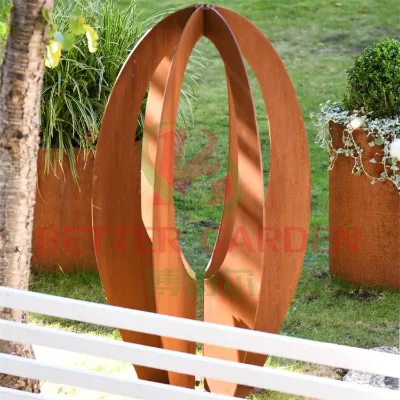
Customized Indoor or Outdoor Metal Planter for Gardening Articles Supplier
$80.00 - $250.00
MOQ: 2 pieces
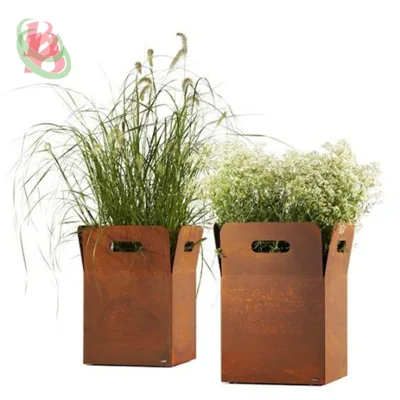
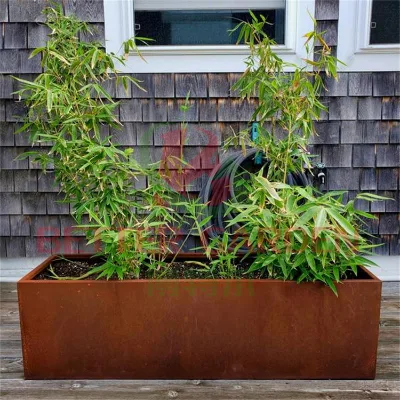
Modern Custom Light Weight Metal Steel Planters Durable Home and Garden Application
$82.421 - $257.5627
MOQ: 2 pieces
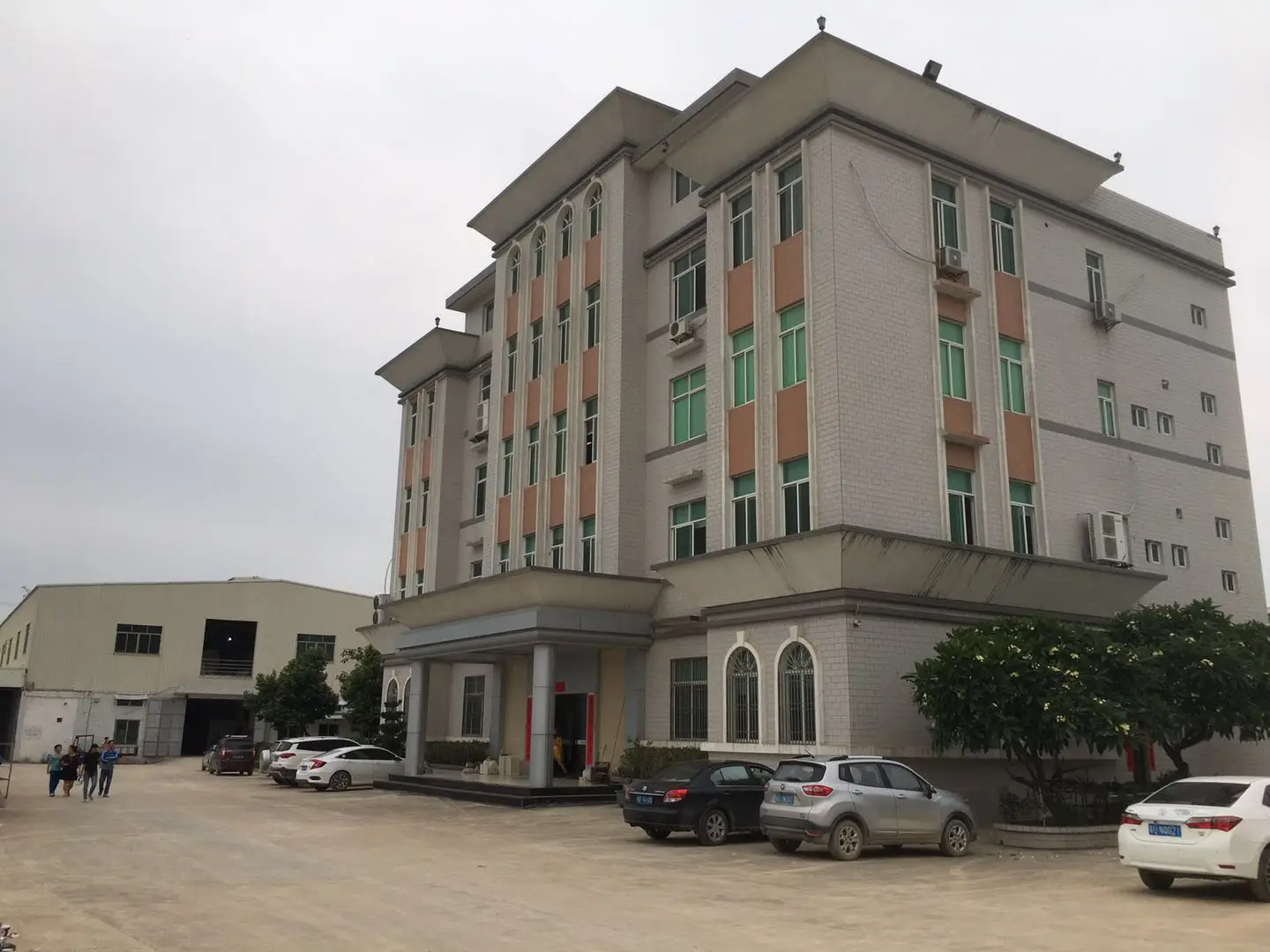
Xiamen Hinwell Manufacture And Trade Co., Ltd.
- Trading Company
- Fujian, China
- Lead time30 days
- Avg. response≤ 3h
Main productsCeramic Pots, Ceramic Vases, Porcelain Mug, Resin Figurines, Cement Planter and Decorations
Main marketsNorth America(30.00%), Western Europe(30.00%), South America(20.00%), Eastern Europe(10.00%), Southeast Asia(10.00%)
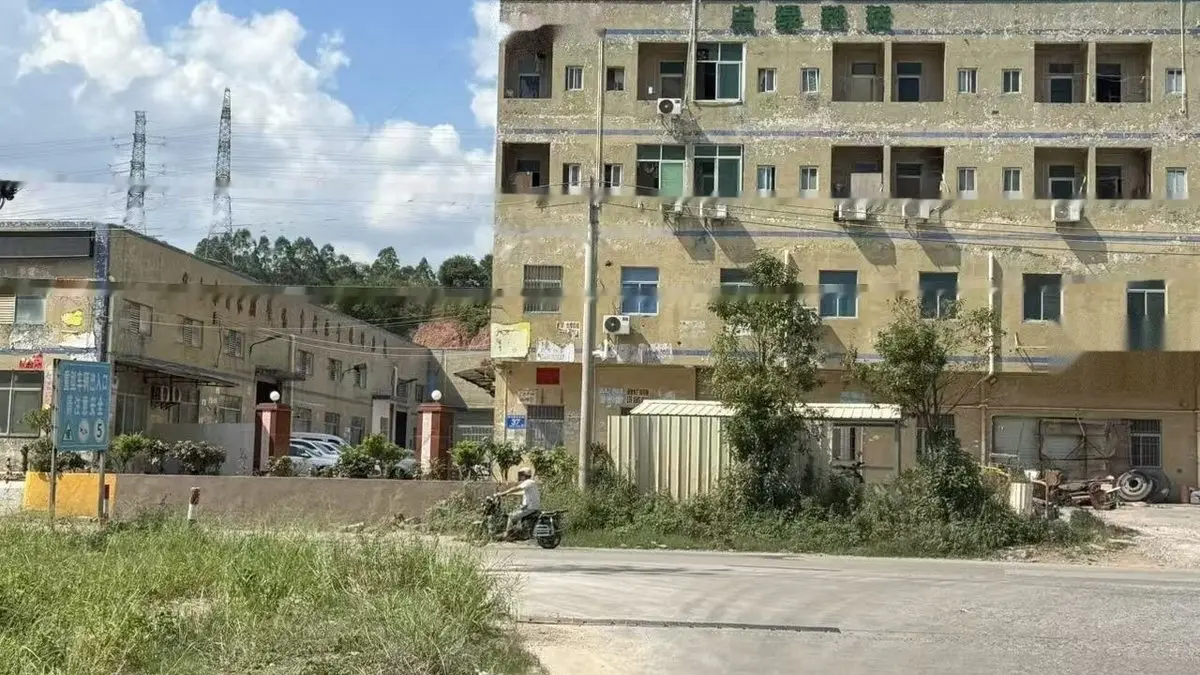
Shenzhen Adding Green Technology Co., Ltd.
- Manufacturer
- Guangdong, China
- Lead time45 days
- Avg. response≤ 4h
Main productsConcrete Candle Jar,Concrete Bathroom Accessories,Concrete Basin,Concrete Fire Pit
Main marketsDomestic Market(45.00%), North America(15.00%), Western Europe(8.00%), Southern Europe(8.00%), South America(5.00%), Mid East(5.00%), Oceania(5.00%), Southeast Asia(3.00%), Eastern Asia(2.00%), Eastern Europe(2.00%), Northern Europe(2.00%)


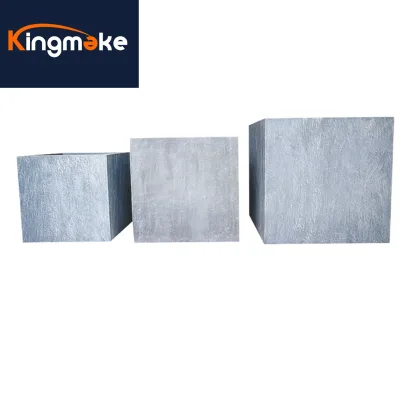


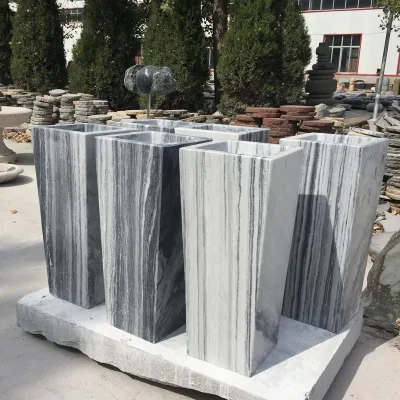
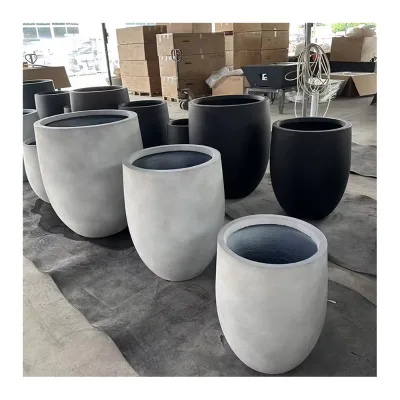


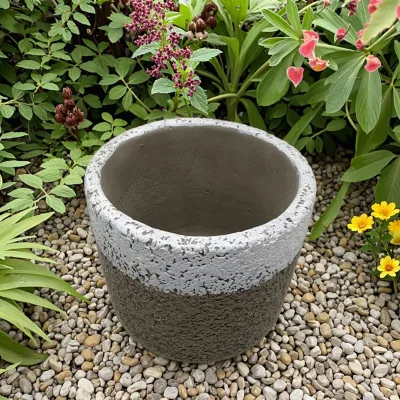
Comprehensive Sourcing Guide
Modern Concrete Outdoor Planter Supplier Concentration and Factory Types
The sourcing landscape for modern concrete outdoor planters reveals a distinct concentration of manufacturing capabilities within specific industrial regions, with China Shandong emerging as a notable hub for this category. Suppliers located in this area often operate as dedicated manufacturers or factories, leveraging local material supply chains to produce items such as garden planters, fire pits, and BBQ fireplaces. This geographic clustering allows for efficient raw material sourcing, particularly for metal and concrete-based composites, which are frequently used in the construction of durable outdoor furniture and decorative garden supplies. Buyers evaluating suppliers in this region should note that many entities here specialize in OEM and ODM services, indicating a robust capacity for custom design and private labeling. The presence of these specialized factories suggests that buyers can find partners capable of handling complex production requirements, from mechanical production methods to specific finishing techniques like non-coated metal surfaces. Understanding this concentration helps buyers target their search efforts more effectively, focusing on regions known for high-volume output and specialized industrial expertise in garden and home decor products.
Beyond regional clustering, the types of entities supplying modern concrete outdoor planters vary significantly, ranging from pure manufacturing factories to hybrid models that include trading companies. While many suppliers identify strictly as manufacturers, others operate as both manufacturers and trading companies, offering a broader range of product lines that may include water fountains, chimneys, and various garden accessories alongside planters. This diversity in company structure impacts the buyer’s experience, as trading companies may offer more flexible product assortments but potentially less direct control over the production process. In contrast, pure factories often provide deeper expertise in specific production methods, such as mechanical fabrication for metal planters or hand-carved finishing for fiber stone options. Buyers must carefully distinguish between these entity types to align their sourcing strategy with their operational needs. For instance, those seeking high-volume, standardized production might prefer direct factory engagement, while those requiring diverse product mixes or flexible order sizes might benefit from the logistical support of a trading company. Recognizing these structural differences is crucial for establishing clear communication channels and setting realistic expectations regarding production capabilities and product variety.
How to Verify Modern Concrete Outdoor Planter Suppliers
Verifying the legitimacy and capability of Modern Concrete Outdoor Planter suppliers requires a multi-layered approach that prioritizes third-party certifications and independent verification badges. Buyers should look for suppliers who display recognized system certifications such as BSCI and ISO 9001, which indicate adherence to international standards for social compliance and quality management systems. These certifications are critical for ensuring that the manufacturing processes meet ethical labor standards and consistent quality benchmarks, reducing the risk of supply chain disruptions due to compliance issues. Additionally, the presence of verification badges from reputable agencies like BV (Bureau Veritas) serves as a strong indicator of a supplier’s operational legitimacy. These badges confirm that the supplier has undergone rigorous on-site inspections and audits, validating their business registration, production capacity, and financial stability. Buyers should treat these verification marks as essential prerequisites, as they provide an objective layer of trust that goes beyond self-reported claims. By prioritizing suppliers with these credentials, buyers can significantly mitigate the risks associated with engaging with unverified entities, ensuring a more secure and reliable sourcing partnership.
Beyond certifications, verifying a supplier’s responsiveness and production transparency is equally important for assessing their reliability. Buyers should evaluate the supplier’s response time, as a quick and professional reply often correlates with efficient internal communication and customer service practices. For example, some suppliers demonstrate a response time of approximately 4.36 hours, indicating a high level of attentiveness to buyer inquiries. This metric can be a useful proxy for how quickly issues might be resolved during the order fulfillment process. Furthermore, buyers should request detailed information about the supplier’s production methods and material specifications to verify their claims. For instance, confirming whether a planter is produced via mechanical methods or hand-carved techniques helps assess the consistency and quality of the final product. Buyers should also inquire about the supplier’s ability to provide samples or factory tours, which offer direct insight into their operational capabilities. By combining certification checks with assessments of responsiveness and production transparency, buyers can build a comprehensive profile of each supplier’s reliability and suitability for their specific sourcing needs.
What to Compare Across Modern Concrete Outdoor Planter Suppliers
When comparing suppliers for modern concrete outdoor planters, buyers must meticulously evaluate key operational metrics such as lead times, minimum order quantities (MOQs), and pricing structures to ensure alignment with their business requirements. Lead times can vary significantly, with some suppliers offering a standard lead time of 23 days, while others may have seasonal variations, such as 40 days during peak seasons or negotiable terms for larger orders exceeding 100 units. Understanding these timelines is crucial for inventory planning and meeting customer demand without excessive stockpiling. Similarly, MOQs are a critical factor, ranging from as low as 30 pieces for certain metal planters to 100 or even 500 sets for fiber stone or concrete options. Buyers should assess whether these MOQs fit their initial order strategy, especially for new product launches or smaller market tests. Pricing also varies, with some suppliers offering competitive rates around $40 to $44 per unit, depending on the material and customization level. By comparing these core metrics, buyers can identify suppliers that offer the best balance of cost, speed, and flexibility for their specific business model.
In addition to operational metrics, buyers should compare the customization options and product attributes offered by different suppliers to ensure they meet their design and functional requirements. Many suppliers offer customization in terms of color, size, and design, allowing buyers to create unique products that stand out in the market. For example, some planters are available in customized colors and sizes, with thickness options ranging from 1.5mm to 2.5mm for metal components. Buyers should also consider the material composition, such as metal, fiber stone, or concrete, and the finishing techniques, such as non-coated or hand-carved surfaces. These attributes directly impact the durability, aesthetic appeal, and suitability of the planters for different application scenes, such as balconies, gardens, or indoor patios. Additionally, buyers should compare the packaging standards, with some suppliers using carton boxes for efficient shipping, while others may have specific packing sizes that affect logistics costs. By thoroughly evaluating these product-specific details, buyers can select suppliers that not only offer competitive pricing and lead times but also provide the quality and customization necessary to meet their target market’s expectations.
Common Modern Concrete Outdoor Planter Sourcing Risks
One of the primary risks in sourcing modern concrete outdoor planters is the potential discrepancy between sample quality and bulk production output, particularly when dealing with hand-carved or composite materials. Suppliers may showcase high-quality samples with intricate details, such as hand-carved finishes or precise concrete textures, but the mass production process might introduce variations in shape, size, or surface finish. This risk is exacerbated when suppliers use mixed materials, such as fiber stone or metal composites, which can behave differently under large-scale mechanical production. Buyers must be vigilant in specifying exact tolerances and quality standards in their contracts to mitigate this risk. Additionally, the variability in material sourcing, such as differences in concrete mixtures or metal grades, can lead to inconsistencies in color and durability. To address this, buyers should request detailed material specifications and conduct regular quality checks during production. Engaging third-party inspection services before shipment can also help identify and rectify any quality issues before the goods leave the factory, ensuring that the final products meet the agreed-upon standards.
Another significant risk is the potential for delays in delivery due to supply chain disruptions or production bottlenecks, especially during peak seasons. Some suppliers indicate lead times that are highly dependent on order volume, with longer delays for orders exceeding 100 units or during busy periods. This variability can disrupt a buyer’s inventory planning and lead to stockouts or missed sales opportunities. Furthermore, the complexity of custom orders, such as specific designs or non-standard sizes, can introduce additional delays as suppliers adjust their production lines. Buyers should also be aware of the risks associated with payment terms, as some suppliers may require upfront payments or specific methods like L/C or T/T, which can expose buyers to financial risk if the supplier fails to deliver. To mitigate these risks, buyers should establish clear communication channels with suppliers, request regular production updates, and consider using escrow services or other secure payment methods. By proactively addressing these potential pitfalls, buyers can protect their interests and ensure a smoother sourcing process for modern concrete outdoor planters.
Modern Concrete Outdoor Planter Regional Sourcing and Logistics
Sourcing modern concrete outdoor planters from specific regions, such as China Shandong or Fujian, offers distinct logistical advantages and challenges that buyers must carefully consider. Suppliers in Shandong often benefit from established industrial clusters and efficient transportation networks, which can facilitate faster and more cost-effective shipping for metal and concrete-based products. However, buyers must also account for the weight and bulkiness of these items, which can significantly impact freight costs. For instance, planters made from fiber stone or concrete can be heavy, requiring robust packaging and careful handling to prevent damage during transit. Buyers should work closely with suppliers to optimize packaging solutions, such as using carton boxes with appropriate cushioning, to minimize breakage and reduce shipping volume. Additionally, understanding the origin of the products, such as Fujian for certain fiber stone items, can help buyers anticipate potential regional logistics constraints and plan their supply chain accordingly. By leveraging regional strengths and addressing logistical challenges proactively, buyers can ensure efficient and cost-effective delivery of their orders.
Logistics planning also involves coordinating with freight forwarders and understanding the specific requirements for importing heavy or bulky items. Buyers should consider the impact of packaging dimensions on container utilization, as inefficient packing can lead to higher shipping costs per unit. For example, some suppliers provide specific packing sizes, such as 38.538.538.5cm or 100X30X75 cm, which buyers can use to calculate the number of units that fit into a standard shipping container. By optimizing container loading, buyers can reduce per-unit shipping costs and improve overall supply chain efficiency. Furthermore, buyers should be aware of any import duties, taxes, or regulatory requirements in their destination country that may affect the total landed cost of the planters. Working with experienced logistics partners who specialize in garden furniture or home decor products can help navigate these complexities and ensure smooth customs clearance. By integrating logistics planning into their sourcing strategy, buyers can minimize unexpected costs and delays, ensuring that their modern concrete outdoor planters arrive on time and in good condition.
Modern Concrete Outdoor Planter Commercial Terms and Order Planning
Establishing clear commercial terms is essential for a successful sourcing relationship when purchasing modern concrete outdoor planters. Buyers should negotiate payment terms that balance risk and cash flow, such as using a combination of T/T and L/C, or leveraging escrow services for added security. Some suppliers offer flexible payment options, including PayPal for smaller orders, which can be convenient for initial samples or trial purchases. However, for larger orders, buyers should aim for more secure payment structures that protect their interests until the goods are shipped or received. Additionally, buyers should clarify the terms for customization, including any additional costs for design changes, mold creation, or special finishes. Understanding these commercial terms upfront helps avoid disputes and ensures that both parties have a shared understanding of their responsibilities. By establishing robust commercial agreements, buyers can create a stable foundation for their sourcing activities, reducing the likelihood of conflicts and ensuring a smoother transaction process.
Order planning for modern concrete outdoor planters requires careful consideration of production cycles, inventory management, and market demand. Buyers should align their order quantities with the supplier’s MOQs and lead times to avoid excess inventory
FAQs
What is the typical lead time for modern concrete outdoor planters?
Manufacturers generally require 23 to 45 days for production, depending on order volume and seasonality. Peak seasons may extend delivery to 60 days, while smaller orders under 100 units often ship faster. Buyers should confirm specific timelines with suppliers before placing orders to ensure timely delivery for garden projects.
What is the minimum order quantity for these planters?
Minimum order quantities typically range from 30 to 500 pieces, varying by supplier and product style. Some manufacturers accept orders as low as 30 units for standard models, while others require 100 or 500 sets for custom designs. Buyers should verify the specific MOQ with their chosen supplier to align with budget and inventory needs.
Are customization options available for modern concrete planters?
Yes, most suppliers offer customization for size, color, and design to meet specific project requirements. Options include tailored dimensions, customized colors, and unique styles such as Mediterranean or classic finishes. Buyers can request OEM or ODM services to create bespoke planters that fit their garden aesthetics and functional needs effectively.
What certifications do these suppliers hold?
Reputable manufacturers often hold ISO 9001 and BSCI certifications, ensuring quality management and social compliance. These credentials indicate adherence to international standards for production processes and ethical labor practices. Buyers should verify specific certifications with suppliers to ensure compliance with their procurement policies and regulatory requirements.
Where are these planters manufactured?
Most modern concrete outdoor planters are manufactured in China, with key production hubs in Shandong and Fujian provinces. These regions are known for their expertise in metal and concrete garden products. Buyers can source directly from these locations to benefit from established supply chains and competitive pricing for bulk orders.
What is the price range for these planters?
Prices typically range from $40 to $44 per unit, depending on size, material, and customization. Standard models often cost around $40 to $43, while custom designs may vary. Buyers should request detailed quotes based on their specific requirements to understand the total cost, including shipping and any additional customization fees.