OEM Spark Plug Wire Suppliers and Manufacturers in China
Compare 13 verified suppliers offering OEM Spark Plug Wire with ISO9001:2015 certification and heat resistance up to +230 Centidegree. Review response times, lead times, and MOQs to select the right partner for your ignition system needs; review the available evidence before requesting comparable quotations from suitable candidates.
Updated
Suppliers List

Ningbo Kelina Electric Appliance Co., Ltd.
- Combined
- China Zhejiang
- Lead time45 days
- Avg. response≤ 6h
Main productsVacuum Cleaner, Electric Sprayer, Lawn Mower, Mite Remover, Ignition Distributor, Ignition Coil, Water Pump, Ignition Module, Agricultural Sprayer, Portable Water Pump
Main marketsSoutheast Asia/ Mideast,East Asia(Japan/ South Korea),North America


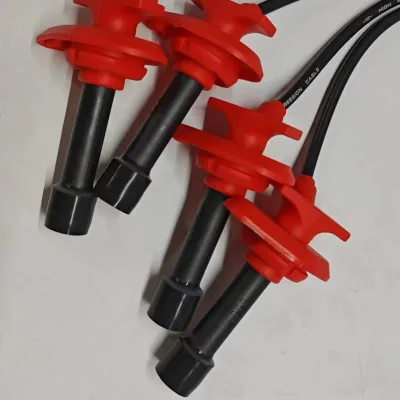
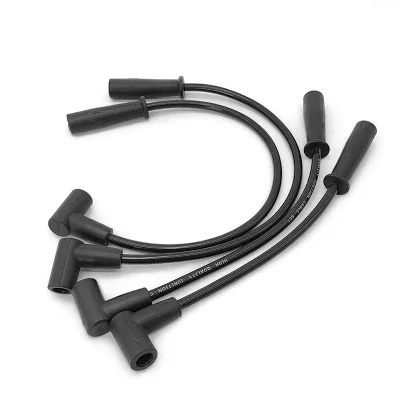
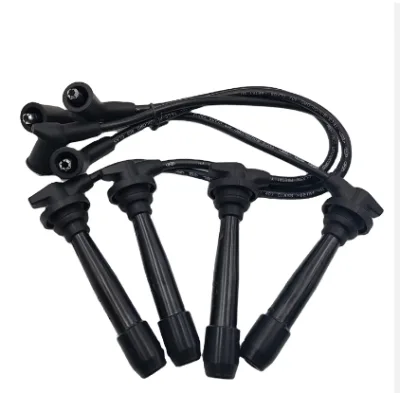
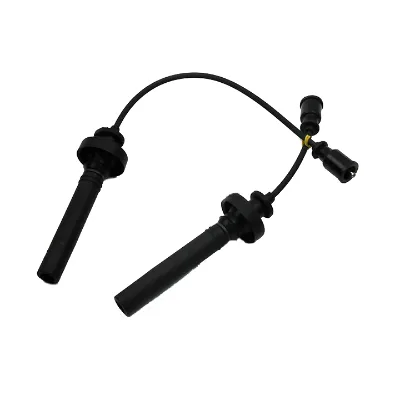
Reliable Yellow Spark Plug Wire with Grey Boot, Heat Tolerance +230° C
$6.00 - $6.50
MOQ: 500 Sets

Yellow Spark Plug Wire with Grey Boot, Engineered for +230° C Heat Resistance
$6.00 - $6.50
MOQ: 500 Sets

Yellow Spark Plug Wire with Grey Boot, Built for +230° C Heat Protection
$6.00 - $6.50
MOQ: 500 Sets

High Performance 8.5mm Super Conductor Ignition Wire Spark Plug Wire 023912
$6.00 - $6.50
MOQ: 500 Sets
Guangzhou Jinshengxi Auto Parts Co., Ltd.
- Trading Company
- Lead time旺季: "1 - 100":14,"101 - 500":30,"> 500":"To be negotiated", 淡季: "1 - 100":14,"101 - 500":30,"> 500":"To be negotiated"
- Avg. response≤ 2h
Main productsIgnition Coils, Car Sensors, Window Switches, Fuel Pumps, Fuel Injectors
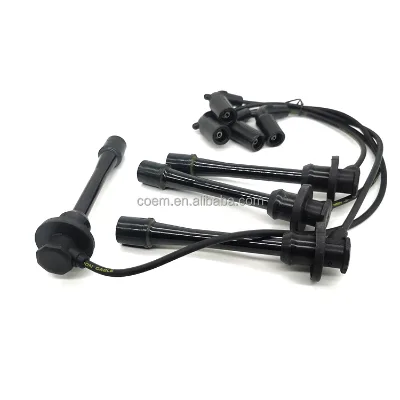
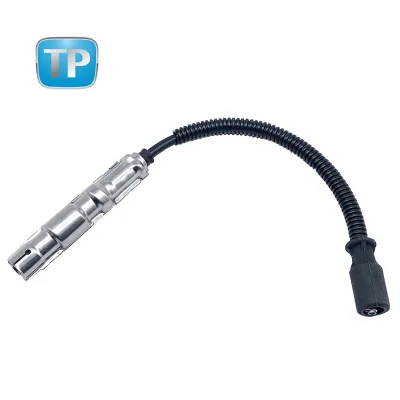
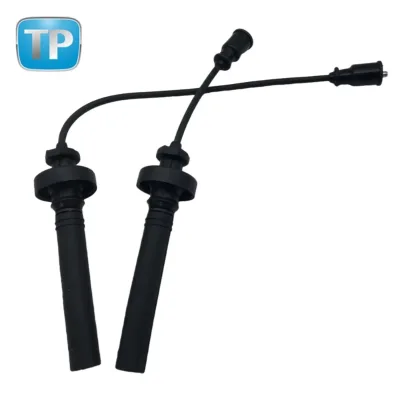
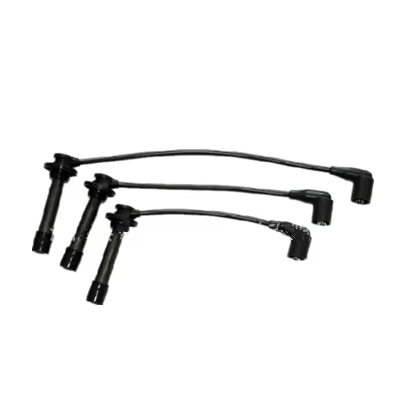
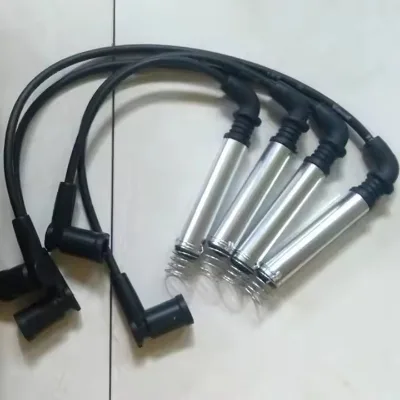
Spark Plug Wire Set OE# ZG24 Auto Parts Spark Plug Ignition Wire for Other Engine Parts
$4.78 - $6.10
MOQ: 10 pieces
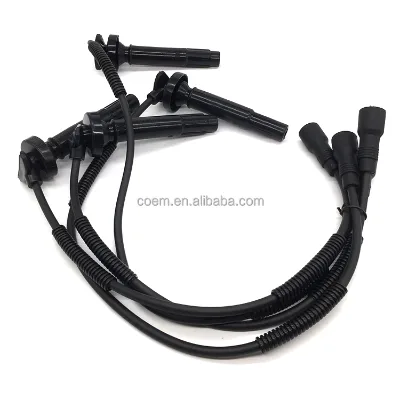
$10.85 - $12.70
MOQ: 10 pieces
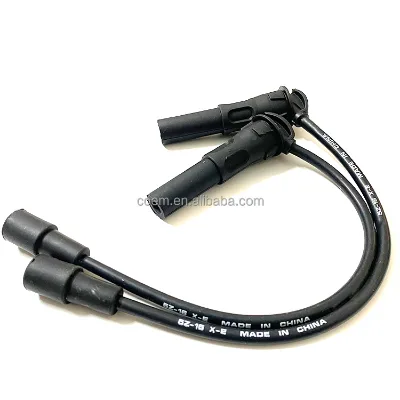
Auto Parts Spark Plugs Wires Set OE# HTL200001 Ignition Coil Cable Wire for SAIC Roewe 350
$3.86 - $4.50
MOQ: 10 pieces
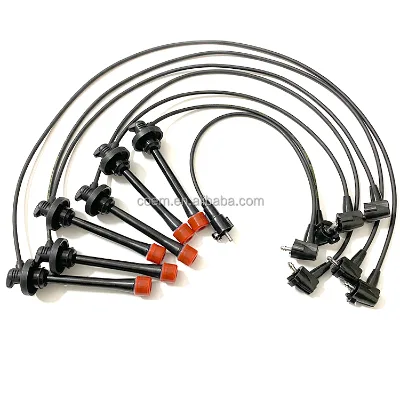
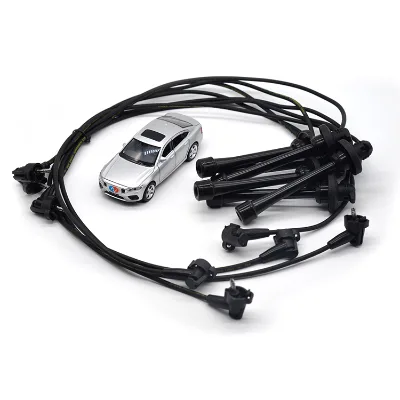
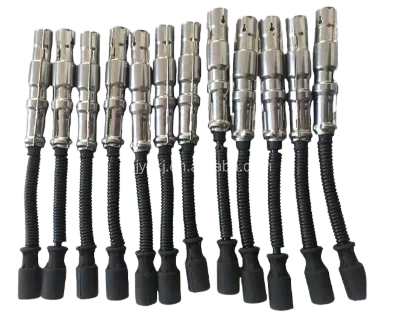
Spark Plug Wire Set Ignition Cable for Toyota Cable Ignition Cable 90919-21546
$6.1504 - $8.8201
MOQ: 5 pieces

Guangzhou Yuexiu District New Yongjian Auto Parts Trade Department
- Trading Company
- Guangdong, China
- Lead time15 days
- Avg. response≤ 3h
Main productsLgnition Coil, Valve Cover, Timing Chain Kits, Transmission Filter, Oxygen Sensor
Main marketsSouth America(13.00%), Eastern Asia(10.00%), Western Europe(10.00%), Southern Europe(10.00%), Eastern Europe(10.00%), North America(9.00%), Africa(8.00%), Mid East(8.00%), Southeast Asia(6.00%), Oceania(5.00%), Northern Europe(5.00%), Central America(3.00%), South Asia(2.00%), Domestic Market(1.00%)

LIYANG INDUSTRIAL & TRADING DEVELOPING CO., LTD.
- Verified by TUVRHEINLAND
- Trading Company
- China Guangdong
- Lead time30 days
- Avg. response≤ 8h
Main productsSpark Plug, Motrocycle Spare Part, Connecting Rod, Brake Shoes, Brake Pads, Piston, Piston Ring, Bearing, Cylinder Block, Cylinder Kit
Main marketsOthers(foreignTradeCapacity.exportBusinessCapacityMarketOther),Europe

Hainan Rsxf Industrial Development Co., Ltd.
- Manufacturer, Trading Company
- Hainan, China
- Lead time0 days
- Avg. response≤ 5h
Main productsengine overhaul parts,Transmission Overhaul parts,Chassis parts,Auto Body parts,engine parts
Main marketsAfrica(30.00%), South America(20.00%), South Asia(10.00%), Eastern Asia(10.00%), Mid East(10.00%), North America(10.00%), Southeast Asia(10.00%)
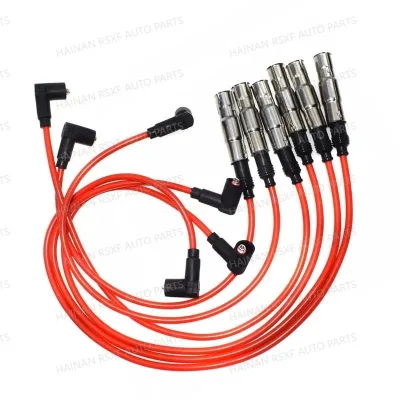
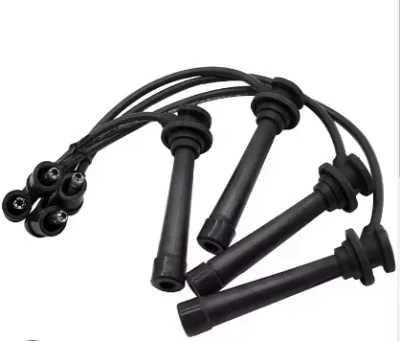
Factory Direct Ignition Cable OE 021998031 Spark Plug Wire for VW TRANSPORTER
$3.9619 - $5.9675
MOQ: 50 sets

Shanghai Spb Industry Co., Ltd.
- Verified by SGS
- Trading Company,Manufacturer/Factory,Group Corporation
- China Shanghai
- Lead time30 days
- Avg. response≤ 6h
Main productsCar Spare Part, Suspension Parts, Ball Joint, Shock Absorber, C. V Joint, Brake Pad, Radiator, Stabilizer Bar, Oil Filter, Steering Rack
Main marketsSouth America,Eastern Europe,Mid East,North America,Southeast Asia,Eastern Asia,Oceania,Western Europe,Africa


Spark Plug Wire Ignition Cable Set Ignition Cable Ignition Wire for Ford 10395650
$3.00 - $5.00
MOQ: 200 Pieces
Guangzhou Tang Pei Trading Co., Ltd.
- Verified by Intertek
- Trading Company
- Lead time3 days
- Avg. response≤ 3h
Main productsSensor, Injector, Control Valve, Ignition Coil, Air Flow Meter
Main marketsSouth America(23%), North America(22%), Southeast Asia(21%)
Yueqing Weiao Import & Export Co., Ltd.
- Verified by TüVRheinland
- Manufacturer, Trading Company
- Lead time15 days
- Avg. response≤ 2h
Main productsAuto Parts, Precision Instrument Accessories, Industrial Pipeline Products, Hardware Tools, Electrical Products
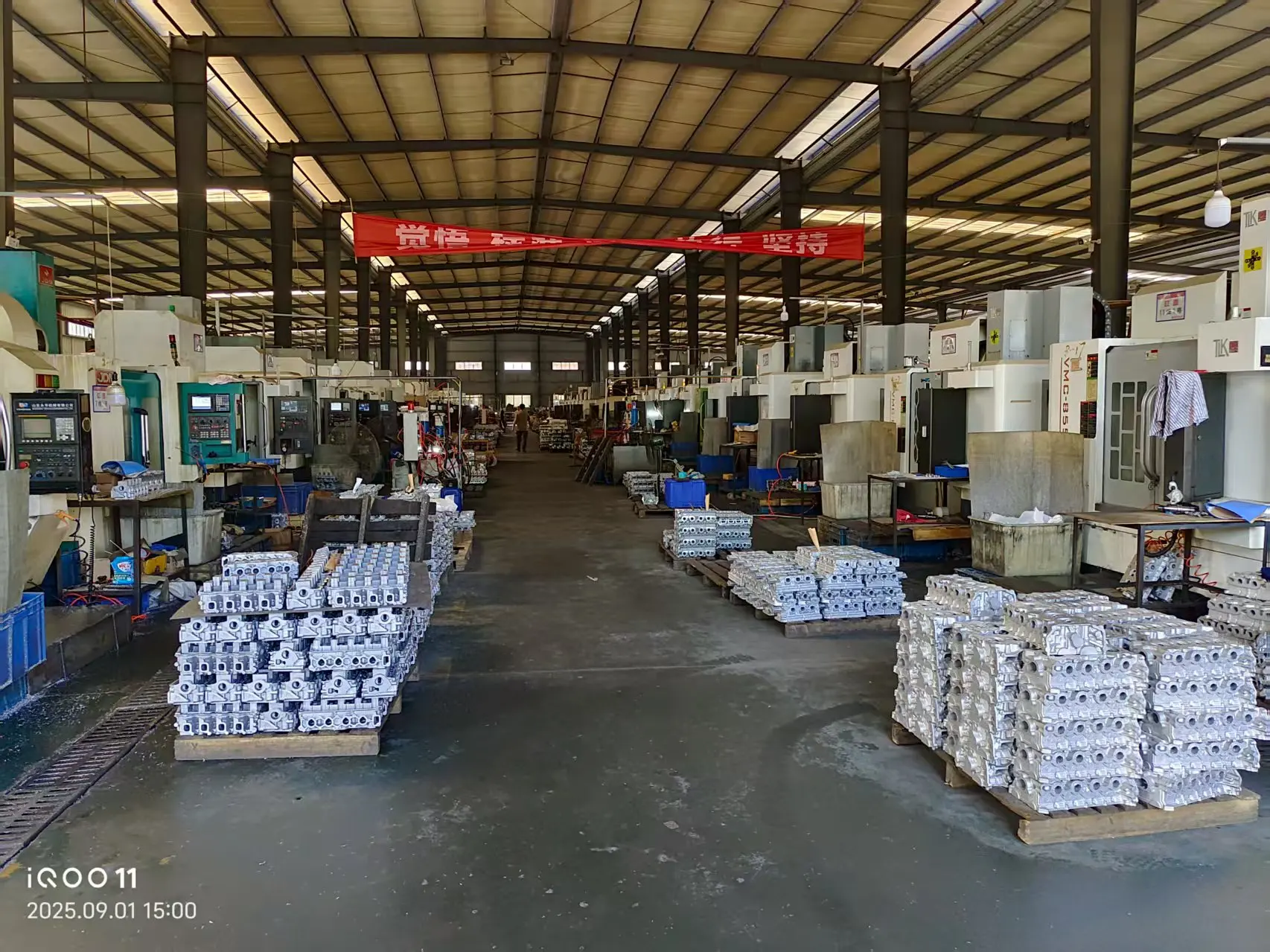
Chongqing Xingmenghe Technology Co., Ltd.
- Trading Company
- Chongqing, China
- Lead time10 days
- Avg. response≤ 6h
Main productsEngine,Cylinder head,Crankshaft,Oil pump,Camshaft
Main marketsNorth America(20.00%), Mid East(15.00%), Northern Europe(10.00%), Eastern Asia(10.00%), Eastern Europe(10.00%), Central America(5.00%), Western Europe(5.00%), Southeast Asia(5.00%), South America(5.00%), Southern Europe(5.00%), Africa(4.00%), Domestic Market(2.00%), South Asia(2.00%), Oceania(2.00%)
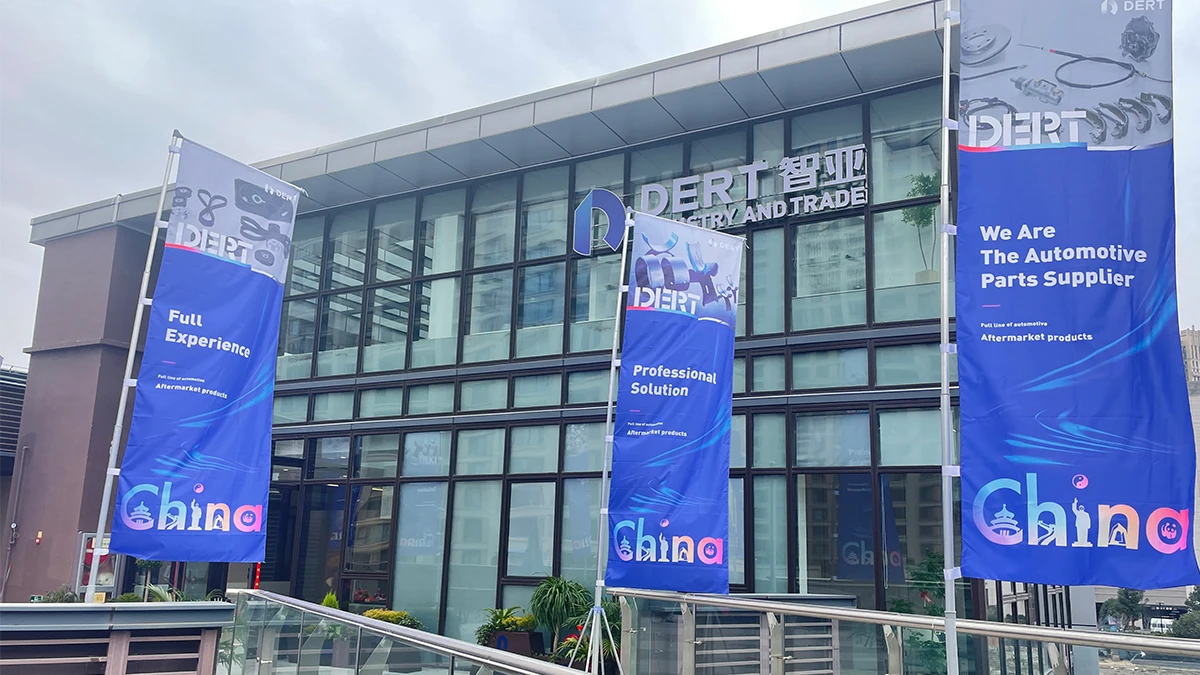
Wenzhou Dert Industry And Trade Co., Ltd.
- Trading Company
- Zhejiang, China
- Lead time25 days
- Avg. response≤ 2h
Main productsENGINE MOUNT,BALL JOINT,CONTROL ARM,SENSOR,SWITCH
Main marketsSouth America(15.00%), Mid East(15.00%), Eastern Asia(10.00%), Northern Europe(10.00%), Africa(10.00%), Central America(10.00%), Western Europe(10.00%), South Asia(5.00%), Southeast Asia(5.00%), Eastern Europe(5.00%), North America(3.00%), Southern Europe(2.00%)
Jinan Catop Auto Parts Co., Ltd.
- Verified by TüVRheinland
- Trading Company
- Lead time30 days
- Avg. response≤ 2h
Main productsEngine Parts, Engine Assy, Cylinder Head, Cylinder Block, Ignition Coil
Main marketsAfrica(55%), Mid East(30%), South America(10%)

Beijing Yuecheng Technology Co., Ltd.
- Trading Company
- Beijing, China
- Lead time3 days
- Avg. response≤ 3h
Main productsignition coils,throttle bodies,high-voltage damping wires,spark plug
Main marketsNorth America(15.00%), South America(15.00%), Eastern Europe(13.00%), Mid East(12.00%), Domestic Market(8.00%), Southeast Asia(6.00%), Western Europe(6.00%), South Asia(6.00%), Africa(5.00%), Oceania(3.00%), Eastern Asia(3.00%), Central America(3.00%), Northern Europe(3.00%), Southern Europe(2.00%)

Changsha Ambet Electronic Technology Co., Ltd.
- Verified by SGS
- Trading Company,Manufacturer/Factory
- China Hunan
- Lead time23 days
- Avg. response≤ 4h
Main productsCable Assembly, Automotive Connector, Wiring Harness, Power Cord, Power Cable, Car Charger, Phoenix Contacts, Wire Connector, Drawing Toys, Kid Toys
Main marketsSouth America,Eastern Europe,Mid East,North America,Southeast Asia,Eastern Asia,Oceania,Western Europe,Africa
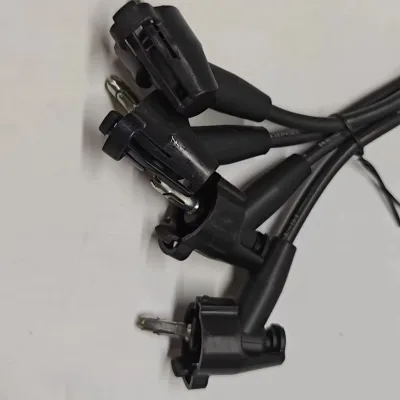
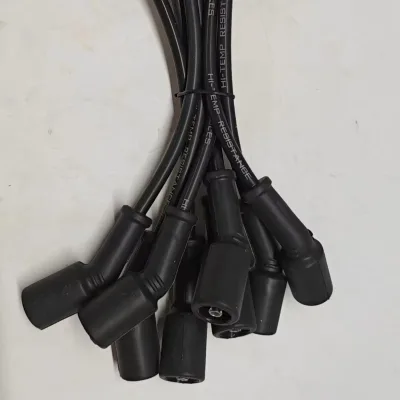


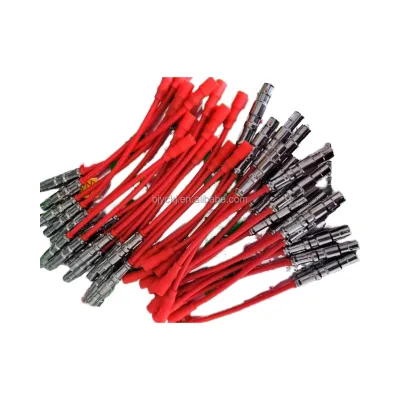


Comprehensive Sourcing Guide
OEM Spark Plug Wire Supplier Concentration and Factory Types
The current supplier landscape for OEM spark plug wires reveals a distinct concentration of manufacturing activity within China, specifically highlighting Zhejiang and Guangdong provinces as key industrial hubs. Suppliers located in Zhejiang often operate as combined entities, blending manufacturing capabilities with trading functions, which allows them to offer a diverse range of automotive components beyond just ignition systems. These combined factories typically list main products that include vacuum cleaners, electric sprayers, and lawn mowers alongside automotive parts, suggesting a broad industrial base that can support varied production needs. In contrast, suppliers based in Guangdong, such as those in Guangzhou, frequently present themselves as trading companies or specialized auto parts distributors. These entities often focus heavily on specific automotive electrical systems, listing ignition coils, car sensors, window switches, and fuel pumps as their primary offerings. This distinction is crucial for buyers, as combined factories may offer more direct control over the physical production of the ignition wires, while trading companies might provide faster access to a wider variety of OE numbers and compatible parts from multiple sources. Understanding this structural difference helps buyers align their sourcing strategy with their need for manufacturing depth versus product breadth.
Factory types also vary in their stated capabilities regarding customization and original equipment manufacturing. Some suppliers explicitly advertise ODM and OEM capacities, indicating they can produce custom specifications for ignition wires, such as specific lengths, connector types, or heat resistance ratings. These manufacturers often hold system certifications like ISO9001:2015, which serves as a baseline indicator of their quality management processes. Other suppliers, particularly those operating as trading companies, may not list explicit manufacturing capacities but instead emphasize their ability to source specific OE numbers, such as ZG24 or 22451-AA661, for various car makes including Subaru, Toyota, and SAIC Roewe. These trading entities often highlight their service capabilities, such as 24-hour customer service and neutral packing options, which are valuable for buyers who need discreet shipping or specific branding. The presence of both combined factories and specialized trading companies in the results provides buyers with a spectrum of options, ranging from direct manufacturing partnerships to curated sourcing solutions. Buyers must carefully evaluate which model best fits their volume requirements and quality assurance needs, as the factory type directly influences communication, pricing structures, and production flexibility.
How to Verify OEM Spark Plug Wire Suppliers
Verifying the legitimacy and capability of an OEM Spark Plug Wire supplier requires a multi-layered approach that goes beyond surface-level product listings. Buyers should first scrutinize the supplier’s company type and location to ensure alignment with their sourcing strategy. For instance, if a buyer requires direct factory oversight, they should prioritize suppliers identified as combined manufacturers in Zhejiang, whereas those seeking specific OE replacements might find trading companies in Guangdong more suitable. It is essential to verify the authenticity of claimed certifications, such as ISO9001:2015 or CE marks, by requesting valid certificates and cross-referencing them with issuing bodies. The presence of these certifications on product pages, such as those for ignition wires with specific heat resistance ratings, should be treated as preliminary indicators rather than guaranteed facts. Buyers must also assess the supplier’s response time, as a quick response can indicate a well-staffed sales team, but it does not guarantee production reliability. A response time of around two to five hours is common among active suppliers, but buyers should test this by sending detailed technical inquiries to gauge the depth of the supplier’s technical knowledge regarding ignition systems.
Further verification involves examining the supplier’s product evidence and attribute consistency. Buyers should look for detailed product specifications, such as anti-heat ratings of +230 degrees Celsius or specific component types like distributorless ignition system wires. These technical details help confirm that the supplier understands the functional requirements of spark plug wires. Additionally, buyers should verify the supplier’s ability to provide samples before committing to large orders. While some suppliers list low MOQs, such as 10 pieces, others may require higher minimums like 500 pieces, which can impact the cost-effectiveness of sampling. Buyers should also check for the availability of trade assurance or escrow services, which provide a layer of financial protection. Although specific escrow details may not be explicitly stated in all results, buyers should inquire about payment terms and dispute resolution mechanisms. It is also prudent to verify the supplier’s establishment year and business history, as longer-standing companies may have more stable supply chains. By combining these verification steps, buyers can build a more accurate profile of each supplier’s reliability and suitability for their specific OEM Spark Plug Wire needs.
What to Compare Across OEM Spark Plug Wire Suppliers
When evaluating multiple suppliers for OEM spark plug wires, buyers must compare several key dimensions to identify the best fit for their operational requirements. One critical factor is the lead time, which can vary significantly based on order volume and seasonal demand. Some suppliers indicate lead times of 45 days for standard orders, while others offer more flexible timelines, such as 30 days or even 3-7 working days for smaller quantities. Buyers should also compare the minimum order quantities (MOQs), which range from as low as 10 pieces to 500 pieces or more. Lower MOQs are advantageous for testing new markets or fulfilling small repair orders, but they may come with higher per-unit prices. Conversely, higher MOQs often enable better pricing economies of scale. Buyers should also assess the price ranges, which can vary from approximately $3.86 to $12.70 per set depending on the OE number and specifications. It is important to note that prices are often fixed for specific models, so buyers should compare quotes for identical specifications across different suppliers to ensure competitive pricing.
Another vital aspect of comparison is the supplier’s main product focus and customization capabilities. Suppliers that list ignition wires as part of a broader automotive parts portfolio may offer better integration services for buyers sourcing multiple components. Buyers should also compare the response times, as faster responses can facilitate quicker negotiations and problem resolution. Additionally, the availability of customization options, such as specific wire colors, boot materials, or packaging requirements, should be evaluated. Some suppliers explicitly state that customization is available, which is crucial for buyers requiring branded or specialized products. Buyers should also compare the shipping methods offered, with options like DHL, FedEx, UPS, and EMS being common. The choice of shipping method can impact delivery speed and cost, so buyers should align this with their logistics strategy. Finally, buyers should compare the warranty terms and after-sales service policies, as these factors can mitigate risks associated with product defects. By systematically comparing these dimensions, buyers can make informed decisions that balance cost, quality, and service levels.
Common OEM Spark Plug Wire Sourcing Risks
Sourcing OEM spark plug wires carries inherent risks that buyers must proactively manage to ensure supply chain stability and product quality. One significant risk is the variability in product specifications, particularly regarding heat resistance and electrical conductivity. While some suppliers claim their wires can withstand temperatures up to +230 degrees Celsius, buyers must verify these claims through independent testing or third-party inspections. Inconsistent quality can lead to premature failure of ignition systems, resulting in costly recalls or customer dissatisfaction. Another risk is the potential for miscommunication regarding OE numbers and compatibility. Suppliers may list multiple OE numbers for similar products, but subtle differences in connector types or wire lengths can render a part incompatible with specific vehicle models. Buyers must ensure that the supplier provides accurate compatibility information and offers clear return policies for mismatched parts. Additionally, the reliance on trading companies can introduce risks related to inventory availability and production delays, as these entities may not have direct control over manufacturing schedules.
Logistical risks are also prevalent, particularly when dealing with international shipping from China. Delays in customs clearance, shipping disruptions, or incorrect packaging can impact delivery timelines and increase costs. Buyers should be aware that some suppliers offer flexible delivery times, such as 30 days or 45 days, but these estimates may not account for unforeseen logistical challenges. Furthermore, the risk of intellectual property infringement exists when sourcing custom or branded spark plug wires. Buyers must ensure that the supplier has the necessary rights to produce and sell the requested designs or OE numbers. Payment risks are another concern, especially when dealing with new suppliers. Buyers should use secure payment methods, such as trade assurance or escrow services, to protect their funds until the goods are received and verified. Finally, buyers should be cautious of suppliers who do not provide detailed product attributes or certifications, as this lack of transparency may indicate lower quality standards or unreliable business practices. By identifying and mitigating these risks, buyers can enhance the reliability of their sourcing operations.
OEM Spark Plug Wire Regional Sourcing and Logistics
Regional sourcing strategies play a crucial role in optimizing the procurement of OEM spark plug wires, particularly when dealing with suppliers located in China. The concentration of suppliers in Zhejiang and Guangdong provinces offers buyers access to established industrial clusters with robust supply chains and manufacturing infrastructure. Zhejiang-based suppliers, often operating as combined factories, may benefit from proximity to raw material suppliers and specialized component manufacturers, potentially reducing production lead times. Guangdong-based suppliers, particularly those in Guangzhou, often leverage the region’s strong logistics network and proximity to major ports, facilitating efficient export operations. Buyers should consider the logistical advantages of each region when planning their sourcing strategy. For instance, suppliers in Guangdong may offer faster shipping times to international destinations due to the region’s well-developed port infrastructure. However, buyers must also account for the potential variability in shipping costs and transit times, which can be influenced by global logistics conditions and seasonal demand fluctuations.
Logistics planning also involves selecting the appropriate shipping methods and carriers to ensure timely delivery. Suppliers commonly offer shipping via DHL, FedEx, UPS, and EMS, each with different cost structures and delivery speeds. Buyers should evaluate these options based on their urgency and budget constraints. For example, express couriers like DHL and FedEx offer faster delivery but at a higher cost, while postal services like EMS may be more economical but slower. Buyers should also consider the packaging requirements, as spark plug wires are delicate components that require protection during transit. Some suppliers provide neutral packing, which can be beneficial for buyers who need to maintain brand confidentiality. Additionally, buyers should verify the supplier’s ability to handle customs documentation and export compliance, as errors in this area can lead to delays or additional fees. By carefully planning their regional sourcing and logistics strategies, buyers can minimize disruptions and ensure a smooth supply chain for their OEM Spark Plug Wire needs.
OEM Spark Plug Wire Commercial Terms and Order Planning
Effective order planning for OEM spark plug wires requires a thorough understanding of the commercial terms offered by suppliers, including pricing, payment methods, and warranty policies. Pricing structures can vary significantly based on the OE number, customization requirements, and order volume. Buyers should request detailed quotes that break down costs for materials, labor, and shipping to ensure transparency. Payment terms are another critical aspect, with options such as TT, PayPal, Western Union, and Trade Assurance being common. Buyers should prefer secure payment methods that offer protection against fraud or non-delivery. It is also important to clarify the payment schedule, such as whether a deposit is required upfront or if payment is due upon shipment. Warranty terms typically range from one year, but buyers should verify the specific conditions and coverage provided by each supplier. Understanding these commercial terms helps buyers avoid unexpected costs and ensures a fair transaction.
Order planning also involves managing inventory and production schedules to align with market demand. Buyers should consider the supplier’s lead times and MOQs when planning their orders. For instance, suppliers with longer lead times may require earlier order placement to avoid stockouts, while those with lower MOQs offer more flexibility for small batch orders. Buyers should also establish clear communication channels with suppliers to monitor production progress and address
FAQs
What is the minimum order quantity for spark plug wires?
Minimum order quantities vary by supplier and product model. Some listings require 500 units, while others accept orders as low as 10 pieces. Buyers should verify specific MOQ requirements for their chosen ignition wire model before placing an order to ensure compliance with supplier policies.
How long does it take to receive spark plug wire orders?
Lead times depend on order volume and seasonality. Standard delivery windows range from 30 to 45 days for most suppliers. Some vendors offer faster shipping of 3 to 7 working days for smaller quantities, while larger orders may require negotiation for extended timelines during peak seasons.
Are these ignition wires heat resistant up to 230 degrees?
Yes, many available spark plug wires are engineered to withstand temperatures up to 230 degrees Celsius. Specific models feature anti-heat properties rated for this range, ensuring durability in high-performance engines. Buyers should check product attributes to confirm the exact heat tolerance for their specific application needs.
Do suppliers offer customization for ignition wire specifications?
Customization is available for many ignition wire products listed. Suppliers support OEM and ODM services to tailor wire specifications to buyer requirements. Buyers can request specific colors, boot types, or performance ratings, provided they meet the minimum order quantity thresholds set by the manufacturing facility.
What certifications do these auto parts suppliers hold?
Suppliers often hold ISO9001:2015 system certifications and product-specific CE or TSISO9001 approvals. These credentials indicate adherence to quality management standards. Buyers should verify the specific certification documents for each ignition wire model to ensure compliance with international safety and quality regulations for automotive components.
Where are the spark plug wire manufacturers located?
Manufacturers are primarily located in China, with specific hubs in Zhejiang and Guangdong provinces. These regions host combined trading companies and manufacturers specializing in auto parts. Buyers should confirm the exact place of origin for each product to assess logistics costs and potential import duties for their region.
What is the typical response time for supplier inquiries?
Supplier response times vary, with some vendors replying within 2 hours and others taking up to 5 hours. Fast response rates are common for trading companies seeking quick engagement. Buyers should expect prompt communication but should verify current response metrics directly with the supplier before initiating a large order.
What payment terms are accepted for spark plug wire orders?
Accepted payment methods typically include T/T, PayPal, Western Union, and Trade Assurance. These options provide flexibility for international transactions. Buyers should confirm the specific payment terms and any associated fees with the supplier to ensure secure and timely processing of their purchase orders for ignition components.