OEM Engine Cover Suppliers and Manufacturers in China
Compare 19 verified suppliers offering OEM Engine Cover products with details on location, lead time, and response time. Review pricing, certifications, and customization options to select the right partner for your needs; review the available evidence before requesting comparable quotations from suitable candidates.
Updated
Suppliers List
Jinan Zhonglang Auto Parts Co., Ltd.
- Trading Company
- Shan'dong, China
- Lead time0 days
- Avg. response≤ 4h
Main productsShanghai Automotive Industry Corporation,Shanghai Volkswagen,FAW-Volkswagen,Whole vehicle accessories
Main marketsSoutheast Asia(30.00%), Mid East(25.00%), Eastern Asia(20.00%), South America(10.00%), North America(10.00%), South Asia(5.00%)
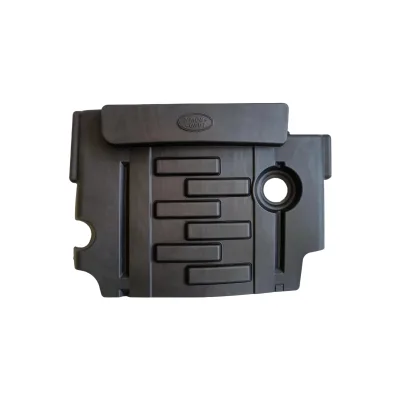
$76.00 - $79.20
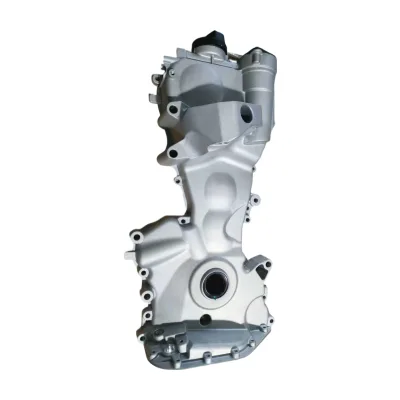
$62.00 - $69.00

Hangzhou Raja Machinery Co., Ltd.
- Trading Company
- China Zhejiang
- Lead time23 days
- Avg. response≤ 2h
Main productsDiesel Generator, Diesel Engine, Diesel Engine Parts, Diesel Water Pump, Diesel Silent Generator, Diesel Welding Generator, Diesel Open Type Generator, Brush Cutter, Gasoline Generator
Main marketsEastern Europe,Mid East,North America,Western Europe,Africa
Chongqing Tonghetong Auto Parts Co., Ltd.
- Trading Company
- Chongqing, China
- Lead time0 days
- Avg. response≤ 2h
Main productsHeadlight,Bumper,Grille,Fender,Fog lamp
Main marketsSoutheast Asia(40.00%), Mid East(30.00%), Northern Europe(20.00%), Africa(10.00%)

Ningbo Jalyn International Trading Co., Ltd.
- Trading Company,Manufacturer/Factory
- China Zhejiang
- Lead time30 days
- Avg. response≤ 17h
Main productsMotorcycle Parts, Motorcycle Accessories, Aftermarket Motorcycle Parts, ATV Parts, Bicycle Parts, Motorcycle Plastic Parts, Motorcycle Mirror, Motorcycle Handle Grips, Motorcycle Engine, Bicycle Accessories
Main marketsSouth America,Eastern Europe,North America,Eastern Asia,Oceania,Western Europe,Africa

- Trading Company
- China Jiangsu
- Lead time60 days
- Avg. response≤ 19h
Main productsHardware, Castings, Forgings, Bearings, Motorcycle Parts, Pole Line Fittings, Mining Equipment, Railroad Vehicle Parts
Main marketsSouth America,Africa,Europe,Australia,North America
Hangzhou Aelwen Auto Parts Co., Ltd.
- Trading Company
- Lead time旺季: "1 - 10000":40,"> 10000":"To be negotiated", 淡季: "1 - 10000":40,"> 10000":"To be negotiated"
- Avg. response≤ 3h
Main productsSteering Rack, Door Lock Actuator, Gear Shift Knob, Auto Switch, Car Door Handle
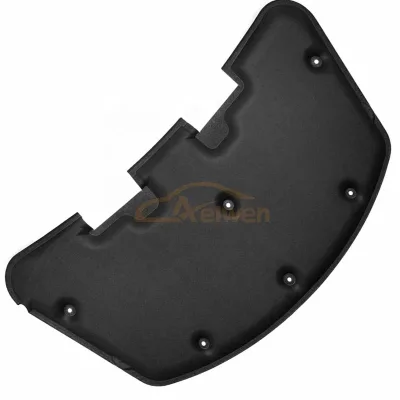
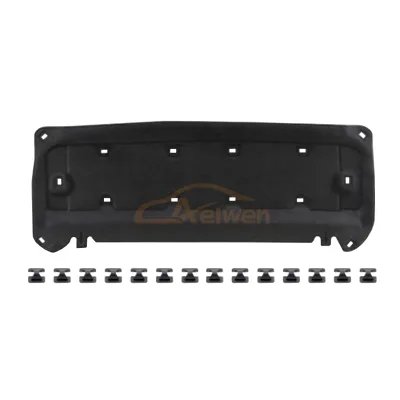
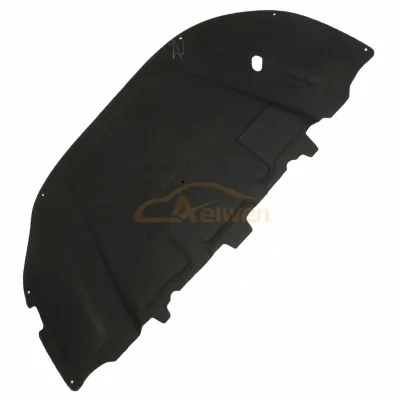
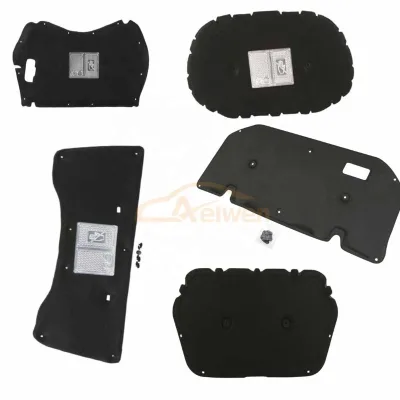
$13.8927 - $16.2117
MOQ: 50 sets
Zhejiang Jinhua Aifuntar Auto Parts Co., Ltd.
- Trading Company
- Zhejiang, China
- Lead time30 days
- Avg. response≤ 6h
Main productsengine,lamp,shock absorber,door,clutch set
Main marketsAfrica(60.00%), Domestic Market(10.00%), Eastern Asia(10.00%), Mid East(10.00%), South America(10.00%)

Milesun Rubber & Plastic Technology Co., Ltd.
- Verified by CTI
- Manufacturer/Factory
- China Guangdong
- Lead time23 days
- Avg. response≤ 13h
Main productsRubber Components, Rubber Damper/Shock Absorber/Sheet, Rubber-Metal Components, Sealing Ring, Home Appliance Rubber and Metal Components, Power Tool Rubber and Metal Components, Auto Rubber and Metal Components, Sanitary Rubber and Metal Components, Kitchen Ware / Daily Use Rubber Products, Food Grade Rubber Products/Toy
Main marketsSouth America,Eastern Europe,Mid East,North America,Southeast Asia,Eastern Asia,Oceania,Western Europe,Africa

Zhejiang Feiman Power Equipments Co., Ltd.
- Verified by TUVRHEINLAND
- Trading Company
- China Zhejiang
- Lead time30 days
- Avg. response≤ 5h
Main productsOil Pipe, Engine Spare Part, Engine, Sinotruk Engine, Engine Pipe, Auto Pipe, Sinotruk Spare Part, Truck Spare Part, Auto Part
Main marketsDomestic

JINAN GUYUE AUTO PARTS CO., LTD.
- Verified by SGS
- Trading Company
- China Shandong
- Lead time15 days
- Avg. response≤ 9h
Main productsFAW Sinotruck Shacman Beiben Truck Spare Part, Bus Spare Parts, Light Truck Spare Parts, Tyre, Construction Machinery, Fuwa Ror BPW Trailer Spare Parts
Main marketsAfrica,Southeast Asia/ Mideast,North America
Ningbo Mandy Auto Parts Co., Ltd.
- Trading Company
- Zhejiang, China
- Lead time15 days
- Avg. response≤ 4h
Main productsAuto Parts, Hardware Products, Plastic Parts, Sealing Element, Tools
Main marketsEastern Europe(40.00%), Western Europe(20.00%), North America(10.00%), South America(10.00%), Mid East(10.00%), Southeast Asia(10.00%)

CHONGQING NEW KAINIU INDUSTRY CO., LTD
- Verified by SGS
- Manufacturer/Factory
- China Chongqing
- Lead time38 days
- Avg. response≤ 4h
Main productsTricycle, Cargo Tricycle, Passenger Tricycle, Multi Funcrtion Tricycle, Electric Tricycle, Agriculture Machineray, Generator, Tricycle Parts, Motorcycle Engine Parts, Motorcycle Part
Main marketsSouth America,Southeast Asia,Africa
Shanghai Anpar Auto Parts Co., Ltd.
- Verified by SGS Group
- Trading Company
- Guangdong, China
- Lead time15 days
- Avg. response≤ 3h
Main productsTransmisson System, Engine System, Electrical System, Suspenstion System, Auto Steering System
Main marketsSouth America(60%), North America(30%), Mid East(5%)
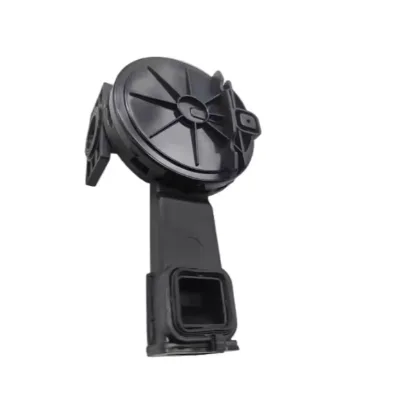
$2.00 - $3.00
MOQ: 100 pieces
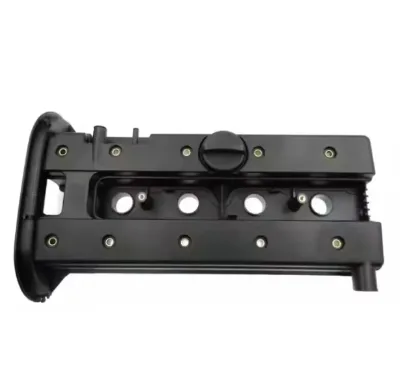
$17.943 - $18.9683
MOQ: 10 pieces
Minche Supply Chain Technology (hangzhou) Co., Ltd.
- Trading Company
- Zhejiang, China
- Lead time20 days
- Avg. response≤ 5h
Main productsAuto Parts
Main marketsNorth America(30.00%), South America(30.00%), Africa(10.00%), Eastern Europe(10.00%), Mid East(10.00%), Southeast Asia(10.00%)
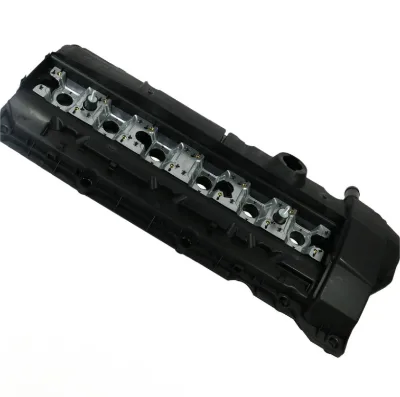
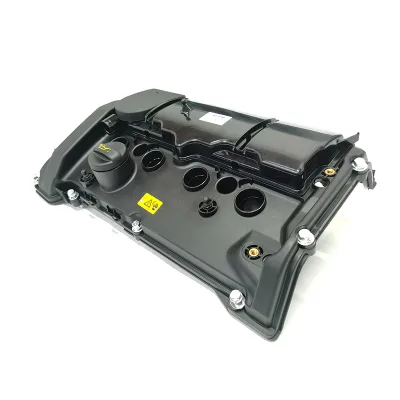
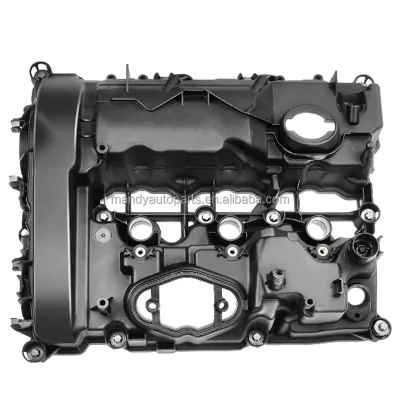
High Quality New Engine VAE Cover N13B16A R55 R56 R57 R58 R59 for 11127646553
$2.8676 - $4.0968
MOQ: 10 pieces
Wenzhou Xinxin Auto Parts Co., Ltd.
- Trading Company
- Zhejiang, China
- Lead time20 days
- Avg. response≤ 2h
Main productsEngine Valve Cover,Oil Pan,Oil Cooler & Oil Filter Housing Assembly,Intake Manifold,Other Hot-Selling Part
Main marketsNorth America(50.00%), Northern Europe(15.00%), South America(10.00%), Western Europe(10.00%), Central America(10.00%), Eastern Europe(5.00%)

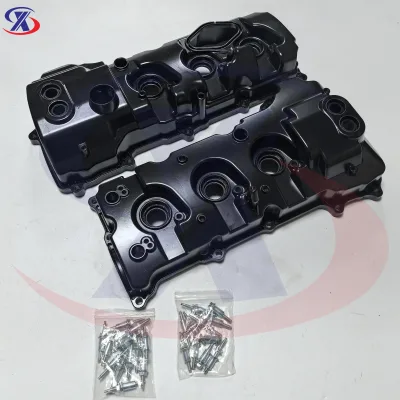
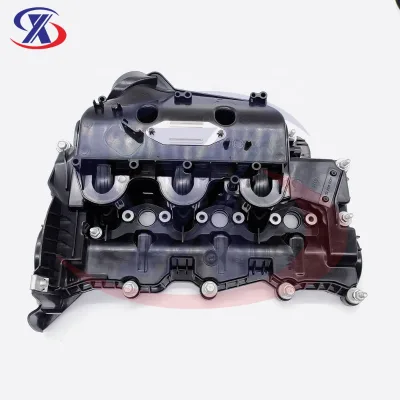
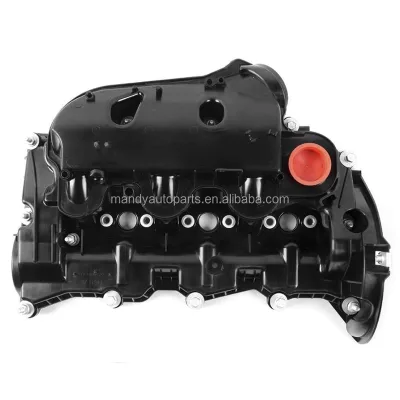
Engine Valve Cover for Fords,Land Rovers 1516726 6C1Q6K271CE BC1Q6K271AA LR007754 LR004645
$21.755 - $23.8281
MOQ: 20 pieces
Beijing Yiming Zhongxing Automotive Parts Co., Ltd.
- Trading Company
- Beijing, China
- Lead time0 days
- Avg. response≤ 4h
Main productsModification and upgrade,Automotive Engine Transmission System,Cooling system,electronic control system,Suspension system
Main marketsSoutheast Asia(30.00%), Central America(10.00%), Eastern Asia(10.00%), Mid East(10.00%), Southern Europe(10.00%), North America(10.00%), Northern Europe(10.00%), Oceania(5.00%), Eastern Europe(5.00%)
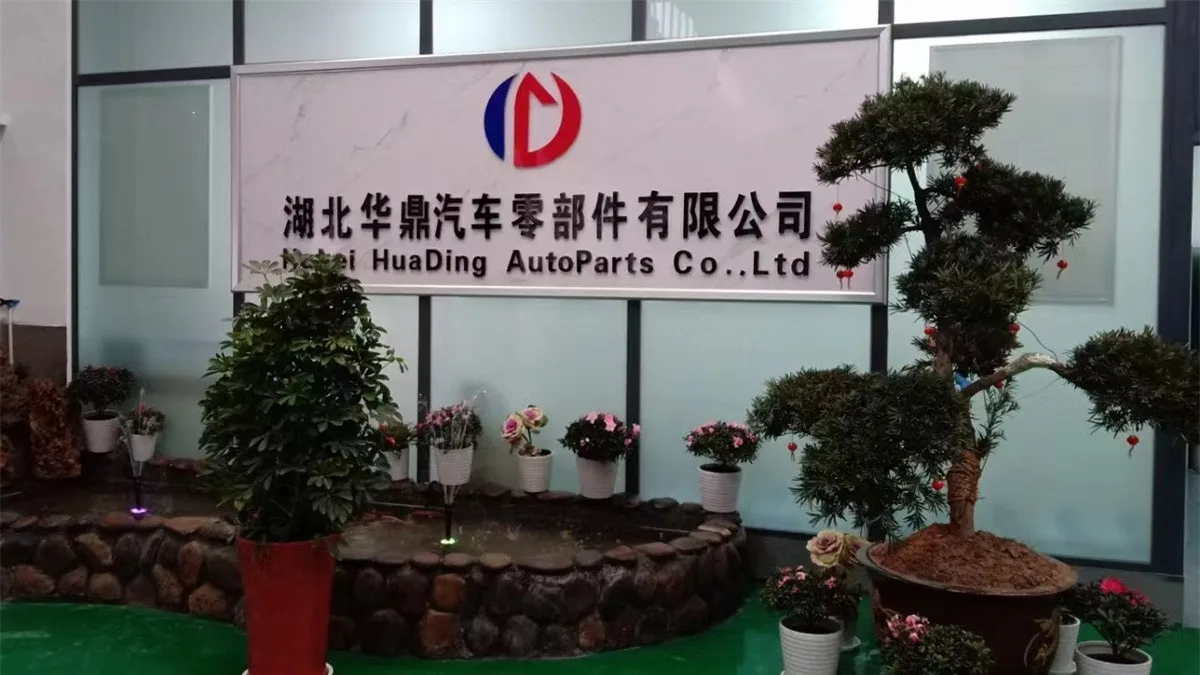
Hubei Huading Automotive Parts Co., Ltd.
- Manufacturer
- Hubei, China
- Lead time0 days
- Avg. response≤ 9h
Main productstruck spare parts,wiper motor,window regulator,cab assembly,truck door locks
Main marketsSouth America(50.00%), North America(15.00%), Mid East(10.00%), Eastern Asia(10.00%), Eastern Europe(10.00%), Africa(5.00%)

Hangzhou Huajida Auto Parts Co., Ltd.
- Trading Company
- China Zhejiang
- Lead time15 days
- Avg. response≤ 18h
Main productsJAC Truck Spare Part
Main marketsSouth America,Africa,Southeast Asia/ Mideast,Europe
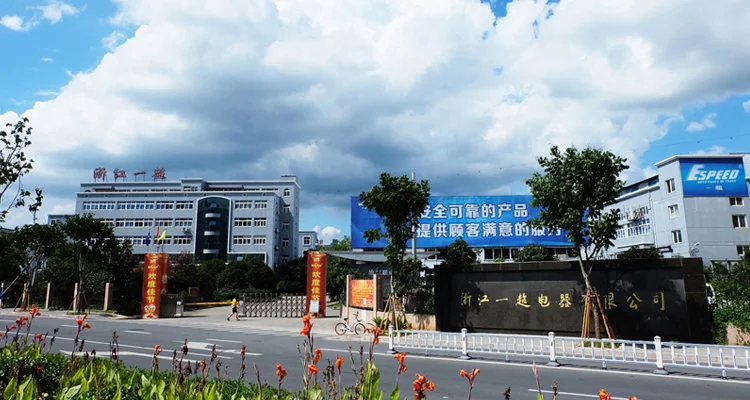
Wenzhou Espeed Industry & Trade Co., Ltd.
- Trading Company
- Zhejiang, China
- Lead time0 days
- Avg. response≤ 14h
Main productsAuto Sensor,Engine Parts,Electrical Parts,Cooling System,Auto Switch
Main marketsSouth America(40.00%), Eastern Europe(25.00%), North America(20.00%), Western Europe(5.00%), Southeast Asia(5.00%), Africa(2.00%), Southern Europe(1.00%), Mid East(1.00%), South Asia(1.00%)

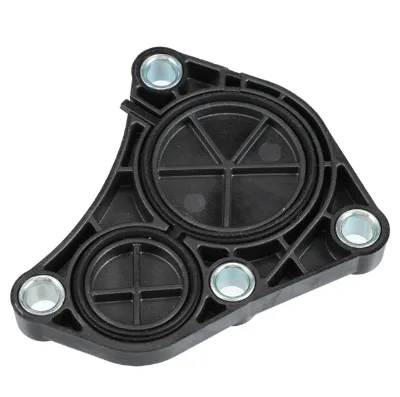
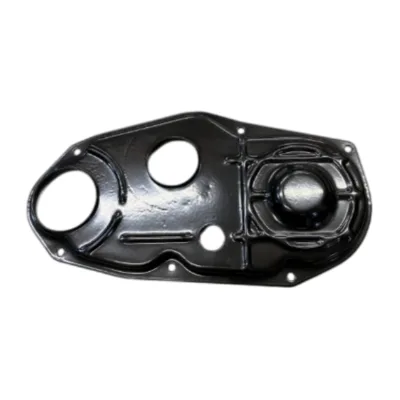
Cover Plate Engine Block 11537583666 11 53 7 583 666 Head Rear Cover Plate
$3.30 - $4.50
MOQ: 10 pieces
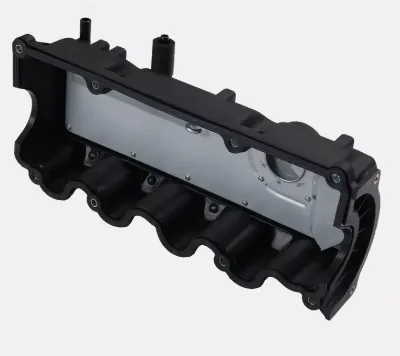
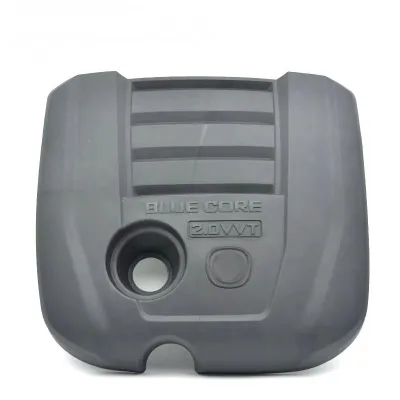
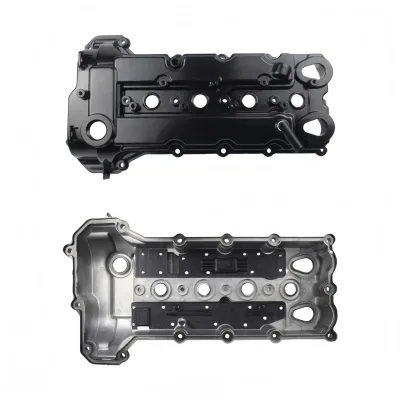
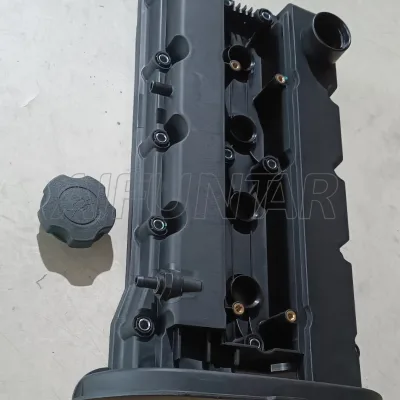
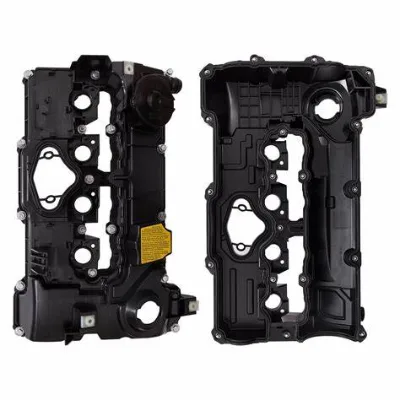
Auto Engine Tapa Valvula Valve Chamber Cover Engine Valve Cover 22410-22040 2241022040
$9.00 - $12.00
MOQ: 10 pieces








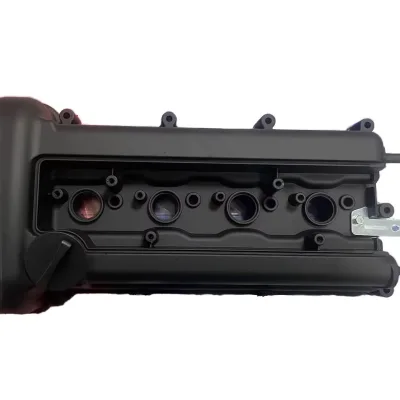
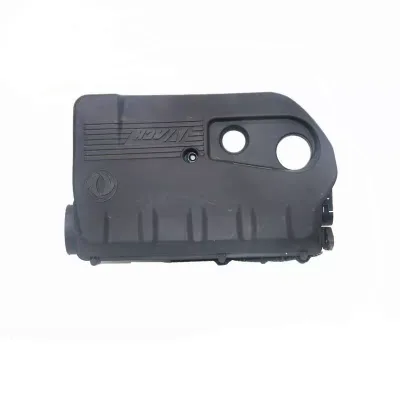
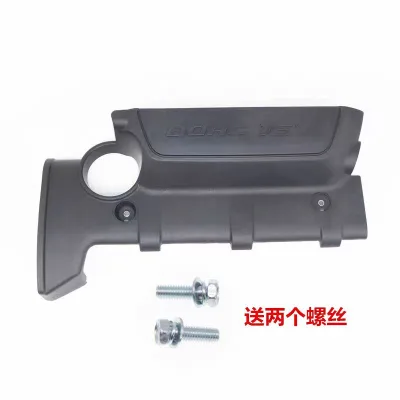


Comprehensive Sourcing Guide
OEM Engine Cover Supplier Concentration and Factory Types
The current supplier landscape for OEM engine covers reveals a diverse mix of manufacturing capabilities and business models, primarily concentrated in specific Chinese industrial hubs. Evidence indicates that suppliers are located in regions such as Shan'dong, Zhejiang, and Chongqing, each offering distinct advantages for sourcing. For instance, suppliers in Zhejiang are often associated with diesel engine parts and casting processes, while those in Chongqing may focus on automotive body systems and custom carbon fiber components. This geographic distribution suggests that buyers should look for manufacturing clusters based on the specific material and application of the engine cover they require. Trading companies are also present in the results, acting as intermediaries that may offer a broader range of products, including whole vehicle accessories or motorcycle parts, which can simplify sourcing for buyers needing multiple component types.
Understanding the company type is crucial for determining the level of customization and direct factory access. Some suppliers are identified as manufacturers with their own brands and OEM/ODM capabilities, which is ideal for buyers seeking proprietary designs or specific technical specifications. Others are trading companies that may not manufacture the items in-house but can facilitate procurement from various factories. The presence of ISO 9000 and ISO 9001 certifications among some suppliers indicates a baseline level of quality management system adherence, which is a positive indicator for consistency. However, buyers must verify if these certifications apply directly to the engine cover production line or if they are general company certifications. The distinction between a pure trading entity and a manufacturer with trading arms can impact communication efficiency, pricing structure, and the ability to resolve technical issues quickly during the production process.
How to Verify OEM Engine Cover Suppliers
Verifying the authenticity and capability of an OEM Engine Cover supplier requires a multi-layered approach that goes beyond surface-level profile information. Buyers should start by examining the supplier's response time and lead time metrics, which serve as indicators of operational efficiency and reliability. For example, some suppliers demonstrate response times under two hours, suggesting a dedicated sales team ready to engage quickly, while others may have longer response windows. Lead times, such as those reported at 23 or 30 days, provide insight into the supplier's production capacity and inventory management. A shorter lead time might indicate a ready-stock model or efficient production lines, whereas a longer lead time could reflect a build-to-order approach. Buyers should cross-reference these metrics with the supplier's main product listings to ensure consistency; a supplier claiming to specialize in engine covers should have relevant product evidence rather than unrelated items like diesel generators or motorcycle mirrors.
Certification verification is another critical step in the assessment process. While some suppliers list ISO 9000 or ISO 9001 certifications, buyers must request valid certificates and check their expiration dates and scope. Additionally, product-specific certifications, such as CE marks mentioned for certain cylinder head covers, should be validated for relevance to the engine cover product. The presence of customization options, such as available casting techniques or specific model numbers like S195 or 03E109210P, indicates technical competence. Buyers should ask for detailed product attributes, including material composition, production techniques, and packing methods, to ensure they align with their quality standards. It is also advisable to request samples to physically inspect the finish, fitment, and material quality, as these tangible aspects cannot be fully assessed through digital profiles alone. This hands-on verification helps mitigate the risk of receiving substandard products that do not meet OEM specifications.
What to Compare Across OEM Engine Cover Suppliers
When evaluating multiple suppliers for OEM engine covers, buyers must compare key commercial and operational dimensions to identify the best fit for their specific needs. Price is a primary factor, but it should be analyzed in conjunction with other variables such as MOQ and lead time. For instance, prices for engine covers can range significantly, with some items listed between $62 and $79, while others may be as low as $6 to $10 for different models. Buyers should calculate the total landed cost, including shipping and tariffs, rather than focusing solely on the unit price. MOQs also vary, with some suppliers requiring as few as one unit for testing purposes, while others may demand 50 or 100 units. Understanding these thresholds helps buyers determine the feasibility of small batch orders versus large-scale production runs. Suppliers with lower MOQs might be more suitable for prototyping or niche markets, whereas those with higher MOQs may offer better economies of scale for mass production.
Response time and customization capabilities are equally important comparison points. Suppliers with faster response times, such as those under two hours, can provide quicker feedback on inquiries and technical questions, which is vital for resolving issues during the design phase. Customization options, including available OEM/ODM services and specific material choices like aluminum or carbon fiber, allow buyers to tailor products to their brand requirements. Buyers should also compare the supplier's main product focus; a supplier specializing in automotive body parts may offer better quality for car engine covers compared to one focused on general machinery accessories. Additionally, the presence of specific product attributes, such as casting techniques or standard components, should be evaluated against the buyer's technical specifications. By systematically comparing these dimensions, buyers can create a weighted scoring matrix to objectively rank suppliers and select the most reliable partner for their OEM Engine Cover sourcing needs.
Common OEM Engine Cover Sourcing Risks
Sourcing OEM engine covers from international suppliers introduces several risks that buyers must proactively manage to ensure successful procurement. One significant risk is the discrepancy between sample quality and mass production output. While samples may meet specifications, bulk orders might suffer from variations in material quality, casting defects, or finish inconsistencies. This risk is heightened when dealing with trading companies that may not have direct control over the manufacturing process. Buyers should mitigate this by implementing strict quality control measures, including third-party inspections before shipment. Another risk is the potential for intellectual property infringement, especially when dealing with custom designs. Suppliers may share proprietary designs with competitors or produce unauthorized copies. To protect their IP, buyers should use non-disclosure agreements and consider registering their designs in relevant jurisdictions before sharing detailed specifications.
Logistical and communication risks are also prevalent in international sourcing. Language barriers and time zone differences can lead to misunderstandings regarding technical requirements or delivery schedules. Suppliers with slower response times may delay critical updates, causing production bottlenecks. Additionally, the risk of non-compliance with local regulations or standards cannot be ignored. Buyers must ensure that the engine covers meet the safety and environmental standards of their target market. For example, if a supplier claims CE certification, buyers must verify its validity and applicability. Furthermore, the risk of supply chain disruptions, such as raw material shortages or factory closures, can impact lead times. Buyers should diversify their supplier base and maintain open communication channels to stay informed about potential issues. By identifying and addressing these risks early in the sourcing process, buyers can build a more resilient supply chain and reduce the likelihood of costly delays or quality failures.
OEM Engine Cover Regional Sourcing and Logistics
The geographic location of suppliers plays a pivotal role in determining logistics costs, lead times, and overall supply chain efficiency. Suppliers located in regions like Zhejiang and Shan'dong in China offer distinct logistical advantages due to their proximity to major ports and industrial infrastructure. Zhejiang, in particular, is known for its manufacturing clusters, which can facilitate faster production and easier coordination for buyers. Buyers sourcing from these regions should consider the impact of port congestion and shipping availability on their delivery schedules. For instance, suppliers in Chongqing, located in western China, may have different logistical considerations compared to those in coastal areas. Buyers should evaluate the supplier's experience with international shipping and their ability to handle export documentation efficiently. Understanding the regional logistics landscape helps buyers anticipate potential delays and plan their inventory accordingly.
Logistics planning also involves selecting the appropriate shipping method based on the urgency and volume of the order. For smaller orders or samples, air freight may be the preferred option due to its speed, despite higher costs. For larger bulk orders, sea freight offers a more cost-effective solution, although it requires longer lead times. Buyers should work with suppliers who have established relationships with reliable freight forwarders to ensure smooth transit. Additionally, the supplier's packaging methods, such as the use of anti-tarnish paper or neutral boxes, can impact the condition of the engine covers during transit. Buyers should specify packaging requirements to prevent damage and ensure that the products arrive in pristine condition. By carefully considering regional logistics and shipping options, buyers can optimize their supply chain, reduce costs, and ensure timely delivery of OEM engine covers to their customers.
OEM Engine Cover Commercial Terms and Order Planning
Effective order planning for OEM engine covers requires a clear understanding of commercial terms, payment structures, and after-sales support. Buyers should negotiate favorable payment terms, such as partial upfront payments and balance upon shipment, to mitigate financial risk. It is also important to clarify the Incoterms, such as FOB or CIF, to determine who is responsible for shipping and insurance costs. Suppliers with established track records may offer more flexible terms, while new suppliers might require stricter conditions. Buyers should also inquire about warranty policies and return procedures for defective products. A clear warranty agreement can provide peace of mind and protect against quality issues. Additionally, buyers should plan for potential price fluctuations in raw materials, such as aluminum or carbon fiber, which can impact the final cost of the engine covers.
Order planning should also account for production cycles and inventory management. Buyers need to align their order quantities with their sales forecasts to avoid overstocking or stockouts. Suppliers with shorter lead times, such as those around 23 days, allow for more agile inventory management, while longer lead times require earlier planning. Buyers should also consider the supplier's capacity to handle rush orders or additional batches if demand increases unexpectedly. Establishing a long-term partnership with a reliable supplier can lead to better pricing and priority treatment during peak seasons. By carefully planning commercial terms and order schedules, buyers can ensure a smooth and efficient sourcing process for OEM engine covers, ultimately supporting their business growth and customer satisfaction.
FAQs
What is the price range for OEM engine covers?
OEM engine covers typically range from $0.50 to $79.20 per unit depending on material and application. Aluminum motorcycle covers start around $0.50, while automotive valve covers for specific models like Changan CS75 cost approximately $29.96 to $30.99. Heavy-duty diesel engine parts are priced between $7.00 and $16.00. Buyers should verify exact pricing based on order volume and customization requirements.
What is the minimum order quantity for engine covers?
Minimum order quantities vary significantly by supplier and product type. Some manufacturers require a minimum of 100 units for standard casting parts, while others accept orders as low as one piece for specific models. Motorcycle engine covers often have an MOQ of 50 units. Buyers must check individual product listings to confirm the exact MOQ applicable to their specific order size and customization needs.
How long does production take for engine covers?
Production lead times generally range from zero to thirty days depending on the supplier and product complexity. Some suppliers list a lead time of zero days, while others require up to twenty-three days for diesel engine parts. Motorcycle component manufacturers may require thirty days for production. Buyers should confirm specific timelines with suppliers before placing orders to ensure timely delivery for their projects.
Where are OEM Engine Cover suppliers located?
OEM Engine Cover suppliers are primarily located in China, with key manufacturing hubs in Shandong, Zhejiang, and Chongqing. Zhejiang is a major center for diesel engine parts and motorcycle components, while Chongqing suppliers focus on automotive body and engine trim covers. Buyers can source products from these regions, ensuring access to a wide variety of materials and customization options for their specific engine requirements.
What certifications do engine cover suppliers hold?
Many engine cover suppliers hold ISO 9000 or ISO 9001 certifications, ensuring quality management standards are met. Some products also carry CE certification, indicating compliance with European safety standards. Buyers should verify specific certifications for their required products, as not all engine covers may carry the same documentation. Confirming these credentials helps ensure the reliability and quality of the sourced components.
What materials are used for engine covers?
Engine covers are commonly made from aluminum, carbon fiber, and cast materials depending on the application. Aluminum is frequently used for motorcycle and automotive valve covers due to its lightweight properties. Carbon fiber is available for decorative engine trim covers. Diesel engine parts often utilize casting techniques with aluminum or other durable materials. Buyers should specify their material preference to ensure compatibility with their engine type.