Centrifugal Dehydration Oil Removing Machine Suppliers and Manufacturers
Source 25 verified suppliers for Centrifugal Dehydration Oil Removing Machine units. Compare grounded dimensions including ISO 9001 certification, China Chongqing location, 15-day lead times, and pricing from $3,000 to $50,000. Request quotes to evaluate customization and response times.
Updated
Suppliers List

Chongqing Rexon Oil Purification Co., Ltd.
- Verified by BV
- Trading Company,Manufacturer/Factory
- China Chongqing
- Lead time15 days
- Avg. response≤ 1h
Main productsOil Purifier Machine, Oil Purification Machine, Oil Filtration System, Oil Filter, Vacuum Oil Purifier, Vacuum Oil Dehydation Plant, Transformer Oil Purifier, Transformer Oil Filter, Lube Oil Purifier, Hydraulic Oil Filtration Unit
Main marketsSouth America,Eastern Europe,Mid East,North America,Southeast Asia,Eastern Asia,Oceania,Western Europe,Africa

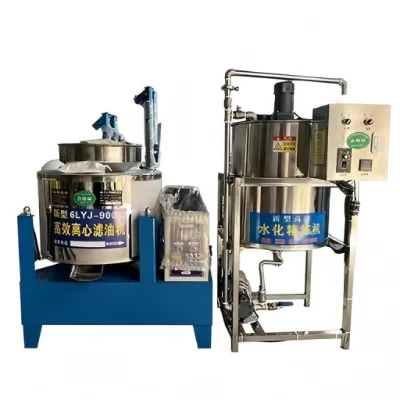
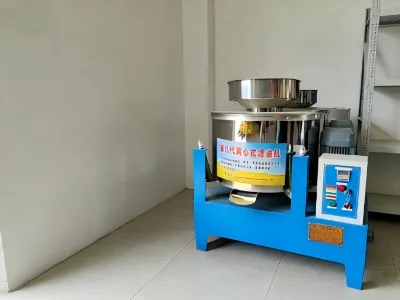
Oil Centrifugal Separator Machine, Oil Dehydration Equipment, Sludge-Free Operation
$3000.00 - $50000.00
MOQ: 1 Pieces

Centrifuge Separator, Oil Dehydration Equipment, Marine Oil Filtering System
$6500.00 - $39600.00
MOQ: 1 Pieces

Centrifugal Oil Purifier Machine, Oil Regeneration System, Dirty Oil Reconditioning
$3000.00 - $50000.00
MOQ: 1 Pieces

Centrifugal Oil Purifier Machine, Centrifugal Oil Dehydration System, Industrial Oil Cleaning
$5000.00 - $50000.00
MOQ: 1 Pieces

Centrifuge Oil Separator Equipment, Oil Dehydration Machine, Factory Lubricant Purification
$3000.00 - $50000.00
MOQ: 1 Pieces

$9800.00 - $46500.00
MOQ: 1 Pieces

- Verified by TUVRHEINLAND
- Trading Company
- China Shanghai
- Lead time60 days
- Avg. response≤ 11h
Main productsCore Cutting Machine, Slitting Line, Transformer Parts, Foil Winding Machine, Transformer Test Machine, Transformer Manufacturer, Transformer Machine, Automatic Winding Machine, Corrugated Fin Forming Machine, Expanding Mandrel
Main marketsOthers(foreignTradeCapacity.exportBusinessCapacityMarketOther)

Chongqing TOP Oil Purifier Co., Ltd.
- Verified by TUVRHEINLAND
- Combined
- China Chongqing
- Lead time15 days
- Avg. response≤ 7h
Main productsOil Purifier, Oil Purification, Oil Filtration, Oil Recycling, Oil Treatment, Oil Regeneration, Oil Restoration, Oil Filtering, Waste Oil Disposal, Reclaimation
Main marketsSouth America,Africa,Southeast Asia/ Mideast,East Asia(Japan/ South Korea),Domestic,Europe,Australia,North America


Online Turbine Oil Purifying Machine/Turbine Oil Dehydration Equipment
$5000.00 - $30000.00
MOQ: 1 Sets


Nanjing Fivemen Machine Co., Ltd.
- Combined
- China Jiangsu
- Lead time30 days
- Avg. response≤ 10h
Main productsCentrifuge
Main marketsSouth America,Africa,Southeast Asia/ Mideast,East Asia(Japan/ South Korea),Domestic,Europe,Australia,North America

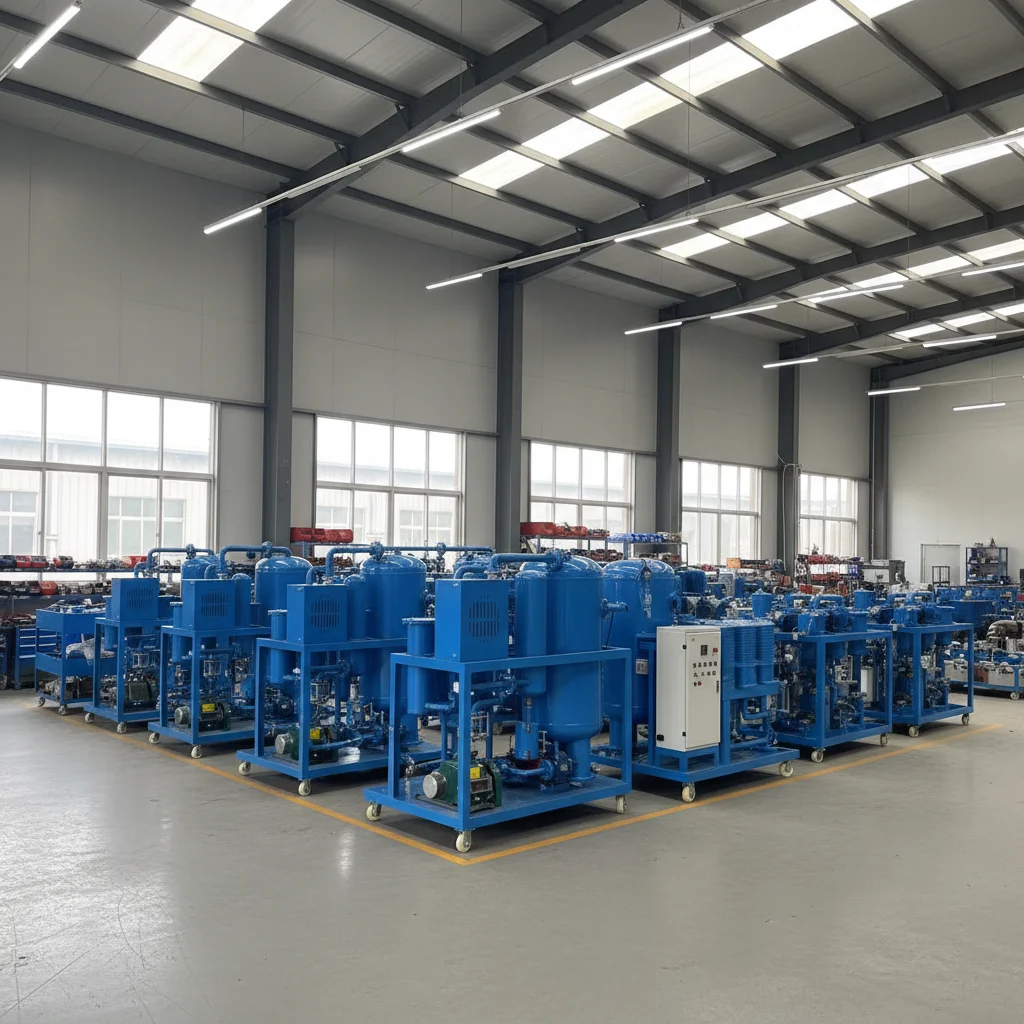
Chongqing Acore Filtration Co., Ltd.
- Manufacturer, Trading Company
- Chongqing, China
- Lead time15 days
- Avg. response≤ 3h
Main productstransformer oil purifier,lube oil purifier,turbine oil purifier,hydraulic oil filtration machine,vacuum pump machine
Main marketsDomestic Market(20.00%), Southeast Asia(10.00%), Africa(10.00%), South America(10.00%), North America(5.00%), South Asia(5.00%), Southern Europe(5.00%), Northern Europe(5.00%), Central America(5.00%), Western Europe(5.00%), Eastern Asia(5.00%), Mid East(5.00%), Oceania(5.00%), Eastern Europe(5.00%)
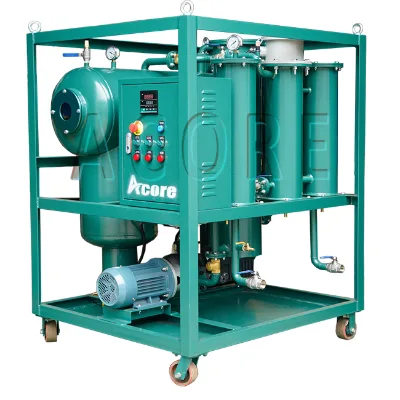
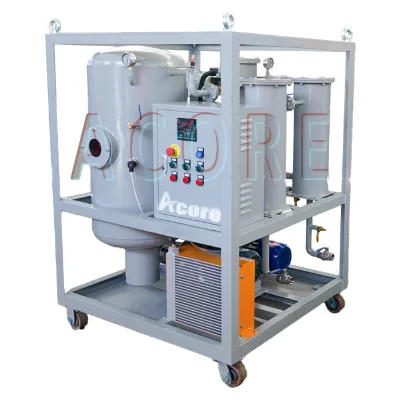
Easy Moving Hydraulic Oil Centrifuge Machine Oil High Efficient Dehydrator System
$5123.2764
MOQ: 1 Minimum
Chongqing Kaiqian Oil Purifier Manufacture Co., Ltd.
- Manufacturer, Trading Company
- Chongqing, China
- Lead time20 days
- Avg. response≤ 2h
Main productsOil Purifier Machine,Transformer Oil Purifier,Vacuum Oil Purifier,Waste Oil Distillation Plant,Diesel Oil Distillation Machine
Main marketsDomestic Market(40.00%), Africa(10.00%), South Asia(10.00%), Mid East(10.00%), Oceania(5.00%), Southeast Asia(5.00%), Northern Europe(3.00%), Eastern Europe(3.00%), Southern Europe(3.00%), Eastern Asia(3.00%), South America(3.00%), North America(2.00%), Western Europe(2.00%), Central America(1.00%)
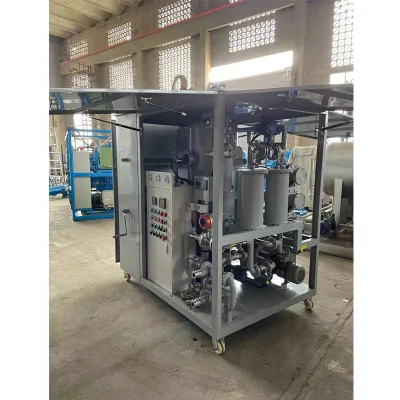
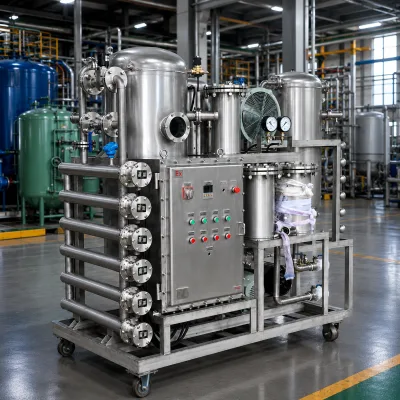
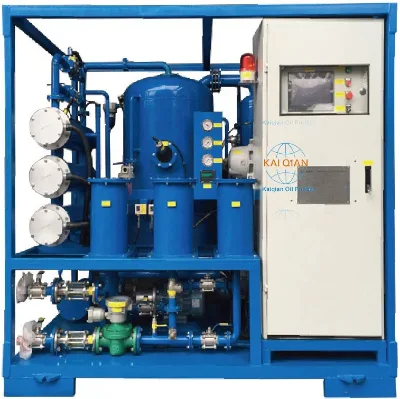
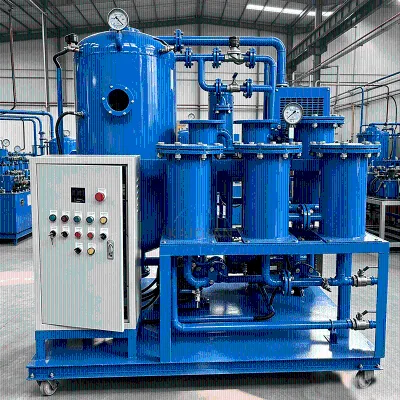
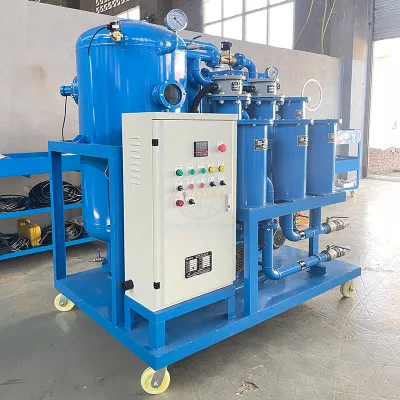
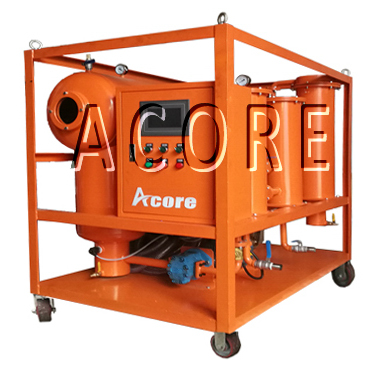
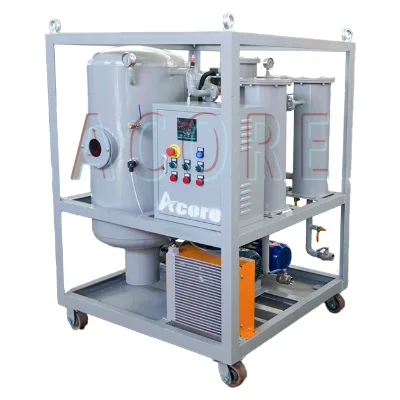
Industrial Lubricant Oil Filter Machine for Gear Oils, Compressor Oils Cleaning
$5500.00
MOQ: 1 Minimum
Gongyi Jinghua Instrument Co., Ltd.
- Manufacturer
- Henan, China
- Lead time7 days
- Avg. response≤ 4h
Main productschiller,rotary evaporator,glass reactor,short path distillation,freeze dryer
Main marketsDomestic Market(50.00%), North America(20.00%), Northern Europe(5.00%), Western Europe(4.00%), Southern Europe(3.00%), South Asia(2.00%), Central America(2.00%), South America(2.00%), Eastern Asia(2.00%), Southeast Asia(2.00%), Mid East(2.00%), Eastern Europe(2.00%), Africa(2.00%), Oceania(2.00%)
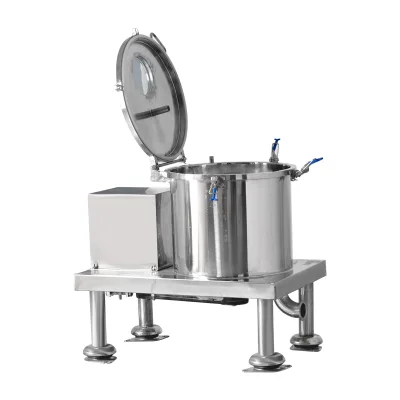
C B D Oil Centrifugal Filtration Machine
$8800.00 - $9000.00
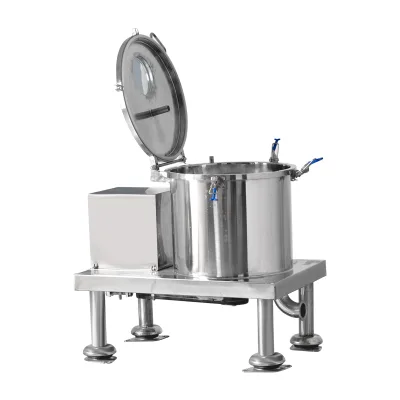
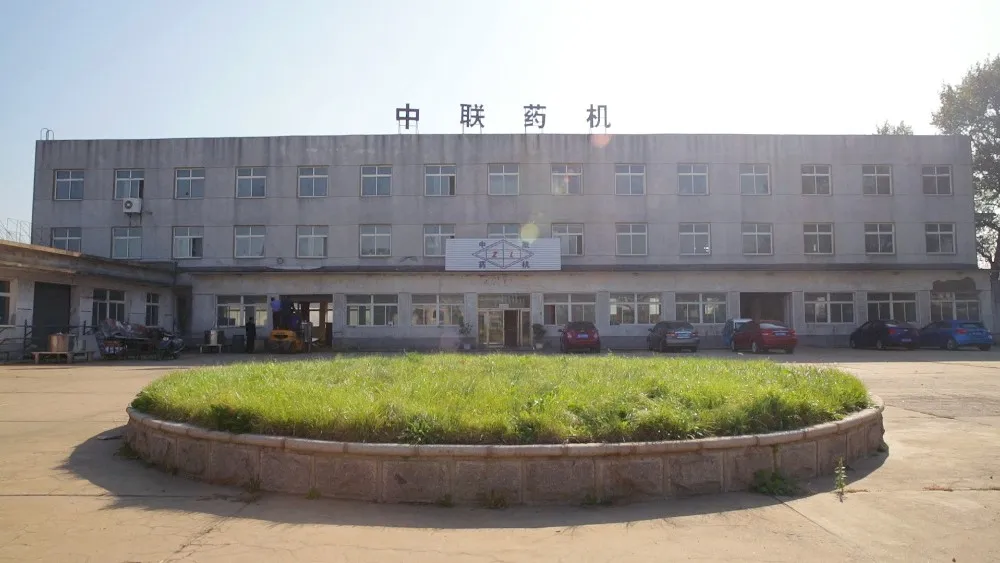
Liaoning Zonelink Trading Co., Ltd.
- Manufacturer, Trading Company
- Liaoning, China
- Lead time0 days
- Avg. response≤ 3h
Main productsPackaging Machinery,Food & Beverage Machinery,Centrifuge machine,Filling machinery,Chemical Machinery
Main marketsEastern Europe(10.00%), North America(8.00%), South America(7.00%), Southeast Asia(6.00%), Western Europe(5.00%), Eastern Asia(5.00%), Northern Europe(5.00%), Southern Europe(4.00%), Africa(3.00%), South Asia(2.00%)
Nanjing FiveMen Machine Co., Ltd.
- Manufacturer, Trading Company
- jiangsu, China
- Lead time30 days
- Avg. response≤ 5h
Main productsdecanter centrifuge,disc centrifuge,tubular centrifuge,Scroll Discharge Screen Centrifuges,HR Horizontal Two-stage Piston Pusher Centrifuges
Main marketsDomestic Market(48.00%), South Asia(14.20%), Eastern Asia(6.00%), Africa(5.00%), North America(5.00%), Oceania(4.00%), Western Europe(4.00%), Northern Europe(3.00%), Southeast Asia(3.00%), South America(3.00%), Eastern Europe(2.00%), Central America(1.00%), Southern Europe(1.00%), Mid East(0.80%)

Liaoyang Shenzhou Machinery Equipment Co., Ltd.
- Verified by TUVRHEINLAND
- Trading Company
- China Liaoning
- Lead time30 days
- Avg. response≤ 3h
Main productsCentrifuge, Separator, Decanter Centrifuge, Coconut Oil Machine, Packing Machine, Drying Machine, Filling and Sealing Machine, Tubular Centrifuge, Disc Centrifuge, Pusher Centrifuge
Main marketsSouth America,Africa,Southeast Asia/ Mideast,East Asia(Japan/ South Korea),Domestic,Europe,Australia,North America


Oil Separator Centrifuge Machine for Bio-Diesel Processing Liquid Solid Separation
$17500.00
MOQ: 1 Pieces


GOLDSOL(WUHAN)HIPOT TEST EQUIPMENT FACTORY
- Verified by SGS
- Trading Company,Manufacturer/Factory
- China Hubei
- Lead time15 days
- Avg. response≤ 1h
Main productsVlf Hipot Testers, AC Hipot Tester, DC Hipot Tester, Resonant Test Set, Micro Ohmmeter, Tan Delta Tester, Primary Current Injection, Secondary Current Injection, CT PT Analyzer, Circuit Breaker Analyzer
Main marketsSouth America,Eastern Europe,Mid East,North America,Southeast Asia,Eastern Asia,Oceania,Western Europe,Africa

Hydraulic Oil Filtering/Purification Machine Removal of Impurities, Dehydration and Degassing Filter
$4000.00 - $7000.00
MOQ: 1 Sets


Liaoyang Pharma Machinery Imp. & Exp. Co., Ltd.
- Verified by SGS Group
- Trading Company
- Lead time30 days
- Avg. response≤ 5h
Main productschemical machinery, tea bag packing machine, vacuum freeze dryer, packing machinery, Forging machinery
Main marketsMid East(20%), Central America(15%), Eastern Europe(15%)
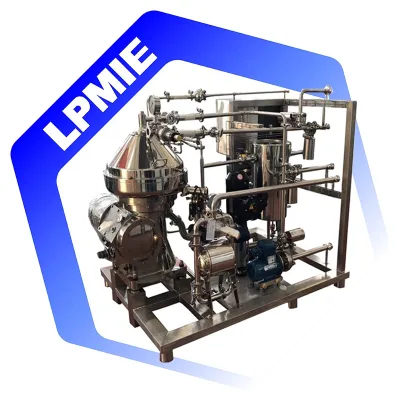
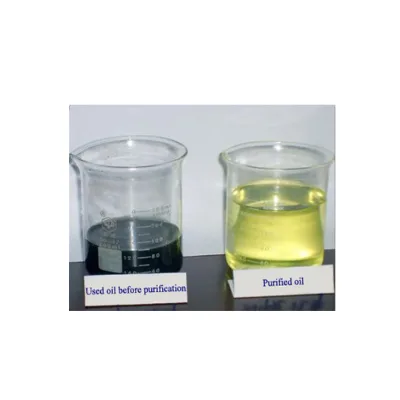
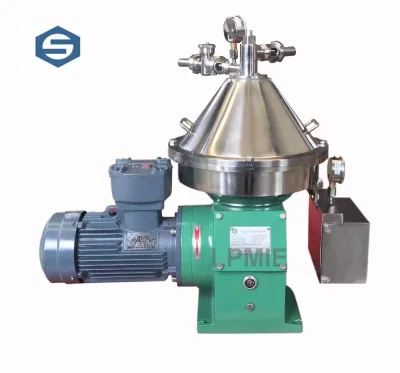
Low Price Portable Centrifugal Machine Small Scale Oil Water Separator
$5500.00 - $5850.00

Taizhou Baijieli Washing Technology Co., Ltd.
- Verified by BV
- Trading Company
- China Jiangsu
- Lead time15 days
- Avg. response≤ 5h
Main productsBarrier Washer Extractor, Hydro Extractor, Horizontal Washing Machine, Tumble Dryer, Automatic Washer Extractor, Flatwork Ironer
Main marketsSouth America,Africa,Southeast Asia/ Mideast,Domestic,Europe,North America

Zhengzhou Lianju Industrial Co., Ltd.
- Trading Company
- Henan, China
- Lead time15 days
- Avg. response≤ 1h
Main productsRefrigeration Equipment,Fruit and vegetable processing equipment,Oil Press production line,Mobile Carts,Mobile Carts
Main marketsSouth America(16.00%), Central America(16.00%), North America(15.00%), Southeast Asia(12.00%), Eastern Europe(10.00%), Southern Europe(8.00%), Northern Europe(8.00%), Western Europe(6.00%), Mid East(5.00%), South Asia(4.00%)
Luohe Bangxi Trading Co., Ltd.
- Manufacturer, Trading Company
- Henan, China
- Lead time20 days
- Avg. response≤ 4h
Main productsDumpling Making Machine,Vacuum Dough Mixer,Vegetable cutting Machine,Meat Grinding Machine,Stuffing Mixing Machine
Main marketsSouth America(27.00%), Southeast Asia(25.00%), Mid East(18.00%), Eastern Europe(8.00%), Oceania(6.00%), North America(6.00%), Eastern Asia(5.00%), Western Europe(3.00%), Africa(2.00%)
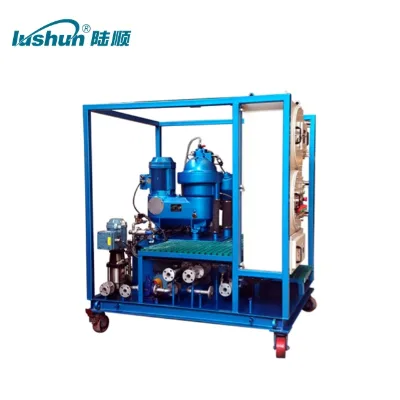
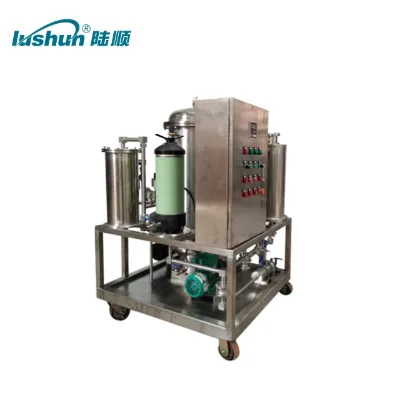
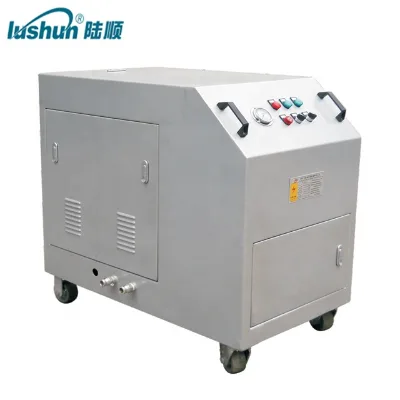
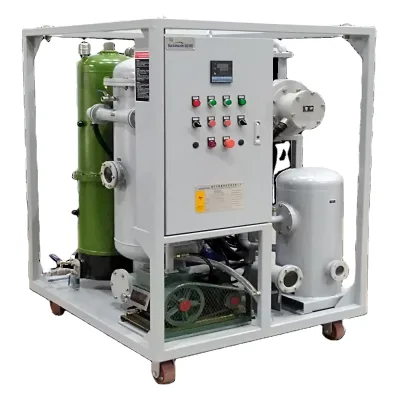
Chongqing Lushun Scientific & Technological Development Co., Ltd.
- Verified by Intertek
- Manufacturer, Trading Company
- Lead time15 days
- Avg. response≤ 4h
Main productsZJ Series Vacuum Pump System, ZJA-T Series Two-Stage High Efficiency Vacuum Transformer Oil Purifier, ZJA Series Two-Stage High Efficiency Vacuum Transformer Oil Purifier, ZL Series Vacuum Lubricating Vacuum Oil Purifier, GCC Series Pipeline Flushing Machine
Main marketsDomestic Market(51%), Mid East(11%), North America(10%)
Luohe Xingdian Electromechanical Equipment Co., Ltd.
- Verified by SGS Group
- Trading Company
- Lead time7 days
- Avg. response≤ 1h
Main productsFood making machine, Powder milling machine, Farm machine, Water well drilling machine
Main marketsNorth America(35%), Africa(30%), Southeast Asia(14%)
Chongqing Meiheng Electric & Machinery Co., Ltd.
- Manufacturer, Trading Company
- Chongqing, China
- Lead time30 days
- Avg. response≤ 2h
Main productsOil Purifier, High Efficiency Vacuum Transformer Oil Purifier, Fire Resistant Oil Appropriative Purifier, Pyrolysis Oil Distillation Plant, Coalescence and Separation Oil Equipment
Main marketsDomestic Market(75.00%), Southeast Asia(10.00%), Mid East(8.00%), Eastern Europe(5.00%), South America(2.00%)
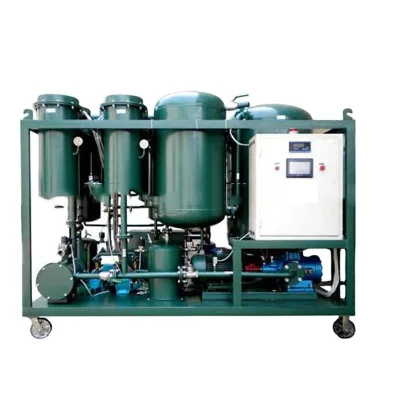
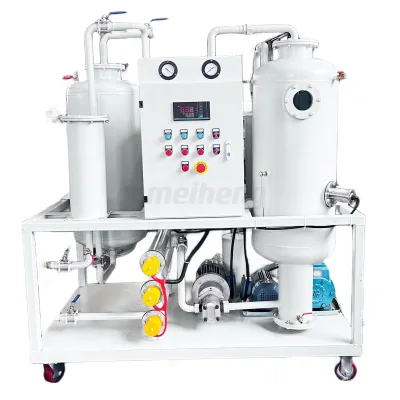
Lubricating Oil Water Separator Machine As Oil Cleaner
$4520.00 - $4758.00
Liaoyang Shenzhou Machinery Equipment Co., Ltd.
- Verified by TüVRheinland
- Trading Company
- Lead time10 days
- Avg. response≤ 3h
Main productsCentrifuge & Separator, Packing Machine, Filling Machine, Dryer, Granulator
Main marketsSouth America(25%), Southeast Asia(15%), North America(10%)
Shanghai Linbel Instrument Co., Ltd.
- Verified by SGS Group
- Manufacturer, Trading Company
- Lead time7 days
- Avg. response≤ 4h
Main productsCirculation Chiller, Heating Circulator, Chemical Reactor, Rotary Evaporator, Freeze Dryer
Main marketsNorth America(30%), Domestic Market(20%), Western Europe(10%)
Guangzhou Longyanxing Trading Co., Ltd.
- Manufacturer, Trading Company
- Guangdong, China
- Lead time7 days
- Avg. response≤ 2h
Main productsCentrifugal Disc Polishing Machine, Magnetic Polishing Machine, Metal Polishing Machine, Vibration Polishing Machine, Turbine Rotating Polishing Machine
Main marketsSoutheast Asia(30.00%), Domestic Market(20.00%), Mid East(20.00%), South Asia(10.00%), Africa(10.00%), North America(5.00%), Eastern Europe(5.00%)
Henan Gems Machinery Co., Ltd.
- Verified by Intertek
- Trading Company
- Lead time15 days
- Avg. response≤ 2h
Main productsPasteurizer Tank, Homogenizer, Smoker Machine, Meat Grinder, CIP Cleaning Machine
Main marketsSoutheast Asia(20%), Africa(20%), Mid East(15%)
- Verified by Intertek
- Trading Company
- Lead time7 days
- Avg. response≤ 1h
Main productsFruit Vegetable Machine, Meat Processing Machine, Pastry Bakery Machine, Snack Machine, Feed Processing Machine
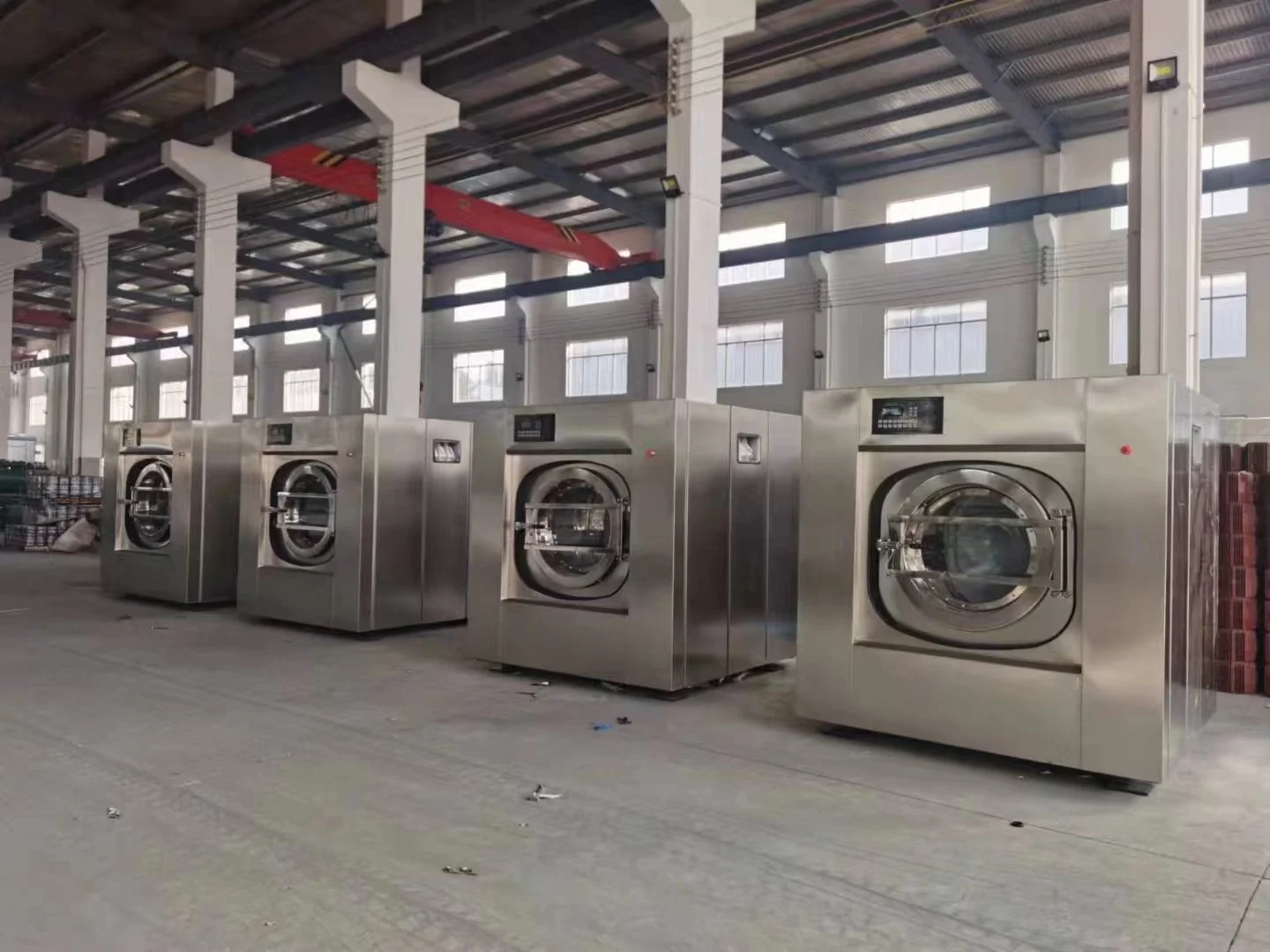
Taizhou Boxinda Washing Equipment Co., Ltd.
- Manufacturer, Trading Company
- Jiangsu, China
- Lead time15 days
- Avg. response≤ 2h
Main productsIndustrial washing machine,Industrial dehydrator,industry dryer,Industrial roller presses,Industrial folding machine
Main marketsNorth America(50.00%), Domestic Market(20.00%), Eastern Europe(20.00%), Northern Europe(10.00%)

Taizhou Haifeng Machinery Manufacturing Co., Ltd.
- Manufacturer/Factory
- China Jiangsu
- Lead time23 days
- Avg. response≤ 7h
Main productsLaundry Equipment, Tumble Dryer, Laundry Machine, Industrial Washing Machine, Spinner, Industrial Drying Machine, Washing and Dewatering Machine, Industrial Washing Equipment, Industrial Washer Extractor, Ironing Machine




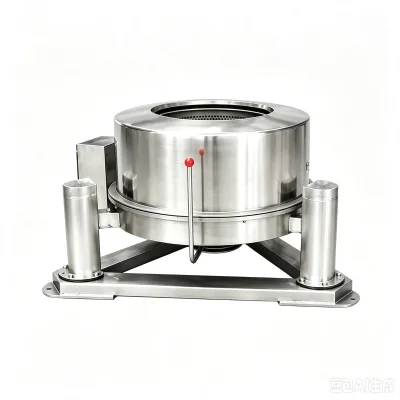


Comprehensive Sourcing Guide
Centrifugal Dehydration Oil Removing Machine Supplier Concentration and Factory Types
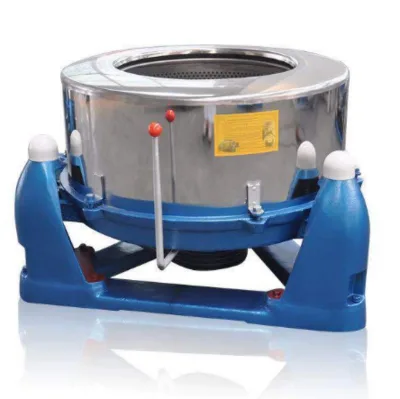
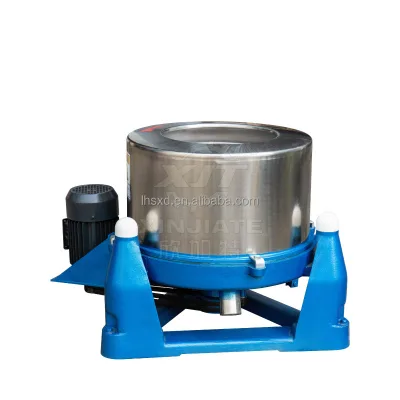
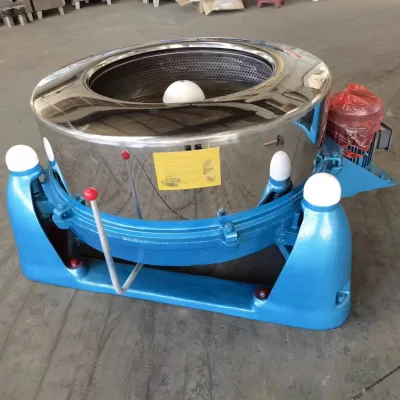
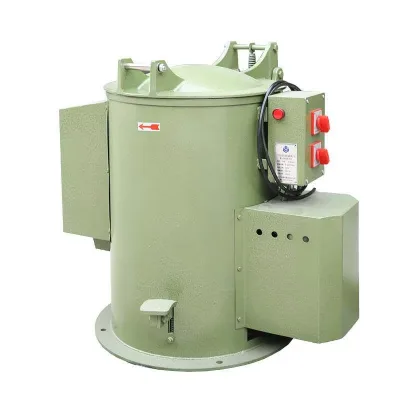
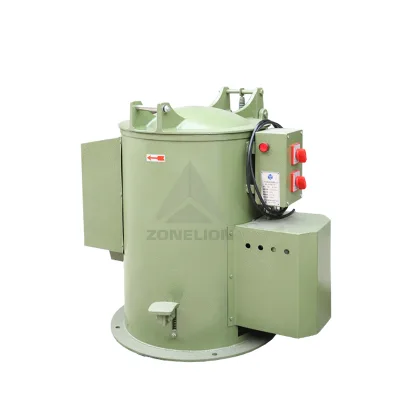
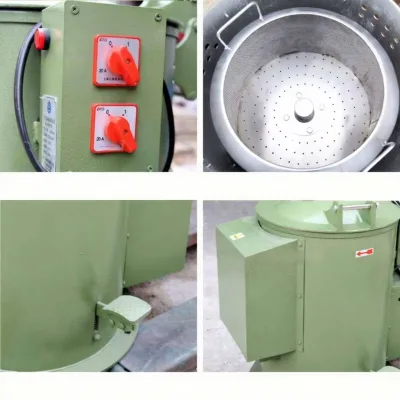
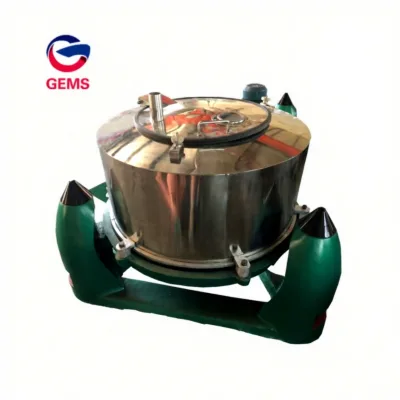
The current supplier landscape for centrifugal dehydration oil removing machines reveals a distinct geographic concentration in China, with specific operational hubs identified in Chongqing and Shanghai. These locations serve as primary centers for manufacturing and trading activities related to industrial oil purification equipment. Suppliers in these regions offer a diverse range of company types, including both trading companies and manufacturer/factory entities. This mix allows buyers to access different value propositions, whether they prioritize direct factory pricing and customization capabilities or the logistical flexibility and broader product catalogs often provided by trading firms. The presence of both types indicates a mature supply chain ecosystem where specialized manufacturing coexists with commercial distribution networks.
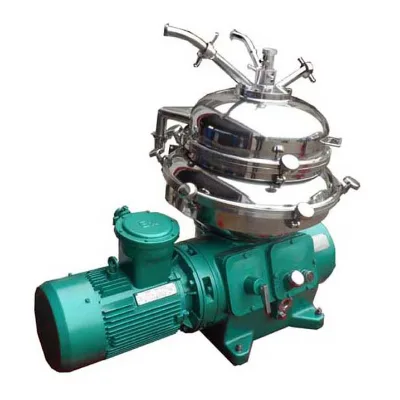
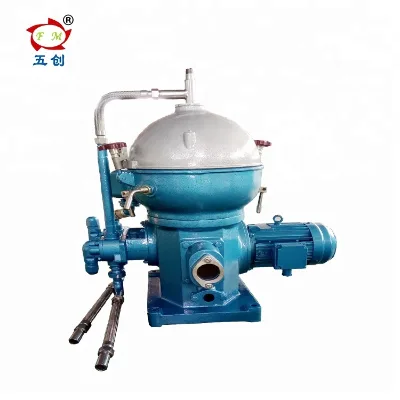
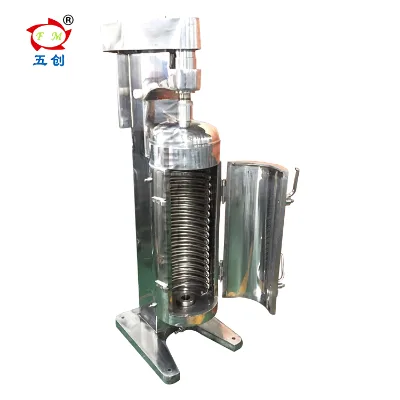
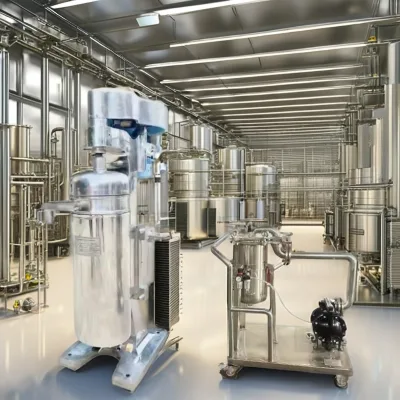
Within these clusters, the main products offered by suppliers extend beyond simple filtration units to include comprehensive oil purification systems, vacuum oil purifiers, and transformer oil filters. Many suppliers also provide related machinery such as core cutting machines, slitting lines, and transformer test equipment, suggesting a broader industrial machinery focus. The availability of OEM and ODM services, along with own-brand options like REXON, highlights the manufacturing depth in these regions. Buyers can expect to find suppliers capable of producing disc centrifuges and suction filters designed for continuous operation. The equipment is typically constructed from carbon steel and features horizontal installations, catering to heavy-duty industrial applications. This variety in company structure and product scope provides a robust foundation for sourcing high-quality oil treatment solutions.
How to Verify Centrifugal Dehydration Oil Removing Machine Suppliers
Verifying the credibility of suppliers requires a multi-layered approach that leverages available verification badges and certification data. Several suppliers in the current results display BV verification, indicating that their business operations and capabilities have been assessed by Bureau Veritas. Additionally, some entities hold TUVRHEINLAND verification, which adds another layer of trust regarding their operational integrity. Beyond these third-party verifications, buyers should scrutinize the system certifications listed, such as ISO 9000 and ISO 9001, which demonstrate adherence to quality management standards. Some product listings also mention TÜV, CE, and ISO certifications, which are critical for ensuring that the machinery meets international safety and performance requirements. These credentials serve as foundational evidence of a supplier’s commitment to quality and regulatory compliance.
Response time and lead time metrics offer further insights into supplier reliability and operational efficiency. Current data shows response times ranging from approximately 0.32 hours to over 10 hours, with lead times varying significantly between 15 days and 60 days. A faster response time often correlates with better customer service and quicker issue resolution, while shorter lead times indicate efficient production scheduling. Buyers should compare these metrics across different suppliers to gauge their responsiveness and delivery capabilities. It is also important to verify the authenticity of these claims by requesting recent test reports or factory audit summaries. Understanding the production timeline, which some suppliers list as 3-4 weeks, helps in planning procurement schedules effectively. Combining verification badges with performance metrics provides a comprehensive view of supplier reliability.
What to Compare Across Centrifugal Dehydration Oil Removing Machine Suppliers
When evaluating suppliers, buyers must compare key product attributes and technical specifications to ensure compatibility with their specific operational needs. The centrifugal dehydration oil removing machines available often feature disc centrifuge types designed for continuous operation, with functions including the removal of water, solid matters, and sludge from used oil. Some models are equipped with high vacuum dehydration and thermostatic heating systems, operating at temperatures between 50-60°C. The cleaning degree after treatment can reach NAS 6 or less, with moisture levels reduced to 50-100 PPM and particles smaller than 5 microns. Comparing these technical details helps buyers select equipment that meets their precise filtration and purification standards. Additionally, the application scope, which may include engine oil, transformer oil, and lubricant oil, should be matched to the buyer’s industry requirements.
Price ranges and minimum order quantities (MOQ) are critical commercial factors that vary across suppliers. Current data indicates price points ranging from as low as $3,000 to over $50,000, depending on the model and capacity. For instance, models like the RCF-9T (9000LPH) and RCF-1T (1000LPH) have distinct pricing structures, with MOQs often set at just one unit. This flexibility allows buyers to test smaller quantities before committing to larger orders. However, buyers should also consider the total cost of ownership, including installation, maintenance, and energy consumption. The power supply requirements, typically 380V or customizable, and the machine body material, often carbon steel, should be evaluated for durability and compatibility with existing infrastructure. Comparing these commercial and technical factors ensures a balanced procurement decision.
Common Centrifugal Dehydration Oil Removing Machine Sourcing Risks
One significant risk in sourcing centrifugal dehydration oil removing machines is the variability in product quality and performance claims. While suppliers may advertise features like sludge-free operation and multi-stage oil filtering, the actual effectiveness can depend on the specific model and manufacturing precision. Buyers must be cautious of discrepancies between advertised specifications and actual performance, especially when dealing with trading companies that may not have direct control over production processes. The risk of receiving equipment that does not meet the required cleaning degree or flow rate, such as the 1000-6000 L/h range mentioned in some listings, is real. Without proper verification, buyers might invest in machinery that fails to deliver the expected oil purification results, leading to operational inefficiencies and additional costs.
Another risk involves the complexity of installation and after-sales support. Many machines are designed for horizontal installation and require specific power supplies, such as 380V 3-phase 50Hz, which may not be readily available in all locations. The reliance on automatic control systems, like Siemens fully automatic controls, necessitates technical expertise for maintenance and troubleshooting. If the supplier does not provide adequate training or support, buyers may face difficulties in operating and maintaining the equipment. Additionally, the packing method, often export-standard wooden cases, must be carefully inspected upon arrival to prevent damage during transit. Buyers should verify the supplier’s ability to provide comprehensive after-sales service, including spare parts availability and technical assistance, to mitigate these operational risks.
Centrifugal Dehydration Oil Removing Machine Regional Sourcing and Logistics
Sourcing from China, particularly from hubs like Chongqing and Shanghai, offers logistical advantages due to established export infrastructure and manufacturing clusters. Chongqing, known for its industrial machinery production, provides access to a wide range of oil purification equipment, while Shanghai serves as a major trading and logistics center. Buyers should consider the proximity of suppliers to major ports to minimize shipping costs and transit times. The export-standard plywood or wooden case packing ensures that machinery is protected during international transport. However, buyers must account for customs clearance procedures and import duties, which can vary by destination country. Understanding the logistical landscape helps in planning the supply chain efficiently and avoiding unexpected delays or costs.
The choice between sourcing from a manufacturer or a trading company also impacts logistics and lead times. Manufacturers in Chongqing may offer shorter lead times, such as 15 days, due to direct production control, while trading companies in Shanghai might have longer lead times, up to 60 days, due to additional handling and coordination. Buyers should evaluate the trade-off between price and delivery speed. Additionally, the availability of OEM and ODM services allows for customized packaging and branding, which can simplify logistics by consolidating shipments. Buyers should work with suppliers who provide clear shipping documentation and coordinate effectively with freight forwarders to ensure smooth delivery. Proper logistics planning is essential for maintaining operational continuity and managing inventory levels effectively.
Centrifugal Dehydration Oil Removing Machine Commercial Terms and Order Planning
Commercial terms and order planning are crucial for successful procurement of centrifugal dehydration oil removing machines. Buyers should negotiate clear payment terms, such as using escrow services to protect their interests until the goods are received and verified. The MOQ of one unit for many suppliers allows for flexible ordering, enabling buyers to start with small quantities and scale up based on performance. However, buyers must also consider the total investment, including shipping, insurance, and installation costs. The price range of $3,000 to $50,000 reflects the diversity in machine capacity and features, so buyers should align their budget with their specific needs. Understanding the payment structure and delivery terms helps in financial planning and risk management.
Order planning should also account for the production time and lead time, which can vary from 15 days to 60 days. Buyers should communicate their requirements clearly to suppliers to avoid misunderstandings and delays. The availability of customization options, such as color and power supply specifications, allows for tailored solutions but may extend production times. Buyers should plan for potential delays by maintaining a buffer in their operational schedules. Additionally, buyers should verify the supplier’s ability to provide comprehensive documentation, including user manuals and maintenance guides, to ensure smooth operation. By carefully planning orders and negotiating favorable terms, buyers can secure reliable supply chains and optimize their investment in oil purification equipment.
FAQs
What is the price range for centrifugal oil dehydration machines?
Prices for centrifugal oil dehydration machines typically range from $3,000 to $50,000 depending on capacity and specifications. Lower-cost models around $3,000 to $6,500 often feature basic disc centrifuge designs with horizontal installation. Higher-end units exceeding $39,000 may include advanced multi-stage filtration, Siemens automatic controls, and higher flow rates up to 10,000 liters per hour for industrial applications.
What certifications do these oil purification machines hold?
Manufacturers of centrifugal oil dehydration equipment commonly hold ISO 9000 and ISO 9001 system certifications. Some specific models also display TÜV and CE certifications to ensure compliance with international safety and quality standards. These certifications verify that the machinery meets rigorous manufacturing protocols for removing water, solids, and sludge from used oils effectively and safely.
What is the typical lead time for manufacturing these units?
The standard lead time for producing centrifugal oil dehydration machines is approximately 15 days for basic models. However, more complex systems with custom configurations or higher capacities may require 3 to 4 weeks for production. Buyers should confirm specific timelines with suppliers, as production schedules can vary based on order volume and specific technical requirements for the centrifuge type.
What is the minimum order quantity for these machines?
The minimum order quantity for centrifugal oil dehydration machines is generally one unit. Suppliers typically accept single-unit orders for both standard and customized models, allowing buyers to test performance before scaling up. This low MOQ facilitates easier procurement for small businesses or specific industrial projects requiring immediate oil purification solutions without large initial inventory commitments.
What types of oil can these centrifugal purifiers process?
Centrifugal oil purifiers are versatile and can process engine oil, transformer oil, lubricant oil, turbine oil, cooking oil, and biodiesel oil. The machines effectively remove water, solid matters, and sludge from these fluids. Some models are specifically designed for hydraulic oil filtration or marine oil systems, ensuring efficient separation and regeneration of various industrial and commercial lubricants.
Where are these oil purification machines manufactured?
These centrifugal oil dehydration machines are primarily manufactured in China, with suppliers located in cities like Chongqing and Shanghai. The production facilities offer both trading company and manufacturer options, providing buyers with flexible sourcing choices. Originating from China ensures access to competitive pricing and a wide range of specifications, from basic disc centrifuges to advanced fully automatic control systems.