Adjustable Cutting Size Food Cutter and Slicer Machine Suppliers and Manufacturers
Explore 31 verified options for Adjustable Cutting Size Food Cutter and Slicer Machine with dimensions, voltage, and warranty details. Compare response times and lead times to select the right factory for your needs; review the available evidence before requesting comparable quotations from suitable candidates.
Updated
Suppliers List
Longyao Tongruida Special Equipment Factory
- Manufacturer, Trading Company
- Hebei, China
- Lead time15 days
- Avg. response≤ 3h
Main productsfood machine,Construction machinery
Main marketsSouth America(20.00%), South Asia(10.00%), Southern Europe(10.00%), Northern Europe(10.00%), Central America(10.00%), Western Europe(10.00%), Mid East(10.00%), Eastern Europe(10.00%), North America(10.00%)
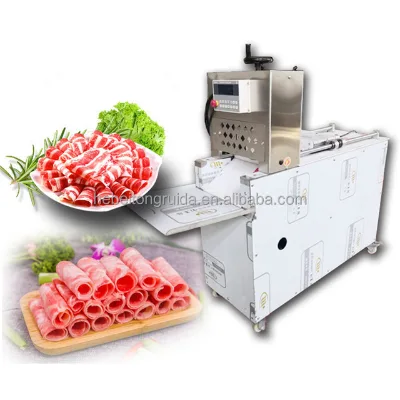
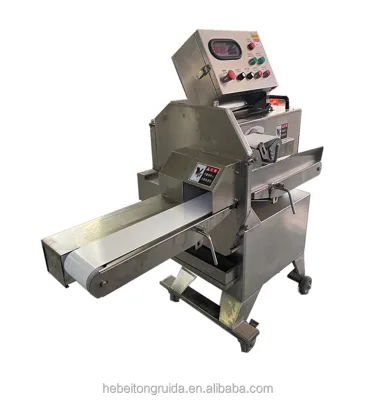
Slicer Commercial Large Marinated Slicer Sauce Beef Meat Cutting Machine
$1350.00 - $1450.00
MOQ: 1 pieces

Wenzhou Bowei Import & Export Co., Ltd.
- Verified by SGS
- Trading Company
- China Zhejiang
- Lead time45 days
- Avg. response≤ 13h
Main productsPacking Machine, Filling Machine, Water Treatment Plant, Shrink Wrapping Machine, Water Filling Machine, Automatic Labeling Machine, Oil Filling Machine, E-Liquid Filling Machine, Blow Molding Machine, Carbonated Drink Filling Machine
Main marketsSouth America,Africa,Southeast Asia/ Mideast,Europe

Electric Vegetable Slicer Cutter Chopper and Grater Multi-Function Food Slicer Machine
$120.00 - $180.00
MOQ: 1 Pieces

Cutter Food Vegetable Kitchen Tool Equipment Appliance Ware Cutting Processing Machinery Machine
$120.00 - $180.00
MOQ: 1 Pieces
Henan Zhuodong Supply Chain Management Co., Ltd.
- Trading Company
- Henan, China
- Lead time0 days
- Avg. response≤ 2h
Main productsProcessing machinery,Food machinery,Agricultural machinery,construction machinery,Commercial machinery
Main marketsSoutheast Asia(30.00%), South Asia(20.00%), North America(20.00%), Mid East(10.00%), Central America(10.00%), Eastern Asia(10.00%)
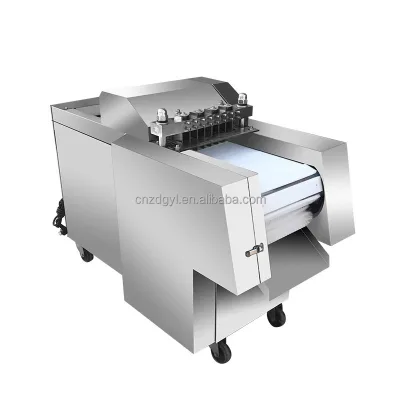
Multi-Function Automatic Meat Slicer and Food Cutter New Condition Slicer Chopper Machine
$942.1973 - $1243.7011
MOQ: 1 pieces
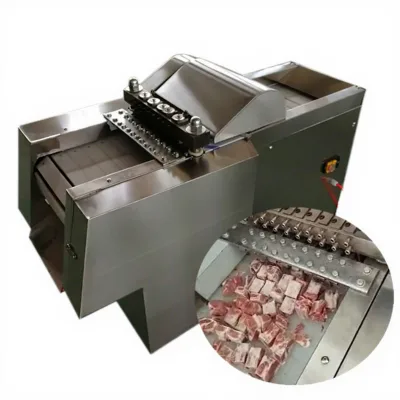
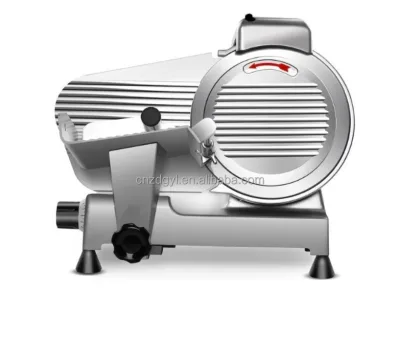
Multifunctional Meat Cutter & Slicer New Condition for Hot Pot Restaurants
$121.00 - $155.00
MOQ: 1 pieces
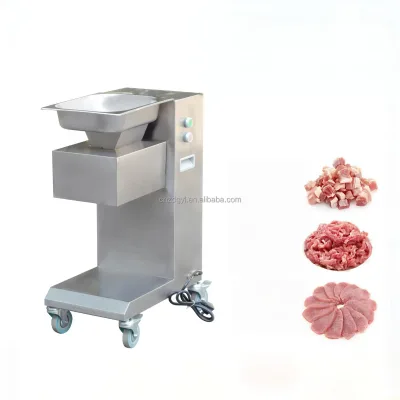
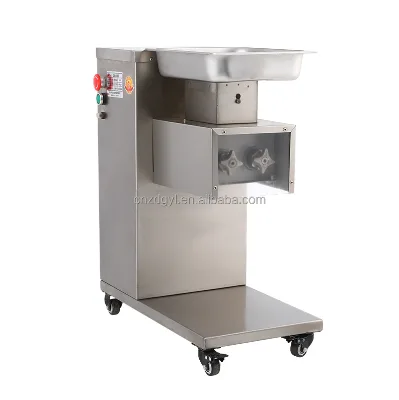
Fresh Meat Slicer High Efficiency Slicing for Supermarkets Durable
$399.3422 - $460.7785
MOQ: 1 pieces
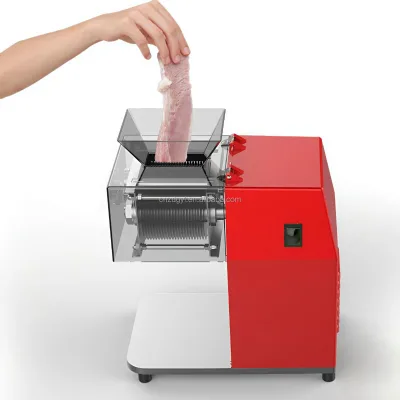
Small Sized New Type Table Top Beef Slicer Efficient Meat Cutting Machine
$203.7672 - $275.4435
MOQ: 1 pieces
Henan Banglan Machinery Co., Ltd.
- Verified by TüVRheinland
- Trading Company
- Lead time15 days
- Avg. response≤ 1h
Main productsIndustrial Machinery, Meat Processing Machinery, Food Processing Machinery, Packaging Machinery, Paper Product Making Machinery
Main marketsAfrica(25%), Southeast Asia(17%), South America(16%)
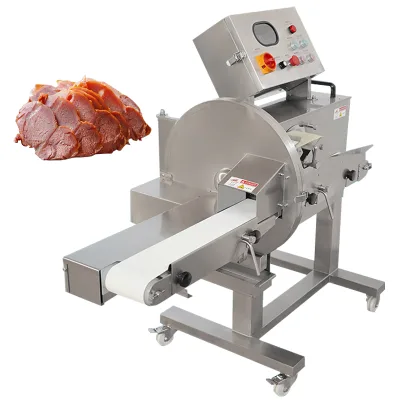
New Condition Frequency Food Equipment Fish Slicer and Meat Cutter with Adjustable Thickness Cutting
$3600.00 - $3800.00
MOQ: 1 sets
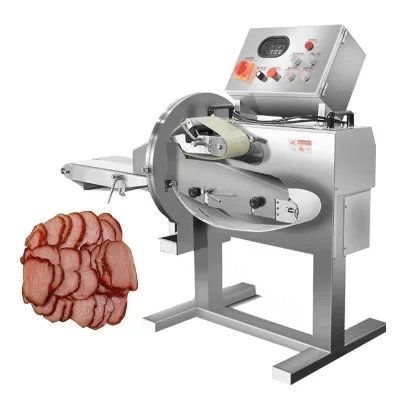
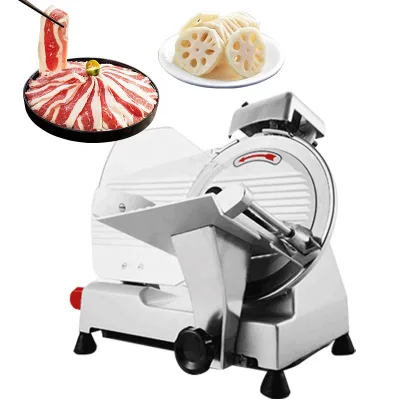

Zhucheng Shuke Machinery Technology Co., Ltd.
- Verified by TUVRHEINLAND
- Combined
- China Shandong
- Lead time15 days
- Avg. response≤ 2h
Main productsFood Machine, Meat Grinder, Sausage Stuffer, Smoker Oven, Meat Chopper Machine, Meat Cutter Machine, Meat Vacuum Tumbler, Shape Cutting Machine, Meat Cutting Machine, Stuffing Mixer
Main marketsAustralia

Vertical Food Slicer Machine - High Efficiency and Precision Cutting
$1000.00 - $1200.00
MOQ: 1 Pieces


Meat Slicer Machine Sausage Slicer Meat Cutter Cooked Beef Slicer Cutter Machine
$20000.00 - $22000.00
MOQ: 1 Pieces


Guangdong Shenghui Machinery Co., Ltd
- Verified by TUVRHEINLAND
- Combined
- China Guangdong
- Lead time23 days
- Avg. response≤ 9h
Main productsFood Machine, Vegetable Cutting Machine, Vegetable Washing Machine, Fruit Cleaning Machine, Bone Sawing Machine, Grinding Machine, Peeling Machine, Packing Machine, Fish Skinning Machine, Fish Extraction Machine
Main marketsSoutheast Asia/ Mideast,Domestic


Automatic Meat Slicing Machine Fish Meat Slicer Vegetable Cutting Machine Cutter
$6000.00 - $6450.00
MOQ: 1 pc


Automatic Food Equipment Meat Slicing Machine Vegetable Cuttiing Machine Cutter Slicer
$6000.00 - $6450.00
MOQ: 1 pc

Automatic Meat Cutting Machine Meat Cutter Meat Slicing Machine Food Equipment Slicer
$3940.00 - $4450.00
MOQ: 1 pc

Zhengzhou Jiewei Machinery Equipment Co., Ltd.
- Verified by TUVRHEINLAND
- Trading Company,Manufacturer/Factory
- China Henan
- Lead time15 days
- Avg. response≤ 5h
Main productsAnimal Feed Grinding Machine, Oil Press Machine, Wood Rod Making Machine, Colliod Mill
Main marketsEastern Europe,Mid East,North America,Western Europe,Africa

$1500.00 - $3000.00
MOQ: 1 Pieces

Automatic Fresh Meat Cutter Slicer Machine Meat Cutting Machine Fresh Meat Slicing Machine
$1500.00 - $3000.00
MOQ: 1 Pieces

Multi-Functional Meat Cutting Machine Meat Slicer Cutting Machine Fresh Meat Slicing Machine
$1500.00 - $3000.00
MOQ: 1 Pieces
- Verified by Intertek
- Trading Company
- Lead time7 days
- Avg. response≤ 1h
Main productsFruit Vegetable Machine, Meat Processing Machine, Pastry Bakery Machine, Snack Machine, Feed Processing Machine
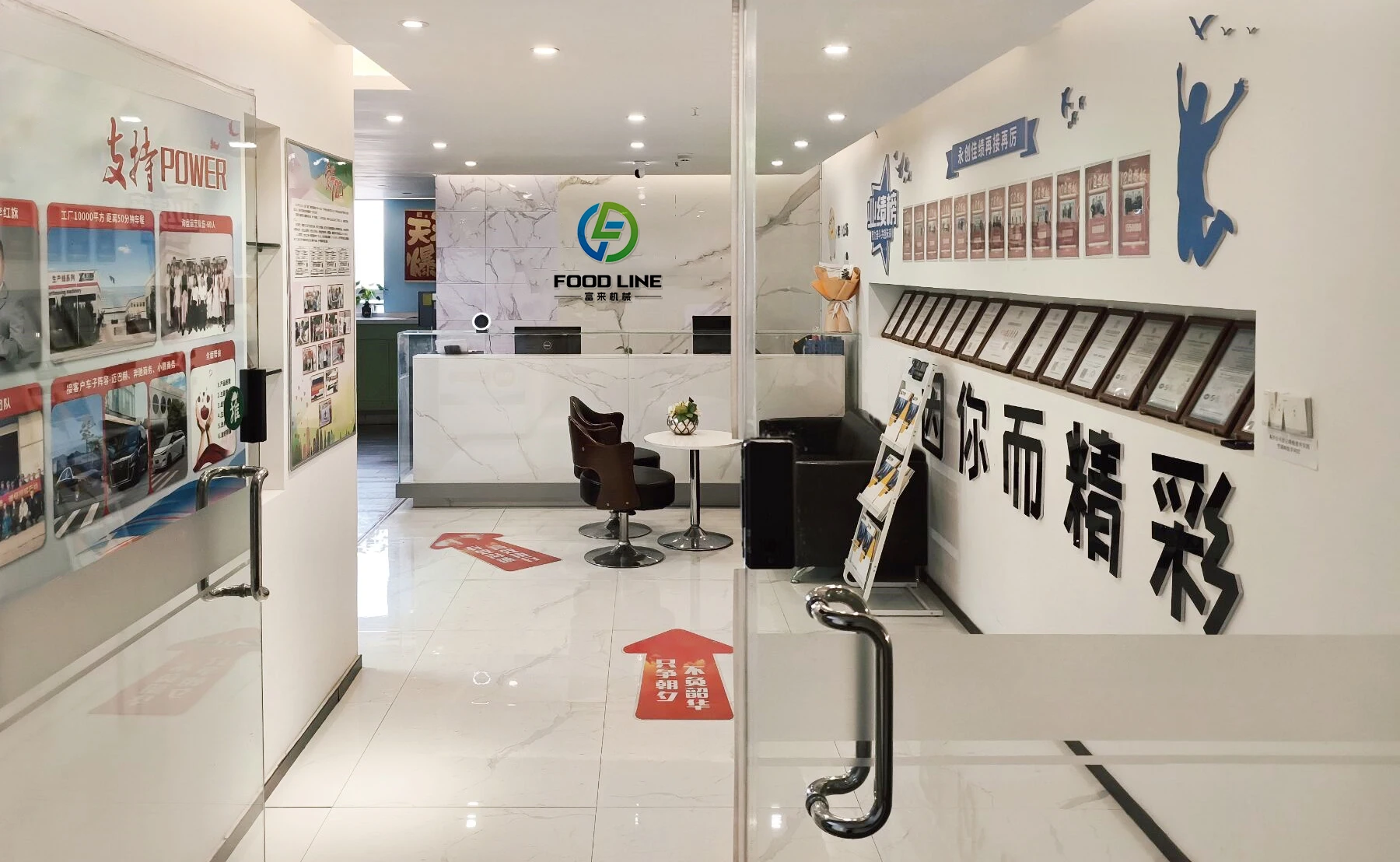
Henan Foodline Machinery Co., Ltd.
- Trading Company
- Henan, China
- Lead time10 days
- Avg. response≤ 4h
Main productsFried production line,Fruit and vegetable processing machinery,Vending machine,Food trailer,Puffed snack food processing line
Main marketsNorth America(22.00%), Eastern Europe(12.00%), Western Europe(12.00%), Domestic Market(8.00%), Southeast Asia(7.00%), Mid East(6.00%), Central America(6.00%), Oceania(5.00%), Northern Europe(5.00%), Southern Europe(5.00%), South America(4.00%), Africa(3.00%), Eastern Asia(3.00%), South Asia(2.00%)
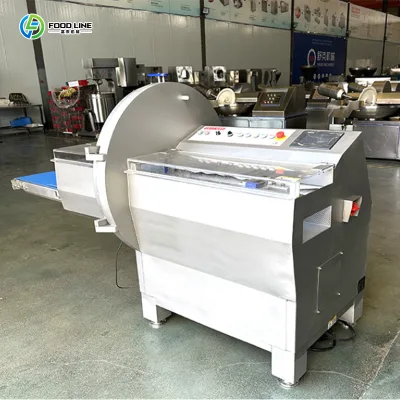
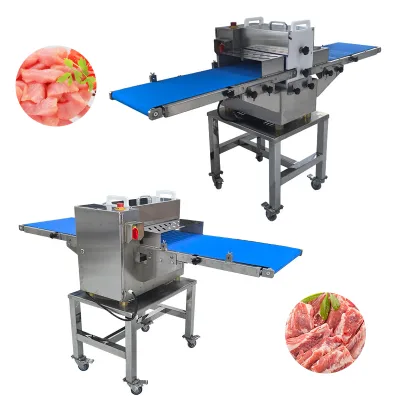
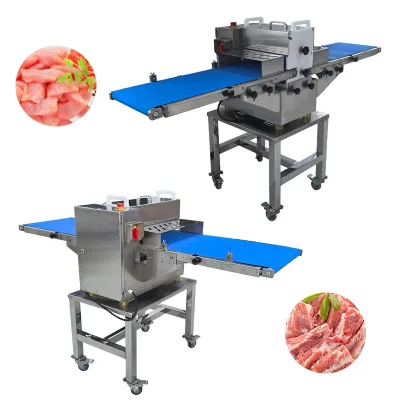
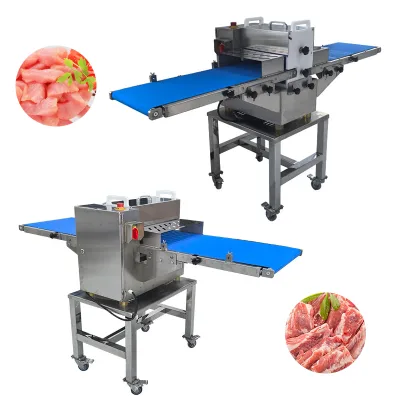
Smooth Cutting Meat Slicer Contactable Food Grade Material Meat Slicer
$1890.00 - $2500.00
MOQ: 1 units
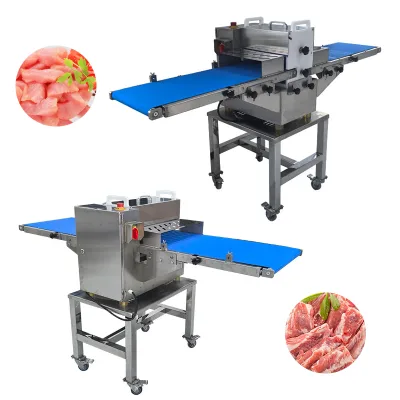
Stable Cutting Efficiency Meat Slicer Support Continuous Operation Meat Cutting Machine
$1790.00 - $2400.00
MOQ: 1 units
Foshan Shunde Maoduoyu Trading Co., Ltd.
- Manufacturer, Trading Company, Distributor/Wholesaler
- Guangdong, China
- Lead time0 days
- Avg. response≤ 1h
Main productsIndustrial machinery,Commercial machinery,Packaging machinery,Filling machinery,Food machinery
Main marketsNorth America(50.00%), Southeast Asia(10.00%), Mid East(10.00%), Central America(10.00%), Domestic Market(5.00%), Western Europe(5.00%), Northern Europe(3.00%), South Asia(2.00%), Oceania(1.00%), Eastern Asia(1.00%), Eastern Europe(1.00%), South America(1.00%), Africa(1.00%)
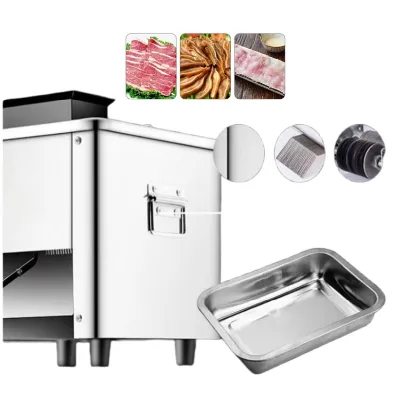
Advanced Meat Cutter Slicer Machine for Various Meats Ideal for Beef Jerky and More 220V
$68.00 - $107.00
MOQ: 1 Minimum
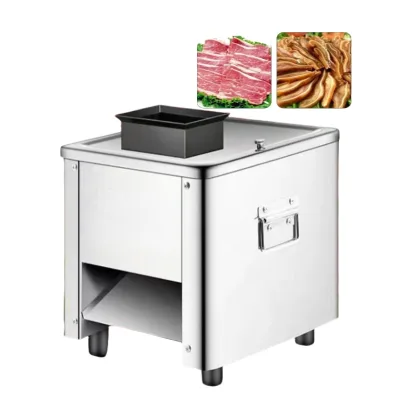
Electric Meat Slicer and Cutter Machine for Commercial Use with High Precision Frozen Meat Slicer
$71.4355 - $111.8125
MOQ: 1 Minimum
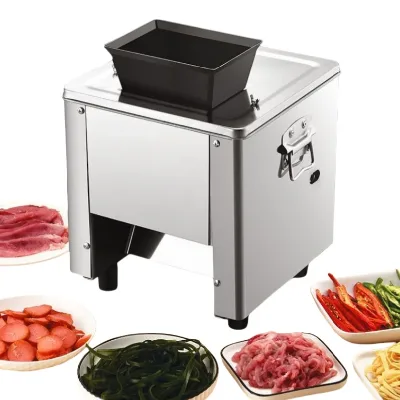
$69.365 - $109.7421
MOQ: 1 Minimum
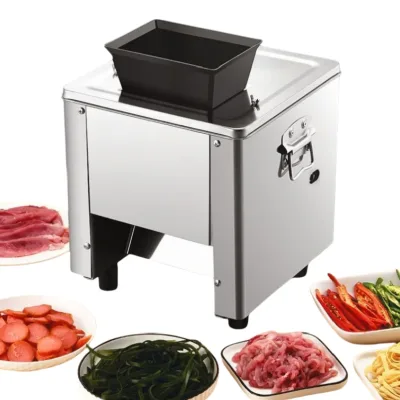
High Quality Meat Slicing Machine for Agricultural and Food Processing 220V Power Supply
$72.00 - $111.00
MOQ: 1 Minimum

Zhaoqing Tengsheng Machinery Co., Ltd.
- Verified by SGS
- Combined
- China Guangdong
- Lead time15 days
- Avg. response≤ 6h
Main productsVegetable Machine
Main marketsSoutheast Asia/ Mideast,Europe,North America

Food Processing Machine Potato Chips Slicer Slicing Cutter Cutting Machine
$1400.00 - $1800.00
MOQ: 1 Pieces

Adjustable Electric Food Cutter Semi-Automatic Convenient Meat Slicing Machine
$9800.00 - $11000.00
MOQ: 1 Pieces
Luohe Juyou Commercial & Trading Co., Ltd.
- Manufacturer, Trading Company
- Lead time旺季: "1 - 1":10,"> 1":"To be negotiated", 淡季: "1 - 1":10,"> 1":"To be negotiated"
- Avg. response≤ 3h
Main productsCookie Machine, Fruit and Vegetable Machine, Automatic Stir Frying Cooker, Meat Machine
Yancheng Intelligence Equipment Manufacturing Hebei Co., Ltd.
- Verified by TüVRheinland
- Manufacturer, Trading Company
- Lead time0 days
Main productsSteam Rice Cooker Production Line, Intelligent Digital Vegetable Processing Production Line, Intelligent Stir-Fry Machine Series, Deep Fryer Production Line, Meat Shredder And Slicer
Main marketsDomestic Market(50%), South America(30%), North America(5%)

Zhucheng Avis Machinery Co., Ltd.
- Verified by TUVRHEINLAND
- Combined
- China Shandong
- Lead time15 days
- Avg. response≤ 3h
Main productsMeat Machine, Vegetable Machine, Fruit Washing Machine, Frying Machine, Smoked Furnace, Bubble Washing Machine, Meat Grinder, Box Cleaning Machine, Potato Peeler, Air Dryer
Main marketsDomestic


Dependable Commercial Vegetable Cutting Machine for Slicing Efficiency Food Machine
$800.00 - $1500.00
MOQ: 1 Pieces

Henan Simplot Intelligent Technology Co., Ltd.
- Verified by TUVRHEINLAND
- Combined
- China Henan
- Lead time60 days
- Avg. response≤ 4h
Main productsPotato Chips Production Line, French Fries Production Line, Frozen French Fries Production Line, Vegetable & Fruit Washing Line, Vegetable & Fruit Frying Line, Vegetable & Fruit Drying Line, Quick Freezing (IQF) Line, Nut Roasting & Frying Line
Main marketsSouth America,Europe

Heavy Duty Food Slicer Machine Stainless Steel Adjustable Speed Vegetable Fruit Slicer
$1320.00 - $1435.00
MOQ: 1 Sets

Hot Sale Industrial Food Slicing Machine Adjustable Thickness Vegetable Slicer
$1320.00 - $1430.00
MOQ: 1 Sets
Luohe Guomipai Trading Co., Ltd.
- Trading Company
- Henan, China
- Lead time15 days
- Avg. response≤ 10h
Main productsOil Press Machine,Dehydrator Machine,Grain Grinder,Juicer Machine,Snack food machinery
Main marketsNorth America(28.00%), Mid East(15.00%), Eastern Europe(12.00%), South America(8.00%), Southeast Asia(8.00%), Africa(6.00%), Southern Europe(6.00%), Western Europe(5.00%), Northern Europe(4.00%), Oceania(4.00%), South Asia(2.00%), Central America(2.00%)
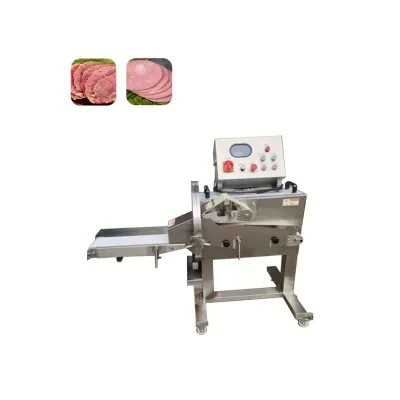
Professional Cooked Meat Cutting Machine Fresh Meat Slicer for Restaurant and Home Use
$3615.00 - $4085.00
MOQ: 1 sets
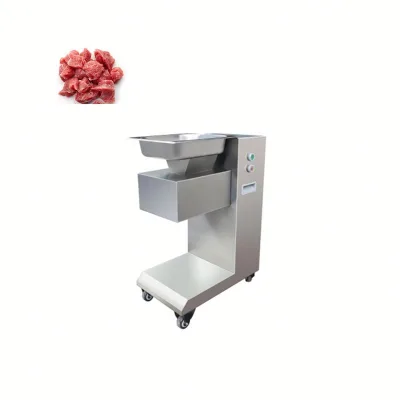
Industrial Vertical Meat Slicer for Pork and Beef Automatic Meat Cutting Machine for Food Processing
$635.2869 - $686.5204
MOQ: 1 units
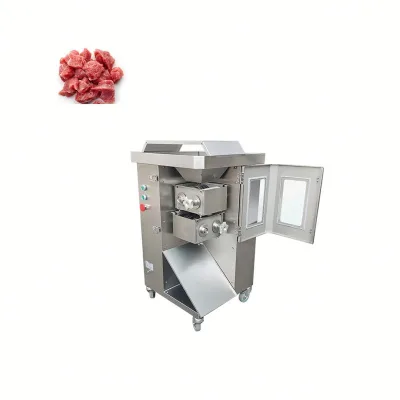
Automatic Meat Cutting Machine for Slicing and Shredding | Dual Blades | Stainless Steel
$978.5471 - $1106.6286
MOQ: 1 sets

Guangzhou Sunrry Kitchen Equipment Co., Ltd.
- Verified by CTI
- Trading Company,Manufacturer/Factory
- China Guangdong
- Lead time30 days
- Avg. response≤ 3h
Main productsCommercial Kitchen Solutions, Turnkey Kitchen Solutions, Catering Equipment, Restaurant Equipment, Commercial Refrigeration Equipment, Commercial Bakery Equipment, Commercial Cooking Equipment, Stainless Steel Equipment, Commercial Food Prep Equipment, Commercial Kitchen Equipment
Main marketsSouth America,Eastern Europe,Mid East,North America,Southeast Asia,Eastern Asia,Oceania,Western Europe,Africa

Qingdao Tune Machinery Co., Ltd.
- Manufacturer/Factory
- China Shandong
- Lead time23 days
- Avg. response≤ 7h
Main productsFrozen French Fries Production Line, Potato Chips Production Line, Fruit and Vegetable Processing Equipment, Meat Food Processing Equipment, Frying Machine
Main marketsSouth America,Eastern Europe,Mid East,North America,Southeast Asia,Eastern Asia,Oceania,Western Europe,Africa
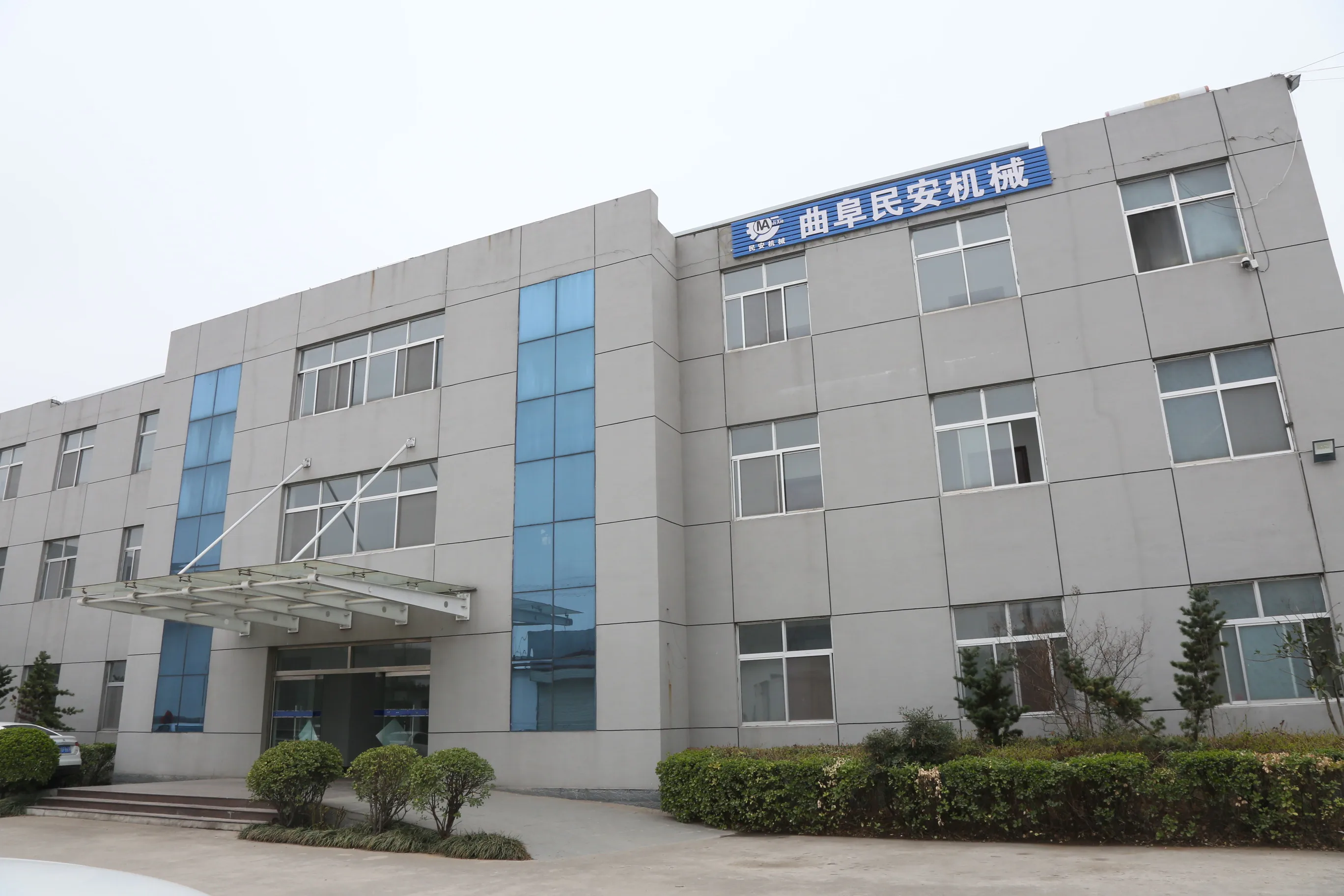
Shandong Minan Machinery Equipment Co., Ltd.
- Manufacturer
- Shandong, China
- Lead time7 days
- Avg. response≤ 9h
Main productsFood and beverage machinery,Industrial Juicer,Screw Juicer,Commercial Juicer
Main marketsSoutheast Asia(40.00%), Africa(30.00%), Eastern Asia(10.00%), South America(10.00%), Mid East(10.00%)

Changzhou Jinkun Food Machinery Co., Ltd.
- Verified by SGS
- Combined
- China Jiangsu
- Lead time15 days
- Avg. response≤ 3h
Main productsMeat Slicer, Bone Saw, Hamburger Press, Meat Mincer, Vegetable Cutter, Juicer Series, Meat Grinder, Sausage Machine, Machine Accessories
Main marketsSouth America,Europe
Suichang County Ham Harvey Electric Co., Ltd.
- Manufacturer, Trading Company
- Zhejiang, China
- Lead time30 days
- Avg. response≤ 2h
Main productsBone sawing machine,meat grinder,Fish cutter,Sugarcane machine,Bone saw blade
Main marketsDomestic Market(80.00%), Southeast Asia(10.00%), Eastern Asia(10.00%)

- Verified by BV
- Combined
- China Guangdong
- Lead time15 days
- Avg. response≤ 4h
Main productsHood Type Dishwasher, Conveyor Type Dishwasher, Ultrasonic Dishwasher, Undercounter Dishwasher, Bakery Equipment, Food Processor
Main marketsSouth America,Africa,Others(foreignTradeCapacity.exportBusinessCapacityMarketOther),North America


Multi-Functional Electric Vegetable Slicer Machine for Quick Food Preparation
$475.00 - $490.00
MOQ: 1 Pieces

Luohe Tianheng Machinery Co., Ltd.
- Verified by TUVRHEINLAND
- Combined
- China Henan
- Lead time15 days
- Avg. response≤ 4h
Main productsPackaging Machinery, Grain Machinery, Flour Mill, Oil Press, Food Machinery.
Main marketsSoutheast Asia/ Mideast


High-Performance Automatic Frozen Meat Slicer Machine for Efficient Cutting
$1450.00 - $1500.00
MOQ: 1 Pieces
Henan Jinfuda Trading Co., Ltd.
- Trading Company
- Lead time旺季: "1 - 1":7,"> 1":"To be negotiated", 淡季: "1 - 1":7,"> 1":"To be negotiated"
- Avg. response≤ 3h
Main productsFruit Vegetables Processing Machines, Meat Processing Machines, Bakery Pastry Processing Machines, Snack Processing Machines, Packaging Machines
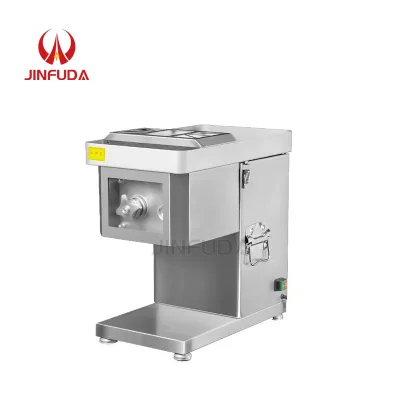
$290.00 - $350.00
MOQ: 1 pieces
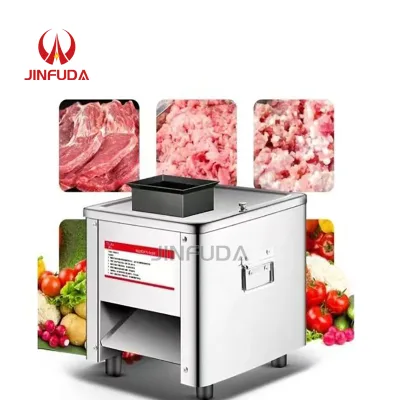
Hot Selling Three Shapes Small Meat Cutting Machine Meat Slicer
$95.00 - $100.00
Jiaozuo Forward Machine Co., Ltd.
- Verified by SGS Group
- Trading Company
- Lead time10 days
- Avg. response≤ 4h
Main productsChocolate Machine, Wax Melting Machine, Freeze Dry Machine, Waffle Machine, Food Grinder
Main marketsEastern Asia(20%), Southeast Asia(19%), North America(10%)
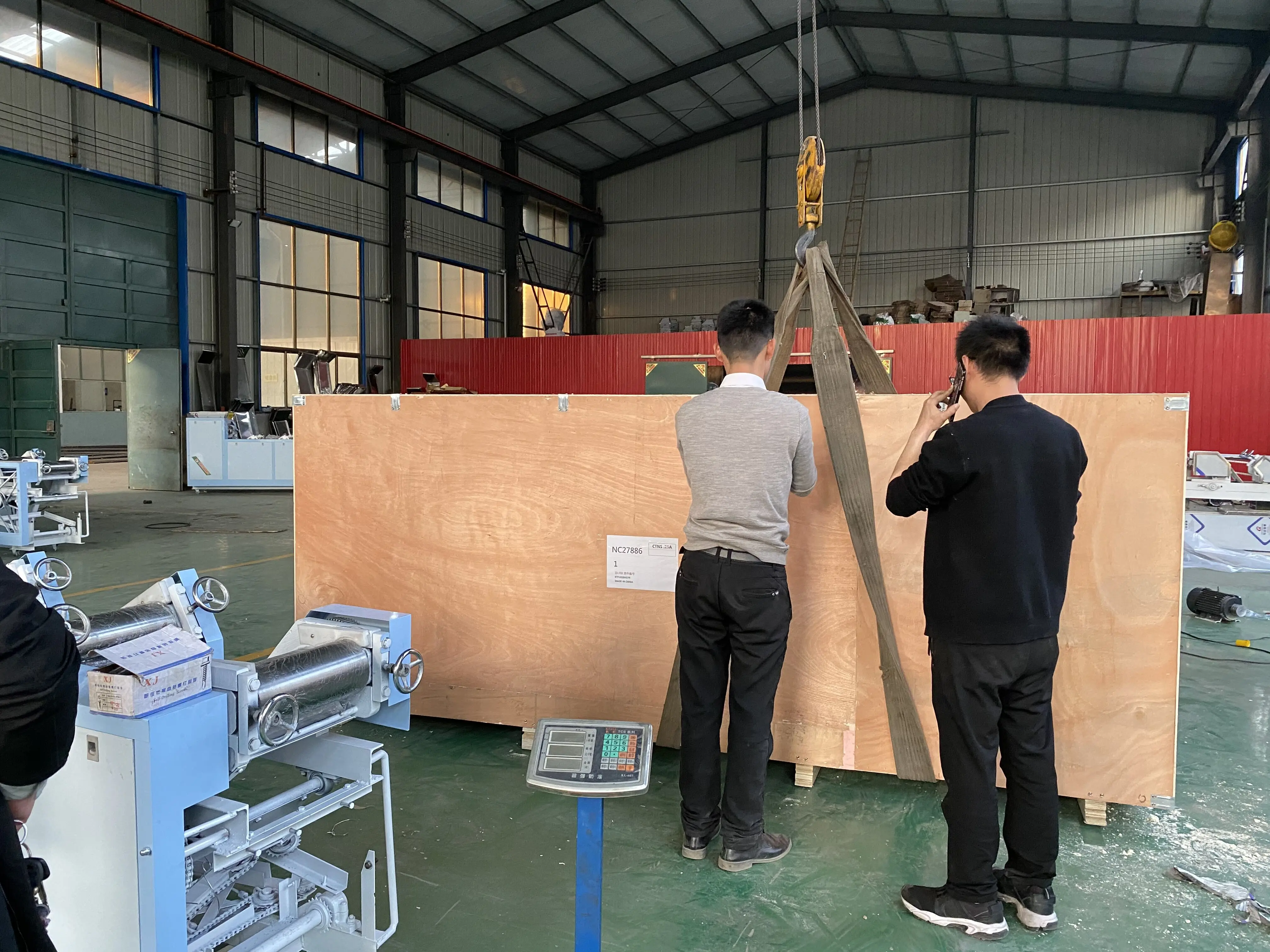
Xingtai Xiangwei Commercial Co., Ltd.
- Trading Company
- Hebei, China
- Lead time7 days
- Avg. response≤ 2h
Main productsDumpling Making Machine,Vegetable Cutting Machine,Meat Cutting Machine,Baozi Making machine,Vegetable Washing Machine
Main marketsNorthern Europe(12.00%), Oceania(11.00%), Eastern Asia(10.00%), North America(10.00%), South Asia(8.00%), Southern Europe(8.00%), Central America(8.00%), Western Europe(8.00%), Mid East(5.00%), Eastern Europe(5.00%), South America(5.00%), Domestic Market(5.00%), Southeast Asia(4.00%), Africa(1.00%)

Zhengzhou Bogen Machinery Equipment Co., Ltd.
- Verified by CTI
- Trading Company
- China Henan
- Lead time30 days
- Avg. response≤ 2h
Main productsPeanut Butter Machine, Spice Grinder, Meat Grinder, Meat Slicer, Meat Chopper, Potato Washing and Peeling Machine, Vegetables and Fruits Cutting Machine, Sausage Stuffer, Sausage Filler, Sausage Making Machine
Main marketsAfrica,Europe,North America
Shandong Chenxiang Machinery Equipment Co., Ltd.
- Manufacturer, Trading Company
- Shandong, China
- Lead time7 days
- Avg. response≤ 2h
Main productsFood Trucks,Commercial Equipment and Machinery,Packaging Supplies,Cargo Bundling Services,Transportation Services
Main marketsNorth America(36.00%), Central America(16.00%), South America(15.00%), Northern Europe(13.00%), Western Europe(10.00%), Oceania(10.00%)

Hunan Dongfanghong Electromechanical Manufacturing Co., Ltd.
- Combined
- China Hunan
- Lead time30 days
- Avg. response≤ 12h
Main productsChaff Cutter, AC Motor, Corn Sheller, Feed Pellet Machine, Rice Milling Machine, Potato Grater, Feed Granulator, Fodder Chopper, Grinder Machine
Main marketsSoutheast Asia/ Mideast,Domestic,North America

Zhucheng Lijie Food Machinery Co.,Ltd.
- Verified by BV
- Combined
- China Shandong
- Lead time30 days
- Avg. response≤ 2h
Main productsPotato Chips Frying Machine, Hot Air Drying Machine, Bubble Washing Machine, Fruit&Vegetable Cutting Machine, Frying Machine, Air Drying Machine, Washing and Hot Air Drying Line, Frozen French Fries Production Line, Turnover Basket Washing Machine, Auxiliary Machine
Main marketsAfrica,Southeast Asia/ Mideast,East Asia(Japan/ South Korea)

Guangzhou Nantian Sources Co., Ltd.
- Manufacturer/Factory
- China Guangdong
- Lead time15 days
- Avg. response≤ 6h
Main productsKitchen Equipment, Kitchenware, Food Machine, Kitchen Appliance, Glassware, Food Machinery, Bakery Equipment, Dinnerware, Kitchen Utensils, Food Processor
Main marketsSouth America,Mid East,Southeast Asia,Eastern Asia,Oceania,Africa








Comprehensive Sourcing Guide
Adjustable Cutting Size Food Cutter and Slicer Machine Supplier Concentration and Factory Types
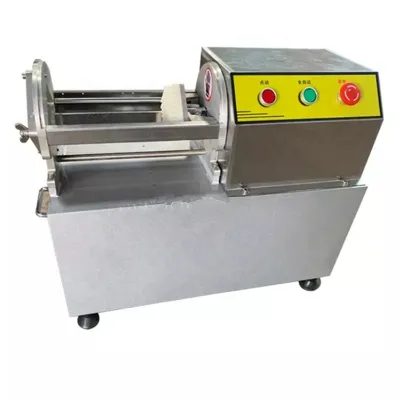
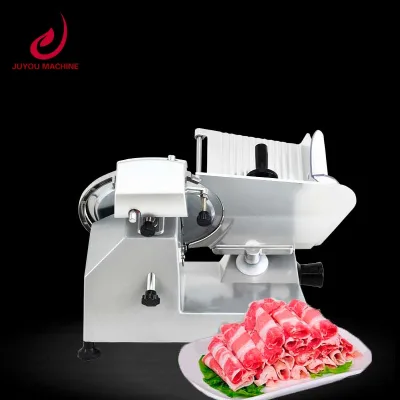
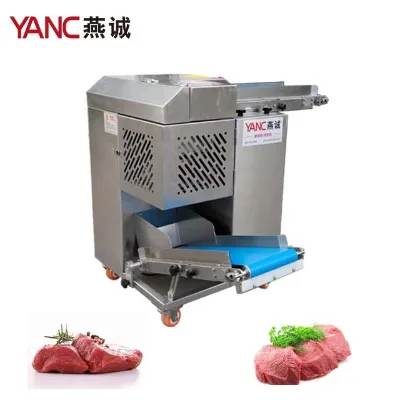
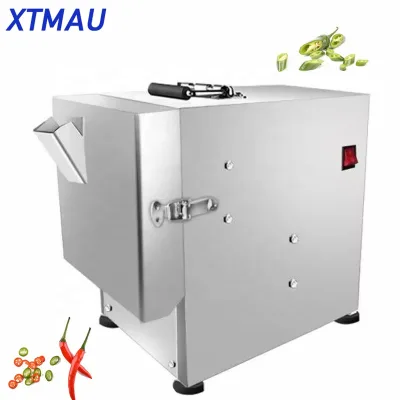
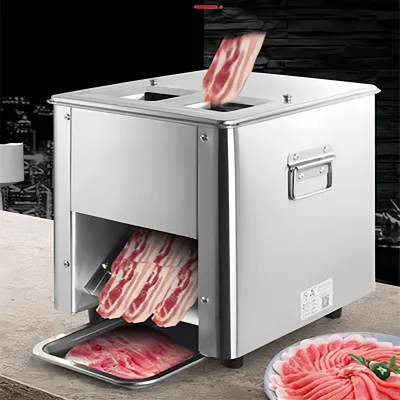
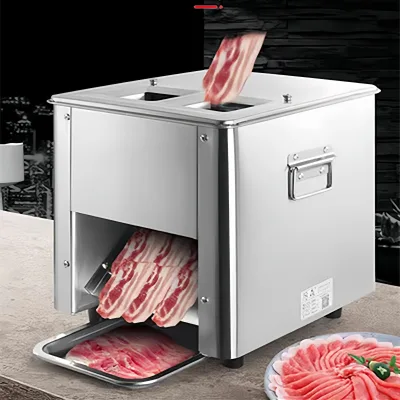
The landscape for sourcing Adjustable Cutting Size Food Cutter and Slicer Machine equipment reveals a diverse mix of manufacturing capabilities and trading structures across key industrial regions in China. Suppliers are primarily concentrated in provinces such as Hebei, Henan, and Zhejiang, each offering distinct advantages based on their local industrial ecosystems. In Hebei, manufacturers often specialize in heavy-duty commercial equipment, including construction machinery and food processing units, suggesting a robust capability for producing durable, high-weight machines like the 240 kg automatic meat slicers observed in this region. These facilities typically operate as both manufacturers and trading companies, allowing them to offer direct factory pricing while maintaining flexible sales channels. The presence of semi-automatic and fully automatic models with stainless steel blades indicates a mature supply chain capable of handling complex mechanical assemblies and precision engineering requirements for food safety standards.
In contrast, suppliers located in Henan and Zhejiang present different operational profiles that buyers must evaluate carefully. Henan-based entities often focus on processing machinery with high production capacities, such as units capable of handling 600KG/H, and emphasize features like adjustable cutting sizes and fully automatic operations. These suppliers may list lead times as zero or very short, which requires verification to ensure it reflects actual stock availability rather than a placeholder value. Meanwhile, Zhejiang-based trading companies often handle smaller, multi-function vegetable slicers and choppers, leveraging their proximity to packaging and logistics hubs to offer customized solutions. These traders may provide ODM services, allowing buyers to tailor specifications for specific market needs. Understanding whether a supplier is a direct manufacturer or a trading company is crucial, as it impacts pricing transparency, technical support depth, and the ability to customize core components like engines or motors for specific operational demands.
How to Verify Adjustable Cutting Size Food Cutter and Slicer Machine Suppliers
Verifying the legitimacy and capability of suppliers requires a multi-layered approach that goes beyond basic profile reviews. Buyers should prioritize suppliers who provide concrete evidence of product quality and operational transparency. For instance, some manufacturers offer video outgoing-inspections and machinery test reports, which serve as critical proof that the equipment meets specified performance standards before shipment. These documents are particularly important for high-value items like automatic meat slicers, where mechanical integrity and safety features are paramount. Additionally, checking for third-party verifications such as SGS certification can provide an additional layer of trust, indicating that the supplier has undergone rigorous audits of their business practices and product quality. Buyers should actively request these documents during the initial inquiry phase to assess the supplier’s willingness to be transparent and their ability to deliver verified products.
Response time and communication efficiency are also key indicators of supplier reliability. Suppliers with rapid response times, such as those reporting within two to three hours, often demonstrate a more organized sales process and better customer service infrastructure. However, buyers should not rely solely on speed; the quality of the response matters equally. Inquiries should be directed to specific technical questions about voltage requirements, blade materials, and warranty terms to gauge the supplier’s technical expertise. For example, confirming whether a supplier can provide online support for after-sales service or video technical support is essential for long-term operational success. Furthermore, verifying the supplier’s main products ensures they are specialists rather than generalists. A supplier listing food machinery and construction machinery as main products may have varying levels of expertise in each category, so buyers should focus on those whose primary focus aligns closely with the specific type of slicer or cutter they intend to purchase.
What to Compare Across Adjustable Cutting Size Food Cutter and Slicer Machine Suppliers
When evaluating multiple suppliers, buyers must compare a range of technical and commercial attributes to identify the best fit for their operational needs. Key technical specifications include the operating mode, whether semi-automatic or fully automatic, and the power consumption, which can range from 1.5KW to 2.5KW depending on the machine’s capacity and function. The blade material is another critical factor, with stainless steel being the standard for food safety and durability. Buyers should also compare the dimensions and weight of the machines, as these factors impact installation requirements and shipping costs. For instance, a machine weighing 240 kg with dimensions of 11040130cm will have different logistical and spatial requirements compared to a lighter, more compact unit. Additionally, the warranty terms, typically one year for core components, should be compared to understand the level of protection offered against manufacturing defects.
Commercial terms such as price, minimum order quantity (MOQ), and lead time are equally important in the decision-making process. Prices for these machines can vary significantly, ranging from approximately $120 for smaller vegetable slicers to over $1,400 for larger commercial meat slicers. The MOQ is often low, with some suppliers accepting single-unit orders, which is beneficial for small businesses or testing purposes. However, buyers should be cautious of suppliers listing a lead time of zero, as this may indicate a lack of accurate production scheduling or a placeholder value. Instead, look for suppliers with clear lead times, such as 15 or 45 days, which provide a more realistic expectation for delivery. Comparing these factors across suppliers allows buyers to balance cost, speed, and quality, ensuring they select a partner that can meet their specific business requirements and budget constraints.
Common Adjustable Cutting Size Food Cutter and Slicer Machine Sourcing Risks
Sourcing Adjustable Cutting Size Food Cutter and Slicer Machine equipment from international suppliers involves several potential risks that buyers must mitigate through careful due diligence. One significant risk is the discrepancy between advertised specifications and actual product performance. For example, a supplier may claim a machine has a fully automatic operation, but the actual unit might only be semi-automatic, leading to operational inefficiencies. Another risk is the variability in after-sales support. While some suppliers offer online support or video technical assistance, others may provide limited or no support, leaving buyers without recourse if the machine requires maintenance or repair. Buyers should explicitly confirm the scope of after-sales services and ensure that technical support is available in their preferred language and time zone.
Shipping and logistics risks are also prevalent, particularly for heavy machinery. Machines weighing over 200 kg require specialized handling and packaging to prevent damage during transit. Buyers should verify that the supplier uses appropriate packaging, such as carton or wooden crates, and provides detailed packing dimensions to calculate accurate shipping costs. Additionally, there is a risk of miscommunication regarding voltage and power requirements. Machines may be designed for specific voltages, such as 220V or 380V, and using them in incompatible electrical systems can cause damage or safety hazards. Buyers must confirm the voltage specifications and ensure that their local infrastructure can support the machine’s power needs. Finally, the risk of intellectual property infringement or counterfeit products exists, so buyers should prioritize suppliers with verifiable credentials and established reputations in the industry.
Adjustable Cutting Size Food Cutter and Slicer Machine Regional Sourcing and Logistics
Regional sourcing strategies can significantly impact the cost and efficiency of acquiring Adjustable Cutting Size Food Cutter and Slicer Machine equipment. Suppliers in Hebei and Henan, located in northern China, often benefit from established industrial clusters for heavy machinery and food processing equipment. This concentration can lead to competitive pricing and faster access to raw materials like stainless steel and engines. However, buyers must consider the logistical challenges of shipping heavy items from these inland regions. Transportation costs may be higher due to the distance from major ports, and buyers should factor in these expenses when comparing total landed costs. Additionally, the lead times from these regions may be influenced by local production schedules and supply chain dynamics, so buyers should maintain open communication with suppliers to stay informed about potential delays.
In contrast, suppliers in Zhejiang, located in eastern China near major ports like Shanghai and Ningbo, may offer advantages in terms of logistics and export efficiency. This region is known for its strong manufacturing base for smaller appliances and packaging machinery, which can result in more streamlined export processes. Buyers sourcing from Zhejiang may benefit from lower shipping costs and faster transit times due to the proximity to international shipping routes. However, the trade-off may be a higher base price for the equipment, as these suppliers often cater to a more global market with higher quality expectations. Buyers should evaluate the total cost of ownership, including shipping, insurance, and customs duties, to determine the most cost-effective sourcing region. Understanding the regional strengths and logistical implications of each sourcing location allows buyers to make informed decisions that align with their operational and financial goals.
Adjustable Cutting Size Food Cutter and Slicer Machine Commercial Terms and Order Planning
Effective order planning for Adjustable Cutting Size Food Cutter and Slicer Machine equipment requires a thorough understanding of commercial terms and payment structures. Buyers should negotiate clear payment terms that protect their interests, such as using escrow services or letters of credit for large orders. These financial instruments provide security by ensuring that payment is only released upon satisfactory delivery and inspection of the goods. Additionally, buyers should clarify the Incoterms, such as FOB or CIF, to determine who is responsible for shipping and insurance costs. Understanding these terms helps in budgeting accurately and avoiding unexpected expenses during the import process. Buyers should also inquire about the supplier’s return and refund policies in case the machine does not meet the agreed-upon specifications, ensuring there is a clear path for resolution in the event of a dispute.
Warranty and maintenance agreements are critical components of the commercial terms that buyers must carefully review. Most suppliers offer a one-year warranty for core components, but the specifics of what is covered and the process for claiming warranty service should be explicitly documented. Buyers should ask about the availability of spare parts, such as blades and motors, and the cost of replacing them after the warranty period expires. Additionally, understanding the supplier’s response time for technical support is essential for minimizing downtime in case of machine failure. Buyers should also consider the scalability of their order, as some suppliers may offer discounts for bulk purchases or long-term contracts. By carefully planning these commercial terms, buyers can secure a reliable supply chain and ensure the long-term profitability of their food processing operations.
FAQs
What is the price range for adjustable cutting size food cutter and slicer machines?
Prices for these machines typically range from $120 to $1,450 depending on the model and capacity. Basic electric vegetable slicers start around $120, while heavy-duty commercial meat slicers with automatic features cost between $780 and $1,450. Buyers should verify specific pricing for their required volume and specifications.
What is the minimum order quantity for these food processing machines?
The minimum order quantity is generally 1 unit for most suppliers offering these machines. This allows buyers to test the equipment before committing to larger orders. Some suppliers may offer bulk discounts, but the standard MOQ remains flexible for initial procurement needs.
How long does it take to receive an Adjustable Cutting Size Food Cutter and Slicer Machine?
Lead times vary significantly, ranging from 0 to 45 days depending on the supplier and machine complexity. Some manufacturers in Henan offer immediate availability, while others in Zhejiang may require up to 45 days for production. Buyers should confirm the exact delivery schedule with the supplier.
Where are adjustable cutting size food cutter and slicer machines manufactured?
These machines are primarily manufactured in Hebei, Henan, and Zhejiang provinces in China. Suppliers in these regions specialize in food processing machinery, offering both semi-automatic and fully automatic models. Buyers can source from multiple locations to compare quality and pricing options.
What warranty is provided for these food cutter and slicer machines?
Most suppliers provide a 1-year warranty for the machine and its core components. This coverage typically includes online support or video technical assistance for troubleshooting. Buyers should verify the specific warranty terms and after-sales service details with the supplier before purchasing.
What is the power consumption of these adjustable cutting size food cutter and slicer machines?
Power consumption ranges from 1.5KW to 2.5KW for most models. Voltage options include 220V or 380V, depending on the machine's capacity and intended use. Buyers should ensure their facility has the appropriate electrical setup to support the selected machine's power requirements.