Point Back Rose Rhinestone Stones Suppliers and Manufacturers
Explore 30 verified suppliers offering Point Back Rose Rhinestone Stones with varying lead times, certifications, and response speeds. Compare dimensions, MOQs, and origins to select the right partner for your jewelry or garment projects today; review the available evidence before requesting comparable quotations from suitable candidates.
Updated
Suppliers List
Dongguan Xingzhao Crystal Jewelry Factory
- Verified by SGS Group
- Trading Company
- Lead time7 days
- Avg. response≤ 5h
Main productsGlass Beads, Glass Seed Beads, Clay Beads, Fashion Jewelry, DIY Accessories
Main marketsCentral America(25%), North America(20%), South America(20%)
Dongguan Chuangying Rhinestone Co., Ltd.
- Verified by Intertek
- Manufacturer, Trading Company
- Lead time3 days
- Avg. response≤ 2h
Main productsRhinestone, Hotfix Rhinestone, Nail Rhinestone, Rhinestone Transfer, Metal Settings for stone
Main marketsNorth America(60%), Mid East(30%), Northern Europe(10%)

Brilliant Ocean Trading (Yiwu) Co., Ltd.
- Trading Company
- China Zhejiang
- Lead time30 days
- Avg. response≤ 23h
Main productsCloth Accessories, Glitter Powder, Hand Bag, Jewelry Accessories, Metallic Yarn, Hardware, Party Supplies, Extension Socket, Shopping Bag, Plush Toy
Main marketsSouth America,Southeast Asia/ Mideast


Water Drop Crystal Glass Beads Pointed Back Rhinestones for Garment Accessories
$0.01 - $0.20
MOQ: 50 Pieces

Kingswick Technology Group Limited
- Trading Company,Manufacturer/Factory,Group Corporation,Other
- China Guangdong
- Lead time15 days
- Avg. response≤ 16h
Main productsHotfix Rhinestones, Nail Rhinestones, Flat Back Rhinestones, Sew on Rhinestones, Hot Fix Rhinestone Machines, Rhinestone Appliques, Glass Crystal Beads, Rhinestone Ribbons, Jewelry Beads, Pearl Beads
Main marketsSouth America,Eastern Europe,Mid East,North America,Southeast Asia,Eastern Asia,Oceania,Western Europe,Africa

Hotfix Rhinestone, Glass Rhinestone Flat Back Strass, Crystal Round 16 Facets Rhinestones
$2.50 - $15.00
MOQ: 10 Bags

Ss6 Rhinestone 2088 Gold Base Ab Crystal Rhinestones High Quality Non Hot Fix Flatback Rhinestone
$0.90 - $16.00
MOQ: 10 Bags

Crystal High Quality Glass Rhinestones Crystal Gold Back Flatback Strass Stones Nail Art Decoration
$4.50 - $10.00
MOQ: 10 Pieces

Round Crystal Flat Back Non Hotfix Rhinestones for Clothing Decoration Garment
$0.50 - $15.00
MOQ: 100 Bags

$0.02 - $0.09
MOQ: 1000 Pieces

Wholesale China 16 Facets Strass Hotfix Rhinestone, Iron on Rhinestone Hotfix Rainbow Color
$2.50 - $12.50
MOQ: 10 Bags

Guangzhou JingPin Garment Accessory Co., Ltd.
- Verified by BV
- Trading Company
- China Guangdong
- Lead time15 days
- Avg. response≤ 4h
Main productsHot Fix Rhinestone Iron on Crystal, Hot Fix Rhinestuds Octagon Studs, Heat Transfer Motifs Iron on Motifs, Strass Motifs Heat Transfer Motifs, Iron on Studs Dome Studs Metallic Stud, Cup Chain Rhinestone Mesh Trimming Stone, Point Back Rhinestones DMC Rhinestones, Lead Free Rhinestones, DMC Rhinestone Epoxy Stone Hot Fix Epoxy, Nailheads Hotfix Hot Fix Nailheads
Main marketsSouth America,Africa,Southeast Asia/ Mideast,East Asia(Japan/ South Korea),Europe,Australia,North America


18mm Clear Crystal Color Sew-on Beads Flatback Rhinestone for Costumes Accessories
$27.11 - $32.35
MOQ: 5 Box
Guangzhou Rhines International Trading Ltd
- Manufacturer, Trading Company
- Guangdong, China
- Lead time5 days
- Avg. response≤ 7h
Main productsHot fix Rhinestone,flat back rhinestone,crystal sticker,sew on rhinestone,rhinestone trimming
Main marketsNorth America(22.60%), Domestic Market(15.00%), Western Europe(12.80%), South America(11.60%), Eastern Europe(7.69%), Mid East(7.10%), Northern Europe(5.22%), Eastern Asia(3.60%), Southern Europe(3.49%), Southeast Asia(3.30%), Central America(3.20%), South Asia(2.20%), Oceania(1.28%), Africa(0.92%)
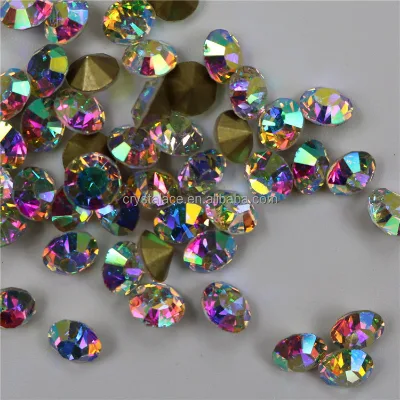
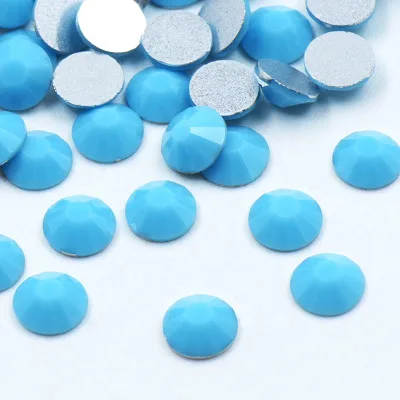
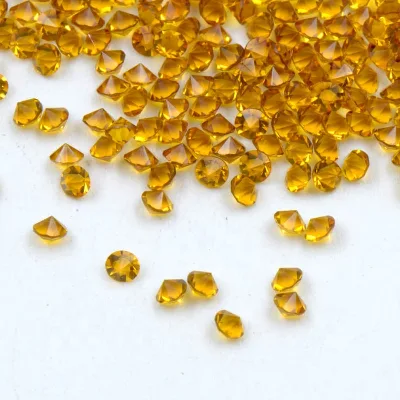
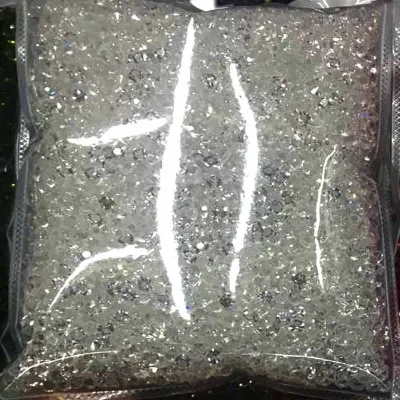
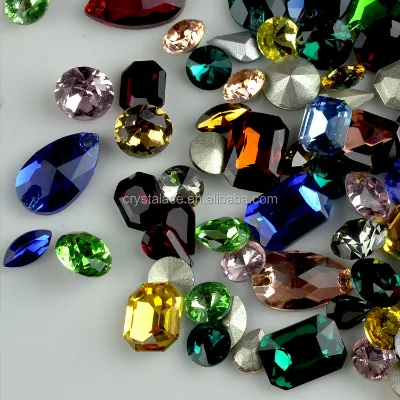
Fancy Glass Stone, Point Back Crystal Colorful Stones, Crystal Rhinestone in China
$0.0517 - $0.2908
MOQ: 1 Minimum
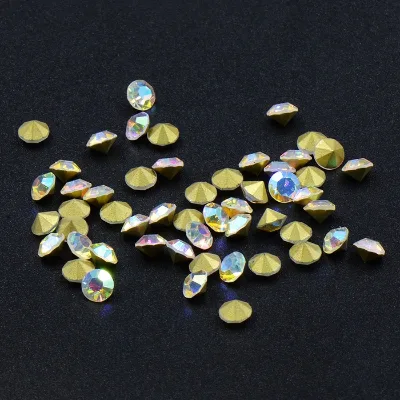

Ningbo Yue Na Import & Export Co., Ltd.
- Verified by TUVRHEINLAND
- Trading Company
- China Zhejiang
- Lead time23 days
- Avg. response≤ 3h
Main productsLace, Thread, Button, Ribbon, Zipper, Tailors Materials, Fabric, Reflective Materials, Sewing Machine Part, Bra Parts
Main marketsSouth America,Africa,Southeast Asia/ Mideast,Europe,North America

NINGBO HOBA INTERNATIONAL TRADING CO., LTD.
- Verified by BV
- Trading Company
- China Zhejiang
- Lead time30 days
- Avg. response≤ 3h
Main productsThread, Button, Lace Tape, Zipper, Hot Fix Stone, Crystal, Rope, Jewelry Accessory, Ribbon, Reflecting Material
Main marketsSouth America,Africa,Southeast Asia/ Mideast,East Asia(Japan/ South Korea),Europe,Australia,North America
Tongshan Dashun Crystal Crafts Co., Ltd.
- Verified by TüVRheinland
- Manufacturer, Trading Company
- Lead time0 days
- Avg. response≤ 3h
Main productsPlastic Rhinestone Trimming, Fashion Bracelets, Fashion Necklaces
Main marketsCentral America(23%), North America(22%), South America(15%)

Ningbo DH Textile Industry&Trade Co., Ltd.
- Verified by TUVRHEINLAND
- Trading Company
- China Zhejiang
- Lead time15 days
- Avg. response≤ 8h
Main productsLace, Interlining, Embroidery Thread, Poplin, Hook and Loop, Satin Ribbon, Sewing Thread, Button, Zipper, Lace Fabric
Main marketsAfrica,Southeast Asia/ Mideast,North America


$0.0001 - $0.01
MOQ: 10000 Pieces
Guangzhou Fucun Garment Accessories Co., Ltd.
- Manufacturer, Trading Company
- Lead time旺季: "1 - 10":9,"11 - 10000":22,"> 10000":"To be negotiated", 淡季: "1 - 10":9,"11 - 10000":22,"> 10000":"To be negotiated"
- Avg. response≤ 6h
Main productsGarments Accessories, Festive & Party Supplies
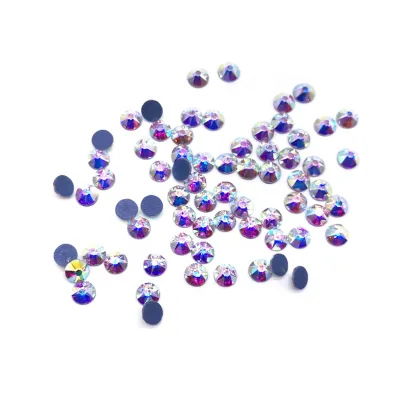
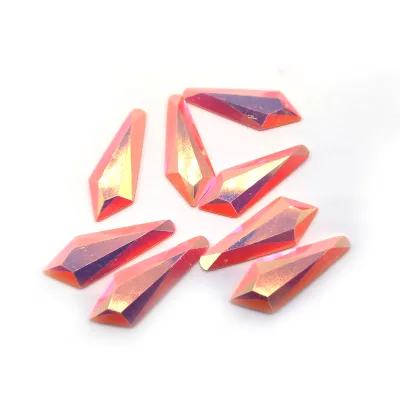
$0.12 - $0.17
MOQ: 500 pieces
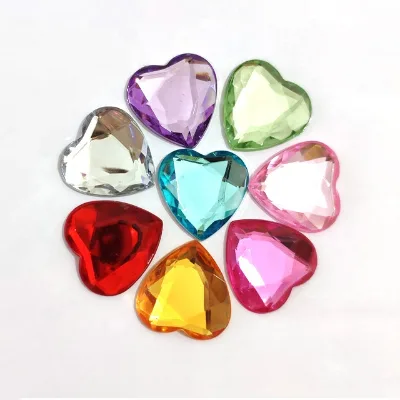
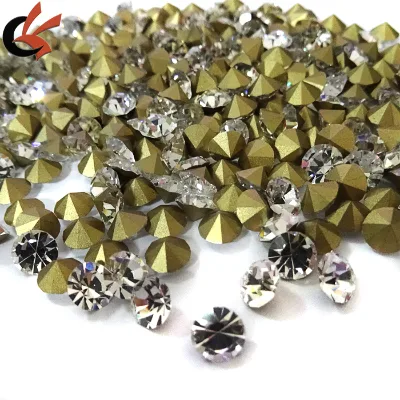
Crystal Amethyst SS20 Size Beads Point Back Rhinestones Glass Chatons Strass
$1.39 - $3.69
MOQ: 10 Minimum
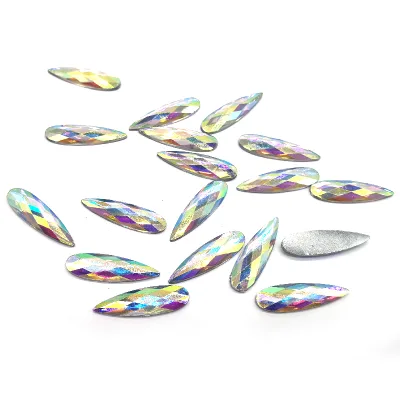
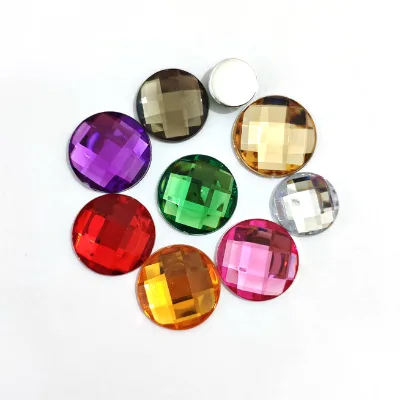
- Manufacturer, Trading Company
- Guangdong, China
- Lead time7 days
- Avg. response≤ 2h
Main productscustom Enamel Badge Pin,custom bling Keychain,crystal cord,rhinestones rope,Custom Logo
Main marketsSouth Asia(60.00%), Southern Europe(60.00%), Northern Europe(60.00%), Central America(60.00%), Western Europe(60.00%), Eastern Asia(60.00%), Mid East(60.00%), Oceania(60.00%), Africa(60.00%), Southeast Asia(60.00%), Eastern Europe(60.00%), South America(60.00%), North America(60.00%), Domestic Market(50.00%)

- Verified by TUVRHEINLAND
- Combined
- China Zhejiang
- Lead time30 days
- Avg. response≤ 8h
Main productsThread, Zipper, Lace, Button, Webbing & Tape, Ribbon, Interlining, Fabric, Tailoring Materials, Hook & Loop
Main marketsSouth America,Africa,Europe,Australia
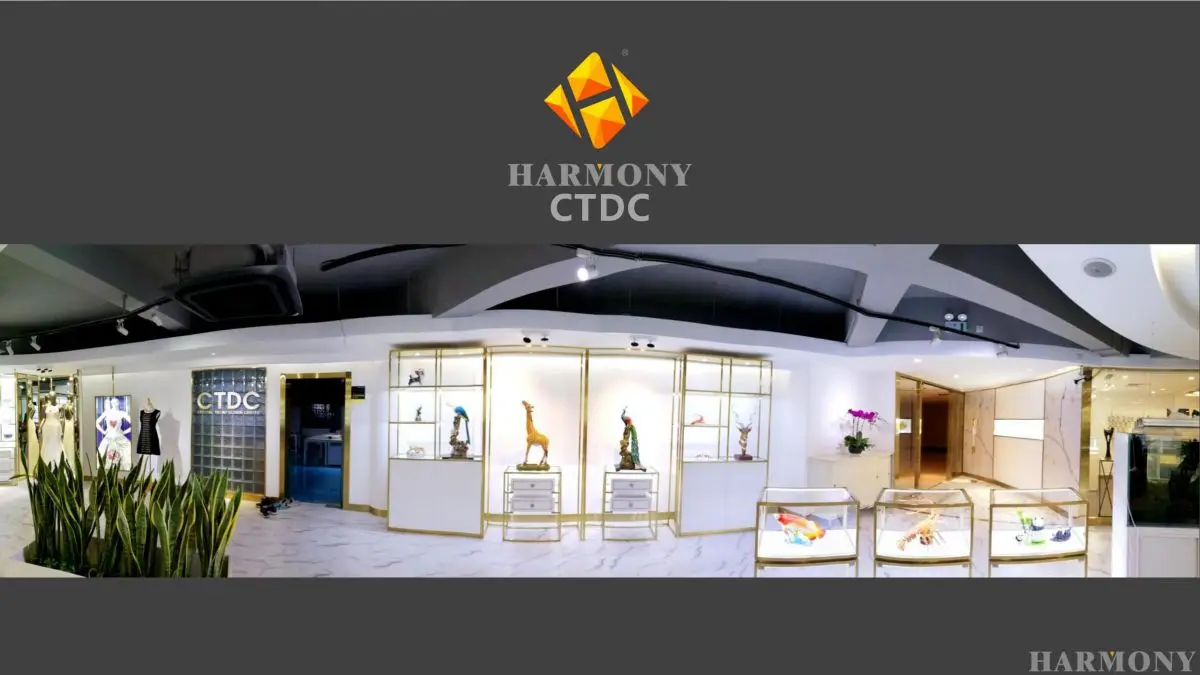
Harmony Fashion Jewelry Co., Ltd.
- Manufacturer, Trading Company
- Guangdong, China
- Lead time15 days
- Avg. response≤ 6h
Main productsHotfix Stone, Hotfix Transfer, Claw Rhinestone, Crystal Cupchain, Sew On Stone
Main marketsNorth America(15.00%), Western Europe(15.00%), Eastern Asia(10.00%), Southeast Asia(10.00%), South Asia(9.00%), South America(8.00%), Eastern Europe(7.00%), Oceania(6.00%), Southern Europe(5.00%), Central America(5.00%), Northern Europe(4.00%), Mid East(4.00%), Domestic Market(2.00%)
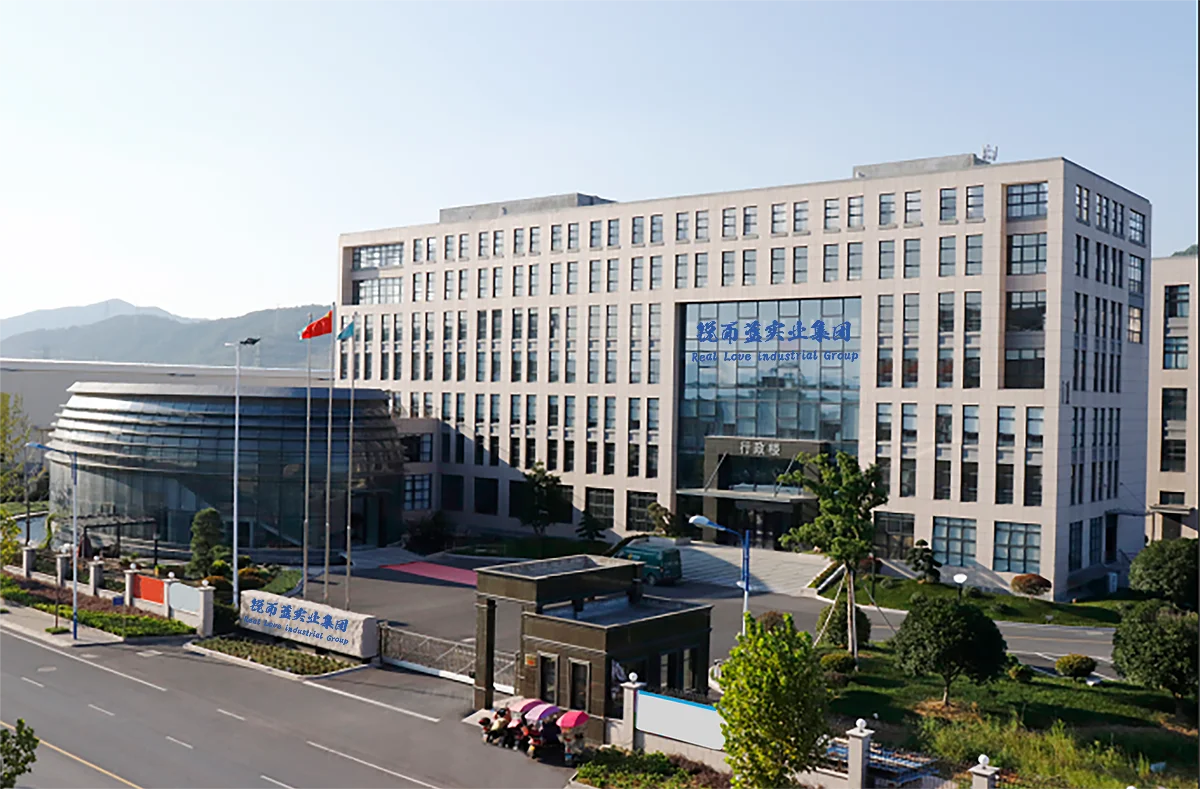
Real Love Industrial Factory Groups
- Manufacturer, Trading Company
- Zhejiang, China
- Lead time0 days
- Avg. response≤ 1h
Main productsHardware,Fabrics,Bags,Toys,Materials
Main marketsSouth America(20.00%), North America(20.00%), Eastern Europe(10.00%), Northern Europe(8.00%), Central America(5.00%), Domestic Market(5.00%), Eastern Asia(5.00%), Mid East(5.00%), Oceania(5.00%), Southeast Asia(5.00%), Southern Europe(4.00%), Western Europe(3.00%), Africa(3.00%), South Asia(2.00%)
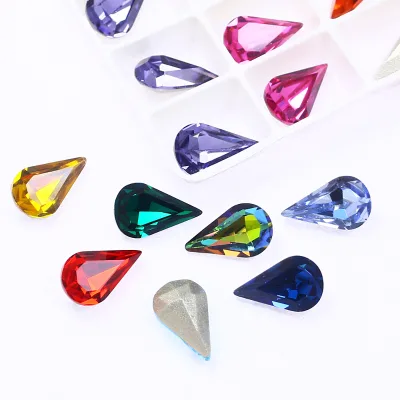
$0.0518 - $0.2293
MOQ: 20000 Minimum
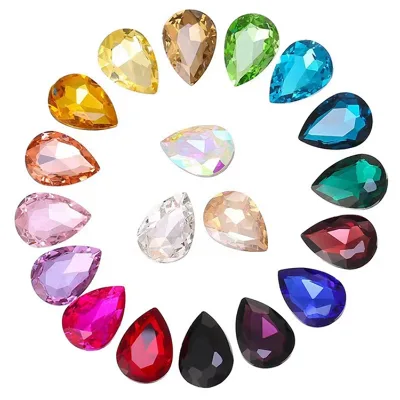
ZSY Glass Point Back Crystal Rhinestones Drop Stones for Clothing Jewelry Making
$0.0207 - $0.1979
MOQ: 10000 Minimum
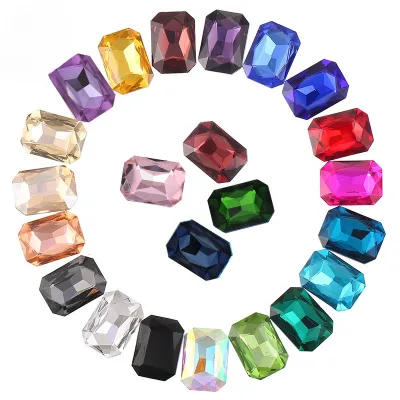
Wholesale Cheap Price Rectangle Shape Point Back Glass Loose Rhinestones for Garment
$0.0104 - $0.0622
MOQ: 200000 Minimum

Ningbo V.k. Industry And Trading Co., Ltd.
- Verified by SGS
- Combined
- China Zhejiang
- Lead time60 days
- Avg. response≤ 4h
Main productsFlannel Fleece Blanket, Sherpa Throw Blanket, Dog Waterproof Blanket, Fleece Bathrobe, PVC Leather, TV Blanket, Down Coat, PV Fleece Blanket, Bazin Riche, Ice Bath Tub
Main marketsSouth America,Africa,Southeast Asia/ Mideast,East Asia(Japan/ South Korea),Domestic,Europe,Australia,North America


Wholesale Garment Accessory Sparkling Glass Diamonds Pointed Bottom Crystal Rhinestones
$0.90 - $1.00
MOQ: 10000 Bags
Yiwu Jing Can Crystal Co., Ltd.
- Verified by SGS Group
- Manufacturer, Trading Company
- Lead time0 days
- Avg. response≤ 3h
Main productsCrystal Rhinestone, Glass Seed Beads, Clay Beads, Fashion Jewelry, DIY Accessories
Main marketsCentral America(25%), North America(20%), South America(20%)
Pujiang Qiaoqiao Crystal Co., Ltd.
- Verified by Intertek
- Manufacturer, Trading Company
- Lead time5 days
- Avg. response≤ 4h
Main productsRhinestone, Nail Art Decoration, Garment Accessories, Jewelry Accessories, Glass Beads
Main marketsNorth America(65%), Western Europe(11%), South Asia(7%)
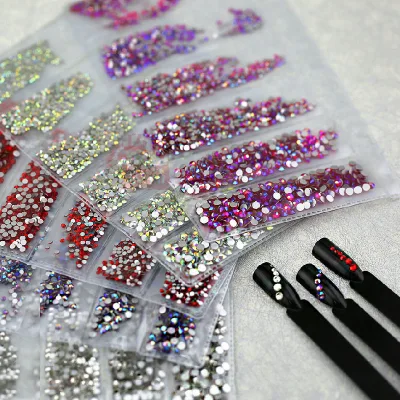
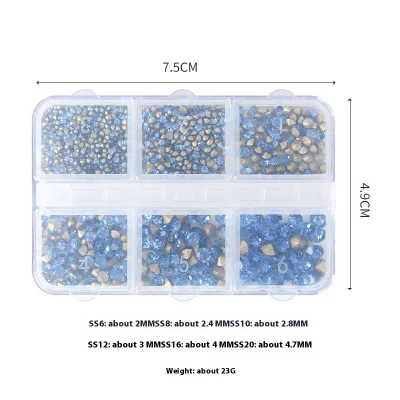
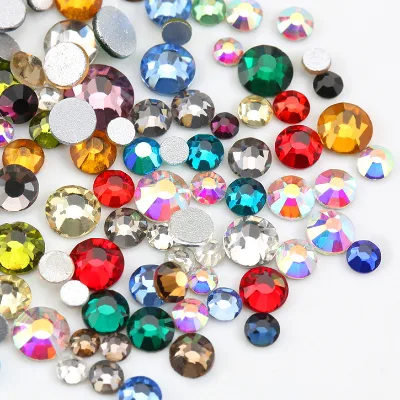
$10.00 - $60.00
MOQ: 5 Minimum
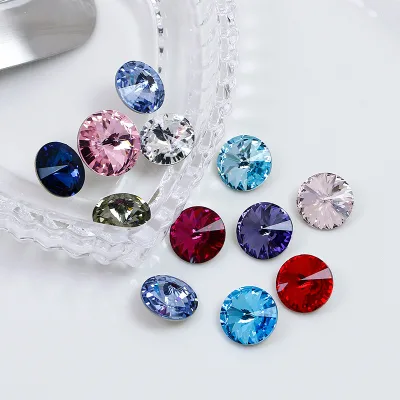
Pujiang Yantuo Crystal Co., Ltd.
- Trading Company
- Lead time旺季: "1 - 500":31,"> 500":"To be negotiated", 淡季: "1 - 500":31,"> 500":"To be negotiated"
- Avg. response≤ 2h
Main productsQuartz Glass Ornament, Rhinestones, Hot Fix Rhinestones, Nail Rhinestones, Rhinestones Sheet, Half Pearls
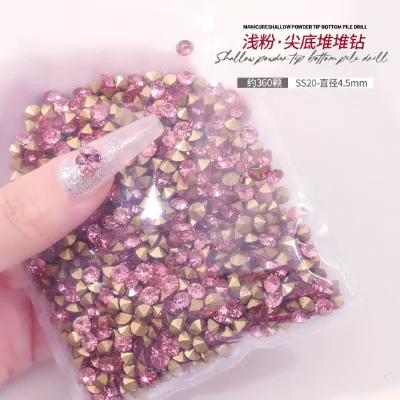
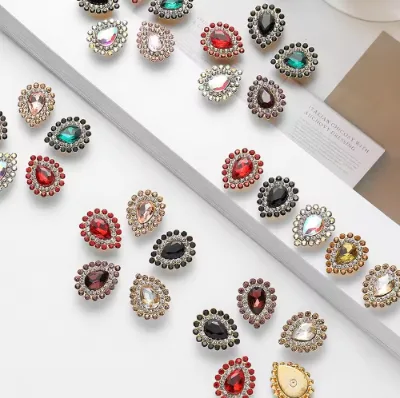
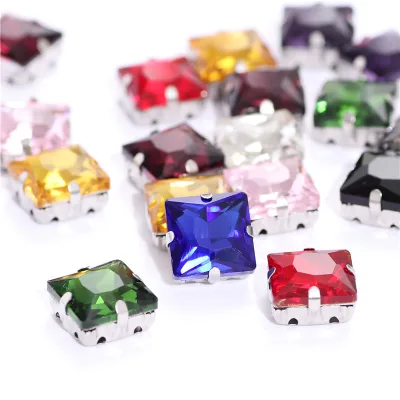
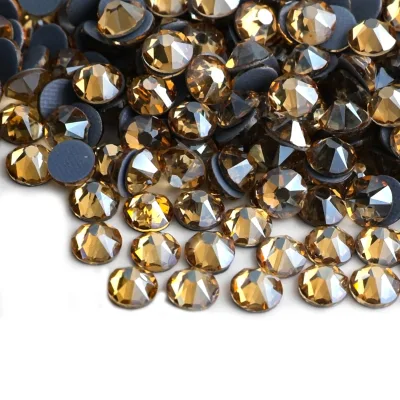
High-quality 16-facet Flat-bottom Premium Cut Sparkling Crystal, 2088 Hot Fix Rhinestones
$4.4041 - $14.6617
MOQ: 1 Minimum
Guangzhou Bling&bling Trading Co., Ltd.
- Verified by SGS Group
- Manufacturer, Trading Company
- Lead time15 days
- Avg. response≤ 3h
Main productsShoes Hardware Accessories, Garment Hardware Accessories, Bags Hardware Accessories, Fashion Decorative Hardware Accessories
Main marketsNorth America(30%), Western Europe(20%), Southern Europe(15%)
Hangzhou Ever Import And Export Co., Ltd.
- Verified by SGS Group
- Trading Company
- Lead time15 days
- Avg. response≤ 15h
Main productsBling Fashion Products, Bling Car Accessories, Rhinestone Shoes; Rhinestone Mesh; Rhinestone Cup Chain
Main marketsSouth America(34%), North America(30%), Western Europe(15%)
Yiwu Songshuo Jewelry Co., Ltd.
- Trading Company
- Zhejiang, China
- Lead time15 days
- Avg. response≤ 2h
Main productsRhinestone Mesh,Bling Car Accessories,Bling Fashion Products,Rhinestone Crystal keychain,Rhinestone Patch
Main marketsMid East(30.00%), North America(20.00%), Domestic Market(10.00%), South Asia(10.00%), Northern Europe(10.00%), Central America(10.00%), Eastern Asia(10.00%), South America(10.00%), Africa(10.00%), Southeast Asia(10.00%), Eastern Europe(10.00%)
Guangzhou Fuban Garment Accessories Co., Ltd.
- Manufacturer, Trading Company
- Lead time旺季: "1 - 100":30,"> 100":"To be negotiated", 淡季: "1 - 100":30,"> 100":"To be negotiated"
- Avg. response≤ 4h
Main productsGarments Accessories, Festive & Party Supplies

Marigold Garment Accessories Co., Ltd.
- Trading Company
- China Guangdong
- Lead time15 days
- Avg. response≤ 12h
Main productsLace, Lace Trimming, Rhinestone Trimming, Embroidery, Patches, Elastic Trim, Brooches, Button, Rhinestone Patch, Lace Fabric
Main marketsSouth America,Africa,Southeast Asia/ Mideast,Europe,North America

Guangzhou Jiayuan Clothing Co., Ltd.
- Manufacturer, Trading Company, Distributor/Wholesaler
- Guangdong, China
- Lead time20 days
- Avg. response≤ 2h
Main productsrhinestones fabric,diamante fabric,embroidery lace,3D lace,lace trimming
Main marketsEastern Europe(20.00%), North America(15.00%), Western Europe(15.00%), Southern Europe(10.00%), South America(10.00%), Central America(6.00%), Oceania(5.00%), Domestic Market(5.00%), Eastern Asia(5.00%), Mid East(5.00%), Africa(3.00%), Southeast Asia(1.00%)
Guangzhou Jingpin Garment Accessory Co., Ltd.
- Verified by SGS Group
- Manufacturer, Trading Company
- Lead time3 days
- Avg. response≤ 1h
Main productsCrystal Rhinestone, Sew On Stone, Rhinestone Trimming, Customized Stone Transfer Design, Rhinestone Applique
Main marketsNorth America(30%), Oceania(15%), Eastern Europe(10%)
Guangzhou Yiyun Clothing Co., Ltd.
- Manufacturer, Trading Company
- Guandong, China
- Lead time0 days
- Avg. response≤ 2h
Main productsrhinestone transfer,rhinestone tshirt,glitter,hot fix tape,Tpu
Main marketsWestern Europe(22.80%), Central America(16.00%), South America(12.80%), Eastern Europe(11.00%), North America(10.00%), Mid East(9.00%), Southern Europe(8.00%)
Dongguan Qingyu Shoe Material Co., Ltd
- Verified by SGS
- Combined
- China Guangdong
- Lead time15 days
- Avg. response≤ 19h
Main marketsNorth America
Shenzhen Uniflying Fashion Apparels Co., Ltd.
- Verified by Intertek
- Manufacturer, Trading Company
- Lead time30 days
- Avg. response≤ 3h
Main productsRhinestone Heat Transfer, Embroidery Patch, Plastisol Heat Transfer, Face Gem Sticker
Main marketsNorth America(55%), Western Europe(21%), South America(6%)

YIWU JINYE IMPORT AND EXPORT CO., LTD
- Verified by SGS
- Trading Company
- China Zhejiang
- Lead time15 days
- Avg. response≤ 25h
Main productsBangle, Wrist Band, Bracelet, Fashion Jewelry
Main marketsNorth America
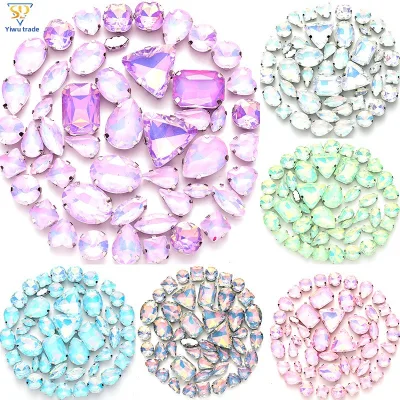
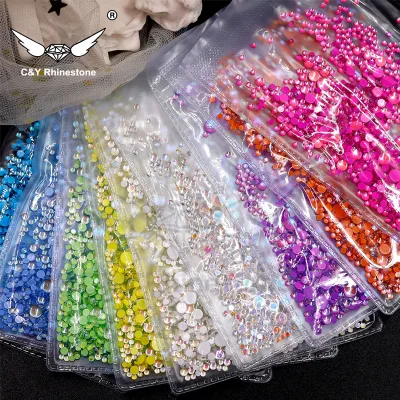
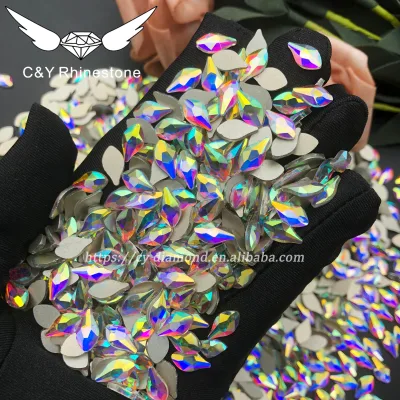


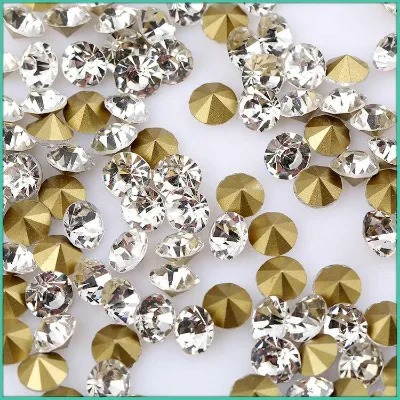
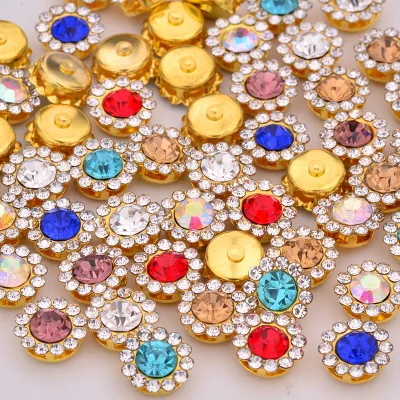
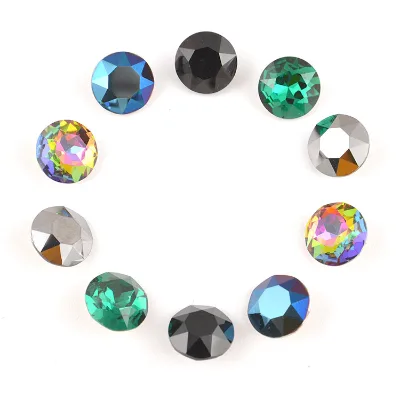
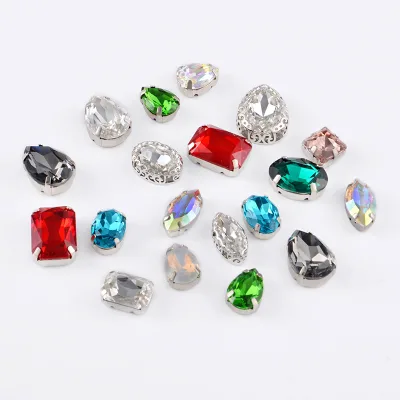
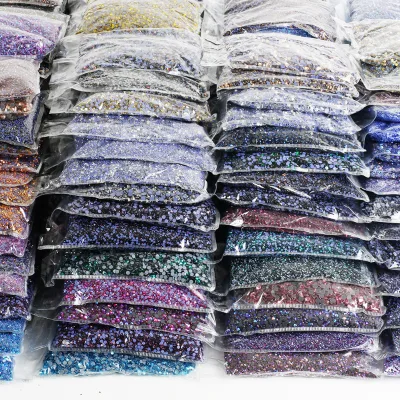
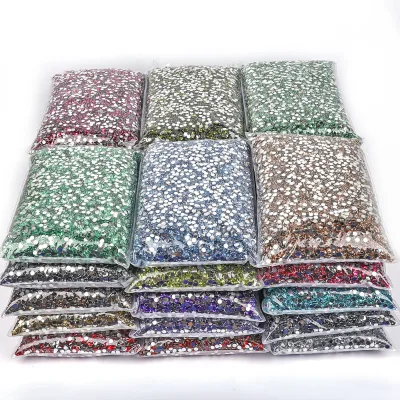


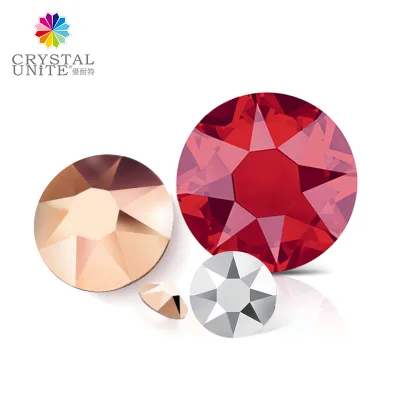
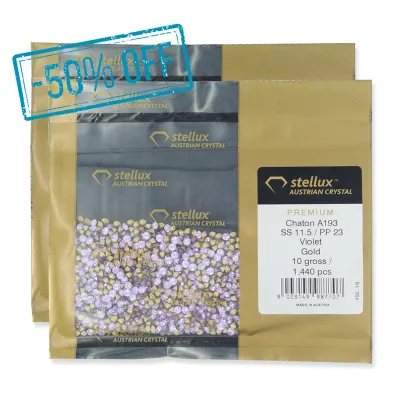
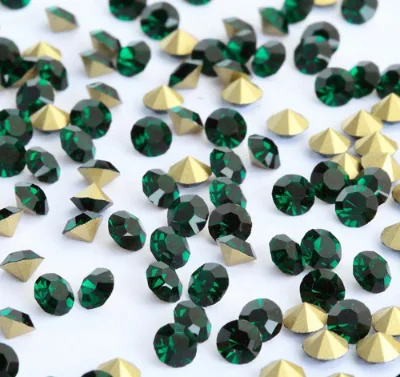
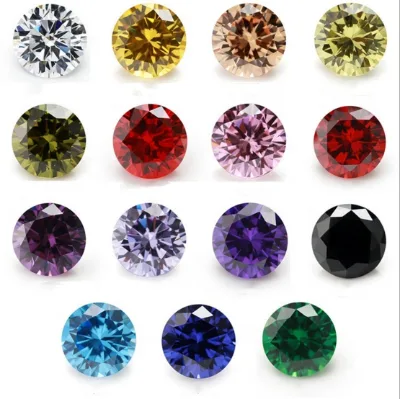
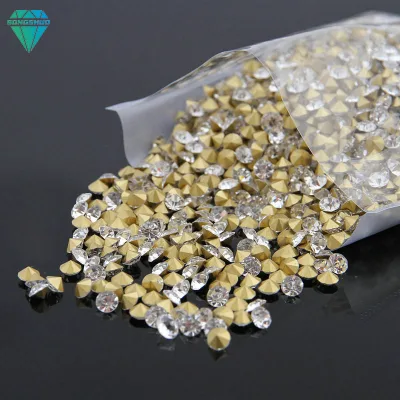






Comprehensive Sourcing Guide
Point Back Rose Rhinestone Stones Supplier Concentration and Factory Types
The current supplier landscape for Point Back Rose Rhinestone Stones reveals a distinct mix of manufacturing capabilities and trading structures. Data indicates that some entities operate as pure trading companies, while others function as manufacturers that also engage in trading activities. This dual nature is critical for buyers to understand, as it directly impacts pricing flexibility, communication speed, and the ability to handle custom orders. Trading companies often provide a broader catalog of accessories, such as glass beads, clay beads, and fashion jewelry components, which can be advantageous for buyers seeking one-stop sourcing solutions. However, these intermediaries may not have direct control over the production line, potentially affecting lead times and quality consistency. Conversely, suppliers identified as manufacturers typically offer more direct oversight of the production process, which can be beneficial for ensuring specific technical requirements are met. The presence of both types suggests that buyers must carefully evaluate the supplier’s primary business model to align with their specific sourcing needs, whether they prioritize variety and convenience or direct factory access and customization potential.
Furthermore, the product evidence highlights specific manufacturing attributes that define the operational scope of these suppliers. For instance, some suppliers list main products that include rhinestones, hotfix rhinestones, and metal settings, indicating a specialized focus on stone embellishments. Others may list broader categories like DIY accessories, suggesting a more generalist approach. The technical capabilities vary significantly, with some suppliers offering no research and development capacity, while others support light customization, graphic processing, and sample processing. This distinction is vital for buyers who require specific shapes, sizes, or finishes that deviate from standard offerings. The ability to process samples or handle customized orders on demand can be a decisive factor in selecting a partner for niche or high-volume projects. Buyers should scrutinize the listed main products and technical capacities to determine if the supplier’s operational focus aligns with their project requirements, ensuring that the chosen partner has the necessary infrastructure to deliver the desired Point Back Rose Rhinestone Stones effectively.
How to Verify Point Back Rose Rhinestone Stones Suppliers
Verification is a critical step in mitigating risk when sourcing Point Back Rose Rhinestone Stones from international suppliers. The available data shows that some suppliers have undergone verification by recognized third-party inspection groups, such as SGS Group or Intertek. These verifications provide a layer of confidence regarding the supplier’s business legitimacy and operational stability. Buyers should prioritize suppliers who display these verification badges, as they indicate that an independent entity has assessed the company’s credentials. Additionally, system certifications such as (EC) 1907/2006, CPSC-CH-E1002, and RoHS are listed for certain suppliers. These certifications are particularly important for buyers targeting markets with strict regulatory requirements, such as the European Union or the United States. Compliance with these standards ensures that the materials used in the rhinestones, such as glass or crystal, meet specific safety and environmental guidelines. Buyers should request copies of these certificates and verify their validity to ensure that the supplier’s claims are substantiated by official documentation.
Beyond certifications, buyers should assess the supplier’s responsiveness and track record as indicators of reliability. The data indicates varying response times, with some suppliers responding within two hours and others taking up to five hours. A faster response time often correlates with better customer service and more efficient communication, which is crucial for resolving issues quickly during the sourcing process. Buyers should also look for evidence of past performance, such as sample availability and delivery times. Some suppliers explicitly state that they support seven-day sample order lead times, which allows buyers to evaluate product quality before committing to larger orders. Additionally, the presence of specific product attributes, such as material composition and finishing techniques like polishing or electroplating, can help buyers verify the supplier’s technical expertise. By combining verification badges, certification checks, and performance metrics, buyers can build a comprehensive profile of each supplier, ensuring that they partner with entities that meet their quality and operational standards.
What to Compare Across Point Back Rose Rhinestone Stones Suppliers
When evaluating multiple suppliers for Point Back Rose Rhinestone Stones, buyers must compare several key dimensions to identify the best fit for their needs. One of the most critical factors is the minimum order quantity (MOQ). The data shows that MOQs can vary significantly, with some suppliers requiring a minimum of 1000 pieces, while others may accept orders as low as one bag. This variation is crucial for buyers with different inventory strategies, whether they are testing new products or fulfilling large-scale production runs. Buyers should also compare lead times, which indicate how quickly orders can be fulfilled. Some suppliers offer a three-day lead time, while others may take seven days or more. Faster lead times are essential for buyers with tight deadlines or those who need to respond quickly to market trends. Additionally, response speed is a key differentiator, with some suppliers responding within two hours and others taking longer. A quicker response can facilitate smoother negotiations and faster issue resolution.
Price and payment terms are another vital area for comparison. The data indicates price ranges for specific products, such as point back rhinestones priced between $0.18 and $0.23 per piece, and mixed shape rhinestones priced between $2.39 and $2.45 per unit. Buyers should analyze these prices in the context of the MOQ and lead time to determine the true cost of ownership. Payment terms also vary, with some suppliers requiring a 30% deposit and the remaining 70% balance before shipping. Buyers should assess whether these terms align with their cash flow management and risk tolerance. Furthermore, the place of origin, such as Zhejiang, Yiwu, or Guangdong, can influence logistics costs and delivery times. Buyers should consider the supplier’s location relative to their own shipping routes to optimize freight costs. By systematically comparing MOQs, lead times, response speeds, prices, and payment terms, buyers can make informed decisions that balance cost, speed, and reliability.
Common Point Back Rose Rhinestone Stones Sourcing Risks
Sourcing Point Back Rose Rhinestone Stones involves several potential risks that buyers must proactively manage to ensure a successful procurement process. One significant risk is the discrepancy between product samples and bulk orders. While suppliers may provide high-quality samples, the bulk production might differ in terms of color consistency, facet precision, or material quality. The data shows that products are described with specific attributes, such as "High Quality" and "Polished" technics, but these claims must be validated through rigorous inspection. Buyers should request detailed specifications and compare them against the actual products received. Another risk is the variability in supplier capabilities. Some suppliers may lack the capacity for light customization or sample processing, which can limit flexibility for buyers with unique requirements. Buyers should verify the supplier’s technical capabilities, such as their ability to handle specific shapes or finishes, before placing large orders.
Additionally, there is a risk associated with supply chain disruptions and logistical delays. The data indicates that some suppliers have a lead time of three days, while others may take seven days or more. These variations can impact production schedules, especially for buyers with tight deadlines. Buyers should also consider the risk of non-compliance with regulatory standards. While some suppliers list certifications like RoHS and CPSC-CH-E1002, buyers must ensure that these certifications are current and applicable to their target markets. Failure to comply with these standards can result in customs delays or product recalls. Furthermore, the risk of communication breakdowns cannot be overlooked. Suppliers with slower response times may be less responsive to urgent inquiries or changes in order specifications. Buyers should establish clear communication protocols and set expectations for response times to mitigate this risk. By identifying and addressing these potential risks early in the sourcing process, buyers can protect their interests and ensure a smoother procurement experience.
Point Back Rose Rhinestone Stones Regional Sourcing and Logistics
The regional origin of Point Back Rose Rhinestone Stones suppliers can significantly impact logistics costs and delivery efficiency. The data indicates that products originate from various locations in China, including Zhejiang, Yiwu, and Guangdong. Each of these regions has its own industrial clusters and logistical advantages. Zhejiang is known for its robust manufacturing infrastructure, while Yiwu is a major hub for small commodities and accessories. Guangdong, particularly in areas like Guangzhou and Shenzhen, offers advanced manufacturing capabilities and efficient port access. Buyers should consider the supplier’s location when planning their logistics strategy, as proximity to major shipping ports can reduce transit times and freight costs. For example, suppliers in Guangdong may offer faster shipping to international destinations due to their proximity to major ports like Shenzhen and Guangzhou. Buyers should also evaluate the supplier’s packaging and handling practices, as these can affect the condition of the products during transit.
Logistics planning should also account for the supplier’s ability to handle international shipping and customs clearance. Some suppliers may offer door-to-door delivery services, while others may require buyers to arrange their own freight forwarding. The data shows that products are packed in specific dimensions, such as 15x15x5 cm or 12.2x7.7x0.3 cm, which can influence shipping costs. Buyers should calculate the volumetric weight of the shipments to estimate freight charges accurately. Additionally, buyers should consider the impact of seasonal demand and holidays on logistics. Peak seasons, such as before major holidays, can lead to capacity constraints and longer lead times. Buyers should plan their orders well in advance to avoid delays. Furthermore, buyers should verify the supplier’s experience with international trade, including their familiarity with export documentation and compliance requirements. By understanding the regional advantages and logistical considerations, buyers can optimize their supply chain and ensure timely delivery of Point Back Rose Rhinestone Stones.
Point Back Rose Rhinestone Stones Commercial Terms and Order Planning
Effective order planning for Point Back Rose Rhinestone Stones requires a thorough understanding of commercial terms and payment structures. The data indicates that suppliers often require a 30% deposit with the remaining 70% balance paid before shipping. This payment structure is common in international trade and helps mitigate risk for both buyers and suppliers. Buyers should ensure that they have the necessary funds available to meet these payment deadlines, as delays can result in order cancellations or production holds. Additionally, buyers should clarify the terms for sample orders, as some suppliers support seven-day sample lead times. Samples are crucial for quality verification, and buyers should budget for sample costs and shipping fees. It is also important to confirm whether sample costs are refundable upon placing a bulk order, as this can impact the overall cost of sourcing.
Beyond payment terms, buyers should plan for potential variations in order quantities and pricing. The data shows that prices can vary based on the product type and specifications, such as point back rhinestones priced between $0.18 and $0.23 per piece. Buyers should negotiate volume discounts if they plan to place large orders, as this can significantly reduce the unit cost. Additionally, buyers should establish clear communication channels for order updates and issue resolution. Suppliers with faster response times, such as those responding within two hours, can provide more timely support. Buyers should also consider the supplier’s capacity for handling rush orders, as some suppliers offer three-day lead times. By carefully planning their orders and understanding the commercial terms, buyers can manage their cash flow, minimize risks, and ensure a smooth procurement process for Point Back Rose Rhinestone Stones.
FAQs
What is the minimum order quantity for point back rhinestones?
The minimum order quantity is typically 1000 pieces for standard crystal glass rhinestones. Some suppliers offer lower thresholds starting at one bag for mixed shape options. Buyers should verify specific lot requirements before placing bulk orders to ensure production readiness.
How long does sample delivery take for these stones?
Sample orders generally support a seven-day lead time for production. Standard bulk orders may require three to five working days depending on the supplier. Buyers should confirm exact shipping durations with the manufacturer to align with project timelines effectively.
Are these rhinestones suitable for nail art applications?
Yes, these stones are explicitly designed for nail art, garments, shoes, and bags. They feature flatback or pointback styles that adhere well to various surfaces. The materials include glass crystal and glass glaze for durable decorative effects in DIY projects.
What certifications do these suppliers hold?
Suppliers hold various system certifications including RoHS and CPSC-CH-E1002 for safety compliance. Some also adhere to EC 1907/2006 standards. Verification is conducted by groups like SGS and Intertek to ensure product quality and regulatory adherence for international trade.
What is the price range for loose rhinestones?
Prices for loose rhinestones range from $0.18 to $0.23 per piece for standard sizes. Mixed shape sets may cost between $2.39 and $2.45 per pack. Costs vary based on material, facets, and order volume negotiated directly with the supplier.
Where are these rhinestone products manufactured?
Products originate from regions including Zhejiang, Yiwu, and Guangdong in China. These areas are known for manufacturing glass crystals and DIY accessories. Buyers can specify preferred origins to align with logistics or sourcing strategy requirements for their specific supply chain.