Garment Label Fastener Tag Gun Suppliers and Manufacturers
Compare 16 verified Garment Label Fastener Tag Gun suppliers by response time, lead time, and certifications like SGS or TUV. Review product specs including MOQ, price, and origin before contacting factories for samples; review the available evidence before requesting comparable quotations from suitable candidates.
Updated
Suppliers List
Hebei Hanze International Trade Co., Ltd.
- Verified by SGS Group
- Trading Company
- Lead time7 days
- Avg. response≤ 3h
Main productsPolyester Screen Printing Mesh, Screen Printing Squeegee Rubber, Screen Printing Stretching Machine, Screen Printing Frame, Nickel Screen For Rotary Printing
Main marketsSouth America(30%), North America(20%), Southeast Asia(20%)
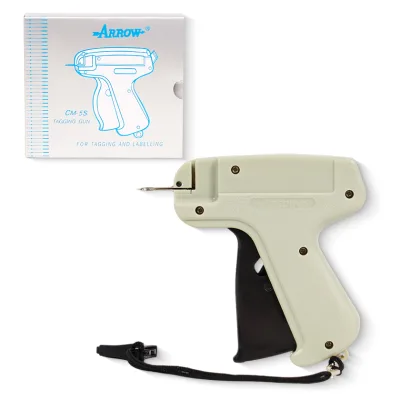
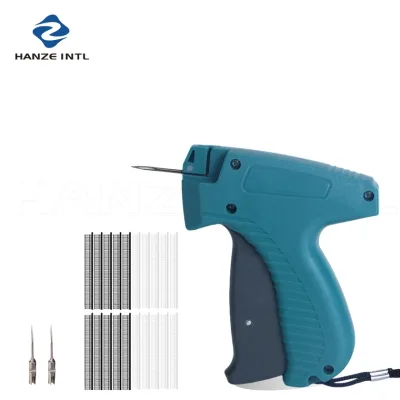
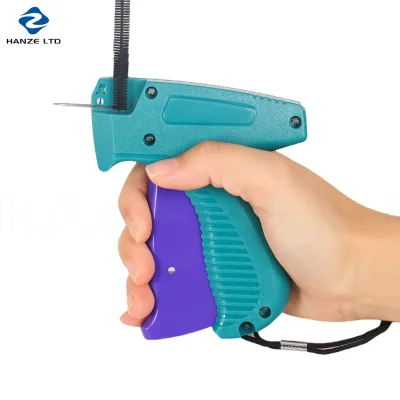
Industrial Label Fastener Tool Handle Tag Gun Label Making Standard Tag Gun
$1.80 - $1.90
MOQ: 2 pieces
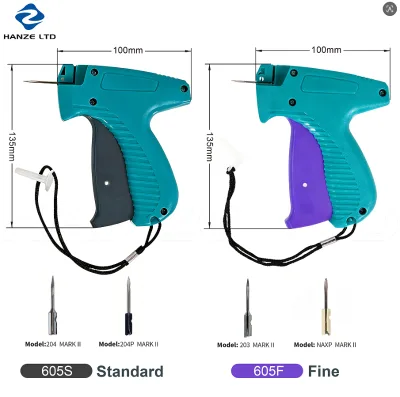
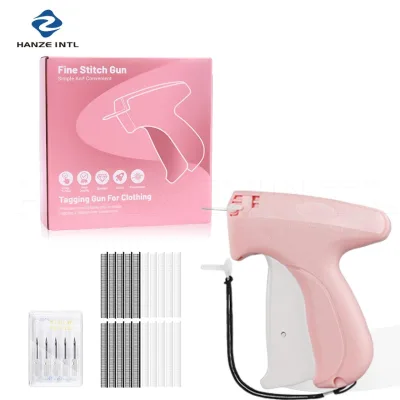
Customized Garment Tag Attacher Gun Durable Clothes Fine Tag Gun Label Gun
$1.65 - $2.00
MOQ: 2 pieces
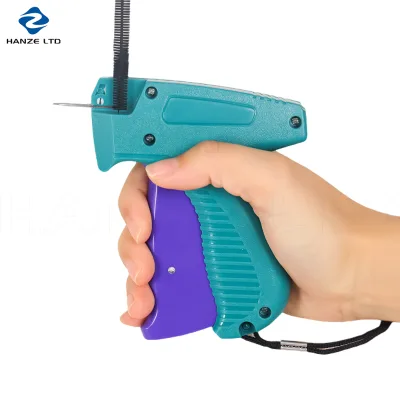

Hebei Hanze International Trade Co., Ltd.
- Verified by TUVRHEINLAND
- Trading Company
- China Hebei
- Lead time15 days
- Avg. response≤ 7h
Main productsScreen Printing Products, Rotary Screen Printing Products, Tagging & Labeling Products, Spot Cleaning Products, Hat&Caps, Pet &Digital Printing Film, Acrylic &PVC Products, Diamond Tools for Drilling Cutting Grinding
Main marketsSouth America,Southeast Asia/ Mideast,East Asia(Japan/ South Korea),Europe,Australia,North America
Guangzhou Sinfoo Plastic Co., Ltd.
- Verified by SGS Group
- Manufacturer, Trading Company
- Lead time20 days
- Avg. response≤ 3h
Main productsHanger, Loop Lock Tag Pin, Tag Gun, Hang Tag, Plastic Bags
Main marketsNorth America(33%), Domestic Market(28%), Southeast Asia(8%)

Ningbo Liberty Port Textile Co., Ltd.
- Combined
- China Zhejiang
- Lead time15 days
- Avg. response≤ 13h
Main productsSnap Button, Snap Fastener Set, Sewing Notions, Rotary Cutter, Cutting Mat, DIY Crafts, Storage Series, Knitting Needles, Crochet Hook, Zipper
Main marketsSouth America,Southeast Asia/ Mideast,East Asia(Japan/ South Korea),Europe,North America

Ningbo Sunshine Import & Export Co., Ltd.
- Combined
- China Zhejiang
- Lead time30 days
- Avg. response≤ 3h
Main productsGarment Accessories, Haberdashery Items, Tailoring Accessories, Hook and Loop, Sewing Notions, Cotton Tape, PP Webbing, Satin Ribbon, Rat Tail, Knitting Tools
Main marketsSouth America,Southeast Asia/ Mideast,Europe

Ningbo Alatex Textiles Co., Limited
- Trading Company
- China Zhejiang
- Lead time15 days
- Avg. response≤ 20h
Main productsTag Pin, Tag Gun, String Hang Tag, String Seal, String Tag, Seal Tag, Tag Fastener, Plastic Staple Pin Roll, Garment Accessories, Sewing Accessories
Main marketsSouth America,Africa,Southeast Asia/ Mideast,East Asia(Japan/ South Korea),Europe,Australia,North America

Zhongshan Jiapinhui Garment Accessories Co., Ltd.
- Manufacturer, Trading Company
- Guangdong, China
- Lead time7 days
- Avg. response≤ 1h
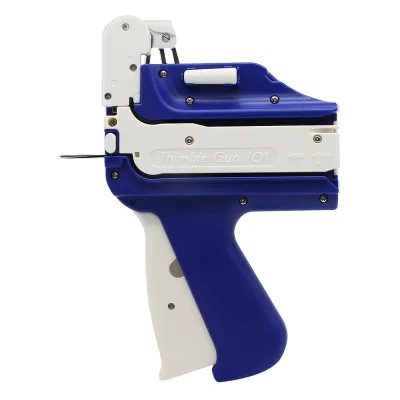
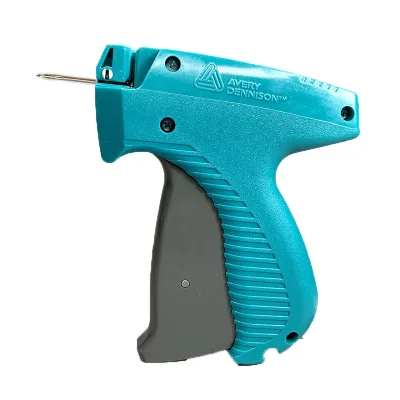
Main productsThe label paper,ink roller,consecutive labeller,elastic staple,staple pin attacher
Main marketsDomestic Market(100.00%)
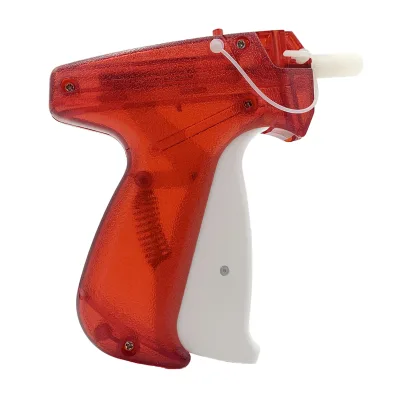
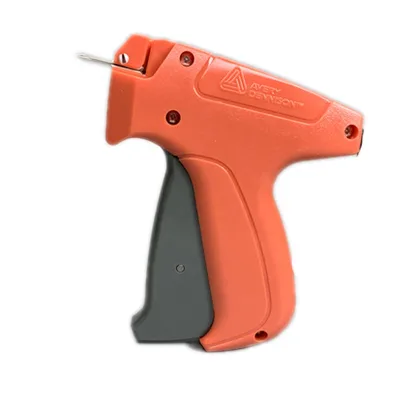
$14.80 - $15.00
MOQ: 100 pieces
Hangzhou Daya Textile Co., Ltd.
- Trading Company
- Zhejiang, China
- Lead time20 days
- Avg. response≤ 5h
Main productsZipper&slider,Tape&Webbing,Thread&yarn,Garment accessory,Tailoring Material
Main marketsSouth America(60.00%), Domestic Market(10.00%), South Asia(10.00%), Mid East(10.00%), North America(10.00%)

Ningbo Yue Na Import & Export Co., Ltd.
- Verified by TUVRHEINLAND
- Trading Company
- China Zhejiang
- Lead time23 days
- Avg. response≤ 3h
Main productsLace, Thread, Button, Ribbon, Zipper, Tailors Materials, Fabric, Reflective Materials, Sewing Machine Part, Bra Parts
Main marketsSouth America,Africa,Southeast Asia/ Mideast,Europe,North America

Garments Tagging Gun Micro Stitch Clothing Gun Micro Hand Plastic Tag Gun for Clothes Hang Label Tag
$7.00 - $9.50
MOQ: 2 Pieces


- Verified by SGS
- Trading Company
- China Zhejiang
- Lead time0 days
- Avg. response≤ 11h
Main productsTents, BBQ Grill, Luggage, Kids Toy, Fitness Equpments, Cookware, Kitchen Utensils and Gadgets, Yoga Mat, Bathroom Rugs, Pets Items
Main marketsSouth America,Eastern Europe,Mid East,North America,Southeast Asia,Eastern Asia,Oceania,Western Europe,Africa

Popular The Mother Pearl Buckle Tag Ring Playing Tags Label Trademark Gun
$51.40 - $57.90
MOQ: 20 Pieces


Hot Selling Towel Umbrella Clothing Tag Gun Trademark Glue Needle Label Gun
$0.76 - $0.84
MOQ: 1200 Pieces


Wholesale Clothing Glue Needle Machine Trademark Manual Fine Needle Tag Gun
$1.32 - $1.48
MOQ: 700 Pieces
Dongguan Janhe Technology Co., Ltd.
- Manufacturer, Trading Company
- Guangdong, China
- Lead time20 days
- Avg. response≤ 9h
Main productsLoop pin machine,Cable Tie,Tag Pin,Loop Pin,Plastic staple machine
Main marketsSoutheast Asia(30.00%), South Asia(20.00%), North America(10.00%), Southern Europe(10.00%), Northern Europe(10.00%), Eastern Asia(10.00%), Mid East(10.00%)
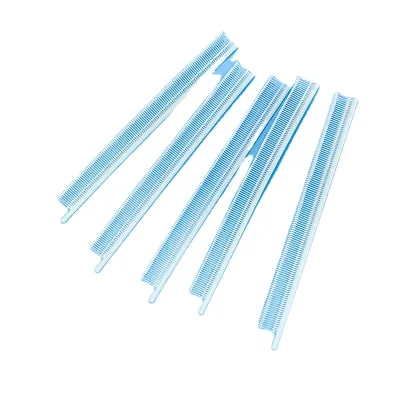
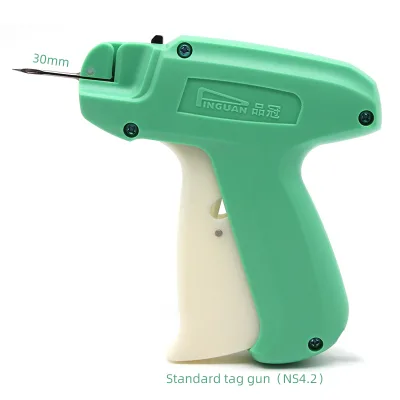
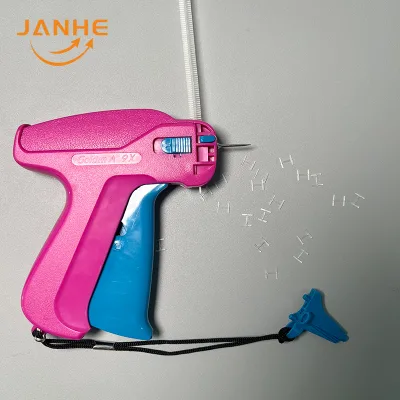
ABS Clothing Tag Gun Micro Fine Tag Gun for Garments 3.4/4.4/5.4mm Plastic Tag Pin Fasteners
$4.99 - $5.99
MOQ: 2 pieces

$2.80 - $3.00
MOQ: 100 pieces

Zhongshan Jin Ru Plastic Hardware Products Co., Ltd.
- Manufacturer, Trading Company
- Guangdong, China
- Lead time0 days
- Avg. response≤ 2h
Main productsPlastic Staple roll,Nylon I-Pin,PP Tag Pin,Heavy Duty Tag Pin,Tagging guns
Main marketsNorth America(30.00%), Northern Europe(20.00%), Western Europe(20.00%), Southern Europe(20.00%), South America(10.00%)
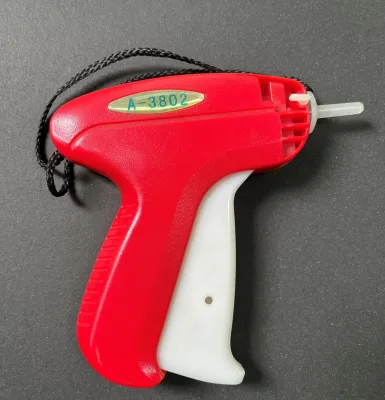
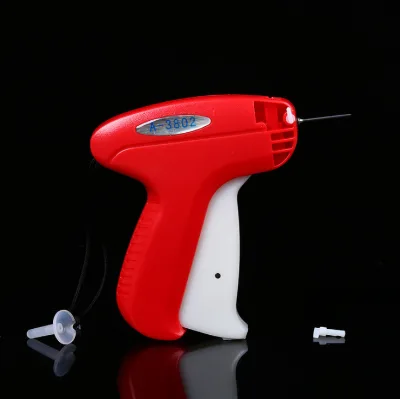
Labeling Tag Gun Textile Tagging Gun for Clothing Standard Retail Price Tag A3802 Fine Gun
$2.00 - $2.11
MOQ: 5 pieces

Endless (guangzhou) Import & Export Co.,ltd.
- Manufacturer, Trading Company
- Guangdong, China
- Lead time0 days
- Avg. response≤ 6h
Main productshousehold appliances,Household daily necessities,Consumer Electronics,Sports and entertainment products,Custom processing
Main marketsNorth America(45.00%), South America(13.00%), Southern Europe(5.00%), Northern Europe(5.00%), Oceania(5.00%), Central America(5.00%), Western Europe(5.00%), Eastern Europe(5.00%), Southeast Asia(4.00%), South Asia(2.00%), Eastern Asia(2.00%), Mid East(2.00%), Africa(2.00%)
Henan Zonelion Heavy Industry Co., Ltd.
- Verified by TüVRheinland
- Trading Company
- Lead time7 days
- Avg. response≤ 4h
Main productsCutting Machine, Polishing Machine, Grinding Wheel Manufacturing Machine, Pressure Machine, Fixed Machine
Main marketsNorth America(8%), South America(8%), Eastern Europe(8%)
Dongguan Jiabu Garment Co., Ltd.
- Manufacturer
- Guangdong, China
- Lead time7 days
- Avg. response≤ 1h
Main productsWoven label, Hang Tag, Printing label
Main marketsNorth America(50.00%), South America(10.00%), Oceania(8.00%), Southern Europe(8.00%), Mid East(8.00%), Southeast Asia(6.00%), Western Europe(5.00%), Northern Europe(5.00%)
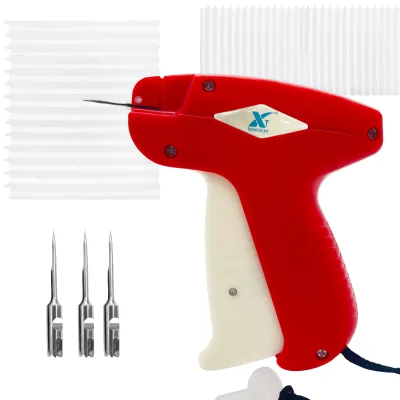
$2.1765 - $4.1342
MOQ: 100 pieces
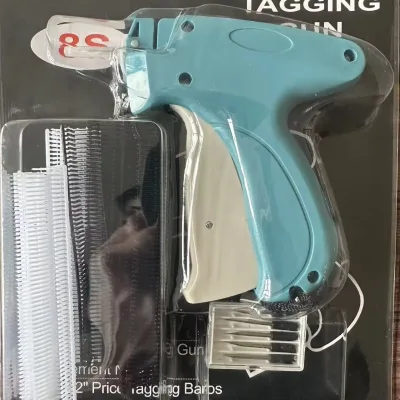
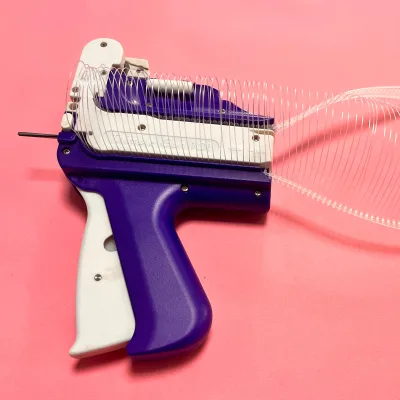
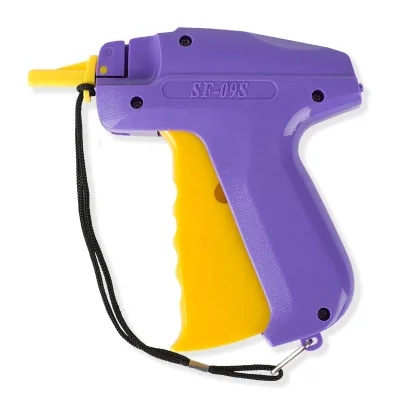
Purple Mini Industrial Stitch Tag Gun for Clothing 5 Needles Fastener Plastic Fastener for Clothing
$2.99 - $4.99
MOQ: 100 pieces
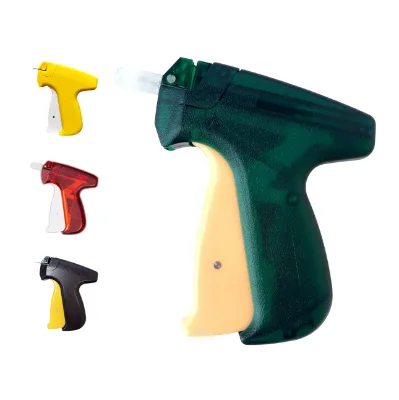
$2.1706 - $2.7896
MOQ: 100 pieces
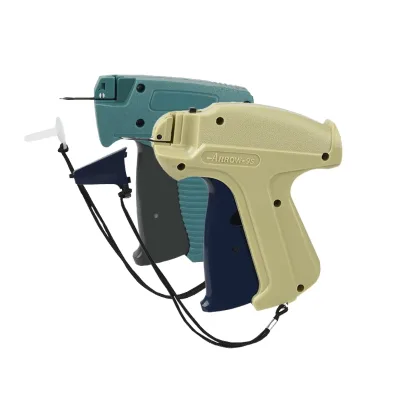
$2.10 - $3.70
MOQ: 100 pieces
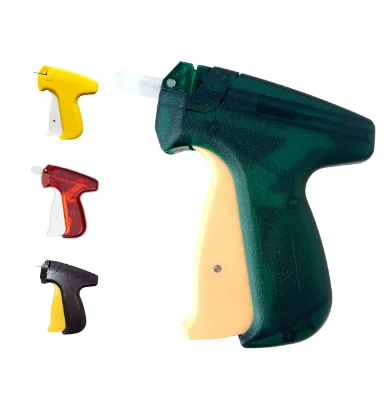
Durable Plastic Tag Gun for Garments Industrial Use Stable Performance Wholesale Pricing
$2.1765 - $4.1342
MOQ: 100 pieces

Ningbo Rainma Stationery Co., Limited.
- Verified by TUVRHEINLAND
- Trading Company,Manufacturer/Factory,Other
- China Zhejiang
- Lead time23 days
- Avg. response≤ 8h
Main productsPaper Notebook and Note Pad, School Stationery, Art Pigments, Ball Pen, Paint Canvas and Canvas Board, Office Stationery, Promotion Gift Stationery, Eraser and Ruler, Marker & Highlighter, Cutter Knife
Main marketsSouth America,Eastern Europe,Mid East,North America,Southeast Asia,Eastern Asia,Oceania,Western Europe,Africa


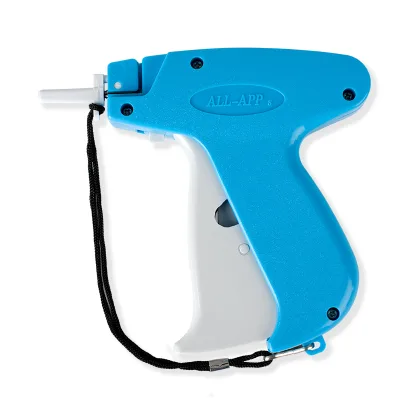
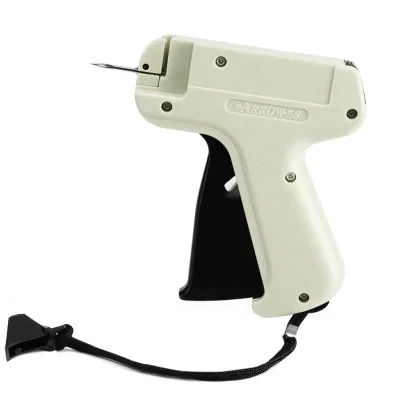
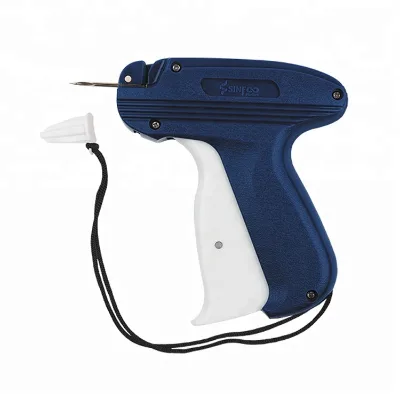


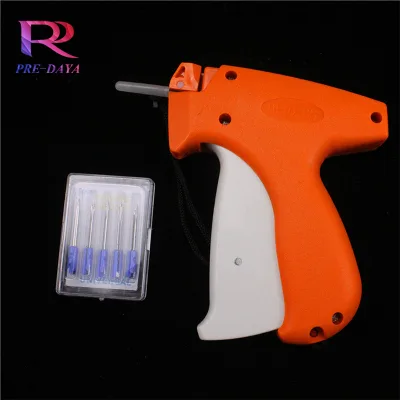




Comprehensive Sourcing Guide
Garment Label Fastener Tag Gun Supplier Concentration and Factory Types
The current supplier landscape for garment label fastener tag guns reveals a distinct concentration of manufacturing activity within specific industrial regions, with Hebei, China emerging as a primary hub for these specialized textile accessories. This geographic clustering suggests a mature supply chain ecosystem where raw materials, such as ABS plastic and steel needles, are readily available, allowing for efficient production cycles and competitive pricing structures. Buyers evaluating potential partners should recognize that this regional focus often correlates with specialized expertise in small-scale machinery and handheld tools, rather than large-scale industrial automation. The presence of multiple suppliers in this area indicates a competitive market environment where differentiation is achieved through product customization, material quality, and service responsiveness rather than sheer volume alone. Understanding this concentration helps buyers narrow their search parameters and focus on suppliers who have established logistical advantages in this specific manufacturing corridor.
In terms of company structure, the majority of available suppliers operate as trading companies rather than direct manufacturers, which introduces a layer of intermediary management between the buyer and the production floor. This model offers certain advantages, such as consolidated sourcing capabilities and flexible order handling, but it also requires buyers to verify the actual production capacity and quality control measures in place. Many of these trading entities specialize in a narrow range of products, such as tagging guns, label makers, and related apparel machinery parts, allowing them to maintain deep product knowledge and inventory depth. However, buyers must be cautious to distinguish between pure trading entities and those with direct factory ties, as the latter may offer more transparent pricing and direct communication regarding technical specifications. The distinction is crucial for ensuring that the supplier can meet specific customization requests or handle complex quality assurance protocols effectively.
How to Verify Garment Label Fastener Tag Gun Suppliers
Verification of supplier credibility is a critical step in the sourcing process, particularly when dealing with handheld machinery that requires precision and durability. Buyers should prioritize suppliers who have undergone third-party verification processes, such as those conducted by SGS Group or TÜV Rheinland, as these assessments provide an independent validation of the company’s business legitimacy and operational capabilities. These verification badges serve as a foundational trust signal, indicating that the supplier has met specific standards for business registration and operational transparency. However, verification alone is not sufficient; buyers must also examine the specific product evidence provided, including detailed product attributes, material specifications, and origin declarations. For instance, confirming that the tagging guns are made from ABS plastic with steel needles and originate from Hebei, China, adds a layer of factual consistency to the supplier’s claims.
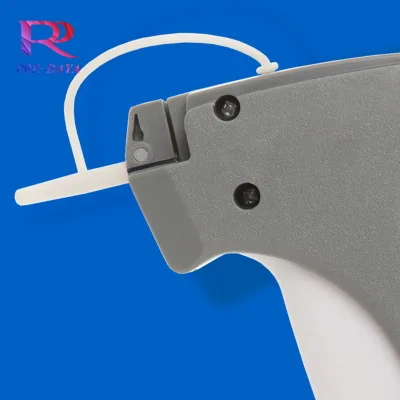
Beyond basic verification, buyers should actively request and review technical documentation to ensure product reliability and safety. Many suppliers in this category provide machinery test reports and video outgoing-inspection services, which are invaluable for assessing the quality of the tagging guns before shipment. These resources allow buyers to verify the structural integrity of the ABS plastic housing, the sharpness and durability of the steel needles, and the overall functionality of the tagging mechanism. Additionally, buyers should look for suppliers who offer OEM services, such as logo customization, as this indicates a level of manufacturing flexibility and professionalism. It is also advisable to check for warranty provisions, with some suppliers offering up to 1.5 years of coverage, which reflects confidence in their product’s longevity. By combining third-party verification with rigorous technical document review, buyers can significantly reduce the risk of sourcing substandard equipment.
What to Compare Across Garment Label Fastener Tag Gun Suppliers
When evaluating multiple suppliers for garment label fastener tag guns, buyers must compare a range of commercial and operational metrics to identify the most suitable partner for their specific needs. One of the most significant differentiators is the minimum order quantity (MOQ), which can vary widely from as low as two pieces for sample orders to one hundred pieces for standard bulk purchases. This flexibility is crucial for buyers who are testing new products or have small-scale production requirements. Additionally, pricing structures should be analyzed in conjunction with MOQs, as unit costs often decrease with higher volume commitments. For example, some suppliers offer prices ranging from $1.50 to $2.20 per unit, depending on the model and order size. Buyers should also consider the single package size and weight, as these factors directly impact shipping costs and storage efficiency, with typical dimensions around 15x14x3.5 cm and weights ranging from 0.2 kg to 1.0 kg per unit.
Response time and lead time are equally critical factors that influence the overall sourcing experience and supply chain reliability. Suppliers with faster response times, such as those averaging three to six hours, demonstrate a higher level of customer service engagement and operational efficiency. Similarly, lead times for production and delivery can vary, with some suppliers offering seven-day sample order lead times and others requiring up to fifteen days for standard orders. Buyers should also compare the main products offered by each supplier to ensure alignment with their broader sourcing needs. Some suppliers specialize exclusively in tagging and labeling products, while others offer a broader range of textile machinery parts, screen printing meshes, and rotary printing components. This breadth of product offering can be advantageous for buyers seeking a single-source solution for multiple apparel manufacturing accessories. By systematically comparing these metrics, buyers can make informed decisions that balance cost, speed, and product quality.
Common Garment Label Fastener Tag Gun Sourcing Risks
One of the primary risks in sourcing garment label fastener tag guns is the potential discrepancy between advertised product specifications and the actual items received. Buyers must be vigilant about verifying material compositions, such as the type of ABS plastic used and the grade of steel for the needles, as these directly affect the tool’s durability and performance. Inconsistent material quality can lead to premature wear, needle breakage, or difficulty in attaching tags securely, which can disrupt production lines and increase operational costs. Additionally, buyers should be cautious of suppliers who do not provide clear evidence of machinery test reports or video outgoing-inspections, as these documents are essential for confirming that the products meet stated standards. Without such verification, buyers risk receiving substandard equipment that may not perform reliably in high-volume tagging operations.
Another significant risk is the variability in after-sales support and warranty coverage. While some suppliers offer warranties of up to 1.5 years, others may provide limited or no support for defects or malfunctions. Buyers should clearly understand the terms of any warranty agreement before placing an order, including the process for claiming replacements or repairs. Furthermore, the reliance on trading companies can sometimes lead to communication gaps or delays in resolving technical issues, as the intermediary may not have direct access to the manufacturer’s technical support team. Buyers should also be aware of potential logistical challenges, such as customs delays or shipping damages, which can be mitigated by choosing suppliers with established export experience and reliable packaging methods. By proactively addressing these risks through thorough due diligence and clear contractual agreements, buyers can protect their interests and ensure a smoother sourcing process.
Garment Label Fastener Tag Gun Regional Sourcing and Logistics
Sourcing garment label fastener tag guns from Hebei, China, offers distinct logistical advantages due to the region’s well-developed manufacturing infrastructure and proximity to major shipping ports. This geographic concentration allows for efficient consolidation of orders and streamlined transportation to international destinations, reducing overall lead times and shipping costs. Buyers should leverage this regional advantage by working with suppliers who have experience in exporting to their specific target markets, as this ensures familiarity with local customs regulations and documentation requirements. Additionally, the availability of standardized packaging, such as single-piece boxes with dimensions around 20x15x15 cm, facilitates easy handling and storage during transit. This standardization minimizes the risk of damage during shipping and simplifies inventory management upon arrival at the buyer’s facility.
However, buyers must also consider the environmental and regulatory aspects of international shipping, particularly when importing machinery components that may contain metal parts. Ensuring that suppliers comply with international shipping standards and provide accurate customs declarations is essential to avoid delays or penalties. Buyers should also evaluate the supplier’s ability to handle different shipping methods, such as air freight for urgent orders or sea freight for larger volumes, to optimize cost and speed. Furthermore, the use of verified suppliers with established logistics networks can provide additional peace of mind, as these partners often have negotiated rates with shipping carriers and can offer tracking and insurance services. By carefully planning the logistics strategy and selecting suppliers with robust export capabilities, buyers can ensure that their garment label fastener tag guns arrive on time and in perfect condition.
Garment Label Fastener Tag Gun Commercial Terms and Order Planning
Effective order planning for garment label fastener tag guns requires a clear understanding of the commercial terms offered by suppliers, including payment methods, pricing tiers, and customization options. Many suppliers support OEM services, allowing buyers to customize the branding and packaging of the tagging guns to align with their corporate identity. This level of customization can enhance brand visibility and product differentiation in the market. Buyers should also consider the flexibility of order quantities, as some suppliers accommodate small MOQs for testing purposes while offering competitive pricing for larger bulk orders. Understanding these pricing structures helps buyers optimize their procurement budget and manage cash flow more effectively. Additionally, buyers should inquire about sample order policies, as many suppliers support seven-day sample order lead times, enabling quick evaluation of product quality before committing to larger purchases.
Beyond pricing and customization, buyers should establish clear communication channels and documentation protocols to ensure smooth order execution. This includes confirming the exact product specifications, such as model numbers, colors, and needle sizes, to avoid misunderstandings. Buyers should also request detailed packing lists and shipping documents to facilitate customs clearance and inventory receiving. Furthermore, establishing a long-term relationship with a reliable supplier can lead to better terms, such as extended payment periods or priority production scheduling. By carefully planning the commercial aspects of their sourcing strategy and maintaining open communication with suppliers, buyers can minimize risks and maximize the value of their Garment Label Fastener Tag Gun procurement. This proactive approach ensures that the sourcing process is efficient, cost-effective, and aligned with the buyer’s overall business objectives.
FAQs
What is the minimum order quantity for tagging guns?
The minimum order quantity varies by model. Some standard tagging guns require a minimum of 2 pieces, while others demand 100 pieces. Buyers should check the specific product listing to confirm the exact MOQ before placing an order to ensure it meets their procurement needs.
How long does it take to receive an order?
Lead times typically range from 7 to 15 days depending on the supplier and order volume. Some suppliers support sample orders with a 7-day lead time. Buyers should confirm the exact delivery schedule with the supplier before finalizing the purchase to avoid delays in production.
What materials are used in these tagging guns?
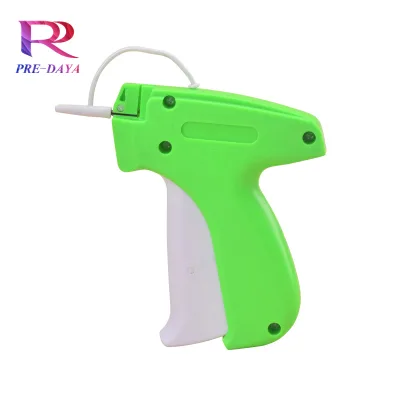
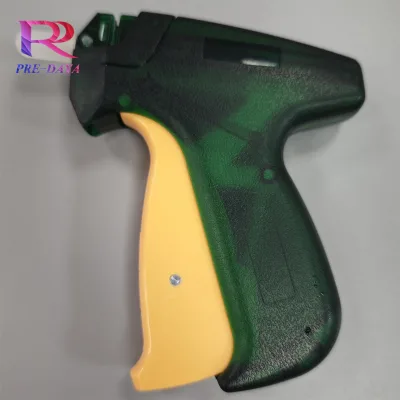
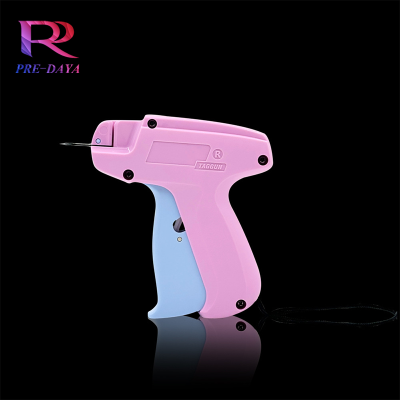
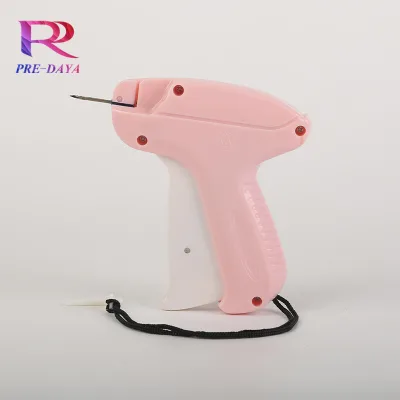
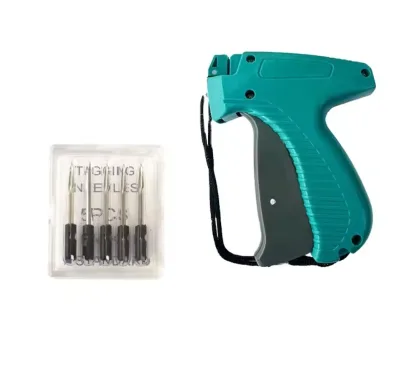
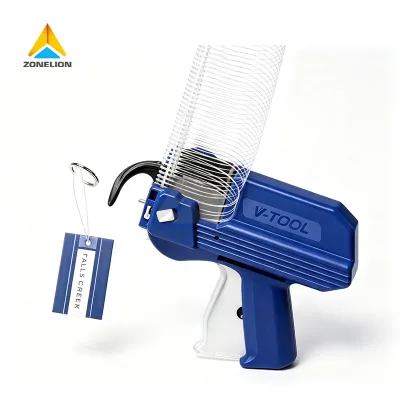
Most tagging guns are constructed from durable ABS plastic. The internal needles are made of steel for precision stitching. Some models feature green or pink and white color options. The material ensures longevity and reliable performance when attaching labels to garments, socks, and other textile products.
Are these tagging guns suitable for clothing accessories?
Yes, these tools are specifically designed for clothing accessories and textile applications. They are used for attaching hang tags to garments, socks, towels, and hats. The devices handle various fabric types effectively, making them essential equipment for apparel manufacturers and retailers managing inventory and labeling processes.
What certifications or inspections are provided?
Suppliers often provide machinery test reports and video outgoing inspections. Some companies hold SGS or TÜV Rheinland verification. These documents help buyers verify product quality and safety standards. Buyers should request these reports to ensure the tagging guns meet their specific operational and compliance requirements.
Can I customize the branding on these tools?
Yes, many suppliers offer OEM services for logo customization. Buyers can often add their brand name to the tagging guns. This service allows companies to maintain brand consistency across their packaging and tools. Buyers should contact the supplier directly to discuss customization options and any associated costs.
Where are these tagging guns manufactured?
These tagging guns are primarily manufactured in Hebei, China. The region is known for producing industrial machinery and textile accessories. Buyers sourcing from this location should consider shipping logistics and lead times. The origin is clearly stated in product specifications to help buyers assess supply chain reliability.