Resealable Moisture Proof Holographic Pouch Suppliers and Manufacturers
Source 32 verified suppliers for resealable moisture proof holographic pouches. Compare key dimensions including lead times, MOQs, and certifications like BRC and SGS. Review product specifications and request samples to verify quality and fit for your packaging needs; review the available evidence before requesting comparable quotations from suitable candidates.
Updated
Suppliers List
Linyi Guosheng Color Printing & Packing Co., Ltd.
- Manufacturer, Trading Company
- Shandong, China
- Lead time25 days
- Avg. response≤ 6h
Main productsPackaging Bag; Packaging Film,Printed film roll,all kinds flexible packaging,roll for auto machine
Main marketsDomestic Market(70.00%), North America(5.00%), Eastern Europe(4.00%), Africa(4.00%), Southeast Asia(4.00%), Southern Europe(3.00%), Western Europe(3.00%), Eastern Asia(3.00%), Oceania(3.00%)
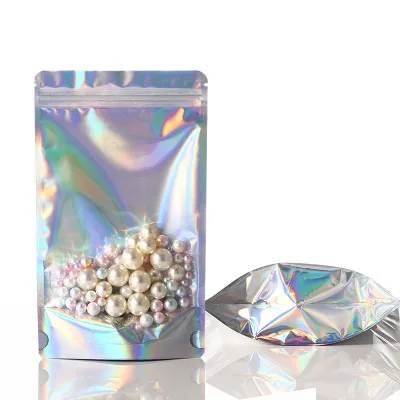
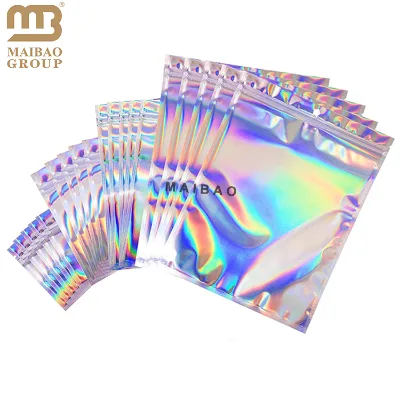
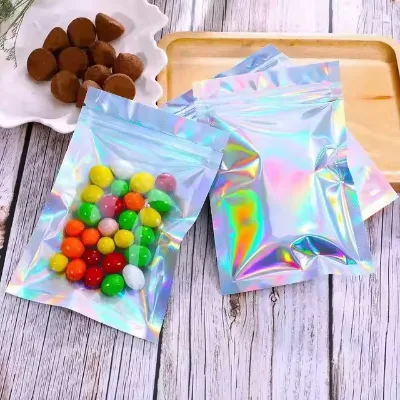
Holographic Packaging Bags Clear Foil Food Storage Bags Smell Proof Resealable Bags
$0.0205 - $0.0513
MOQ: 20000 pieces
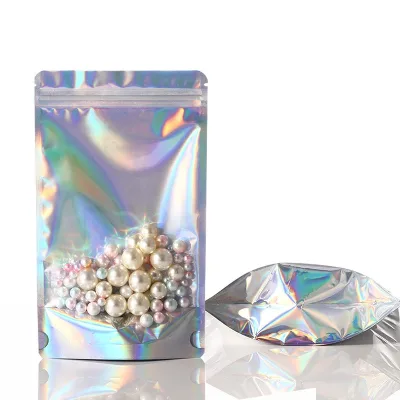
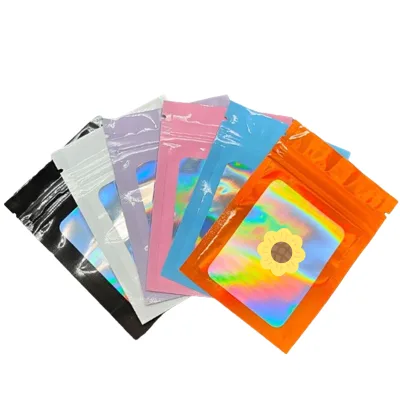
One Side Transparent Holographic Ziplock Packaging Small Zipper Lock Mylar Hologram Bags
$0.02 - $0.05
MOQ: 20000
Meisheng Packaging Shenzhen Co., Ltd.
- Manufacturer, Trading Company
- Lead time旺季: "100 - 1000000":35,"> 1000000":"To be negotiated", 淡季: "100 - 1000000":35,"> 1000000":"To be negotiated"
- Avg. response≤ 4h
Main productsFood Laminated Pouch, Zipper Stand-up Pouch, Side Gusseted Pouch, Three Side Seal Pouch, Roll Film

Shandong Lepu Digital Printing Co. Ltd
- Combined
- China Shandong
- Lead time30 days
- Avg. response≤ 11h
Main productsPlastic Packaging Bag Plastic Packaging Film
Main marketsSouth America,Africa,Southeast Asia/ Mideast,East Asia(Japan/ South Korea),Europe,Australia,North America

$0.01 - $0.12
MOQ: 500 Pieces

$0.01 - $0.10
MOQ: 100 Pieces

Custom Logo Smell Proof Resealable Transparent Holographic Candy Packaging Small Zip Lock Mylar Bags
$0.01 - $0.11
MOQ: 100 Pieces


Wholesale Transparent Stand up Pouch Holographic Bag Zip Lock Cosmetic Candy Make up Packaging Bag
$0.01 - $0.11
MOQ: 100 Pieces

Qingzhou Glory Packaging Material Co., Ltd.
- Verified by BV
- Trading Company
- China Shandong
- Lead time30 days
- Avg. response≤ 4h
Main productsAluminium Foil Paper, PE Coated Paper/Printing Paper, Food Packaging Bag, Paper Shopping Bag, Non Woven Bag, Plastic Shopping Bag, Other Packaging Bags
Main marketsAustralia
Hebei Xiong'an Yongsi New Material Technology Co., Ltd.
- Verified by Intertek
- Trading Company
- Lead time15 days
- Avg. response≤ 3h
Main productsPackaging Bags, Woven Bags, Plastic Film
Main marketsNorth America(40%), Western Europe(25%), Mid East(10%)

Shandong Deyu Tianhong New Material Technology Co., Ltd.
- Verified by TUVRHEINLAND
- Combined
- China Shandong
- Lead time15 days
- Avg. response≤ 11h
Main productsFood Packaging Bags, Aluminum Foil Laminated Paper, PE Coated Paper, Plastic Packaging Bags, Stand up Pouch Bags, Aluminum Foil Packing Bags, Plastic Roll Film, Medical Packaging Bags, Plastic Food Grade Packing Bag, Zipper Stand up Pouch
Main marketsEast Asia(Japan/ South Korea),Domestic,North America

Hebei Xiongan Plante Material Co., Ltd
- Verified by SGS
- Combined
- China Hebei
- Lead time15 days
- Avg. response≤ 4h
Main productsPackaging Bag, Cosmetic Packaging, Food Packaging, Custom Packaging, Doypack Bag, Coffee Packing Bag, Plastic Packaging, Product Packaging, Coffee Bag
Main marketsSoutheast Asia/ Mideast,Europe,North America

Holographic Ziplock Resealable Packing Pouch Smell Proof Flat Holographic Mylar
$0.05 - $0.12
MOQ: 500 Pieces


Custom Transparent Holographic Bag Resealable Zipper Plastic Mylar Holographic Bag
$0.01 - $0.04
MOQ: 500 Pieces

Custom Printed Resealable Mylar Ziplock Pouch Holographic Plastic Packaging
$0.01 - $0.04
MOQ: 500 Pieces


Custom Printed Stock Holographic Storage Bag with Zipper Resealable Seal
$0.03 - $0.17
MOQ: 500 Pieces
Shantou Chaoyang District Heping Jindesheng Stationery Factory
- Manufacturer, Trading Company
- Lead time旺季: "1 - 100":7,"101 - 10000":15,"> 10000":"To be negotiated", 淡季: "1 - 100":7,"101 - 10000":15,"> 10000":"To be negotiated"
- Avg. response≤ 7h
Main productsshipping mailer,bubble mailer,poly mailer,ziplock bag,mylar bag
Shenzhen Mexin Mylar Bag Co., Ltd.
- Verified by TüVRheinland
- Manufacturer, Trading Company
- Lead time12 days
- Avg. response≤ 4h
Main productsDie Cut Bag, Stand Up Pouch, Kraft Bags, Mylar Bags, Display Box
Main marketsNorth America(40%), South America(10%), Western Europe(10%)
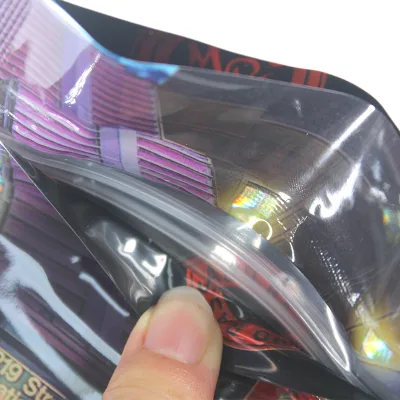
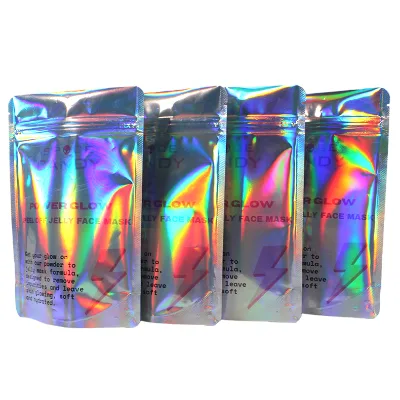
Jelly Face Mack Powder Stand up Pouch With Zip Holographic Packaging Bag
$0.02 - $0.10
MOQ: 1000 pieces

Dongguan Fuhehu Packaging Co., Ltd
- Verified by SGS
- Trading Company,Manufacturer/Factory
- China Guangdong
- Lead time15 days
- Avg. response≤ 25h
Main productsCoffee Bag, Stand up Pouch, Flat Bottom Pouch, Mylar Pouch, Quad Seal Bag, Aluminum Foil Bag, Spout Pouch, Vacuum Bag, Food Packaging Bag, Back Seal Bag
Main marketsSouth America,Eastern Europe,Mid East,North America,Southeast Asia,Eastern Asia,Oceania,Western Europe,Africa

Factory Price Custom Logo Smell Proof Holographic Packaging Bag Resealable Zipper Bag
$0.03 - $0.07
MOQ: 10000 Pieces

Custom Sizepackaging Zipper Three Side Sealed Holographic Pouch for Snacks Packaging
$0.05 - $0.07
MOQ: 10000 Pieces

Customize Three Side Sealed Holographic Pouch with Resealable Zipper for Candy Packaging
$0.05 - $0.07
MOQ: 10000 Pieces

Customize Resealable Zipper Oxidation-Resistance Holographic Packaging Bag Jewelry Packing Pouch
$0.04 - $0.07
MOQ: 10000 Pieces

Custom Printed Smell Proof Holographic Mylar Zipper Candy Packaging Bag
$0.05 - $0.07
MOQ: 10000 Pieces

Customize Flat Pouch with Zipper Plastic Packaging Holographic Pouch for Candy Packaging
$0.03 - $0.07
MOQ: 10000 Pieces

Fujian Kaian Packaging Technology Co., Ltd
- Verified by SGS
- Combined
- China Fujian
- Lead time15 days
- Avg. response≤ 4h
Main productsPackaging Film Roll, Stand up Pouch, Three-Side Seal Pouch, Spout Pouch, Fin Seal Pouch, Flat Bottom Pouch, Ziplock Pouch, Quad Pouch, Retort Pouch, Shaped Pouch
Main marketsDomestic

$0.02 - $0.03
MOQ: 30000 Pieces

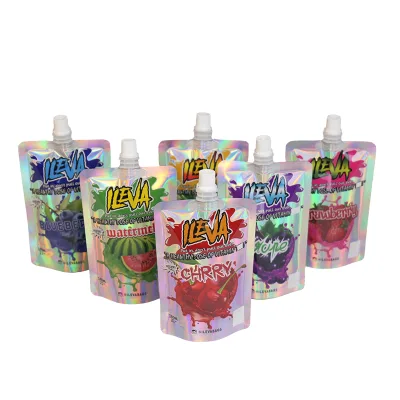
Holographic Printing Food Cosmetic Containers Plastic Packaging Liquid Bag Spout Pouch
$0.02 - $0.045
MOQ: 30000 Pieces

Dongguan Chenghua Industrial Co., Ltd.
- Verified by BV
- Manufacturer/Factory
- China Guangdong
- Lead time23 days
- Avg. response≤ 4h
Main productsZiplock Bag, Biodegradable Bag, Aluminum Bag, Doypack, Zipper Bag, Food Bag, OPP Bags, Plastic Bags, Poly Bags, Specimen Bags
Main marketsSouth America,Eastern Europe,Mid East,North America,Southeast Asia,Eastern Asia,Oceania,Western Europe,Africa
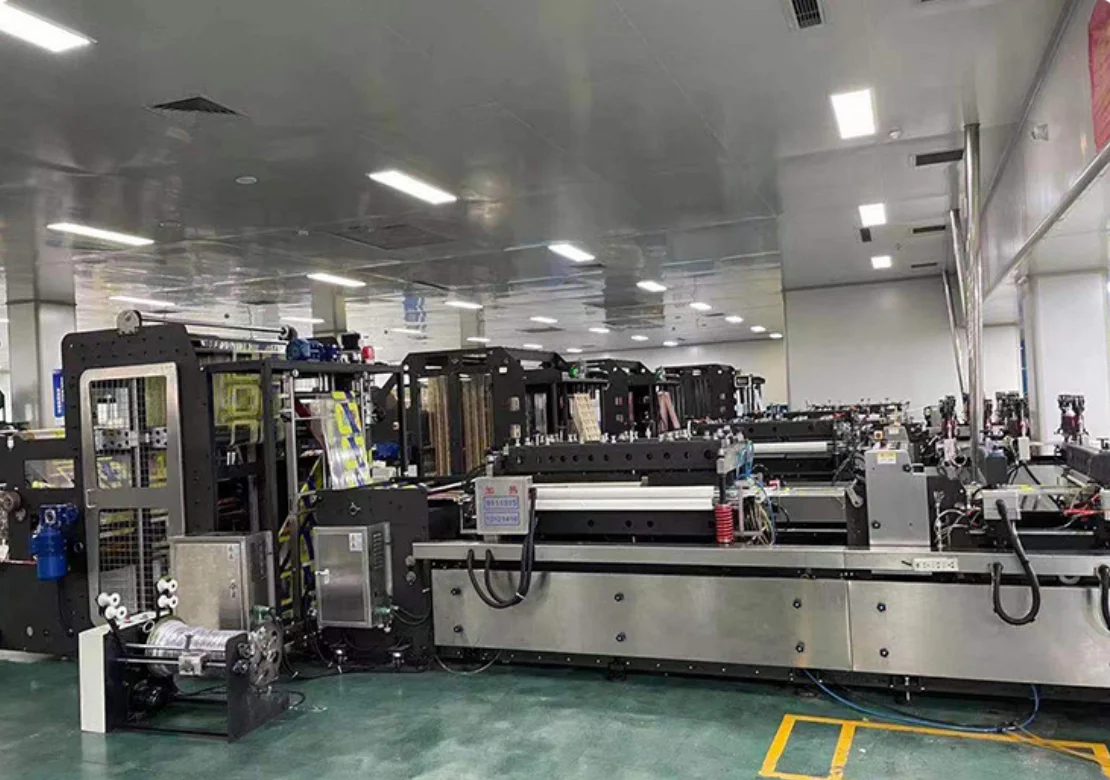
Ailisen Packaging (Shenzhen) Co., Ltd.
- Manufacturer
- Guangdong, China
- Lead time10 days
- Avg. response≤ 2h
Main productsCoffee Bags,Mylar Bags,Food Packaging Bags,Mailer Bags,Stand up pouch
Main marketsNorth America(40.00%), South America(20.00%), Northern Europe(9.00%), Southeast Asia(5.00%), Western Europe(5.00%), Eastern Asia(5.00%), Mid East(5.00%), Oceania(5.00%), Domestic Market(3.00%), South Asia(3.00%)

Shenzhen Yomi Packaging Co., Ltd.
- Verified by SGS
- Trading Company
- China Guangdong
- Lead time15 days
- Avg. response≤ 4h
Main productsChild Resistant Ziplock Bags, Smell Proof Bags, Mylar Packaging Bags
Main marketsSouth America,Africa,Southeast Asia/ Mideast,East Asia(Japan/ South Korea),Domestic,Europe,Australia,North America

Resealable Holographic Mylar Ziplock Bags with Zipper Reusable Durable Storage Packaging Pouch
$0.01 - $0.06
MOQ: 100 pieces

$0.02 - $0.09
MOQ: 200 pieces

Resealable Ziplock PE Plastic Bags Custom Print Holographic for Cookies Candy Bags
$0.01 - $0.06
MOQ: 100 pieces

Dongguan Changan Zhiye Printing Factory
- Verified by TüVRheinland
- Manufacturer, Trading Company
- Lead time5 days
- Avg. response≤ 5h
Main productsSelf Adhesive Stickers, Packaging Bags, Roll Film, Heat Shrink Film Sleeves Stickers
Main marketsDomestic Market(35%), North America(25%), South America(10%)
- Trading Company
- Zhejiang, China
- Lead time7 days
- Avg. response≤ 2h
Main productsPoly Mailer,Bubble Mailer,Plastic Bags,Ziplock Bag,Paper Cups
Main marketsNorth America(15.00%), Eastern Europe(10.00%), Oceania(10.00%), Eastern Asia(10.00%), Northern Europe(10.00%), South America(5.00%), Southeast Asia(5.00%), Africa(5.00%), Mid East(5.00%), Western Europe(5.00%), Central America(5.00%), Southern Europe(5.00%), South Asia(5.00%), Domestic Market(5.00%)
Bubu Hong Kong Company Limited
- Trading Company
- Hong Kong S.A.R.
- Lead time31 days
- Avg. response≤ 18h
Main productsCoffee bag,Food bag,Roll Film,Kraft Paper bag,Stand up pouch
Main marketsDomestic Market(10.00%), South Asia(10.00%), Northern Europe(10.00%), Central America(10.00%), Eastern Asia(10.00%), Mid East(10.00%), Africa(10.00%), Southeast Asia(10.00%), South America(10.00%), North America(10.00%)
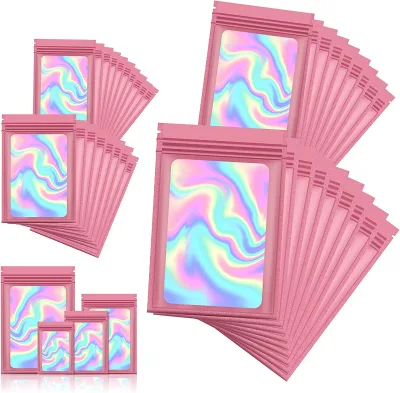
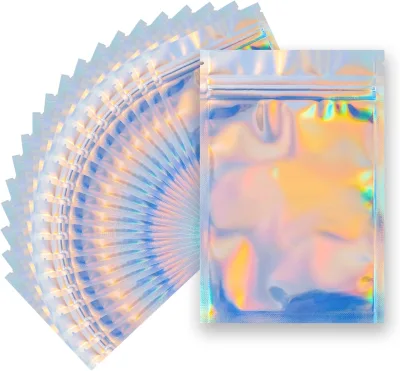
$0.10 - $0.13
MOQ: 200 pieces
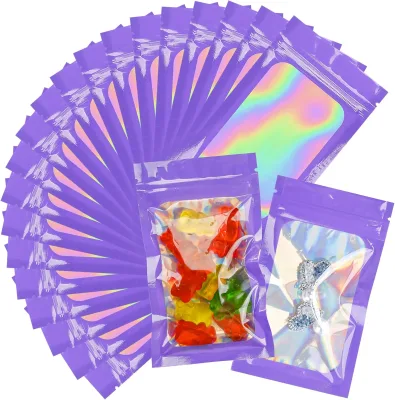
Shenzhen Rainbow Packaging Co., Ltd.
- Verified by TüVRheinland
- Manufacturer, Trading Company
- Lead time10 days
- Avg. response≤ 5h
Main productsDie Cut Bags, Plastic Stand Up Puches, Paper Bags, Labels, Paper Card & Box
Main marketsNorth America(60%), Western Europe(10%), Southeast Asia(5%)
Heyuan Boyue Color Printing Co., Ltd.
- Verified by SGS Group
- Manufacturer, Trading Company
- Lead time5 days
- Avg. response≤ 3h
Main productsAdhesive Label, Adhesive Stickers, Washi Tape, Paper Box, Stand Up Pouch
Main marketsNorth America(70%), Oceania(15%), Domestic Market(10%)
Shenzhen Katady Technology Co., Ltd.
- Trading Company
- Guangdong, China
- Lead time0 days
- Avg. response≤ 3h
Main productsPaper Box, Plastic Tube, Glass Tube, Grow Light, Herb Grinder
Main marketsNorth America(50.00%), Eastern Europe(20.00%), Southeast Asia(12.00%), South America(10.00%), Mid East(8.00%)

Shenzhen Jiayuanmei Packaging Co., Ltd
- Verified by TUVRHEINLAND
- Trading Company
- China Guangdong
- Lead time15 days
- Avg. response≤ 3h
Main productsGrinder Accessories, Pipe Accessories, Cone Accessories, Iron Tray Accessories, Ashtray Accessories, Grinder Set Accessories, Bag Accessories, Paper Accessories, Strorage Box Accessories, Cone Plastic Tube Accessories
Main marketsDomestic
Shenzhen Huachuaf Technology Co., Ltd.
- Manufacturer, Trading Company
- Lead time旺季: "1 - 100000":15,"> 100000":"To be negotiated", 淡季: "1 - 100000":15,"> 100000":"To be negotiated"
- Avg. response≤ 3h
Main productsPlastic Packaging Bag, Mylar Bag, Die-cut Bag, Stand Up Pouch, Paper Box
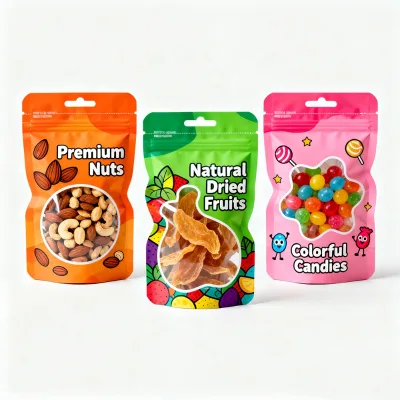
$0.0103 - $0.0925
MOQ: 500 Minimum
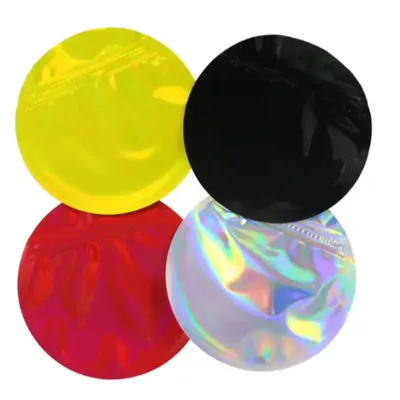

Anhui Avantis Packaging Technology Co., Ltd.
- Verified by CTI
- Trading Company
- China Anhui
- Lead time23 days
- Avg. response≤ 5h
Main productsGlass Bottle, Glass Container, Rolling Tray, Mylar Bag, Rolling Cone Tube, Plastic Joint Tubes, Glass Tube, Hinged Cap Vials, Child-Resistant Packaging, Sitz Bath
Main marketsSouth America,Africa,Southeast Asia/ Mideast,Europe,Australia,North America

Holographic Rainbow Color Resealable Smell Proof Zip Lock Mylar Custom Bags
$0.10 - $0.15
MOQ: 1000 Pieces


Shenzhen Summer Technology Limited
- Verified by SGS
- Trading Company,Manufacturer/Factory
- China Guangdong
- Lead time15 days
- Avg. response≤ 4h
Main productsZipper Mylar Bag, 1g 2g 3.5g 7g 14G 28g 1lb Mylar Bag, Ziplock Packaging Bag, Pre Roll Cones, Smoking Rolling Paper
Main marketsEastern Europe,Mid East,North America,Western Europe

Changyi Fukang Plastic Packaging Co., Ltd.
- Combined
- China Shandong
- Lead time15 days
- Avg. response≤ 7h
Main productsPoly Mailer Bag, Mailing Bag, Food Packaging, Plastic Packaging Bag
Main marketsSoutheast Asia/ Mideast,Europe,North America

Resealable Mylar Bag Holographic Food Packaging Bags with Designs Stand up Zip Lock Foil Pouch
$0.10 - $0.20
MOQ: 50000 Meters

Snack Food Smell Proof Pouch Holographic Bags Zipper Custom Printed Bag with Logo
$0.05 - $0.10
MOQ: 100000 Pieces
GALY Polybags Products (Shenzhen) Co., Ltd.
- Verified by TüVRheinland
- Manufacturer, Trading Company
- Guangdong, China
- Lead time15 days
- Avg. response≤ 9h
Main productsFood Packaging Bags, Plastic Packaging Bags, Kraft Paper Packaging Bags, Spout Pouches, Mylar Bags
Main marketsNorth America(35%), Mid East(15%), Southern Europe(13%)
Guangzhou Maibao Package Co., Ltd.
- Manufacturer, Trading Company
- Lead time旺季: "1 - 500000":15,"> 500000":"To be negotiated", 淡季: "1 - 500000":15,"> 500000":"To be negotiated"
- Avg. response≤ 8h
Main productsCoffee And Bakery Packaging, Fast Food Packaging, Food And Beverage Packaging, Eco-friendly Packaging, Luxury Packaging

Guangdong Shunfa Colour Printing Co., Ltd.
- Verified by BV
- Combined
- China Guangdong
- Lead time15 days
- Avg. response≤ 10h
Main productsPackaging&Printing, Kraft Paper Tote Bag, Vertical Zipper Bag, Food Packaging Film Roll, Valve Zipper Bag, PE Bag
Main marketsSoutheast Asia/ Mideast,North America

$0.02 - $0.05
MOQ: 5000 Pieces


$0.02 - $0.05
MOQ: 5000 Pieces

Custom Design Aluminum Foil Zip Lock Bag Holographic Packaging Bags Tea Packaging Stand up Pouch
$0.02 - $0.05
MOQ: 5000 Pieces

KATADY INTERNATIONAL CO., LIMITED
- Trading Company
- Hong Kong S.A.R.
- Lead time0 days
- Avg. response≤ 9h
Main productsDisplay Stand,Paper Box,Glass Tube,Plastic Tube,mylar bag
Main marketsNorthern Europe(25.00%), North America(25.00%), Southern Europe(20.00%), Western Europe(20.00%), Eastern Europe(10.00%)
Shenzhen Ipak Packaging Co., Ltd.
- Trading Company
- Guangdong, China
- Lead time15 days
- Avg. response≤ 2h
Main productsMylar Bag, Stan Up Pouch, Coffee Bag, Spout Pouch, Pet Food Bag
Main marketsNorth America(27.00%), Eastern Europe(21.00%), South America(10.00%), Oceania(10.00%), Western Europe(7.00%), Northern Europe(7.00%), Southeast Asia(7.00%), Southern Europe(3.00%), Eastern Asia(3.00%), Africa(3.00%), South Asia(2.00%)
Kingboone (Shenzhen) Technology Co., LTD.
- Manufacturer, Trading Company, Distributor/Wholesaler
- Guangdong, China
- Lead time3 days
- Avg. response≤ 5h
Main productsMylar Bags,Kraft Paper Bags,Food Bags,Paper Box,Stand Up Pouches
Main marketsNorth America(40.00%), Southeast Asia(15.00%), Western Europe(10.00%), Mid East(8.00%), Eastern Europe(6.00%), South Asia(5.00%), Northern Europe(5.00%), Southern Europe(4.00%), South America(3.00%), Eastern Asia(3.00%), Africa(1.00%)
Shenzhen Huachuaf Technology Co., Ltd.
- Trading Company
- Guangdong, China
- Lead time0 days
- Avg. response≤ 5h
Main productsPlastic Packaging Bag,Mylar Bag,Die-cut Bag,Candy Bag,Paper Box
Main marketsNorth America(75.00%), South America(5.00%), Southern Europe(3.00%), Northern Europe(3.00%), Western Europe(3.00%), Eastern Europe(3.00%), Central America(2.00%), South Asia(1.00%), Oceania(1.00%), Africa(1.00%), Mid East(1.00%), Southeast Asia(1.00%), Eastern Asia(1.00%)
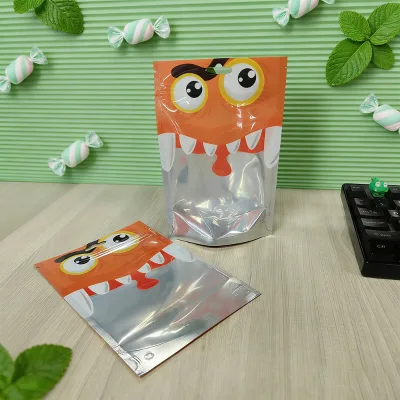
$0.0103 - $0.0924
MOQ: 500 Minimum
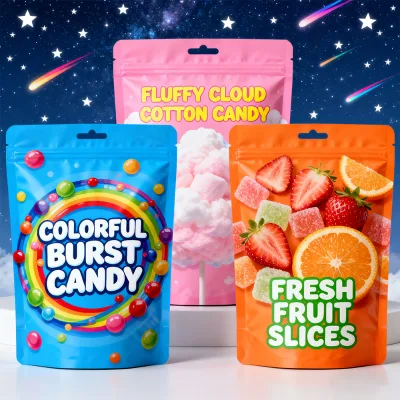
$0.0103 - $0.0924
MOQ: 500 Minimum








Comprehensive Sourcing Guide
Resealable Moisture Proof Holographic Pouch Supplier Concentration and Factory Types
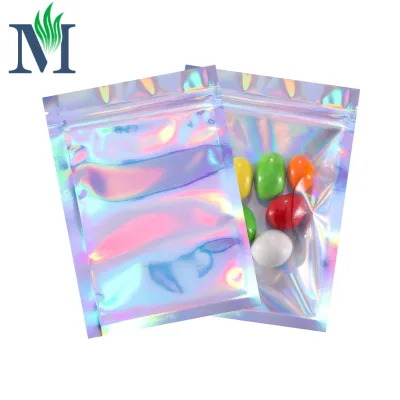
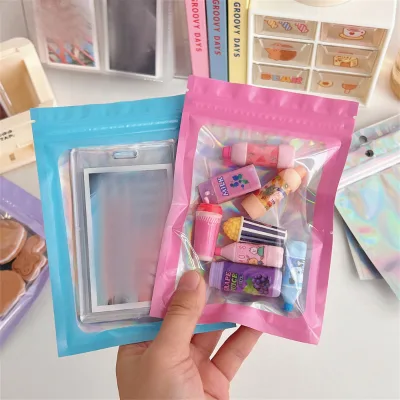
The current supplier landscape for resealable moisture proof holographic pouches reveals a distinct geographic concentration in Shandong, China, alongside operations in Guangdong. Suppliers in these regions are categorized as manufacturers, trading companies, or combined entities, indicating a mix of direct production capabilities and sourcing intermediaries. This structural diversity allows buyers to access a wide range of product specifications, from standard laminated materials to complex multi-layer structures. The presence of both manufacturer and trading company types suggests that buyers can choose between direct factory engagement for cost efficiency or trading partners for broader product variety and logistical support. Understanding this distribution is crucial for identifying suppliers who can meet specific volume and customization requirements.
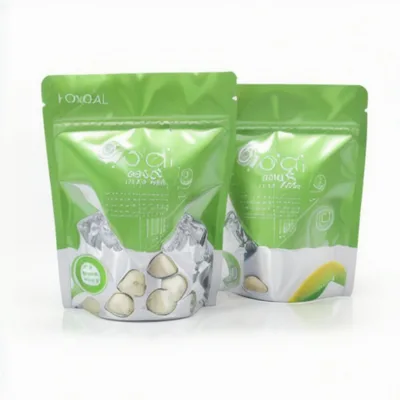
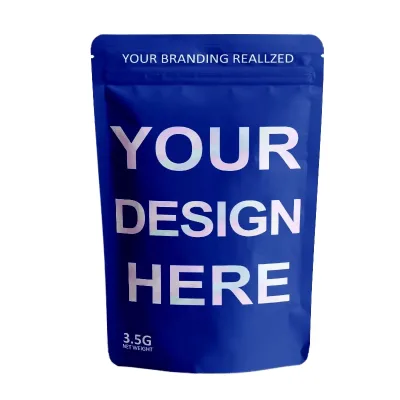
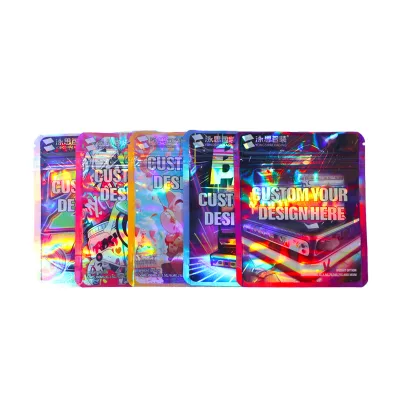
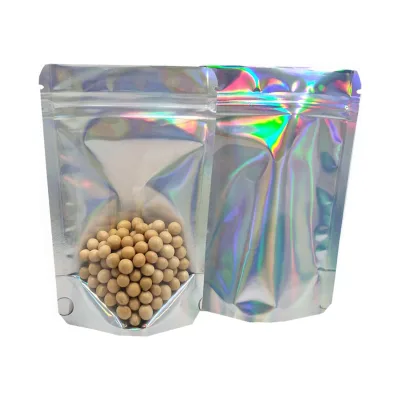
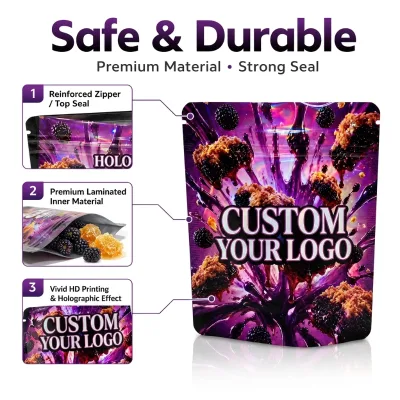
Product evidence highlights specific material structures such as PET/CPP and BOPP/VMPET/PE, which are essential for achieving the desired moisture proof and holographic effects. These materials are often used in stand-up pouches with zipper tops, catering to food-grade applications. The availability of custom order acceptance and logo services indicates that many suppliers are equipped to handle branded packaging needs. Buyers should note that while some suppliers offer OEM services, others may focus on standard designs. The variation in company types and material offerings underscores the importance of verifying the supplier’s actual production capacity and expertise in handling holographic films and laminated structures to ensure product quality and consistency.
How to Verify Resealable Moisture Proof Holographic Pouch Suppliers
Verifying suppliers requires a close examination of their response times and lead times, which serve as indicators of operational efficiency and reliability. Current data shows response times ranging from 4 to 10 hours, with some suppliers responding within 6 hours. This variability can impact the speed of quotation and communication, especially for urgent orders. Lead times also vary, with some suppliers offering a standard 25-day turnaround, while others specify 30 days or even 10-12 days for samples. Buyers should prioritize suppliers with consistent and transparent lead time policies, particularly during peak seasons where delays might occur. Confirming these timelines directly with the supplier is essential to align production schedules with market demands.
Certifications and quality standards are another critical verification point. Some suppliers list BRC and SGS certifications, which are valuable for ensuring food safety and quality management systems. Buyers should request copies of these certificates to verify their validity and scope. Additionally, checking for food-grade level attributes and features like smell proof capabilities is necessary for products intended for food storage. The presence of custom order acceptance and design services suggests a level of flexibility, but buyers must ensure that these services do not compromise quality. Verifying the supplier’s ability to provide samples and their sample availability policy is also recommended to assess product quality before committing to large orders.
What to Compare Across Resealable Moisture Proof Holographic Pouch Suppliers
When comparing suppliers, buyers should focus on key dimensions such as minimum order quantities (MOQ), pricing, and material specifications. MOQs in the current results range from 5,000 pieces to 20,000 pieces, which can significantly impact inventory management and cash flow for smaller buyers. Pricing also varies, with some suppliers offering rates as low as $0.02 per piece, while others charge around $0.10 per piece. These price differences may reflect variations in material quality, printing complexity, or order volume. Buyers should request detailed quotes that break down costs by material, printing, and packaging to understand the value proposition of each supplier. Comparing these metrics side-by-side helps in identifying the most cost-effective option that meets quality standards.
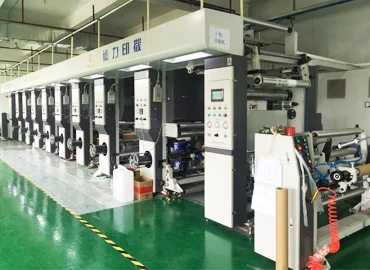
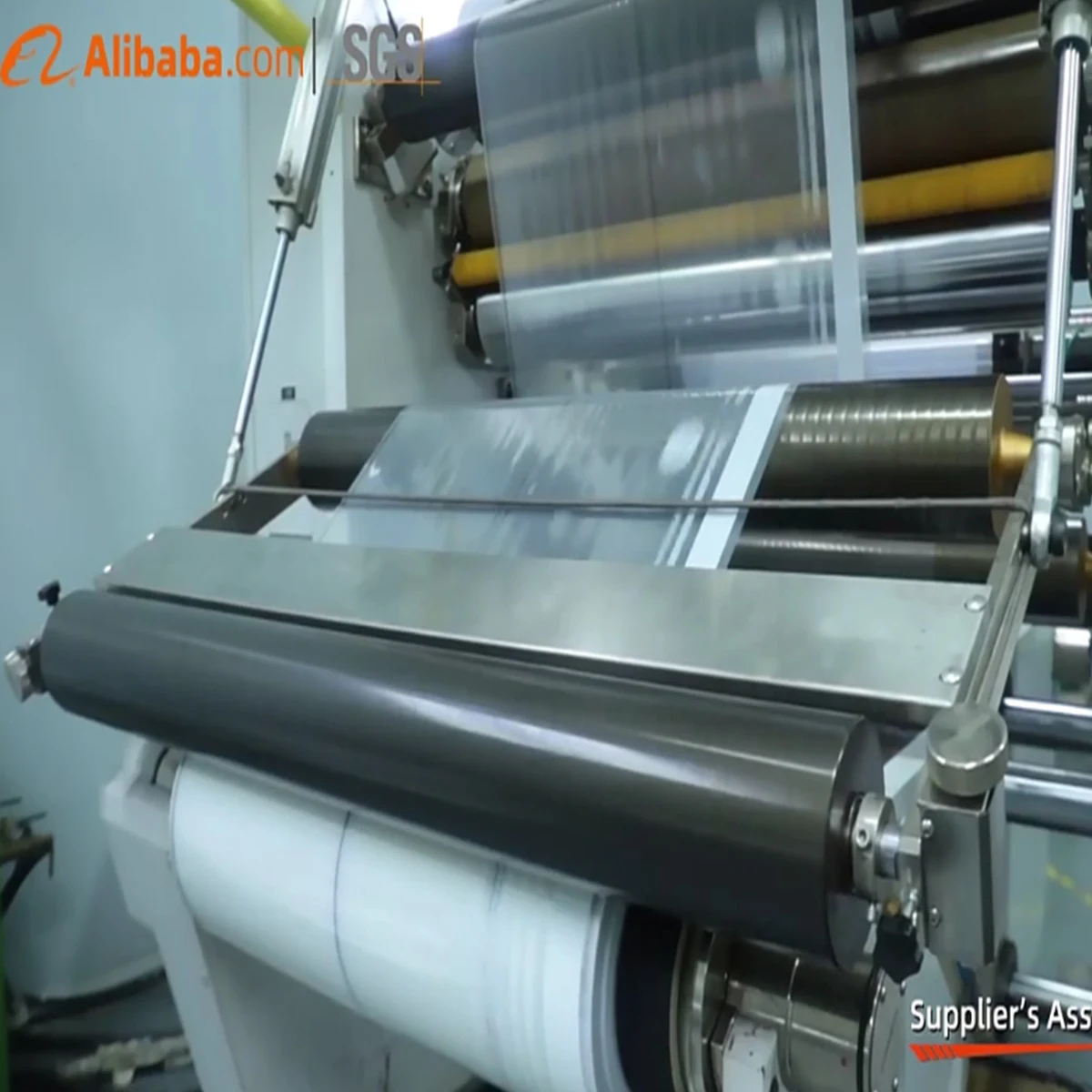
Material structure and printing methods are also critical comparison points. Suppliers offer various material structures, including PET/CPP and BOPP/VMPET/PE, each with different barrier properties and aesthetic finishes. Printing methods range from gravure to digital printing, affecting the quality and durability of the holographic design. Buyers should specify their preferred material and printing method in their inquiries to receive accurate comparisons. Additionally, considering the supplier’s main products and capacity for OEM/ODM services can provide insight into their specialization and flexibility. Suppliers with a strong focus on plastic packaging and film may offer more competitive pricing and better quality control for holographic pouches.
Common Resealable Moisture Proof Holographic Pouch Sourcing Risks
One significant risk in sourcing holographic pouches is the potential inconsistency in material quality and barrier properties. While suppliers claim food-grade and smell proof features, the actual performance can vary based on the specific material structure and manufacturing process. Buyers must ensure that the selected material, such as PET/CPP or BOPP/VMPET/PE, meets their specific storage requirements for moisture and odor protection. Failure to verify these properties can lead to product spoilage and customer dissatisfaction. Additionally, the complexity of holographic printing can introduce risks related to design accuracy and color consistency. Buyers should request physical samples to assess the quality of the holographic effect and the durability of the print under various conditions.
Another risk is the variability in lead times and response speeds, which can disrupt supply chain planning. Suppliers with longer lead times or slower response rates may struggle to meet urgent deadlines, especially during peak seasons. Buyers should establish clear communication channels and confirm lead time commitments in writing. There is also a risk associated with custom order acceptance, where suppliers may not fully understand or execute complex design requirements. Buyers should provide detailed specifications and artwork files to minimize errors. Furthermore, relying on suppliers with limited certifications or quality control measures can expose buyers to compliance issues. Verifying certifications and quality management systems is essential to mitigate these risks and ensure product safety and regulatory compliance.
Resealable Moisture Proof Holographic Pouch Regional Sourcing and Logistics
Sourcing from suppliers in Shandong and Guangdong offers logistical advantages due to the established manufacturing clusters in these regions. Shandong is known for its plastic packaging industry, providing access to a wide range of materials and production capabilities. Guangdong, on the other hand, is a hub for high-tech manufacturing and export-oriented businesses, often offering faster response times and advanced printing technologies. Buyers should consider the proximity of the supplier to major ports to reduce shipping costs and transit times. Understanding the regional strengths of each location can help in selecting suppliers that align with specific project requirements, such as cost efficiency or speed.
Logistics planning should also account for the packaging and handling of holographic pouches, which can be sensitive to damage. Suppliers typically provide single package sizes and gross weights, which are essential for calculating shipping volumes and costs. Buyers should verify the packaging methods used by suppliers to ensure that the products are protected during transit. Additionally, considering the supplier’s experience with international shipping and documentation can streamline the import process. Buyers should inquire about the supplier’s ability to handle export documentation and comply with international shipping regulations. Proper logistics planning can minimize delays and ensure that products arrive in good condition, ready for distribution.
Resealable Moisture Proof Holographic Pouch Commercial Terms and Order Planning
Commercial terms such as payment methods, sample policies, and warranty conditions are critical for successful order planning. Buyers should clarify the supplier’s sample policy, including whether samples are free of charge and the cost of shipping. Some suppliers offer free samples, which can be valuable for quality assessment, while others may charge a fee. Understanding these terms helps in budgeting for the sampling phase of the procurement process. Additionally, buyers should negotiate clear payment terms, such as deposit and balance payments, to manage cash flow effectively. Confirming the supplier’s return or refund policy for defective products is also essential to mitigate financial risks.
Order planning should consider the supplier’s capacity and scalability to handle large volumes. Suppliers with established OEM/ODM capabilities and own brands may have more robust production lines and quality control systems. Buyers should discuss their projected order volumes with suppliers to ensure that the supplier can meet demand without compromising quality. Lead time negotiations should be based on realistic production schedules, accounting for potential delays during peak seasons. Buyers should also plan for inventory management, considering the MOQ and storage requirements for holographic pouches. Effective order planning involves aligning production schedules with market demand, ensuring timely delivery and minimizing stockouts or excess inventory.
FAQs
What is the typical MOQ for resealable moisture proof holographic pouches?
MOQs commonly range from 5,000 to 20,000 pieces depending on the supplier and pouch construction. Holographic foil pouches with zippers are often quoted at 5,000 pieces, while laminated stand-up pouches may start at 20,000 pieces. Always confirm the MOQ for your specific size, material structure, and printing requirements before requesting a formal quotation.
Which material structures are used for these holographic pouches?
Common laminated structures include PET/CPP, BOPP/VMPET/PE, and holographic foil laminated with PE. Each combination offers a different balance of barrier performance, seal strength, and surface appearance. For food use, confirm that the inner layer is food grade and request the material specification sheet. Thicknesses around 0.1 to 0.12 millimeters are typical for stand-up pouch formats.
What lead times should buyers expect for custom printed pouches?
Listed lead times range from roughly 10 to 30 days, with some suppliers reporting 10-12 days for smaller custom runs and around 25 to 30 days for larger orders. Peak season can extend production schedules, so confirm current capacity before committing to a delivery date. Add shipping time to the production lead time when planning your inventory cycle.
Can holographic pouches be custom printed with a brand logo?
Yes, custom printing is widely available, typically through gravure printing for larger runs or digital printing for shorter runs and samples. Gravure requires printing plates, which affects cost and setup time, while digital avoids plate charges. Confirm minimum quantities for your chosen printing method and request a pre-production sample to verify artwork placement and color accuracy.
Which certifications should I verify before ordering food-grade pouches?
Ask for BRC and SGS certification documentation, which some suppliers list for child-resistant packaging pouches, and confirm food-grade material compliance for the specific structure quoted. Certificates should match the exact material and factory producing your order, not just a company profile. Request recent test reports covering the laminated film and verify any expiration or audit dates before placing payment.
Where are most suppliers of these pouches located in China?
Shandong and Guangdong are the provinces most frequently listed for holographic and laminated packaging pouches. Shandong suppliers often focus on flexible packaging films and stand-up pouches, while Guangdong suppliers list mylar and holographic foil bags. Location affects shipping ports and freight cost, so compare suppliers in both regions when calculating landed cost for your market.
How quickly do suppliers typically respond to sourcing inquiries?
Response times observed in current listings range from about 4 to 10 hours, so a reply within one business day is a reasonable expectation. Faster responders are easier to work with during sampling and production stages. Send a detailed inquiry covering size, material, quantity, and artwork, then compare which suppliers respond fastest with complete, specific answers rather than generic replies.