Precision Aluminum CNC Mill Machine Suppliers and Manufacturers
Find 19 verified suppliers offering Precision Aluminum CNC Mill Machine options with varying lead times, response speeds, and certifications. Compare ISO9001:2015 verified factories in China Shandong and Guangdong to source economical CNC milling centers with customizable features; review the available evidence before requesting comparable quotations from suitable candidates.
Updated
Suppliers List

Zaozhuang Wojie CNC Machinery Co., Ltd.
- Verified by SGS
- Combined
- China Shandong
- Lead time23 days
- Avg. response≤ 1h
Main productsCNC Lathe, CNC Machining Center, CNC Milling Machine, Press Brake, Milling Machine, Lathe, CNC Turning Center, Drilling Machine, Sawing Machine
Main marketsSouth America,Africa,Southeast Asia/ Mideast,East Asia(Japan/ South Korea),Domestic,Europe,Australia,North America

Yicun Technology (Dongguan) Co., Ltd
- Verified by TUVRHEINLAND
- Combined
- China Guangdong
- Lead time15 days
- Avg. response≤ 4h
Main productsPrecision Hardware and Equipment Industry, Mold Component, CNC Machining Parts for Camera, OEM Aluminum Custom Milling Turning CNC Machinin, Aluminum Part, Acrylic Sheet Parts, CNC Machining of Metal Parts
Main marketsDomestic
Huizhou Jiyan Hardware Co., Ltd.
- Manufacturer, Trading Company
- Lead time旺季: "1 - 1000":31,"> 1000":"To be negotiated", 淡季: "1 - 1000":31,"> 1000":"To be negotiated"
- Avg. response≤ 3h
Main productsShaft, CNC Turning Parts, CNC Milling Parts, Automatic Parts, Stamping Parts
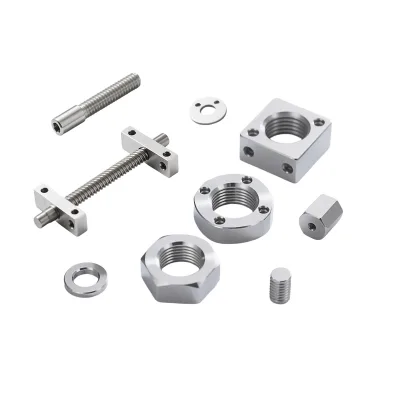
Table CNC Mill Machine for Compact Prototyping and Precision Aluminum Machining
$0.10 - $1.99
MOQ: 1 Minimum
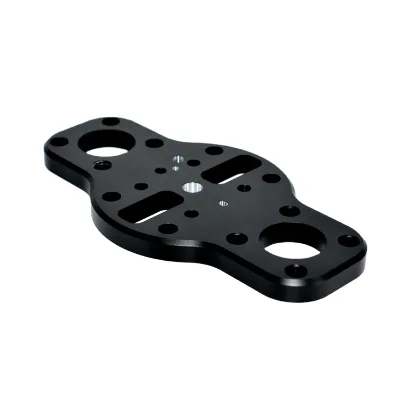
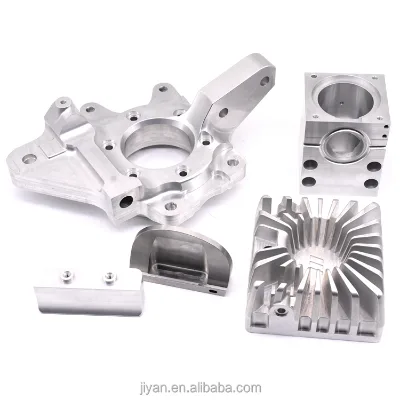
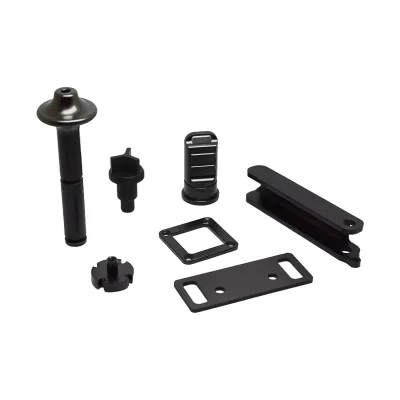
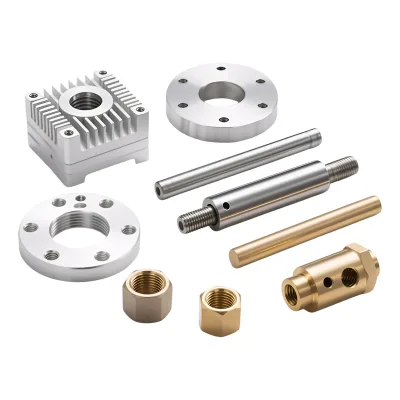
$0.10 - $0.29
MOQ: 1 Minimum

Jinan Seth Intelligent Equipment Co., Ltd.
- Verified by SGS
- Trading Company,Manufacturer/Factory
- China Shandong
- Lead time0 days
- Avg. response≤ 8h
Main productsAluminum Cutting Machine, Window Machine, Aluminum Window Machine, UPVC Window Machine, Window and Door Making Machine, Double Head Cutting Saw, Corner Crimping Machine for Aluminum Profile, Aluminum Window Punching Machine, CNC Milling Machine, Seamless Welding Machine


End Milling Machine Mullion Processing Machine Aluminum CNC 5 Axis Milling Machine
$9600.00 - $12000.00
MOQ: 1 Pieces

Guangdong Taizheng Intelligent Equipment Co., LTD
- Verified by SGS
- Manufacturer/Factory
- China Guangdong
- Lead time45 days
- Avg. response≤ 2h
Main productsMachinery, CNC Lathe, Machining Center, 5 Axis CNC Machine, Drilling Machine, Milling Maching, Swiss Type CNC Lathe, CNC Lathe Machine, CNC Turning Center, Slant Bed CNC Lathe
Main marketsSouth America,Eastern Europe,Mid East,North America,Southeast Asia,Eastern Asia,Oceania,Western Europe,Africa

High Precision Machining Center Industrial CNC Milling Machine for Metal Aluminum
$50000.00 - $80000.00
MOQ: 1 Pieces

Precision CNC Milling Machine for Efficient Metalworking Solutions
$50000.00 - $80000.00
MOQ: 1 Pieces

Aluminum Custom Metal CNC Machining Milling 3-Axis High Speed CNC Milling Machine
$50000.00 - $80000.00
MOQ: 1 Pieces

High-Precision CNC Milling Machine for Metal Manufacturing Excellence
$50000.00 - $80000.00
MOQ: 1 Pieces


Advanced Precision CNC Milling Machine with Superior Metalworking Features
$50000.00 - $80000.00
MOQ: 1 Pieces

Shandong JMD Import & Export Trade Co., Ltd.
- Verified by SGS
- Combined
- China Shandong
- Lead time30 days
- Avg. response≤ 11h
Main productsAluminum Window and Door Machine, Aluminum Window Corner Connector Saw, Automatic Aluminum Profile Cutting Center, Aluminum Window Double Miter Saw, Aluminum Profile Punching Machine, Aluminum Window End Milling Machine, Aluminum Window CNC Copy Router, Aluminum Window CNC Milling Machine, Aluminum Window Copy Router, Aluminum Window Corner Crimping Machine
Main marketsAfrica,Others(foreignTradeCapacity.exportBusinessCapacityMarketOther),Southeast Asia/ Mideast,Europe,North America

Yuchen power transmission limited
- Verified by SGS
- Combined
- China Zhejiang
- Lead time30 days
- Avg. response≤ 5h
Main productsBelt Pulley, Shaft Collars, Gear Rack, Sprocket, Transmission Chain, Conveyor Chain, Bevel Gear, Roller Chain, CNC Machining, Metal Parts
Main marketsEurope,North America

Suzhou Longkai Electromechanical Technology Co., Ltd.
- Manufacturer/Factory
- China Jiangsu
- Lead time15 days
- Avg. response≤ 6h
Main productsWire Cut, EDM Drill Machine, Turret Milling Machine, Drilling and Milling Machine, Vmc, Machining Centre, CNC Engraving and Milling Machine
Main marketsEastern Europe,Mid East,North America,Eastern Asia

Fujian RBT Intelligent Equipment Co., Ltd.
- Verified by BV
- Combined
- China Fujian
- Lead time60 days
- Avg. response≤ 4h
Main productsLuggage Making Machine, Five Axis CNC Machining Center, Vacuum Forming Machine, Five Axis CNC Machine, Luggage CNC Cutting Machine, Five Axis CNC Milling Machine, Luggage Extruding Machine, Faucet Making Machine, Five Axis CNC Router
Main marketsAfrica,Southeast Asia/ Mideast,Europe,North America
Jiangsu Minnuo Group Co., Ltd.
- Verified by TüVRheinland
- Manufacturer, Trading Company
- Lead time30 days
- Avg. response≤ 1h
Main productsGas Liquid Separation And Purification Equipment, Gas Compressor, Gas Cylinder, Machine Tool Equipment, Machining Center
Main marketsMid East(16%), Domestic Market(15%), South Asia(9%)
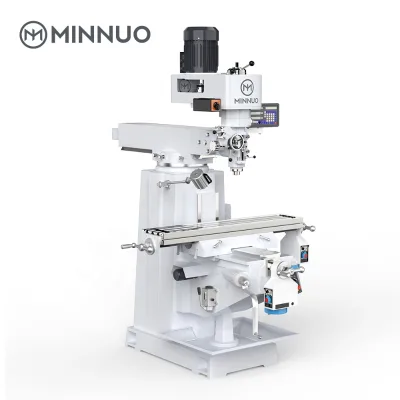
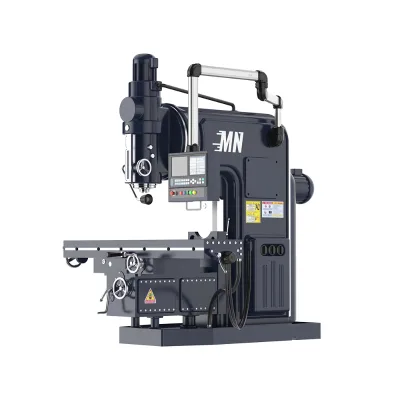
Mature Technology Cnc Mill Made in China at Cheap Price
$11500.00 - $13000.00
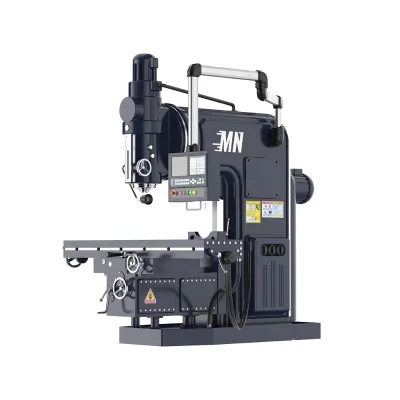
Direct Sales Low Noise Cnc Milling Machine Cost with Fast Delivery
$12088.6705 - $13665.4536
MOQ: 1 pieces

Zhejiang Haochen Smart Equipment Co., Ltd.
- Verified by BV
- Manufacturer/Factory
- China Zhejiang
- Lead time0 days
- Avg. response≤ 6h
Main productsAuto-Matic Machine Tool, CNC Machine, CNC Transfer Machine, Valve Machine, Auto Part Making Machine

High Efficiency Precision Lathe Machine High Precision CNC Milling Machine
$20000.00 - $40000.00
MOQ: 1 Pieces

CNC Machinery Tools Milling Machine Metal Cutting CNC Lathe Machine
$20000.00 - $40000.00
MOQ: 1 Pieces

Guangdong Cennetic Intelligent Equipment Co., Ltd.
- Verified by CTI
- Manufacturer/Factory
- China Guangdong
- Lead time23 days
- Avg. response≤ 6h
Main productsCNC Machine, CNC Milling Machine, Vertical Machining Center, 5axis CNC Machine, CNC Lathe, CNC Machine Tool
Main marketsEastern Europe,Mid East,Southeast Asia,Western Europe,Africa


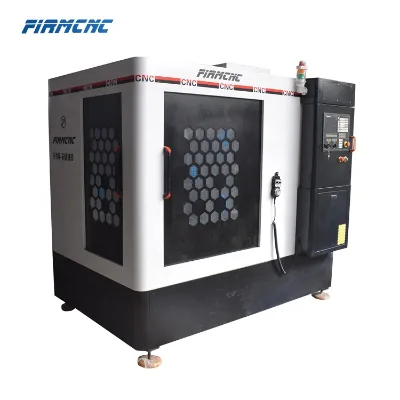
High Speed CNC Milling Machine for Aluminum and Non-Ferrous Metal Machining
$34800.00 - $39000.00
MOQ: 1 Pieces
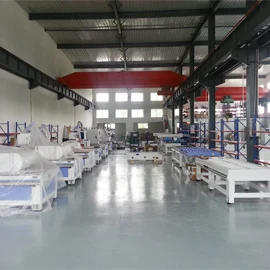
Jinan Frimcnc Equipment Co., Ltd.
- Trading Company
- Shandong, China
- Lead time15 days
- Avg. response≤ 2h
Main productsCNC Router,Laser Machine,CNC Wood Lathe,CNC Metal Mould Machine,Fiber Laser Cutting Machine
Main marketsAfrica(15.00%), North America(15.00%), Mid East(10.00%), South America(10.00%), Southeast Asia(10.00%), Domestic Market(10.00%), Eastern Europe(5.00%), South Asia(5.00%), Northern Europe(5.00%), Central America(5.00%), Western Europe(5.00%), Eastern Asia(5.00%)

Luoyang Yujie Industry&Trade Co., Ltd.
- Verified by BV
- Combined
- China Henan
- Lead time60 days
- Avg. response≤ 2h
Main productsCNC Milling Machine, CNC Boring Machine, CNC Machining Center, Gantry Milling Machine, Gantry Machining Center, Horizontal Boring Machine, Vertical Milling Machine, CNC Lathe, Non-Standard Machinery Parts, Bearing
Main marketsSouth America,Southeast Asia/ Mideast,Europe,North America


High Precision Multi-Axis CNC Milling Machine for Metal Processing
$80000.00 - $85000.00
MOQ: 1 Pieces


User-Friendly CNC Milling Machine for Efficient Metal Processing
$155000.00 - $170000.00
MOQ: 1 Pieces

Dalian Haidi Machinery Co., Ltd.
- Verified by BV
- Trading Company
- China Liaoning
- Lead time30 days
- Avg. response≤ 6h
Main productsVertical Lathe, CNC Vertical Lathe, Slant Bed CNC Lathe, Pipe Threading Lathe, Gear Hobbing Machine, Spherical Turning Lathe, Machine Center, Gear Shaping Machine, 5 Axis Machining Ceter, Manual Lathe
Main marketsSouth America,Domestic
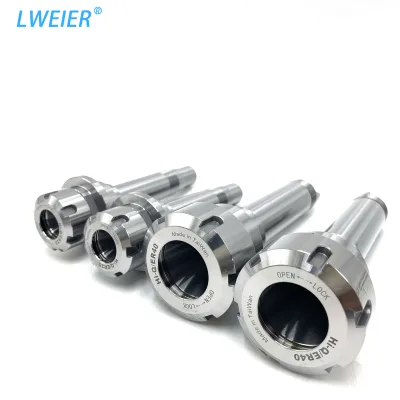
Shandong Weier Cnc Machine Tool Accessories Co., Ltd.
- Verified by SGS Group
- Manufacturer, Trading Company
- Lead time0 days
- Avg. response≤ 4h
Main productsBMT Power Head Spindle, Angle Head, CNC Tool Holder, Collet, Top CNC
Main marketsNorth America(30%), South Asia(20%), South America(10%)

Tengzhou Allway Machinery Co., Ltd
- Trading Company,Manufacturer/Factory
- China Shandong
- Lead time0 days
- Avg. response≤ 20h
Main productsMachine Tools, Lathe Machine, Milling Machine, Drilling Machine, Sawing Machine, CNC Machine

Shenzhen Guanhong Technology Co., Ltd.
- Verified by BV
- Combined
- China Guangdong
- Lead time23 days
- Avg. response≤ 3h
Main productsMini Lathe Machine, CNC Machine, CNC Milling Machine, Small Turn-Mill Machine, CNC Lathe Machine, CNC Machining, CNC Machinery, Metal Processing Machinery, Metal Processing Machinery Parts, CNC Controller
Main marketsSouth America,Southeast Asia/ Mideast,Europe

CNC Milling Machine Engraving Machine Metal Processing High Quality CNC Machine
$21169.00
MOQ: 1 Pieces


Zhejiang Kaida Machine Tool Co., Ltd.
- Verified by BV
- Combined
- China Zhejiang
- Lead time45 days
- Avg. response≤ 2h
Main productsLathe, Lathe Machine, CNC Lathe, CNC Machine, CNC Lathe Machine, Manual Lathe, Vertical Machining Center, CNC Milling Machine, CNC Machine Tools, CNC Gantry Machine
Main marketsSouth America,Africa,Southeast Asia/ Mideast,East Asia(Japan/ South Korea),Europe,Australia,North America






Comprehensive Sourcing Guide
Precision Aluminum CNC Mill Machine Supplier Concentration and Factory Types
The current supplier pool for precision aluminum CNC mill machines shows a distinct concentration in China, specifically within the Shandong and Guangdong provinces. Shandong-based entities often list a combined company type, offering a broad range of equipment including CNC lathes, milling centers, and press brakes alongside their primary aluminum machining solutions. These suppliers frequently highlight capabilities in ODM, OEM, and own-brand production, indicating a mature manufacturing ecosystem capable of handling both standard and customized orders. The presence of multiple product lines suggests these factories are equipped to manage complex supply chains for industrial machinery, ensuring that buyers can source complete machining solutions rather than isolated components.
In contrast, suppliers located in Guangdong often focus on precision hardware and equipment industries, with specific expertise in mold components and custom aluminum parts for cameras and other high-tech applications. These entities typically operate as specialized manufacturers rather than general traders, emphasizing their ability to handle batch production with strict adherence to international standards like ASME, TEMA, and JIS codes. The distinction between these regional clusters is vital for buyers, as Shandong suppliers may offer broader machine tool inventory while Guangdong partners might provide deeper specialization in high-tolerance aluminum processing. Buyers should verify the specific factory type and main product focus to ensure alignment with their production needs, as the "combined" nature of some suppliers implies a wider but potentially less specialized scope compared to dedicated precision hardware firms.
How to Verify Precision Aluminum CNC Mill Machine Suppliers
Verification of suppliers in this category relies heavily on third-party audit results and system certifications that confirm operational integrity. Many current listings display SGS verification status, providing a baseline level of trust regarding the supplier's business legitimacy and operational history. Additionally, system certifications such as ISO9001:2015 are frequently cited, serving as a critical indicator that the supplier maintains a documented quality management system essential for producing high-precision aluminum components. Buyers must treat these certifications as mandatory prerequisites rather than optional bonuses, as they directly correlate with the consistency and reliability of the final machined products. The presence of these credentials suggests a structured approach to quality control that is necessary for maintaining tight tolerances in aluminum milling operations.
Beyond static certifications, real-time engagement metrics offer another layer of verification for potential partners. Response times vary significantly across the supplier base, with some entities demonstrating rapid communication capabilities measured in fractions of a day, while others may take several days to reply. This variance can indicate the size of the sales team, the efficiency of their internal processes, or their current workload capacity. A supplier with a response time under one day is often better positioned to handle urgent inquiries and technical clarifications required during the design phase of a custom aluminum project. Buyers should prioritize suppliers who demonstrate both robust third-party verification and responsive communication channels, as these factors combined reduce the risk of miscommunication and project delays during the sourcing process.
What to Compare Across Precision Aluminum CNC Mill Machine Suppliers
When evaluating potential partners, buyers must compare specific operational metrics such as lead times, minimum order quantities, and production capacities to determine the best fit for their project scale. Lead times in the current market range from approximately fifteen to twenty-three days, reflecting differences in factory scheduling, material availability, and shipping logistics. A shorter lead time of fifteen days might be available from suppliers in Guangdong focusing on batch production, whereas those in Shandong with broader machine tool inventories might require twenty-three days. Understanding these variations allows buyers to align their procurement schedules with their production timelines, ensuring that critical components arrive when needed without causing bottlenecks in the manufacturing line.
Minimum order quantities and customization capabilities also serve as key differentiators among suppliers. While some suppliers offer a minimum order quantity of just one piece, enabling small-batch testing or prototyping, others may have higher thresholds that suit large-scale industrial deployment. Customization options, such as adjustable spindle speeds, worktable sizes, and control systems like GSK, Siemens, or Fanuc, vary by manufacturer and directly impact the machine's suitability for specific aluminum processing tasks. Buyers should scrutinize these attributes to ensure the selected supplier can meet their exact technical requirements, particularly regarding control system compatibility and physical dimensions. Comparing these specific data points ensures that the chosen supplier can deliver a machine that integrates seamlessly into existing workflows without requiring extensive modifications.
Common Precision Aluminum CNC Mill Machine Sourcing Risks
One significant risk in sourcing precision aluminum CNC mill machines involves the potential mismatch between advertised specifications and actual performance capabilities. Product attributes often list a wide range of spindle speeds, such as 8000 to 12000 RPM, and various control systems, but buyers must verify if these specifications apply to the specific model being ordered. There is a risk that a supplier might quote a high-end configuration while delivering a standard version, particularly when customization is marked as available but not explicitly detailed in the initial quote. This discrepancy can lead to production inefficiencies if the machine cannot handle the required aluminum cutting speeds or precision tolerances, necessitating costly retrofits or replacements.
Another critical risk relates to the variability in material standards and certification claims across different suppliers. While some listings explicitly mention compliance with standards like ISO CE, RoHS, or specific industry codes, others may lack clear documentation regarding the materials used in the machine's construction, such as the grade of iron or aluminum alloys. The absence of detailed material specifications can result in machines that degrade faster under heavy use or fail to meet safety regulations in the buyer's region. Buyers must demand explicit confirmation of material grades and certification validity before finalizing an order, as relying on general claims without supporting documentation can lead to equipment failure and non-compliance issues that disrupt operations.
Precision Aluminum CNC Mill Machine Regional Sourcing and Logistics
Sourcing from China involves navigating distinct regional logistics profiles that impact shipping costs and delivery reliability. Suppliers in Shandong and Guangdong, the primary manufacturing hubs identified, utilize different port infrastructures and shipping routes that affect transit times and freight charges. Buyers should anticipate that machines originating from these regions will require careful packaging, often utilizing plywood boxes and metal pallets to prevent damage during long-distance transport. The physical dimensions of the machines, which can exceed three meters in length, necessitate specialized shipping arrangements that may involve container loading optimization or even break-bulk shipping for larger units.
Logistics planning must also account for the specific origin details provided in product attributes, such as the distinction between Dongguan and other cities within the Guangdong province. These location nuances can influence the final delivery timeline and the complexity of customs clearance procedures. Buyers should verify the exact place of origin to ensure accurate freight calculations and to anticipate any regional export restrictions or documentation requirements. Furthermore, the standard packing methods, such as carton or wooden crate usage, vary by supplier and must be confirmed to ensure the machine arrives in pristine condition. Understanding these regional logistics factors allows buyers to budget accurately for shipping and to plan for the necessary infrastructure at their destination to receive and install the heavy machinery.
Precision Aluminum CNC Mill Machine Commercial Terms and Order Planning
Commercial terms for precision aluminum CNC mill machines often include flexible pricing structures that reflect the complexity of the order and the level of customization required. Current market data indicates price ranges that can vary based on specific configurations, with some models listed between $19,800 and $22,800, while others may be priced differently based on the specific aluminum processing capabilities. Buyers must carefully review the price minimums and maximums to understand the cost implications of adding features like automatic lubrication systems or specific spindle brands. It is essential to clarify whether the quoted price includes all necessary accessories, such as tool magazines or control system licenses, to avoid unexpected costs during the finalization of the order.
Order planning should also consider the warranty and service terms associated with the purchase, as these are critical for long-term operational stability. Some suppliers offer warranties linked to ISO9001 certification, indicating a commitment to quality assurance and after-sales support. Buyers should verify the specific warranty duration and coverage details, as well as the availability of technical support for troubleshooting and maintenance. Additionally, the production type, whether batch production or single-item manufacturing, affects the lead time and the flexibility of the order schedule. By aligning commercial terms with production schedules and service expectations, buyers can mitigate risks and ensure a smooth procurement process that supports their manufacturing goals.
FAQs
What is the price range for precision aluminum CNC milling machines?
Prices for these machines typically range from $19,800 to $22,800 for complete units. Some suppliers offer precision machining services starting at $0.50 per piece. Buyers should verify specific model configurations and customization options to determine the exact cost for their production needs.
What certifications do these CNC machines hold?
Manufacturers generally provide ISO9001:2015 certificates for their systems. Product certifications often include ISO and CE marks. Some suppliers also hold SGS or TÜV Rheinland verification. Buyers should request current documentation to ensure compliance with regional safety and quality standards for industrial equipment.
What is the typical lead time for delivery?
Lead times vary by supplier location and capacity. Some manufacturers in Shandong report a lead time of 23 days. Others in Guangdong may offer faster turnaround times of 15 days. Buyers should confirm production schedules directly with suppliers to align with project deadlines.
What is the minimum order quantity for these machines?
The minimum order quantity is typically one unit for complete machines. For precision machining services, the MOQ is also one piece. This allows buyers to test equipment quality or order small batches of custom parts without committing to large industrial volumes.
Where are these CNC machines manufactured?
Manufacturers are primarily located in China, specifically in Shandong and Guangdong provinces. Some suppliers also list origins in Zhejiang. Buyers should verify the specific factory location to assess logistics costs and ensure the supplier meets their geographic sourcing requirements.
What spindle speeds are available for aluminum milling?
Common spindle speeds for these machines are 8000, 10000, or 12000 rpm. These speeds are suitable for efficient aluminum processing. Buyers should select the appropriate spindle configuration based on their material hardness and desired surface finish quality for optimal machining performance.