Rechargeable Handheld Strapping Tool Suppliers and Manufacturers
Explore 22 verified options for the Rechargeable Handheld Strapping Tool with details on location, lead times, and certifications. Compare specifications like voltage and strapping modes to select the right factory for your packaging needs today; review the available evidence before requesting comparable quotations from suitable candidates.
Updated
Suppliers List

Wenzhou Zhenda Packing Machine Co., Ltd.
- Manufacturer
- China Zhejiang
- Lead time23 days
- Avg. response≤ 2h
Main productsPacking Machine, Strapping Machine, Strapping Tool, Banding Machine, Machine, Battery Powered Strapping Tool, Semi Automatic Packing Machine, Plastic Strapping Tool, Plastic Strapping Tensioner, Packaging Machine
Main marketsSouth America,Africa,Southeast Asia/ Mideast,East Asia(Japan/ South Korea),Domestic,Europe,Australia,North America
Jining Shunyin Machinery Co., Ltd.
- Verified by TüVRheinland
- Trading Company
- Lead time5 days
- Avg. response≤ 2h
Main productsWrapping Machine, Pallet Wrapping Machine, Shrink Wrapping Machine, Baling Machine, Case Erector
Main marketsEastern Europe(20%), North America(15%), South America(15%)
Hefei Lianlian Dingye Machinery Equipment Co., Ltd.
- Verified by SGS Group
- Manufacturer, Trading Company
- Lead time7 days
- Avg. response≤ 3h
Main productsInkjet Printer, Strapping Tool, Vacuum Packaging Machine, Sealing Machine
Main marketsDomestic Market(80%), Southeast Asia(20%)

Shanghai Bodinghui Automation Machinery Co., Ltd.
- Verified by BV
- Trading Company,Manufacturer/Factory
- China Shanghai
- Lead time45 days
- Avg. response≤ 3h
Main productsPackaging Machine, Liquid Filling Machine, Automatic Packing Line, Packing Machine, Powder Filling Machine, Sachet Water Packing Machine, Vertical Packing Machine, Granule Packing Machine, 25kg Bagging Packing Machine
Main marketsSouth America,Eastern Europe,Mid East,North America,Southeast Asia,Eastern Asia,Oceania,Western Europe,Africa

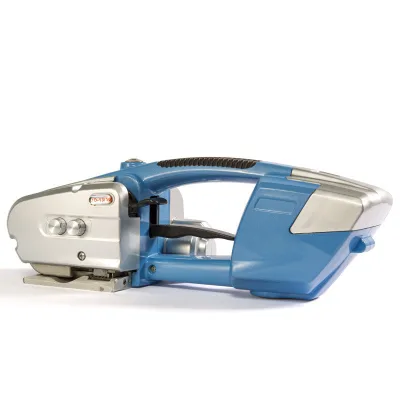
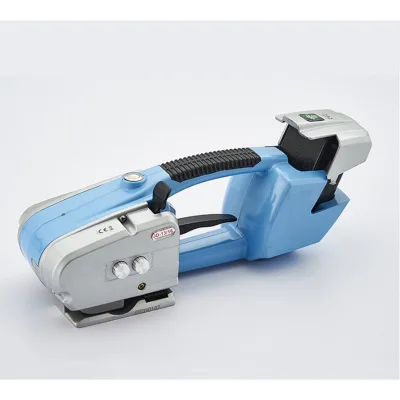
Portable Plastic Steel PP Belt Handheld Electric Strapping Packing Tool
$280.00 - $380.00
MOQ: 1 Pieces

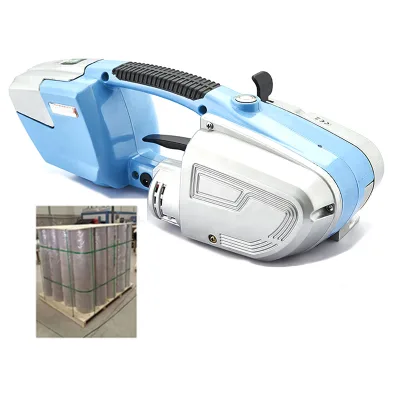
Electric Strapping Machine Battery Powered Handheld Strapping and Cutter
$200.00 - $330.00
MOQ: 1 Pieces

Hand Manual Plastic Belt Straps Electric Strapping Banding Tool with Cutter
$200.00 - $330.00
MOQ: 1 Pieces

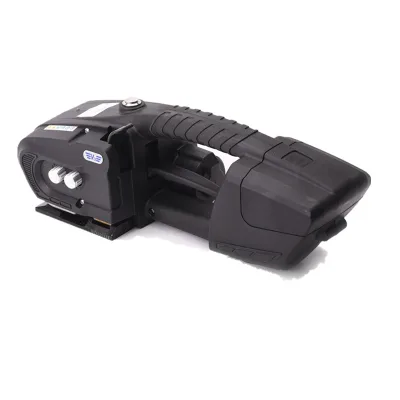
Rechargeable Battery Strapping Machine for Quick Packaging Solutions Strapping Tools
$320.00 - $380.00
MOQ: 1 Pieces

Cangzhou Leadway Machinery Equipment Co., Ltd.
- Trading Company
- Hebei, China
- Lead time3 days
- Avg. response≤ 2h
Main productsFilling Machine,Sealing machine,strapping machine,Inkjet printer,Mixing machine
Main marketsWestern Europe(20.00%), North America(15.00%), Africa(10.00%), Northern Europe(10.00%), Eastern Asia(10.00%), Eastern Europe(6.00%), Southeast Asia(5.00%), Central America(5.00%), South America(5.00%), South Asia(5.00%), Oceania(5.00%), Mid East(4.00%)
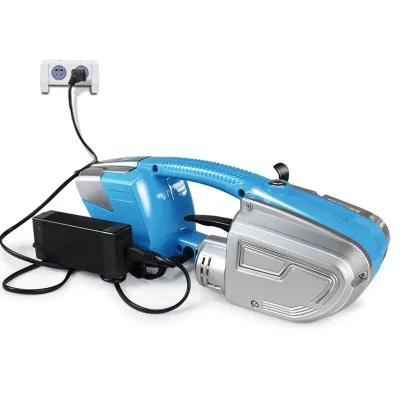
Packaging Machines 13/16 Battery Powered Hand Electric Packing Tool For Plastic Strapping
$297.7464 - $338.8145
MOQ: 1 sets
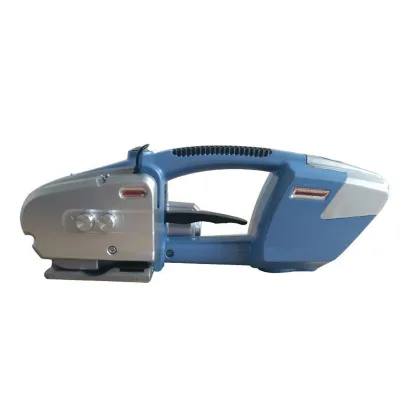

Shaanxi Zhikun Electromechanical Technology Co., Ltd.
- Verified by SGS
- Trading Company
- China Shaanxi
- Lead time38 days
- Avg. response≤ 1h
Main productsStrapping Machine, Bunding Machine, Tying Machine, Wire Tying Machine, OPP Film Straps, PP Belt, Tying Cord, Banding Machine, Strapping Tool, Twist
Main marketsSouth America,Eastern Europe,Mid East,North America,Southeast Asia,Eastern Asia,Oceania,Western Europe,Africa

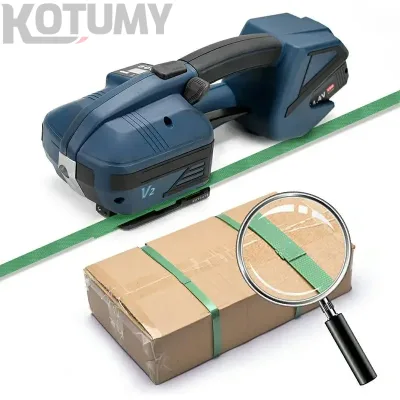
Handheld Portable Battery Powered Plastic Belt Straps Strapping Machine Tools
$259.00 - $299.00
MOQ: 1 Pieces

Wholesale Packaging Handheld Tool Plastic Steel Banding Strapper Packaging Machine Strapping Tool
$180.00 - $220.00
MOQ: 1 Pieces

Hefei Hanjie Packing Machinery Ink-Jet Printer Co., Ltd.
- Manufacturer, Trading Company
- Anhui, China
- Lead time7 days
- Avg. response≤ 6h
Main productsInkjet Printers, Laser Marking Machine, Strapping Tools Machine, Sealing Machines, Packaging Machine
Main marketsMid East(18.00%), Africa(15.00%), South Asia(10.00%), South America(10.00%), Southeast Asia(10.00%), Eastern Asia(8.00%), North America(7.00%), Western Europe(5.00%), Central America(5.00%), Oceania(3.00%), Southern Europe(3.00%), Northern Europe(3.00%), Eastern Europe(3.00%)
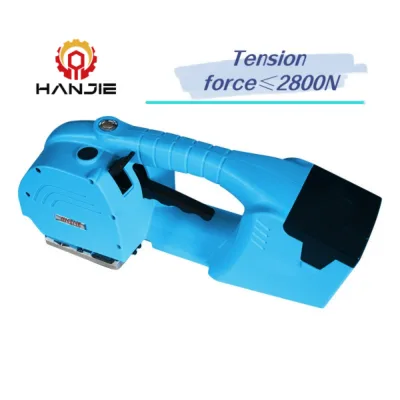
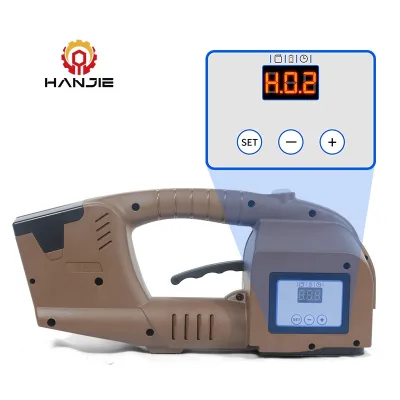
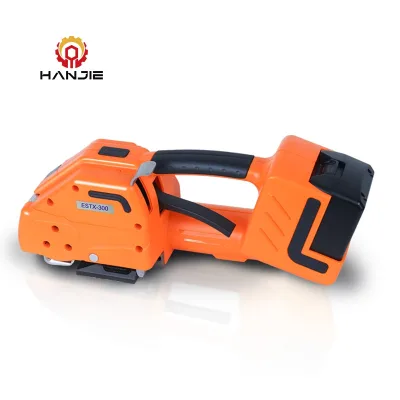
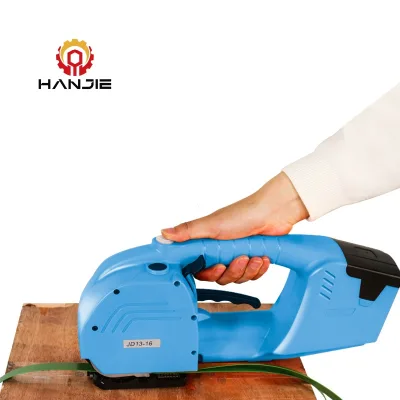
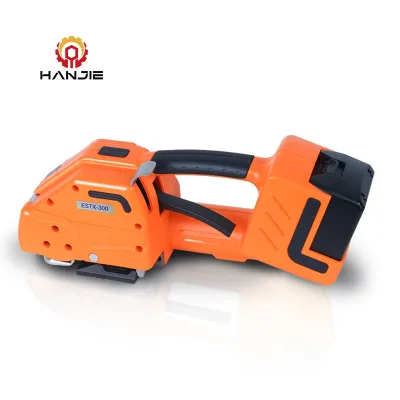
Professional Automatic Strapping Machine Portable Strapping Tool
$280.00 - $320.00

Wenzhou Handpack Machinery Co., Ltd.
- Combined
- China Zhejiang
- Lead time15 days
- Avg. response≤ 18h
Main productsStrapping Tool, Strapping Machine, Strapping Tools, Packing Machinery, Pneumatic Strapping Tool, Electric Strapping Tool, Manual Strapping Tool, Pneumatic Combination Steel Strapping Tool, Battery Power Strapping Machine, Steel Strapping Machine
Main marketsSoutheast Asia/ Mideast,Domestic,Europe


Factory Directly Manual Textile Strapping Tool Hand Held Strapping Tools
$17.50 - $19.00
MOQ: 100 Pieces


Precision Engineered Manual Steel Strapping Tool for Rapid Strapping Operations
$220.00 - $275.00
MOQ: 1 Pieces

Shandong Better Onward Machinery Co., Ltd.
- Trading Company
- Shandong, China
- Lead time3 days
- Avg. response≤ 10h
Main productssealing machine,wrapping machine,strapping machine,Packaging Machine,Filling machine
Main marketsNorth America(20.00%), Central America(10.00%), Southeast Asia(10.00%), Mid East(10.00%), Oceania(10.00%), Southern Europe(5.00%), Northern Europe(5.00%), South Asia(5.00%), Western Europe(5.00%), Eastern Asia(5.00%), Eastern Europe(5.00%), South America(5.00%), Africa(3.00%), Domestic Market(2.00%)
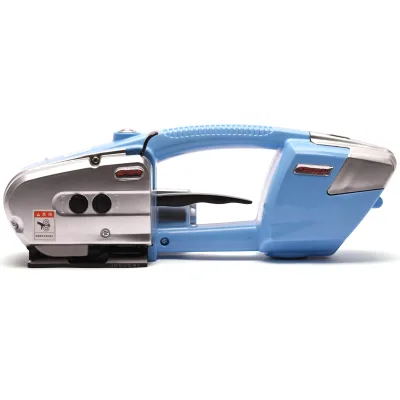
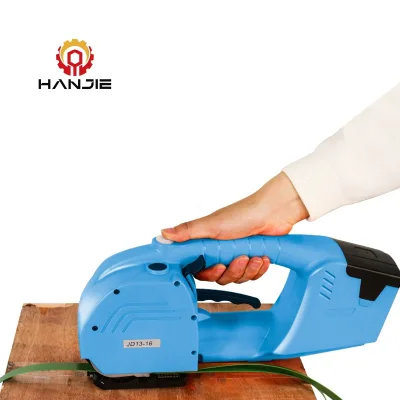
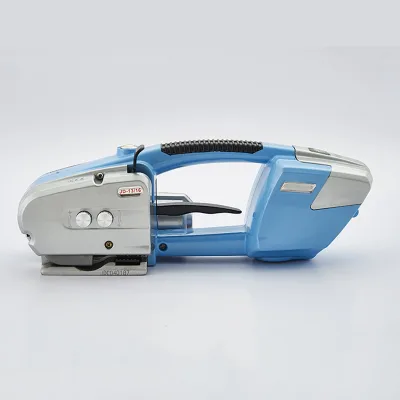
JD13/16 Battery Powered Handheld Strapping Tool for Pallet Strapping
$250.00 - $340.00
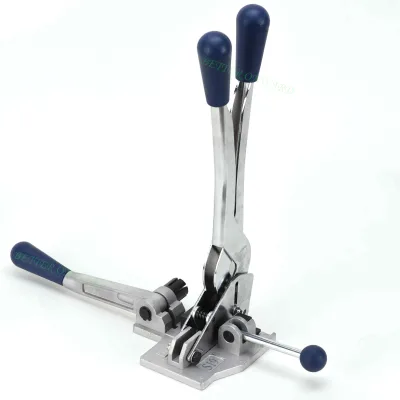
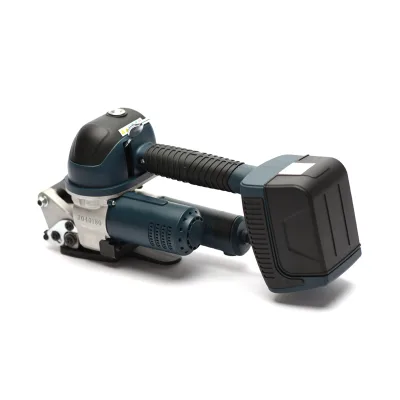
S19 Manual Bearing Type PP Strapping Tool
$35.1021 - $39.2303
Jining Myway Intelligent Machinery Co., Ltd.
- Verified by SGS Group
- Trading Company
- Lead time7 days
- Avg. response≤ 1h
Main productsWrapping Machine, Pallet Wrapping Machine, Shrink Wrapping Machine, Baling Machine, Case Erector
Main marketsEastern Europe(20%), North America(15%), South America(15%)

NANTONG HUABO TECHNOLOGY CO.,LTD
- Verified by SGS
- Trading Company
- China Jiangsu
- Lead time30 days
- Avg. response≤ 2h
Main productsPackaging Production Line, Strapping Machine, Vacuum Packaging Machine, Stretch Wrapping Machine, Sealing Machine, Filling Machine, Carton Erector
Main marketsSouth America,Africa,Southeast Asia/ Mideast,East Asia(Japan/ South Korea),Domestic,Europe,Australia,North America

Wenzhou Handpack Machinery Co., Ltd.
- Manufacturer, Trading Company
- Zhengjiang, China
- Lead time3 days
- Avg. response≤ 9h
Main productsElectric Strapping Tool,Manual Steel Strapping Tool,Pneumatic Strapping Tool,Sealer,Tensioner
Main marketsMid East(50.00%), Southeast Asia(10.00%), Africa(10.00%), North America(10.00%), South Asia(9.00%), South America(5.00%), Eastern Asia(2.00%), Domestic Market(0.85%), Northern Europe(0.55%), Southern Europe(0.55%), Western Europe(0.55%), Eastern Europe(0.50%), Oceania(0.50%), Central America(0.50%)
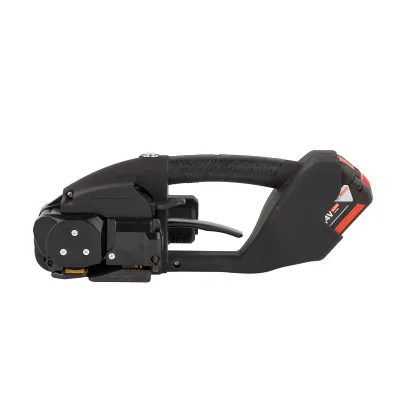
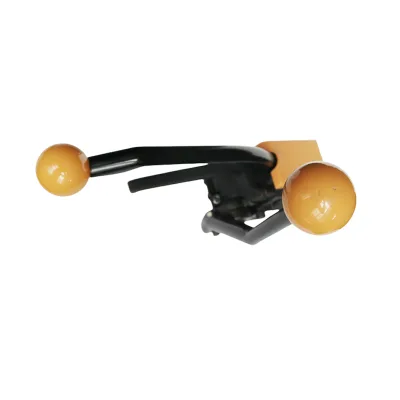
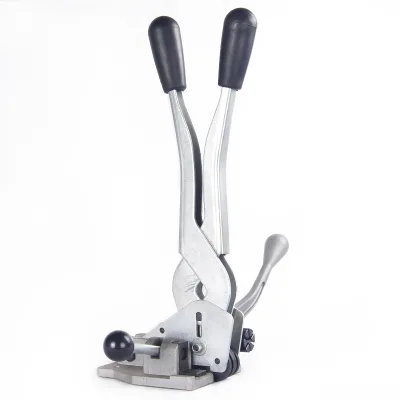
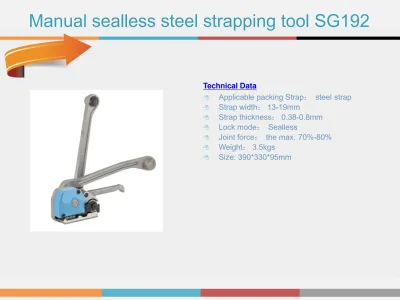
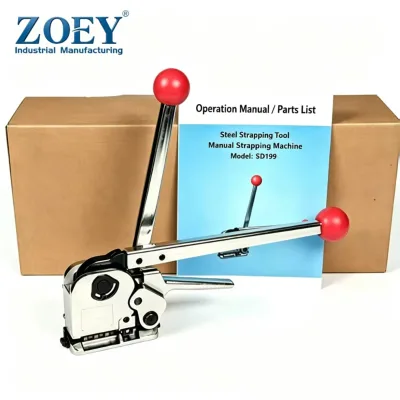
13mm 16mm 19mm Width A333 Carton Tools Manual Steel Strapping Tool
$235.00 - $275.00

Shanghai Jaw Plate Casting Co., Ltd
- Manufacturer/Factory
- China Shanghai
- Lead time0 days
- Avg. response≤ 9h
Main productsBrick Machine, Block Machine, Brick Making Machine, Automatic Brick Making Machine, Automatic Block Making Machine, Concrete Brick Making Machine, Concrete Block Making Machine, Hollow Brick Making Machine, Hollow Block Making Machine

Handheld Semi Automatic Strapping Tool for Decentralized Packaging Workstations
$50.00 - $339.00
MOQ: 1 Pieces

Cost-Effective Portable Handheld PP/Pet Strap Sealer Electric Strapping Tool
$50.00 - $197.00
MOQ: 1 Pieces

Battery Powered Handheld Strapping Tool for Mobile High Volume Packaging Tasks
$50.00 - $197.00
MOQ: 1 Pieces

Integrated Handheld Strapping Tool Allowing Packaging Without Dedicated Strap Stations
$50.00 - $339.00
MOQ: 1 Pieces


Semi Automatic Handheld Strapping Tool Designed for High Volume Industrial Packaging
$50.00 - $339.00
MOQ: 1 Pieces
- Manufacturer, Trading Company
- Guangdong, China
- Lead time20 days
- Avg. response≤ 3h
Main productsstrapping machine,strapping tool,wrapping machine,polyester strapping,stretch film dispenser
Main marketsNorth America(20.00%), South Asia(10.00%), Western Europe(10.00%), Mid East(10.00%), Africa(10.00%), Eastern Europe(10.00%), South America(10.00%), Southern Europe(8.00%), Domestic Market(6.00%), Northern Europe(6.00%)
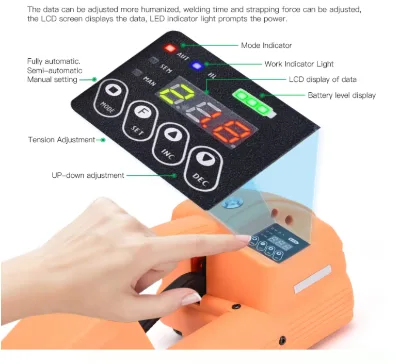
$850.00 - $890.00
MOQ: 1 sets
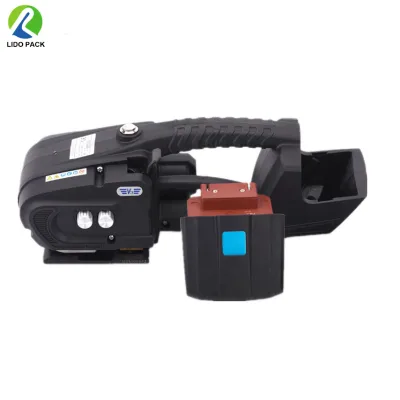
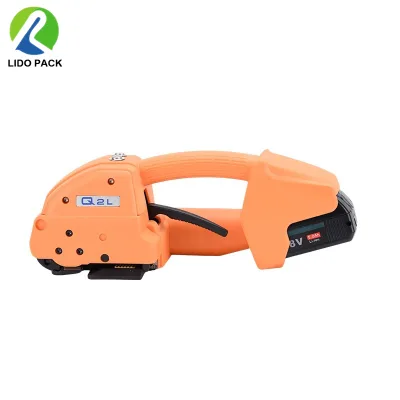
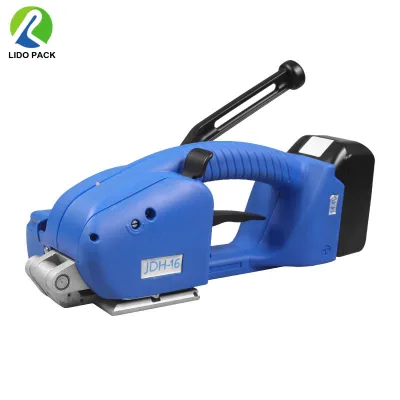
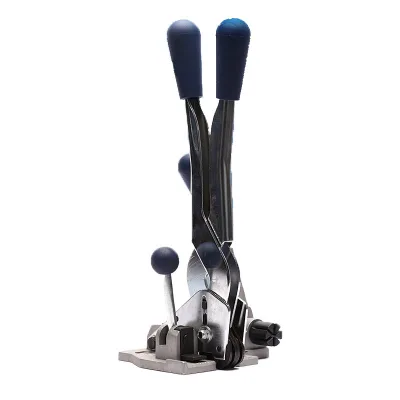
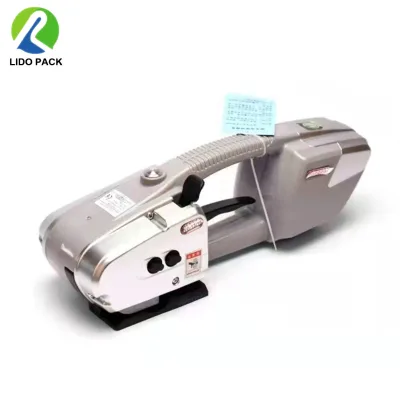
$255.00 - $320.00
MOQ: 1 sets

DongGuan Dason Electric Company
- Verified by BV
- Trading Company
- China Guangdong
- Lead time30 days
- Avg. response≤ 10h
Main productsSolenoids, Push and Pull Solenoid, Electromagnet, Micro Switch, Push Button Switch
Main marketsDomestic


$315.00 - $325.00
MOQ: 5 Pieces

Hefei Zhuoyu International Trading Co., Ltd.
- Verified by Intertek
- Manufacturer, Trading Company
- Lead time7 days
- Avg. response≤ 1h
Main productsStrapping Machine, Packing Buckle, Bundle
Main marketsDomestic Market(59%), Eastern Europe(10%), Western Europe(10%)

Shandong Degres Machinery Co.,Ltd
- Trading Company
- Shandong, China
- Lead time3 days
- Avg. response≤ 4h
Main productsCONSTRUCTION MACHINE,foam machine,AGRICULTURAL MACHINE,tools
Main marketsNorth America(23.20%), Western Europe(18.60%), South Asia(12.40%), Northern Europe(9.80%), Domestic Market(8.50%), Southeast Asia(6.60%), Eastern Europe(5.60%), Eastern Asia(5.50%), Mid East(4.00%), Oceania(2.30%), Southern Europe(1.20%), South America(1.20%), Central America(0.90%), Africa(0.20%)
Jiangxi Mide Industrial Co., Ltd.
- Verified by TüVRheinland
- Trading Company
- Lead time40 days
- Avg. response≤ 4h
Main productsElectric Scaffolding, Electric Hoist, Cranes, Electric Forkift, Lift Platform
Main marketsEastern Asia(30%), South America(20%), North America(10%)
Shandong Former Machinery Co., Ltd.
- Verified by SGS Group
- Trading Company
- Lead time7 days
- Avg. response≤ 1h
Main productsWrapping machine, Baling machine, Strapping machine, Case erector, Recycling machine
Main marketsNorth America(37%), Domestic Market(25%), Western Europe(8%)
Henan Shanpu Machinery Equipment Co., Ltd.
- Trading Company
- Henan, China
- Lead time0 days
- Avg. response≤ 2h
Main productsoil press machine,package machine,juicer machine,Woodworking machinery,Rubber and plastic machinery
Main marketsNorth America(15.00%), Mid East(10.00%), Northern Europe(10.00%), Western Europe(10.00%), Southeast Asia(10.00%), Eastern Europe(10.00%), Southern Europe(10.00%), Oceania(5.00%), South Asia(5.00%), Africa(5.00%), South America(5.00%), Central America(2.00%), Eastern Asia(2.00%), Domestic Market(1.00%)

Cangzhou Longway Imp & Exp Co., Ltd.
- Trading Company
- Hebei, China
- Lead time20 days
- Avg. response≤ 2h
Main productsFilling Machine/Strapping Machine/Bottle Labeling Machine/Sealing Machine/Carton Machine,strapping machine,packing machine,printing machine,mixing machine
Main marketsWestern Europe(14.00%), Southeast Asia(9.00%), Mid East(9.00%), Southern Europe(9.00%), Eastern Asia(8.00%), Eastern Europe(8.00%), Northern Europe(8.00%), South Asia(8.00%), Domestic Market(7.00%), North America(5.00%), Africa(5.00%), South America(4.00%), Oceania(3.00%), Central America(3.00%)
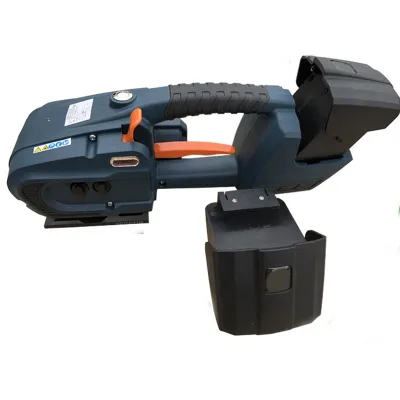
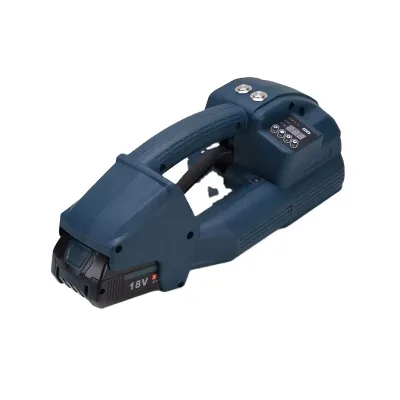
Battery Powered Strapping Tool 13/16 for Plastic PE PET Charging Electric Strapping Machine
$650.00 - $699.00
MOQ: 1 sets
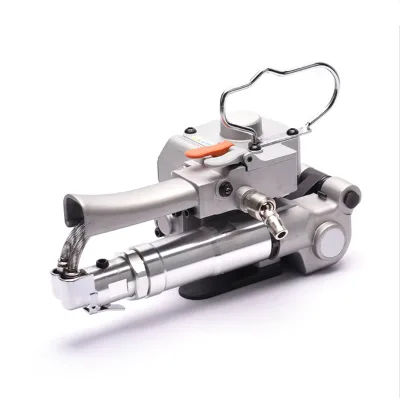
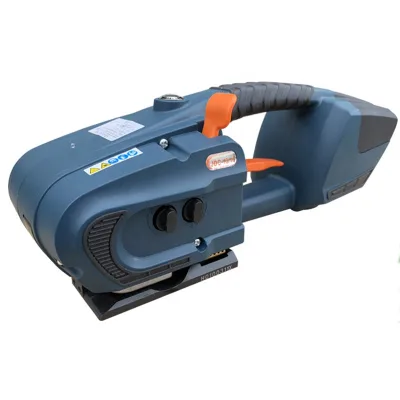
Battery Powered Strapping Tool With 13-16 MM PP Pet Straps Binding Machine
$670.119 - $720.6368
MOQ: 1 sets
Linyi Fanghua Steel Trading Co., Ltd.
- Verified by SGS Group
- Manufacturer, Trading Company
- Lead time15 days
- Avg. response≤ 4h
Main productsSteel Strapping, Spring Steel Strip, Galvanized Steel Coil, Concrete Nails
Main marketsSoutheast Asia(57%), Mid East(25%), Africa(10%)
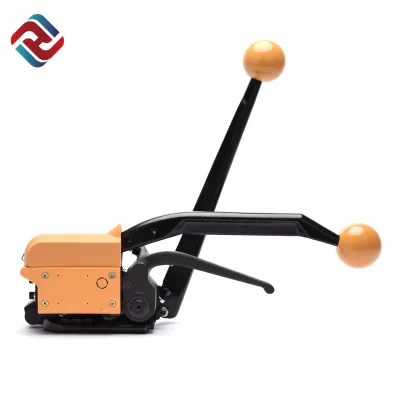
Hotsale New Product A333 Manual Steel Strapping Tool for Sale Hand Steel Strapping Tool Stock 1 Set
$150.00 - $190.00
MOQ: 1 sets
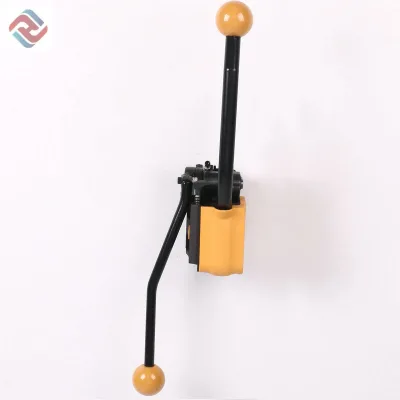
Factory Price A333 Portable Industrial Grade Sealless Steel Strapping Tools for Steel Straps
$150.00 - $190.00
MOQ: 1 sets
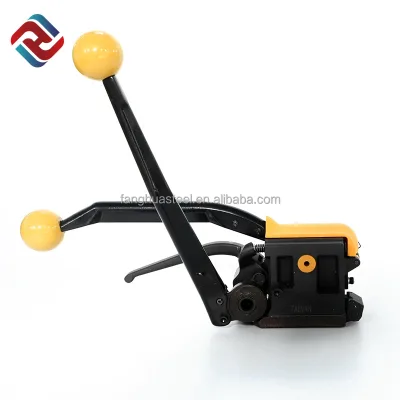




Comprehensive Sourcing Guide
Rechargeable Handheld Strapping Tool Supplier Concentration and Factory Types
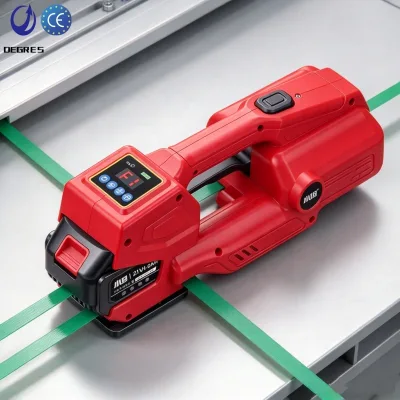
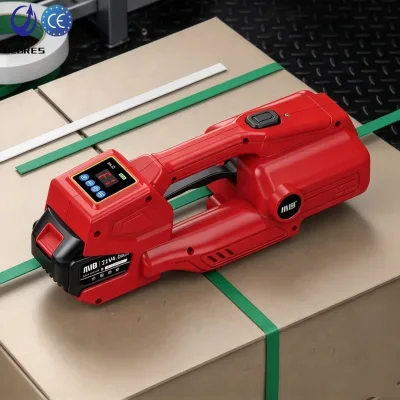
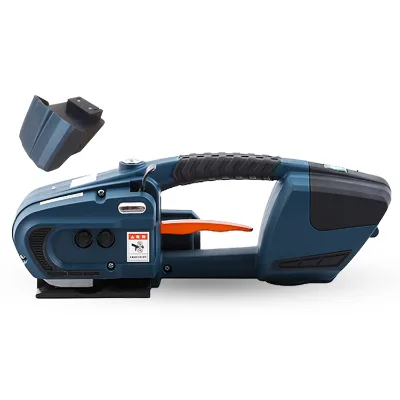
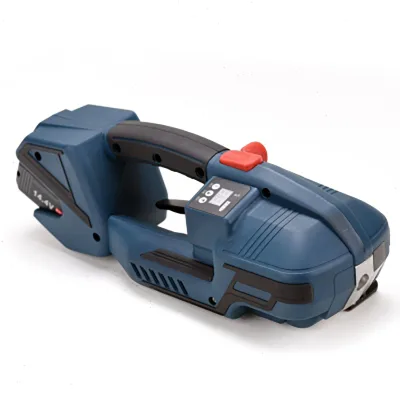
The current supplier landscape for rechargeable handheld strapping tools reveals a distinct mix of manufacturing capabilities and trading structures, primarily concentrated in specific industrial hubs within China. Evidence indicates that a significant portion of the supply base originates from Zhejiang province, where manufacturers often operate with established production lines for packaging machinery. These entities typically hold ISO9001:2015 certification, signaling a baseline commitment to quality management systems that is crucial for buyers sourcing industrial equipment. The presence of manufacturers in this region suggests a mature ecosystem for producing tools that require precision engineering, such as battery-powered strapping devices that must maintain consistent tension and reliability during operation. Buyers evaluating these suppliers should recognize that location often correlates with supply chain efficiency, particularly for components like motors and batteries that are integral to the handheld units.
In contrast to the manufacturing base, the market also includes trading companies that facilitate access to a broader range of products, including wrapping machines and pallet wrapping solutions. These trading entities may offer different value propositions, such as consolidated shipping or access to diverse product lines beyond just strapping tools. Some suppliers in this category are verified by third-party inspection agencies like TüVRheinland, which adds a layer of trust regarding their business legitimacy and operational transparency. The distinction between a pure manufacturer and a trading company is vital for buyers, as it impacts pricing structures, communication channels, and the ability to customize products. Understanding this dichotomy helps buyers determine whether they need direct factory access for OEM projects or prefer the flexibility and breadth offered by a trading partner who can source specific handheld tools from various factories.
How to Verify Rechargeable Handheld Strapping Tool Suppliers
Verifying the authenticity and capability of suppliers requires a multi-layered approach that goes beyond simple profile reviews. Buyers should prioritize suppliers who provide tangible evidence of their operational standards, such as system certifications like ISO9001:2015 or product-specific certifications like CE and SGS. These certifications are not merely decorative; they indicate that the supplier’s products have undergone rigorous testing for safety and performance, which is critical for electrical tools that operate on batteries. Additionally, the presence of machinery test reports and video outgoing-inspection services provides direct proof of quality control processes. Buyers are advised to request these documents to ensure that the strapping tools meet international safety standards and perform reliably under specified conditions, reducing the risk of receiving substandard equipment.
Another critical verification step involves assessing the supplier’s responsiveness and verification status. A response time of approximately two hours, as observed in some results, indicates a professional and attentive sales team that can address technical queries promptly. Buyers should also look for suppliers who are verified by reputable third-party inspection companies, as this external validation confirms the supplier’s business existence and operational capacity. Furthermore, examining the detailed product attributes, such as warranty periods of two years and after-sales services like online support and video technical assistance, provides insight into the supplier’s confidence in their products. These factors collectively help buyers distinguish between reliable partners and those who may lack the infrastructure to support long-term procurement relationships, ensuring that the chosen supplier can deliver both quality products and necessary post-sale support.
What to Compare Across Rechargeable Handheld Strapping Tool Suppliers
When evaluating multiple suppliers, buyers must compare key operational metrics to determine the best fit for their specific needs. Lead times vary significantly across the market, with some suppliers offering rapid turnaround times of five days, while others may require up to twenty-three days for production. This difference is crucial for buyers with urgent inventory requirements or those managing tight production schedules. Additionally, the minimum order quantity (MOQ) is a critical factor, as some suppliers accept orders as low as one unit, which is ideal for testing or small-scale operations, while others may have higher thresholds. Buyers should align these logistical parameters with their procurement volume and timeline expectations to avoid delays or unnecessary capital tie-up in inventory.
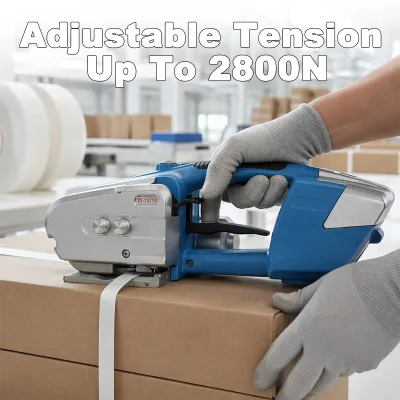
Product specifications and customization options also require careful comparison. Suppliers offer a range of strapping modes, including welding type and buckling type, each suited to different strap materials and application requirements. The automatic grade of the tools, whether manual, semi-automatic, or automatic, impacts the efficiency of the strapping process. Buyers should also compare technical specifications such as voltage ranges, battery charge times, and maximum tightening forces, which directly affect the tool’s performance in various industrial settings. Furthermore, the availability of customization services, including OEM and ODM options, allows buyers to tailor products to their brand identity or specific functional needs. By systematically comparing these attributes, buyers can identify suppliers that offer the optimal balance of speed, cost, and technical capability for their Rechargeable Handheld Strapping Tool requirements.
Common Rechargeable Handheld Strapping Tool Sourcing Risks
One of the primary risks in sourcing rechargeable handheld strapping tools is the variability in product quality and performance consistency. Without proper verification, buyers may encounter tools that fail to meet the specified tension forces or battery life expectations, leading to operational disruptions. The reliance on battery power introduces additional complexity, as the quality of the battery cells and the efficiency of the charging system can vary significantly between suppliers. Buyers must be cautious of suppliers who do not provide detailed technical specifications or test reports, as this lack of transparency may indicate inferior components or poor manufacturing practices. Ensuring that the tools meet the required power output and durability standards is essential to avoid costly replacements and downtime in packaging operations.
Another significant risk is the potential mismatch between supplier claims and actual capabilities, particularly regarding after-sales support and warranty fulfillment. While some suppliers offer comprehensive warranties and technical support, others may provide limited or non-existent assistance, leaving buyers vulnerable to maintenance issues. The complexity of electrical tools means that repairs often require specialized knowledge and parts, making reliable after-sales service a critical component of the sourcing decision. Buyers should verify the supplier’s commitment to support by reviewing their warranty terms and the availability of video technical support or online assistance. Additionally, the risk of intellectual property infringement exists if buyers engage with suppliers who offer unauthorized OEM services, potentially leading to legal complications. Mitigating these risks requires thorough due diligence and clear contractual agreements that define quality standards and support obligations.
Rechargeable Handheld Strapping Tool Regional Sourcing and Logistics
Sourcing rechargeable handheld strapping tools from specific regions like Zhejiang, China, offers logistical advantages due to the concentration of manufacturing infrastructure and supply chain networks. This region is known for its robust industrial base, which facilitates efficient production and export of packaging machinery and tools. Buyers benefit from the proximity to ports and established logistics providers, which can reduce shipping times and costs. However, the concentration of suppliers in a single region also means that buyers must carefully evaluate the specific capabilities of each supplier, as not all manufacturers in the area may specialize in the same type of strapping tools. Understanding the regional strengths helps buyers leverage local expertise and supply chain efficiencies to secure competitive pricing and reliable delivery schedules.
Logistical considerations also extend to the packaging and handling of the tools, which can impact the overall cost and condition of the delivered goods. Suppliers typically use carton boxes with foam protection to ensure the tools arrive in pristine condition, minimizing the risk of damage during transit. Buyers should verify the packaging standards to ensure that the tools are adequately protected, especially given the sensitive electronic components involved. Additionally, the weight and dimensions of the tools, which can vary based on the model and battery capacity, affect shipping costs and storage requirements. By aligning their logistics planning with the supplier’s packaging and shipping practices, buyers can optimize their supply chain efficiency and reduce the total cost of ownership. This includes considering factors like customs clearance and import regulations, which may vary depending on the destination country.
Rechargeable Handheld Strapping Tool Commercial Terms and Order Planning
Commercial terms and order planning are pivotal in ensuring a smooth procurement process for rechargeable handheld strapping tools. Buyers should negotiate clear pricing structures, keeping in mind that prices can range significantly based on the tool’s features and customization options. For instance, basic models may start at lower price points, while advanced battery-powered tools with additional features command higher prices. Understanding the price range helps buyers budget effectively and compare quotes from different suppliers accurately. Additionally, buyers should clarify payment terms, including the use of escrow services to protect their funds until the goods are received and verified. This financial safeguard is particularly important when dealing with new suppliers or large orders, ensuring that both parties adhere to the agreed-upon terms.
Order planning also involves coordinating with suppliers to align production schedules with delivery expectations. Buyers must consider the lead times provided by suppliers, which can range from a few days to several weeks, and plan their inventory accordingly to avoid stockouts. For buyers requiring customized products, lead times may be longer due to the additional manufacturing steps involved. It is essential to communicate specific requirements clearly and confirm the production timeline before placing the order. Furthermore, buyers should establish a clear communication channel for updates on production progress and shipping status. By integrating these commercial and logistical considerations into their order planning, buyers can minimize risks and ensure a seamless procurement experience, ultimately supporting their operational efficiency and customer satisfaction.
FAQs
What is the price range for handheld strapping tools?
Prices for these tools typically range from $25 to $1,100 depending on the model and features. Manual strapping tools are available at the lower end, while battery-powered electric models command higher prices. Buyers should check specific product listings for exact pricing based on customization and order volume.
What certifications do these strapping tools have?
Many manufacturers hold ISO9001:2015 system certifications and their products meet CE and SGS standards. Some suppliers also provide machinery test reports and video outgoing inspections. Buyers should verify specific certification documents for each product model to ensure compliance with regional safety and quality requirements.
What is the typical lead time for orders?
Lead times vary significantly by supplier type and product complexity. Some manufacturers offer lead times as short as five days, while others may require up to twenty-three days. Buyers should confirm specific delivery schedules with suppliers before placing orders to ensure alignment with project timelines.
What is the minimum order quantity for these tools?
The minimum order quantity is often just one unit, allowing buyers to sample products before committing to larger purchases. This low MOQ facilitates testing for quality and performance. Buyers should verify the specific MOQ requirements for customized or bulk orders directly with the supplier.
Where are these strapping tools manufactured?
Most suppliers are located in China, with specific manufacturing hubs in Zhejiang and Shandong provinces. Products often originate from cities like Yueqing. Buyers can filter search results by these locations to find suppliers with established supply chains and logistical advantages for international shipping.
What warranty and after-sales support is provided?
Suppliers typically offer a two-year warranty on battery-powered models. After-sales support often includes online assistance and video technical support. Buyers should confirm the specific warranty terms and support availability for each product to ensure long-term operational reliability and maintenance access.