Source Rechargeable Handheld Strapping Tool for Fruit Drinks, Steel Coils, Medical
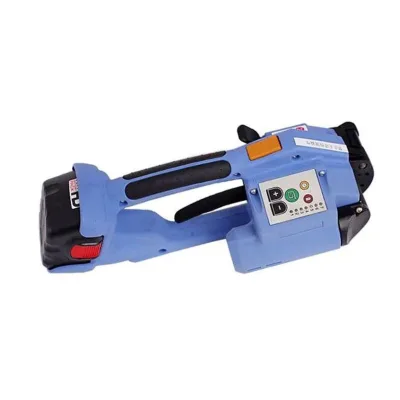
Compare 30 options for the Rechargeable Handheld Strapping Tool designed for fruit drinks, steel coils, and medical packaging. Buyers can evaluate models like Z323 and P323 based on strapping modes, tension force, and automatic grades to find the right fit.
Updated
Key considerations
Products List


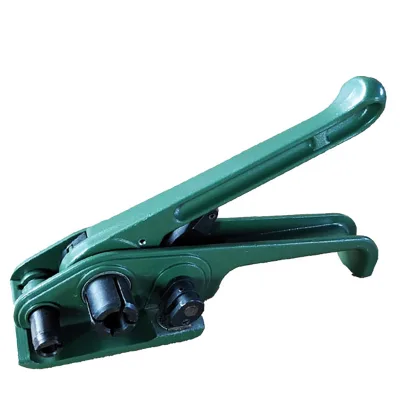
Hand Cord Strapping Tools Manual 25-50mm Composite Strap Strapping Tools
$70.00 - $100.00
MOQ: 10 Pieces


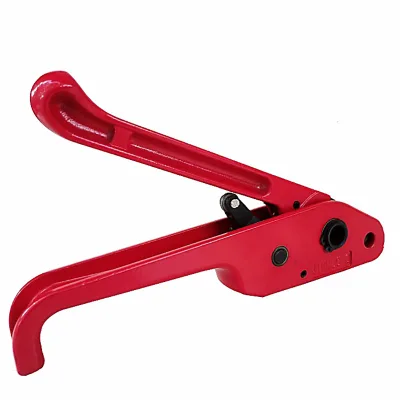
Manual Power Strapping Tool for 12-19mm Professional Hand-Held Strapping Tools
$950.00 - $1200.00
MOQ: 1 Pieces
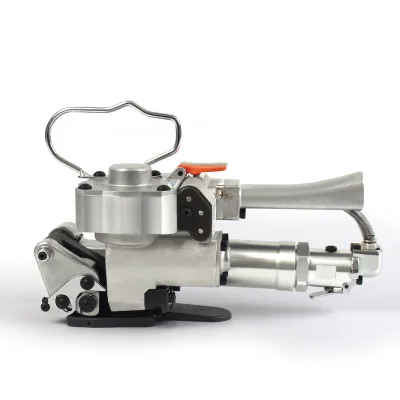
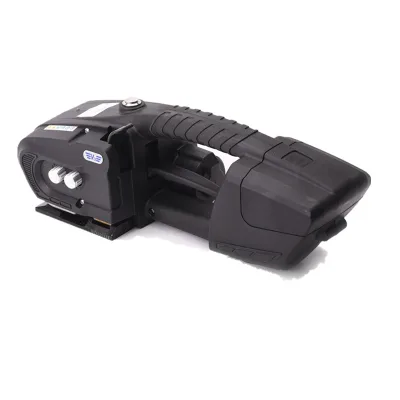
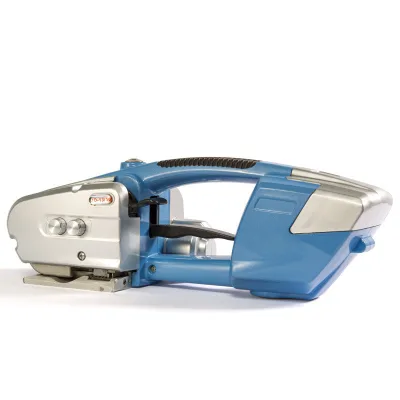
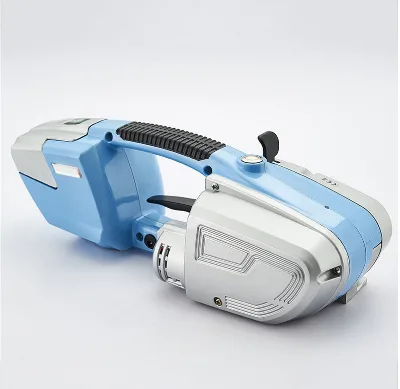
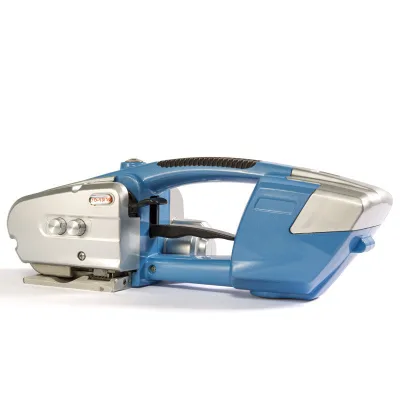
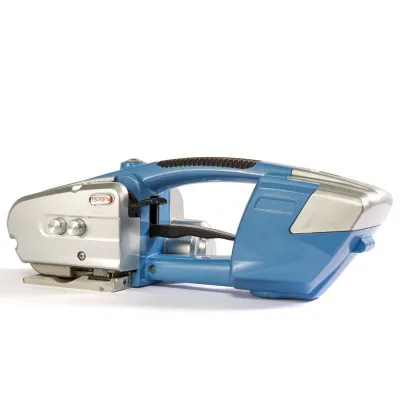
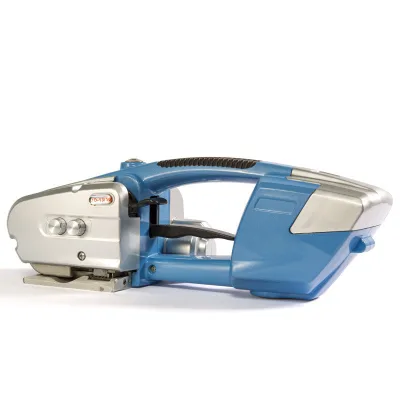
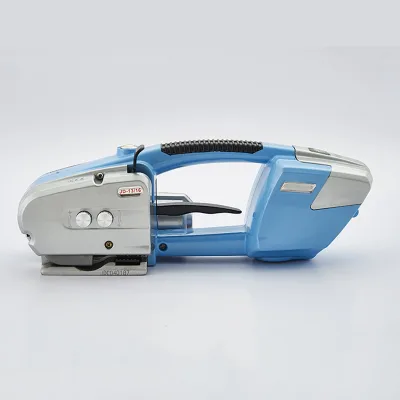
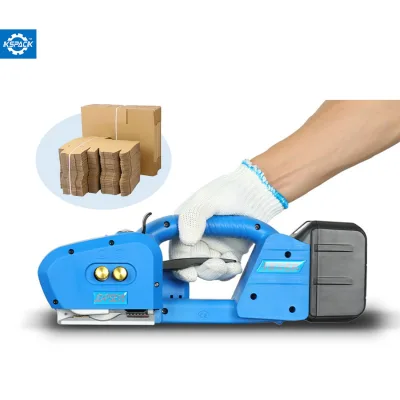


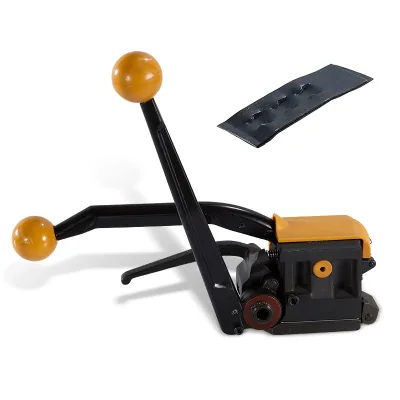
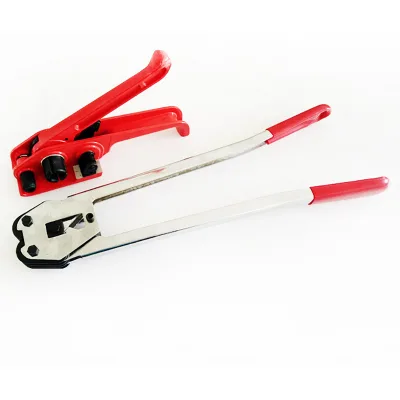
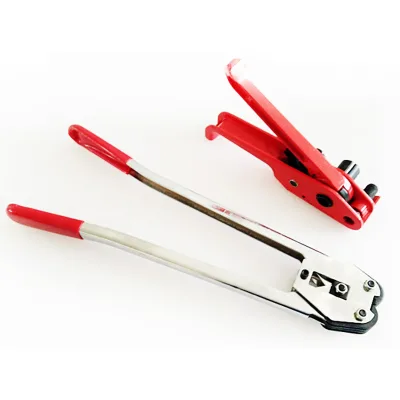


Comprehensive Sourcing Guide
Rechargeable Handheld Strapping Tool Sourcing Guide
Procuring a Rechargeable Handheld Strapping Tool requires a careful balance between portability and the mechanical power needed for consistent tensioning. Buyers must first define the specific strapping mode required for their operations, as the market offers distinct mechanisms such as welding type, sealless, and buckling type systems. Each mode interacts differently with strap materials, influencing the durability of the seal and the speed of the packaging line. Understanding these mechanical differences is essential before evaluating voltage requirements or battery capacity, as the tool’s internal drive system must match the intended application’s throughput demands.
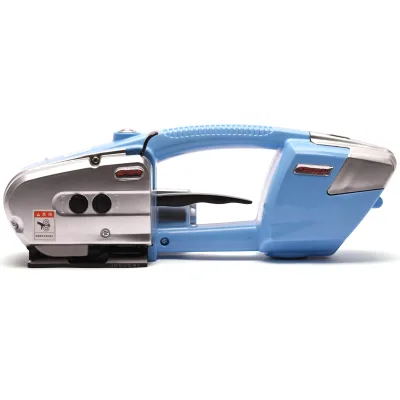
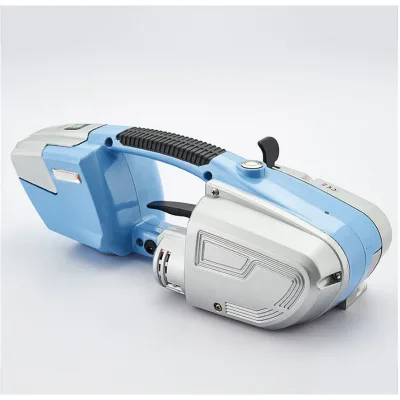
The physical dimensions and weight of the tool are critical factors for operator ergonomics and workflow efficiency. Handheld units vary significantly in size, with some models measuring approximately 335x165x135mm and weighing around 4.5kg, while others are lighter, such as those weighing 1.35kgs, designed for frequent manual handling. Buyers should assess whether the tool’s form factor supports the specific strap widths and thicknesses used in their facility, ensuring that the device can accommodate materials ranging from 13mm to 32mm in width. This alignment between tool specifications and operational needs prevents bottlenecks and reduces operator fatigue during extended use periods.
Product Scope and Observed Listing Signals
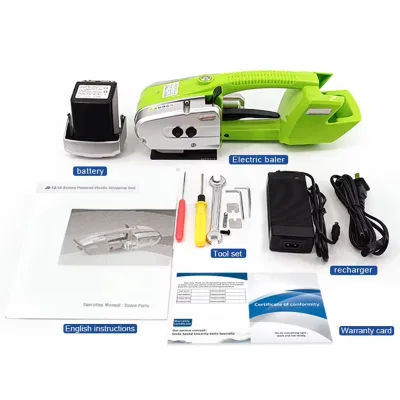
The current market for handheld strapping tools displays a wide variance in pricing, with observed listings ranging from $15 to $5,600 USD, reflecting differences in automation levels and build quality. Minimum order quantities (MOQ) are generally low, typically between 1 and 10 units, which facilitates easy sampling and initial procurement for small to medium-sized enterprises. This accessibility allows buyers to test multiple models without significant capital commitment, though it is crucial to verify whether the listed price includes batteries, chargers, or specific strap coils, as these accessories can significantly impact the total cost of ownership.
Product attributes indicate a strong trend toward customization, with many suppliers offering tailored solutions for specific industrial applications. The observed applications span a broad spectrum, including fruit drinks, carbonated beverages, alcoholic beverages, pure water, yogurt, milk, hair care products, skin care products, cosmetics, oil, household chemicals, waste paper, steel pipes, steel coils, and medical supplies. This versatility suggests that handheld tools are not limited to light packaging but are also employed in heavy-duty industrial contexts, requiring robust construction and higher tension forces to secure heavy loads effectively.
Technical Specifications to Verify
Voltage compatibility is a primary technical consideration, with many electric models operating on 110-220V power supplies, ensuring adaptability to different regional electrical standards. Buyers must verify the driven type, as options include electric, pneumatic, and manual systems, each offering distinct advantages in terms of speed and maintenance requirements. For instance, pneumatic models may offer higher tensile strength, with some specifications indicating a range of 16,850-20,000N, while electric models might provide a tension force of 3,000N, suitable for lighter to medium-duty applications. Understanding these power dynamics is essential for matching the tool to the specific load requirements of the packaging process.
Strap material compatibility and dimensional constraints are equally important, with tools designed to handle PP/PET straps, plastic tape, or strip materials. The maximum belt width and thickness vary, with some models supporting widths of 13-19mm and thicknesses of 0.6-1.1mm, while others accommodate wider straps up to 32mm with thicknesses of 0.8-1.2mm. Buyers should also check the feeding speed, which can be as low as 5m/min for manual or semi-automatic units, to ensure the tool meets the production line’s throughput requirements. Additionally, the tool’s net weight and overall dimensions should be evaluated to ensure they do not hinder operator mobility or cause ergonomic strain during repetitive tasks.
Compliance and Safety Documentation
Certification status is a key indicator of a tool’s adherence to international safety and quality standards, with many models displaying CE and SGS marks. These certifications suggest that the product has undergone rigorous testing for electrical safety, mechanical integrity, and environmental compliance, providing buyers with confidence in the tool’s reliability. However, buyers should always request current certification documents from the supplier to verify that the specific model being purchased is covered under the valid certificates, as standards can change and older inventory may not reflect the latest regulatory requirements.
Material composition and construction quality also play a vital role in safety and durability, with some tools made from carbon steel to enhance strength and longevity. Buyers should inquire about the specific materials used in the tool’s housing and internal components, as these factors influence the tool’s resistance to wear and tear in harsh industrial environments. Additionally, the packaging method, such as carton boxes with foam protection or palletized cartons, can impact the tool’s condition upon arrival, so verifying that the supplier uses appropriate protective measures is essential to prevent damage during transit.
Cost Drivers and Commercial Terms
The cost of a handheld strapping tool is influenced by several factors, including the strapping mode, driven type, and the inclusion of accessories such as batteries and chargers. Electric and pneumatic models tend to be more expensive than manual or semi-automatic units due to their complex internal mechanisms and higher performance capabilities. Buyers should also consider the cost of consumables, such as PP/PET straps or plastic tape, which can vary in price and availability, as these ongoing expenses contribute significantly to the total cost of ownership over the tool’s lifespan.
Commercial terms, including MOQ and lead times, can vary widely among suppliers, affecting the overall procurement strategy. While many suppliers offer low MOQs to facilitate sampling, bulk orders may come with discounts or more favorable shipping terms. Buyers should negotiate clear terms regarding warranty coverage, after-sales support, and the availability of spare parts, as these factors can reduce downtime and maintenance costs. Additionally, understanding the supplier’s return policy and defect resolution process is crucial for mitigating risks associated with initial procurement errors or manufacturing defects.
Supplier Qualification and Quality Control
Supplier location and origin can impact logistics costs and lead times, with many manufacturers based in regions like Yueqing, Zhejiang, or Wenzhou, Zhejiang, in China. Buyers should verify the supplier’s production capabilities and quality control processes to ensure that the tools meet the specified technical requirements. Requesting factory audits or third-party inspection reports can provide valuable insights into the supplier’s manufacturing standards and consistency, helping to identify potential risks before placing large orders.
Quality control measures should include rigorous testing of the tool’s tension force, feeding speed, and overall durability under simulated operating conditions. Buyers should ask for test results or performance data that demonstrate the tool’s ability to maintain consistent tension across different strap materials and thicknesses. Additionally, verifying the supplier’s commitment to continuous improvement and their ability to provide customization services can ensure that the tool evolves to meet changing operational needs, providing long-term value and reliability for the procurement team.
Long-Term Procurement Checks
Long-term success with handheld strapping tools depends on the availability of technical support and spare parts, which are critical for minimizing downtime and extending the tool’s lifespan. Buyers should establish a clear communication channel with the supplier for troubleshooting and maintenance inquiries, ensuring that any issues can be resolved quickly and efficiently. Additionally, monitoring the supplier’s product updates and technological advancements can help buyers stay informed about new features or improvements that may enhance their packaging operations.
Regular performance reviews and feedback loops with end-users are essential for assessing the tool’s suitability and identifying areas for improvement. Buyers should collect data on the tool’s reliability, ease of use, and overall impact on packaging efficiency, using this information to make informed decisions about future procurement. By maintaining a proactive approach to supplier management and continuous evaluation, buyers can ensure that their handheld strapping tools continue to meet operational demands and provide consistent value over time.
FAQs
What strapping modes are available for handheld tools?
Handheld strapping tools typically offer welding type, sealless, or buckling type modes depending on the model. The Z323 model utilizes a welding type mechanism, while the A333 supports sealless operation. The JPQ50 employs a buckling type approach. Selecting the correct mode ensures secure bundling for specific materials like steel coils or plastic straps without requiring additional seals.
Can these tools handle different strap widths and thicknesses?
Yes, models vary in capacity to accommodate specific strap dimensions. The P323 handles belts up to 13-19mm wide and 0.6-1.1mm thick. The Kz-25/32A supports widths of 19-32mm with thicknesses between 0.8-1.2mm. The JPQ50 is designed for straps ranging from 1/2 to 3/4 inches. Matching the tool to the strap size ensures optimal tension and performance.
What certifications do these strapping tools meet?
Many handheld strapping tools comply with international safety and quality standards. The Z323 and JPQ50 models carry CE certification, indicating adherence to European health, safety, and environmental protection standards. The Z323 also holds SGS certification. These certifications provide assurance regarding the electrical safety and manufacturing quality of the equipment for industrial applications.
How much does a handheld strapping tool weigh?
Weight varies significantly based on the power source and construction. The manual Z323 model weighs approximately 4.5kg, while the pneumatic Kz-25/32A is heavier at 15.5kg. The manual JPQ50 tool has a net weight of 1.35kgs. Lighter tools reduce operator fatigue during extended use, whereas heavier pneumatic models offer higher tension forces for heavy-duty tasks.
What is the typical tension force for these tools?
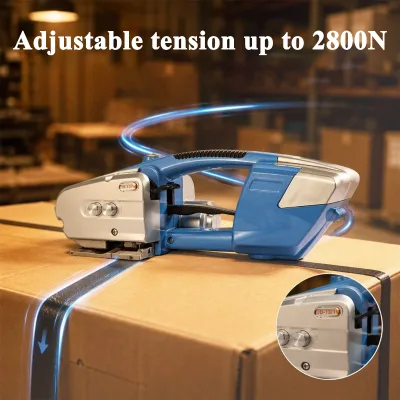
Tension force depends on the specific model and drive type. The electric Z323 provides a tension force of 3000n. The pneumatic Kz-25/32A delivers a much higher tensile strength ranging from 16850 to 20000n. Higher tension is essential for securing heavy loads like steel plates or coils, while lower tension suffices for lighter packaging materials.
Where are these strapping tools manufactured?
Manufacturing locations are primarily in China, specifically in Zhejiang province. The Z323 originates from Yueqing, Zhejiang, while the Kz-25/32A is produced in Wenzhou, Zhejiang. Other models list their origin simply as China. These regions are known for industrial equipment manufacturing, offering various sourcing options for buyers seeking specific regional production capabilities.