Rechargeable Handheld Facial Care Head Suppliers and Manufacturers
Compare 30 verified suppliers offering Rechargeable Handheld Facial Care Head devices with varying lead times, certifications, and response speeds. Review product specs like weight and voltage, then request quotes to confirm pricing and MOQ details; review the available evidence before requesting comparable quotations from suitable candidates.
Updated
Suppliers List

- Verified by SGS
- Trading Company,Manufacturer/Factory
- China Guangdong
- Lead time23 days
- Avg. response≤ 3h
Main productsBeauty Devices, Skin Care Instrument, LED Face Masks, Makeup Tools, Beauty Instrument (OEM/ODM), OEM / ODM Electronics, Beauty Device, Home Air Care Appliances, Furniture, Electric Bakhoor Burners
Main marketsSouth America,Eastern Europe,Mid East,North America,Southeast Asia,Eastern Asia,Oceania,Western Europe,Africa

- Verified by TUVRHEINLAND
- Trading Company
- China Guangdong
- Lead time15 days
- Avg. response≤ 3h
Main productsBeauty Tools, Tweezer, Eyelash Curler, Manicure Set, Cosmetic Mirror, Implement, Pedicure, Make up
Main marketsEurope

Handheld Jade Roller Mini Electronic Face Skin Care Beauty Bar Hand Facial Head Massager
$1.66 - $2.56
MOQ: 100 Pieces


Shenzhen Xiaochengjiejiegao Technology Co., Ltd.
- Manufacturer, Distributor/Wholesaler
- Guangdong, China
- Lead time25 days
- Avg. response≤ 2h
Main productsEye Massage Equipment,Face & Neck lifting Massager,Face Cleaning Brush,red light therapy,Personal care
Main marketsNorth America(30.00%), Eastern Asia(25.00%), Southeast Asia(25.00%), Western Europe(20.00%)
Shenzhen Belen Electronic Technology Co., Ltd.
- Verified by TüVRheinland
- Manufacturer, Trading Company
- Lead time5 days
- Avg. response≤ 2h
Main productsMassage Scraper, Muscle Scraping Tool, Massage Gun, Beauty Device, Skin Scrubber
Main marketsEastern Asia(60%), North America(30%), South America(3%)

Ganzhou Pengzhan Trading Co.,LTD
- Verified by BV
- Trading Company
- China Jiangxi
- Lead time15 days
- Avg. response≤ 1h
Main productsHair Removal Device, Beauty Device, Face Massager, Beauty Ice Roller, LED Mask
Main marketsOthers(foreignTradeCapacity.exportBusinessCapacityMarketOther),Europe,Australia,North America


Facial Import and Export Home Use Other Multi-Functional Facial Care Beauty Equipment
$8.36 - $10.77
MOQ: 3 Pieces

Shanghai GESS Industrial Co., Ltd.
- Trading Company
- Lead time旺季: "1 - 100":31,"> 100":"To be negotiated", 淡季: "1 - 100":31,"> 100":"To be negotiated"
- Avg. response≤ 5h
Main productsLED Facial Mask, Ultrasonic Skin Scrubber, Cold & Hot Massager, Beauty Device, Silicone Facial Cleansing Brush
Shenzhen LCB Technology Co., Ltd.
- Verified by SGS Group
- Manufacturer, Trading Company
- Lead time30 days
- Avg. response≤ 3h
Main productsFacial Cleansing Brush, Beauty Device, Neck Massager, Hair Straighteener Comb, Nail Drill
Main marketsNorth America(28%), Eastern Europe(15%), Mid East(13%)

Foshan Taida Electronic Technology Co., Ltd.
- Verified by TUVRHEINLAND
- Combined
- China Guangdong
- Lead time15 days
- Avg. response≤ 20h
Main productsDerma Roller, Derma Pen, Ice Roller, Jade Roller, Beauty Device, Massage Device, Disposable Beauty Consumable, Microneedling Device, OEM OEM Project
Main marketsSoutheast Asia/ Mideast,Europe,North America

$1.40 - $1.50
MOQ: 2 Pieces


Ningbo Yoheng Imp & Exp Co., Ltd.
- Verified by SGS
- Trading Company
- China Zhejiang
- Lead time30 days
- Avg. response≤ 4h
Main marketsEurope

Premium Rechargeable Portable Heated Handheld Facial Cleansing Device
$4.3815 - $4.8572
MOQ: 1000 Pieces


Wenzhou Boyo Electric Appliance Co., Ltd.
- Verified by BV
- Manufacturer/Factory
- China Zhejiang
- Lead time45 days
- Avg. response≤ 15h
Main productsHair Straightener, Hair Curler, Men's Shaver, Lady Epilator/Rozar, Callus Remover, Hair Dryer, Hair Clipper/Trimmer, Facial Cleansing Brush, Hot Air Brush, Oil Diffuser
Main marketsSouth America,Eastern Europe,Mid East,North America,Southeast Asia,Eastern Asia,Oceania,Western Europe,Africa
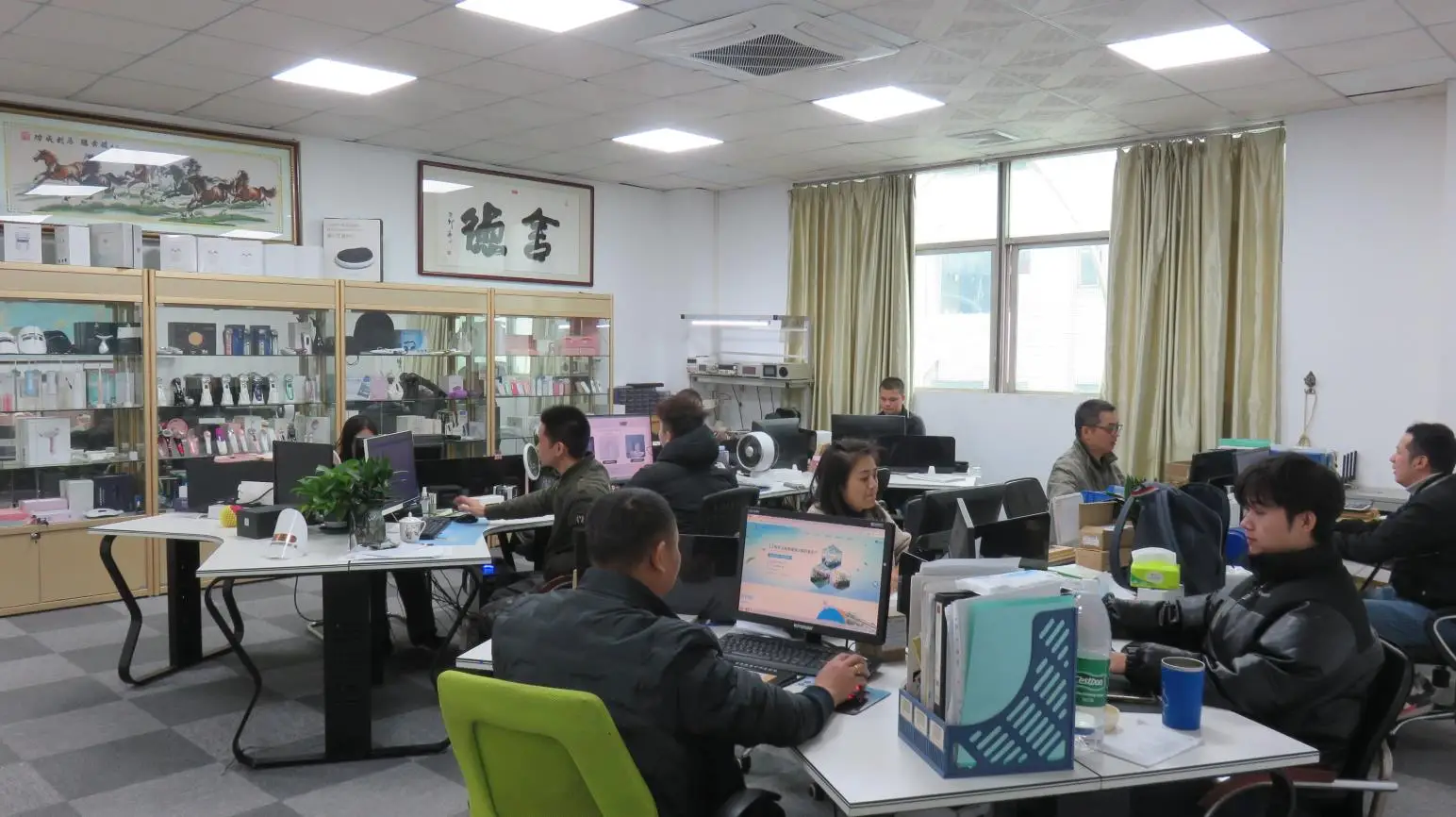
Shandong Chengchang Health Technology Co., Ltd.
- Trading Company
- Shandong, China
- Lead time15 days
- Avg. response≤ 4h
Main productsBeauty equipment,Massager,A protector,medical equipment,Health care equipment
Main marketsSoutheast Asia(20.00%), Domestic Market(15.00%), Mid East(10.00%), South America(5.00%), South Asia(5.00%), Southern Europe(5.00%), Northern Europe(5.00%), Central America(5.00%), Western Europe(5.00%), Eastern Asia(5.00%), Eastern Europe(5.00%), Oceania(5.00%), Africa(5.00%), North America(5.00%)
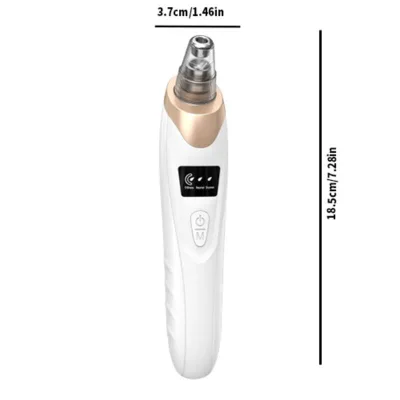
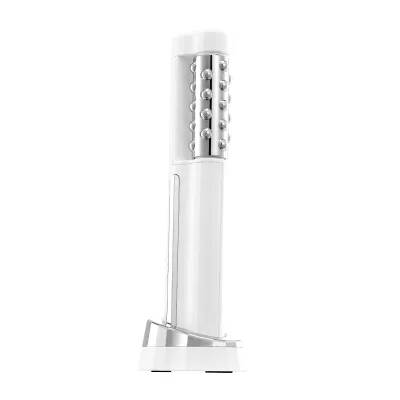
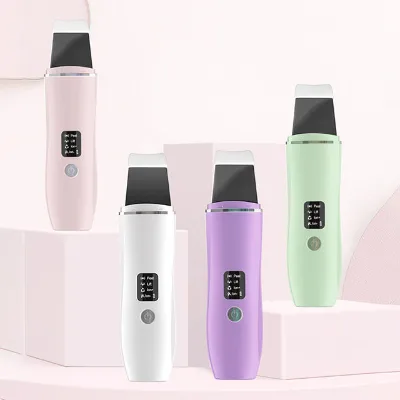
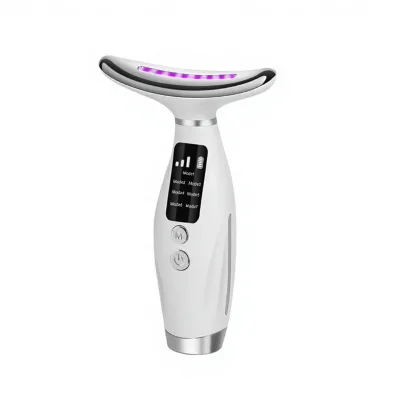
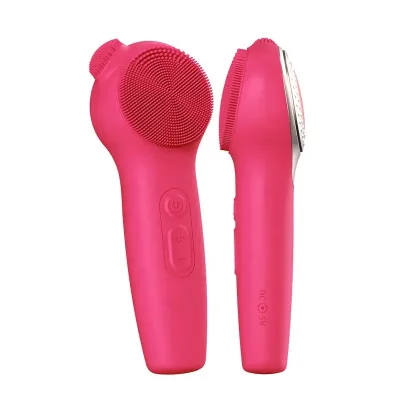
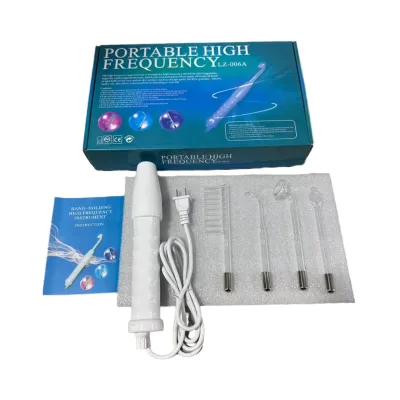
$4.0128 - $6.9973
MOQ: 1 pieces
Zhongshan Bisen Plastic Electronic Products Co., Ltd.
- Manufacturer, Trading Company
- Lead time旺季: "1 - 3000":35,"> 3000":"To be negotiated", 淡季: "1 - 3000":35,"> 3000":"To be negotiated"
- Avg. response≤ 1h
Main productsHome Use Beauty Device, LED Device, Heat And Cold Device, Hair Removal Device, Massage Device
Shenzhen Huayu Electronics Technology Co., Ltd.
- Manufacturer, Trading Company
- Guangdong, China
- Lead time15 days
- Avg. response≤ 3h
Main productsMenstrual Heating Pad, EMS Massage Belt, Light Shading Eye Mask, Heated Eye Massager Mask
Main marketsNorth America(30.00%), Western Europe(30.00%), Oceania(20.00%), Africa(10.00%), Southeast Asia(10.00%)
Shenzhen Amerke Electronic Co., Ltd.
- Manufacturer, Trading Company, Distributor/Wholesaler
- Guangdong, China
- Lead time20 days
- Avg. response≤ 7h
Main productsFacial Cleansing brush,Skin Scrubber,LED Light Therapy Instrument,IPL Hair Removal,Blackhead Remover
Main marketsNorth America(30.00%), Western Europe(20.00%), Eastern Europe(15.00%), Eastern Asia(15.00%), South America(10.00%), South Asia(8.00%), Southeast Asia(2.00%)
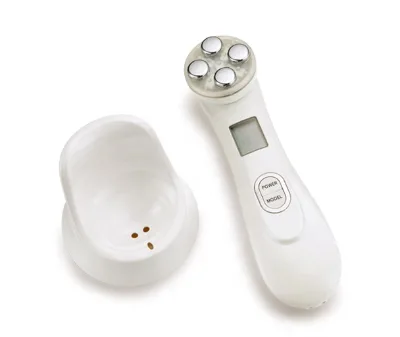
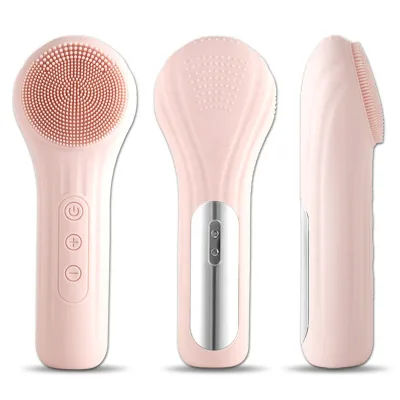
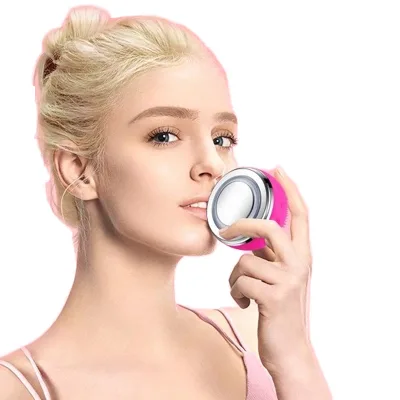
Face Vibrating Silicone Cleaning Brush Skin Lifting Massager LED Light Facial Massage Machine
$11.00 - $11.50
MOQ: 1 pieces
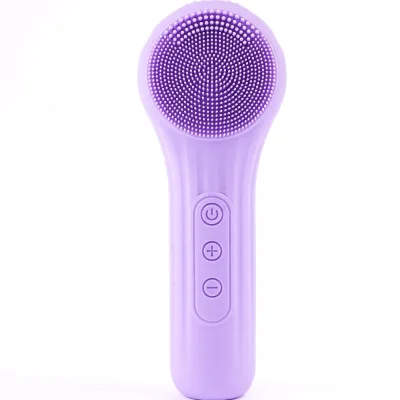
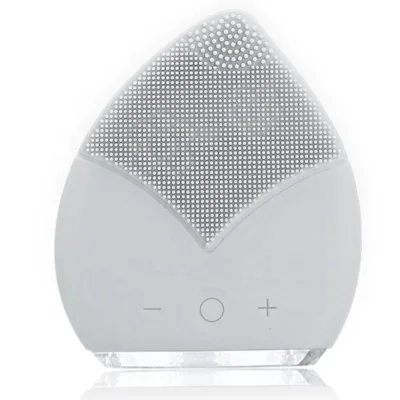
Vibration Adjustable Tooling Shell Shape Facial Deep Skin Cleanser Daily Facial Cleansing Brush
$4.6904 - $5.5583
MOQ: 1 pieces

- Verified by TUVRHEINLAND
- Trading Company
- China Zhejiang
- Lead time15 days
- Avg. response≤ 19h
Main productsPet Goods, Broom, Storage Box, Laundry, Houseware, Personal Care
Main marketsSouth America


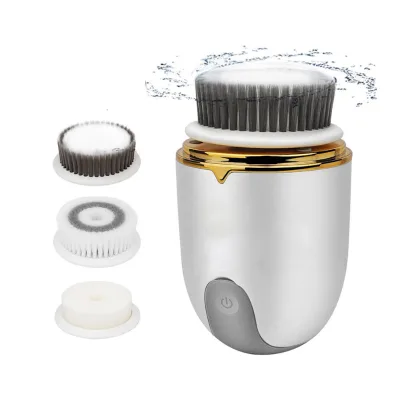
Waterproof Electric Facial Exfoliating Kit 4 Face Brush Heads Sonic Face Cleansing Tool
$7.70 - $9.00
MOQ: 100 Pieces

Dongguan Zhimi Electrical Technology Co., Ltd.
- Verified by BV
- Combined
- China Guangdong
- Lead time23 days
- Avg. response≤ 8h
Main productsHair Dryer, Household Depilation Instrument, Beauty Instrument, Laser Depilation Instrument, Hot Air Comb, Hair Removal Devices, Body Care Device, Pr Mask, Hair Trimmer, Hair Straightener
Main marketsSouth America,Southeast Asia/ Mideast,East Asia(Japan/ South Korea),Europe,Australia,North America

Multifunction Rechargeable Home Beauty Product Skin Care EMS Facial Lifting Instrument
$20.00 - $22.00
MOQ: 1 Pieces

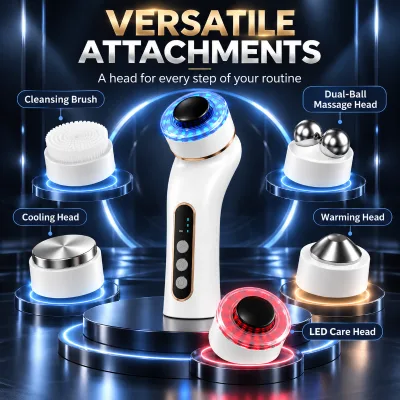
Rechargeable Skin Beauty Device with Multiple Heads and Massage Options
$25.00 - $35.00
MOQ: 10 Pieces


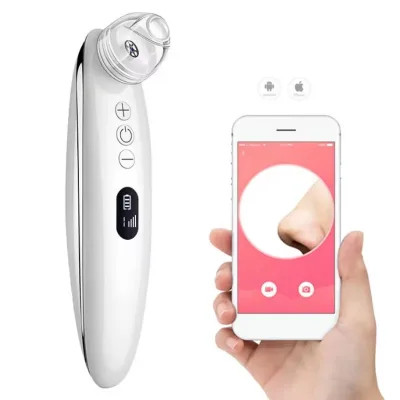
Equipped with 5-Hole Suction Head Face Electric Pore Cleaner Blackhead Suction Instrument
$8.40 - $9.00
MOQ: 1 Pieces
Guangzhou Megalo Technology Co., Ltd.
- Verified by TüVRheinland
- Trading Company
- Lead time15 days
- Avg. response≤ 3h
Main productsLaser Hair Removal Device, Face EMS Beauty Device, Clean Brush, Electrict Toothbrush, Water Flosser
Main marketsNorth America(20%), South America(15%), Eastern Europe(10%)
Dongguan Define Beauty Electronic Technology Co., Ltd.
- Manufacturer, Trading Company
- Guangdong, China
- Lead time15 days
- Avg. response≤ 2h
Main productsneck beauty instrument,Facial Scraping Beauty Device,Blackhead Suction Device,Face Massager,Face Cleaning Brush
Main marketsNorth America(38.00%), Domestic Market(10.00%), Eastern Asia(10.00%), South America(10.00%), South Asia(5.00%), Southern Europe(5.00%), Northern Europe(5.00%), Central America(5.00%), Western Europe(5.00%), Eastern Europe(5.00%), Southeast Asia(2.00%)
$26.0991 - $28.8513
MOQ: 1 pieces
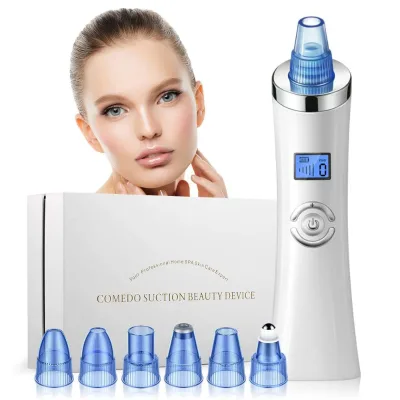

Guangzhou Amazing Technology Co., Ltd.
- Manufacturer, Trading Company
- Guangdong, China
- Lead time30 days
- Avg. response≤ 3h
Main productssmall home appliances,electronic scoreboard,cosmetic instrument,power supply,Mobile Accessories
Main marketsNorth America(43.00%), Eastern Europe(12.00%), Western Europe(8.00%), South America(7.00%), Southern Europe(7.00%), Eastern Asia(6.00%), Southeast Asia(6.00%), Mid East(3.00%), Africa(2.00%), South Asia(2.00%), Central America(1.00%), Domestic Market(1.00%), Oceania(1.00%), Northern Europe(1.00%)
Shenzhen Easter Technology Co., Ltd.
- Verified by TüVRheinland
- Manufacturer, Trading Company
- Lead time5 days
- Avg. response≤ 3h
Main productsJade Roller, Gua Sha, Beauty Products, Facial Massage Tool, Eye Massager
Main marketsNorth America(34%), Western Europe(15%), Southeast Asia(14%)
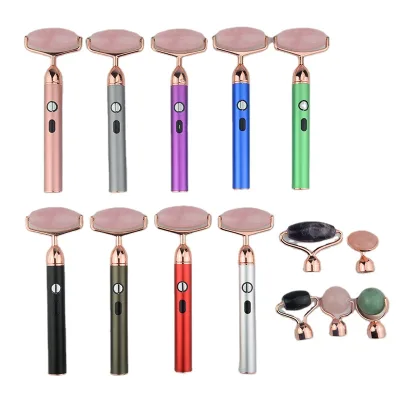
$5.1416 - $5.7577
MOQ: 100 pieces
$13.449 - $20.6907
MOQ: 10 pieces

Guangdong Byall Medical Technology Co., Ltd.
- Verified by SGS
- Combined
- China Guangdong
- Lead time15 days
- Avg. response≤ 6h
Main productsDr. Pen, Hydra Pen, Bio Pen, Hydra Needle, Hydra Roller
Main marketsEast Asia(Japan/ South Korea)

Shaoxing Hengjin Metal Co., Ltd.
- Verified by CTI
- Combined
- China Zhejiang
- Lead time30 days
- Avg. response≤ 7h
Main productsBeauty tool stick
Main marketsSouth America,East Asia(Japan/ South Korea),Europe,Australia,North America

$0.22 - $0.25
MOQ: 10000 Pieces

$0.70 - $0.75
MOQ: 3000 Pieces
Shenzhen Huiyuan Plastic Electronics Co., Ltd.
- Manufacturer, Trading Company
- Guangdong, China
- Lead time7 days
- Avg. response≤ 4h
Main productsNeck Apparatus,Facial Slimming Instrument,Blackhead Meter,Nail Polishers,Microcurrent Sleep Aid
Main marketsDomestic Market(50.00%), South Asia(50.00%), Southern Europe(50.00%), Northern Europe(50.00%), Central America(50.00%), Western Europe(50.00%), Eastern Asia(50.00%), Mid East(50.00%), Oceania(50.00%), Africa(50.00%), Southeast Asia(50.00%), Eastern Europe(50.00%), South America(50.00%), North America(50.00%)

Guangzhou Everplus Beauty Appliance Ltd.
- Verified by BV
- Combined
- China Guangdong
- Lead time30 days
- Avg. response≤ 11h
Main productsBeauty Equipment, Beauty Instrument, Slimming Machine, Body Slimming, Facial Care, Beauty Machine, Skin Care, RF Machine, Salon Equipment, Peeling Machine
Main marketsEurope


Multifunction Beauty Instrument for Skin Care /Multi-Functional Skin Management
$250.00 - $350.00
MOQ: 1 Pieces

Wenzhou Liyang Beauty Trade Co., Ltd.
- Verified by BV
- Trading Company
- China Zhejiang
- Lead time23 days
- Avg. response≤ 6h
Main productsHair Brush, Bath Items, Beauty Instruments, Makeup Brushes, Makeup Sponge, Jade Craft, Makeup Mirror, Cotton Pads, Silicone Accessories, False Nails
Main marketsSouth America,Eastern Europe,Mid East,North America,Western Europe


Wholesale Standable Double Heads Facial Cleaning Silicone Brush Electric Facial Cleaning Brush
$9.50 - $12.00
MOQ: 500 Pieces
Guangzhou TSD Electronic Technology Co., Ltd.
- Manufacturer
- Guangdong, China
- Lead time0 days
- Avg. response≤ 4h
Main productsbeauty equipment,hair regrowth device,home use face care machine,cryolipolysis machine,hair removal machine
Main marketsWestern Europe(30.00%), North America(20.00%), Southern Europe(15.00%), South America(10.00%), Eastern Europe(10.00%), Southeast Asia(5.00%), Northern Europe(3.00%), Eastern Asia(2.00%), Mid East(2.00%), Africa(1.00%), Oceania(1.00%), South Asia(1.00%), Central America(1.00%)

NINGBO FBELE ELECTRONICS CO., LTD.
- Trading Company
- China Zhejiang
- Lead time15 days
- Avg. response≤ 11h
Main productsSolar Cell, Buzzer, Fuse and Fuse Holder, Terminal Block, Switch, Speaker, Telephone Receiver, Siren, Rj, USB Connector
Main marketsSouth America,Southeast Asia/ Mideast,Europe

$5.50 - $6.00
MOQ: 10 Pieces

$7.00 - $7.50
MOQ: 10 Pieces
Xiamen Best Fortune Technology Co., Ltd.
- Verified by TüVRheinland
- Manufacturer, Trading Company
- Lead time15 days
- Avg. response≤ 2h
Main productsBeauty Equipment, Facial Brush, Skin Scrubber, High Frequency Facial Machine, Face Roller
Main marketsNorth America(40%), Southeast Asia(25%), Eastern Europe(15%)
Shenzhen Canvor Technology Co., Ltd.
- Verified by SGS Group
- Trading Company
- Lead time7 days
- Avg. response≤ 2h
Main productsHair Dryer, Hair Straightener, Hair Curler, Facial Massager, Led Facial Mask
Main marketsNorth America(23%), Western Europe(20%), Southeast Asia(10%)
Shangzhi Youzao (Guangzhou) Technology Co., Ltd.
- Manufacturer, Trading Company, Distributor/Wholesaler
- Guangdong, China
- Lead time30 days
- Avg. response≤ 13h
Main productswaxing kits,Airbrush kits,Beauty tools,OEM ODM,Personal care tools
Main marketsNorth America(40.00%), Eastern Europe(30.00%), Western Europe(15.00%), Eastern Asia(10.00%), Northern Europe(5.00%)


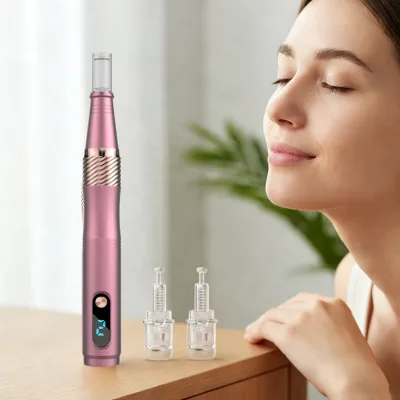
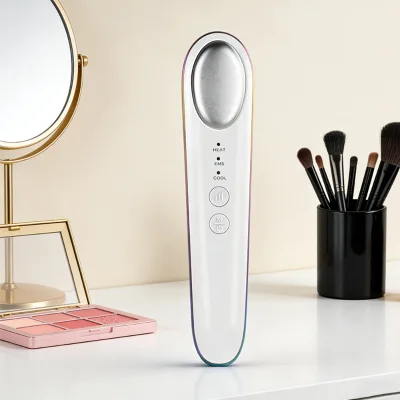
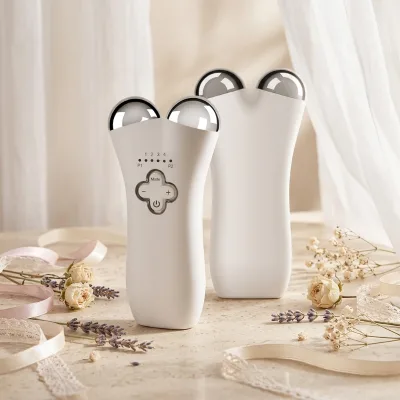


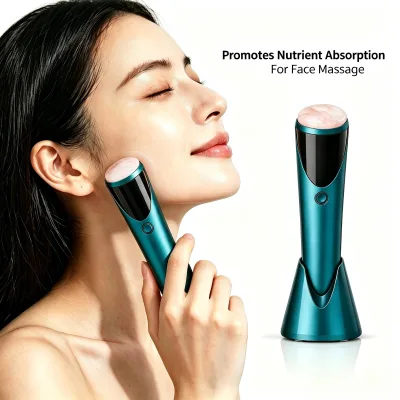


Comprehensive Sourcing Guide
Rechargeable Handheld Facial Care Head Supplier Concentration and Factory Types
The current supplier landscape for rechargeable handheld facial care heads reveals a distinct concentration in China, specifically within the Guangdong region. This geographic clustering is significant because Guangdong serves as a global hub for electronics manufacturing and beauty device production. Buyers evaluating potential partners should recognize that this location offers access to established supply chains for components like lithium batteries, LED arrays, and plastic injection molding. The presence of manufacturers in this area often correlates with faster prototyping cycles and more competitive pricing structures due to the density of specialized sub-suppliers. When assessing suppliers, it is crucial to verify if the factory is located in this primary manufacturing belt, as this can impact both logistics costs and the ability to conduct on-site audits. The concentration also suggests a high level of technical expertise in miniaturizing electronic components for personal care devices, which is essential for handheld units that require compact, efficient designs.
Supplier types in this category vary between trading companies and direct manufacturers, each offering different advantages for sourcing rechargeable handheld facial care heads. Direct manufacturers typically provide greater control over production quality, customization options, and potentially lower unit costs for larger volumes. They often possess their own research and development capabilities, allowing for OEM and ODM services that can tailor the device’s specifications, such as battery capacity, charging modes, and ergonomic design. On the other hand, trading companies may offer a broader portfolio of products, including complementary items like tweezers, eyelash curlers, and cosmetic mirrors, which can simplify procurement for buyers seeking a wider range of beauty tools. However, trading companies might have less direct oversight over the manufacturing process. Buyers must carefully distinguish between these entity types to align their sourcing strategy with their specific needs for quality control, customization, and product variety.
How to Verify Rechargeable Handheld Facial Care Head Suppliers
Verifying the legitimacy and capability of suppliers requires a multi-layered approach that goes beyond basic company profiles. One critical step is to check for third-party verification badges, such as those from SGS or TÜV Rheinland, which indicate that an independent agency has assessed the supplier’s business operations or product quality. These verifications provide a layer of confidence regarding the supplier’s existence and operational stability. Additionally, buyers should examine the supplier’s system certifications, such as ISO 9001 for quality management or BSCI for social compliance. While not all suppliers will display these certifications, their presence is a strong indicator of a structured and compliant manufacturing environment. It is important to note that the absence of a displayed certification does not necessarily imply non-compliance, but it does mean the buyer must request documentation directly to verify these standards.
Another essential verification method involves assessing the supplier’s responsiveness and communication efficiency. The response time metric, which can be observed in supplier profiles, serves as a proxy for their operational agility and customer service quality. A faster response time, such as under three hours, often correlates with a more proactive and organized sales team, which is crucial for resolving technical queries or production issues quickly. Buyers should also look for evidence of the supplier’s main products to ensure they specialize in beauty devices rather than being a generalist trading company with limited expertise. Reviewing the specific product attributes listed, such as waterproof levels, ultrasonic frequencies, or charging modes, can help verify that the supplier has genuine technical knowledge of rechargeable handheld facial care heads. This detailed product information suggests a deeper engagement with the category and a higher likelihood of reliable support throughout the sourcing process.
What to Compare Across Rechargeable Handheld Facial Care Head Suppliers
When comparing suppliers, lead time is a pivotal metric that directly impacts inventory management and time-to-market. Suppliers may display varying lead times, such as 15 to 23 days, which reflect their current production capacity and efficiency. A shorter lead time can be advantageous for buyers who need to respond quickly to market trends or replenish stock rapidly. However, buyers should also consider the reliability of these estimates and whether they include time for customization and quality control. Comparing lead times across multiple suppliers helps identify those with the most streamlined production processes. It is also important to inquire about how lead times might change during peak seasons or for custom orders, as this can affect overall project planning and delivery schedules.
Minimum Order Quantity (MOQ) and pricing structures are another critical area for comparison. MOQs can vary significantly, ranging from 20 to 100 units, depending on the supplier’s production model and the level of customization required. Lower MOQs are beneficial for testing the market or for buyers with smaller inventory needs, while higher MOQs often unlock better unit prices. Buyers should compare the price ranges for similar products, noting that costs can fluctuate based on features like LED color options, battery capacity, and packaging materials. Additionally, comparing the supplier’s response speed can provide insights into their customer service quality. A supplier with a faster response time may offer better support for pre-sales inquiries and post-sales issues, which is valuable for maintaining a smooth sourcing relationship. Evaluating these dimensions together helps buyers select a supplier that aligns with their operational scale and service expectations.
Common Rechargeable Handheld Facial Care Head Sourcing Risks
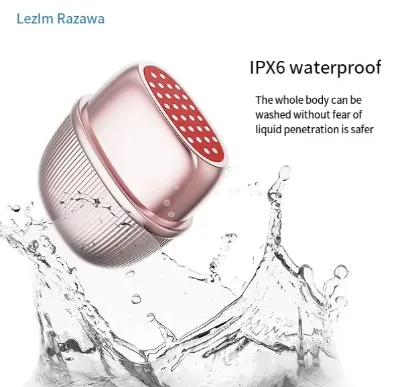
One significant risk in sourcing rechargeable handheld facial care heads is the variability in product specifications and quality consistency. Since these devices involve electronic components, batteries, and cosmetic-grade materials, there is a potential for discrepancies between the sample and mass production. Buyers must be vigilant about verifying technical specifications, such as voltage, charging modes, and waterproof levels, to ensure they meet their market’s regulatory requirements. For instance, some devices may only have waterproof heads, while others are fully waterproof, which affects their usability and safety. Without clear and detailed specifications, buyers risk receiving products that do not perform as expected, leading to customer dissatisfaction and potential returns. It is essential to request detailed product data sheets and conduct thorough quality checks before finalizing orders.
Another risk is the lack of transparency regarding manufacturing processes and supply chain integrity. Some suppliers may claim to be manufacturers but are actually trading companies, which can obscure the true source of production and complicate quality control efforts. This lack of transparency can also extend to certifications and compliance standards, where suppliers might not provide valid documentation for safety and quality management systems. Buyers should be cautious of suppliers who are vague about their production capabilities or unwilling to share detailed information about their manufacturing facilities. Additionally, the risk of intellectual property infringement exists, especially when working with suppliers who offer extensive OEM/ODM services. Buyers must ensure that their designs and branding are protected and that the supplier adheres to strict confidentiality agreements to prevent unauthorized replication of their products.
Rechargeable Handheld Facial Care Head Regional Sourcing and Logistics
Sourcing from the Guangdong region in China offers logistical advantages due to its well-developed infrastructure and proximity to major shipping ports. This location facilitates efficient export processes, reducing transit times and costs for international buyers. However, buyers must also consider the environmental and regulatory aspects of shipping electronic devices, which may include lithium batteries. Proper packaging and labeling are crucial to comply with international shipping regulations, such as those set by the International Air Transport Association (IATA) for dangerous goods. Buyers should work with suppliers who have experience in exporting beauty devices and can provide the necessary documentation for customs clearance. Understanding the logistics requirements early in the sourcing process helps avoid delays and additional fees associated with non-compliant shipments.
The choice of shipping method also impacts the overall cost and delivery timeline. For smaller orders or urgent replenishments, air freight may be preferred despite higher costs, while larger bulk orders can benefit from sea freight to reduce expenses. Buyers should compare the total landed cost, including shipping, insurance, and duties, to determine the most cost-effective logistics strategy. Additionally, considering the supplier’s packaging efficiency can help optimize shipping volumes. For example, suppliers who provide compact packaging dimensions can reduce the number of containers needed, lowering freight costs. Buyers should also evaluate the supplier’s ability to handle different packaging requirements, such as gift boxes or bulk cartons, to meet their specific distribution needs. Effective logistics planning ensures that products reach the market efficiently and cost-effectively.
Rechargeable Handheld Facial Care Head Commercial Terms and Order Planning
Commercial terms, including payment methods and warranty policies, are essential components of order planning. Buyers should negotiate clear payment terms that balance risk and cash flow, such as using secure payment platforms or escrow services to protect their interests. It is also important to clarify the warranty period and after-sales support provided by the supplier, especially for electronic devices that may have a higher failure rate. Suppliers who offer robust warranty policies and responsive customer service can mitigate the risks associated with product defects. Buyers should also consider the supplier’s flexibility in handling order modifications or cancellations, as market conditions can change rapidly. Understanding these commercial terms helps establish a transparent and fair business relationship, reducing the potential for disputes and ensuring a smoother transaction process.
Order planning should also account for the supplier’s production capacity and scalability. Buyers need to ensure that the supplier can handle their order volume, especially during peak seasons or when scaling up production. Discussing production schedules and capacity constraints early on helps prevent delays and ensures timely delivery. Additionally, buyers should consider the supplier’s ability to provide custom packaging and branding services, which can enhance product appeal and market differentiation. Planning for these customization needs requires lead time and coordination with the supplier’s design and production teams. By integrating these commercial and logistical considerations into their order planning, buyers can optimize their sourcing strategy, reduce risks, and achieve better overall value from their supplier partnerships. This comprehensive approach ensures that the sourcing process is efficient, reliable, and aligned with business goals.
FAQs
What is the typical lead time for these devices?
The observed lead time for these handheld beauty devices is 23 days. Some suppliers offer faster options with a 15-day turnaround. Buyers should confirm specific delivery schedules based on order volume and customization needs before finalizing purchases.
Are these devices suitable for both home and salon use?
Yes, many listed products support both salon and home applications. Specific models like the C812 and WS19 are explicitly designed for dual use. Buyers should verify the application settings on individual product pages to ensure compatibility with their intended environment.
What is the minimum order quantity for these items?
Minimum order quantities vary by product, ranging from 20 to 100 units. For instance, the B007 model requires 20 units, while the WS19 requires 100 units. Buyers must check the specific MOQ for each model to plan their inventory effectively.
Do these suppliers hold relevant safety certifications?
Some suppliers hold BSCI and ISO 9001 certifications, while others may have no listed system certifications. Verification services like SGS or TÜV Rheinland are also available for certain suppliers. Buyers should request current certification documents to ensure compliance with local safety standards.
What is the price range for these handheld devices?
Prices for these devices range from approximately 5.98 to 41.00 USD per unit. The lowest prices apply to basic LED facial devices, while higher costs cover advanced ultrasonic or hot-cold instruments. Final pricing depends on order quantity and specific customization requirements.
Where are these manufacturers located?
The primary manufacturing location for these suppliers is Guangdong, China, specifically Shenzhen. This region is known for producing a wide variety of beauty electronics and personal care instruments. Buyers should verify the exact factory address during the sourcing process.
How quickly do suppliers typically respond to inquiries?
Suppliers generally respond within 2.89 to 2.99 hours on average. This rapid response time helps facilitate quick communication regarding product specifications and order details. Buyers can expect timely updates when contacting these verified trading companies or manufacturers.