Red Drone Props Guard Suppliers and Manufacturers in China
Compare 13 verified suppliers offering Red Drone Props Guard with attributes like location, lead time, and certifications. Review product specs and response times to select a factory or trading company for your sourcing needs; review the available evidence before requesting comparable quotations from suitable candidates.
Updated
Suppliers List

Dongguan HSK RC Technology Co.LTD
- Manufacturer, Trading Company
- Guangdong, China
- Lead time10 days
- Avg. response≤ 3h
Main productsFPV,RACING DRONE,rc drone,RC HOBBY,QUADCOPTER
Main marketsNorth America(20.00%), Western Europe(15.00%), Southern Europe(10.00%), Northern Europe(10.00%), Southeast Asia(10.00%), Eastern Europe(10.00%), Mid East(5.00%), Oceania(5.00%), Central America(5.00%), South America(5.00%), Eastern Asia(5.00%)

Ningbo Sanjie Precision Machinery Co., Ltd
- Verified by TUVRHEINLAND
- Manufacturer/Factory
- China Zhejiang
- Lead time30 days
- Avg. response≤ 4h
Main productsCNC Machining Parts, Turning Parts, Milling Parts, Metal Parts, Steel Parts, Aluminum Parts, Plastic Parts, Brass Parts
Main marketsSouth America,Eastern Europe,North America,Southeast Asia,Eastern Asia,Western Europe

Zhongshan Mingxin Silicone Manufactory
- Verified by SGS
- Combined
- China Guangdong
- Lead time15 days
- Avg. response≤ 5h
Main productsSilicone Kitchenware, Silicone Keypaid, Silicone Bracelet, Silicone Wristband, Silicone Ashtray, Silicone Tube, Silicone Watch, Silicone Rubber, Silicone Sex Doll, Silicone Mold
Main marketsEurope,North America
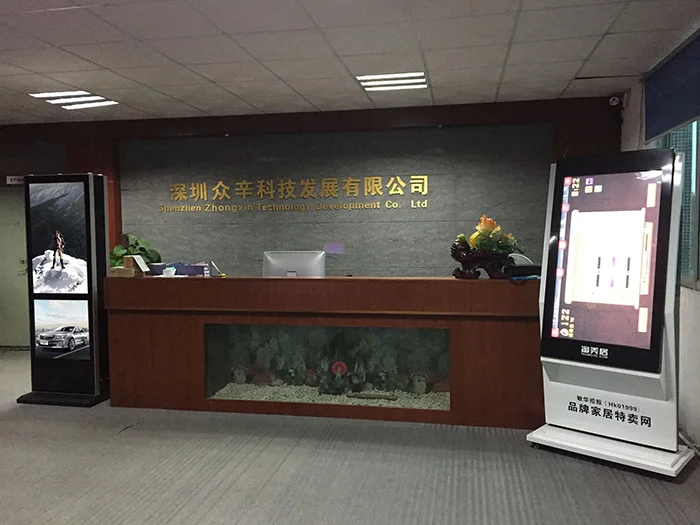
Shenzhen Zhongxin Technology Co., Ltd.
- Manufacturer, Trading Company
- Guangdong, China
- Lead time10 days
- Avg. response≤ 4h
Main productsIndoor & Outdoor LCD digital signage,Wall & Freestanding LCD Monitor,LCD advertising displayer,All in one touch screen,Sport camera/ Camera Handheld/Microphone/Camera Drone Toy and Accessories
Main marketsEastern Europe(14.00%), North America(13.00%), South America(11.00%), Central America(10.00%), Southern Europe(9.00%), Western Europe(8.00%), Eastern Asia(7.00%), Northern Europe(7.00%), South Asia(6.00%), Mid East(6.00%), Domestic Market(4.30%), Southeast Asia(2.00%), Africa(1.50%), Oceania(1.20%)
Jiangxi Skyvision Tech Development Co., Ltd.
- Manufacturer, Trading Company
- Jiangxi Province, China
- Lead time7 days
- Avg. response≤ 2h
Main productsSolar Power Station,Solar Lamp,Multiport Hub,Solar Light,Video Capture Card
Main marketsNorth America(40.00%), Western Europe(30.00%), Southeast Asia(20.00%), Domestic Market(10.00%)

Shenzhen Gc Electronics Co., Ltd.
- Trading Company
- Guangdong, China
- Lead time7 days
- Avg. response≤ 5h
Main productsAgricultural parts,fertilizer spreading system for drone,seeds spreading device for drone
Main marketsSoutheast Asia(70.00%), Domestic Market(10.00%), North America(10.00%), South America(10.00%)
Ningbo Inunion Import And Export Co., Ltd.
- Trading Company
- Lead time旺季: "1 - 10":34,"> 10":"To be negotiated", 淡季: "1 - 10":34,"> 10":"To be negotiated"
- Avg. response≤ 1h
Main productsMachining Parts, Stamping Parts, Casting Parts, Injection Plastic Parts
- Trading Company
- Chongqing, China
- Lead time10 days
- Avg. response≤ 4h
Main productsConsumer Drone,Professional Drone,Commercial Drone,RC Toys
Main marketsNorth America(20.00%), Eastern Europe(15.00%), Western Europe(15.00%), Domestic Market(10.00%), South America(10.00%), Mid East(10.00%), Oceania(10.00%), Southeast Asia(10.00%)
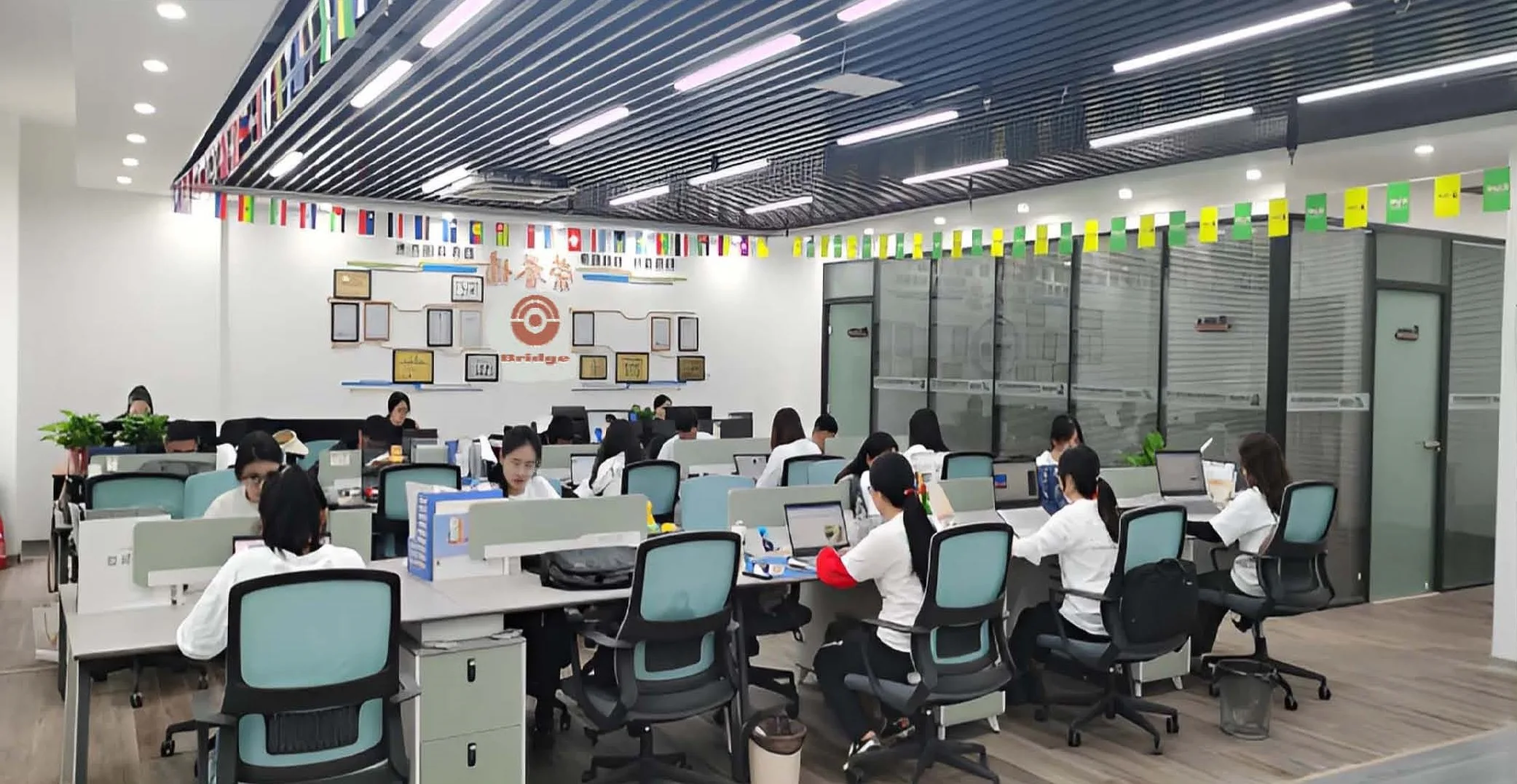
Shenzhen Bridge Technology Co., Ltd.
- Manufacturer, Trading Company, Distributor/Wholesaler
- Guangdong, China
- Lead time7 days
- Avg. response≤ 2h
Main productsAgricultural Drone Parts,Drone Accessories & Spare Parts
Main marketsSoutheast Asia(30.00%), Mid East(20.00%), South Asia(20.00%), North America(15.00%), Central America(15.00%)
Hunan Austan Machinery Co., Ltd.
- Verified by TüVRheinland
- Trading Company
- Lead time7 days
- Avg. response≤ 2h
Main productsBearing, Linear Guideway, Ball Transfer Unit, Roller Chain, Motor
Main marketsNorth America(38%), Eastern Europe(30%), Domestic Market(10%)
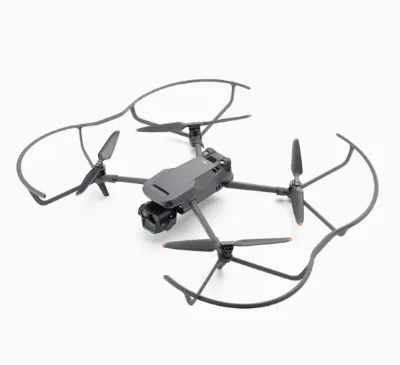
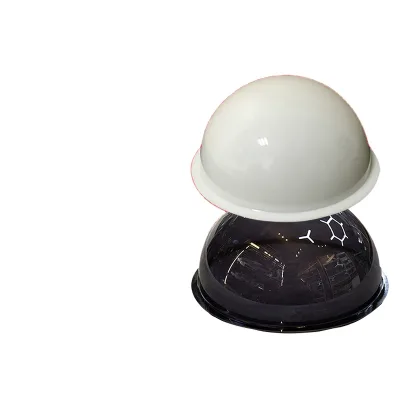
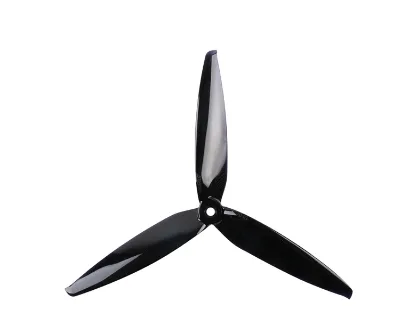
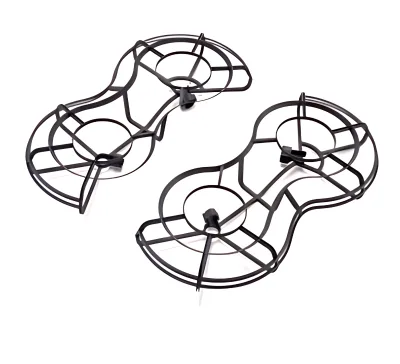
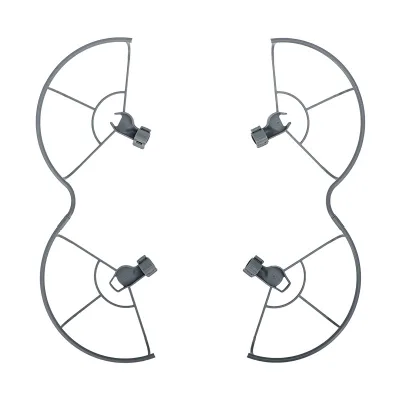
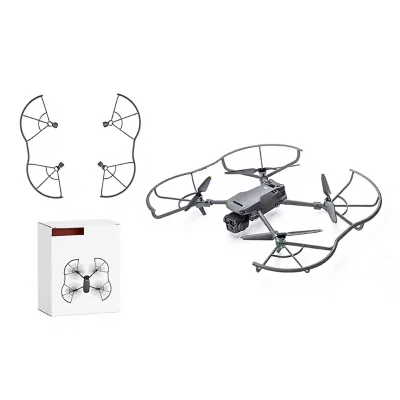
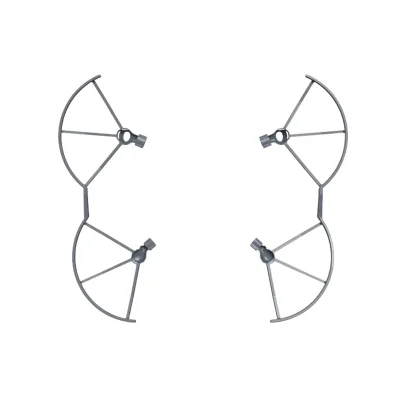
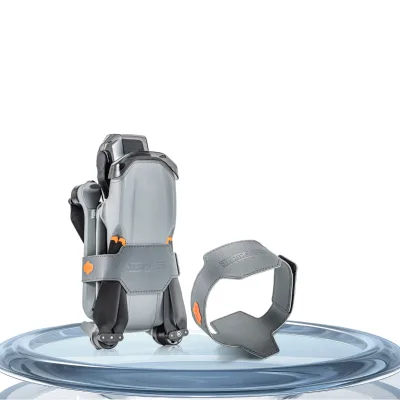
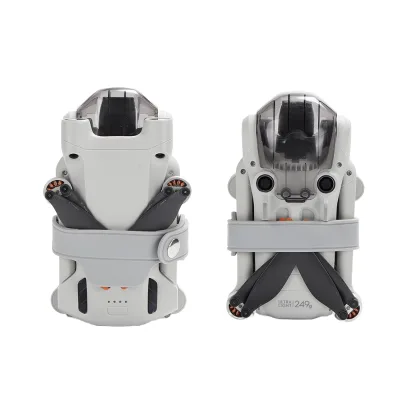
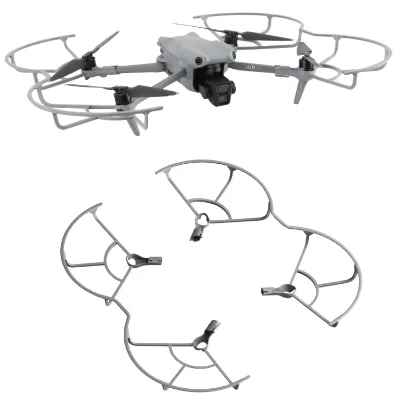
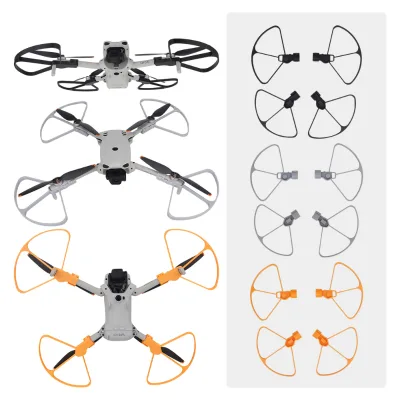
Mavic 3 Mavic 3T Propeller Protection Cover Propeller Guards Ring Drone Accessories
$13.50 - $15.00
MOQ: 20 boxes
$18.05 - $20.90
MOQ: 50 pieces
- Trading Company
- Chongqing, China
- Lead time0 days
- Avg. response≤ 3h
Main productsCasting Products,Lab furniture,Garbage process,oil filtration,Gasification system
Main marketsEastern Asia(30.00%), Eastern Europe(20.00%), Central America(10.00%), Western Europe(10.00%), Southern Europe(10.00%), Africa(10.00%), Southeast Asia(5.00%), Northern Europe(5.00%)
Dongguan Juhai Electronic Technology Co., Ltd.
- Verified by TüVRheinland
- Manufacturer, Trading Company
- Lead time0 days
- Avg. response≤ 2h
Main productsFPV Drone Batteries, RC Car Lipo Batteries, RC Heli Lipo Battery, RC Boat Batteries, High-Capacity Lithium-Ion Batteries
Main marketsDomestic Market(30%), North America(20%), Northern Europe(15%)
Shenzhen Huaxunneng Technology Co., Ltd.
- Manufacturer, Trading Company, Distributor/Wholesaler
- Lead time旺季: "1 - 500":7,"> 500":"To be negotiated", 淡季: "1 - 500":7,"> 500":"To be negotiated"
- Avg. response≤ 14h
Main productsFPV drone kits,Blushless motor,FPV camera,FPV Transmitter&Receiver,Flight Controller


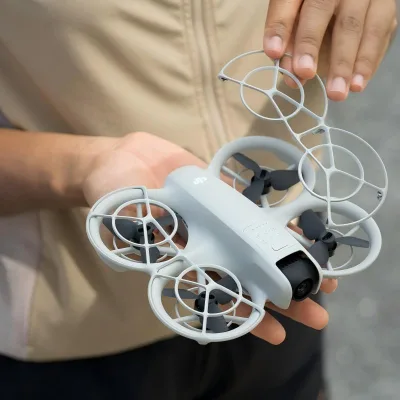
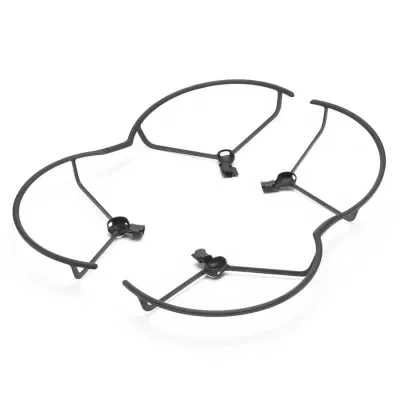
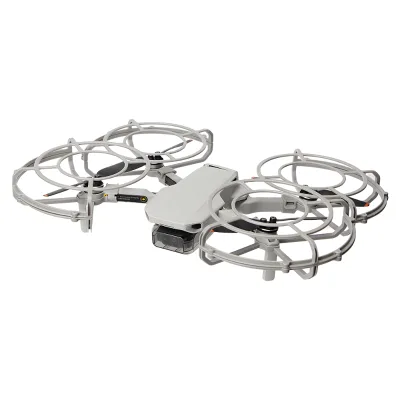
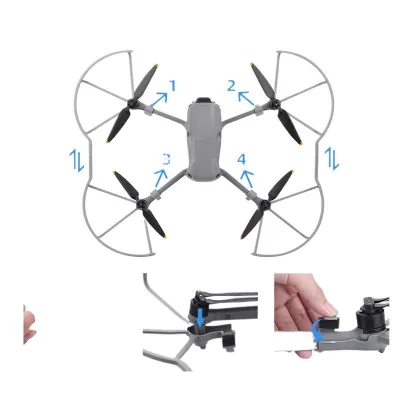
Comprehensive Sourcing Guide
Red Drone Props Guard Supplier Concentration and Factory Types
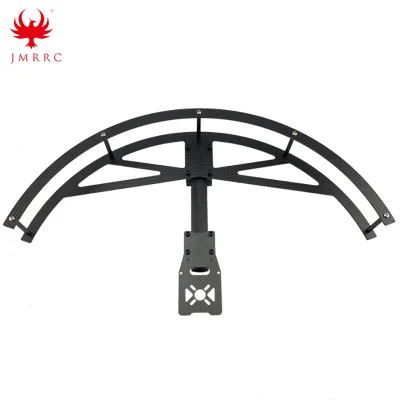
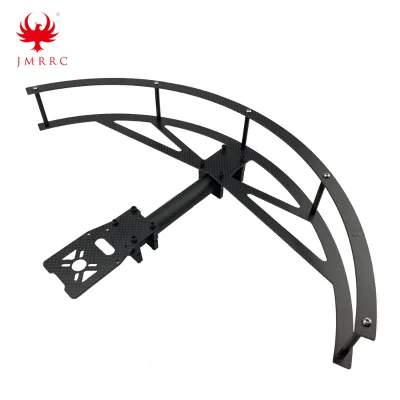
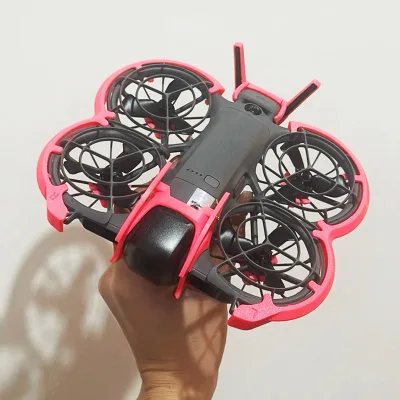
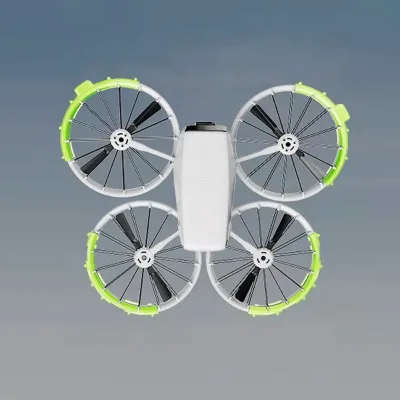
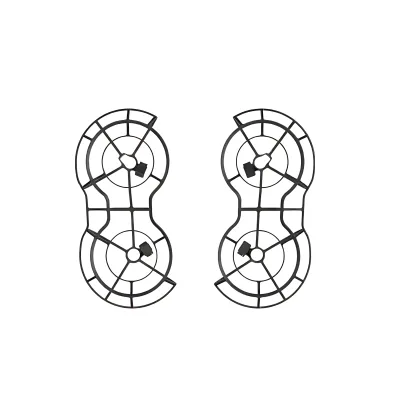
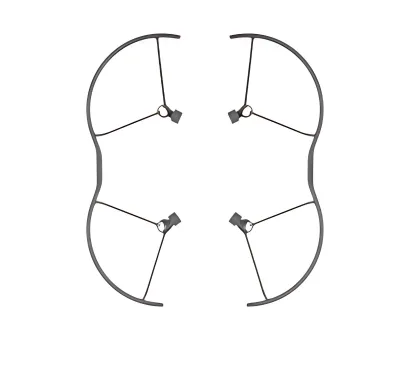
The current supplier landscape for red drone props guards reveals a diverse mix of manufacturing capabilities concentrated primarily in Guangdong, China, with additional presence in Zhejiang. Suppliers in these regions often operate as either pure manufacturers or trading companies, offering buyers distinct advantages depending on their procurement strategy. Guangdong-based entities frequently list main products that include FPV racing drones, quadcopters, and general RC hobby accessories, suggesting a strong ecosystem for drone-specific components. This concentration allows for specialized production lines where propeller guards are manufactured alongside other critical drone parts, potentially streamlining logistics for buyers sourcing multiple items. The presence of both manufacturer and trading company types indicates that buyers can choose between direct factory engagement for better pricing control or trading companies for broader product variety and simplified communication.
In contrast, suppliers located in Zhejiang often emphasize precision engineering, with main products focusing on CNC machining parts, turning parts, and metal components. These factories may offer higher tolerance levels for metal propeller guards, catering to professional or industrial drone applications where durability and precision are paramount. The distinction between these regional factory types is crucial for buyers, as Guangdong suppliers might prioritize high-volume plastic or composite production, while Zhejiang factories could excel in custom metal fabrication. Buyers should assess whether their specific need for red drone props guards requires the high-speed, high-volume output typical of Guangdong manufacturers or the specialized, low-volume precision of Zhejiang-based metal workshops. Understanding this split helps in targeting the right supplier type for the desired balance of cost, speed, and material quality.
How to Verify Red Drone Props Guard Suppliers
Verifying the legitimacy and capability of Red Drone Props Guard suppliers requires a multi-layered approach focusing on certifications, verification badges, and response metrics. Buyers should prioritize suppliers who display recognized third-party verification badges, such as TÜV Rheinland or SGS, which indicate that the company has undergone rigorous audits of its business operations and manufacturing processes. For instance, some suppliers in the results hold ISO 9001 system certifications, which is a strong indicator of standardized quality management systems in place. Additionally, checking for specific product certifications like CE, RoHS, or FDA can be critical, especially if the guards are made from silicone or other materials that may have regulatory implications for consumer electronics accessories. These certifications provide tangible evidence of compliance with international safety and environmental standards, reducing the risk of receiving non-compliant goods.
Beyond certifications, the supplier’s response time and verification status offer immediate insights into their operational efficiency and reliability. A response time of under four hours, as seen with several suppliers, suggests a responsive sales team capable of addressing technical queries or custom requests promptly. Buyers should also examine the company type listed, distinguishing between pure manufacturers, trading companies, and combined entities. Manufacturers typically offer more control over production schedules and customization, while trading companies may provide better flexibility in mixing products. It is essential to cross-reference the supplier’s claimed capabilities with their actual product listings and attributes. For example, if a supplier claims to be a factory but lists only trading-related services, buyers should probe further. Always request recent verification reports or factory audit videos to confirm that the physical production facilities match the supplier’s online profile and claims.
What to Compare Across Red Drone Props Guard Suppliers
When evaluating multiple suppliers for red drone props guards, buyers must compare key operational metrics such as lead time, minimum order quantity (MOQ), and supply ability to ensure alignment with their inventory needs. Lead times vary significantly, ranging from ten days for standard plastic guards to thirty days for complex metal CNC parts. This disparity highlights the importance of matching the supplier’s production capacity with the buyer’s timeline. For instance, suppliers with a supply ability of 100,000 sets per week are well-suited for large-scale retail distribution, while those with lower capacities may be better for niche or custom orders. Buyers should also scrutinize the MOQ, which can range from a single piece for sampling to 100 pieces or more for bulk production. Understanding these thresholds helps in planning cash flow and inventory levels, preventing overstocking or stockouts.
Material composition and customization options are another critical comparison point. Suppliers offer guards made from composite materials, flexible plastic, metal, or silicone, each with distinct durability and aesthetic properties. For example, silicone guards may offer better shock absorption and a softer feel, while metal guards provide superior rigidity and protection. Buyers should compare the available customization options, such as color variations (black, red, white) and branding capabilities. Some suppliers allow full OEM/ODM services, enabling buyers to create unique product identities, while others may only offer limited color choices. Additionally, comparing the packaging details is essential, as proper anti-static and strong carton packaging ensures product integrity during transit. By systematically comparing these attributes, buyers can identify the supplier that best balances cost, quality, and logistical requirements for their specific market segment.
Common Red Drone Props Guard Sourcing Risks
One of the primary risks in sourcing red drone props guards is the discrepancy between claimed material quality and actual product performance. Suppliers may list materials as "composite" or "flexible plastic" without providing detailed specifications on durability or impact resistance. This ambiguity can lead to receiving guards that crack easily or fail to protect propellers effectively, resulting in customer complaints and returns. Buyers must be cautious of suppliers who do not provide clear material certifications or test results. For instance, while some suppliers claim FDA certification for silicone products, others may only list generic "Others" certifications, leaving the material safety in question. This lack of transparency can be particularly risky for buyers targeting markets with strict consumer safety regulations. It is crucial to request material safety data sheets or third-party test reports to verify the actual composition and safety of the guards.
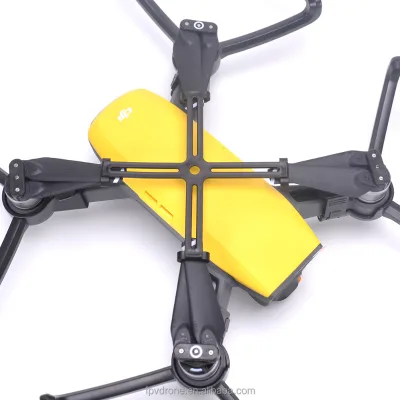
Another significant risk involves the reliability of supply chain logistics and communication. Suppliers with longer lead times or inconsistent response times may struggle to meet urgent order deadlines, disrupting the buyer’s inventory cycle. Additionally, the risk of receiving products that do not match the specified dimensions or compatibility is high if the buyer does not verify technical drawings and specifications thoroughly. For example, a guard designed for a DJI Spark may not fit a DJI Mavic Mini 2, leading to compatibility issues. Buyers should also be wary of suppliers who do not offer clear return policies or quality assurance guarantees. The absence of escrow protection or verified transaction history can expose buyers to financial loss if the supplier fails to deliver or delivers substandard goods. Mitigating these risks requires diligent due diligence, including sample testing and clear contractual agreements on quality standards and delivery timelines.
Red Drone Props Guard Regional Sourcing and Logistics
Sourcing red drone props guards from China offers logistical advantages due to the established infrastructure in manufacturing hubs like Guangdong and Zhejiang. Guangdong, in particular, is a major center for consumer electronics and drone accessories, with ports like Shenzhen facilitating efficient export operations. Suppliers in this region often have streamlined logistics channels, enabling faster dispatch and competitive shipping rates. The proximity to major manufacturing clusters allows for quicker turnaround times on raw materials and components, which can reduce overall production lead times. Buyers sourcing from Guangdong can benefit from a mature supply chain ecosystem, where packaging, labeling, and customs documentation are handled with high efficiency. This regional concentration also facilitates easier coordination for factory audits and quality inspections, as many suppliers are located within close proximity to each other.
In contrast, sourcing from Zhejiang may involve slightly different logistical considerations, particularly for metal-based guards produced by CNC machining factories. While Zhejiang is also well-connected to global shipping routes, the focus on precision engineering may result in more complex packaging requirements to protect delicate metal parts from damage during transit. Buyers should consider the port of dispatch, which is often listed as Shenzhen for Guangdong suppliers, ensuring familiarity with standard export procedures. Additionally, the choice of region can impact the cost of freight, as volume discounts may be available for larger shipments from high-capacity Guangdong factories. Buyers should also evaluate the supplier’s experience with international shipping, including their ability to handle customs clearance and provide necessary documentation. Understanding these regional logistical nuances helps in optimizing the total landed cost and ensuring timely delivery to the final destination.
Red Drone Props Guard Commercial Terms and Order Planning
Effective order planning for red drone props guards requires careful attention to commercial terms, including pricing structures, payment methods, and warranty policies. Suppliers often provide price ranges that vary based on order volume, material type, and customization requirements. For example, basic plastic guards may start at low price points, while custom metal or silicone guards with specific certifications can command higher prices. Buyers should negotiate clear pricing tiers to maximize margins, especially for repeat orders. It is also essential to clarify whether the quoted prices include packaging, labeling, and shipping costs, as these can significantly impact the total cost. Additionally, buyers should inquire about sample costs and whether they are refundable upon placing a bulk order, as this can affect the initial investment in product evaluation.
Payment terms and escrow protection are critical components of the commercial agreement. Buyers should prefer suppliers who offer secure payment methods, such as escrow services, to protect their funds until the goods are received and verified. Understanding the supplier’s return and refund policies is equally important, as it provides a safety net in case of quality issues or shipping damages. Buyers should also plan for potential currency fluctuations and import duties, which can affect the final cost of the goods. Establishing a clear communication channel for post-sale support ensures that any issues are resolved promptly, maintaining a positive business relationship. By meticulously planning these commercial terms, buyers can mitigate financial risks and ensure a smooth procurement process for red drone props guards.
FAQs
What materials are used for red drone prop guards?
Red drone prop guards are available in composite material, flexible plastic, and metal. Some options use silicone for soft protection. Buyers should verify the specific material listed in product attributes to ensure durability matches their flight needs and environmental conditions.
What is the typical lead time for these guards?
Lead times vary by supplier and material type. Some manufacturers offer a 10-day lead time for standard orders, while others may require up to 30 days for custom metal parts. Buyers must check the specific lead time listed for their selected supplier before placing an order.
Are these guards compatible with DJI Spark drones?
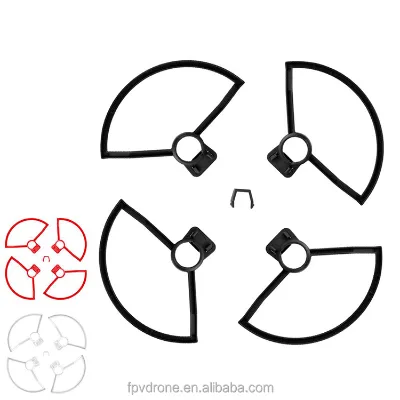
Yes, specific models are designed as quick-release propeller guards for the DJI Spark drone. These guards feature a generation 2 design and are available in red, black, and white colors. Buyers should confirm the compatible drone model in the product attributes before purchasing.
What is the minimum order quantity for red guards?
Minimum order quantities differ significantly between suppliers. Some sellers accept orders as low as one piece, while others require a minimum of 100 pieces for silicone variants. Buyers need to review the specific MOQ listed for each product to plan their procurement budget effectively.
Do suppliers offer certifications for these drone parts?
Certifications vary by product and manufacturer. Some metal parts carry ISO, RoHS, and CE certifications, while silicone options may hold FDA approval. Buyers should verify the specific certification details in the product attributes to ensure compliance with their regional safety and quality standards.
Where are these drone accessories typically manufactured?
Most red drone prop guards originate from Guangdong or Zhejiang provinces in China. Specific products list Ningbo or Shenzhen as the port of dispatch. Buyers should check the place of origin field to understand the supply chain location and potential shipping logistics for their orders.
How fast do suppliers typically respond to inquiries?
Response times generally range from 3 to 4.5 hours based on current supplier data. Some manufacturers respond within 3 hours, while others may take up to 4.46 hours. Buyers should expect a reply within this window when contacting suppliers for quotes or technical details.