Retro Cartoon Brass Lock Suppliers and Manufacturers
Explore 22 verified options for Retro Cartoon Brass Lock from factories in China Jiangsu, Shanghai, and Guangdong. Compare response times, lead times, and MOQs to find the right partner for your needs. Start by filtering suppliers based on your specific material and customization requirements.
Updated
Suppliers List
NANTONG WELLSING TRADE CO., LTD.
- Trading Company
- China Jiangsu
- Lead time45 days
- Avg. response≤ 25h
Main productsHardware, Handtool, Lock, Screwdriver, Hinges, Bolt, Drawer Lock, Plier, Padlock, Scraper
Main marketsSouth America,Southeast Asia/ Mideast,North America

Nanjing Toutru Trading Co., Ltd.
- Trading Company,Manufacturer/Factory
- China Jiangsu
- Lead time45 days
- Avg. response≤ 18h
Main productsHand Tool
Main marketsSouth America,Eastern Europe,Western Europe,Africa

Shanghai Kamal Trading Co., Ltd.
- Trading Company
- Shanghai, China
- Lead time35 days
- Avg. response≤ 3h
Main productsLocks,padlocks,key box,safe box,LOTO products
Main marketsNorth America(40.00%), Western Europe(25.00%), Oceania(9.00%), Africa(5.00%), Eastern Asia(3.00%), Mid East(3.00%), Northern Europe(3.00%), Southern Europe(3.00%), Domestic Market(2.00%), South Asia(2.00%), South America(2.00%), Central America(1.00%), Eastern Europe(1.00%), Southeast Asia(1.00%)
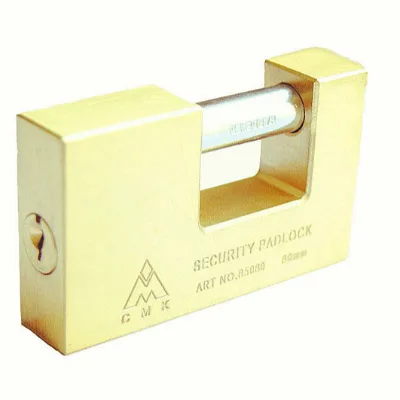
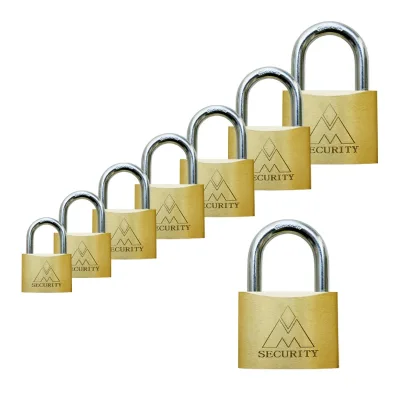
China Factory Two Bras Key Lock Small 40mm Brass Padlock for Gym Bathroom
$0.40 - $4.10
MOQ: 1000 Minimum
Shenzhen Mantimelong Electronic Co., Ltd.
- Manufacturer, Trading Company
- Guangdong, China
- Lead time3 days
- Avg. response≤ 10h
Main productsBALL PEN,STATIONERY,HOUSEHOLD SUNDRIES,PEN
Main marketsNorthern Europe(25.00%), South America(20.00%), Mid East(13.00%), Western Europe(10.00%), North America(10.00%), Eastern Europe(8.00%), Oceania(5.00%), Eastern Asia(5.00%), Southeast Asia(4.00%)
Hebei Shenghui Intelligent Technology Co., Ltd.
- Manufacturer, Trading Company
- Hebei, China
- Lead time10 days
- Avg. response≤ 2h
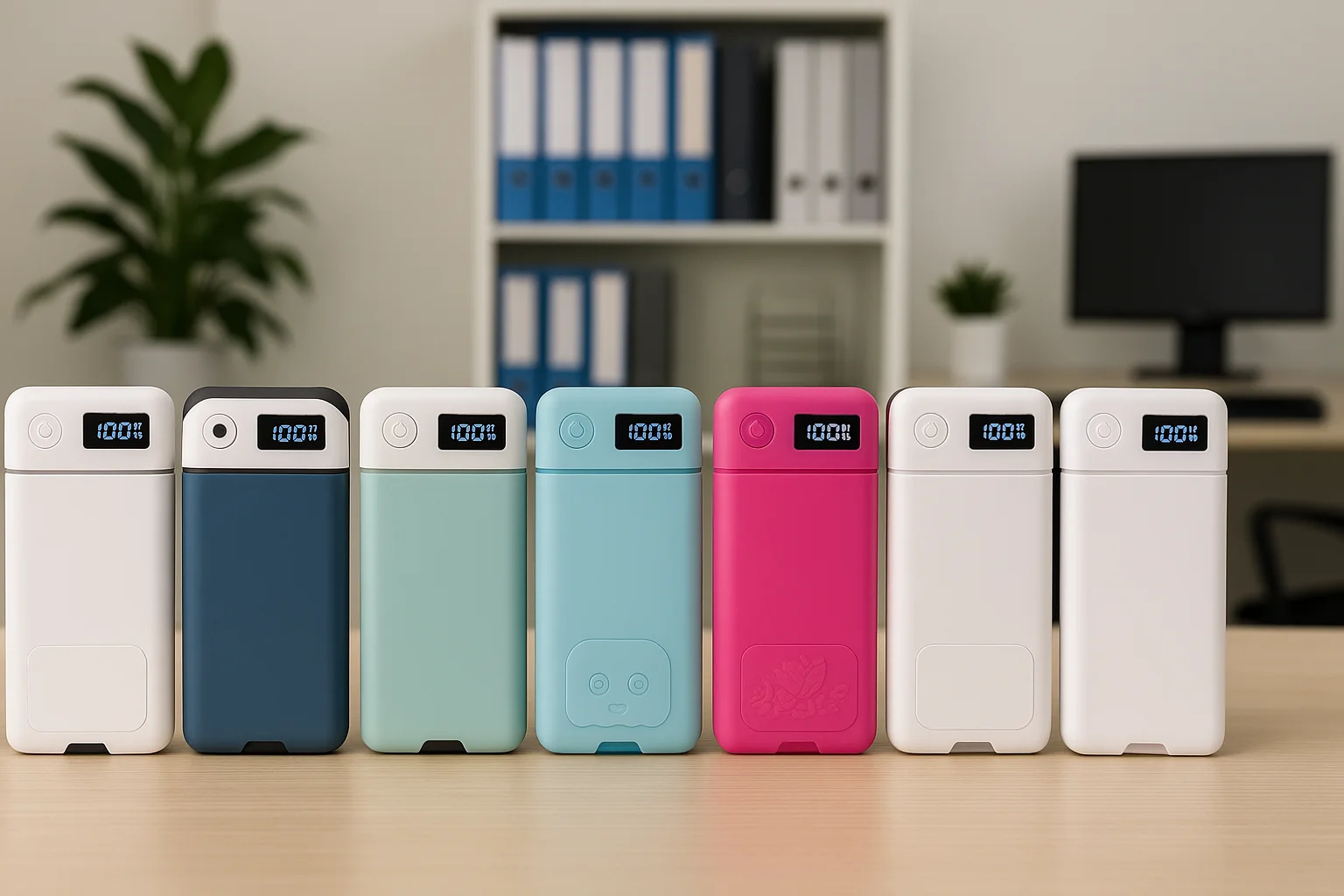
Main productsSafes,Personal Alarm,Phone timer,Security Storage Box,Safety Lock
Main marketsNorth America(30.00%), Domestic Market(18.00%), Eastern Europe(11.00%), South America(8.00%), Eastern Asia(8.00%), Southern Europe(5.00%), Africa(5.00%), Southeast Asia(5.00%), South Asia(4.00%), Central America(3.00%), Western Europe(2.00%), Northern Europe(1.00%)

TOPUNION HARDWARE AND PLASTIC CO., LIMITED
- Verified by BV
- Manufacturer
- China Guangdong
- Lead time15 days
- Avg. response≤ 7h
Main productsDoor Hardware, Door Lock, Door Handle, Sliding Door Hardware, Door Accessories, Euro Profile Cylinder, Pull Handle, Sliding Door Roller, Lever Handle, Panic Exit Device Bar
- Manufacturer, Trading Company
- Guangdong, China
- Lead time20 days
- Avg. response≤ 1h
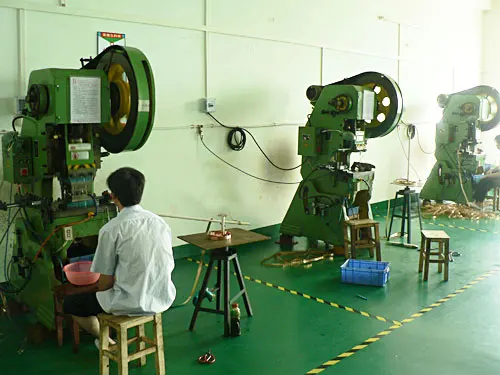
Main productsBox Accessories, Bag Accessories, Purse Frame, Box Hinge, Bag Handle
Main marketsSouth America(10.00%), Western Europe(9.00%), Southern Europe(9.00%), Africa(9.00%), Mid East(9.00%), Eastern Asia(8.00%), North America(8.00%), Central America(8.00%), Northern Europe(8.00%), Eastern Europe(8.00%), Southeast Asia(8.00%), South Asia(2.00%), Oceania(2.00%), Domestic Market(2.00%)
Guangzhou Qifeng Hardware Products Co., Ltd.
- Manufacturer, Trading Company
- Guangzhou, China
- Lead time10 days
- Avg. response≤ 7h
Main productssnap hook,bag lock,metal tag,belt buckle,zipper puller
Main marketsEastern Asia(20.00%), Southeast Asia(15.00%), Central America(10.00%), South Asia(10.00%), Mid East(8.00%), Southern Europe(5.00%), South America(5.00%), Western Europe(5.00%), North America(5.00%), Domestic Market(5.00%), Eastern Europe(5.00%), Northern Europe(4.00%), Oceania(2.00%), Africa(1.00%)
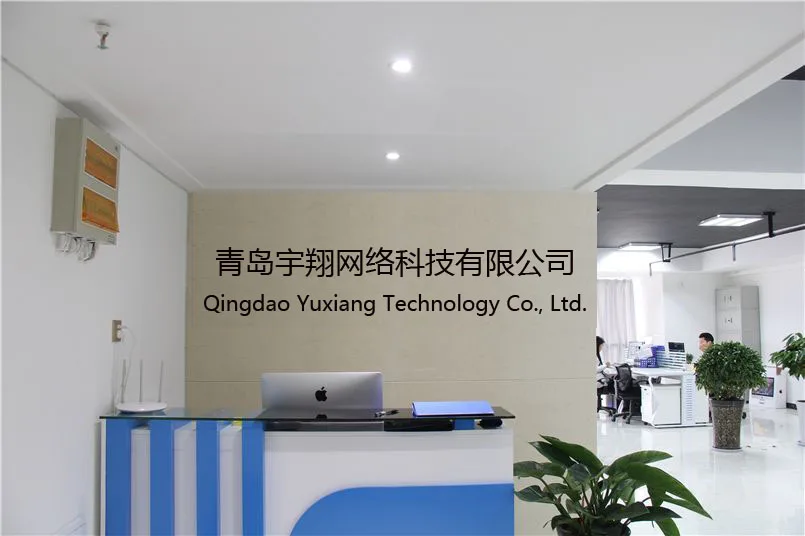
Qingdao Yuxiang Network Technology Co., Ltd.
- Trading Company
- Shandong, China
- Lead time5 days
- Avg. response≤ 5h
Main productsSecurity Camera,HDMI matrix switcher,Alarm system,Door access control,Explosion-proof case
Main marketsSoutheast Asia(15.00%), Eastern Asia(14.00%), South America(13.00%), North America(12.00%), Northern Europe(10.00%), Eastern Europe(9.00%), Western Europe(8.00%), South Asia(8.00%), Africa(5.00%), Mid East(4.00%), Central America(2.00%)

Shangrao Anli Lock Industry Co., Ltd.
- Verified by TUVRHEINLAND
- Trading Company
- China Jiangxi
- Lead time23 days
- Avg. response≤ 5h
Main productsDoor Lock, Laptop Lock, Cam Lock, Lock, Cylinder Lock, Combination Padlock, Safety Lock, Coin-Operated Lock, Switch Lock, Pad Lock
Main marketsDomestic

Yiwu Shengping Safety Protection Locks Manufacturer
- Manufacturer
- Zhejiang, China
- Lead time35 days
- Avg. response≤ 3h
Main productsPadlock,lock,brass pad lock,brass combination padlock,candado
Main marketsEastern Europe(21.58%), South America(20.62%), Southeast Asia(11.11%), Southern Europe(8.78%), Western Europe(8.69%), Africa(8.50%), North America(8.30%), Eastern Asia(5.54%), Oceania(5.24%), Central America(1.64%)
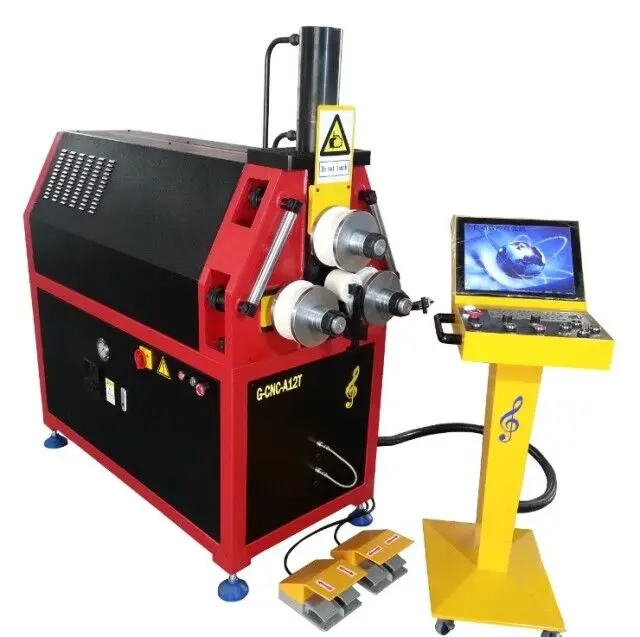
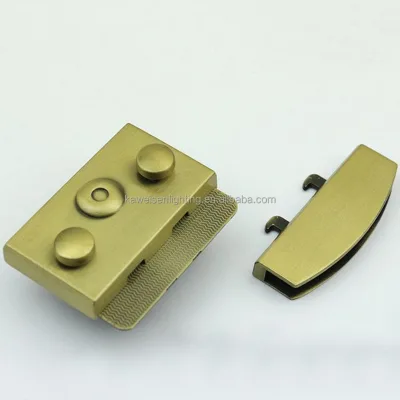
Foshan Kaweisen Smart Home Technology Co., Ltd.
- Manufacturer, Trading Company
- Guangdong, China
- Lead time25 days
- Avg. response≤ 1h
Main productsLighted Mirror,LED Light,Hardware
Main marketsDomestic Market(60.00%), North America(10.00%), Western Europe(4.00%), South America(3.00%), Eastern Europe(3.00%), Northern Europe(3.00%), Mid East(3.00%), Africa(3.00%), Southeast Asia(3.00%), Southern Europe(2.00%), Central America(2.00%), Oceania(2.00%), South Asia(1.00%), Eastern Asia(1.00%)
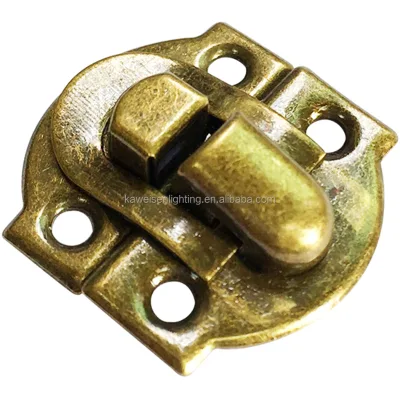
$0.124 - $0.1343
MOQ: 100 pieces
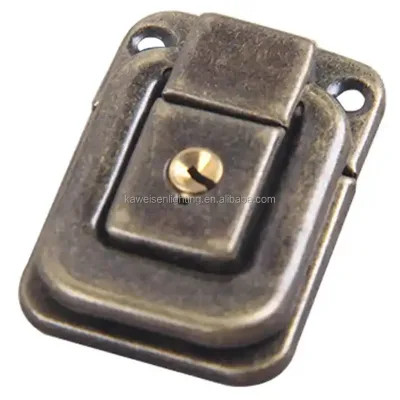
Huizhou Laiduo Crafts Co., Ltd.
- Trading Company
- Guangdong, China
- Lead time0 days
- Avg. response≤ 8h
Main productselectronic product,Hardware accessories,Clothing and leather bags,Hardware Tools,Daily necessities
Main marketsNorthern Europe(90.00%), Central America(90.00%), Domestic Market(90.00%), Mid East(90.00%), Oceania(90.00%), Africa(90.00%), Southeast Asia(90.00%), Eastern Europe(90.00%), South America(90.00%), North America(90.00%), South Asia(80.00%), Eastern Asia(80.00%), Southern Europe(60.00%)
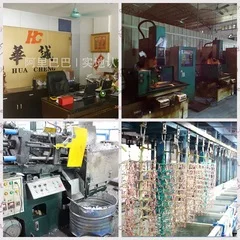
Guangzhou Huacheng Hardware Co., Ltd.
- Manufacturer, Trading Company, Distributor/Wholesaler
- Guangdong, China
- Lead time10 days
- Avg. response≤ 3h
Main productsPurse Frame,Magnetic Button,Snap Hook,Handbag Lock,Metal Ring
Main marketsDomestic Market(9.98%), North America(9.82%), Eastern Asia(9.76%), Northern Europe(9.53%), Western Europe(8.92%), South America(8.29%), Southern Europe(8.15%), Eastern Europe(7.85%), South Asia(6.85%), Mid East(6.12%), Central America(5.89%), Southeast Asia(5.18%), Africa(2.34%), Oceania(1.32%)

Guangzhou Jinzi Metal Co., Ltd.
- Manufacturer, Trading Company
- Guangdong, China
- Lead time10 days
- Avg. response≤ 2h
Main productsBags Accessories,Snap Hooks,Belt Buckle,Metal Label/Metal Logo/Metal Tags,Handbag Hardware
Main marketsNorth America(19.20%), Northern Europe(17.40%), Southeast Asia(16.00%), Eastern Europe(10.10%), Western Europe(8.00%), South America(5.40%), Domestic Market(5.10%), Central America(5.00%), South Asia(5.00%), Eastern Asia(5.00%), Mid East(2.10%), Oceania(1.40%), Southern Europe(0.20%), Africa(0.10%)

Shanghai Yung King Hardware Co., Ltd.
- Trading Company,Manufacturer/Factory
- China Shanghai
- Lead time60 days
- Avg. response≤ 14h
Main productsDraw Latch, Lift off Hinge, Cylinder Lock, Military Case Handle, Forging, Machining, Access Panel and Roof Hatch, Paddle Latch, Tie Down Ring
Main marketsSouth America,Eastern Europe,Mid East,North America,Southeast Asia,Eastern Asia,Oceania,Western Europe,Africa

Guangzhou Desheng Hardwares And Leathers Co., Limited
- Manufacturer, Trading Company, Distributor/Wholesaler
- Guangdong, China
- Lead time0 days
- Avg. response≤ 4h
Main productsBag Hardwares,Bag Chain,Bag Accessories,Keyring Decoration,Fashion Accessories
Main marketsNorth America(25.00%), Northern Europe(15.00%), Western Europe(15.00%), South Asia(15.00%), Eastern Europe(8.00%), Southeast Asia(5.00%), Southern Europe(5.00%), Oceania(5.00%), Africa(2.00%), Eastern Asia(1.50%), Mid East(1.50%), South America(1.00%), Central America(1.00%)
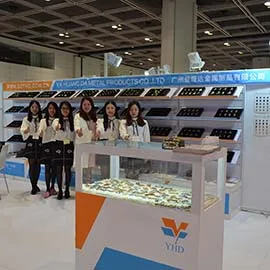
Guangzhou Ya Huang Da Metal Products Co., Ltd.
- Manufacturer, Trading Company
- Guangdong, China
- Lead time3 days
- Avg. response≤ 4h
Main productsbag parts & Accessories,Metal zipper,Belt Buckle,Bag Lock,Snap Hook
Main marketsSouth Asia(37.00%), Domestic Market(23.00%), Southeast Asia(18.00%), Northern Europe(4.00%), South America(3.00%), Eastern Europe(2.00%), Central America(2.00%), North America(2.00%), Southern Europe(2.00%), Mid East(2.00%), Oceania(2.00%), Africa(1.00%), Western Europe(1.00%), Eastern Asia(1.00%)
Shishi Atruslian Trad Co., Ltd.
- Verified by Intertek
- Manufacturer, Trading Company
- Lead time30 days
- Avg. response≤ 3h
Main productsMetal Button, Garment Label, Pendant Charm, Metal Crafts, Zipper Sliders
Main marketsNorth America(40%), Eastern Europe(10%), Domestic Market(10%)
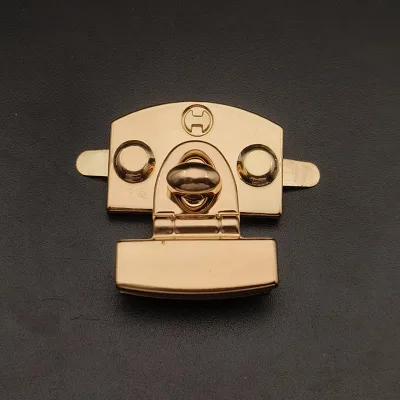
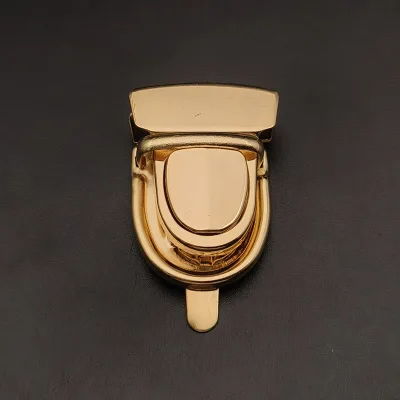
Wholesale Bag Accessories Decorative Metal Big Size Twist Lock for Women Handbag
$0.8574 - $1.2247
MOQ: 50 pieces
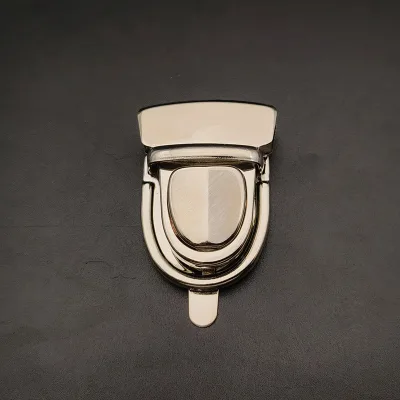
Best Quality Fashion Custom Metal Turn Bag Lock Clasp Push Snap Lock Press Lock
$0.84 - $1.20
MOQ: 50 pieces
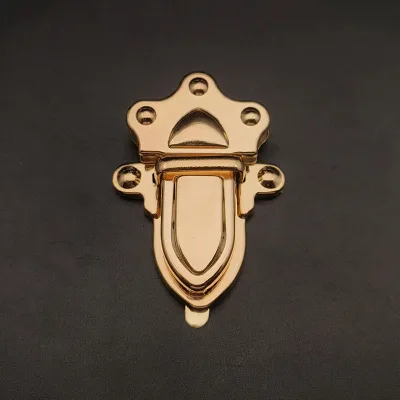
$0.84 - $1.20
MOQ: 50 pieces
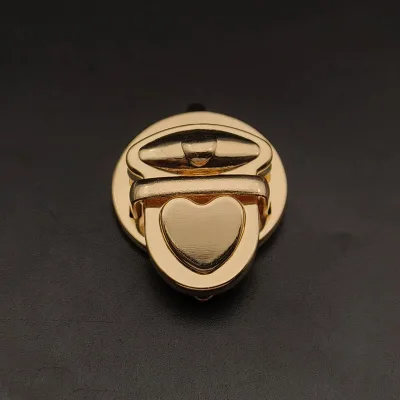
OEM High End Luxury Handbag Hardware Lock Fitting Bag Twist Turn Lock Fashion Locks for Handbags
$0.8649 - $1.2352
MOQ: 50 pieces

- Manufacturer, Trading Company
- Zhejiang, China
- Lead time30 days
- Avg. response≤ 11h
Main productspadlock,brass padlock,iron padlock,steel padlock,bicycle lock
Main marketsSouth Asia(7.69%), Southern Europe(7.69%), Northern Europe(7.69%), Central America(7.69%), Western Europe(7.69%), Eastern Asia(7.69%), Mid East(7.69%), Oceania(7.69%), Africa(7.69%), Southeast Asia(7.69%), Eastern Europe(7.69%), South America(7.69%), North America(7.69%)

Zhejiang Zhongzheng Lock Industry Co., Ltd.
- Combined
- China Zhejiang
- Lead time30 days
- Avg. response≤ 9h
Main productsCabinet Lock
Main marketsSoutheast Asia/ Mideast,East Asia(Japan/ South Korea),Domestic,Europe

Zhenjiang Trumy Industrial Co., Ltd.
- Trading Company,Manufacturer/Factory
- China Jiangsu
- Lead time30 days
- Avg. response≤ 23h
Main productsFurniture Hardware, Door Hardware, Fastener, Building Material, Bathroom Accessory, Kitchen Accessory, BBQ Grills&Outdoor Cooking, Fire Pit&Fire Place, Outdoor Furniture, Toilet Partitions Accessories
Main marketsSouth America,Eastern Europe,Mid East,North America,Southeast Asia,Eastern Asia,Oceania,Western Europe,Africa











Comprehensive Sourcing Guide
Retro Cartoon Brass Lock Supplier Concentration and Factory Types
The current supplier landscape for brass locks reveals a distinct geographic and operational stratification that buyers must navigate carefully. Evidence indicates that manufacturing and trading entities are concentrated in specific Chinese provinces, with Jiangsu, Shanghai, and Guangdong emerging as key hubs. Suppliers in Jiangsu often operate as trading companies, focusing on hardware, hand tools, and security products like padlocks and screws. These entities typically bridge the gap between factory output and international demand, offering a broad catalog that includes brass padlocks for household and industrial use. Meanwhile, suppliers based in Shanghai present a mix of trading and manufacturing capabilities, with some explicitly listing themselves as both factory and trading company. This dual identity can be advantageous for buyers seeking direct factory pricing while retaining the flexibility of a trading partner for logistics and communication. The presence of suppliers in Guangdong further diversifies the sourcing options, with some manufacturers specializing in household sundries and antique-style locks. Understanding this concentration helps buyers target regions known for specific production strengths, whether it is high-volume standard padlocks or niche decorative items.
Factory types vary significantly across these regions, influencing the buyer’s ability to customize products and manage costs. Many suppliers identify as trading companies, which means they may not own the production lines but instead source from multiple factories to offer a wider variety of products. This model is common for suppliers listing main products like hardware, locks, and keys, where the focus is on aggregation and distribution rather than raw manufacturing. In contrast, some suppliers explicitly state they are manufacturers or factories, offering OEM and ODM services. These entities are better suited for buyers who require custom branding, specific material compositions, or unique design modifications. For instance, suppliers offering brass padlocks with password locking structures or specific dimensions like 20mm to 60mm often have the technical capacity for customization. Buyers should verify the actual factory type by reviewing company profiles and product attributes, as the distinction between a trading company and a manufacturer directly impacts lead times, minimum order quantities, and the ability to implement quality control measures. Recognizing these differences ensures that buyers align their sourcing strategy with the supplier’s operational model, whether they need high-volume standard items or bespoke solutions.
How to Verify Retro Cartoon Brass Lock Suppliers
Verifying the legitimacy and capability of brass lock suppliers requires a systematic approach to evaluating their digital footprint and operational transparency. Buyers should start by examining the supplier’s response time and communication efficiency, as these metrics often reflect the company’s overall professionalism and customer service quality. Suppliers with faster response times, such as those averaging under 20 hours, are generally more reliable for urgent inquiries and complex negotiations. Additionally, the clarity of product listings serves as a strong indicator of supplier maturity. Detailed product attributes, including material specifications like brass construction, usage scenarios such as household or industrial applications, and precise dimensions, demonstrate a high level of product knowledge and transparency. Buyers should look for suppliers who provide comprehensive product data, including model numbers, packing details, and origin information, as this reduces the risk of miscommunication and ensures that the final product matches the initial specifications. Furthermore, the presence of specific product keywords and categories, such as security locks or padlocks, helps in assessing the supplier’s specialization and expertise in the brass lock segment.
Beyond digital metrics, buyers must verify the supplier’s physical capabilities and business credentials through direct engagement and documentation requests. It is crucial to confirm the supplier’s location and whether they operate as a manufacturer, trading company, or both, as this affects the supply chain’s resilience and cost structure. Buyers should request samples to evaluate the quality of the brass material, the durability of the locking mechanism, and the finish of the product. For suppliers offering customization, verifying their OEM and ODM capabilities is essential to ensure they can meet specific design and branding requirements. Additionally, buyers should inquire about the supplier’s production capacity and lead times, as these factors directly impact order fulfillment and inventory management. Suppliers with established lead times, such as 35 to 45 days, provide a predictable timeline for production and shipping, which is vital for planning large orders. By combining digital verification with physical sample evaluation and direct communication, buyers can build a comprehensive profile of each supplier, ensuring they partner with entities that are both reliable and capable of meeting their specific sourcing needs.
What to Compare Across Retro Cartoon Brass Lock Suppliers
When evaluating multiple suppliers for brass locks, buyers must compare several key dimensions to identify the most suitable partner for their specific requirements. One critical factor is the minimum order quantity (MOQ), which varies significantly across suppliers and can impact the feasibility of small or large orders. For instance, some suppliers may have an MOQ of 3,000 units, while others might require 5,000 or even 10,000 units for certain product lines. Buyers should align their order volume with the supplier’s MOQ to avoid excessive inventory costs or production delays. Another important aspect is the price range, which can fluctuate based on material quality, customization options, and order volume. Suppliers offering brass padlocks with standard specifications may have lower price points, while those providing custom designs or premium materials may charge higher prices. Buyers should request detailed quotations that break down costs by unit, packaging, and shipping to ensure transparency and avoid hidden fees. Additionally, comparing the supplier’s main products and specialization helps in assessing their expertise and reliability. Suppliers focusing on hardware and security locks may offer better quality and consistency compared to those with a broader, less specialized catalog.
Lead time and response speed are also crucial factors that influence the overall sourcing experience and project timeline. Suppliers with shorter lead times, such as 35 days, can provide faster delivery, which is beneficial for time-sensitive projects or replenishment orders. Conversely, suppliers with longer lead times, such as 45 days, may offer more competitive pricing or higher customization options. Buyers should evaluate the supplier’s response time to inquiries, as faster responses indicate better communication and customer service. Additionally, comparing the supplier’s production capabilities, such as OEM and ODM services, helps in determining their flexibility and ability to meet custom requirements. Suppliers offering a wide range of product dimensions, from 20mm to 60mm, provide greater versatility for different applications. By systematically comparing these dimensions, buyers can create a weighted scoring system to rank suppliers based on their specific needs, ensuring they select a partner that offers the best balance of cost, quality, and service. This comparative approach minimizes risk and enhances the likelihood of a successful sourcing outcome.
Common Retro Cartoon Brass Lock Sourcing Risks
Sourcing brass locks from international suppliers involves several inherent risks that buyers must proactively manage to ensure a smooth procurement process. One significant risk is the discrepancy between product samples and bulk production, which can occur if the supplier lacks strict quality control measures. Buyers may receive samples that meet their specifications, but the bulk order might feature inferior materials, such as lower-grade brass or weaker locking mechanisms. This risk is particularly prevalent when dealing with trading companies that source from multiple factories, as consistency across production batches can be challenging to maintain. To mitigate this risk, buyers should implement rigorous quality inspection protocols, including third-party inspections or on-site audits, to verify that the bulk production matches the approved samples. Additionally, buyers should clearly define quality standards in the contract, including material specifications, dimensional tolerances, and performance tests, to hold the supplier accountable for any deviations.
Another common risk is the delay in lead times, which can disrupt supply chains and impact downstream operations. Suppliers may face production bottlenecks, material shortages, or logistical challenges that extend the lead time beyond the agreed-upon period. This risk is exacerbated when buyers place large orders without adequate buffer time or when dealing with suppliers who have less established production capabilities. To address this, buyers should negotiate realistic lead times and include penalty clauses for delays in the contract. Furthermore, buyers should maintain open communication with the supplier throughout the production process, requesting regular updates on production status and potential issues. By anticipating these risks and implementing proactive mitigation strategies, buyers can protect their interests and ensure a more reliable sourcing experience. Additionally, buyers should consider diversifying their supplier base to reduce dependency on a single source, thereby enhancing supply chain resilience and flexibility.
Retro Cartoon Brass Lock Regional Sourcing and Logistics
The geographic location of suppliers plays a pivotal role in determining logistics costs, lead times, and overall supply chain efficiency. Suppliers located in Jiangsu, Shanghai, and Guangdong offer distinct advantages based on their proximity to major ports and transportation networks. Jiangsu, known for its manufacturing prowess, provides access to a robust industrial ecosystem, making it an ideal location for sourcing high-volume brass locks. Suppliers in this region often benefit from established supply chains and efficient logistics infrastructure, which can reduce transit times and costs. Shanghai, as a major international port city, offers excellent connectivity to global markets, facilitating smoother export processes and faster delivery to international buyers. Suppliers based in Shanghai may also have access to a wider range of logistics services, including air freight and express shipping, which can be beneficial for urgent orders or small batches. Guangdong, another key manufacturing hub, provides a diverse range of suppliers, from manufacturers to trading companies, offering buyers a broad selection of products and services.
Logistics planning must account for the specific requirements of brass locks, which are relatively dense and may require specialized packaging to prevent damage during transit. Buyers should work with suppliers to optimize packaging solutions, such as carton packing or custom packaging, to ensure product integrity and minimize shipping costs. Additionally, buyers should consider the impact of customs regulations and import duties in their destination country, as these factors can affect the total landed cost. Suppliers with experience in international trade can provide valuable guidance on documentation and compliance, ensuring a smooth customs clearance process. By leveraging the logistical advantages of different regions and implementing effective packaging and shipping strategies, buyers can enhance supply chain efficiency and reduce overall costs. Furthermore, buyers should establish clear communication channels with logistics providers to track shipments and address any potential issues promptly, ensuring timely delivery and customer satisfaction.
Retro Cartoon Brass Lock Commercial Terms and Order Planning
Effective commercial terms and order planning are essential for managing costs, risks, and relationships with brass lock suppliers. Buyers should negotiate clear payment terms that align with their cash flow and risk tolerance, such as using escrow services or letters of credit for large orders. These financial instruments provide security for both parties, ensuring that payment is released only upon satisfactory delivery and inspection of the goods. Additionally, buyers should clarify the Incoterms, such as FOB or CIF, to determine who is responsible for shipping costs and insurance. Understanding these terms helps in calculating the total landed cost and avoiding unexpected expenses. Buyers should also establish a detailed order plan that includes production schedules, quality control checkpoints, and delivery timelines. This plan should be communicated clearly to the supplier and updated regularly to reflect any changes in requirements or market conditions.
Order planning should also consider the supplier’s production capacity and lead times to ensure timely delivery. Buyers should avoid placing orders during peak seasons or when the supplier is operating at full capacity, as this can lead to delays. Instead, buyers should schedule orders during periods of lower demand or negotiate priority production slots. Additionally, buyers should maintain a buffer stock of critical components or finished goods to mitigate the risk of supply chain disruptions. By implementing robust commercial terms and order planning strategies, buyers can enhance their negotiating power, reduce costs, and ensure a stable supply of brass locks. Furthermore, buyers should foster long-term relationships with suppliers by providing consistent order volumes and timely payments, which can lead to better pricing, priority service, and improved collaboration. This strategic approach to commercial terms and order planning ultimately contributes to a more resilient and efficient sourcing operation.
FAQs
What is the typical lead time for brass padlock orders?
Manufacturers in China generally require 35 to 45 days to produce and ship brass padlock orders. This timeframe accounts for material sourcing, manufacturing, and quality checks. Buyers should confirm specific delivery schedules with suppliers before finalizing contracts to ensure alignment with project deadlines.
What are the common MOQs for brass padlocks?
Minimum order quantities for brass padlocks typically range from 500 to 5000 units. Some suppliers accept orders as low as 500 pieces, while others require 3000 or 5000 units. Buyers should verify the specific MOQ with each supplier to determine the best fit for their volume needs.
What materials are used in brass padlock construction?
Brass padlocks are primarily constructed from brass bodies and cylinders. Some models feature steel shackles for added durability. The materials ensure resistance to corrosion and wear. Buyers should check product specifications to confirm the exact material composition and suitability for their intended usage environment.
What is the price range for brass padlocks?
Prices for brass padlocks vary based on size and customization. Costs generally range from $0.40 to $8.18 per unit. Smaller or standard models tend to be less expensive, while vintage or custom designs may cost more. Buyers should request quotes for specific models to get accurate pricing.
How quickly do suppliers respond to inquiries?
Supplier response times typically range from 3 to 25 hours. Faster response times indicate higher availability and customer service efficiency. Buyers should prioritize suppliers with quicker response times to ensure timely communication and faster order processing. This helps in managing procurement schedules effectively.
Are OEM services available for brass padlocks?
Many suppliers offer OEM and ODM services for brass padlocks. Customization options include logo printing, packaging, and specific dimensions. Buyers should verify customization availability and minimum requirements with suppliers. This allows for tailored products that meet specific branding or functional needs.
Where are brass padlock manufacturers located?
Brass padlock manufacturers are primarily located in China, including Jiangsu, Shanghai, and Guangdong provinces. These regions have established supply chains for hardware and lock production. Buyers can source from these locations to benefit from specialized manufacturing capabilities and competitive pricing structures.