Ship Plate Galvanized Steel Coil Suppliers and Manufacturers
Find 28 verified suppliers offering Ship Plate Galvanized Steel Coil with varying lead times, certifications, and response speeds. Compare dimensions like thickness, zinc coating, and standards before contacting factories directly; review the available evidence before requesting comparable quotations from suitable candidates.
Updated
Suppliers List

Hangzhou Sukalp Trading Co., Ltd.
- Verified by TUVRHEINLAND
- Trading Company,Manufacturer/Factory
- China Zhejiang
- Lead time0 days
- Avg. response≤ 11h
Main productsPrepainted Steel Coil, Galvanized Steel Coil, Galvalume Steel Coil, Corrugated Steel Sheet, Metal Roofing/Wall Sheet, Sandwich Panel, Steel Strips, C & Z Purlin, Steel Pipes, Galvanized Steel Pipes

Galvanized Steel Coil Price Galvanized Iron Plate Galvanised Steel Plate
$500.00 - $750.00
MOQ: 25 Tons

Hot-DIP Galvanized Steel Sheet/Coils High-Strength Steel Plate Galvanized Coated
$500.00 - $750.00
MOQ: 25 Tons


Shandong Hontai Steel Co., Ltd
- Manufacturer/Factory
- China Shandong
- Lead time23 days
- Avg. response≤ 7h
Main productsGalvanized Steel Coils, Galvalume Steel Coils, Prepainted Steel Coils, Prepainted Alunimum Coils, Roofing Sheets, Zn-Al-Mg Coated Steel Coils, Tinplate, Nails, Nails and Screws
Main marketsSouth America,Eastern Europe,Mid East,Southeast Asia,Eastern Asia,Oceania,Africa

Galvanized Steel Coil /Plate Sheet/ Roll Strip /Galvanized Steel Strip Trade Steel Strip
$400.00 - $850.00
MOQ: 25 Tons

$400.00 - $850.00
MOQ: 25 Tons


Tianjin Xinsihai Technology Co., Ltd.
- Verified by TUVRHEINLAND
- Trading Company
- China Tianjin
- Lead time15 days
- Avg. response≤ 4h
Main marketsAfrica
Jinan Zunkai Materials Co., Ltd.
- Verified by SGS Group
- Trading Company
- Lead time5 days
- Avg. response≤ 2h
Main productsHot Rolled Steel Plates, Galvanized Steel Coils, PPGI, Cold Rolled Steel Plates, Stainless Steel Coils
Main marketsSouth America(25%), Mid East(25%), Southeast Asia(15%)
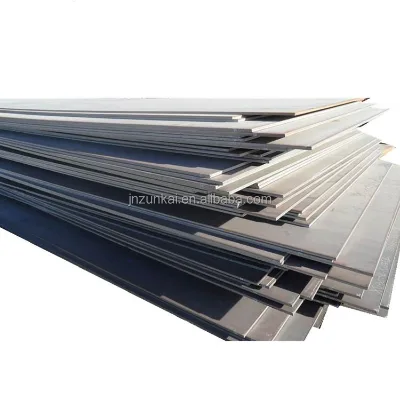
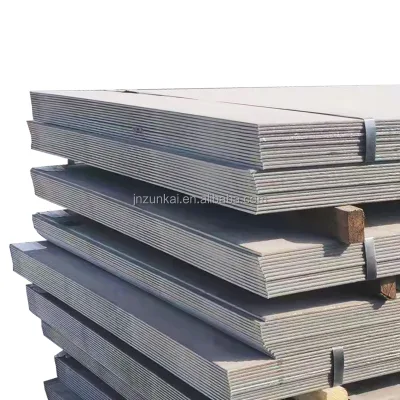
Shipping Marine Steel Plate Specifications Ah36 Offshore Platform Ship Steel Plate Price
$562.00 - $596.00
MOQ: 10

Tianjin New Yion International Trade Co., Ltd.
- Verified by BV
- Trading Company
- China Tianjin
- Lead time30 days
- Avg. response≤ 10h
Main productsGalvanized Steel Coil Sheet, Steel Coil, Roofing Sheet, Aluzinc Steel Coils, Galvanized Steel Pipe, Black Hollow Section Pipe, PPGI Steel Coils, Gi Coils, Gi Pipe Fitting, Scaffolding Steel Prop
Main marketsAfrica

Shanghai Changzeng Metal Co., Ltd.
- Verified by SGS
- Trading Company
- China Shanghai
- Lead time15 days
- Avg. response≤ 4h
Main productsSquare Tube, PPGI, Steel Plate/Coil, Flat Bar, Stainless Steel, Steel Channel, H Beam, Angle Bar, Round Pipe
Main marketsSouth America,Southeast Asia/ Mideast,East Asia(Japan/ South Korea)

Tianjin Taihang Steel Co., Ltd
- Verified by BV
- Manufacturer/Factory
- China Tianjin
- Lead time23 days
- Avg. response≤ 10h
Main productsCarbon Steel Coil, Galvanised Coil, Color Coated Coil ( PPGI ), H-Beam, Copper Scrap Wire, Carbon Steel Plate, Carbon Steel Wires, Carbon Steel Tubes, Hot Rolled Ribbed Bars
Main marketsSouth America,Eastern Europe,Mid East,North America,Southeast Asia,Eastern Asia,Oceania,Western Europe,Africa

QINGDAO QINYUAN STEEL CO., LTD.
- Trading Company
- China Shandong
- Lead time15 days
- Avg. response≤ 5h
Main productsGalvanized Steel Coil, Color Coated Steel Coil, PPGI, Gi, Roofing Sheet, Stone Coated Roof Tile
Main marketsSouth America,Southeast Asia/ Mideast

TANGSHAN RUNDAO STEEL CO.,LIMITED
- Verified by SGS
- Manufacturer/Factory
- China Hebei
- Lead time23 days
- Avg. response≤ 13h
Main productsH Beam, Galvanized Steel, PPGI, Steel Plate, Channel Bar, Angle Steel, Steel Wire, Sheet Pile, Deformed Steel Bar, Steel Plate/Sheet
Main marketsSouth America,Eastern Europe,Mid East,Eastern Asia,Africa
Shandong Jiuchuang Steel Co., Ltd.
- Verified by TüVRheinland
- Trading Company
- Lead time7 days
- Avg. response≤ 7h
Main productsCarbon Steel, Galvanized Steel, Stainless Steel, Aluminum Products, Copper Products
Main marketsMid East(50%), Southeast Asia(30%), Africa(4%)
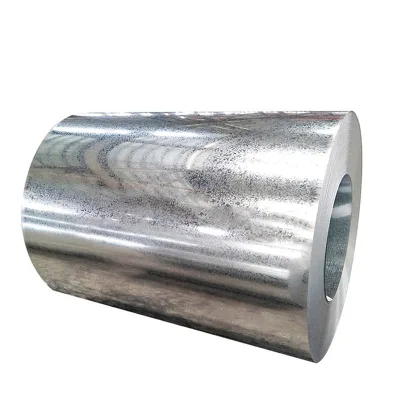
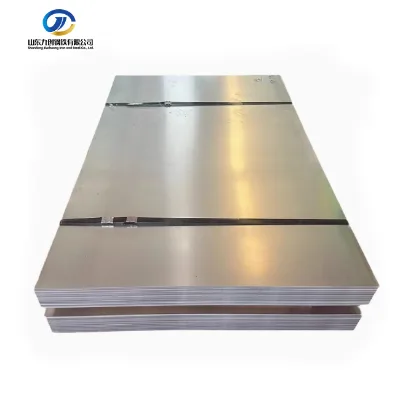
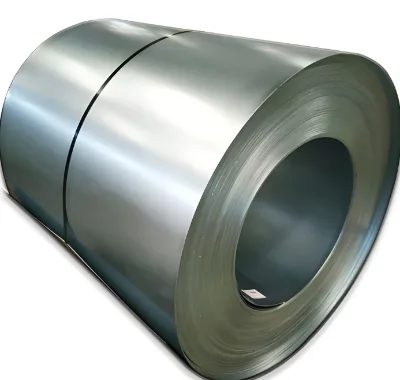
High Quality Hot Rolled Steel Sheet Prime Galvanized Coil High Quality Old Product Category
$570.00 - $600.00
MOQ: 1 tons
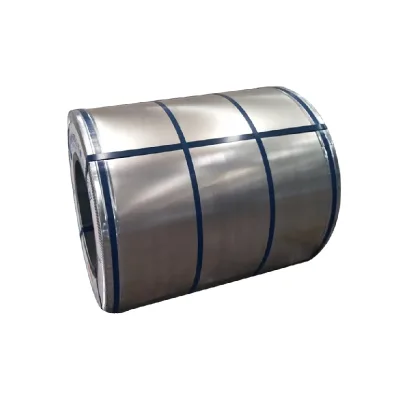
$513.0028 - $615.6033
MOQ: 5 tons

Dezhou Hualude Hardware Products Co., Ltd.
- Verified by BV
- Trading Company
- China Shandong
- Lead time15 days
- Avg. response≤ 7h
Main productsIron Nail, Iron Wire, Fence Post, Fence Gate, Wire Mesh, Galvanized Corrugated Sheet, Galvanized Coil, Roll Forming Machine, Concrete Accessory, PPGI Coils
Main marketsSoutheast Asia/ Mideast,Europe,Australia,North America

- Verified by BV
- Trading Company,Manufacturer/Factory,Group Corporation
- China Shandong
- Lead time23 days
- Avg. response≤ 4h
Main productsGalvanized Steel Coil, Prepainted Steel Coil, Roofing Sheet, Steel Coil, Steel Sheet, Steel Strip, Corrugated Roofing Sheet, Galvalume Steel Coil, Tinplate
Main marketsSouth America,Eastern Europe,Mid East,North America,Southeast Asia,Western Europe,Africa

Henan Steel Guang International Trade Co., Ltd.
- Verified by BV
- Trading Company,Manufacturer/Factory
- China Henan
- Lead time23 days
- Avg. response≤ 11h
Main productsSteel Plate, Steel Tube, Angle Steel Bar, Round Bar, CNC Cutting Service, Steel Plate Cutting, Flame Cutting Service, Cutting Steel Plate, Seamless Steel Tube, Wear Resistant Steel Plate
Main marketsSouth America,Mid East,North America,Southeast Asia,Eastern Asia,Western Europe,Africa

Tianjin Jinnuo Steel Pipe Co., Ltd.
- Combined
- China Tianjin
- Lead time30 days
- Avg. response≤ 9h
Main productsSteel Pipe, Carbon Steel Pipe, Galvanized Steel Pipe, Welded Steel Pipe, Gi Pipe, Seamless Steel Pipe, Steel Plate, Steel Coil, Steel Strip, Steel Profile
Main marketsSouth America,Africa,Southeast Asia/ Mideast,East Asia(Japan/ South Korea),Domestic,Europe,Australia,North America


Hot-Dipped Galvanized Steel Coil/Sheet/Plate/Strip - Z275 Galvanized Steel Roll
$450.00 - $550.00
MOQ: 5 Tons

Color Coated Steel Plate Cold Rolled Color Coated Galvanized Iron Steel Coil Plate
$500.00 - $550.00
MOQ: 5 Tons


Tianjin Kunyu Juyixiang Technology Co., Ltd.
- Verified by Intertek
- Manufacturer, Trading Company
- Lead time7 days
- Avg. response≤ 1h
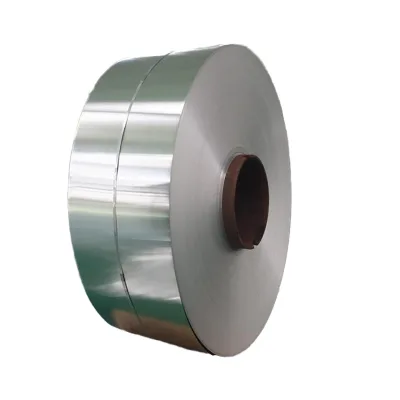
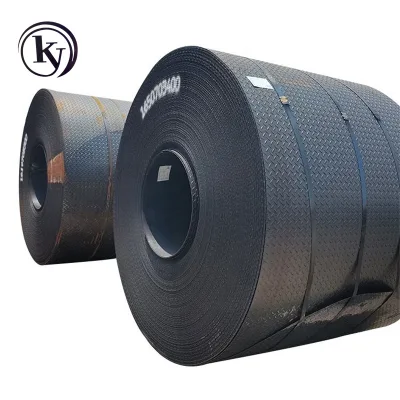
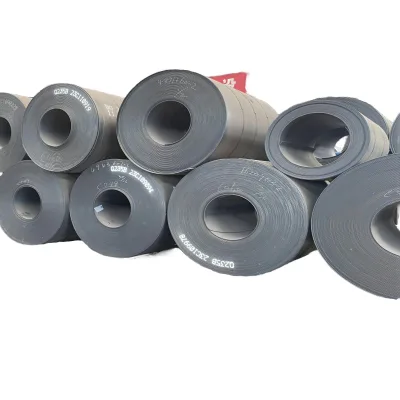
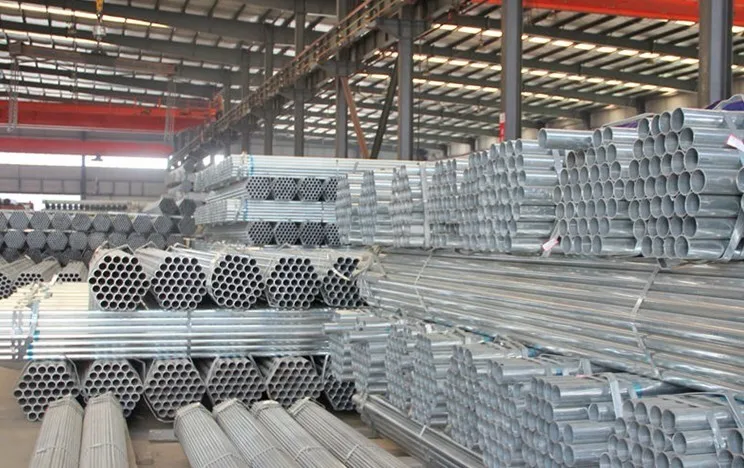
Main productsColor Coated Roll , Galvanized Coil, Galvanized Pipe, Galvanized Sheet, H-Section Steel
Main marketsSoutheast Asia(40%), Mid East(30%), Africa(10%)
$490.00 - $550.00
MOQ: 5 tonnes
Tianjin Boyida Import And Export Co., Ltd.
- Trading Company
- Tianjin, China
- Lead time30 days
- Avg. response≤ 8h
Main productsROOFING SHEETS,STEEL PIPE,GALVANIZED PIPE,Steel wire,Steel tubes
Main marketsAfrica(60.00%), Southeast Asia(20.00%), South Asia(6.00%), Northern Europe(5.00%), Mid East(3.00%), Domestic Market(2.00%), Western Europe(2.00%), North America(1.00%), South America(1.00%)
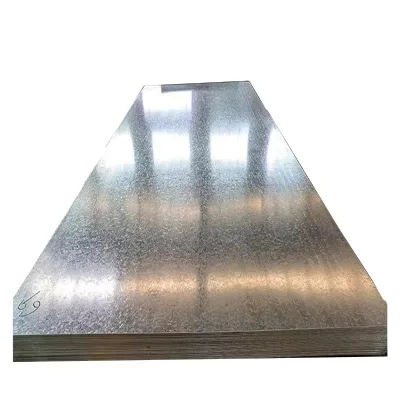
Galvanized Steel Sheet Roofing Carbon Steel Plate for Ship Plate Application Cut Welded Bended
$650.00 - $700.00
MOQ: 10
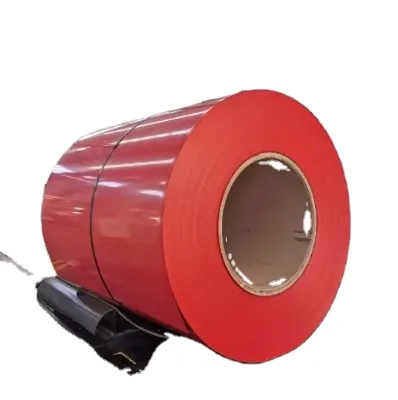
MS Plate / Cold Rolled Steel Plate / Sheet / Coil / CRC, GI, PPGI With Wholesale Popular
$550.00 - $580.00
MOQ: 10
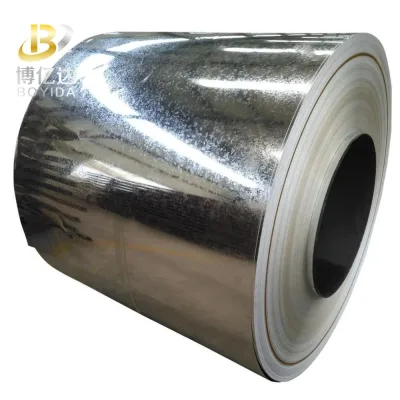
JINAN CREATE IMPORT EXPORT CO., LTD.
- Verified by TüVRheinland
- Trading Company
- Lead time15 days
- Avg. response≤ 1h
Main productsGalvanized Steel Coil, PPGI, Galvalume Steel Coil, Corrugated Sheet, Hot Rolled Steel Coil
Main marketsSoutheast Asia(30%), Africa(30%), Mid East(30%)
Shandong Liaocheng Jinzheng Steel Pipe Co., Ltd.
- Verified by SGS Group
- Manufacturer, Trading Company
- Lead time15 days
- Avg. response≤ 2h
Main productsSteel Pipe
Main marketsDomestic Market(80%), Southeast Asia(3%), Africa(3%)
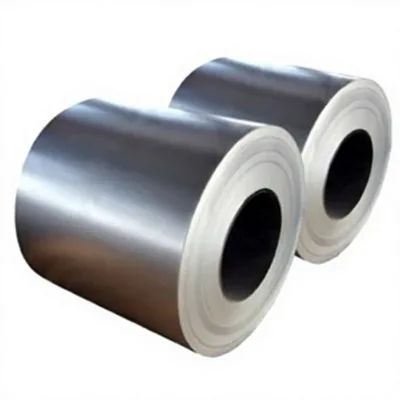
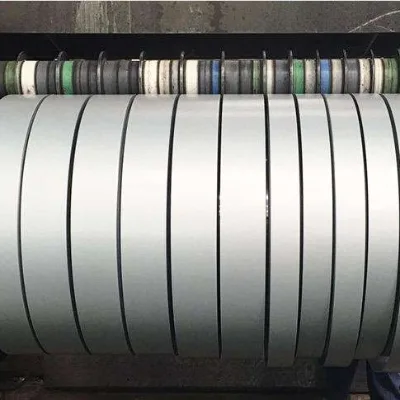
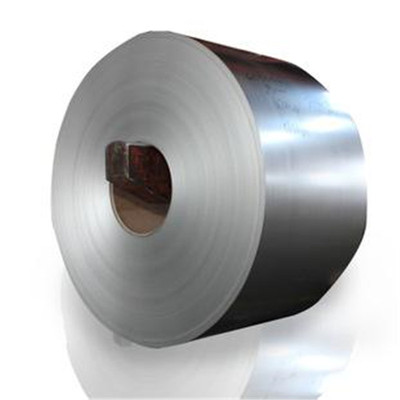
Prime Quality GI/galvanized Steel Coil/Plate for Export
$400.00 - $450.00
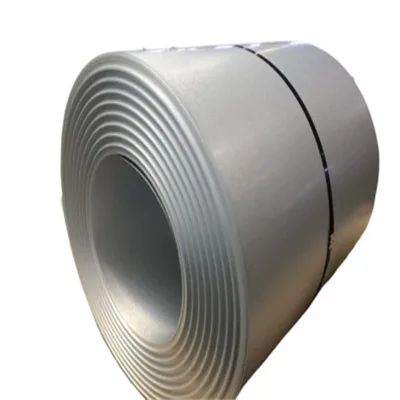
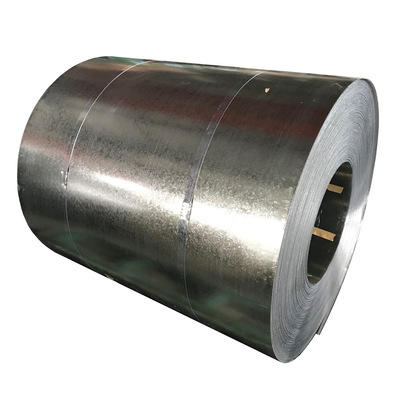
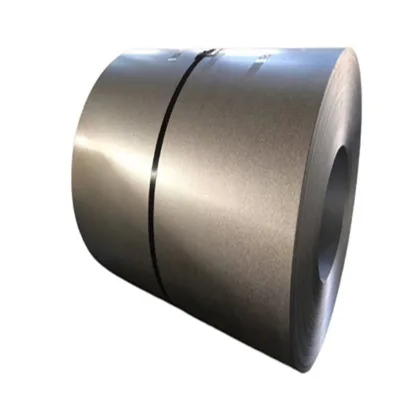

Shanghai Baori Steel Industries Co., Ltd.
- Verified by TUVRHEINLAND
- Manufacturer/Factory
- China Shanghai
- Lead time0 days
- Avg. response≤ 2h
Main productsSpring Steel Cold Coin 65mn Sk85 Sk95 C67s, Hot-DIP Aluminized Steel SA1c SA1d Dx53D+as, Expansion Joint, Electro Galvanized Steel Secc, Steel Pipe with Ceramic Lining, Stainless Steel 304 316 316L 201 403, Metal Hose, Aluminized Steel Silicon, Invar Steel
Henan Gdd Metal Materials Co., Ltd.
- Verified by SGS Group
- Trading Company
- Henan, China
- Lead time20 days
- Avg. response≤ 2h
Main productsCarbon Steel, Stainless Steel, Tinplate, PPGI/PPGL, Galvanized Steel
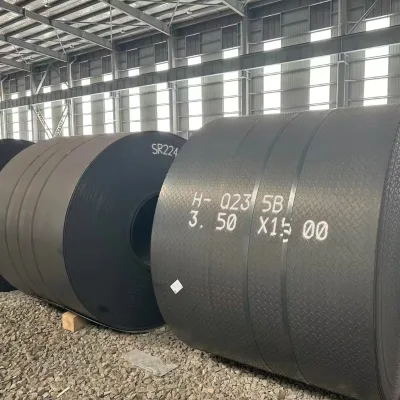
$431.10 - $467.10
MOQ: 1 tons
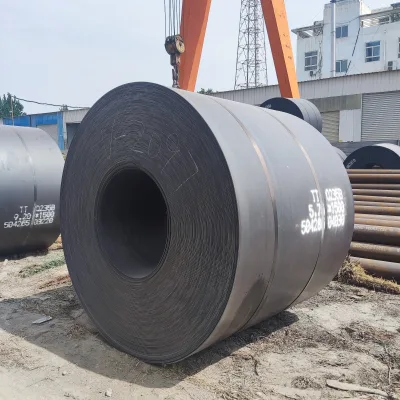
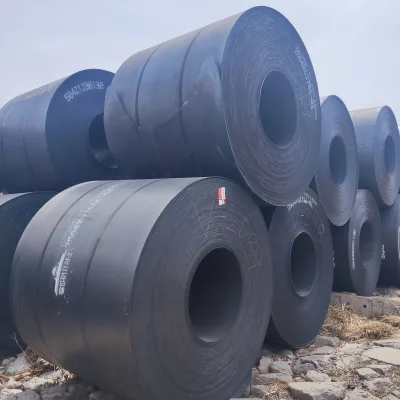
Low Carbon Steel Coil 8-28 Gauge for Ship Plate with Cutting Processing Service
$479.00 - $519.00
MOQ: 1 tons
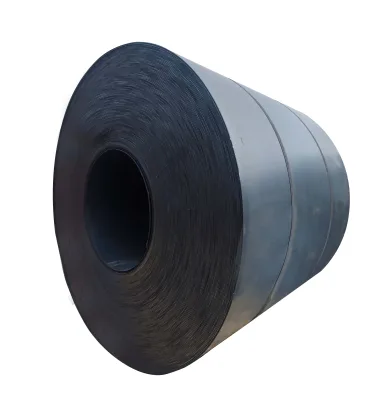
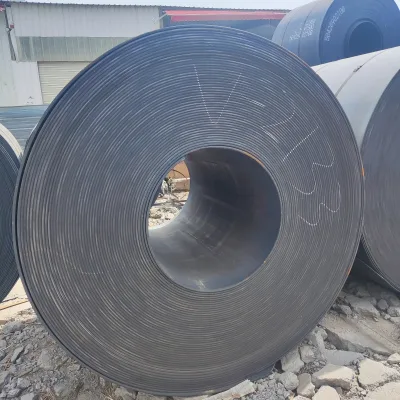
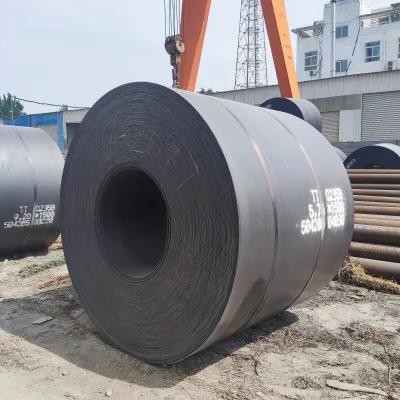
Large Inventory Low Price China Supply High Strength Carbon Steel Coil for Ship Building
$476.6865 - $513.9022
MOQ: 1 tons

Tianjin Tianyingtai Steel Pipe Co., Ltd.
- Verified by SGS
- Trading Company,Manufacturer/Factory
- China Tianjin
- Lead time0 days
- Avg. response≤ 5h
Main productsGalvanized Pipe, Scaffolding Shoring Props, ERW Welded Steel Pipe, Black Square Tube, Hollow Section, API Pipe, Angle Steel, Galvanized Sheet/Plate, Channel Steel, Beam
Main marketsSouth America,Eastern Europe,Mid East,North America,Southeast Asia,Eastern Asia,Oceania,Western Europe,Africa
Shandong Kehuan Petroleum Equipment Co., Ltd.
- Verified by TüVRheinland
- Manufacturer, Trading Company
- Lead time15 days
- Avg. response≤ 3h
Main productsSteel Pipe, Steel Plate And Sheets, Round Bar, Section Steel And Angle Steel, Stainless Steel Pipe
Main marketsDomestic Market(70%), Southeast Asia(6%), Mid East(4%)

Shanghai Aigang International, Trading Company Ltd
- Verified by SGS
- Trading Company
- China Shanghai
- Lead time30 days
- Avg. response≤ 6h
Main productsSteel Pipe/Tube Steel Coil/Plate Fastener Fitt
Main marketsSoutheast Asia/ Mideast,East Asia(Japan/ South Korea)


Zinc Coated Galvanized Stel Coil as Reliable Steel Plate for Shipbuilding
$330.00 - $480.00
MOQ: 10 Tons

Hot Dipped Galvanized Steel Coil: High Grade Steel Plate for Pressure Vessels
$330.00 - $480.00
MOQ: 10 Tons


Xi'an Junlin Chicheng Metal Products Co., Ltd.
- Verified by TüVRheinland
- Manufacturer, Trading Company
- Lead time30 days
- Avg. response≤ 2h
Main productsCarbon Steel, Stainless Steel, Aluminum
Main marketsSouth America(30%), Mid East(30%), Southeast Asia(20%)
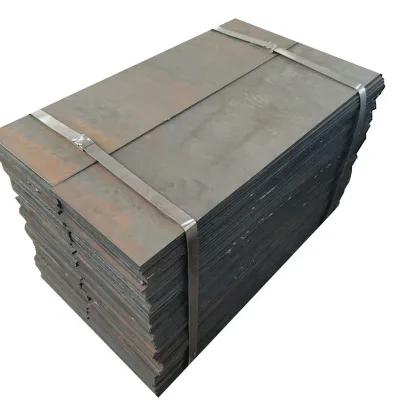
Ah32 Ah36 Ah40 Marine Grade Shipbuilding Steel Plate High-Quality Ship Structure Carbon Steel Sheet
$503.5141 - $555.9626
MOQ: 1 tons
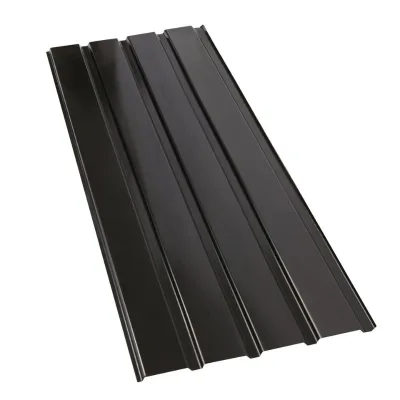
Factory Wholesale Best Price Corrugated Steel Sheet and Galvanized Steel Coil,
$400.00 - $480.00
MOQ: 5
Baowu International Trade (shandong) Co., Ltd.
- Verified by SGS Group
- Trading Company
- Lead time7 days
- Avg. response≤ 4h
Main productsColor Coated Products, Stainless Steel Products, Galvanized Steel, Carbon Steel, Aluminum Products
Main marketsAfrica(30%), Mid East(30%), Eastern Europe(13%)
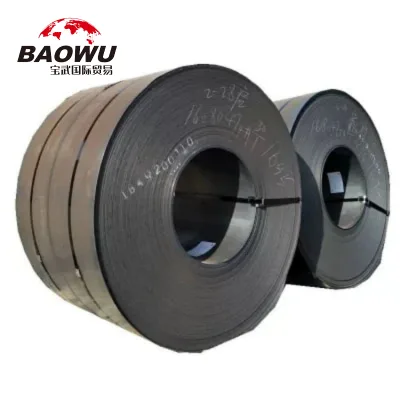
Good Quality Hot Carbon Steel Coil Old Rolled Galvanized Steel Sheet Coil for Building
$501.00 - $550.00
MOQ: 5
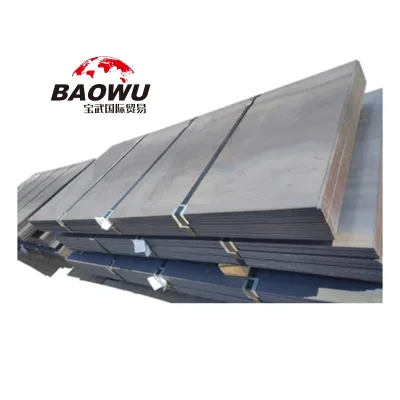
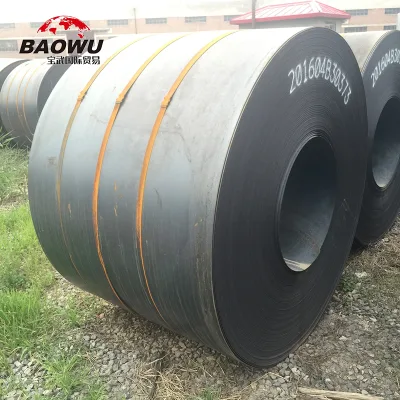
Liangang International Trade (shandong) Co., Ltd.
- Verified by SGS Group
- Trading Company
- Lead time30 days
- Avg. response≤ 3h
Main productsCarbon Steel, Galvanized Steel, Color Coated Steel, hot rolled steel, cold rolled steel
Main marketsMid East(40%), Southeast Asia(35%), Eastern Europe(20%)

Shanghai Liying Industrial Co., Ltd.
- Verified by TUVRHEINLAND
- Trading Company
- China Shanghai
- Lead time15 days
- Avg. response≤ 4h
Main productsColor Coated Steel Coil, Galvanized Steel Coils, PVDF/PE/SMP Coating Steel Coil, Prepainted Steel
Main marketsDomestic
- Verified by TüVRheinland
- Trading Company
- Lead time15 days
Main productsCarbon Steel, Stainless Stee, Aluminum, PPGI Steel
Main marketsSoutheast Asia(28%), Mid East(25%), Africa(20%)




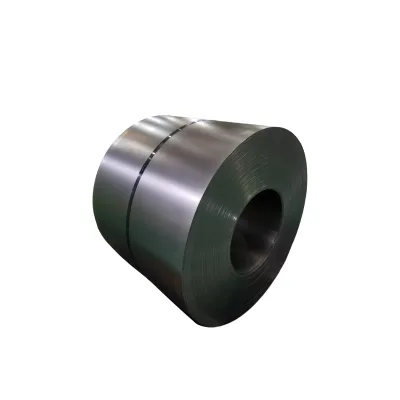
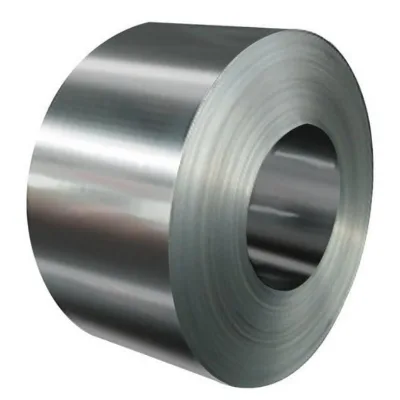
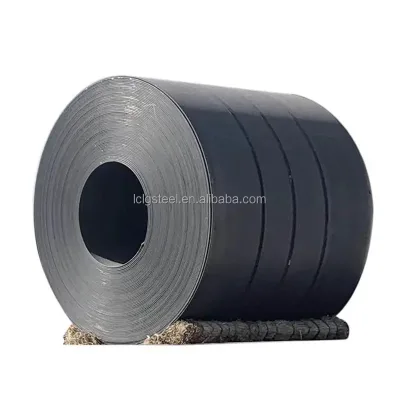
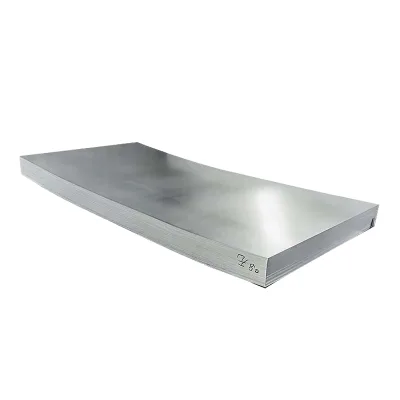


Comprehensive Sourcing Guide
Ship Plate Galvanized Steel Coil Supplier Concentration and Factory Types
The current supplier landscape for Ship Plate Galvanized Steel Coil reveals a distinct geographic concentration within China, specifically highlighting manufacturing hubs in Zhejiang, Shandong, and Tianjin provinces. These regions serve as primary centers for both trading companies and direct manufacturers, offering buyers a diverse array of operational models to evaluate. In Zhejiang, suppliers often operate as trading companies or manufacturer-factory hybrids, leveraging local industrial ecosystems to provide a broad spectrum of metal products including prepainted steel coils, galvanized steel coils, and various corrugated sheets. This dual capability allows for flexible sourcing strategies where buyers can access both standardized stock items and customized solutions. The presence of verified entities such as those holding TUVRHEINLAND certification in this region indicates a mature supply chain infrastructure capable of meeting international quality benchmarks. Buyers should recognize that while Zhejiang offers significant variety, the specific focus on trading versus manufacturing can impact lead times and direct communication efficiency. Understanding this regional specialization helps in narrowing down potential partners based on whether the priority is rapid stock availability or specialized production capabilities.
In contrast, Shandong province presents a strong concentration of pure manufacturer-factory entities specializing in high-volume output of galvanized steel coils, galvalume steel coils, and prepainted aluminum coils. These facilities often boast comprehensive system certifications including ISO 9000, ISO 9001, ISO 14001, and BS 25999-2, signaling a robust commitment to quality management and environmental standards. The manufacturing focus in Shandong extends to related products like roofing sheets, Zn-Al-Mg coated steel coils, and even fasteners, suggesting a vertically integrated supply chain that can offer competitive pricing and consistent quality for large orders. Meanwhile, Tianjin-based suppliers tend to lean towards trading company models, facilitating access to hot rolled steel plates, galvanized steel coils, and cold rolled steel plates. These trading entities often emphasize customer service and logistical support, with some holding additional verifications from SGS Group. The diversity in supplier types across these regions means buyers must carefully assess whether they require the direct factory control found in Shandong or the flexible sourcing options provided by trading companies in Zhejiang and Tianjin. Each location offers unique advantages depending on the specific requirements of the Ship Plate Galvanized Steel Coil project.
How to Verify Ship Plate Galvanized Steel Coil Suppliers
Verifying the legitimacy and capability of suppliers for Ship Plate Galvanized Steel Coil requires a multi-layered approach that goes beyond simple profile reviews. Buyers should prioritize suppliers who have undergone third-party verification processes, such as those conducted by TUVRHEINLAND or SGS Group. These verifications provide an independent assessment of the supplier’s business scope, legal status, and operational capacity. For instance, suppliers in Zhejiang may display TUVRHEINLAND verification, while those in Tianjin might showcase SGS Group credentials. These marks serve as initial indicators of reliability but should be complemented by a review of the supplier’s specific product certifications. Many manufacturers offer products certified under ISO standards, with some providing additional certifications like ISO, SGS, RoHS, SNI, or CE. It is crucial to confirm that the certifications listed are relevant to the specific grade and application of the galvanized steel coil being purchased. For ship plate applications, ensuring that the steel meets specific structural and corrosion resistance standards is paramount, so buyers must request detailed certification documents that align with international maritime or industrial standards.
Beyond certifications, buyers should scrutinize the supplier’s response time and communication efficiency as indicators of their operational maturity. Suppliers with faster response times, such as those recording response times of 2 to 6.32 hours, often demonstrate better customer service infrastructure and quicker decision-making processes. This is particularly important for complex orders involving custom specifications or urgent delivery requirements. Additionally, examining the supplier’s main products can reveal their area of expertise. A supplier listing galvanized steel coils, galvalume steel coils, and prepainted steel coils as main products is likely more specialized in this niche than a generalist trader. Buyers should also look for evidence of OEM capabilities or own brand development, which suggests a deeper understanding of manufacturing processes and quality control. For example, some suppliers in Zhejiang mention OEM and own brand capabilities, indicating a flexible production environment. By combining verification badges, relevant product certifications, response speed metrics, and product specialization, buyers can build a comprehensive profile of a supplier’s reliability and suitability for their Ship Plate Galvanized Steel Coil needs.
What to Compare Across Ship Plate Galvanized Steel Coil Suppliers
When evaluating multiple suppliers for Ship Plate Galvanized Steel Coil, buyers must systematically compare key operational metrics to identify the most suitable partner. One critical dimension is the lead time, which varies significantly across different supplier types and locations. For example, suppliers in Shandong may have lead times around 23 days, while those in Tianjin might offer shorter lead times of 15 days or even 5 days for certain stock items. Understanding these variations is essential for project planning, especially when dealing with tight construction or manufacturing schedules. Buyers should also compare the Minimum Order Quantity (MOQ) requirements, as these can range from 25 tons to 100 tons or more. Lower MOQs may be advantageous for smaller projects or trial orders, while higher MOQs often correlate with better unit pricing. Additionally, the response time of the supplier can impact the overall procurement experience, with faster responses indicating a more responsive and potentially more reliable partner. By creating a comparison matrix that includes lead time, MOQ, and response time, buyers can objectively assess which suppliers align best with their operational constraints and project timelines.
Price and product specifications are equally important factors in the comparison process. The price range for galvanized steel coils can vary, with some suppliers offering prices between $400 and $850 per ton, while others may have narrower ranges such as $500 to $750 or $520 to $550. Buyers should not only look at the base price but also consider the value proposition, which includes factors like customization availability, stock status, and specific product attributes. For instance, some suppliers offer hot-rolled techniques with thicknesses ranging from 0.3mm to 3.0mm, while others provide cold-rolled options with zinc coatings between 40-275G/M2. The availability of customization services and sample support can also differentiate suppliers, particularly for specialized ship plate applications. Furthermore, the type of steel grade, such as CGCC or Q235B, and the adherence to standards like ASTM, GB, JIS, or AISI, must be compared to ensure compliance with project requirements. By meticulously comparing these dimensions, buyers can make informed decisions that balance cost, quality, and delivery performance, ensuring they select a supplier who can meet the specific demands of their Ship Plate Galvanized Steel Coil procurement.
Common Ship Plate Galvanized Steel Coil Sourcing Risks
Sourcing Ship Plate Galvanized Steel Coil involves several inherent risks that buyers must proactively manage to ensure project success. One significant risk is the variability in product quality and specification compliance. While suppliers may claim adherence to standards like ASTM, GB, or JIS, the actual product delivered might not meet the precise requirements for ship plate applications, such as specific tensile strength or corrosion resistance levels. This discrepancy can lead to costly delays, rejections, or structural failures if not caught early. Buyers should mitigate this risk by requesting detailed material test reports and conducting independent third-party inspections before shipment. Another risk is the potential for supply chain disruptions, which can be exacerbated by the reliance on trading companies that may not have direct control over production schedules. Suppliers with longer lead times or those operating as trading entities might face delays due to raw material shortages or production bottlenecks. Understanding the supplier’s capacity and their ability to handle fluctuations in demand is crucial for maintaining a stable supply chain.
Additionally, buyers face the risk of financial exposure if they engage with suppliers who lack robust verification or escrow protections. While some suppliers display verifications from TUVRHEINLAND or SGS Group, not all suppliers may have these safeguards in place. Engaging with unverified suppliers increases the risk of fraud or non-delivery. Furthermore, the complexity of international logistics and customs regulations can introduce additional risks, such as unexpected duties or shipping delays. Buyers should ensure that their suppliers have experience in exporting to their target market and can provide accurate documentation. The risk of miscommunication regarding customization requirements is also prevalent, especially when dealing with suppliers who offer extensive customization options. Clear and detailed specifications, along with confirmed samples, are essential to avoid misunderstandings. By identifying these common risks and implementing appropriate mitigation strategies, such as thorough verification, clear contracts, and independent inspections, buyers can protect their interests and ensure the successful procurement of Ship Plate Galvanized Steel Coil.
Ship Plate Galvanized Steel Coil Regional Sourcing and Logistics
The geographic location of suppliers plays a pivotal role in determining logistics costs and delivery efficiency for Ship Plate Galvanized Steel Coil. Suppliers located in China’s Zhejiang, Shandong, and Tianjin provinces offer distinct logistical advantages depending on the buyer’s destination and shipping preferences. Zhejiang, with its proximity to major ports like Shanghai and Ningbo, often provides efficient access to international shipping routes, making it a convenient choice for buyers in North America or Europe. Suppliers in this region, often operating as trading companies or hybrid manufacturers, can leverage established logistics networks to facilitate smoother exports. Shandong, being a major industrial hub in northern China, benefits from proximity to ports like Qingdao, which is well-connected to global trade routes. Manufacturers in Shandong, with their focus on high-volume production, can offer competitive shipping rates due to the scale of their operations. Buyers should consider the specific port of loading when evaluating suppliers from these regions, as it can impact transit times and freight costs.
Tianjin, located in northern China near Beijing, offers another strategic sourcing option with access to the Port of Tianjin, a major gateway for trade with Asia and beyond. Trading companies in Tianjin often specialize in facilitating exports, providing buyers with streamlined logistics support and documentation services. The regional concentration of suppliers in these three provinces allows buyers to compare logistics options and select the most cost-effective and timely solution. However, buyers must also consider the impact of regional weather conditions and local infrastructure on shipping schedules. For instance, seasonal weather patterns in northern China can sometimes affect port operations. Additionally, the type of supplier, whether a manufacturer or a trading company, can influence logistics management. Manufacturers may have more direct control over production and shipping schedules, while trading companies may offer more flexible logistics solutions. By understanding the logistical implications of sourcing from Zhejiang, Shandong, and Tianjin, buyers can optimize their supply chain and ensure timely delivery of Ship Plate Galvanized Steel Coil to their project sites.
Ship Plate Galvanized Steel Coil Commercial Terms and Order Planning
Effective order planning for Ship Plate Galvanized Steel Coil requires a thorough understanding of commercial terms and payment structures offered by suppliers. Buyers should carefully review the pricing models, which can vary based on factors such as order volume, customization requirements, and market conditions. Some suppliers offer prices ranging from $400 to $850 per ton, while others may have more specific ranges like $500 to $750. It is essential to clarify whether the quoted price includes packaging, loading, and other ancillary costs. Additionally, buyers should inquire about the availability of samples, as some suppliers offer free samples to help verify product quality before committing to a large order. The lead time, which can range from 5 to 23 days depending on the supplier and location, must be factored into the project schedule. Buyers should also consider the MOQ, which can be as low as 25 tons or as high as 100 tons, and
FAQs
What certifications are available for galvanized steel coils?
Suppliers offer ISO, SGS, RoHS, and other standard certifications for galvanized steel products. These credentials verify quality management and material safety. Buyers should request specific certificates to ensure compliance with ASTM, GB, or JIS standards. Always confirm the exact certification scope matches your project requirements before placing an order.
What is the typical lead time for orders?
Lead times vary significantly by supplier location and type. Some manufacturers in Shandong report a lead time of 23 days, while trading companies in Tianjin may deliver within 5 to 15 days. Response times also differ, ranging from 2 to 10 hours. Confirm the exact schedule with your chosen supplier to avoid delays.
What are the minimum order quantities for steel coils?
Minimum order quantities depend on the specific product and supplier. Some listings require a minimum of 25 units, while others set the threshold at 100 units. Buyers should check the MOQ for each product model, such as gsc-001 or HTS series. Smaller orders may incur higher per-unit costs or require sample fees.
What price range applies to galvanized steel products?
Prices for galvanized steel coils and plates typically range from $400 to $850 per unit. Specific products like premium wholesale coils may start at $450, while standard plates can cost between $520 and $550. Prices fluctuate based on thickness, zinc coating weight, and market conditions. Request current quotes for accurate budgeting.
Where are these steel suppliers located?
Suppliers are primarily located in China, specifically in Zhejiang, Shandong, and Tianjin provinces. Zhejiang hosts trading companies and manufacturers, while Shandong focuses on factory production. Tianjin suppliers often operate as trading companies. Location affects logistics costs and lead times. Verify the exact address to plan shipping and inspection visits effectively.
What standards do the steel products meet?
Products comply with various international and national standards including ASTM, GB, JIS, AISI, BS, and DIN. Specific grades like CGCC, Q235B, and Dx51d are available. Standards ensure material properties match application needs. Buyers must specify the required standard during inquiry to receive accurate product specifications and ensure compatibility with local regulations.