Square Flange Linear Guideway Suppliers and Manufacturers
Compare 23 verified suppliers of Square Flange Linear Guideway based on location, lead time, and certification. Review product specs like rail length and carrying capacity, then request quotes to proceed; review the available evidence before requesting comparable quotations from suitable candidates.
Updated
Suppliers List

Shandong Sair Import & Export Trading Co., Ltd.
- Verified by TUVRHEINLAND
- Combined
- China Shandong
- Lead time15 days
- Avg. response≤ 6h
Main productslinear guide, ball screw
Main marketsEast Asia(Japan/ South Korea),Europe

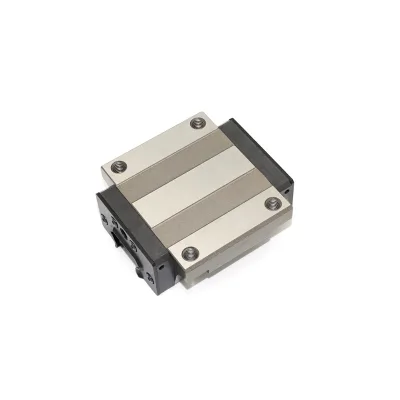
Factory Guideway Square Linear Bearing Carriage Series Flange Guide Slider Block Linear Guide Rail
$8.00 - $12.00
MOQ: 1 Pieces

$8.00 - $12.00
MOQ: 1 Pieces


HENGERDA NEW MATERIALS (FUJIAN) CO., LTD.
- Trading Company,Manufacturer/Factory,Group Corporation
- China Fujian
- Lead time23 days
- Avg. response≤ 12h
Main productsRule Die Steel, Cutting Rules, Creasing Rules, Cermet Circular Saw Blade, Circular Saw Machine, Bandsaw Machine, Machining Centers, Carbide Band Saw Blade, Bi-Metal Band Saw Blade, Linear Guide
Main marketsSouth America,Eastern Europe,Mid East,North America,Southeast Asia,Eastern Asia,Oceania,Western Europe,Africa

Smooth Movement Linear Guide Rail Square Flange Linear Guide for Machine Centers
$10.00 - $40.00
MOQ: 10 Pieces

High Assembly Linear Guide Flange Type Square Type Linear Guideway with Wholesale Price
$10.00 - $40.00
MOQ: 10 Pieces

Premium High Assembly Linear Guide Rail with Heavy Load Various Size Flange Square Linear Guideway
$10.00 - $40.00
MOQ: 10 Pieces

Rectangular Flange Linear Guide Rail with Different Size Steel Material Linear Guide
$10.00 - $40.00
MOQ: 10 Pieces

High Rigidity Linear Guideway with Square Type Various Specifications Linear Guide
$10.00 - $40.00
MOQ: 10 Pieces

High Precision Linear Guideway Heavy Load Linear Guide with Square Type
$10.00 - $40.00
MOQ: 10 Pieces
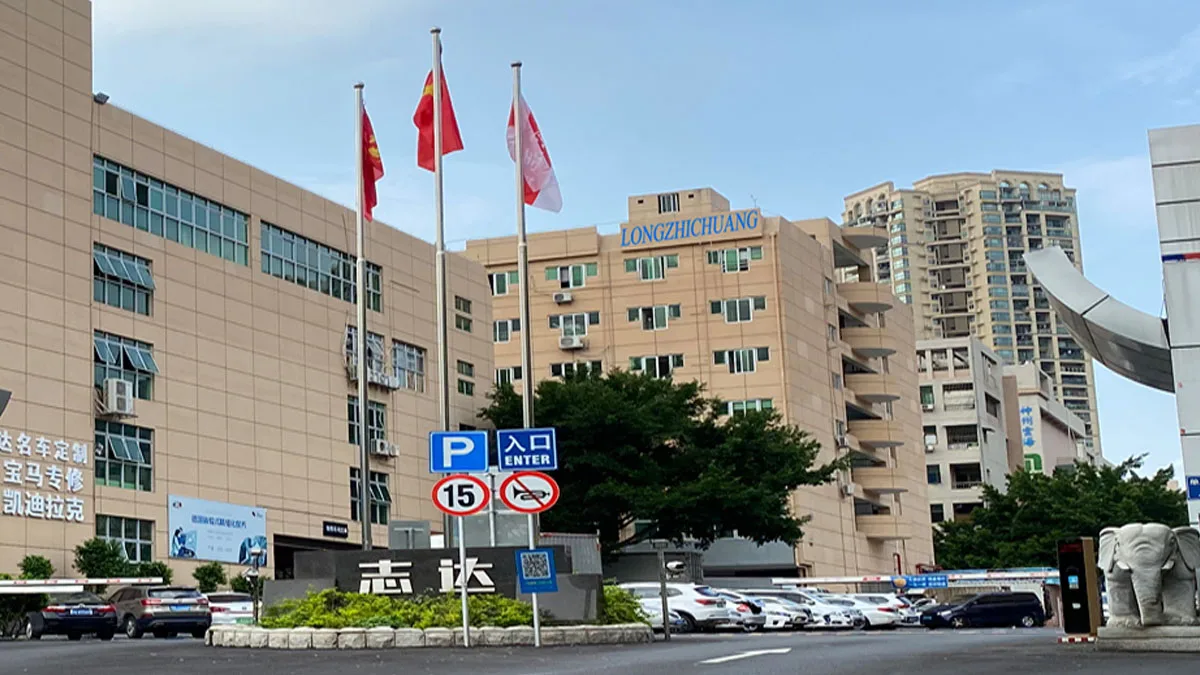
- Manufacturer, Trading Company
- Guangdong, China
- Lead time15 days
- Avg. response≤ 3h
Main productsBall Screw,Linear Guide,Linear Modules,Linear Motor,Piezoelectric Ceramic
Main marketsWestern Europe(20.00%), Oceania(10.00%), North America(10.00%), Eastern Europe(10.00%), Eastern Asia(10.00%), Domestic Market(5.00%), South Asia(5.00%), Southern Europe(5.00%), Northern Europe(5.00%), Central America(5.00%), Southeast Asia(5.00%), South America(5.00%), Mid East(5.00%)
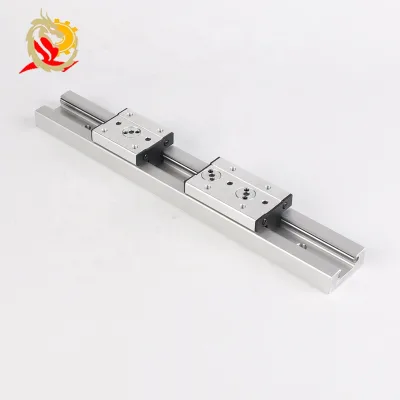
High Load Flange Linear Guide Bearing Linear Guide HGW30 Rail Block HG Series Linear Guideway
$60.00 - $80.00
MOQ: 100 pieces
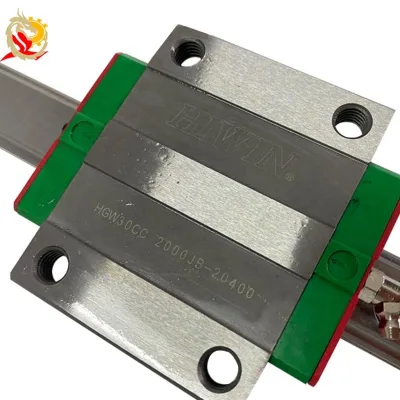
EGW25SA Flange Linear Motion Guide Block EGW25CA Slider 25mm Linear Rail
$80.00 - $120.00
MOQ: 100 pieces
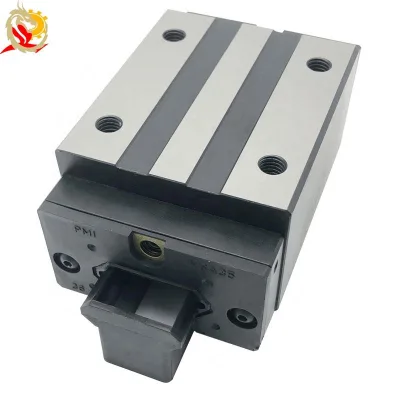
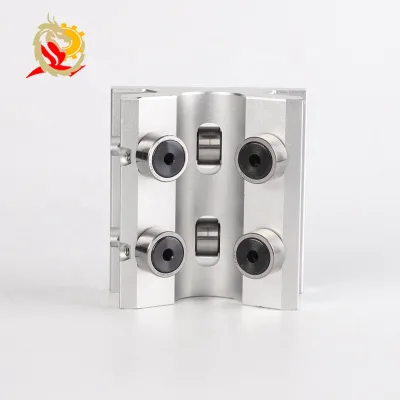
MGN12H Linear Guideway Miniature Linear Guide 12mm Diameter with Rail Length 100mm to 1000mm
$8.00 - $10.00
MOQ: 100 pieces
Lishui Yuxuan Automation Manufacturing Co., Ltd.
- Verified by TüVRheinland
- Manufacturer, Trading Company
- Lead time7 days
- Avg. response≤ 7h
Main productsLinear Shaft, Linear Bearing, Rod End Bearing, Linear Guides, Ball Screws
Main marketsDomestic Market(60%), Southern Europe(10%), North America(5%)
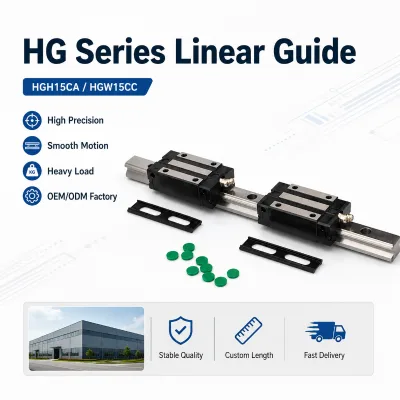
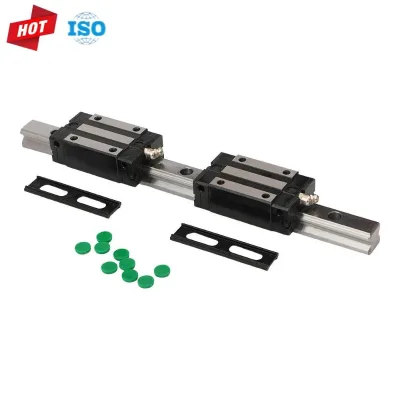
$5.1206 - $10.2816
MOQ: 10 Minimum
Zhejiang Zhishang Robotics Co., Ltd.
- Verified by TüVRheinland
- Manufacturer, Trading Company
- Lead time15 days
- Avg. response≤ 2h
Main productsLinear Guides, Thin Air Gripper
Main marketsDomestic Market(55%), Mid East(15%), Eastern Asia(15%)
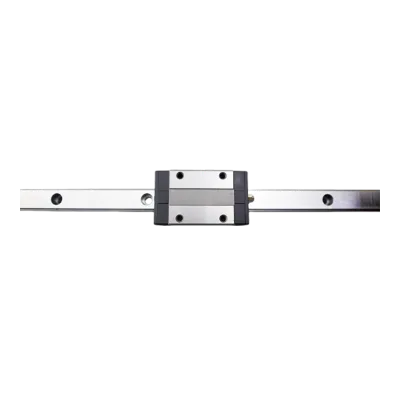
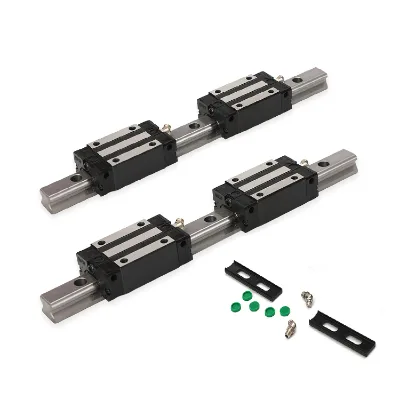
High Assembly Rectangular Type Linear Guide Block Various Size Linear Guideway
$1.00 - $80.00
MOQ: 1 Minimum
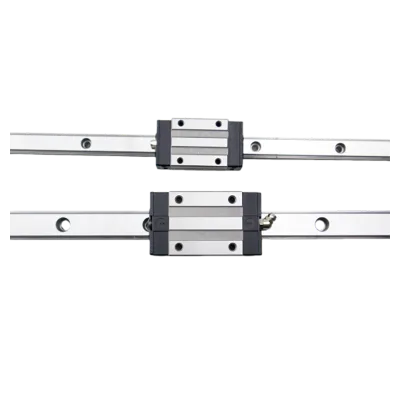
20mm S55C Non-Magnetic Square/Flange Linear Guides HGH15Ti HGH20Ti HGW15Ti HGW20Ti Rail Black/Green
$2.0536 - $28.7493
MOQ: 1 Minimum
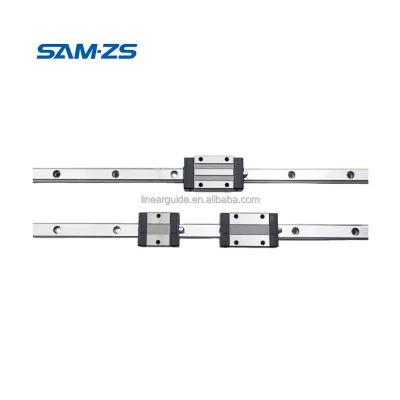
HGH20 25mm Linear Guide Module Customizable Length Linear Guideway for Industrial Robots
$1.00 - $80.00
MOQ: 1 Minimum
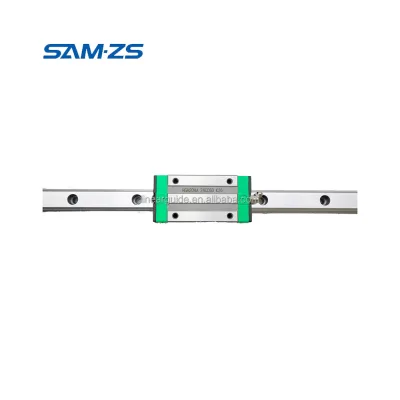
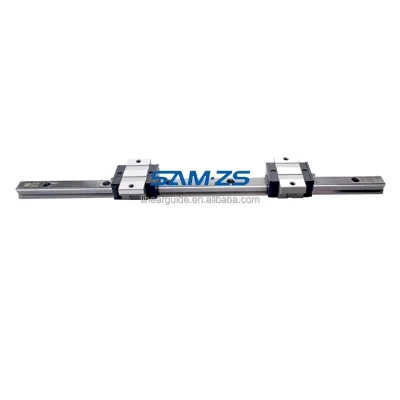
Hunan Austan Machinery Co., Ltd.
- Verified by TüVRheinland
- Trading Company
- Lead time7 days
- Avg. response≤ 2h
Main productsBearing, Linear Guideway, Ball Transfer Unit, Roller Chain, Motor
Main marketsNorth America(38%), Eastern Europe(30%), Domestic Market(10%)
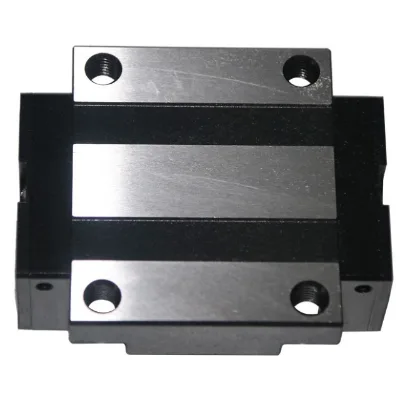
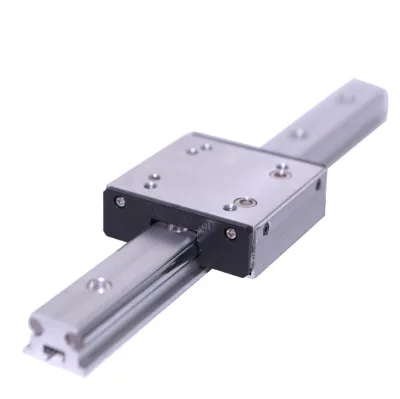
$22.60 - $24.60
MOQ: 1 meters
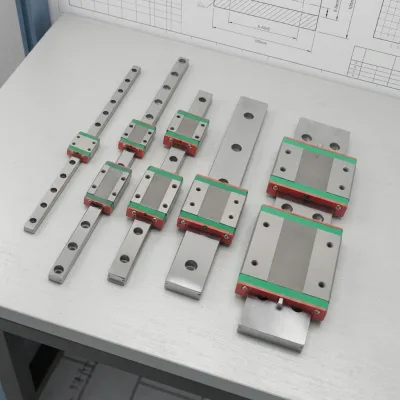
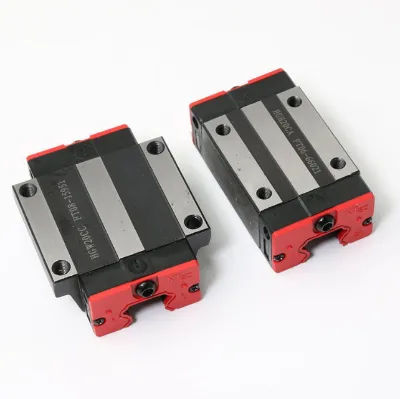

Lishui Wangong Precision Machinery Co., Ltd.
- Verified by BV
- Combined
- China Zhejiang
- Lead time30 days
- Avg. response≤ 3h
Main productsLinear Shaft, Linear Guides, Linear Motion Systems, Ball Screw, Linear Slide Block, Linear Bearing, Cylinder Linear Rail, Roller Linear Guide, Linear Rail, Linear Guideway
Main marketsSouth America,Africa,Southeast Asia/ Mideast,East Asia(Japan/ South Korea),Europe,Australia,North America
Jiangsu Diye Instrument Technology Co., Ltd.
- Manufacturer, Trading Company
- Jiangsu, China
- Lead time0 days
- Avg. response≤ 24h
Main productsLinear Guild,Linear Rail,Ball Screws
Main marketsDomestic Market(100.00%)
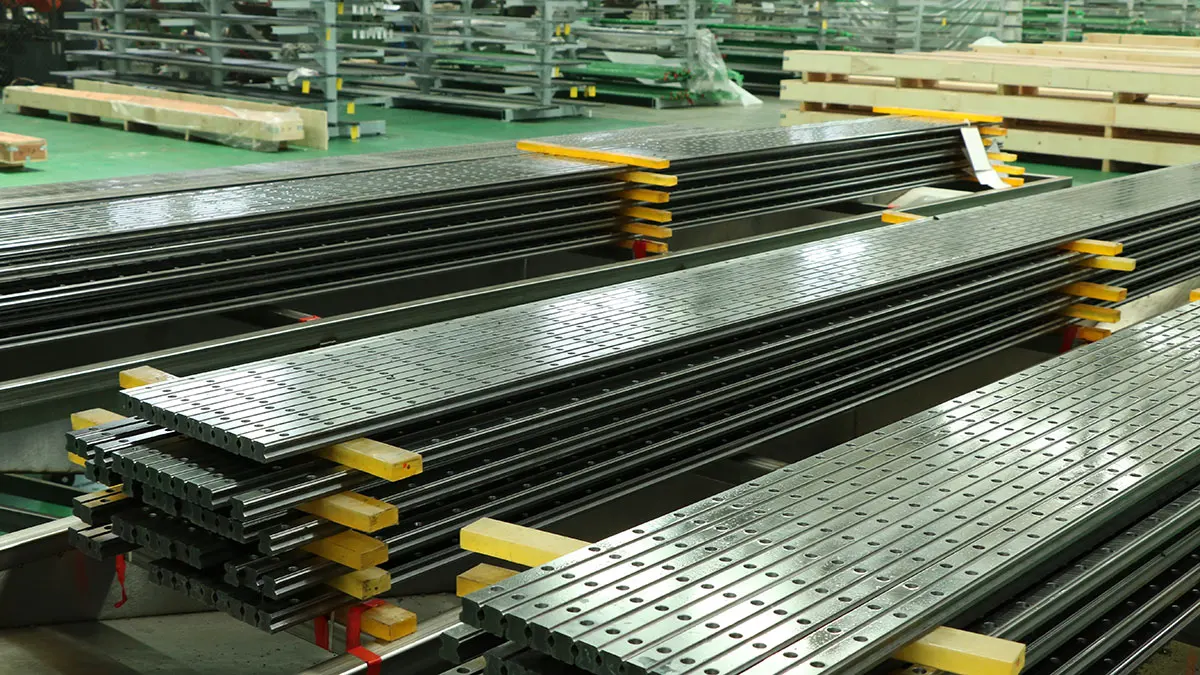
Lishui City Yongrun Precision Machinery Co., Ltd.
- Manufacturer, Trading Company
- Zhejiang, China
- Lead time7 days
- Avg. response≤ 6h
Main productsBall Screws,Linear Guides,Linear Bearings,Linear Stages,Linear Blocks
Main marketsSouth Asia(25.00%), Eastern Europe(20.00%), Southeast Asia(15.00%), North America(10.00%), Western Europe(10.00%), Africa(5.00%), Mid East(5.00%), South America(5.00%), Oceania(3.00%), Eastern Asia(2.00%)

TANG CHENG INTERNATIONAL TRADE CO., LTD.
- Trading Company,Manufacturer/Factory
- China Jiangsu
- Lead time15 days
- Avg. response≤ 6h
Main productsWelding Robot, CNC Cutting Machine, Welding Machine, Laser Machine, Industrial Robot, Flux Recovery Machine, Welding Tractor, H-Beam Production Line, Laser Cutting Machine Parts, Plasma Cutting Machine Parts
Main marketsSouth America,Eastern Europe,Mid East,North America,Southeast Asia,Eastern Asia,Oceania,Western Europe,Africa

Jiangsu Zcf Precision Technology Co., Ltd.
- Verified by BV
- Trading Company
- China Jiangsu
- Lead time30 days
- Avg. response≤ 20h
Main productsLinear Guide, Ball Screw, Lead Screw, Linear Module, CNC Ball Screw, Stainless Steel Guide Rail, Bearing Housing, Support Unit, Roller Linear Guide
Main marketsDomestic
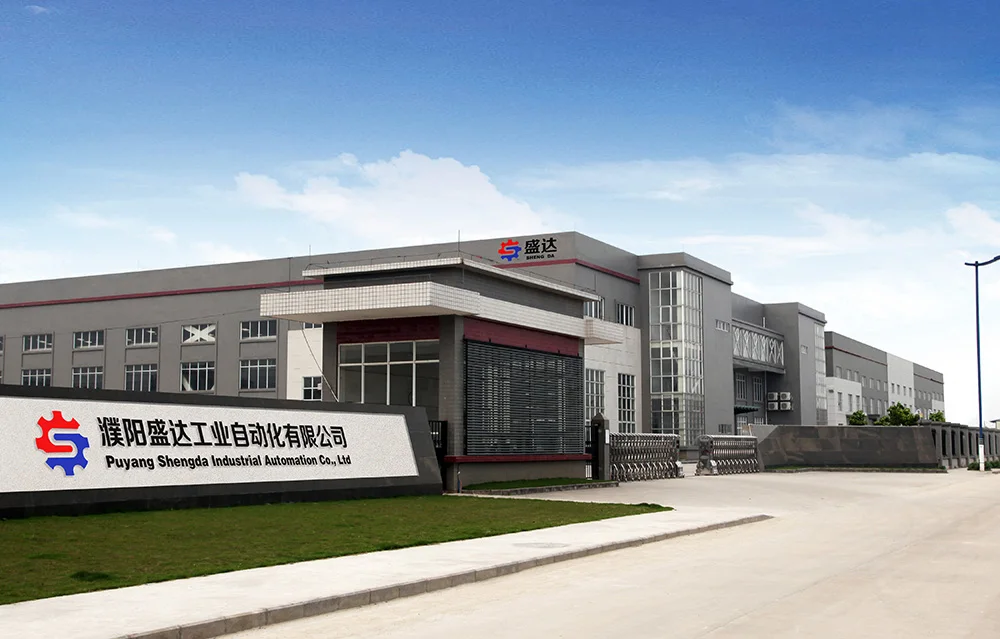
Puyang Shengda Industrial Automation Co., Ltd.
- Trading Company
- Henan, China
- Lead time7 days
- Avg. response≤ 3h
Main productsMachinery parts,linear guide rail,Material handling accessories,Pneumatic accessories,Food and beverage machinery
Main marketsNorth America(19.00%), South America(13.00%), Mid East(13.00%), Eastern Europe(10.00%), Central America(9.00%), South Asia(8.00%), Southeast Asia(6.00%), Eastern Asia(6.00%), Western Europe(5.00%), Africa(3.00%), Oceania(3.00%), Northern Europe(2.00%), Southern Europe(2.00%), Domestic Market(1.00%)

Suzhou Weipeng Precision Machinery Co., Ltd.
- China Jiangsu
- Lead time0 days
- Avg. response≤ 5h
Main productsPiston Rod, Chrome Plated Bar, Linear Shaft, Linear Motion Bearing, Stainless Steel Linear Shaft, Linear Motion Guide, Hard Chrome Plated Steel Bar, Induction Hardened Chrome Plated Rod, Chromed Linear Shaft, S45c \Ck45 Piston Rod for Hydraulic Cylinder
Zhejiang Bosu Precision Transmission Co., Ltd.
- Verified by TüVRheinland
- Manufacturer, Trading Company
- Lead time25 days
- Avg. response≤ 4h
Main productsBall Screws, Linear Guideway, Linear Motion Slide Units, Roller Guide, Linear Shaft
Main marketsDomestic Market(45%), Eastern Europe(15%), Southeast Asia(15%)
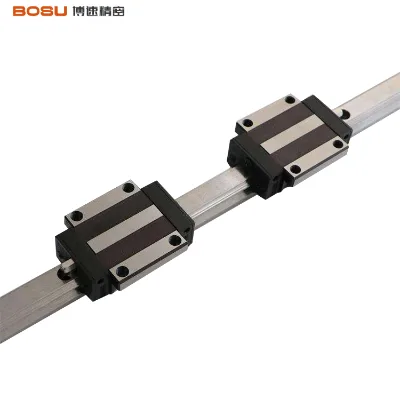
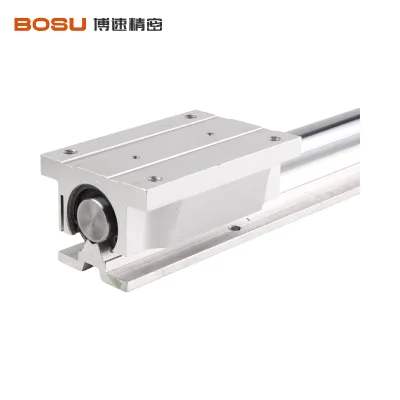
$12.00 - $25.00
MOQ: 1 Minimum
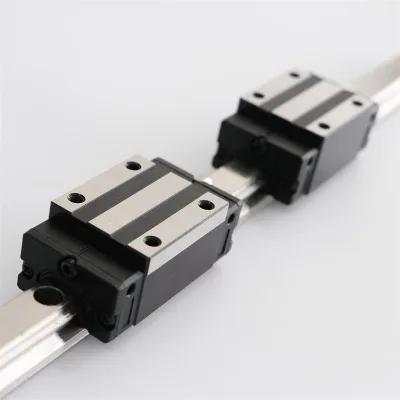
$7.80 - $16.00
MOQ: 1 Minimum

Jinan Longqiao Electromechanical Equipment Co., Ltd.
- Trading Company
- Shandong, China
- Lead time0 days
- Avg. response≤ 2h
Main productsLinear Guide,Machine tool accessories,transmission,Pinion And Rack,Chiller
Main marketsSoutheast Asia(50.00%), North America(14.00%), Northern Europe(7.00%), Western Europe(7.00%), Mid East(7.00%), Southern Europe(7.00%), Eastern Europe(7.00%), South America(1.00%)
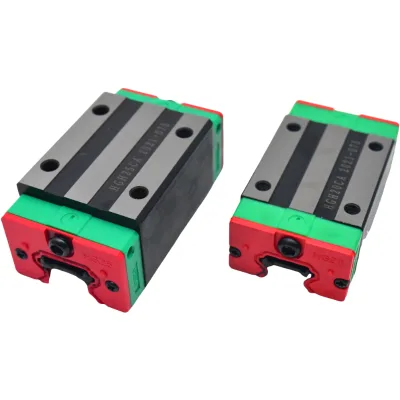
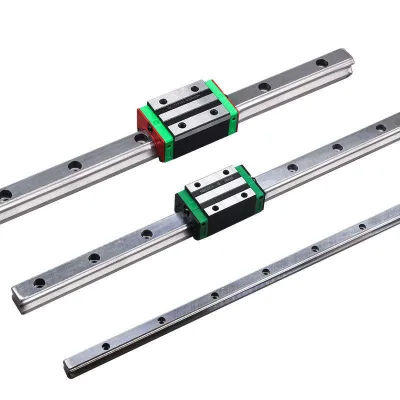
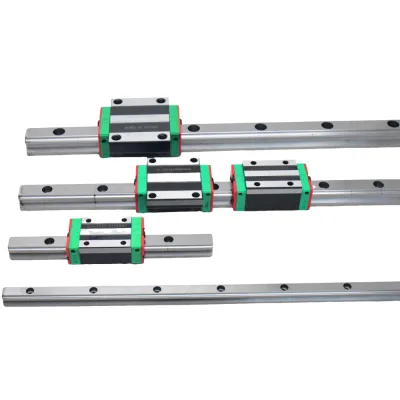
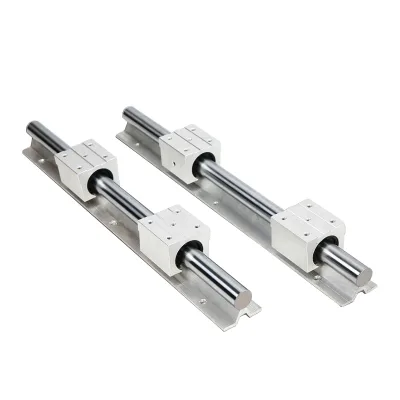
Linear Guide with Aluminum Bracket SBR20 Cylinder Guide Circular Saw Linear Rail Guide
$20.00 - $21.00
MOQ: 49 meters
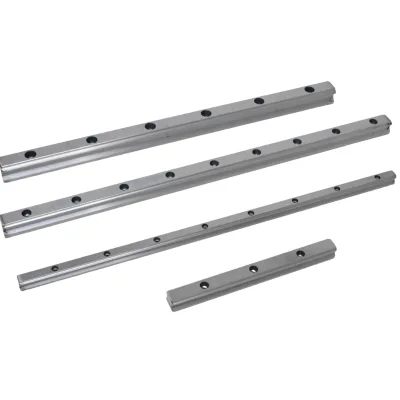
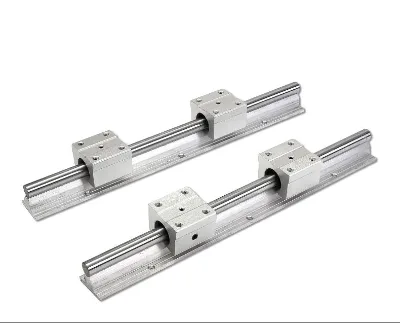
High Precision Linear Optical Axis Circular Support with Seat Aluminum Support SBR Guide Rail
$3.00 - $8.00
MOQ: 49 meters

Nanjing Technical Equipment Manufacture Co., Ltd.
- Verified by TUVRHEINLAND
- Combined
- China Jiangsu
- Lead time45 days
- Avg. response≤ 4h
Main productsBall Screw, Linear Guideway, Roller Guide, Ball Spline, Ball Bushing
Main marketsSouth America,Southeast Asia/ Mideast,East Asia(Japan/ South Korea)


Factory Directly Sale Linear Guide Rail Guideway High Precision High Load Linear Guide
$20.00 - $25.00
MOQ: 1 Sets

- Trading Company
- Shandong, China
- Lead time0 days
- Avg. response≤ 4h
Main productslinear guide block,ball screw nut,deep groove ball bearings,cylindrical roller bearings,tapered roller bearings
Main marketsSouthern Europe(10.00%), Northern Europe(10.00%), Central America(10.00%), Eastern Europe(10.00%), Western Europe(10.00%), North America(10.00%), Mid East(7.00%), South Asia(5.00%), Domestic Market(5.00%), Africa(5.00%), Southeast Asia(5.00%), South America(5.00%), Eastern Asia(5.00%), Oceania(3.00%)

Jining Tongxin Machinery Co., Ltd.
- Trading Company
- Shandong, China
- Lead time15 days
- Avg. response≤ 2h
Main productsball screw pair,linear guide pair,trapezoid screw pair,straight slide unit,linear bearing
Main marketsAfrica(20.00%), South Asia(20.00%), North America(20.00%), Western Europe(15.00%), Eastern Europe(10.00%), South America(10.00%), Oceania(5.00%), Central America(5.00%)
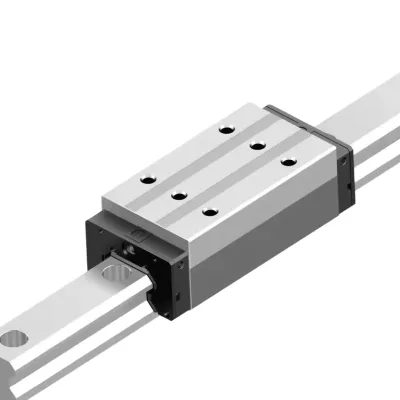
Motorized Linear Guide for Machine
$85.00 - $95.00
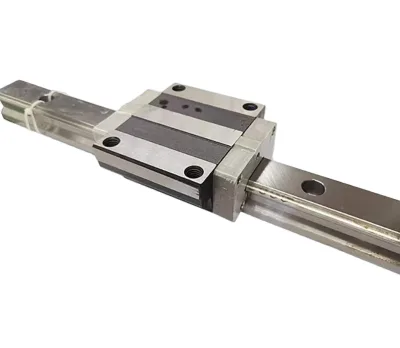
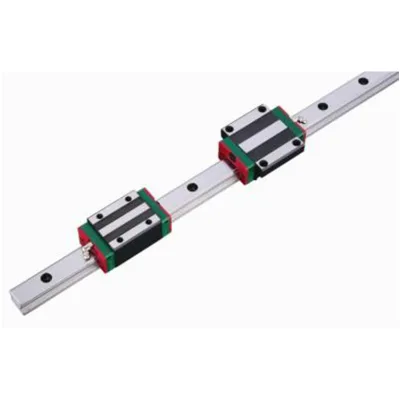
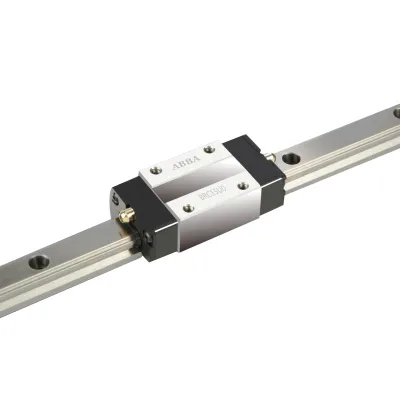
Series High Temperaturere Chinese Manufacturer High Quality Linear Guide Precision Rail
$30.00 - $80.00
MOQ: 1 Minimum

ZHEJIANG JIANZHUANG TRANSMISSION TECHNOLOGY CO.,LTD
- Verified by SGS
- Combined
- China Zhejiang
- Lead time15 days
- Avg. response≤ 4h
Main productsBall Screw, Linear Guide, Linear Beairng, Linear Shaft, Ball Screw Support, Linear Module, Rod End Bearing, Coupling
Main marketsSouth America,Africa,Southeast Asia/ Mideast,East Asia(Japan/ South Korea),Domestic,Europe,Australia,North America
Jingpeng Machinery Equipment (shanghai) Co., Ltd.
- Verified by Intertek
- Trading Company
- Lead time7 days
- Avg. response≤ 3h
Main productsBearings, Ball Screw, Linear Guide, Racks And Gears, Mechanical Parts
Main marketsWestern Europe(30%), North America(20%), Domestic Market(15%)
Lishui Wangong Precision Machinery Co., Ltd.
- Manufacturer, Trading Company
- Zhejiang, China
- Lead time20 days
- Avg. response≤ 11h
Main productsball screw,linear guide,linear shaft,linear bearing,rod end bearing
Main marketsNorthern Europe(30.00%), Southern Europe(10.00%), Eastern Asia(10.00%), Eastern Europe(10.00%), Mid East(10.00%), Oceania(9.00%), Africa(5.00%), Southeast Asia(5.00%), Central America(5.00%), South America(2.00%), Domestic Market(1.00%), South Asia(1.00%), Western Europe(1.00%), North America(1.00%)
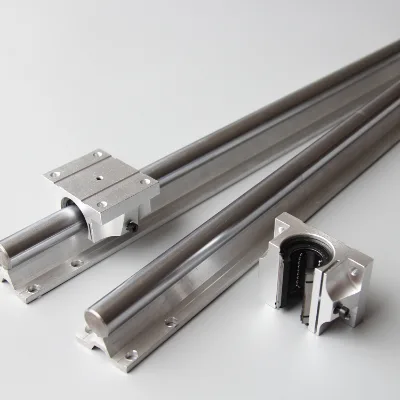
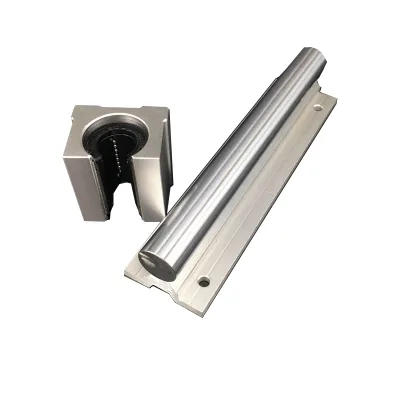
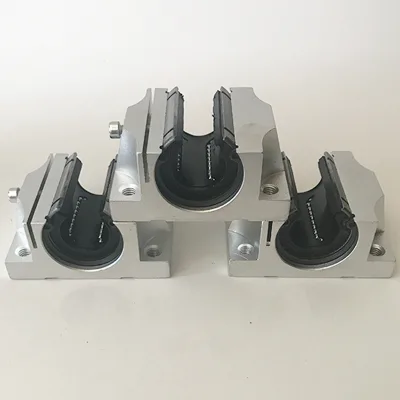
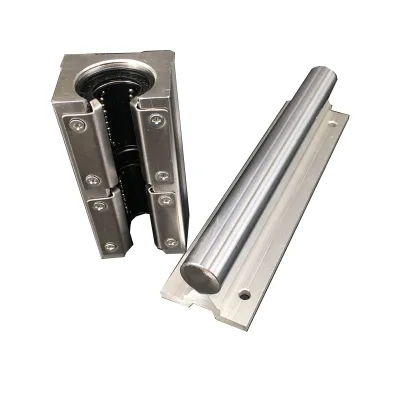
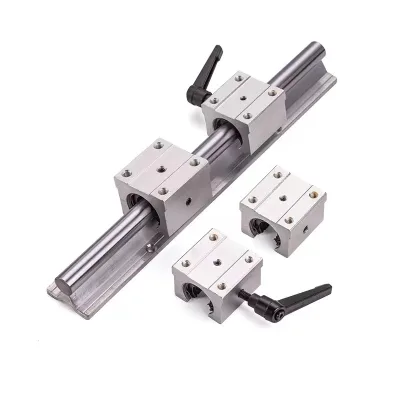
Aluminum High Ragidity Linear Motion Slide Block Linear Guideway TBR16UU TBR20UU TBR25UU TBR30UU
$2.3774 - $13.9467
MOQ: 1 Minimum

Zhejiang Deyi Transmission Co., Ltd
- Verified by SGS
- Combined
- China Zhejiang
- Lead time15 days
- Avg. response≤ 3h
Main productsDual Axis Linear Guide Slider, Linear Bearing, Linear Guide Rail, Ball Screw, Linear Shaft
Main marketsDomestic

Fuzhou Zoomland Machinery Co., Ltd.
- Verified by BV
- Combined
- China Fujian
- Lead time30 days
- Avg. response≤ 4h
Main productsPillow Block Bearing, Paint Sprayers, Spare Parts, Road Marking Machine, Rod End, Piston Pump, Plunger Pump, Sprayer Repair Kit, Bearings, Pillow Blocks
Main marketsSoutheast Asia/ Mideast,Europe,North America


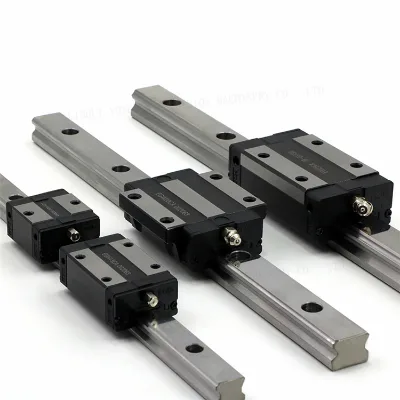
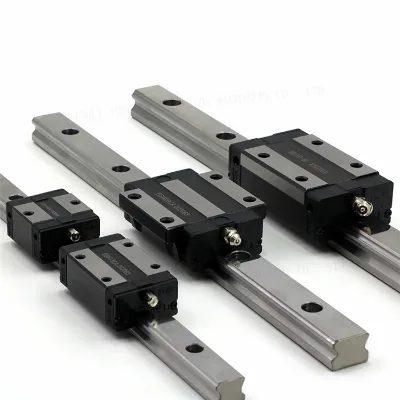
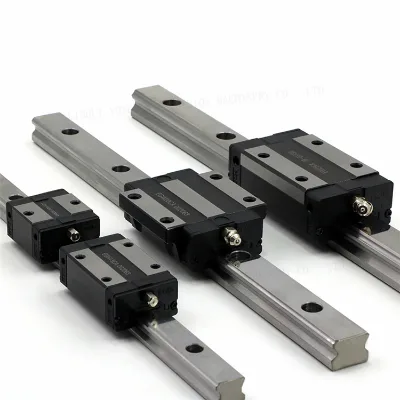
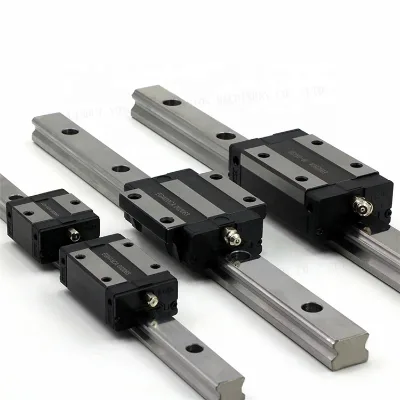


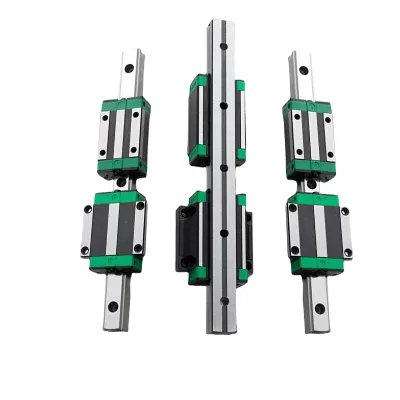
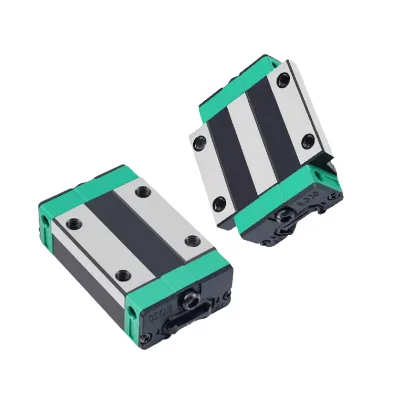


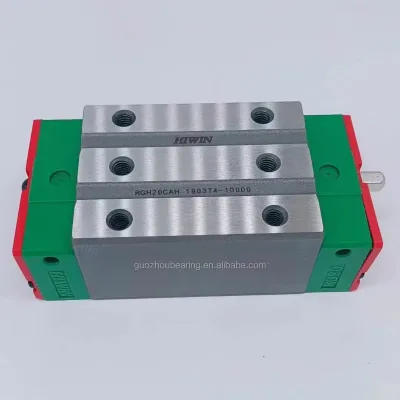
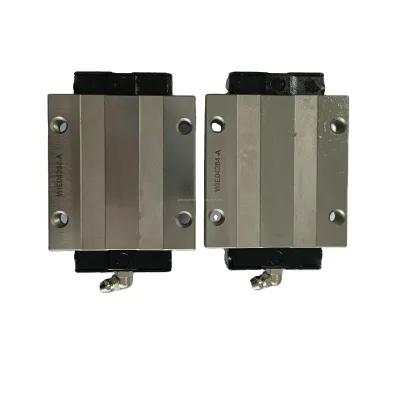



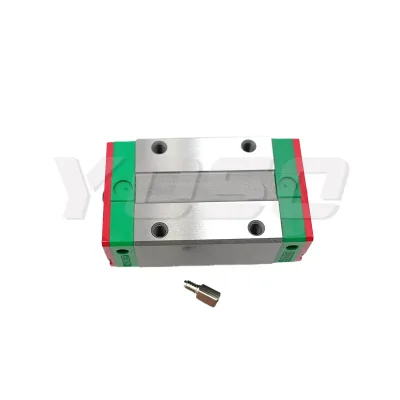
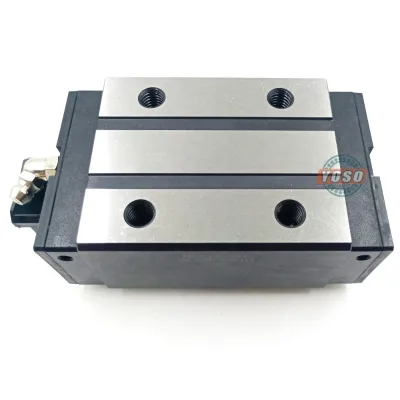
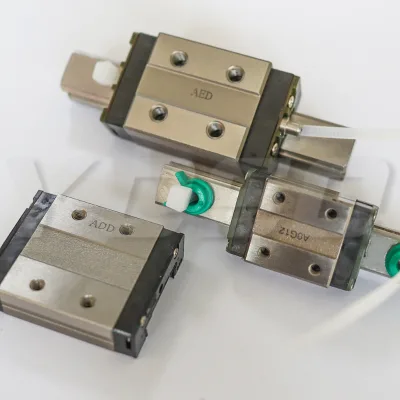
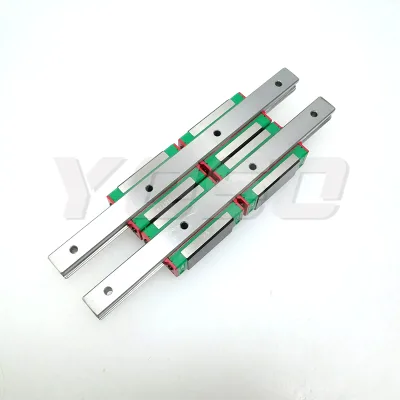


Comprehensive Sourcing Guide
Square Flange Linear Guideway Supplier Concentration and Factory Types
The current supplier landscape for square flange linear guideways reveals a distinct geographic concentration in China, with specific manufacturing hubs identified in Shandong and Fujian provinces. These regions serve as primary centers for the production of linear motion components, including the square flange variants essential for CNC machinery and automated systems. Suppliers in these areas often operate as combined entities, blending manufacturing capabilities with trading functions to offer broader product ranges. This dual nature allows buyers to access both direct factory pricing and the logistical flexibility of trading companies. The presence of established industrial clusters in these provinces suggests a mature supply chain ecosystem, where raw material sourcing, precision machining, and assembly are integrated locally. Buyers evaluating suppliers should recognize that location is a key indicator of supply chain maturity, with Shandong and Fujian representing verified sources for these specific mechanical components. Understanding this geographic distribution helps in assessing the reliability of the supply base and the potential for consistent quality control across large orders.
Company types among these suppliers vary, ranging from pure manufacturers to group corporations and trading companies. Many suppliers list themselves as combined entities, indicating they may own production facilities while also managing international sales and logistics. This structure can be advantageous for buyers seeking a single point of contact for both product customization and shipment coordination. Some suppliers emphasize their factory status, highlighting their ability to offer OEM and ODM services, which is critical for buyers requiring specific tolerances or branding. Others, identified as trading companies, may offer a wider variety of related products, such as ball screws or cutting rules, providing a one-stop solution for machine builders. The diversity in company types means buyers must carefully distinguish between direct manufacturers and intermediaries to ensure they are getting accurate technical support and competitive pricing. Recognizing the specific operational model of each supplier is essential for aligning procurement strategies with project requirements, whether the need is for high-volume standard parts or specialized custom solutions.
How to Verify Square Flange Linear Guideway Suppliers
Verification of Square Flange Linear Guideway suppliers requires a multi-layered approach that goes beyond basic company profiles. One critical step is to check for third-party verification badges, such as those from TÜV Rheinland, which indicate that the supplier has undergone independent audits for business legitimacy and operational standards. These verifications provide a baseline of trust, confirming that the entity exists and operates as described. However, buyers should not rely solely on these badges; they must also scrutinize the specific certifications listed for the products themselves. For instance, some suppliers display ISO 9001 and CE certifications, which are crucial for ensuring that the linear guideways meet international quality and safety standards. It is important to verify the validity of these certifications by requesting copies or checking with the issuing bodies, as displayed badges can sometimes be outdated or generic. This due diligence helps mitigate the risk of sourcing substandard components that could fail in high-precision applications.
Beyond certifications, buyers should assess the supplier’s response time and communication efficiency as indicators of their operational maturity. A quick and professional response to initial inquiries often reflects a well-organized internal process, which is vital for handling complex orders and technical queries. Suppliers with response times under six hours, for example, demonstrate a high level of customer service readiness. Additionally, examining the detailed product attributes provided, such as carrying capacity, precision levels, and material specifications, can reveal the depth of the supplier’s technical knowledge. Suppliers that provide comprehensive data on hardness, surface treatment, and inspection processes are likely more experienced in quality control. Buyers should also look for evidence of rigorous quality assurance practices, such as 100% inspection before shipment, which is a strong indicator of a supplier’s commitment to delivering defect-free products. This level of detail in product descriptions and supplier interactions is a reliable proxy for overall reliability and professionalism in the supply chain.
What to Compare Across Square Flange Linear Guideway Suppliers
When comparing suppliers, lead time is a pivotal metric that directly impacts production scheduling and inventory management. Suppliers in the current results show varying lead times, with some offering as little as fifteen days and others requiring up to twenty-three days. This difference can be significant for projects with tight deadlines, making it essential to align supplier capabilities with project timelines. Buyers should also consider the minimum order quantity (MOQ) requirements, which range from as low as one piece to ten pieces or more. Lower MOQs are beneficial for prototyping and small-batch production, allowing for greater flexibility and reduced capital tie-up. In contrast, higher MOQs may offer better unit economics but require larger upfront commitments. Understanding these constraints helps buyers optimize their ordering strategy based on their specific volume needs and cash flow considerations.
Price and customization options are another critical area for comparison. The price range for square flange linear guideways varies, with some suppliers offering prices starting from six dollars per unit and others starting at ten dollars, with maximum prices reaching up to forty dollars. This variation reflects differences in material quality, precision levels, and brand reputation. Buyers should evaluate whether the price includes necessary services like packaging and shipping, as some suppliers use wooden boxes or cartons for protection. Customization availability is also a key differentiator; some suppliers offer fully customizable options for color, block type, and rail length, while others may have more limited flexibility. Additionally, the response time of the supplier can influence the overall cost and efficiency of the procurement process, as slower responses may lead to delays in quotation and order placement. By systematically comparing these factors, buyers can identify the supplier that offers the best balance of cost, speed, and service for their specific needs.
Common Square Flange Linear Guideway Sourcing Risks
One significant risk in sourcing square flange linear guideways is the potential discrepancy between advertised specifications and actual product performance. Suppliers may list certifications like ISO 9001 or CE, but without rigorous verification, these may not reflect the actual quality of the batch delivered. Buyers must be cautious of suppliers who provide generic certification claims without detailed test reports or third-party validation. This is particularly important for applications requiring high precision and reliability, such as CNC machines or automated assembly lines. Another risk is the variability in material quality and hardness. Some suppliers specify hardness levels like 60-62HRC, but without consistent quality control, the actual hardness may vary, leading to premature wear or failure. Buyers should request material certificates or conduct their own inspections to ensure the components meet the required standards. This due diligence is essential to avoid costly downtime and repairs in the end application.
Logistical and communication risks also pose challenges in international sourcing. Differences in time zones and language barriers can lead to misunderstandings regarding technical specifications or delivery terms. Suppliers with slower response times may struggle to address urgent issues or provide timely updates on order status. Additionally, the choice of packaging can impact the condition of the goods upon arrival. While some suppliers use robust wooden packing, others may use simpler cartons that offer less protection. Buyers should ensure that the packaging is suitable for the shipping method and distance to prevent damage. Furthermore, the risk of supply chain disruptions, such as raw material shortages or production delays, can affect lead times. Buyers should maintain open communication with suppliers to monitor production progress and anticipate potential delays. By proactively addressing these risks, buyers can mitigate the impact of unforeseen issues and ensure a smoother procurement process.
Square Flange Linear Guideway Regional Sourcing and Logistics
Sourcing from specific regions like Shandong and Fujian in China offers distinct logistical advantages and challenges. These provinces are established industrial hubs for linear motion components, providing access to a mature supply chain and skilled labor. However, buyers must consider the distance to major ports and the efficiency of local logistics networks. Suppliers in these regions typically offer various delivery methods, including shipment by vessel, railway, or express courier. The choice of delivery method depends on the order size, urgency, and budget. For large orders, sea freight is often the most cost-effective option, while express courier is suitable for samples or urgent small batches. Buyers should work with suppliers to determine the most efficient shipping route and ensure that all export documentation is prepared correctly to avoid customs delays.
Packaging and handling are also critical aspects of regional sourcing. Suppliers in these areas often use wooden boxes or cartons for packaging, which must be suitable for the chosen shipping method. For sea freight, wooden packing provides robust protection against moisture and rough handling, while cartons may be sufficient for shorter distances or air freight. Buyers should confirm the packaging details with the supplier to ensure the products arrive in pristine condition. Additionally, the lead time for production and shipping should be carefully coordinated to meet project deadlines. Suppliers with shorter lead times, such as fifteen days, can be advantageous for time-sensitive projects. Buyers should also consider the supplier’s experience with international logistics, as this can impact the smoothness of the shipping process. By understanding the logistical landscape of these regions, buyers can make informed decisions that optimize cost, speed, and reliability.
Square Flange Linear Guideway Commercial Terms and Order Planning
Commercial terms and order planning are essential for successful procurement of square flange linear guideways. Buyers should negotiate clear payment terms, such as using escrow services to protect their funds until the goods are received and inspected. This adds a layer of security, ensuring that the supplier fulfills their obligations before payment is released. Additionally, buyers should clarify the warranty terms for core components, as some suppliers offer a one-year warranty, which provides peace of mind against early failures. Understanding the warranty coverage and the process for claiming it is crucial for long-term cost management. Buyers should also discuss the availability of samples, as many suppliers offer them for quality verification before placing a large order. This allows buyers to assess the product’s performance and fit before committing to a full purchase.
Order planning should also consider the scalability of the supplier’s production capacity. Suppliers with OEM and ODM capabilities can accommodate custom orders and larger volumes, making them suitable for growing businesses. Buyers should assess the supplier’s ability to handle peak demand and maintain consistent quality during high-volume production. Additionally, buyers should plan for potential price fluctuations by locking in prices for larger orders or negotiating long-term contracts. This can help mitigate the risk of cost increases due to raw material price changes or currency fluctuations. By carefully planning the order volume and timing, buyers can optimize their inventory levels and cash flow. Collaborating closely with suppliers on production schedules and delivery timelines ensures that the goods arrive when needed, supporting smooth operations and minimizing downtime. This strategic approach to commercial terms and order planning is key to building a resilient and efficient supply chain.
FAQs
What is the price range for square flange linear guideways?
Prices typically range from $6 to $40 per unit depending on specifications and order volume. Lower-cost options start around $6 for basic models, while premium high-assembly units can reach $40. Buyers should verify exact pricing based on specific size requirements and quantity tiers with suppliers.
What certifications are available for these linear guides?
Common certifications include ISO 9001, ISO 14001, and CE marks. Some suppliers offer ISO 9001:2000 or ISO 9001:2015 standards. Buyers should request specific certification documents to verify compliance with international quality and environmental management standards before placing large orders.
What is the typical lead time for these products?
Lead times generally range from 15 to 23 days for standard production runs. Some suppliers offer faster delivery options within 5 to 7 days for samples or specific stock items. Buyers should confirm exact timelines with suppliers based on order quantity and customization needs.
What is the minimum order quantity for these items?
Minimum order quantities vary from 1 piece to 10 pieces depending on the supplier. Some manufacturers allow single-piece purchases for testing, while others require a minimum of 10 pieces for standard production runs. Buyers should check specific supplier terms for their required MOQ.
Where are these linear guideways manufactured?
Manufacturing locations primarily include China, specifically in Shandong and Fujian provinces. These regions are known for industrial machinery components and linear motion systems. Buyers should verify the exact origin and factory location to ensure quality control and logistics planning.
What sizes are available for square flange linear guides?
Available sizes typically include 15mm, 20mm, 25mm, 30mm, 35mm, and 45mm. Some suppliers also offer SBR models and HGR45 standards. Maximum rail lengths can reach up to 4000mm. Buyers should select sizes based on their specific machine requirements and load capacities.
Can suppliers provide OEM and customization services?
Yes, many suppliers offer OEM and ODM services with available customization options. Buyers can request custom colors, specific block types, and tailored specifications. Suppliers typically support custom branding and design modifications to meet unique application requirements.