Vehicle Mounted Marine Radio with Beidou GPS Suppliers and Manufacturers
Compare 17 suppliers offering Vehicle Mounted Marine Radio with Beidou GPS based on location, response time, lead time, and certifications. Review product specifications and request quotes to verify supply capabilities; review the available evidence before requesting comparable quotations from suitable candidates.
Updated
Suppliers List

Shenzhen Shenhuayang Electronic Technology Co., Ltd.
- Manufacturer, Trading Company
- Guangdong, China
- Lead time0 days
- Avg. response≤ 8h
Main productsMarine GPS,AIS products,Fish Finder,GPS Plotter,Marine Radio
Main marketsMid East(15.00%), South America(15.00%), Southeast Asia(15.00%), Northern Europe(10.00%), Africa(10.00%), North America(10.00%), Southern Europe(5.00%), Eastern Asia(5.00%), Eastern Europe(5.00%), Oceania(4.00%), Domestic Market(3.00%), Central America(3.00%)

Fujian Belfone Communications Technology Co., Ltd.
- Verified by SGS
- Combined
- China Fujian
- Lead time30 days
- Avg. response≤ 7h
Main productsWalkie Talkie, Two Way Radio, Amateur Ham Radio, Dmr Radio, Mobile Radio, Poc Radio, VHF UHF Repeater Base Station, VHF UHF Radio Transceiver, Radio Communication System, ATEX Explosion-Proof Radio
Main marketsSoutheast Asia/ Mideast

Long Distance Communication Digital Radio Waterproof Marine VHF Mobile Radio with GPS
$298.00 - $398.00
MOQ: 5 Pieces

Explosion Proof Handheld Marine Radio UHF VHF Handheld Two Way Radio with GPS
$248.00 - $398.00
MOQ: 5 Pieces
Shenzhen Hanghui Technology Development Co., Ltd.
- Manufacturer, Trading Company
- Guangdong, China
- Lead time0 days
- Avg. response≤ 22h
Main productswalkie-talkie,radio station,fire fighting helmet,infrared telescope,Thermal imaging telescope
Main marketsEastern Asia(1.00%), North America(1.00%)
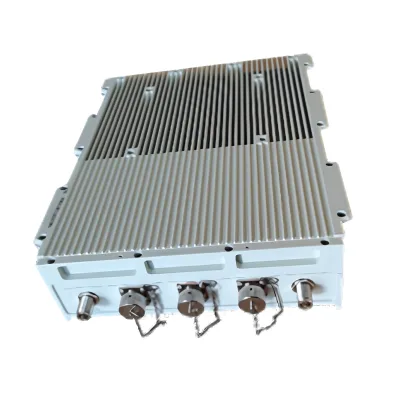
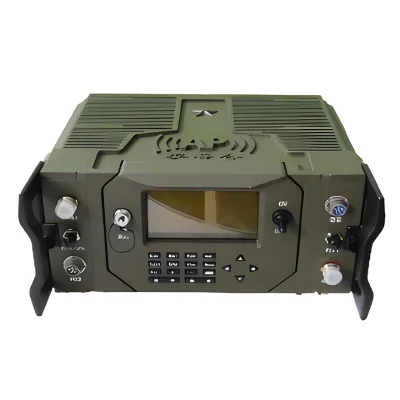
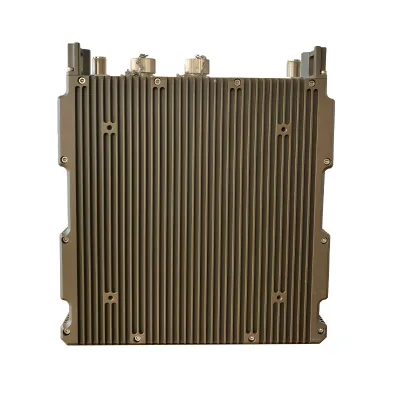
Hot Selling VHF Emergency Alarm Car Marine Radio Security & Protection Base Station for Vehicles
$22828.328
MOQ: 1 Minimum

Shenzhen Antarctic Star Union Technology Co., Ltd.
- Verified by CTI
- Trading Company
- China Guangdong
- Lead time15 days
- Avg. response≤ 10h
Main productsPoc Radio, Poc Walkie Talkie, Best Poc Radio, Android Poc Radio, Rugged Two Way Radio, Dmr, Rugged Radio, Radio Cloud, Android Car Stereo, Cloud Radio
Main marketsAfrica,Southeast Asia/ Mideast,Domestic,Europe


RS-509mg IP68 Waterproof VHF Vehicle Mounted Marine Radio 25W Walkie Talkie
$35.00 - $50.00
MOQ: 10 Pieces

RS-38m VHF Marine Radio with Program Cable, IP67 Waterproof Floating Walkie Talkie
$35.00 - $50.00
MOQ: 10 Pieces

RS-506m IP67 Waterproof VHF Marine Radio with DSC Function Walkie Talkie
$35.00 - $50.00
MOQ: 10 Pieces

RS-38m Built-in GPS IP67 Waterproof Floating VHF Marine Radio 156.025 163.275MHz
$35.00 - $50.00
MOQ: 10 Pieces

RS-507m VHF Marine Boat Radio Transceiver Walkie Talkie Long Range Marine Device
$35.00 - $50.00
MOQ: 10 Pieces

Guangzhou Minxing Communication Equipment Co., Ltd.
- Verified by BV
- Trading Company
- China Guangdong
- Lead time15 days
- Avg. response≤ 4h
Main productsWalkie Talkie
Main marketsAfrica,Domestic,North America

Lianyungang Haotong Electromechanical Equipment Co., Ltd.
- Trading Company
- Jiangsu, China
- Lead time0 days
- Avg. response≤ 7h
Main productsConsumer Electronics
Main marketsOceania(20.00%), Southeast Asia(20.00%), Eastern Europe(20.00%), South America(20.00%), North America(20.00%)
Fujian JJCC Electronic Co., LTD
- Manufacturer
- Fujian, China
- Lead time7 days
- Avg. response≤ 2h
Main productsWalkie Talkie,Walkie Talkie Accessories
Main marketsSoutheast Asia(50.00%), Domestic Market(20.00%), Oceania(10.00%), North America(5.00%), Eastern Asia(4.00%), South Asia(2.00%), South America(2.00%), Eastern Europe(1.00%), Southern Europe(1.00%), Mid East(1.00%), Northern Europe(1.00%), Central America(1.00%), Western Europe(1.00%), Africa(1.00%)
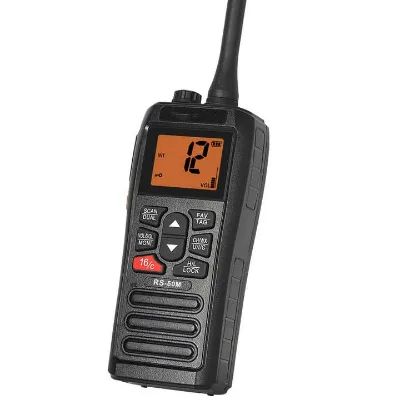
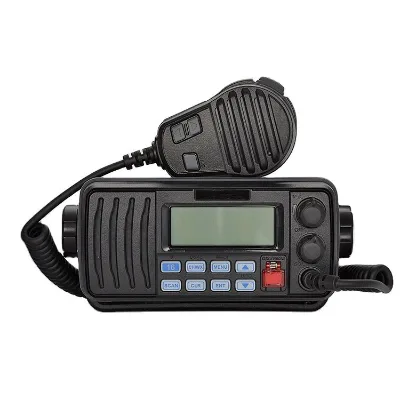
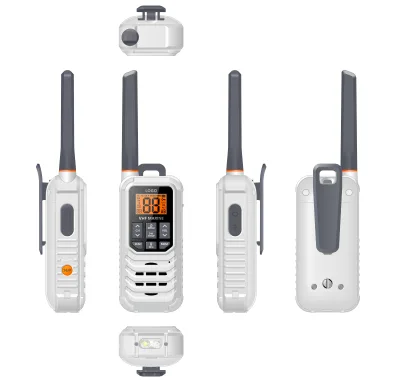
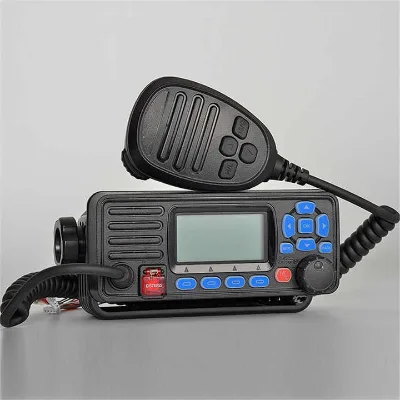
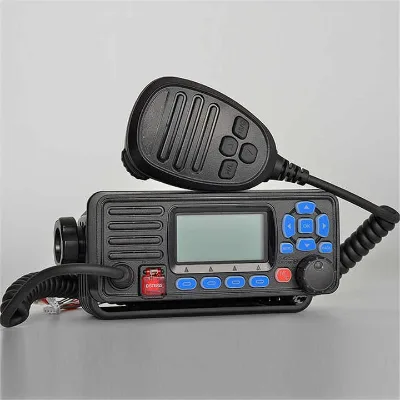
Recent RS-509MG Built-in GPS High Power Output Marine Radio Long Distance Communication Boat Radio
$110.00 - $120.00
MOQ: 1 pieces
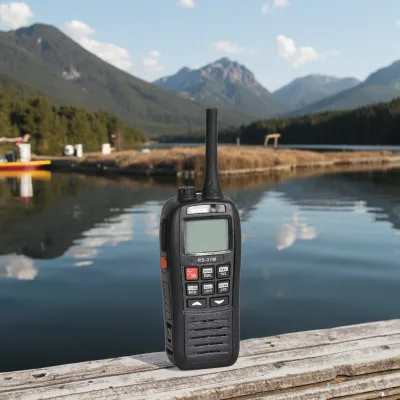
- Trading Company
- Hong Kong S.A.R.
- Lead time0 days
- Avg. response≤ 3h
Main productsWalkie Talkie, Two-way Radio, Antenna, Drones, Satellite Phone
Main marketsMid East(15.00%), North America(13.00%), South America(10.00%), Africa(8.00%), Western Europe(7.00%), Eastern Europe(7.00%), Domestic Market(7.00%), Southeast Asia(7.00%), South Asia(5.00%), Eastern Asia(5.00%), Southern Europe(5.00%), Central America(5.00%), Oceania(3.00%), Northern Europe(3.00%)
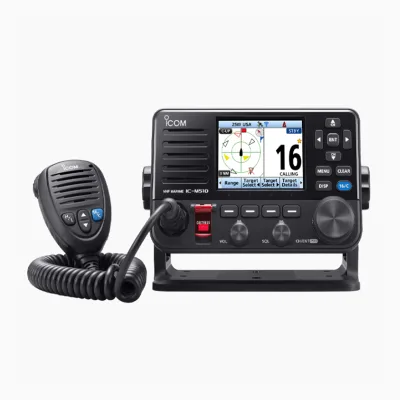
$647.574 - $657.8691
MOQ: 2 units

Quanzhou Saiwei Technology Co., Ltd.
- Verified by SGS
- Combined
- China Fujian
- Lead time15 days
- Avg. response≤ 23h
Main marketsDomestic


Portable Walkie Talkie IP66 Waterproof Marine Radios CD-528 with Programming Software
$29.00 - $35.00
MOQ: 1 Pieces

Quanzhou Gubao Electronic Technology Co., Ltd.
- Verified by SGS
- Trading Company,Manufacturer/Factory
- China Fujian
- Lead time23 days
- Avg. response≤ 2h
Main productsWalkie-Talkie, Car Radio, Walkie-Talkie Battery, Walkie-Talkie Accessories, Walkie-Talkie Charger, Walkie-Talkie Antenna, Android Zello, Two Way Radio
Main marketsSouth America,Mid East,North America,Southeast Asia,Eastern Asia,Africa


IC-M23 VHF Marine Radio 5W Handheld Marine Transceiver IP68 Waterproof Walkie Talkie
$95.00 - $110.00
MOQ: 1 Pieces

$206.00 - $242.00
MOQ: 2 Pieces

Quanzhou Ruihui Electronic Technology Co., Ltd.
- Verified by SGS
- Trading Company
- China Fujian
- Lead time15 days
- Avg. response≤ 4h
Main marketsDomestic

Marine Navigation Communication Radio with 150W Output Power Transceiver
$1195.00 - $1205.00
MOQ: 2 Pieces


VHF Cass a Marine Mobile Radio IC-M605 VHF AIS SDR Radio GPS Navigation Communication Radio
$841.00 - $849.00
MOQ: 2 Pieces

$861.00 - $863.00
MOQ: 2 Pieces

Marine Radio IC-M803 Hf Transceiver Navigation Communication Radio Integrated GPS Receiver
$1790.00 - $1793.00
MOQ: 2 Pieces

Quanzhou Maruzai E-Commerce Co., Ltd.
- Trading Company
- Fujian, China
- Lead time0 days
- Avg. response≤ 1h
Main productsWalkie Talkie,charger,battery,Microphone,earphone
Main marketsSoutheast Asia(30.00%), North America(30.00%), South America(20.00%), Central America(10.00%), Southern Europe(5.00%), Oceania(5.00%)
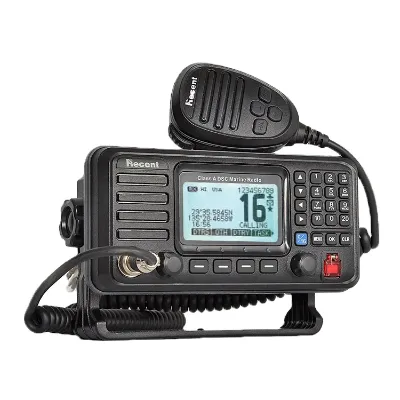
$143.3479 - $153.586
MOQ: 1 pieces
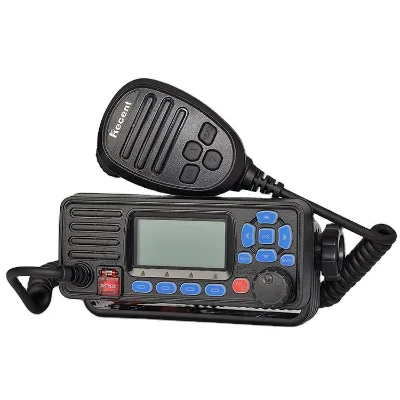
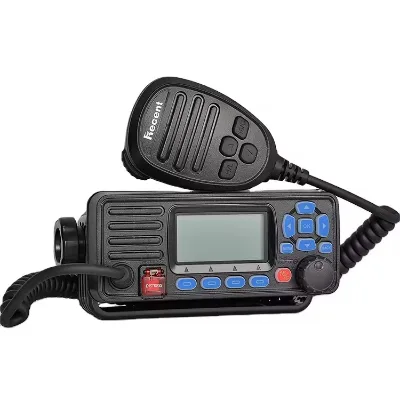
$102.3907 - $107.5113
MOQ: 2 pieces
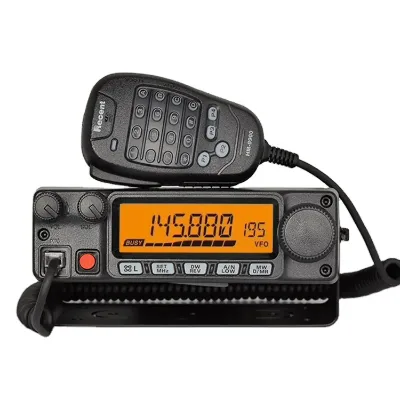
$117.9908 - $123.1219
MOQ: 1 pieces
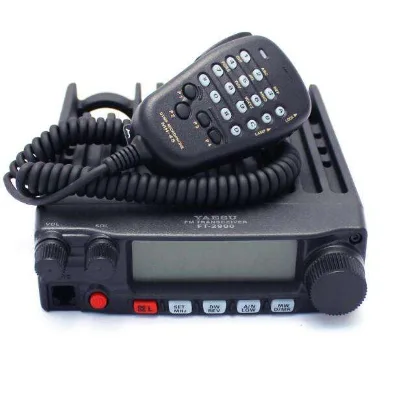
Quanzhou Yitian Trading Co., Ltd.
- Trading Company
- Fujian, China
- Lead time15 days
- Avg. response≤ 3h
Main productsrepeaters,walkie-talkies,Walkie Talkie Accessories,car radio
Main marketsDomestic Market(30.00%), Mid East(10.00%), North America(10.00%), Southeast Asia(10.00%), South Asia(10.00%), Africa(5.00%), South America(5.00%), Southern Europe(5.00%), Northern Europe(5.00%), Western Europe(5.00%), Eastern Asia(5.00%)
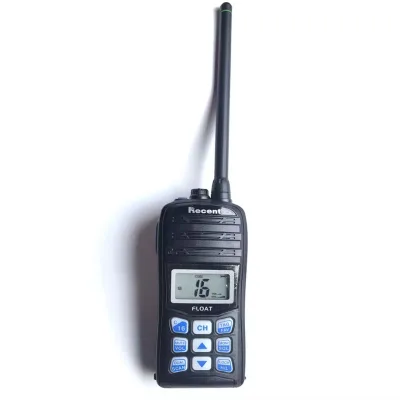
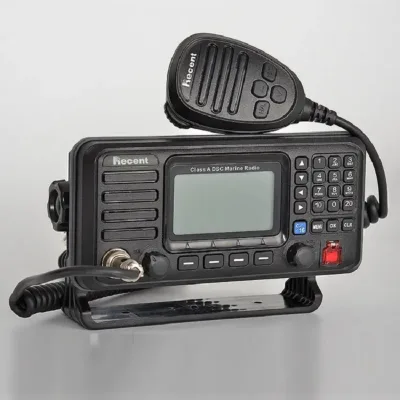
$56.3699 - $58.458
MOQ: 2 pieces
- Verified by SGS Group
- Trading Company
- Lead time0 days
Main productsMarine Services, Spare Parts and Repairs, Fuel Additives, Boat Services
Main marketsDomestic Market(28%), Southeast Asia(20%), Western Europe(15%)

Fujian Nan'an Guoxun Electronics Co., Ltd.
- Trading Company
- Fujian, China
- Lead time0 days
- Avg. response≤ 2h
Main productsWalkie talkie,Walkie talkie accessories
Main marketsMid East(30.00%), North America(10.00%), Oceania(10.00%), Northern Europe(10.00%), Southeast Asia(10.00%), Eastern Europe(10.00%), Central America(10.00%), Africa(5.00%), South America(5.00%)
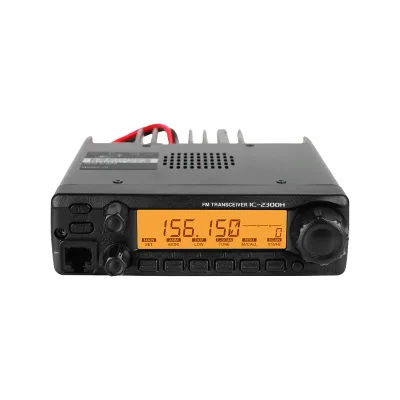
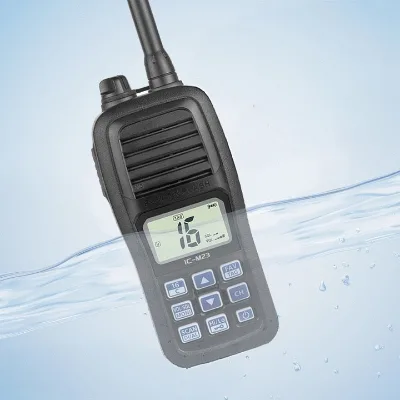
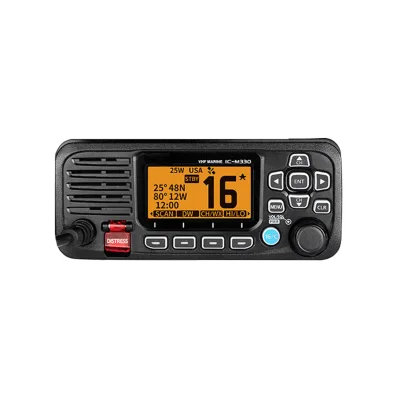
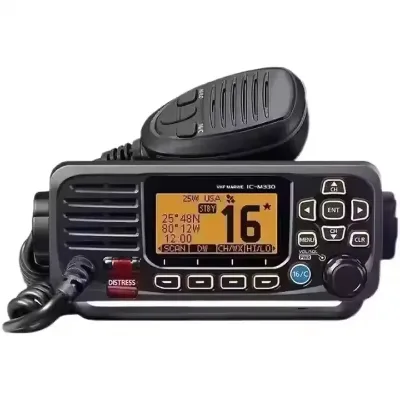
Waterproof IPX7 25W Marine Walkie Talkie Marine Radio Vhf Walkie Talkie Long Range M330 for Sea
$108.00 - $128.60
MOQ: 1 pieces

Hangzhou Taihang Technology Import&Export Co., Ltd
- Trading Company
- China Zhejiang
- Lead time60 days
- Avg. response≤ 15h
Main productsMarine Propulsion System, Marine Window, Marine Door, Marine Wheelhouse Console, Laser Cutting Servies, Marine Paint, Marine Pump, Marine Capstan, Airboat, Aluminum Catamaran
Main marketsSouth America,Africa,Southeast Asia/ Mideast

- Verified by BV
- Trading Company
- China Fujian
- Lead time23 days
- Avg. response≤ 3h
Main productsWalkie Talkie, Accessories for Walkie Talkie, Battery, Charger, Microphone, Earphone, Mobile Radio, Repeater, Poc Radio, Two Way Radio
Main marketsSoutheast Asia/ Mideast




Comprehensive Sourcing Guide
Vehicle Mounted Marine Radio with Beidou GPS Supplier Concentration and Factory Types
The current supplier landscape for Vehicle Mounted Marine Radio with Beidou GPS reveals a distinct geographic concentration in Guangdong, China, which serves as a primary manufacturing hub for these specialized communication devices. This region is well-established for producing marine electronics, including GPS, AIS products, fish finders, and marine radios, indicating a mature supply chain ecosystem that supports both component sourcing and final assembly. In addition to Guangdong, some product origins are listed as Fujian, China, suggesting that while manufacturing may be centralized in Guangdong, certain components or specific product lines might originate from or be associated with suppliers in Fujian. This dual-location presence highlights the importance of verifying the actual place of origin for each specific model, as the "Place of Origin" attribute in product data can vary between the manufacturer's headquarters and the production facility. Buyers should note that while the general supplier location is reported as Guangdong, individual product listings may specify Fujian or simply China, requiring careful attention to detail when evaluating the supply chain's transparency and reliability.
Supplier types in this category are diverse, encompassing both dedicated manufacturers and trading companies, with some entities operating as combined entities that blend both roles. This mix offers buyers flexibility, as manufacturers often provide deeper customization capabilities, such as OEM and ODM services, while trading companies may offer a broader range of product selections and streamlined logistics. For instance, some suppliers explicitly list their company type as "Manufacturer" or "Trading Company," while others identify as "Combined," indicating a hybrid business model. This distinction is crucial for buyers seeking specific levels of control over the production process or those looking for ready-to-ship inventory. The presence of suppliers with ODM and OEM capabilities suggests that buyers can request custom branding, packaging, or even functional modifications to meet specific marine or vehicular requirements. Understanding the supplier's type helps in assessing their capacity to handle large orders, their flexibility in product development, and their ability to provide consistent quality control throughout the manufacturing process.
How to Verify Vehicle Mounted Marine Radio with Beidou GPS Suppliers
Verifying the credibility of suppliers for Vehicle Mounted Marine Radio with Beidou GPS requires a multi-layered approach that goes beyond basic company profiles. One critical step is to check for third-party verification badges, such as SGS, which indicates that the supplier has undergone rigorous audits for quality management, safety, and compliance. In the current results, at least one supplier is verified by SGS, providing a tangible layer of trust regarding their operational standards. Additionally, buyers should scrutinize the certifications listed for specific products, as these are often mandatory for marine and vehicular electronics. For example, some products display CE, FCC, and ROHS certifications, which are essential for market access in Europe and other regions. Other listings mention ISO certifications, which reflect the supplier's adherence to international quality management standards. It is also important to look for industry-specific certifications, such as CCS (China Classification Society) or explosion-proof certificates, particularly for radios intended for use in hazardous marine environments. These certifications are not just formalities but are critical indicators of the product's safety and reliability under real-world conditions.
Beyond certifications, buyers should assess the supplier's responsiveness and communication efficiency, as these factors often correlate with their overall professionalism and reliability. The response time metric provides a quantitative measure of how quickly a supplier engages with inquiries, with some suppliers showing response times as low as 6.71 hours, while others may take up to 8 hours. A faster response time can indicate a more active sales team and a higher likelihood of timely support during the order fulfillment process. Furthermore, buyers should verify the supplier's production capabilities by requesting detailed information about their manufacturing processes, quality control measures, and testing procedures. This includes asking for sample units to test the radio's performance, including its GPS accuracy, signal clarity, and durability in marine environments. Buyers should also inquire about the supplier's ability to provide technical documentation, such as user manuals, circuit diagrams, and compliance test reports, which are essential for integrating the radio into existing vehicle or marine systems. By combining verification of credentials with direct communication and product testing, buyers can significantly reduce the risk of sourcing unreliable suppliers.
What to Compare Across Vehicle Mounted Marine Radio with Beidou GPS Suppliers
When comparing suppliers for Vehicle Mounted Marine Radio with Beidou GPS, several key dimensions must be evaluated to ensure the best value and fit for specific procurement needs. One of the most critical factors is the price range, which can vary significantly based on features, certifications, and order volume. For instance, some basic marine CB transceivers may be priced between $60 and $70, while more advanced digital mobile radios with GPS and Bluetooth capabilities can range from $298 to $398. Buyers should also consider the minimum order quantity (MOQ), as some suppliers may require a minimum of five units, while others might have higher thresholds. This is particularly important for small businesses or those testing the market with initial orders. Additionally, the supply ability, such as 3000 sets per month, indicates the supplier's capacity to handle larger orders without compromising quality or delivery times. Buyers should compare these metrics across multiple suppliers to identify those that offer the best balance of cost, volume flexibility, and production capacity.
Another crucial aspect to compare is the technical specifications and features of the radios, as these directly impact their suitability for specific applications. Buyers should look for details such as frequency ranges, output power, battery capacity, and additional features like Bluetooth, FM radio, and voice recording. For example, some radios offer a talk range of 5-10km, while others may have higher power outputs for longer distances. The presence of a built-in GNSS module supporting GPS, GLONASS, and SBAS is a key feature for accurate positioning, which is essential for marine navigation. Buyers should also compare the packaging details, such as whether the product comes in a color box or a standard carton, as this can affect shipping costs and product protection. Furthermore, the port of dispatch, such as HongKong, can influence logistics planning and delivery times. By systematically comparing these technical and commercial attributes, buyers can make informed decisions that align with their operational requirements and budget constraints.
Common Vehicle Mounted Marine Radio with Beidou GPS Sourcing Risks
Sourcing Vehicle Mounted Marine Radio with Beidou GPS from international suppliers carries inherent risks that buyers must proactively manage to avoid costly disruptions. One significant risk is the potential for misalignment between the advertised specifications and the actual product received. For example, while a product listing may claim support for Beidou GPS, the actual unit might only support GPS and GLONASS, leading to navigation inaccuracies in regions where Beidou is critical. This discrepancy can arise from vague product descriptions or intentional misrepresentation by suppliers. To mitigate this risk, buyers should request detailed technical datasheets and verify the supported satellite systems through independent testing or third-party validation. Additionally, buyers should be cautious of suppliers who do not provide clear information about the product's origin or manufacturing process, as this can obscure the true quality and reliability of the device. Ensuring that the product's place of origin matches the supplier's declared location is also important for maintaining supply chain transparency and compliance with import regulations.
Another common risk is the variability in lead times and delivery schedules, which can impact project timelines and inventory management. While some suppliers may list a lead time of zero, indicating immediate availability, others may have lead times of up to 30 days, which can be problematic for time-sensitive orders. Buyers should clarify the lead time for both sample orders and bulk production, as these can differ significantly. Furthermore, the risk of quality inconsistencies is heightened when dealing with multiple suppliers or when switching between manufacturers. To address this, buyers should establish clear quality control standards and request pre-shipment inspections to ensure that the products meet the agreed-upon specifications. Additionally, buyers should be aware of the potential for communication barriers, especially when dealing with suppliers in different time zones or with limited English proficiency. Establishing clear communication channels and using standardized terminology can help reduce misunderstandings and ensure that both parties are aligned on order details, delivery expectations, and after-sales support requirements.
Vehicle Mounted Marine Radio with Beidou GPS Regional Sourcing and Logistics
Regional sourcing and logistics play a pivotal role in the procurement of Vehicle Mounted Marine Radio with Beidou GPS, as they directly influence cost, delivery speed, and regulatory compliance. The primary manufacturing hubs for these products are located in Guangdong and Fujian, China, which are well-connected to major international shipping routes. Buyers should consider the port of dispatch, such as HongKong, when planning logistics, as this can affect transit times and shipping costs. For instance, shipping from HongKong to Europe or North America may involve different freight options, including sea freight for bulk orders and air freight for urgent or smaller shipments. Buyers should also be aware of the packaging details, as the single package size and gross weight can impact shipping efficiency and costs. For example, a product with a single package size of 25x20x10 cm and a gross weight of 2.0 kg may be more cost-effective to ship in bulk compared to larger or heavier items. Understanding these logistical factors allows buyers to optimize their supply chain and minimize unnecessary expenses.
In addition to logistics, buyers must consider the regulatory requirements of their target markets, which can vary significantly by region. For example, products destined for Europe must comply with CE, FCC, and ROHS standards, while those for other regions may have different certification requirements. Buyers should verify that the supplier's products meet the specific regulatory standards of their destination country to avoid customs delays or product rejections. Furthermore, buyers should be aware of any import duties, taxes, or tariffs that may apply to marine electronics, as these can add to the total cost of ownership. Working with suppliers who have experience in exporting to the buyer's region can help navigate these complexities, as they may already have established relationships with freight forwarders and customs brokers. By carefully planning the logistics and regulatory aspects of their sourcing strategy, buyers can ensure a smooth and efficient procurement process for Vehicle Mounted Marine Radio with Beidou GPS.
Vehicle Mounted Marine Radio with Beidou GPS Commercial Terms and Order Planning
Effective commercial terms and order planning are essential for successful procurement of Vehicle Mounted Marine Radio with Beidou GPS, as they determine the financial and operational aspects of the transaction. Buyers should negotiate clear payment terms, such as using escrow services to protect their funds until the goods are received and verified. This is particularly important when dealing with new suppliers or large orders, as it provides a layer of security against non-delivery or quality issues. Additionally, buyers should clarify the warranty and after-sales support policies, including the duration of the warranty, the process for claiming repairs or replacements, and the availability of technical support. Some suppliers may offer customization options, such as private labeling or custom packaging, which can be valuable for branding purposes but may require additional lead time and cost. Buyers should also consider the supply ability, such as 3000 sets per month, when planning their orders, as this indicates the supplier's capacity to handle recurring demand without delays.
Order planning should also account for the lead time and production schedule, as these factors can impact inventory management and project timelines. Buyers should request a detailed production timeline from the supplier, including the time required for sample approval, mass production, and quality control. This information allows buyers to plan their inventory levels and avoid stockouts or overstocking. Furthermore, buyers should consider the MOQ, as some suppliers may require a minimum of five units, which can be a barrier for small businesses or those testing the market. By understanding the supplier's production capabilities and lead times, buyers can
FAQs
What is the price range for marine VHF radios with GPS?
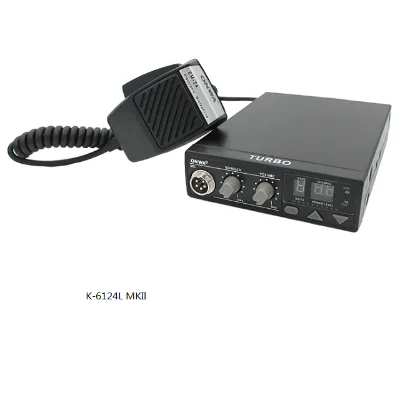
Prices for marine VHF radios with GPS typically range from $60 to $398 per unit. Basic models like the K-6124L MKII start around $60, while advanced digital mobile radios with GPS and Bluetooth can cost up to $398. Buyers should verify specific model pricing as costs vary based on features and certification levels.
What certifications are available for marine radios?
Marine radios often carry CE, FCC, and RoHS certifications. Some specialized models, such as explosion-proof variants, include CCS or explosion certificates. Digital mobile radios may also feature ISO certification. Buyers should request specific certification documents to ensure compliance with regional maritime regulations and safety standards before placing orders.
What is the typical lead time for marine radio orders?
Lead times for marine radios vary by supplier, with some offering production within 30 days. Certain manufacturers list zero lead time for specific stock items, while others require standard manufacturing periods. Buyers should confirm exact delivery schedules with suppliers, as lead times depend on order volume, customization requirements, and current production capacity.
What is the minimum order quantity for marine radios?
Minimum order quantities for marine radios typically start at five units per model. Some suppliers may have different MOQs depending on the product type, such as handheld versus mobile radios. Buyers should verify the specific MOQ for their desired model, as bulk orders might qualify for better pricing or customized packaging options.
Where are marine radios manufactured?
Marine radios are primarily manufactured in Guangdong and Fujian, China. Suppliers in these regions offer various models, including VHF fixed radios, handheld transceivers, and digital mobile units. Buyers can source products from these locations, ensuring access to a wide range of marine communication equipment with established supply chains and manufacturing capabilities.
What response times can buyers expect from suppliers?
Suppliers typically respond to inquiries within 6.7 to 8 hours. Faster response times indicate active customer service teams ready to assist with technical questions or order details. Buyers should expect prompt communication, which helps in clarifying product specifications, pricing, and shipping arrangements efficiently during the sourcing process.